Mechanical Seal Leakage
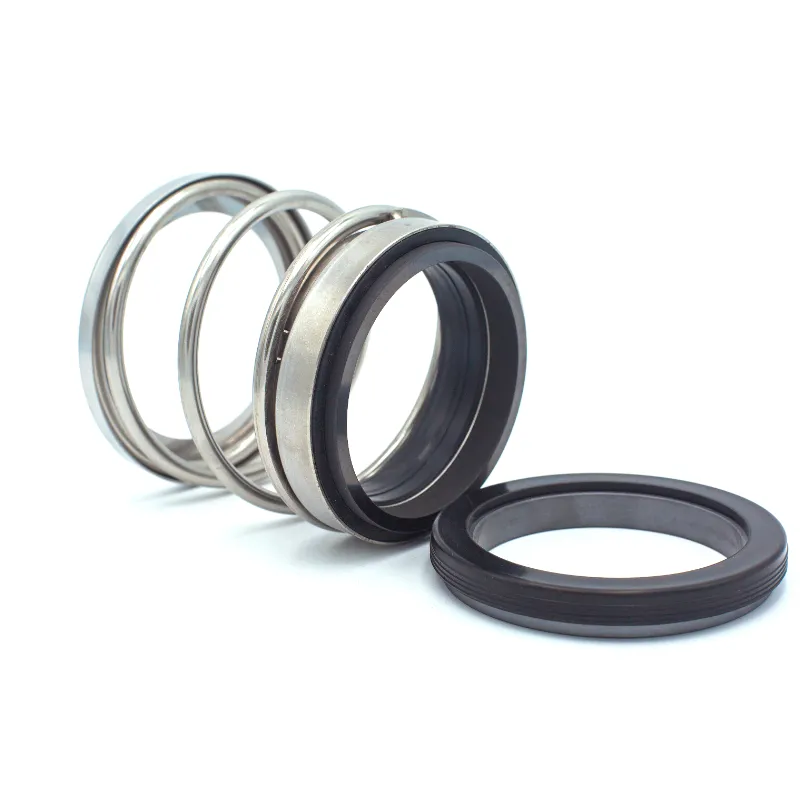
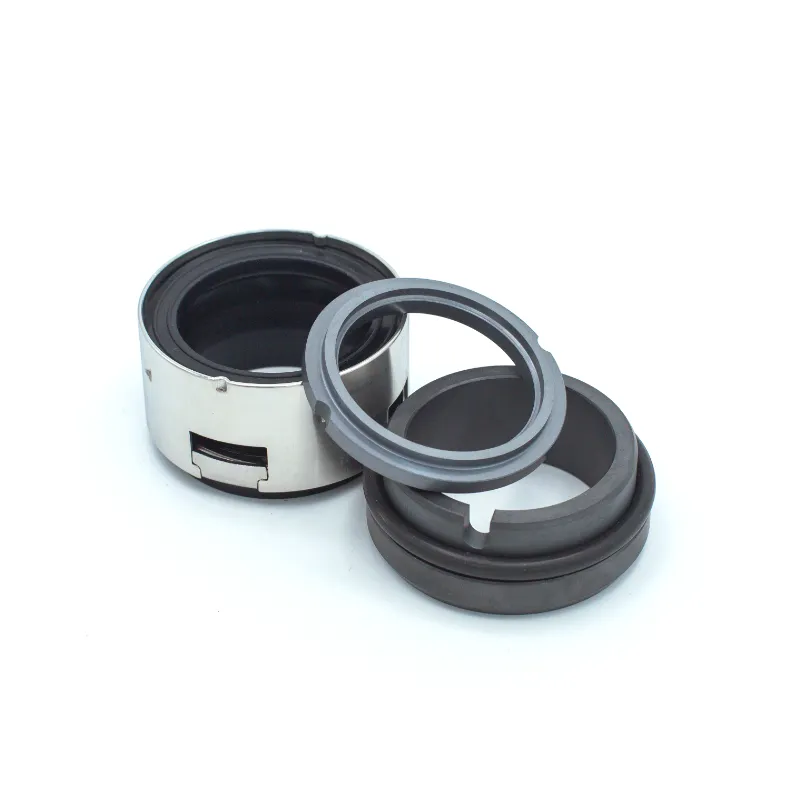
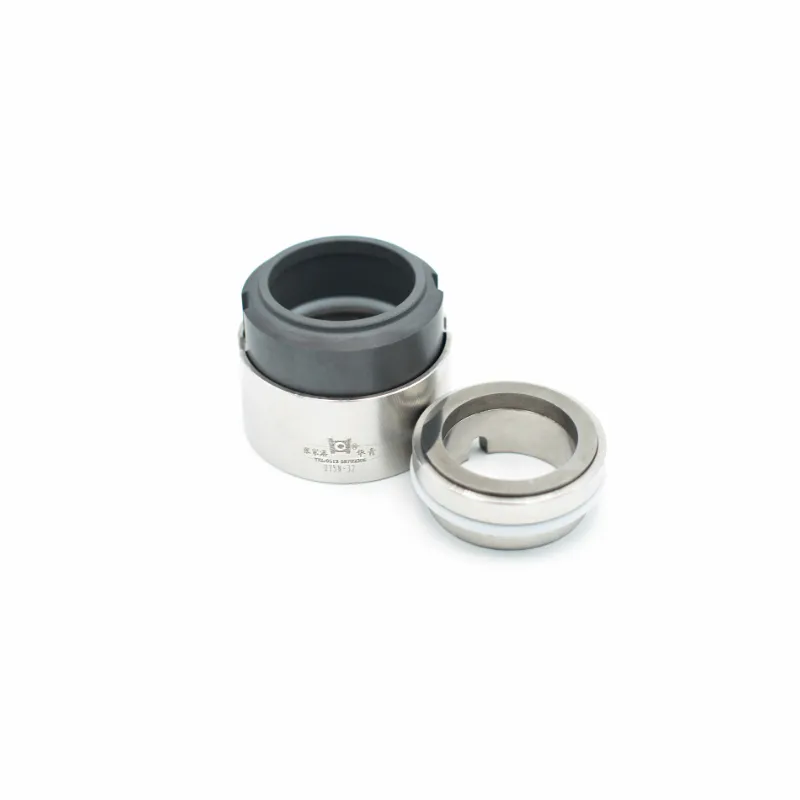
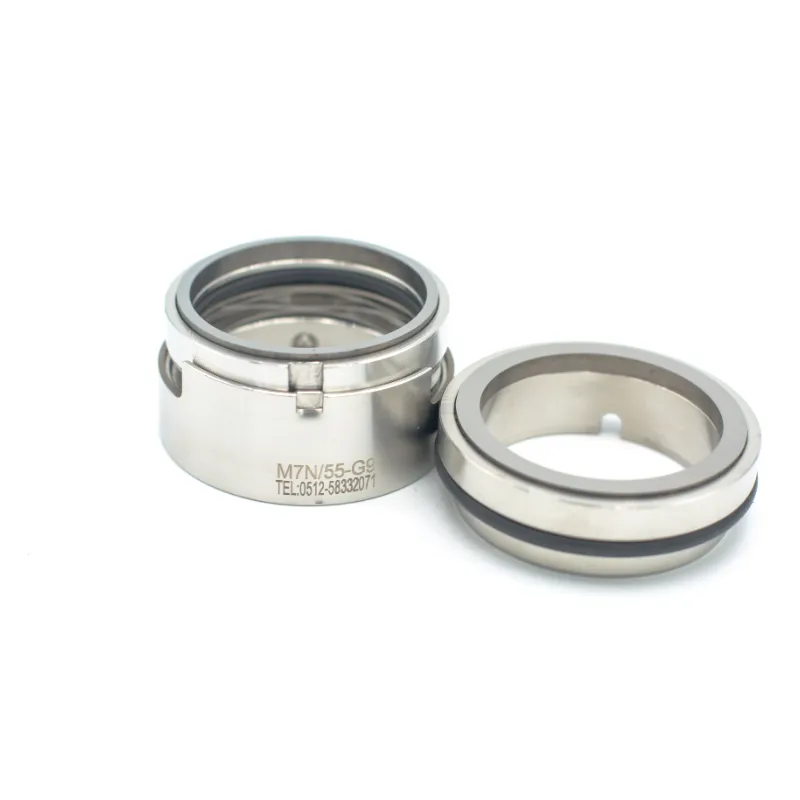
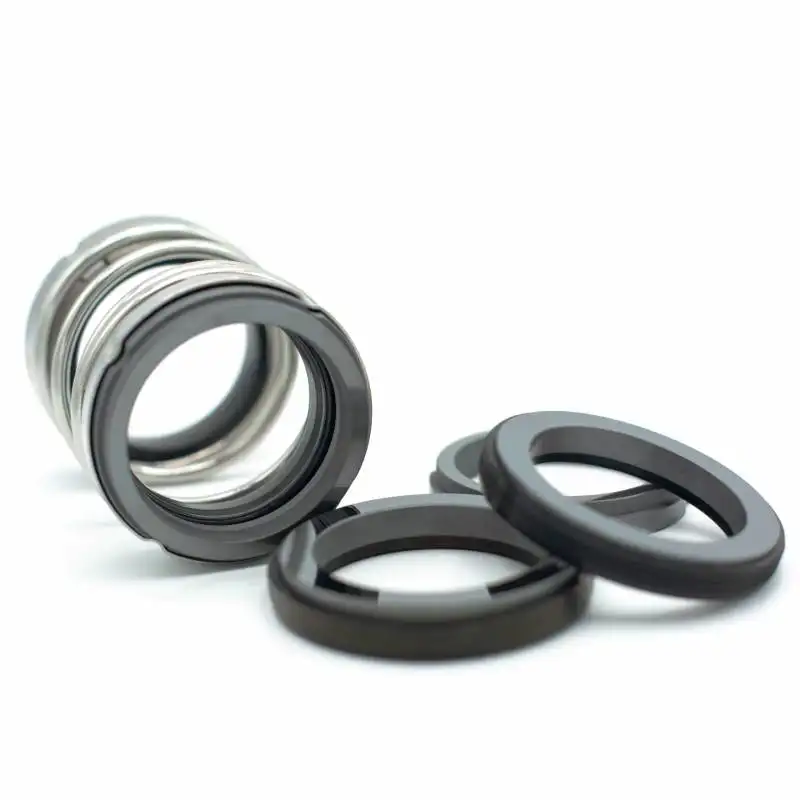
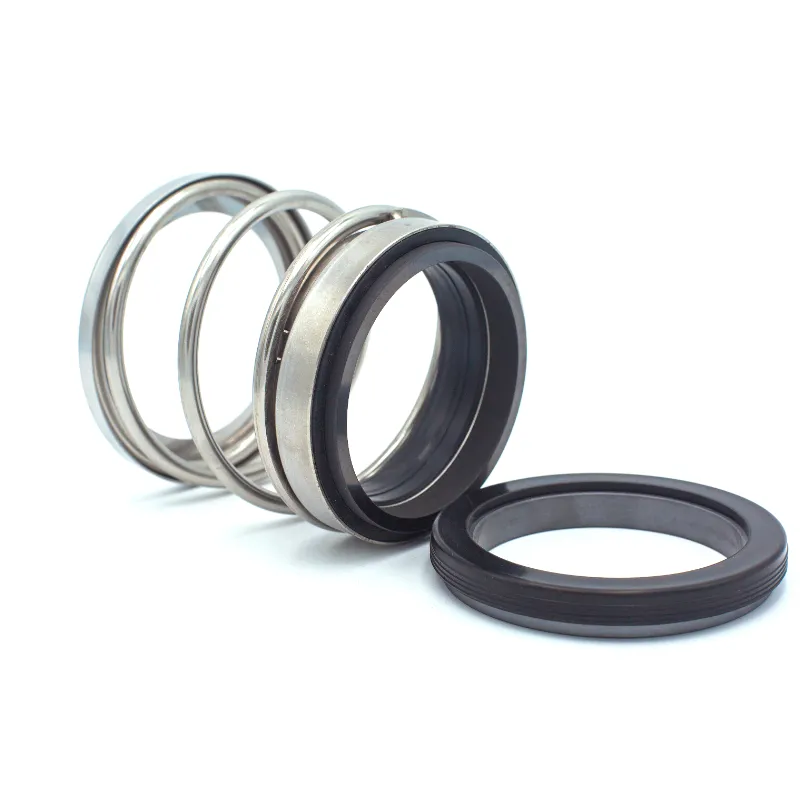
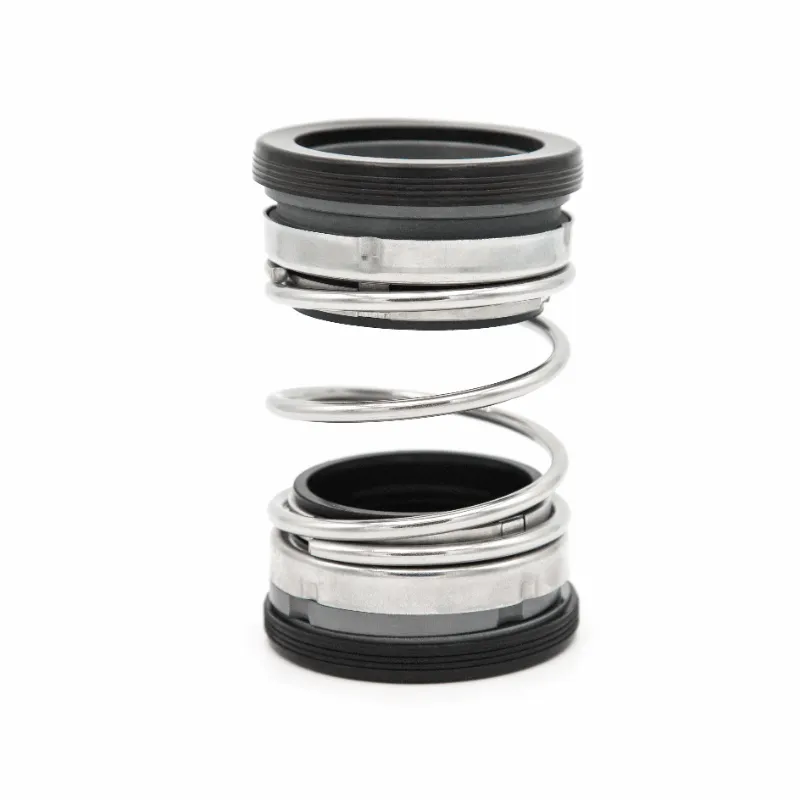
Mechanical Seal Leakage represents a critical challenge in industrial pumping systems where fluid containment becomes compromised, leading to operational inefficiencies and potential safety hazards. Understanding mechanical seal leakage requires recognizing that mechanical seals serve as dynamic sealing devices designed to prevent fluid escape from rotating equipment such as pumps, compressors, and mixers. When mechanical seal leakage occurs, it indicates a breakdown in the sealing mechanism between stationary and rotating components, allowing process fluids to escape into the atmosphere or contaminate surrounding areas. The primary function of addressing mechanical seal leakage involves implementing preventive measures, monitoring systems, and corrective actions to maintain optimal sealing performance. Technological features associated with mechanical seal leakage management include advanced monitoring sensors that detect early signs of seal deterioration, precision alignment tools that ensure proper installation, and high-performance seal materials that resist wear and chemical degradation. Modern approaches to combating mechanical seal leakage incorporate smart monitoring technologies that provide real-time data on seal condition, temperature variations, and pressure fluctuations. These systems enable operators to identify potential mechanical seal leakage before catastrophic failure occurs, allowing for planned maintenance interventions rather than emergency shutdowns. Applications for mechanical seal leakage solutions span across numerous industries including chemical processing, petroleum refining, water treatment, pharmaceutical manufacturing, and food processing. In chemical plants, mechanical seal leakage prevention ensures hazardous materials remain contained, protecting workers and the environment from exposure. Water treatment facilities rely on effective seal management to prevent contamination and maintain system efficiency. The pharmaceutical industry demands exceptional sealing performance to prevent product contamination and ensure compliance with strict regulatory standards. Food processing operations require mechanical seal leakage control to maintain sanitary conditions and prevent bacterial contamination that could compromise product safety and quality standards throughout production processes.
 EN
EN