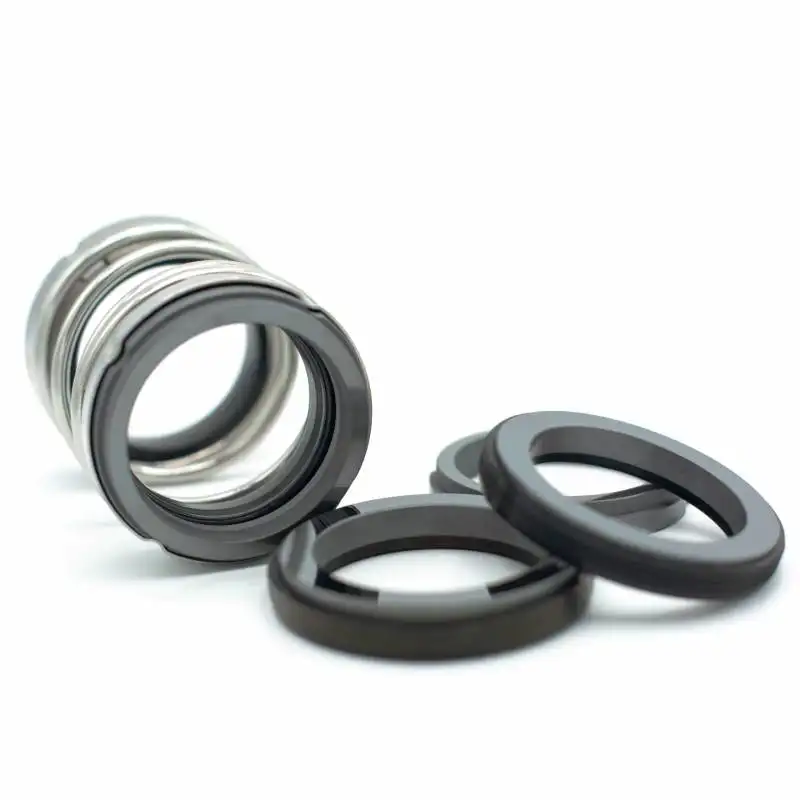
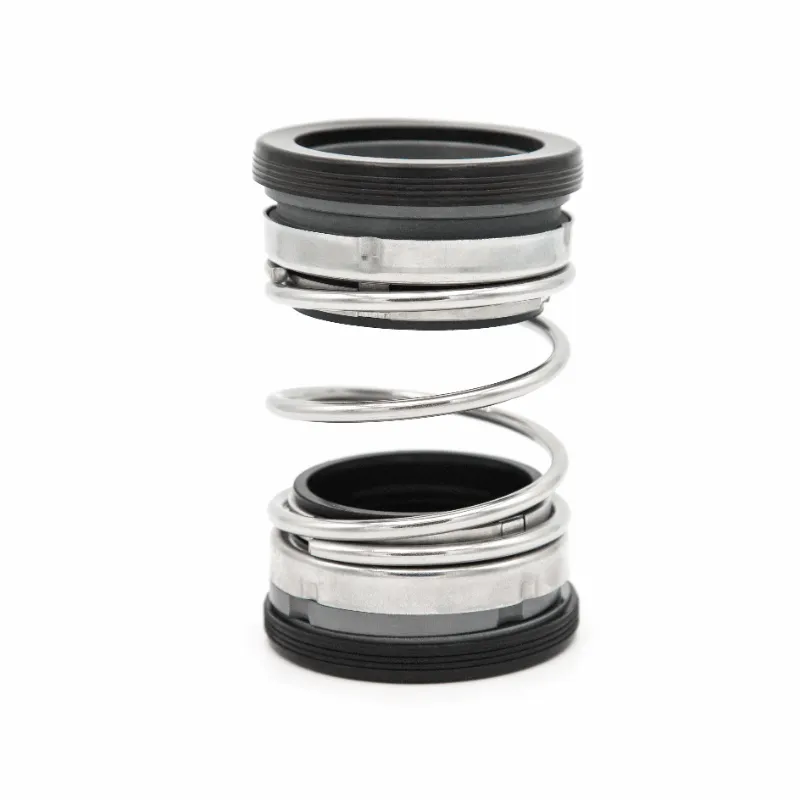
High-temperature mechanical seals
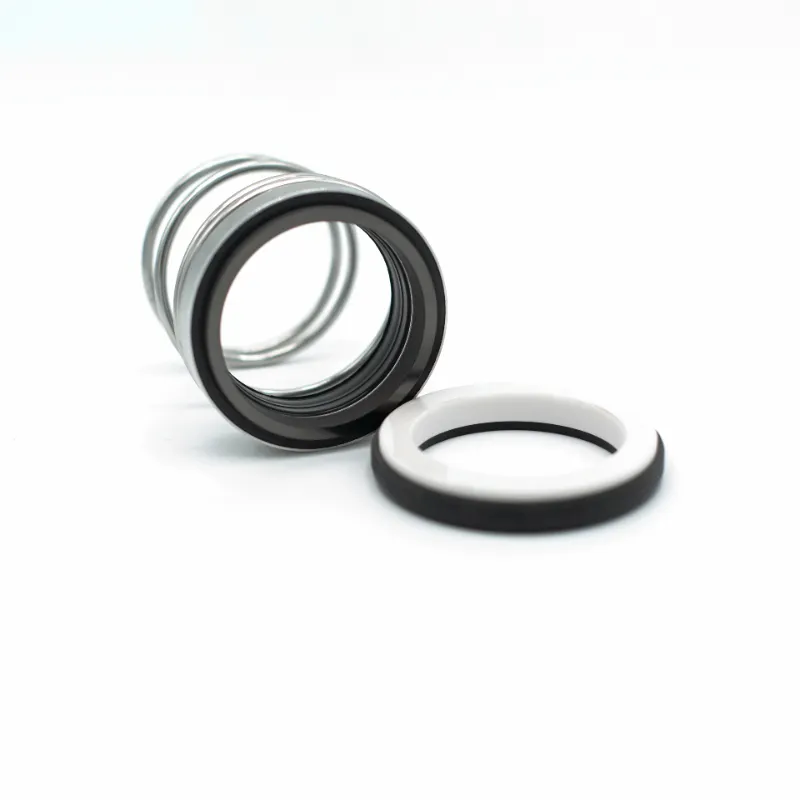
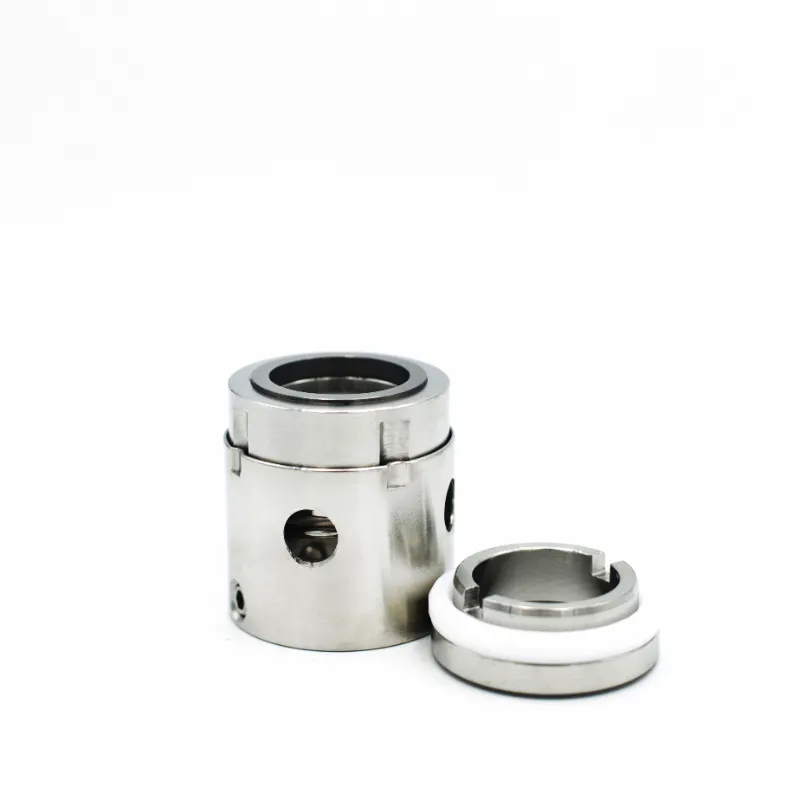
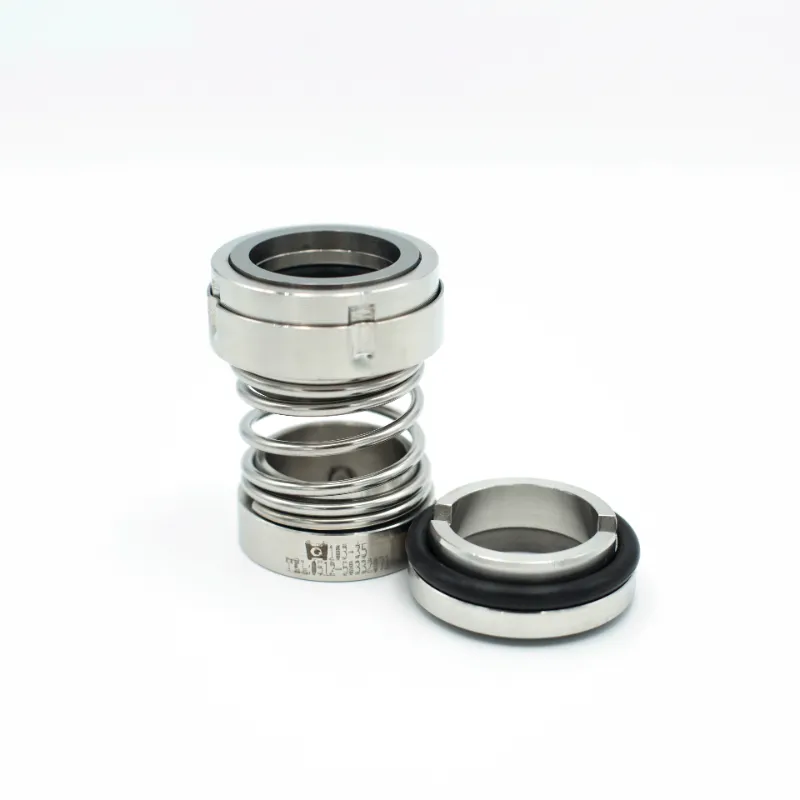
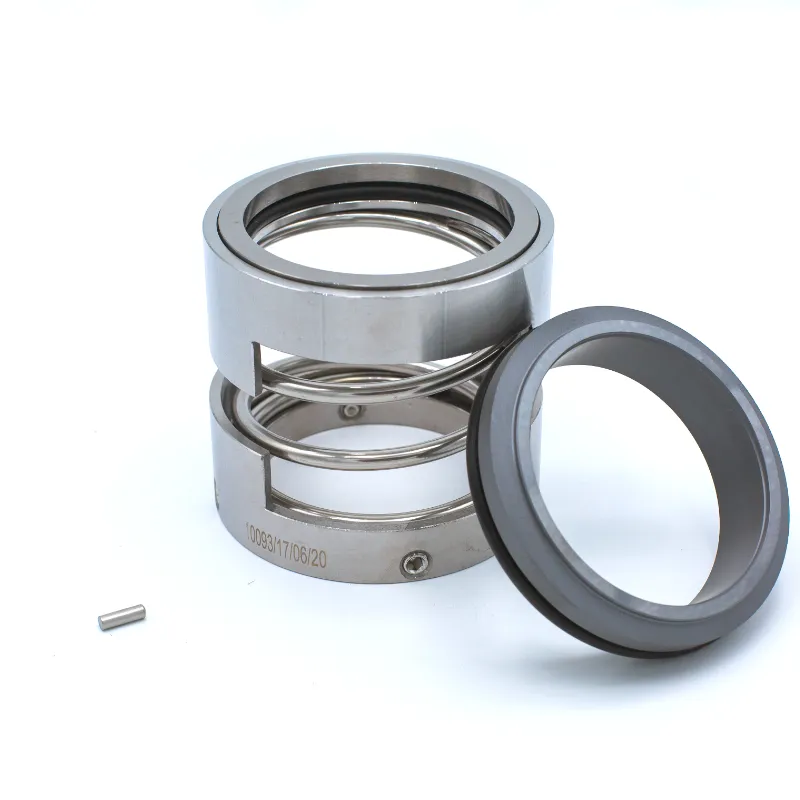
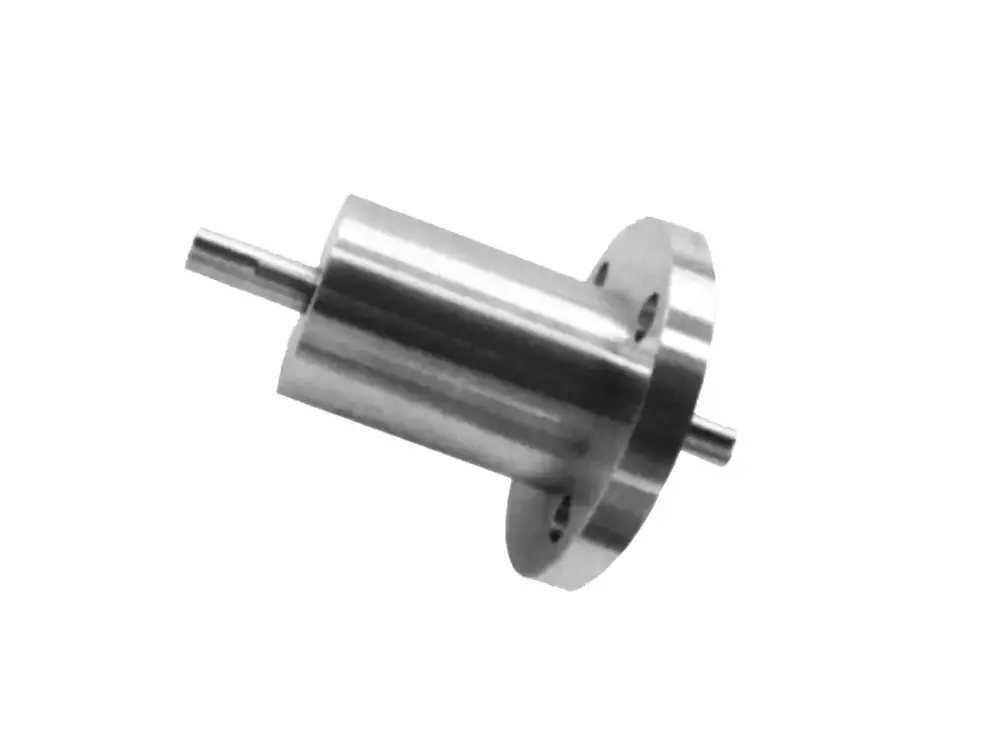
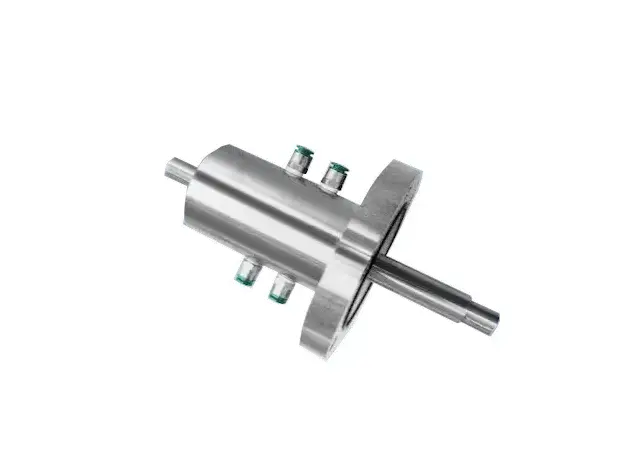
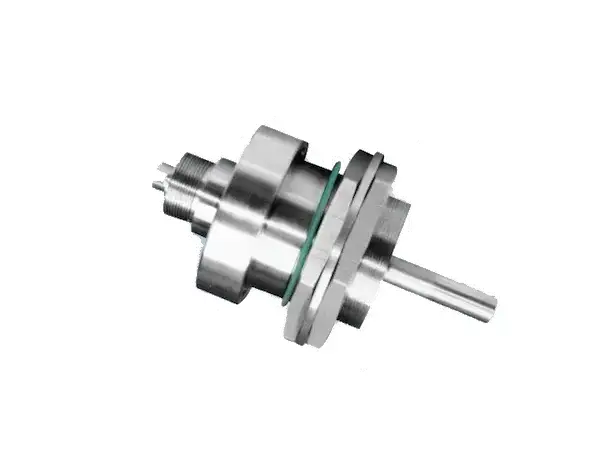
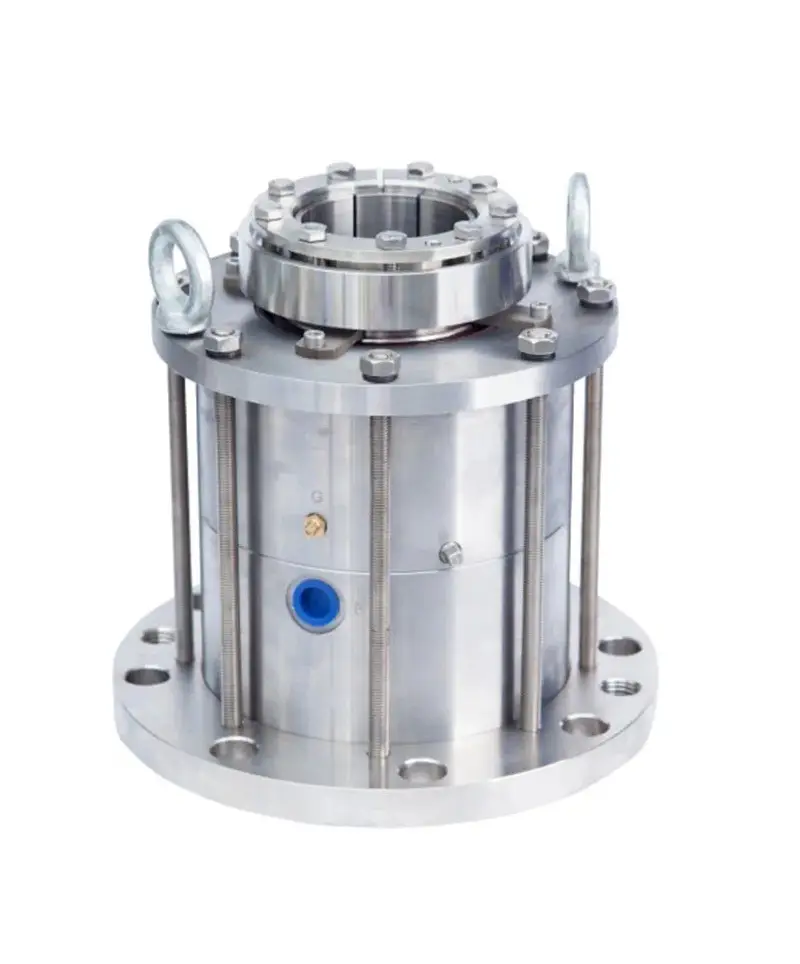
High-temperature mechanical seals represent cutting-edge sealing technology specifically engineered to perform reliably in extreme thermal conditions where conventional sealing solutions fail. These specialized components maintain critical sealing integrity in applications operating at temperatures ranging from 200°C to over 500°C, depending on the specific design and materials used. The primary function of high-temperature mechanical seals centers on preventing fluid leakage between rotating and stationary equipment components while withstanding intense heat, thermal cycling, and aggressive operating environments. These seals incorporate advanced materials such as silicon carbide, tungsten carbide, and specialized carbon graphite compositions that exhibit exceptional thermal stability and wear resistance. The technological features include precision-engineered seal faces with micro-polished surfaces, spring-loaded mechanisms that maintain consistent contact pressure throughout temperature fluctuations, and specialized secondary sealing elements made from high-performance elastomers or metal components. Dynamic balancing ensures optimal performance across varying pressure and temperature conditions. Applications span diverse industrial sectors including petrochemical processing, power generation, aerospace propulsion systems, automotive engines, steel manufacturing, glass production, and pharmaceutical processing equipment. In petrochemical facilities, these seals protect pumps handling hot crude oil, thermal fluids, and high-temperature process chemicals. Power plants utilize them in steam turbines, boiler feed pumps, and cooling systems. Aerospace applications include jet engine components and rocket propulsion systems where extreme temperatures are routine. The automotive industry relies on high-temperature mechanical seals for turbocharger assemblies, exhaust gas recirculation systems, and high-performance engine applications. Manufacturing processes involving molten metals, hot gases, or heated liquids depend on these seals for operational safety and efficiency. The sophisticated engineering behind high-temperature mechanical seals ensures they deliver consistent performance while minimizing maintenance requirements and extending equipment service life in challenging thermal environments.
 EN
EN