API Plan 11 flush system
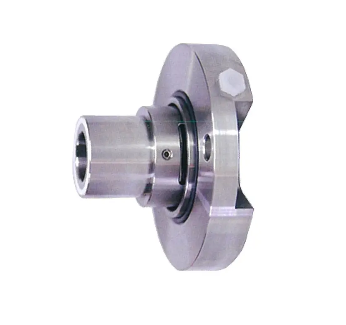
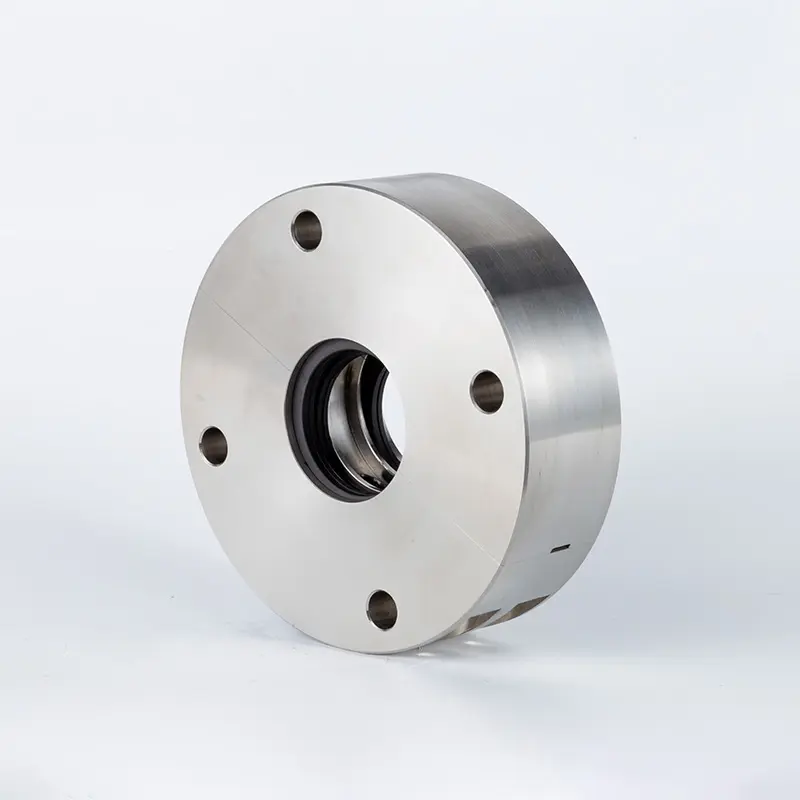
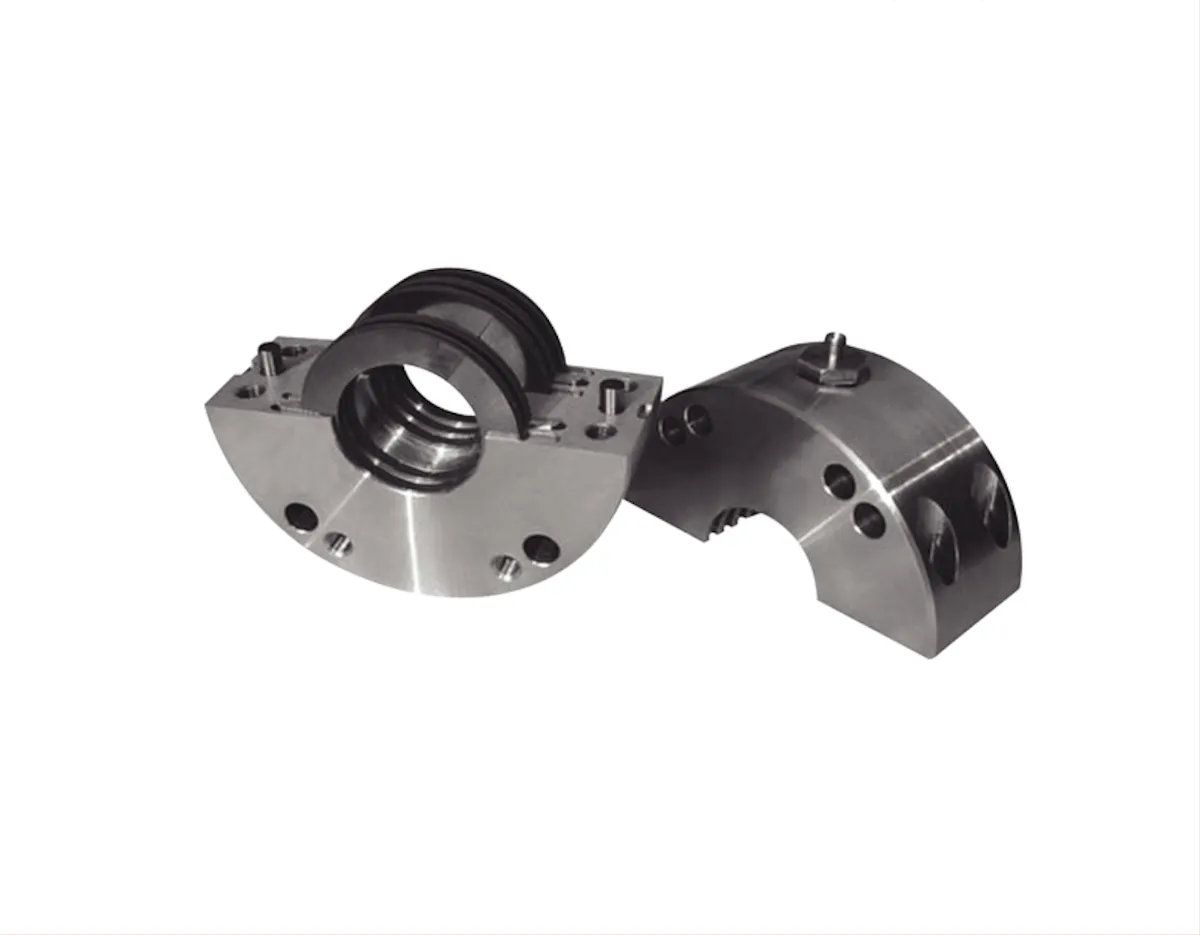
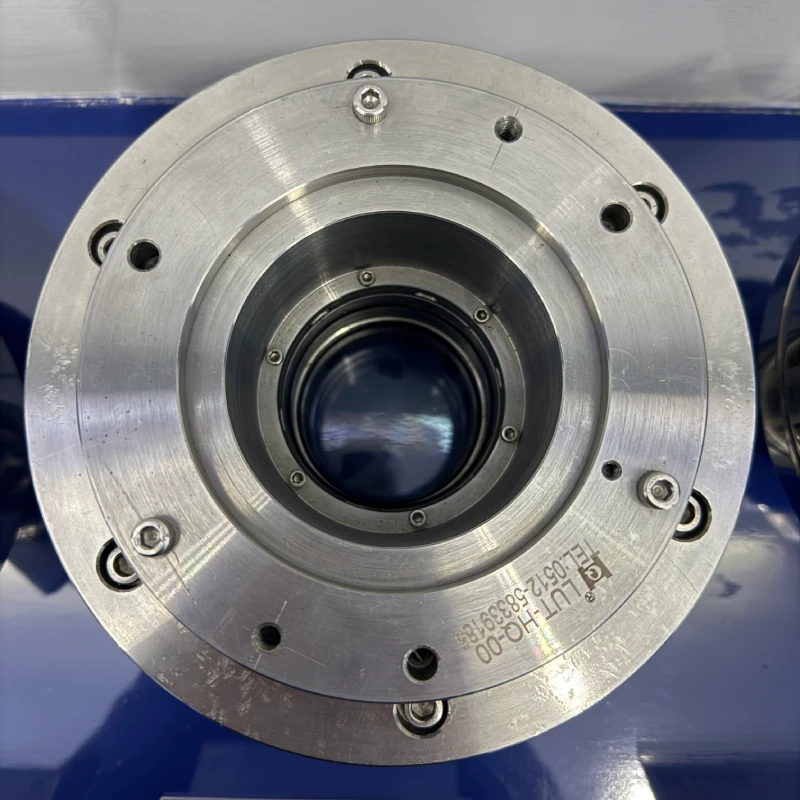
The API Plan 11 flush system represents a critical component in mechanical seal support systems, designed specifically to enhance the performance and longevity of rotating equipment seals. This sophisticated system operates by introducing a clean buffer fluid between the primary seal faces, effectively preventing process fluid from reaching the atmospheric side of the seal arrangement. The API Plan 11 flush system utilizes an external source of compatible fluid that flows through the seal chamber, creating a protective barrier that shields sensitive seal components from harsh process conditions. The system incorporates precise flow control mechanisms that regulate the buffer fluid circulation, ensuring optimal pressure differentials across the seal faces. Modern implementations of the API Plan 11 flush system feature advanced monitoring capabilities that track flow rates, pressure levels, and fluid quality parameters in real-time. The technological architecture includes dedicated piping networks, control valves, and instrumentation packages that work together to maintain consistent flush conditions. This flush system proves particularly valuable in applications where process fluids contain abrasive particles, corrosive chemicals, or temperature extremes that could compromise seal integrity. The API Plan 11 flush system integrates seamlessly with various seal configurations, including single and dual arrangements, providing flexibility across different industrial applications. Key components include buffer fluid reservoirs, circulation pumps, heat exchangers, and filtration units that maintain fluid cleanliness and temperature control. The system operates continuously during equipment operation, ensuring constant protection against seal face contamination and thermal damage. Installation requirements involve careful consideration of fluid compatibility, pressure ratings, and environmental conditions to optimize system performance. Regular maintenance protocols for the API Plan 11 flush system focus on fluid quality monitoring, component inspection, and performance verification to ensure reliable long-term operation.
 EN
EN