Mechanical Seal Installation
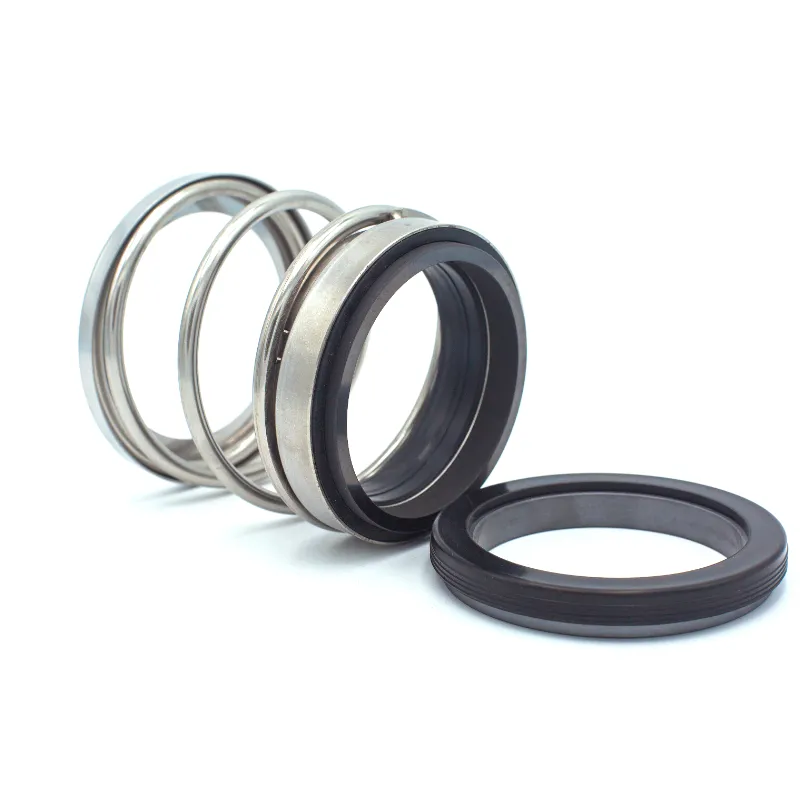
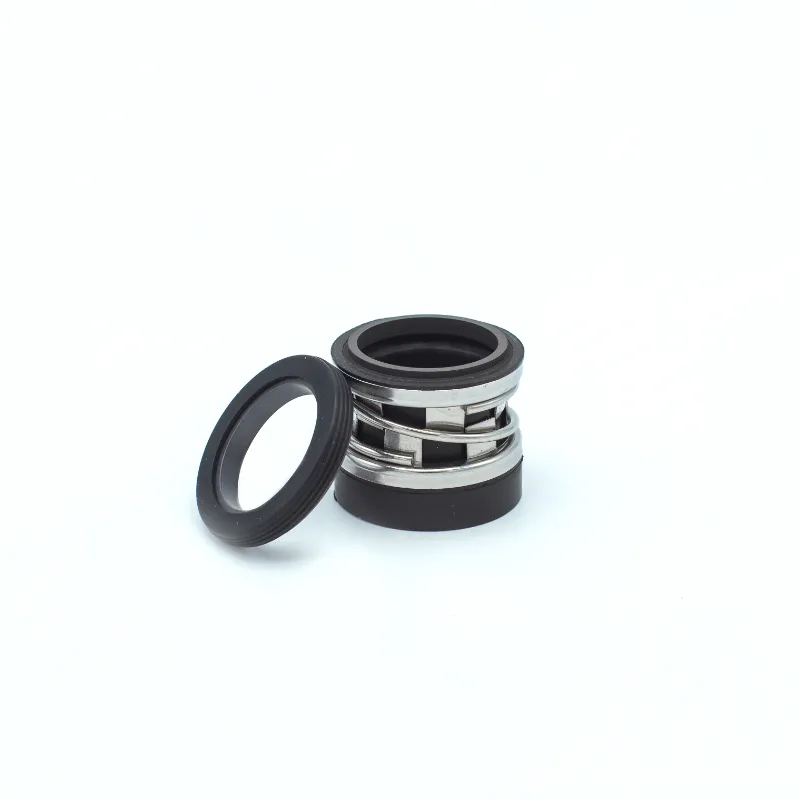
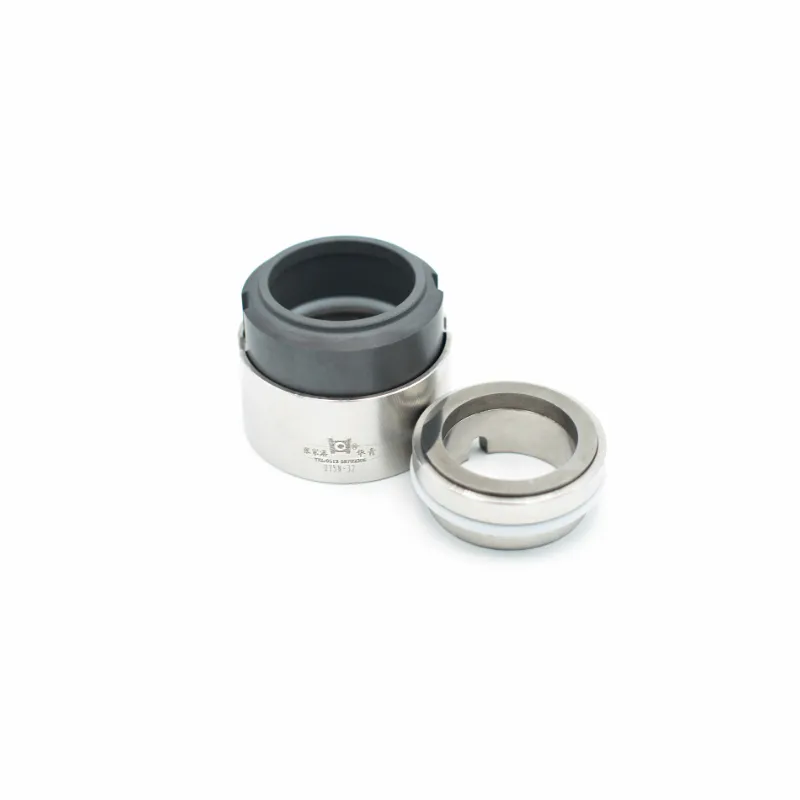
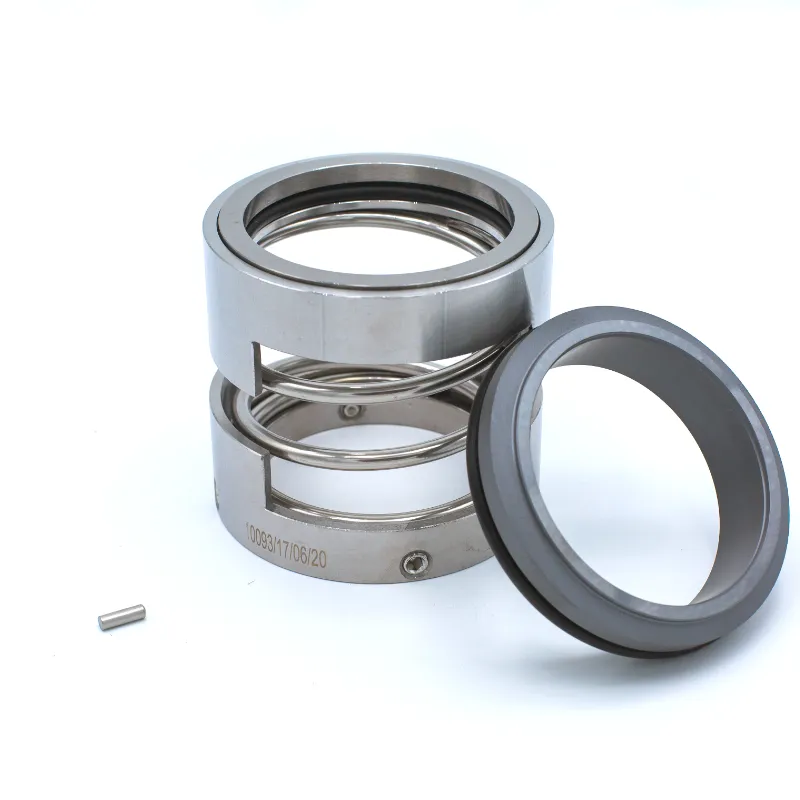
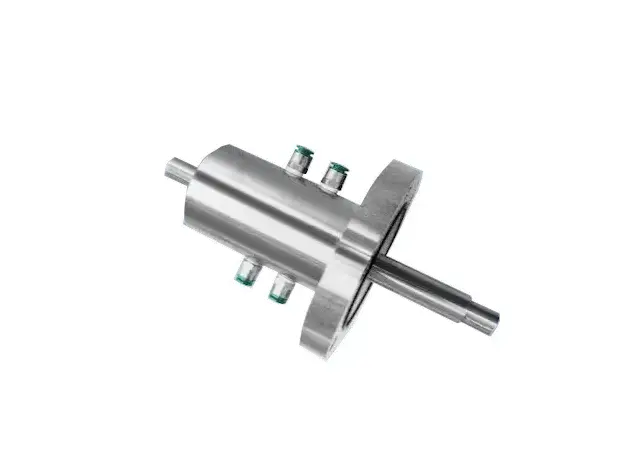
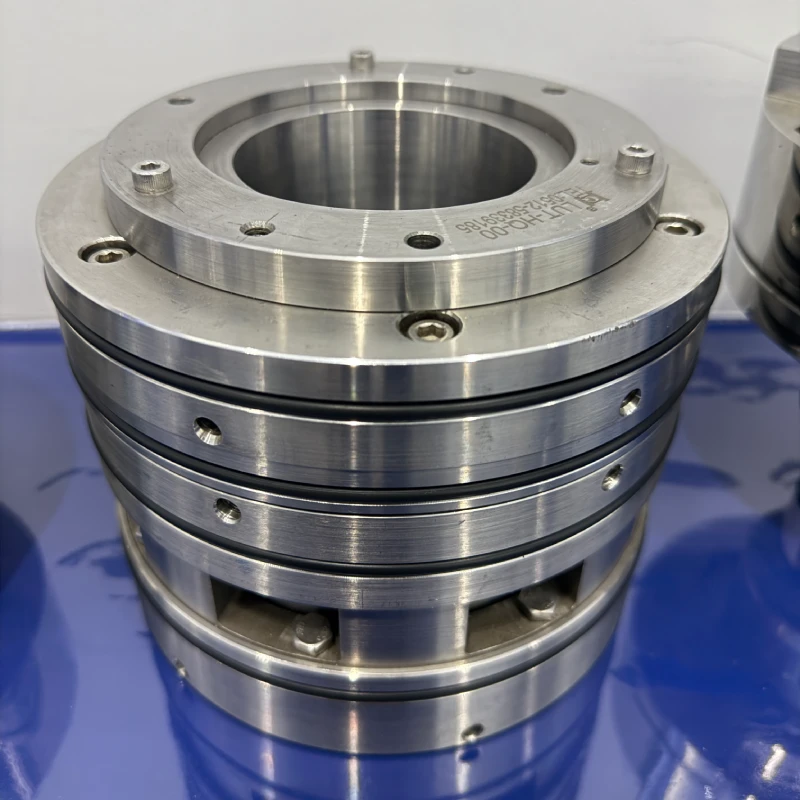
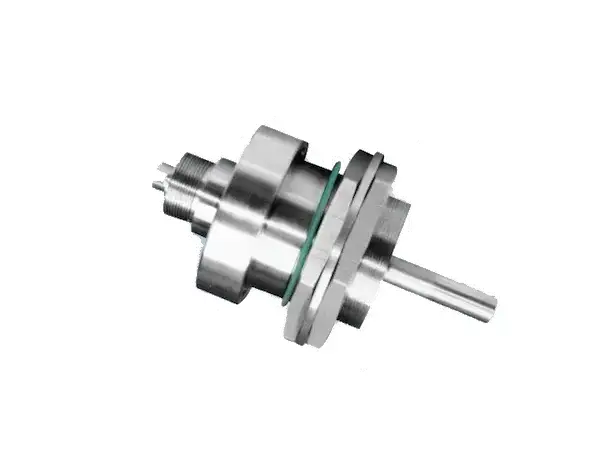
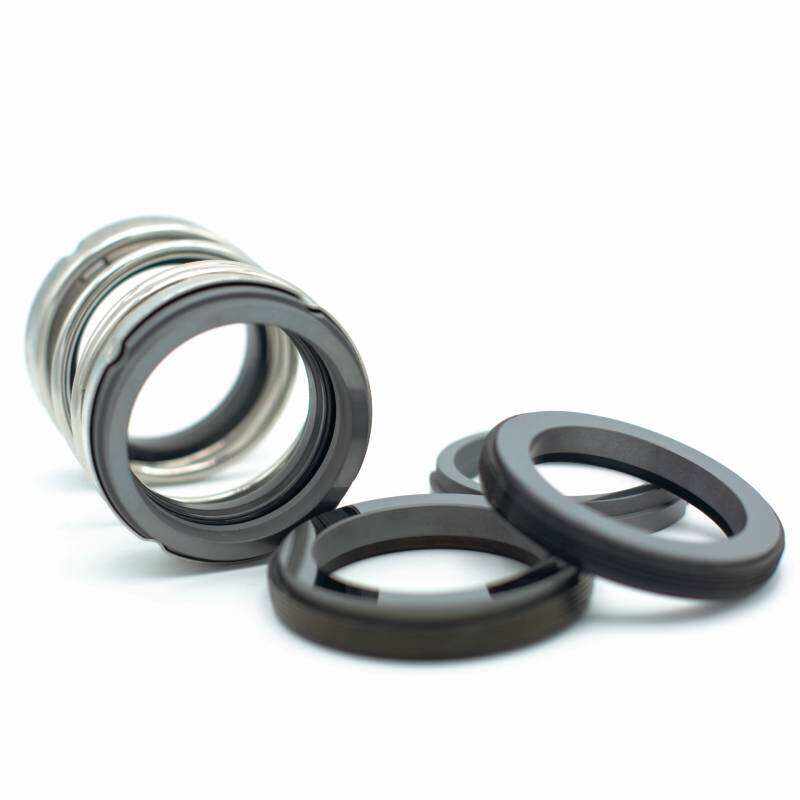
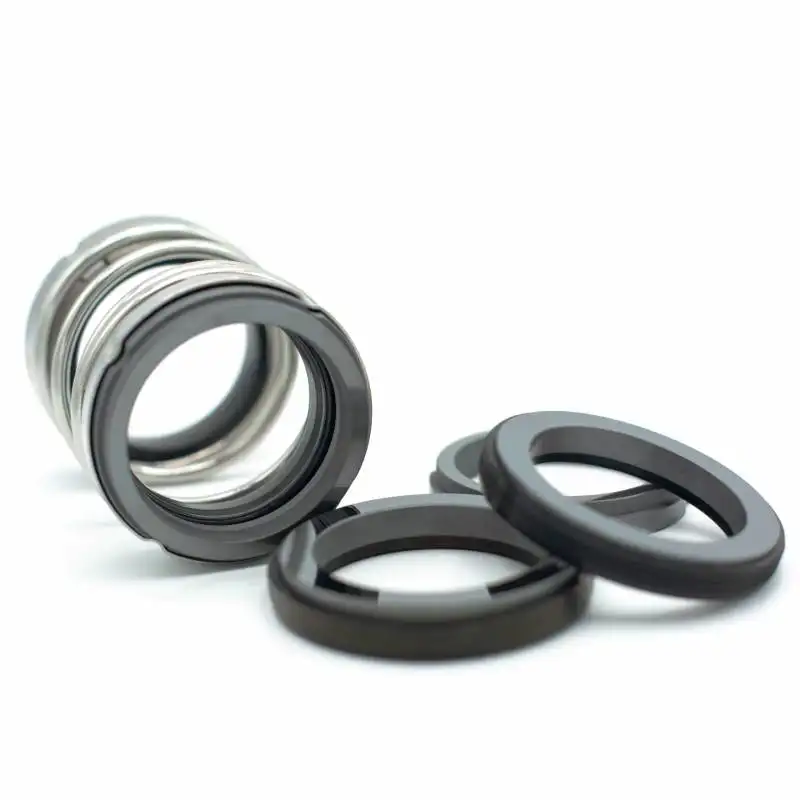
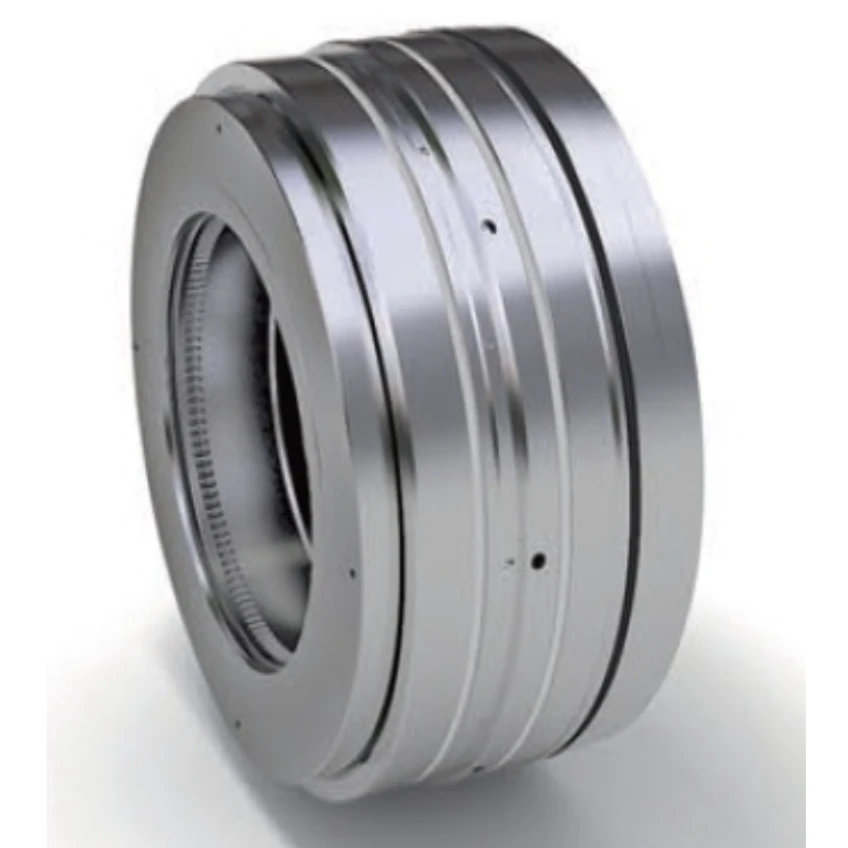
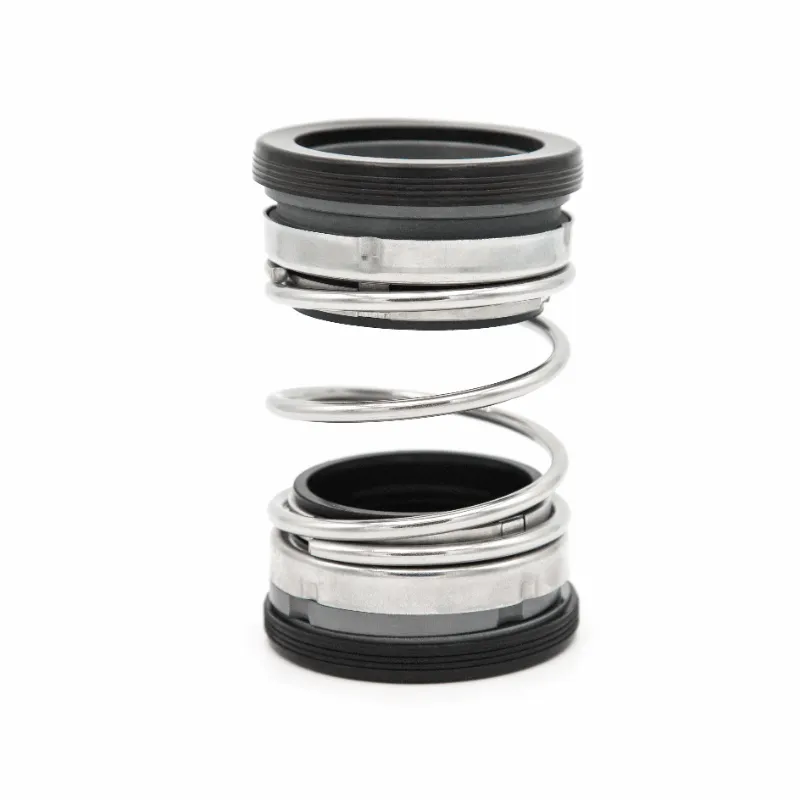
Mechanical Seal Installation represents a critical component in industrial equipment systems, serving as the primary barrier between rotating and stationary parts to prevent fluid leakage. This sophisticated sealing solution operates by creating a dynamic seal between two precisely machined faces, typically consisting of a rotating ring attached to the shaft and a stationary ring mounted in the equipment housing. The Mechanical Seal Installation process involves careful alignment, proper lubrication, and precise torque specifications to ensure optimal performance. The primary function of Mechanical Seal Installation extends beyond simple leak prevention, encompassing contamination control, pressure management, and environmental protection. Modern mechanical seals incorporate advanced materials such as silicon carbide, tungsten carbide, and specialized elastomers that withstand extreme temperatures, corrosive chemicals, and high-pressure environments. The technological features of Mechanical Seal Installation include spring-loaded designs that maintain consistent contact pressure, balanced configurations that reduce face loading, and cartridge assemblies that simplify installation procedures. These sealing systems find extensive applications across diverse industries including petrochemical processing, pharmaceutical manufacturing, water treatment facilities, and power generation plants. The Mechanical Seal Installation process requires specialized knowledge of seal face materials, secondary sealing elements, and proper installation techniques. Advanced monitoring systems integrated with modern Mechanical Seal Installation allow real-time performance tracking, predictive maintenance scheduling, and early failure detection. The installation methodology involves precise measurement of shaft runout, housing bore concentricity, and axial play to ensure proper seal operation. Quality Mechanical Seal Installation significantly reduces maintenance costs, minimizes environmental impact, and enhances operational safety by preventing hazardous fluid releases into the surrounding environment.
 EN
EN