Advanced Non-Contacting Technology Maximizes Equipment Reliability
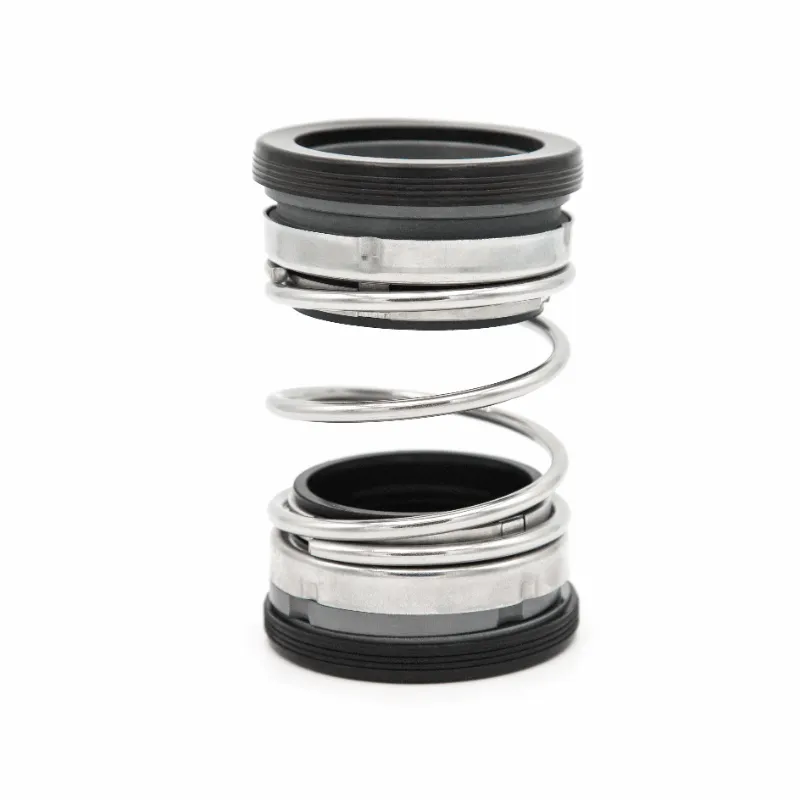
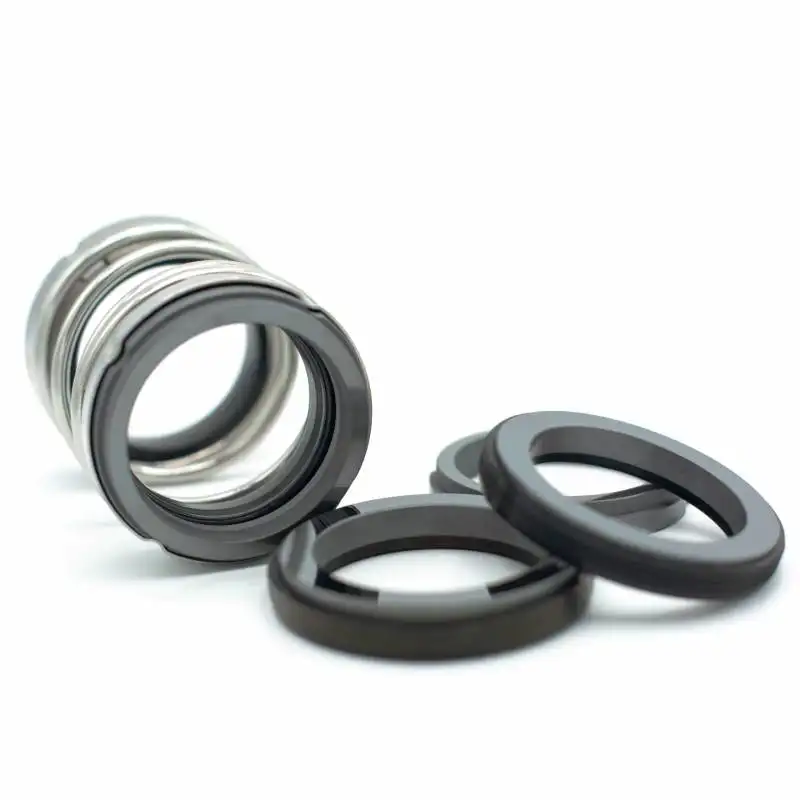
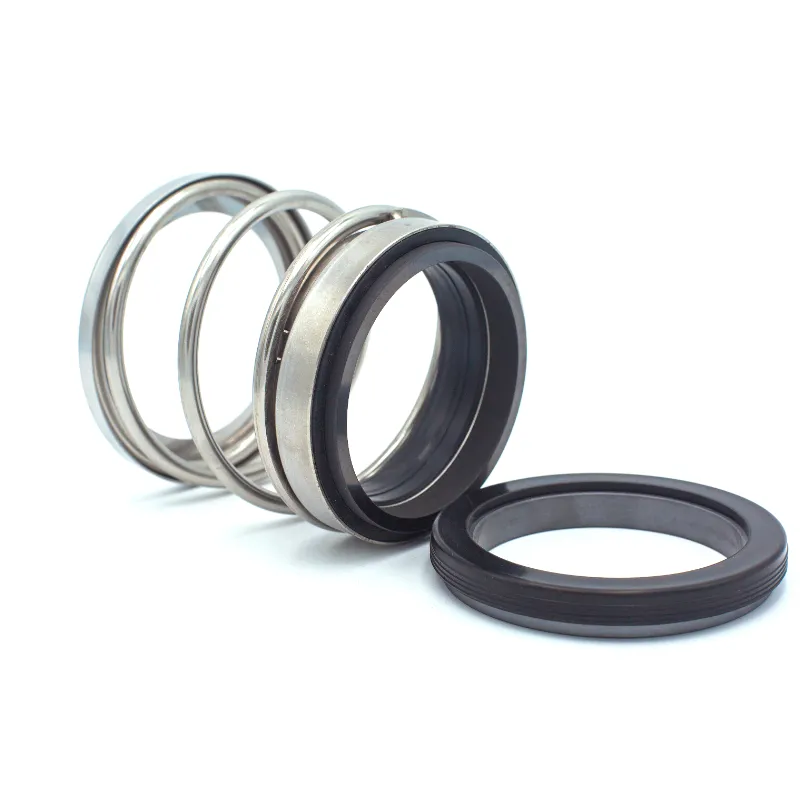
The revolutionary non-contacting design of Dry Gas Seals for North America represents a fundamental advancement in sealing technology that transforms equipment reliability and operational performance. Unlike traditional contacting seals that rely on direct surface contact between rotating components, this innovative technology maintains a microscopic gas film between seal faces during operation, eliminating metal-to-metal contact that causes wear, heat generation, and premature failure. The sophisticated engineering behind this non-contacting operation involves precision-machined spiral grooves on the rotating seal face that create hydrodynamic lift forces when the equipment operates. These carefully designed groove patterns generate sufficient pressure to separate the seal faces by mere micrometers, creating an effective seal while preventing contact damage. This separation eliminates the primary cause of seal failure in traditional designs, dramatically extending operational life and reducing maintenance requirements. Manufacturing precision for Dry Gas Seals for North America achieves surface finishes measured in nanometers, ensuring consistent performance across all operating conditions and gas types. The technology incorporates advanced materials engineered specifically for non-contacting applications, including specialized carbon compositions and tungsten carbide faces that maintain dimensional stability under extreme conditions. These materials resist thermal expansion, chemical attack, and mechanical stress while providing excellent sealing performance across wide temperature and pressure ranges. Monitoring systems integrated into modern installations provide real-time feedback on seal performance, including face separation, temperature, and leakage rates, allowing operators to optimize performance and predict maintenance needs. The non-contacting operation enables Dry Gas Seals for North America to handle applications previously impossible with traditional sealing methods, including high-speed rotating equipment, extreme temperature environments, and chemically aggressive process gases. This technology breakthrough eliminates common failure modes associated with conventional seals, including thermal distortion, face wear, and lubricant contamination, resulting in unprecedented reliability that keeps your critical equipment operating when production demands are highest.
 EN
EN