Non-Spring Mechanical Seals: Advanced Sealing Solutions for Industrial Applications

Get a Free Quote

Our representative will contact you soon.
Email
Name
Company Name
Message
0/1000

Non-Spring Mechanical Seal

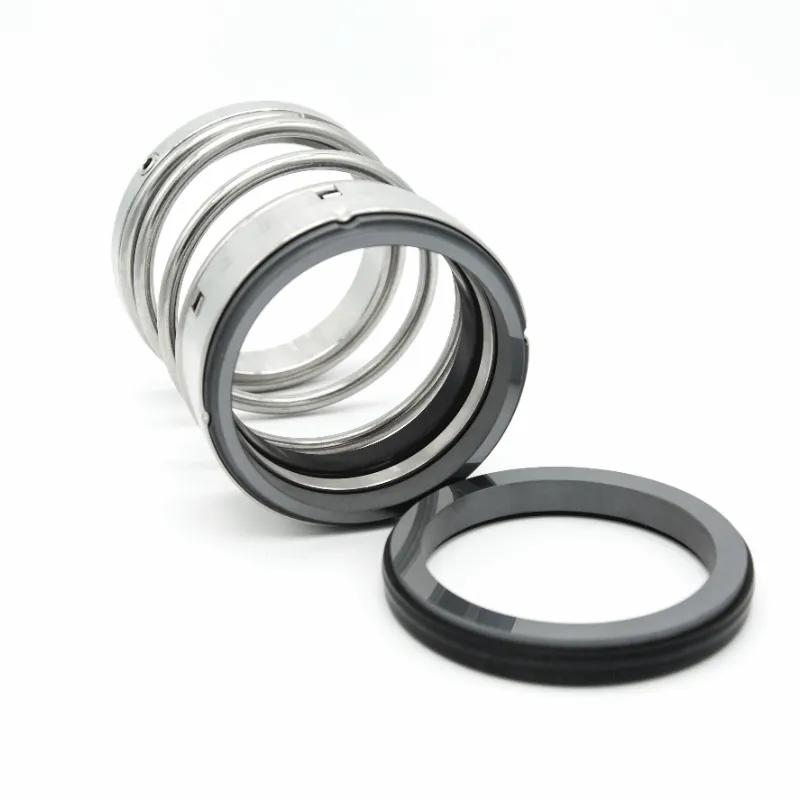
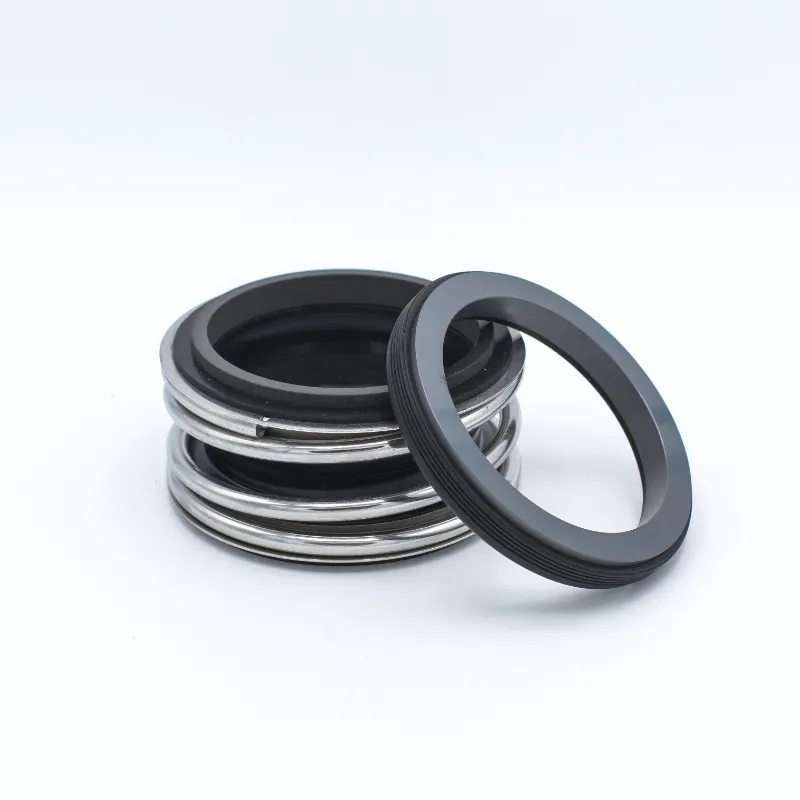
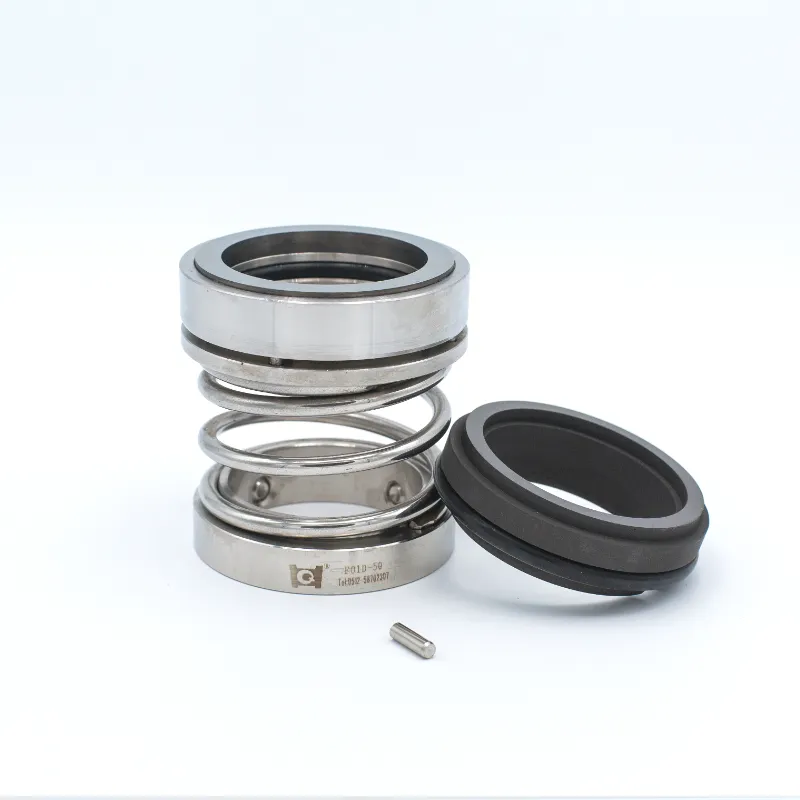
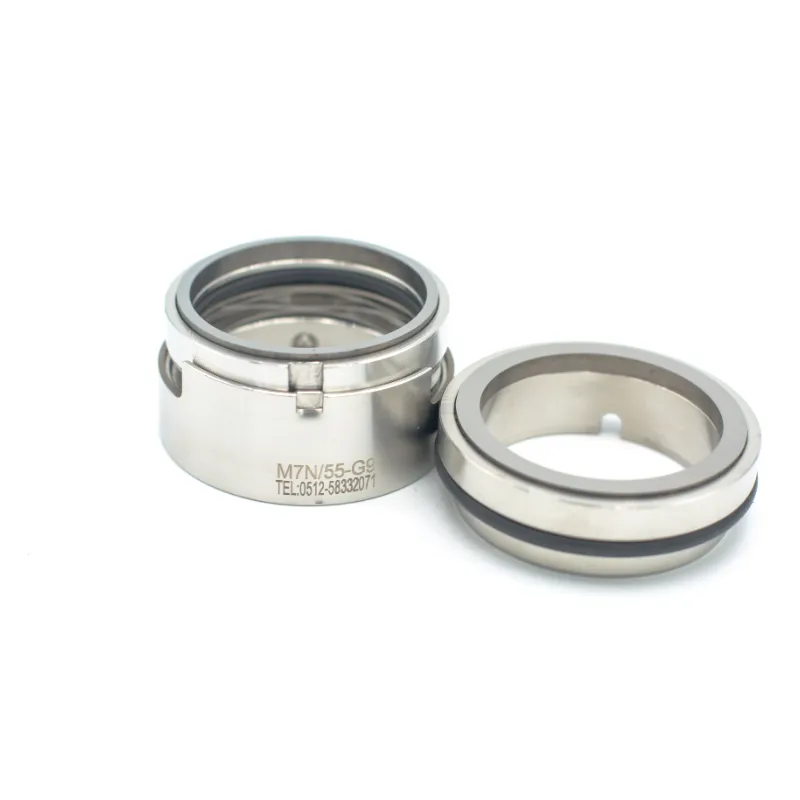
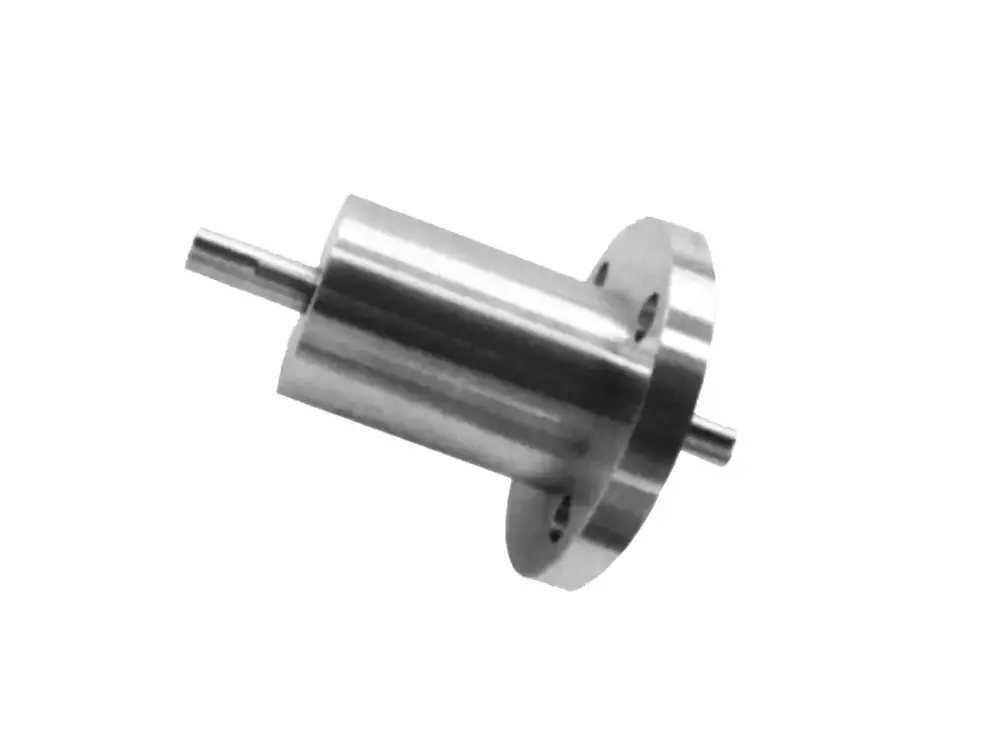
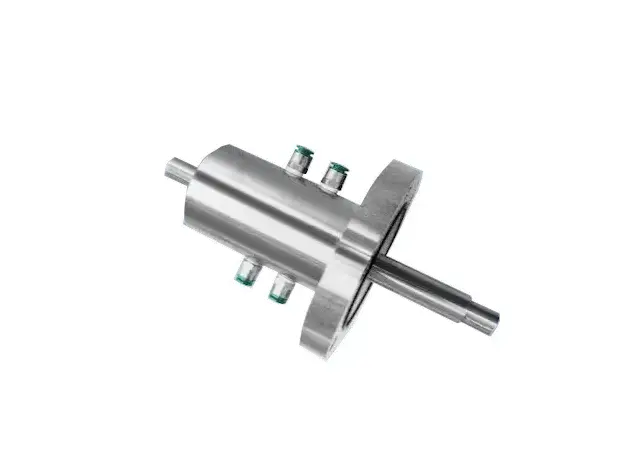
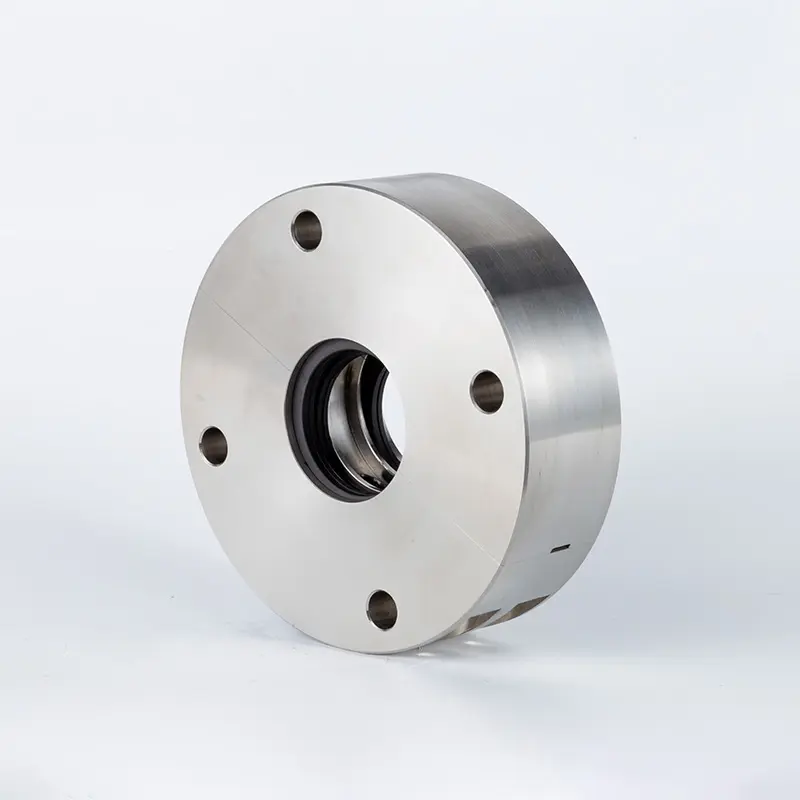
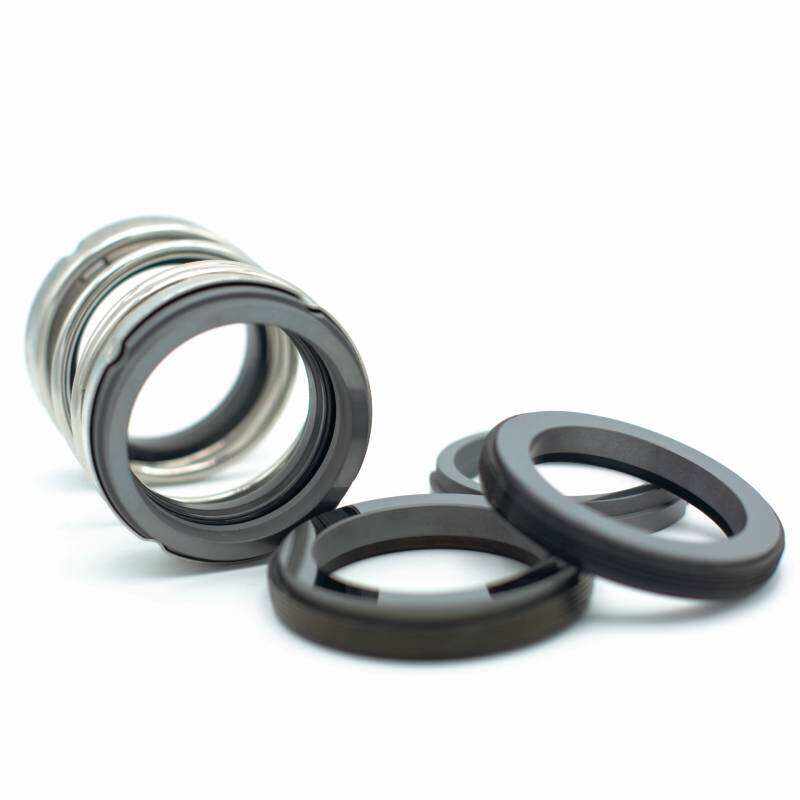
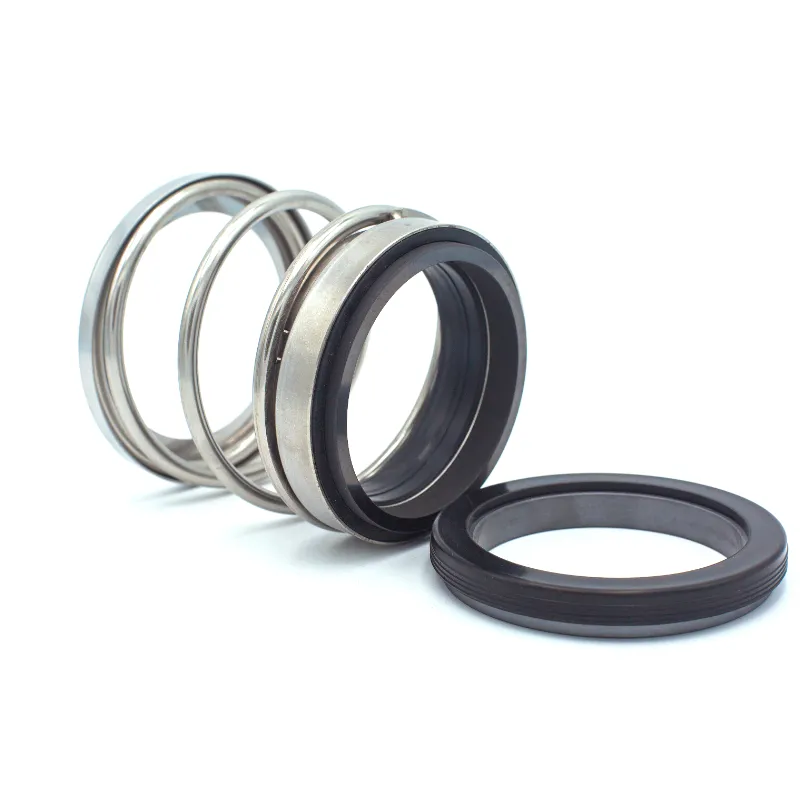
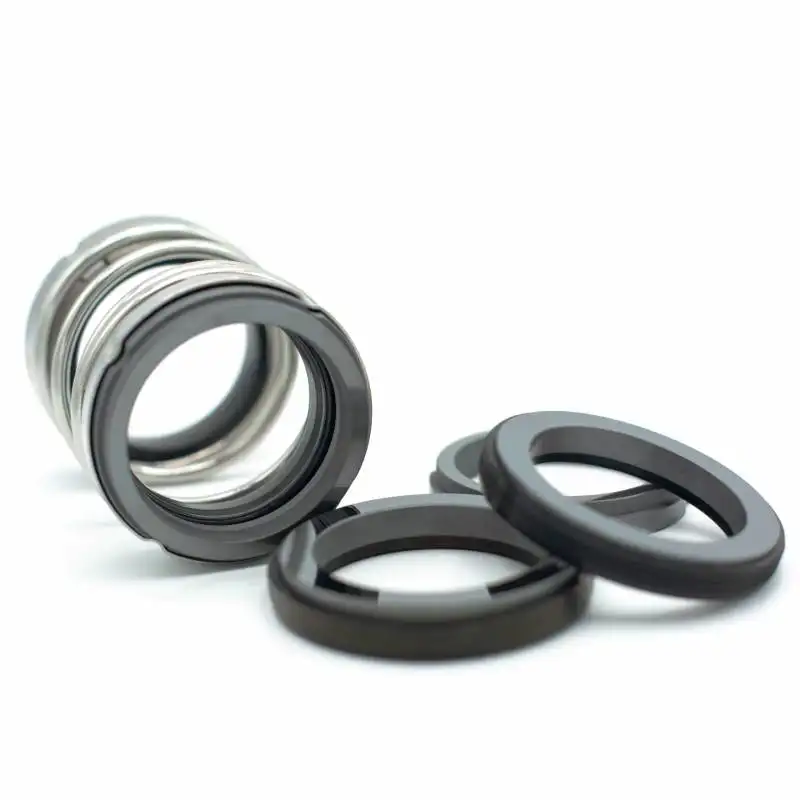
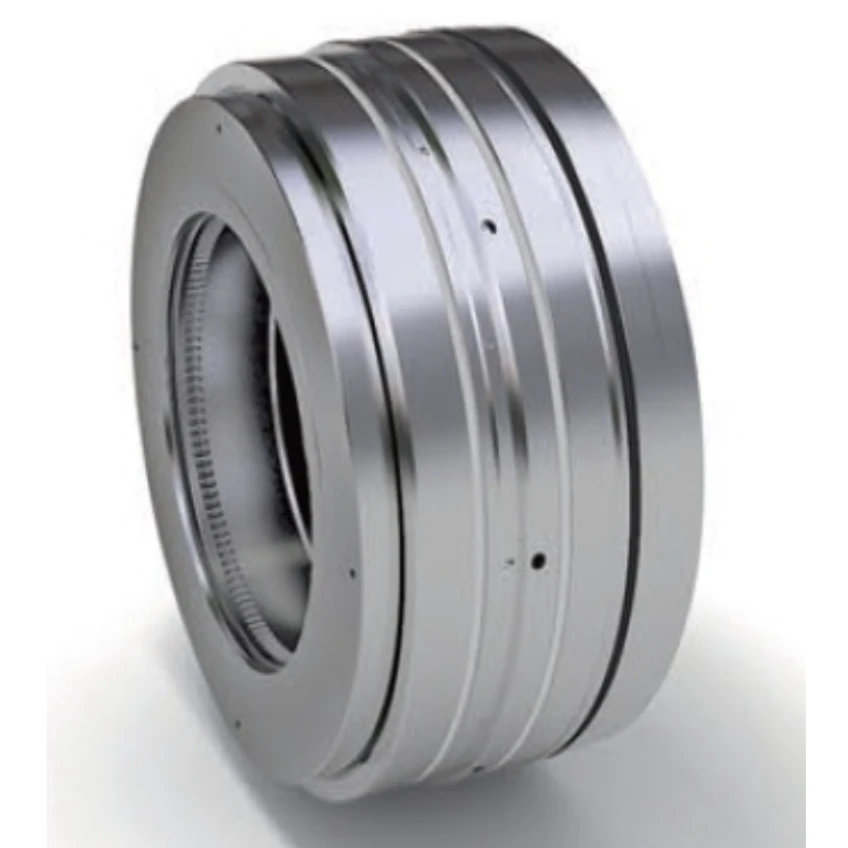
Non-Spring Mechanical Seals represent a revolutionary advancement in sealing technology, designed to eliminate the traditional spring mechanisms that have long been standard in mechanical sealing applications. These innovative sealing solutions utilize alternative methods to maintain face contact pressure between sealing surfaces, such as magnetic force, hydraulic pressure, or specially engineered geometries. The Non-Spring Mechanical Seal operates on the principle of creating a reliable barrier between rotating and stationary components without relying on conventional metal springs that can corrode, fatigue, or lose tension over time. The primary function of a Non-Spring Mechanical Seal is to prevent fluid leakage in rotating equipment such as pumps, compressors, mixers, and other industrial machinery. Unlike traditional spring-loaded seals, these units maintain consistent sealing performance through magnetic attraction between components or through hydraulic balancing systems that automatically adjust to varying operating conditions. The technological features of Non-Spring Mechanical Seals include enhanced corrosion resistance, improved temperature stability, and superior chemical compatibility across a broad range of process fluids. These seals incorporate advanced materials such as silicon carbide, tungsten carbide, and specialized elastomers that provide exceptional durability and performance. The design eliminates potential failure points associated with spring corrosion and metal fatigue, resulting in extended service life and reduced maintenance requirements. Applications for Non-Spring Mechanical Seals span across diverse industries including chemical processing, pharmaceutical manufacturing, food and beverage production, water treatment facilities, and oil and gas operations. These seals excel in environments where traditional spring-loaded seals face challenges such as high temperatures, aggressive chemicals, abrasive media, or extreme pH conditions. The versatility of Non-Spring Mechanical Seal technology makes them particularly valuable in critical applications where seal failure could result in environmental contamination, product loss, or safety hazards.

New Products

The Non-Spring Mechanical Seal offers numerous practical benefits that directly translate into cost savings and operational efficiency for industrial facilities. One of the most significant advantages is the elimination of spring-related failure modes, which traditionally account for a substantial percentage of mechanical seal failures in industrial applications. Without springs to corrode, break, or lose tension, the Non-Spring Mechanical Seal delivers consistent performance over extended periods, reducing unexpected downtime and maintenance costs. The superior chemical resistance of Non-Spring Mechanical Seals makes them ideal for handling aggressive process fluids that would quickly degrade traditional spring materials. This enhanced chemical compatibility means operators can use a single seal design across multiple applications, simplifying inventory management and reducing procurement complexity. The temperature stability of these seals extends their operational range significantly beyond conventional designs, allowing equipment to operate at higher temperatures without compromising seal integrity or requiring expensive cooling systems. Maintenance teams benefit from the simplified installation and servicing procedures associated with Non-Spring Mechanical Seals. The absence of multiple spring components reduces assembly time and eliminates the potential for incorrect spring installation, which is a common cause of premature seal failure. The robust design of these seals also means fewer replacement parts are required, reducing inventory costs and storage space requirements. From an environmental perspective, Non-Spring Mechanical Seals provide superior leak prevention, helping facilities meet stringent environmental regulations and avoid costly spill cleanup and fines. The improved sealing performance also reduces product loss, directly impacting the bottom line through reduced raw material consumption. Energy efficiency gains result from the optimized design of Non-Spring Mechanical Seals, which typically feature lower friction coefficients compared to traditional spring-loaded designs. This reduction in friction translates to lower power consumption and reduced heat generation, contributing to overall system efficiency. The predictable performance characteristics of Non-Spring Mechanical Seals enable more accurate maintenance planning and scheduling, allowing facilities to implement condition-based maintenance strategies that optimize equipment uptime while minimizing maintenance costs.

Tips And Tricks

Metal Bellow Seals vs Standard Seals: What's Better?

27

Jun

Metal Bellow Seals vs Standard Seals: What's Better?

Understanding Metal Bellow Seals and Standard Seals Metal Bellow Seals: Definition and Core Characteristics Metal bellow seals are specialized sealing solutions that utilize a flexible bellow structure made primarily from metals such as stainless st...
View More
Why Choose Welded Metal Bellow Seals for Your Plant?

27

Jun

Why Choose Welded Metal Bellow Seals for Your Plant?

Technical Advantages of Welded Metal Bellow Seals Superior Reliability in Extreme Conditions Welded metal bellow seals are renowned for their reliability under extreme conditions. They are engineered to operate efficiently in high-pressure and tempe...
View More
Common Challenges with Agitator Seals in Bioreactors

21

Jul

Common Challenges with Agitator Seals in Bioreactors

Sealing Systems in Sterile and Pressure-Sensitive Environments Bioreactors operate under highly controlled conditions, where sterility, pressure balance, and agitation efficiency must all coexist seamlessly. Among the critical components enabling thi...
View More
Cartex Mechanical Seal Solutions for Heavy-Duty Pumping Systems

22

Dec

Cartex Mechanical Seal Solutions for Heavy-Duty Pumping Systems

Industrial pumping systems demand exceptional reliability and performance, especially when handling aggressive fluids and operating under extreme conditions. Modern mechanical seal technology has evolved to meet these challenges, with advanced soluti...
View More

Get a Free Quote

Our representative will contact you soon.
Email
Name
Company Name
Country/Region
Message
0/1000

Non-Spring Mechanical Seal

Enhanced Reliability Through Spring Elimination Technology

Enhanced Reliability Through Spring Elimination Technology

The cornerstone advantage of Non-Spring Mechanical Seal technology lies in its fundamental design philosophy of eliminating traditional spring mechanisms that have historically been the weakest link in mechanical sealing systems. Traditional mechanical seals rely on metal springs to maintain face contact pressure between rotating and stationary seal faces, but these springs are susceptible to corrosion, stress cracking, and tension loss over time. The Non-Spring Mechanical Seal addresses these inherent weaknesses by utilizing alternative force generation methods such as magnetic coupling, hydraulic balancing, or innovative geometric configurations that naturally maintain optimal sealing pressure. This technological breakthrough significantly reduces the probability of catastrophic seal failure, as it removes multiple potential failure points from the system. The magnetic force systems used in many Non-Spring Mechanical Seal designs provide consistent, adjustable contact pressure that remains stable regardless of temperature fluctuations, chemical exposure, or mechanical vibration. Unlike metal springs that can suffer from fatigue failure after repeated stress cycles, magnetic systems maintain their force characteristics indefinitely without degradation. This reliability translates directly into extended mean time between failures, reduced emergency maintenance calls, and improved overall equipment effectiveness. The elimination of springs also means fewer components that require precise manufacturing tolerances, resulting in more consistent quality control during production and reduced variability in field performance. Facilities implementing Non-Spring Mechanical Seal technology typically report significant reductions in unplanned maintenance events and associated production losses. The predictable performance characteristics of these seals enable maintenance teams to develop more accurate service schedules based on actual operating conditions rather than conservative estimates designed to account for spring-related failures. This enhanced reliability is particularly valuable in critical applications where seal failure could result in environmental incidents, safety hazards, or significant production disruptions that far exceed the cost of the seal itself.
Superior Chemical and Temperature Resistance for Demanding Applications

Superior Chemical and Temperature Resistance for Demanding Applications

Non-Spring Mechanical Seals excel in challenging chemical environments where traditional sealing solutions face rapid degradation and frequent failure. The absence of metal springs eliminates a major source of chemical attack, as springs are typically made from materials that are vulnerable to corrosion when exposed to acids, bases, solvents, and other aggressive process chemicals. The Non-Spring Mechanical Seal design allows for the use of advanced materials throughout the entire seal assembly, including exotic alloys, ceramics, and specialized polymers that provide exceptional chemical resistance across a broad spectrum of process fluids. The temperature performance of Non-Spring Mechanical Seals surpasses conventional designs by significant margins, with many configurations capable of operating continuously at temperatures that would cause traditional springs to lose their temper and fail. The thermal stability of magnetic drive systems used in many Non-Spring Mechanical Seal applications remains consistent across wide temperature ranges, ensuring reliable sealing pressure regardless of process temperature variations. This temperature resilience eliminates the need for expensive auxiliary cooling systems and allows equipment to operate closer to optimal process conditions without concern for seal limitations. The material science advances incorporated into Non-Spring Mechanical Seal technology include the use of silicon carbide, tungsten carbide, and other advanced ceramics that provide exceptional hardness and wear resistance while maintaining excellent chemical inertness. These materials can withstand exposure to concentrated acids, caustic solutions, organic solvents, and other chemicals that would quickly destroy conventional seal materials. The superior chemical resistance also extends seal life significantly, reducing replacement frequency and associated maintenance costs while improving process reliability. Temperature cycling, which can cause differential expansion and stress in traditional spring-loaded seals, has minimal impact on Non-Spring Mechanical Seal performance due to the uniform thermal expansion characteristics of the simplified design. This thermal stability is particularly valuable in applications involving steam, hot oils, molten materials, or processes with frequent temperature variations that would stress conventional sealing systems beyond their design limits.
Cost-Effective Operation Through Reduced Maintenance and Extended Service Life

Cost-Effective Operation Through Reduced Maintenance and Extended Service Life

The economic benefits of Non-Spring Mechanical Seal technology extend far beyond the initial purchase price, delivering substantial long-term cost savings through reduced maintenance requirements, extended service intervals, and improved operational efficiency. Traditional mechanical seals with spring assemblies require frequent inspection and replacement of multiple components, including the springs themselves, which can lose tension or corrode over time. The Non-Spring Mechanical Seal simplifies maintenance procedures by eliminating these vulnerable components, reducing the number of spare parts that must be stocked and the complexity of seal servicing operations. Maintenance technicians can service Non-Spring Mechanical Seals more quickly and with less specialized training, as the simplified design reduces the potential for assembly errors that could lead to premature failure. The extended service life of Non-Spring Mechanical Seals results from their inherently robust design and the elimination of wear-prone spring components. While traditional seals might require replacement every 6-12 months in demanding applications, Non-Spring Mechanical Seals often operate reliably for 18-36 months or longer under similar conditions. This extended service interval reduces labor costs, minimizes production disruptions, and decreases the total cost of ownership significantly. The improved reliability also reduces the need for emergency maintenance calls, which typically cost 3-5 times more than planned maintenance activities due to overtime labor, expedited parts procurement, and production losses. Energy efficiency improvements associated with Non-Spring Mechanical Seal technology contribute to ongoing operational savings through reduced power consumption. The optimized face geometry and material selection in these seals typically result in lower friction coefficients compared to traditional designs, reducing the parasitic power loss associated with seal operation. In large pump installations, this energy reduction can amount to thousands of dollars annually in electricity savings. The consistent performance characteristics of Non-Spring Mechanical Seals also enable more precise process control, reducing waste and improving product quality in manufacturing applications. The predictable nature of seal degradation allows maintenance teams to implement condition-based monitoring strategies that optimize replacement timing, avoiding both premature replacement and unexpected failures that could compromise production schedules or environmental compliance.

Get a Free Quote

Our representative will contact you soon.
Email
Name
Company Name
Country/Region
Message
0/1000