High-Performance Aircraft Mechanical Seals - Aerospace Sealing Solutions for Critical Flight Systems

Get a Free Quote

Our representative will contact you soon.
Email
Name
Company Name
Message
0/1000

Aircraft Mechanical Seals

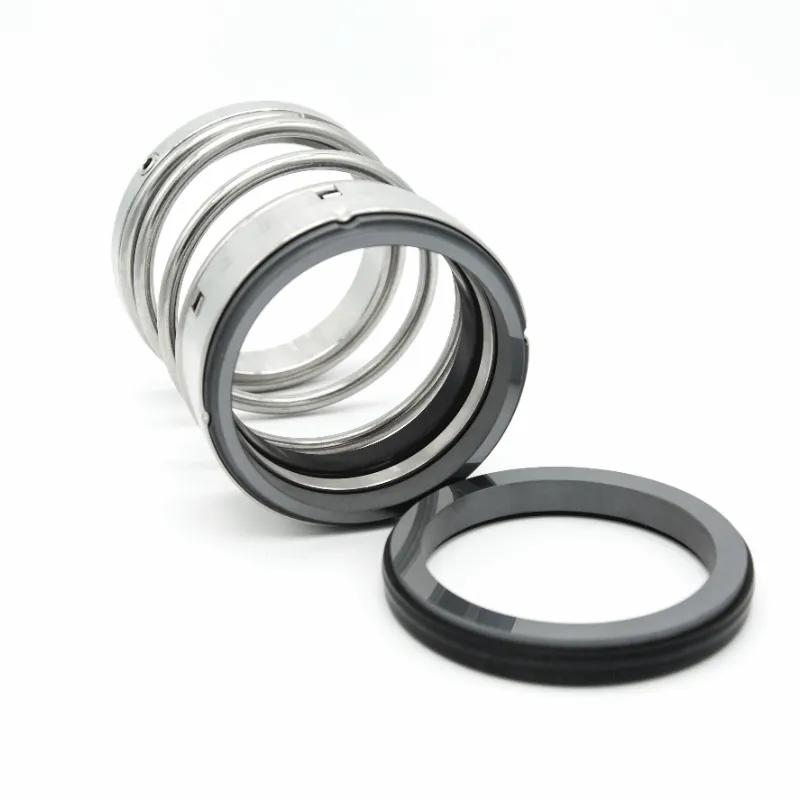
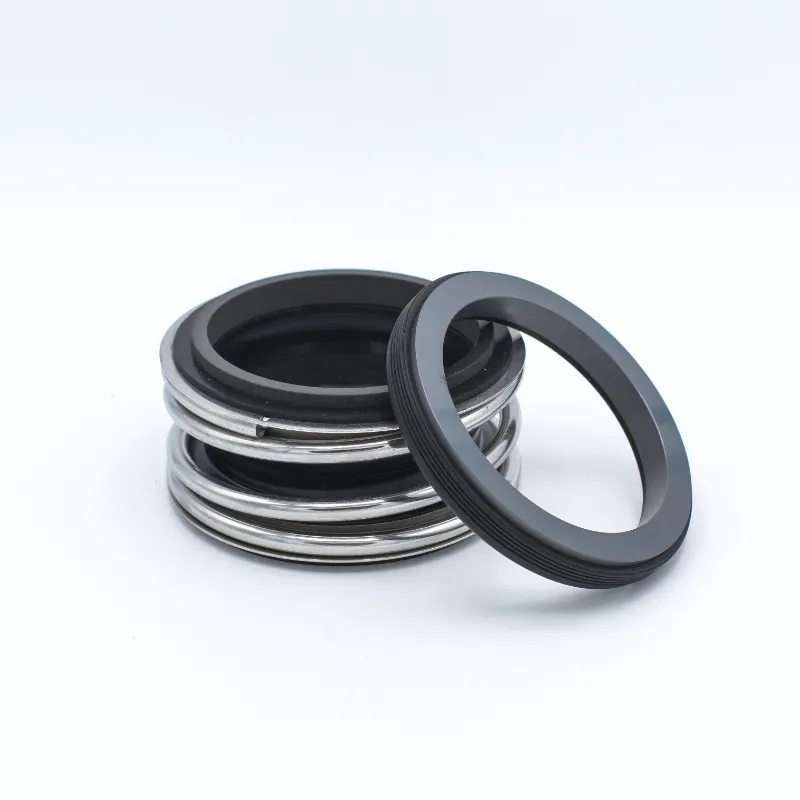
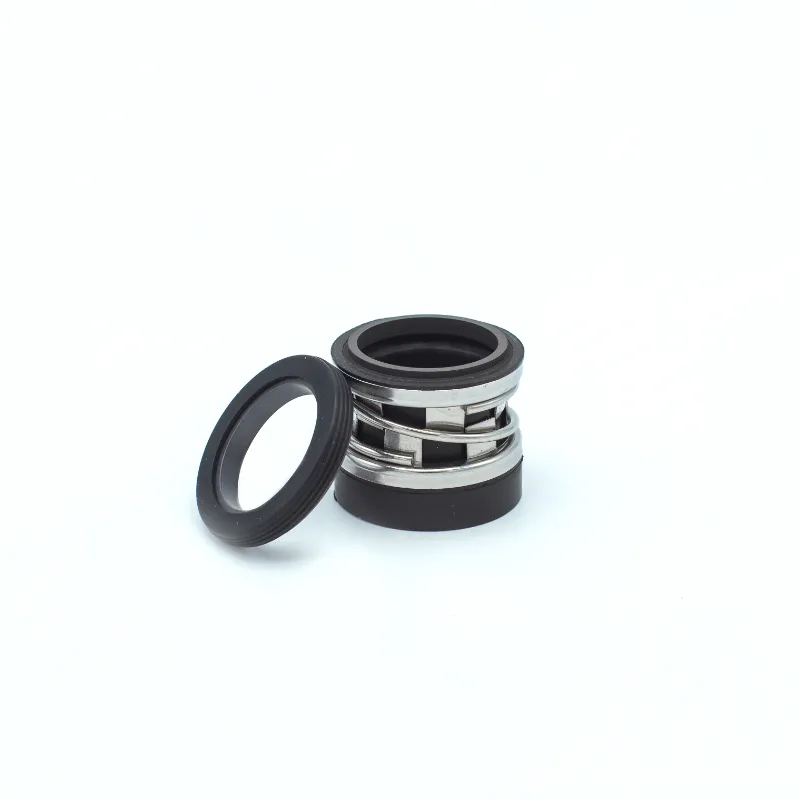
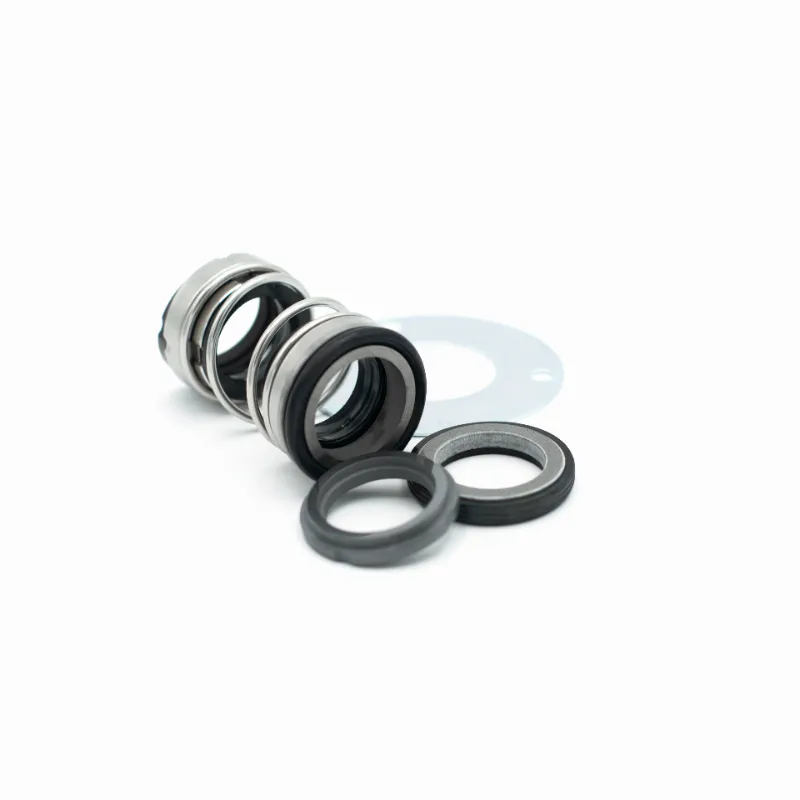
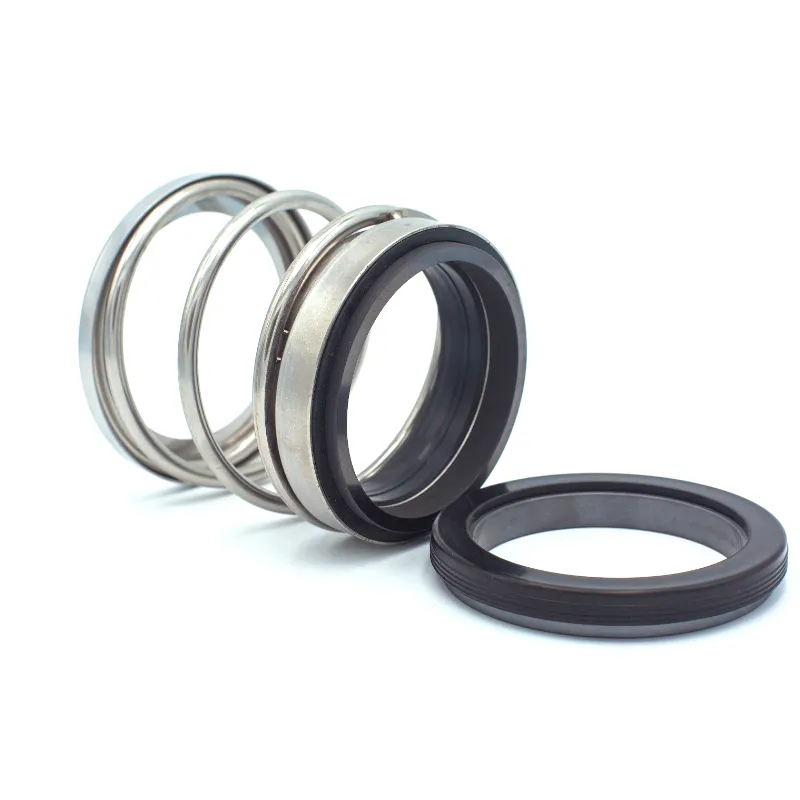
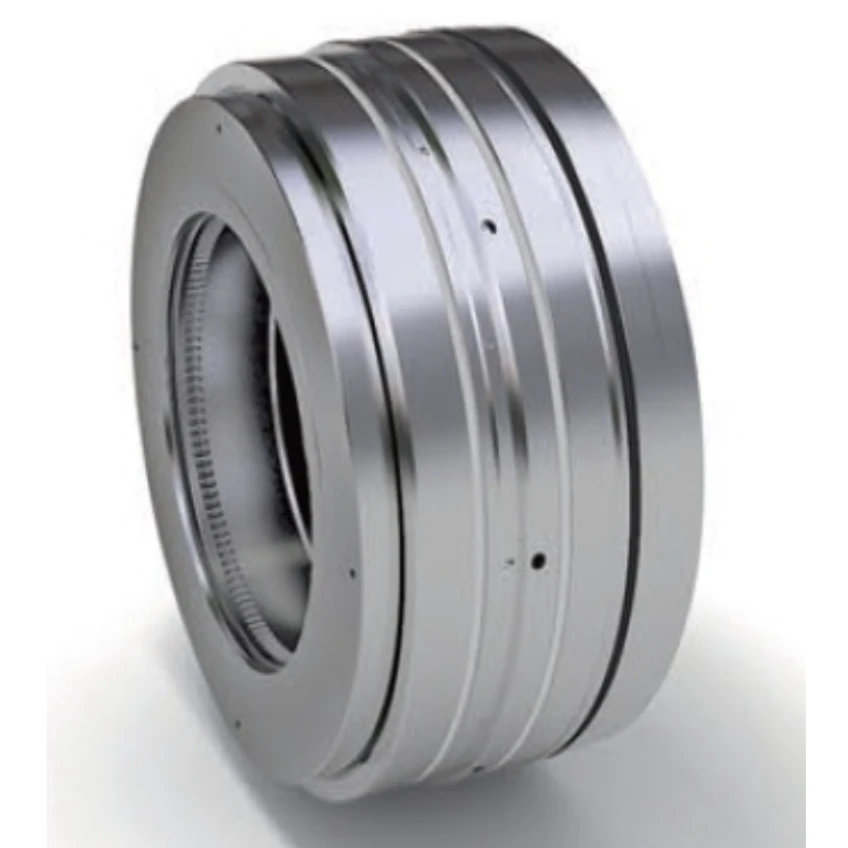
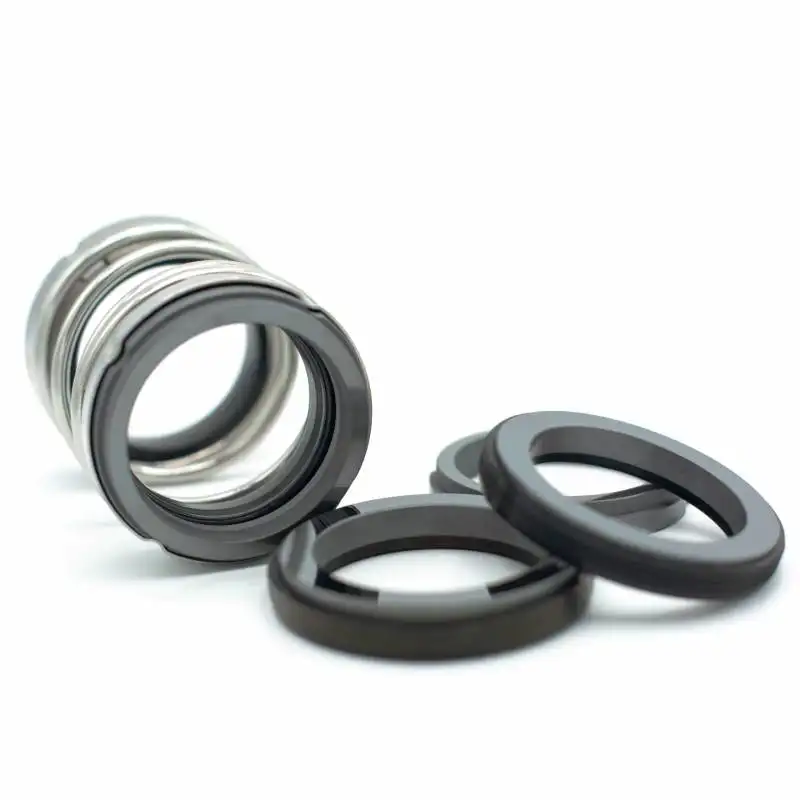
Aircraft Mechanical Seals represent critical components in aviation systems, designed to prevent fluid leakage and maintain pressure integrity across various aircraft applications. These precision-engineered sealing solutions operate under extreme conditions, including high temperatures, variable pressures, and constant vibrations that characterize aircraft operations. The primary function of Aircraft Mechanical Seals involves creating reliable barriers between rotating and stationary parts in engines, hydraulic systems, fuel pumps, and environmental control units. Their technological sophistication stems from advanced materials science, incorporating specialized polymers, ceramics, and metal alloys that withstand harsh aerospace environments. Modern Aircraft Mechanical Seals feature dual-face configurations with spring-loaded mechanisms that maintain consistent contact pressure regardless of operational variables. The sealing faces utilize ultra-smooth surface finishes measured in microinches, ensuring minimal friction while maximizing sealing effectiveness. Temperature resistance capabilities extend from cryogenic levels to over 500 degrees Fahrenheit, accommodating diverse operational requirements. Aircraft Mechanical Seals employ specialized lubricants and coatings that enhance performance longevity while reducing maintenance intervals. Their compact design philosophy maximizes space efficiency within weight-constrained aircraft systems. Applications span commercial aviation, military aircraft, helicopters, and unmanned aerial vehicles, where reliability directly impacts safety and operational efficiency. These seals incorporate fail-safe features that provide warning indicators before complete failure occurs. Manufacturing processes follow stringent aerospace quality standards including AS9100 certification, ensuring consistent performance across production batches. The integration of Aircraft Mechanical Seals within modern aircraft systems requires precise dimensional tolerances and material compatibility with surrounding components, making their selection and installation critical factors in overall system performance and aircraft airworthiness certification requirements.

New Product Releases

Aircraft Mechanical Seals deliver exceptional performance benefits that directly translate into operational savings and enhanced safety for aviation operators. The primary advantage lies in their superior reliability compared to traditional sealing methods, significantly reducing unscheduled maintenance events that can ground aircraft and disrupt flight schedules. These seals maintain consistent performance across wide temperature ranges, eliminating the thermal expansion issues that plague conventional gaskets and O-rings in aircraft applications. The extended service life of Aircraft Mechanical Seals reduces replacement frequency, lowering both parts costs and labor expenses associated with seal maintenance. Their self-adjusting design automatically compensates for wear, maintaining optimal sealing pressure throughout the operational lifespan without manual adjustment requirements. Aircraft Mechanical Seals provide superior contamination resistance, preventing dirt, debris, and moisture from compromising system integrity even during harsh weather operations. The precise engineering eliminates fluid weepage that can damage surrounding components or create safety hazards in critical aircraft systems. Weight reduction benefits contribute to improved fuel efficiency, as these seals typically weigh less than equivalent multi-component sealing assemblies while providing superior performance. Installation simplicity reduces maintenance time requirements, allowing technicians to complete seal replacements quickly and return aircraft to service faster. The standardized dimensions and mounting configurations of Aircraft Mechanical Seals enable easy retrofitting into existing aircraft systems without extensive modifications. Temperature stability ensures consistent performance from arctic conditions to desert operations, maintaining seal integrity regardless of environmental extremes. Vibration resistance prevents premature failure in high-vibration environments typical of aircraft operations, extending operational intervals between inspections. Chemical compatibility with aviation fluids including fuel, hydraulic oil, and cleaning solvents prevents degradation that could compromise sealing effectiveness. The modular design allows selective component replacement rather than complete seal assembly changes, reducing maintenance costs while maintaining performance standards essential for aviation safety and regulatory compliance.

Latest News

Metal Bellow Seals vs Standard Seals: What's Better?

27

Jun

Metal Bellow Seals vs Standard Seals: What's Better?

Understanding Metal Bellow Seals and Standard Seals Metal Bellow Seals: Definition and Core Characteristics Metal bellow seals are specialized sealing solutions that utilize a flexible bellow structure made primarily from metals such as stainless st...
View More
Can Metal Bellow Seals Reduce Maintenance Costs?

27

Jun

Can Metal Bellow Seals Reduce Maintenance Costs?

Understanding Metal Bellow Seals and Their Core Mechanics Key Components and Design Features of Metal Bellow Seals Metal bellow seals are meticulously designed to meet specific industry standards and operational requirements. Their basic structure i...
View More
What Are the Different Types of Agitator Seals?

21

Jul

What Are the Different Types of Agitator Seals?

Exploring Sealing Solutions for Industrial Mixing Systems In industrial mixing applications, maintaining a controlled, leak-free environment is essential to ensure product quality, process efficiency, and safety. Agitator seals play a pivotal role in...
View More
Can High-Performance Mechanical Seals Reduce Maintenance Costs?

22

Dec

Can High-Performance Mechanical Seals Reduce Maintenance Costs?

Industrial facilities worldwide face mounting pressure to reduce operational costs while maintaining peak equipment performance. One critical component that significantly impacts maintenance expenses is the mechanical seal system used in pumps, compr...
View More

Get a Free Quote

Our representative will contact you soon.
Email
Name
Company Name
Country/Region
Message
0/1000

Aircraft Mechanical Seals

Advanced Material Technology and Temperature Resistance

Advanced Material Technology and Temperature Resistance

Aircraft Mechanical Seals incorporate cutting-edge material technology that sets them apart from conventional sealing solutions in demanding aerospace applications. The seal faces utilize advanced ceramics including silicon carbide and tungsten carbide, materials specifically chosen for their exceptional hardness, thermal conductivity, and chemical inertness. These ceramic materials maintain dimensional stability across extreme temperature variations, from the sub-zero conditions encountered at high altitudes to the intense heat generated by aircraft engines and hydraulic systems. The secondary sealing elements feature specialized fluoroelastomers and perfluoroelastomers that retain flexibility and sealing capability at temperatures exceeding 400 degrees Fahrenheit while remaining pliable at temperatures as low as -65 degrees Fahrenheit. This temperature range capability ensures Aircraft Mechanical Seals perform consistently across all phases of flight operations, from ground operations in varying climates to high-altitude cruise conditions. The metal components within these seals utilize aerospace-grade stainless steels and exotic alloys such as Inconel and Hastelloy, materials that resist corrosion while maintaining structural integrity under thermal cycling stresses. Surface treatments including diamond-like carbon coatings and plasma nitriding enhance wear resistance while reducing friction coefficients, contributing to extended operational life and improved efficiency. The material selection process considers galvanic compatibility to prevent corrosion when different metals contact each other in the presence of moisture or electrolytes. Thermal barrier coatings on high-temperature applications protect critical seal components from heat damage while maintaining the precise tolerances necessary for effective sealing. The advanced materials used in Aircraft Mechanical Seals undergo extensive qualification testing including thermal cycling, pressure testing, and chemical compatibility verification to ensure they meet stringent aerospace standards. This sophisticated material technology enables these seals to operate reliably in environments that would quickly destroy conventional sealing solutions, providing aircraft operators with dependable performance and reduced maintenance requirements throughout the aircraft's operational lifetime.
Precision Engineering and Self-Adjusting Design

Precision Engineering and Self-Adjusting Design

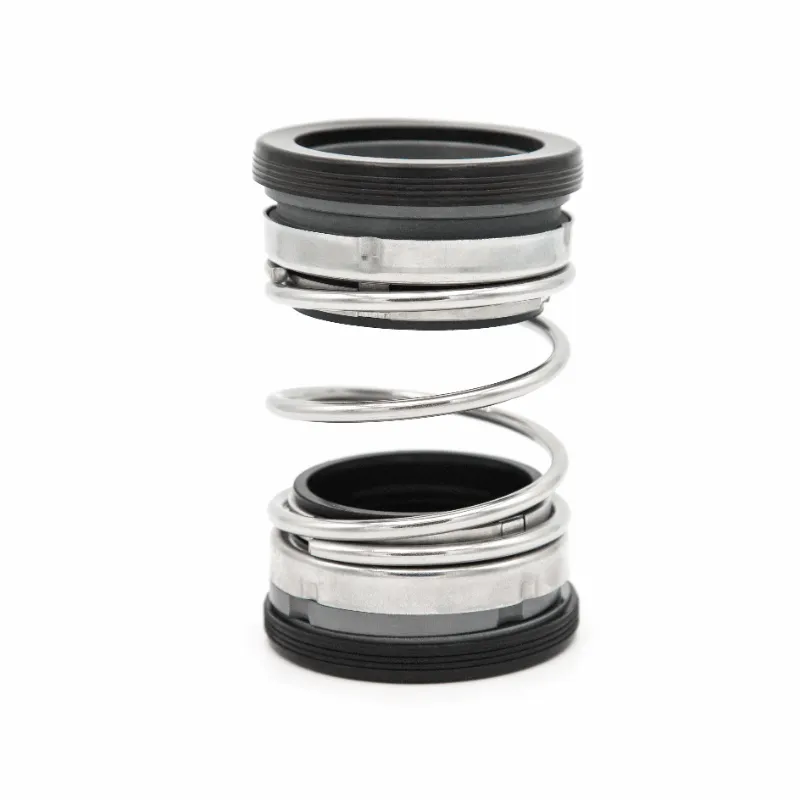
The precision engineering behind Aircraft Mechanical Seals represents a triumph of mechanical design, incorporating self-adjusting mechanisms that automatically maintain optimal sealing performance throughout their operational life. The spring-loading system provides consistent closing force that adapts to wear patterns and thermal expansion changes, ensuring the sealing faces remain in proper contact regardless of operating conditions. This self-compensation feature eliminates the need for periodic adjustments that traditional sealing methods require, reducing maintenance workload while improving reliability. The geometric precision of sealing faces achieves surface finishes measured in helium leak rates, with flatness tolerances maintained within light bands to ensure uniform contact pressure distribution. Manufacturing processes utilize computer-controlled grinding and lapping techniques that create mirror-smooth surfaces with specific surface textures optimized for the intended application. The spring design incorporates multiple coils or wave springs that distribute loads evenly while maintaining consistent force characteristics as the springs compress during normal wear cycles. Aircraft Mechanical Seals feature balanced designs that minimize the effect of system pressure on sealing face loading, preventing excessive wear while maintaining adequate sealing force under all pressure conditions. The precision-machined housing components provide exact dimensional control that ensures proper seal alignment and prevents cocking or binding during installation and operation. Clearance dimensions between moving parts are controlled to microinch tolerances, preventing excessive leakage while allowing necessary thermal expansion. The self-adjusting capability extends to dynamic conditions where vibration and shaft movement could disrupt sealing effectiveness in rigid seal designs. Balance ratios are calculated and manufactured to specific values that optimize sealing performance while minimizing power consumption and heat generation. Quality control procedures verify dimensional accuracy using coordinate measuring machines and optical comparators that detect variations invisible to conventional measurement tools. The engineering precision built into Aircraft Mechanical Seals ensures they maintain effectiveness throughout their designed service life while providing early warning indicators when replacement becomes necessary, supporting predictive maintenance programs that maximize aircraft availability while ensuring safety.
Multi-System Compatibility and Aerospace Certification

Multi-System Compatibility and Aerospace Certification

Aircraft Mechanical Seals demonstrate exceptional versatility through their multi-system compatibility and comprehensive aerospace certification credentials, making them suitable for diverse applications across various aircraft types and operational environments. These seals meet stringent certification requirements including FAA TSO standards, EASA regulations, and military specifications such as MIL-PRF standards that govern aerospace component performance and reliability. The certification process involves extensive testing protocols that verify performance under simulated flight conditions including altitude changes, temperature cycling, vibration profiles, and chemical exposure scenarios typical of aircraft operations. Multi-system compatibility enables Aircraft Mechanical Seals to function effectively in fuel systems, hydraulic circuits, pneumatic applications, and environmental control systems within the same aircraft platform. This versatility reduces inventory requirements for maintenance organizations while simplifying procurement and logistics management. The seals accommodate various fluid types including aviation gasoline, jet fuel, hydraulic oil, compressed air, and specialty chemicals used in aircraft systems without compromising sealing effectiveness or component integrity. Pressure ratings span from vacuum conditions to several thousand PSI, covering the complete range of aircraft system requirements from low-pressure ventilation to high-pressure hydraulic applications. Speed compatibility extends from static applications to high-speed rotating machinery, with design variations optimized for specific rotational velocities and load conditions. The modular design philosophy allows configuration flexibility to meet specific installation requirements while maintaining certification compliance across different aircraft models and manufacturers. Retrofit capability enables upgrading older aircraft with modern sealing technology without requiring extensive system modifications or recertification procedures. Environmental qualification includes resistance to ozone, ultraviolet radiation, salt spray, and other atmospheric conditions encountered during aircraft operations worldwide. Traceability requirements mandate complete documentation of material sources, manufacturing processes, and quality verification procedures to support airworthiness certification and maintenance record keeping. The comprehensive certification credentials of Aircraft Mechanical Seals provide aircraft operators with confidence that these components meet the highest safety and performance standards required for commercial and military aviation applications, while their multi-system compatibility offers operational flexibility and cost advantages through standardization and reduced inventory complexity.

Get a Free Quote

Our representative will contact you soon.
Email
Name
Company Name
Country/Region
Message
0/1000