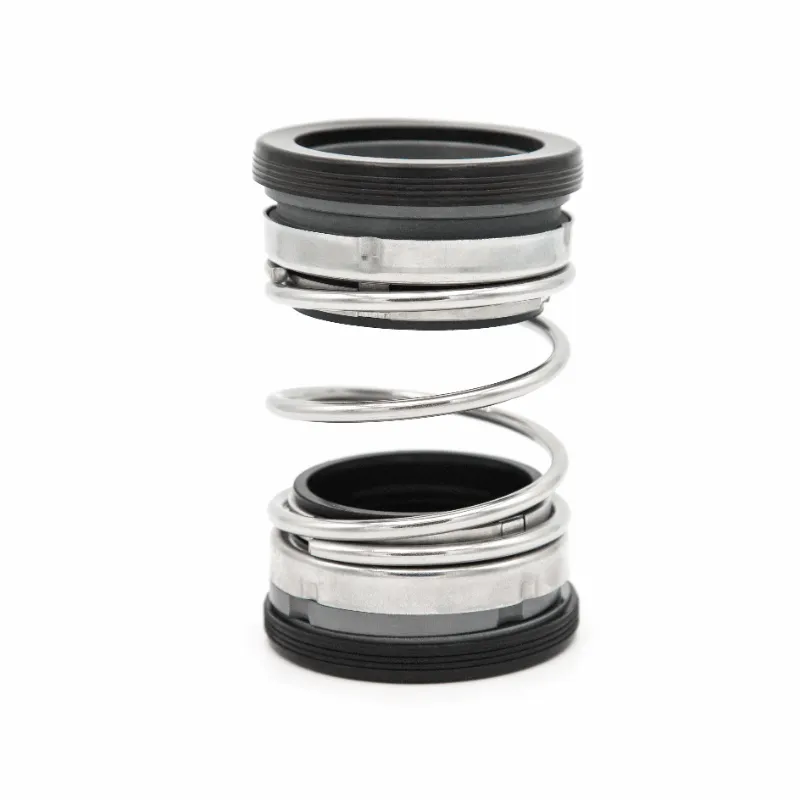
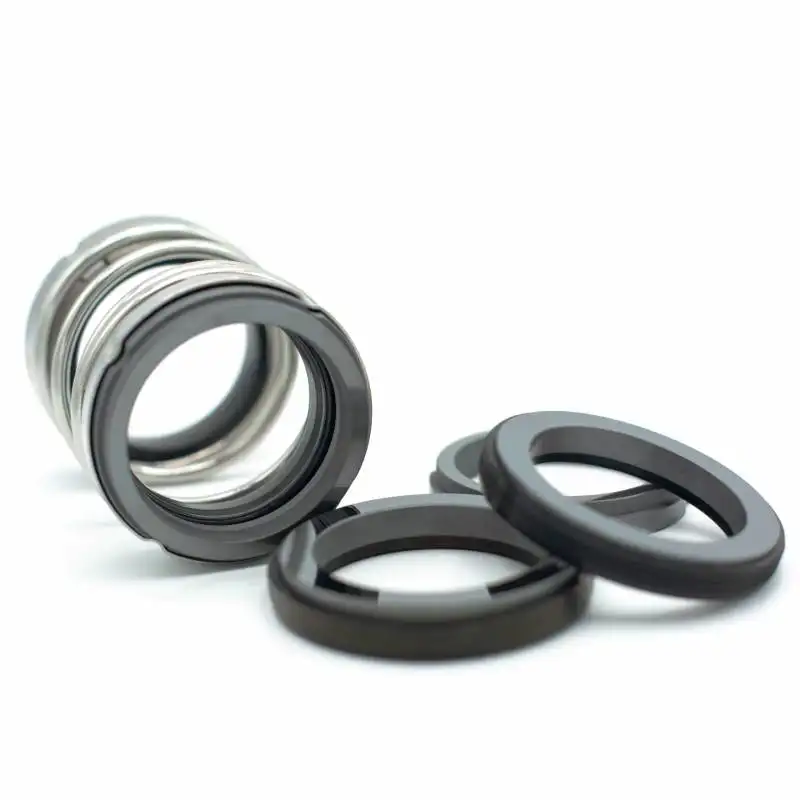
Advanced Dry Gas Seals - Superior Sealing Technology for Industrial Applications

Get a Free Quote

Our representative will contact you soon.
Email
Name
Company Name
Message
0/1000

Dry gas seals

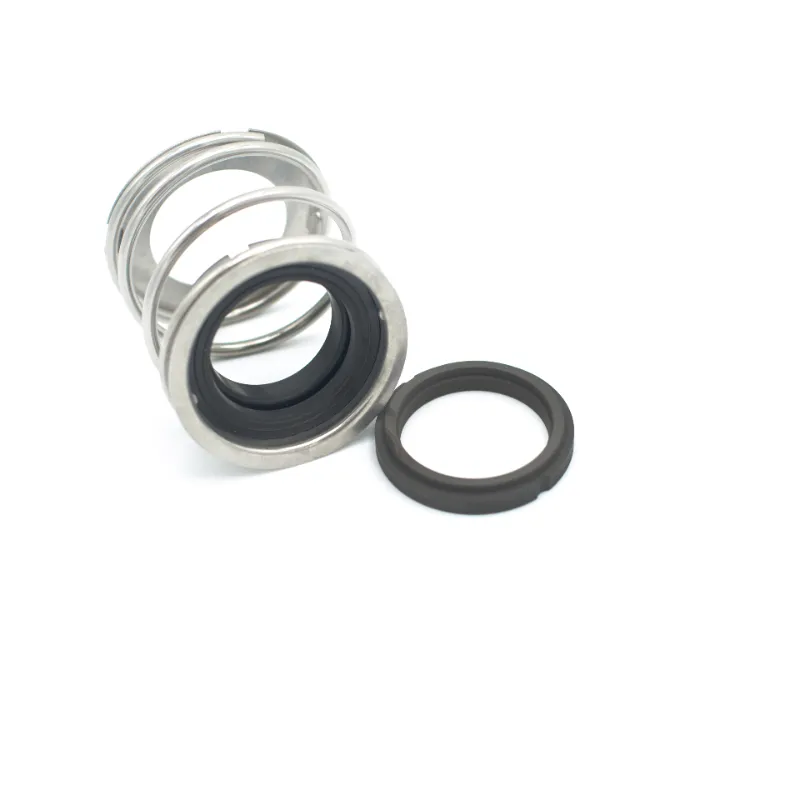
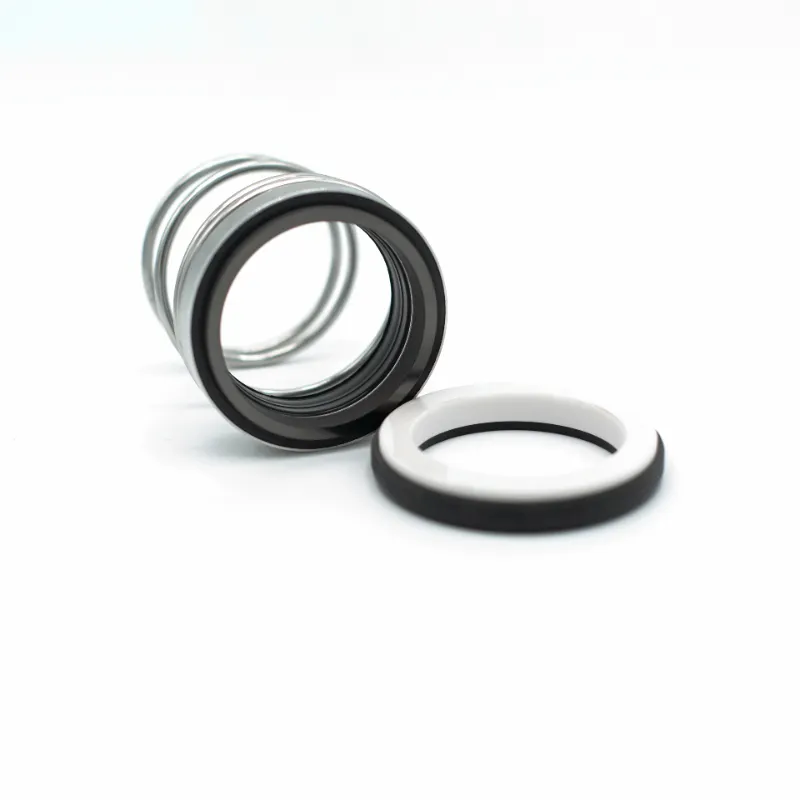
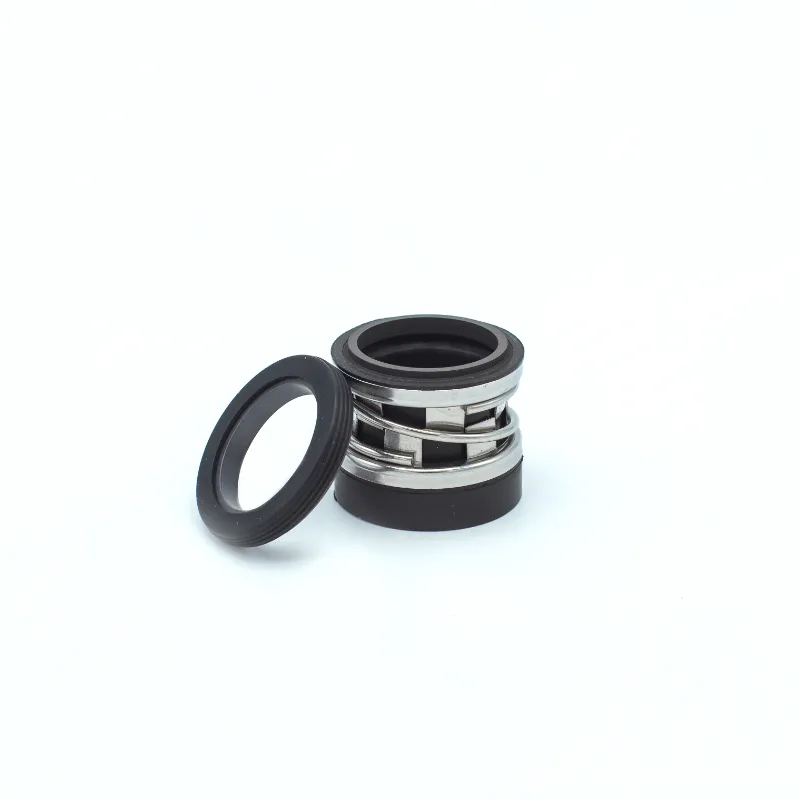
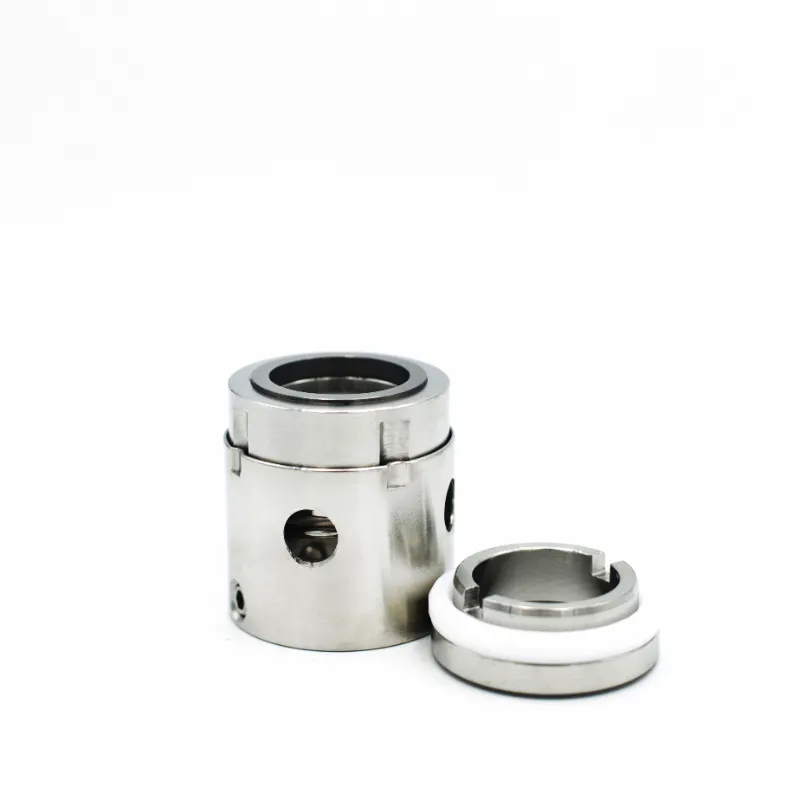
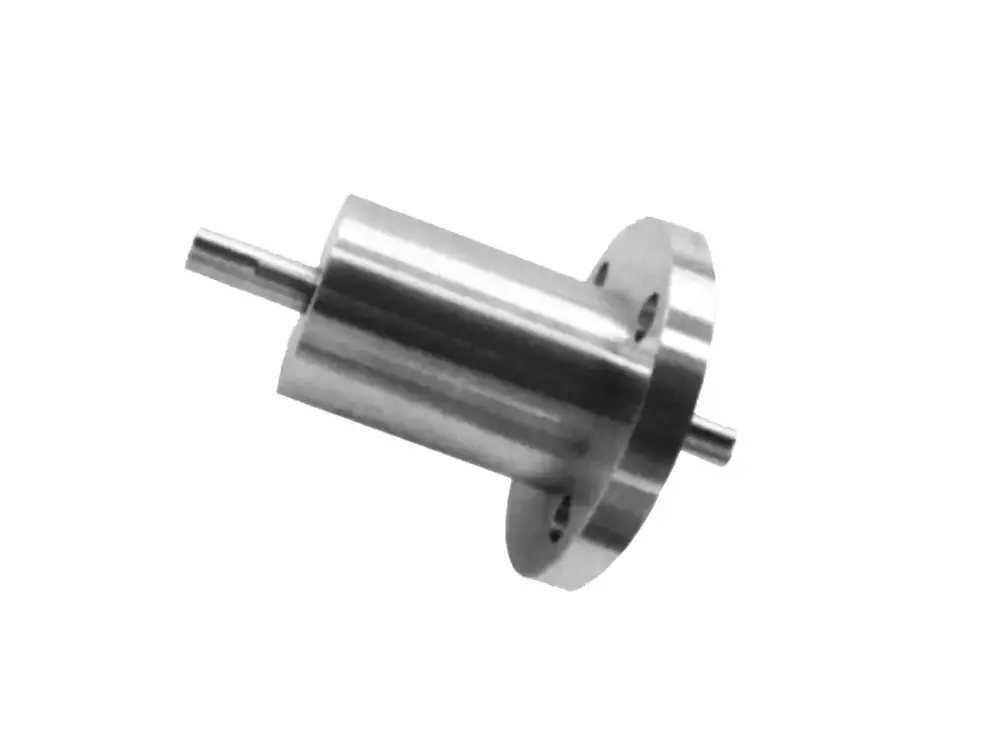
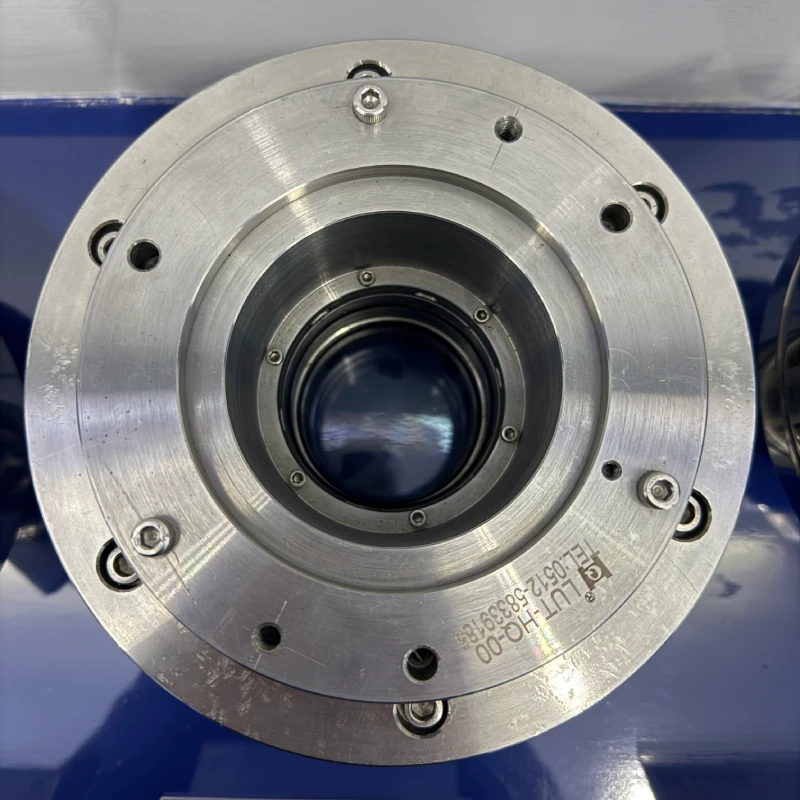
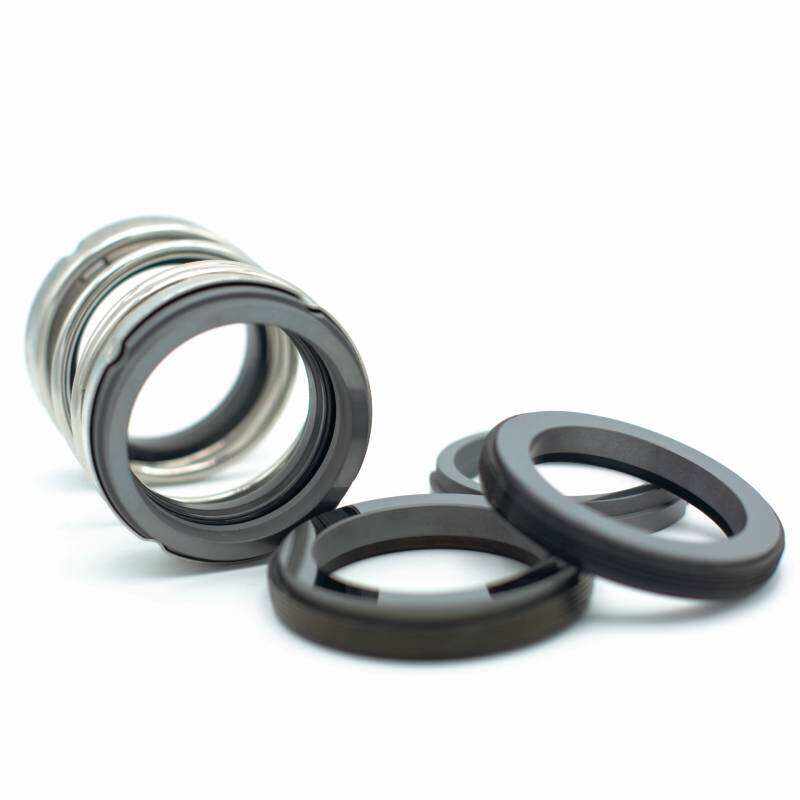
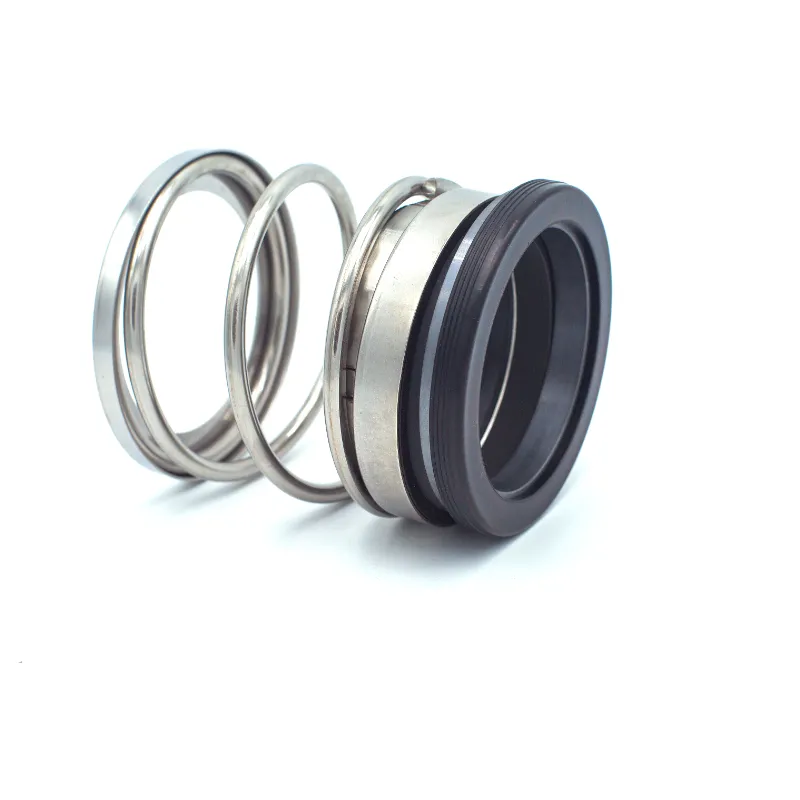
Dry gas seals represent a revolutionary advancement in sealing technology, specifically engineered to provide superior containment solutions for rotating equipment in demanding industrial environments. These sophisticated mechanical seals operate without requiring liquid lubrication, instead utilizing a thin film of process gas to create an effective barrier between rotating and stationary components. The primary function of dry gas seals centers on preventing leakage of process fluids while maintaining optimal equipment performance in compressors, turbines, and other critical rotating machinery. The technological foundation of dry gas seals relies on precision-engineered grooves and surface textures that generate aerodynamic lift forces. These carefully designed geometric patterns create a stable gas film that supports the seal faces, eliminating direct contact and significantly reducing wear rates. The seal system incorporates primary and secondary sealing elements, with the primary seal handling the main sealing function and the secondary seal providing backup protection. Advanced materials such as silicon carbide, tungsten carbide, and specialized coatings ensure exceptional durability and chemical resistance. Applications for dry gas seals span numerous industries including oil and gas processing, petrochemicals, power generation, and pharmaceutical manufacturing. In natural gas compression facilities, these seals effectively contain valuable hydrocarbons while preventing environmental emissions. Refinery operations benefit from their ability to handle aggressive chemicals and high-pressure conditions. Power plants utilize dry gas seals in steam turbines and gas turbines where reliability is paramount. The pharmaceutical industry values their contamination-free operation and ability to maintain sterile environments. Modern dry gas seals incorporate sophisticated monitoring systems that provide real-time performance data, enabling predictive maintenance strategies. These intelligent features include temperature sensors, pressure monitors, and vibration analysis capabilities that help operators optimize performance and prevent unexpected failures.

New Product Recommendations

Dry gas seals deliver exceptional operational benefits that translate directly into improved productivity and reduced costs for industrial facilities. The elimination of oil contamination stands as one of the most significant advantages, as these seals prevent lubricating oil from entering the process stream. This contamination-free operation proves especially valuable in food processing, pharmaceutical manufacturing, and high-purity chemical production where even trace amounts of oil can compromise product quality. Traditional wet seals require constant oil supply systems, filtration equipment, and disposal procedures that add complexity and ongoing expenses. Environmental compliance becomes significantly easier with dry gas seals since they eliminate oil disposal requirements and reduce the risk of environmental contamination. Regulatory agencies increasingly favor dry sealing technology due to its inherently cleaner operation and reduced environmental impact. Maintenance requirements decrease substantially when facilities implement dry gas seals, as the absence of oil systems eliminates the need for regular oil changes, filter replacements, and associated maintenance procedures. The self-lubricating nature of these seals means fewer moving parts and reduced wear rates, resulting in longer service intervals and lower maintenance costs. Energy efficiency improvements result from the reduced friction and parasitic losses associated with dry gas seal operation. Without oil circulation pumps, coolers, and filtration systems, overall power consumption decreases while system reliability increases. The simplified auxiliary systems require fewer spare parts and reduce inventory costs. Operational flexibility expands dramatically with dry gas seals, as they can handle a wider range of operating conditions including varying pressures, temperatures, and gas compositions. This versatility allows facilities to optimize process conditions without compromising seal performance. Start-up and shutdown procedures become simpler and faster since operators do not need to establish oil circulation systems before equipment operation. The reduced complexity translates into shorter training requirements for maintenance personnel and lower risk of operational errors. Cost savings accumulate through multiple channels including reduced maintenance labor, eliminated oil purchases, lower disposal costs, and decreased downtime. Many facilities report payback periods of less than two years when upgrading from traditional sealing systems to dry gas seals.

Practical Tips

Metal Bellow Seals vs Standard Seals: What's Better?

27

Jun

Metal Bellow Seals vs Standard Seals: What's Better?

Understanding Metal Bellow Seals and Standard Seals Metal Bellow Seals: Definition and Core Characteristics Metal bellow seals are specialized sealing solutions that utilize a flexible bellow structure made primarily from metals such as stainless st...
View More
How to Select the Right Agitator Seal Pressure Suppliers for Your Needs?

06

Aug

How to Select the Right Agitator Seal Pressure Suppliers for Your Needs?

Sealing Excellence Begins with the Right Supplier In industrial settings where mixing, processing, and fluid containment are essential, the importance of robust sealing systems cannot be overstated. Agitator seal pressure systems serve as a critical ...
View More
Cartex Mechanical Seal Solutions for Heavy-Duty Pumping Systems

22

Dec

Cartex Mechanical Seal Solutions for Heavy-Duty Pumping Systems

Industrial pumping systems demand exceptional reliability and performance, especially when handling aggressive fluids and operating under extreme conditions. Modern mechanical seal technology has evolved to meet these challenges, with advanced soluti...
View More
Cartridge Mechanical Seal Solutions for Zero-Error Maintenance

22

Dec

Cartridge Mechanical Seal Solutions for Zero-Error Maintenance

Industrial pump systems operate under extreme conditions where even minor seal failures can result in catastrophic downtime and costly repairs. The cartridge mechanical seal represents a revolutionary advancement in sealing technology, offering super...
View More

Get a Free Quote

Our representative will contact you soon.
Email
Name
Company Name
Country/Region
Message
0/1000

Dry gas seals

Advanced Non-Contacting Technology for Maximum Reliability

Advanced Non-Contacting Technology for Maximum Reliability

The sophisticated non-contacting design of dry gas seals represents a paradigm shift in sealing technology that eliminates the fundamental limitations of traditional contact seals. This innovative approach utilizes precision-engineered spiral grooves and surface geometries to create a stable gas film between the rotating and stationary seal faces, ensuring zero physical contact during normal operation. The aerodynamic principles behind this technology generate sufficient lift forces to maintain optimal face separation while providing effective sealing performance. This non-contacting operation eliminates friction-related wear, which traditionally represents the primary failure mechanism in mechanical seals. The absence of face-to-face contact means that seal components maintain their original surface finish and dimensional accuracy throughout their service life, resulting in consistently reliable performance over extended periods. The gas film thickness, typically measured in micrometers, remains stable across varying operating conditions due to the self-regulating nature of the aerodynamic forces. When system pressure increases, the gas film naturally adjusts to maintain proper face separation, while decreased pressure conditions automatically reduce film thickness to maintain sealing effectiveness. This adaptive behavior ensures optimal performance across the full range of operating conditions without requiring external control systems. The materials used in dry gas seals benefit significantly from the non-contacting operation, as they experience minimal thermal stress and mechanical wear. Silicon carbide and tungsten carbide components maintain their structural integrity and surface properties, contributing to exceptional longevity. The elimination of friction also prevents the generation of wear particles that could contaminate the process stream or damage downstream equipment. Vibration levels remain consistently low due to the smooth operation characteristics, reducing stress on associated equipment and extending overall system life. The non-contacting design also enables dry gas seals to handle challenging applications involving abrasive particles or corrosive chemicals that would quickly destroy traditional contact seals. This capability opens up applications in harsh environments where conventional sealing solutions prove inadequate.
Comprehensive Leakage Control and Environmental Protection

Comprehensive Leakage Control and Environmental Protection

Dry gas seals excel in providing comprehensive leakage control that surpasses traditional sealing methods while delivering substantial environmental benefits for modern industrial operations. The dual-barrier sealing system incorporates primary and secondary seal elements that work in tandem to create multiple layers of protection against process fluid leakage. The primary seal handles the main sealing function through its precision-engineered faces and aerodynamic gas film, while the secondary seal provides essential backup protection and helps maintain proper operating conditions for the primary seal. This redundant design ensures reliable containment even under challenging operating conditions or during transient events such as start-up and shutdown procedures. Leakage rates with properly functioning dry gas seals typically measure in the range of standard cubic feet per minute, representing a dramatic improvement over conventional sealing technologies that may experience significantly higher leakage rates. The controlled leakage design allows for precise monitoring and measurement of seal performance, enabling operators to detect potential issues before they develop into serious problems. Environmental protection benefits extend beyond simple leakage reduction to encompass broader sustainability goals and regulatory compliance requirements. The elimination of oil systems removes the risk of lubricant contamination and associated disposal challenges that plague traditional wet seal systems. Volatile organic compound emissions decrease substantially since dry gas seals do not require oil circulation systems that can contribute to fugitive emissions. The reduced environmental footprint aligns with corporate sustainability initiatives and helps facilities meet increasingly stringent environmental regulations. Monitoring capabilities built into modern dry gas seal systems provide real-time data on seal performance parameters including face temperature, pressure differentials, and gas flow rates. This comprehensive monitoring enables operators to optimize system performance while maintaining strict environmental compliance. The early warning capabilities help prevent catastrophic seal failures that could result in significant environmental releases. Buffer gas systems can be employed to further enhance environmental protection by providing an additional barrier against process fluid escape while enabling the use of environmentally benign gases for sealing applications involving hazardous or toxic process fluids.
Simplified Maintenance and Long-Term Cost Effectiveness

Simplified Maintenance and Long-Term Cost Effectiveness

The maintenance advantages and long-term cost effectiveness of dry gas seals create compelling value propositions that transform operational economics for industrial facilities. The simplified design eliminates complex auxiliary systems typically associated with traditional wet seals, including oil circulation pumps, heat exchangers, filtration equipment, and storage tanks. This reduction in system complexity translates directly into lower maintenance requirements, reduced spare parts inventory, and simplified troubleshooting procedures. Maintenance intervals extend significantly compared to conventional sealing systems, with many dry gas seals operating for multiple years between major service events. The non-contacting operation prevents wear-related degradation that typically necessitates frequent seal face replacements in traditional systems. When maintenance becomes necessary, the modular design of most dry gas seals enables quick cartridge-style replacement that minimizes equipment downtime. Specialized tools and complex procedures become unnecessary, allowing standard maintenance personnel to perform most service tasks efficiently. The predictable wear patterns and well-defined failure modes enable effective predictive maintenance programs that optimize service intervals while ensuring reliable operation. Condition monitoring systems integrated into modern dry gas seal designs provide continuous assessment of seal health through parameters such as face gap measurements, temperature trends, and vibration analysis. This real-time data enables maintenance teams to schedule service activities during planned outages rather than responding to emergency failures. Training requirements for maintenance personnel decrease substantially due to the simplified system architecture and reduced component count. The absence of oil handling procedures eliminates safety risks associated with hot oil exposure and reduces the specialized knowledge required for effective maintenance. Cost analysis consistently demonstrates the superior economic performance of dry gas seals over their operational lifetime. Initial capital investment typically recovers within two years through reduced operating costs, while the extended service life provides ongoing savings throughout the equipment lifecycle. Energy consumption decreases eliminate ongoing electrical costs associated with auxiliary equipment operation. The elimination of consumable items such as seal oil, filters, and associated chemicals provides continuous cost savings that accumulate substantially over time. Environmental compliance costs decrease due to reduced waste generation and simplified regulatory reporting requirements. Insurance and liability costs may also decrease due to the improved safety profile and reduced environmental risk associated with dry gas seal operation.

Get a Free Quote

Our representative will contact you soon.
Email
Name
Company Name
Country/Region
Message
0/1000