PTFE or Graphite Secondary Seal - High-Performance Industrial Sealing Solutions

Get a Free Quote

Our representative will contact you soon.
Email
Name
Company Name
Message
0/1000

PTFE or Graphite Secondary Seal

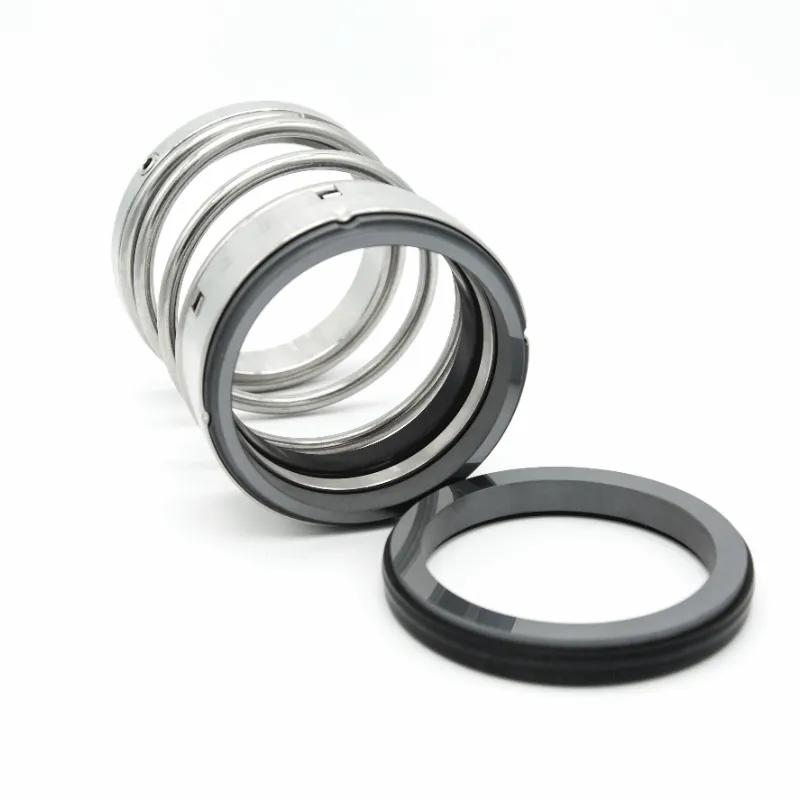
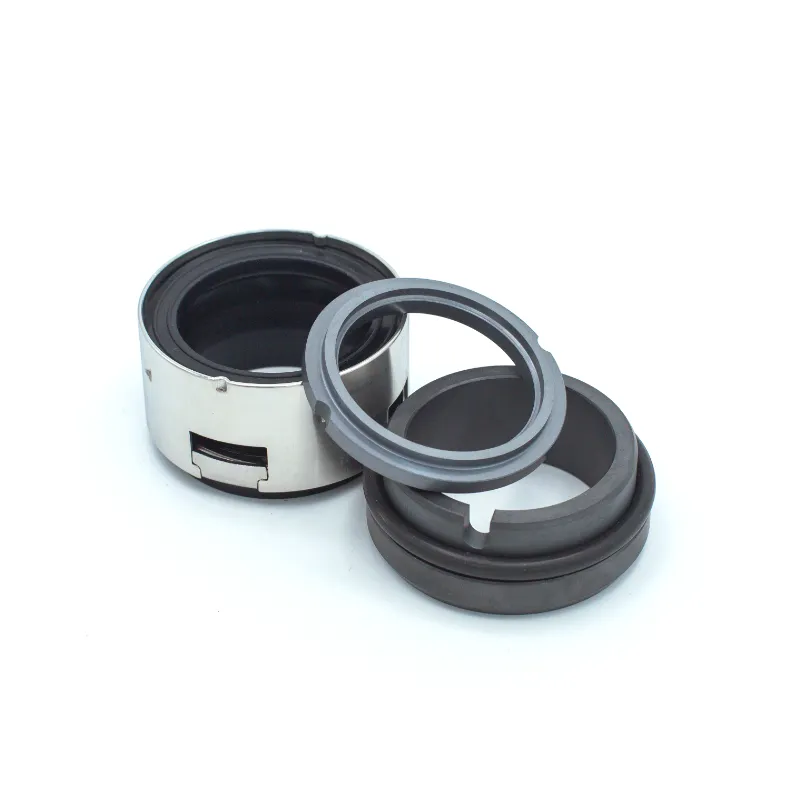
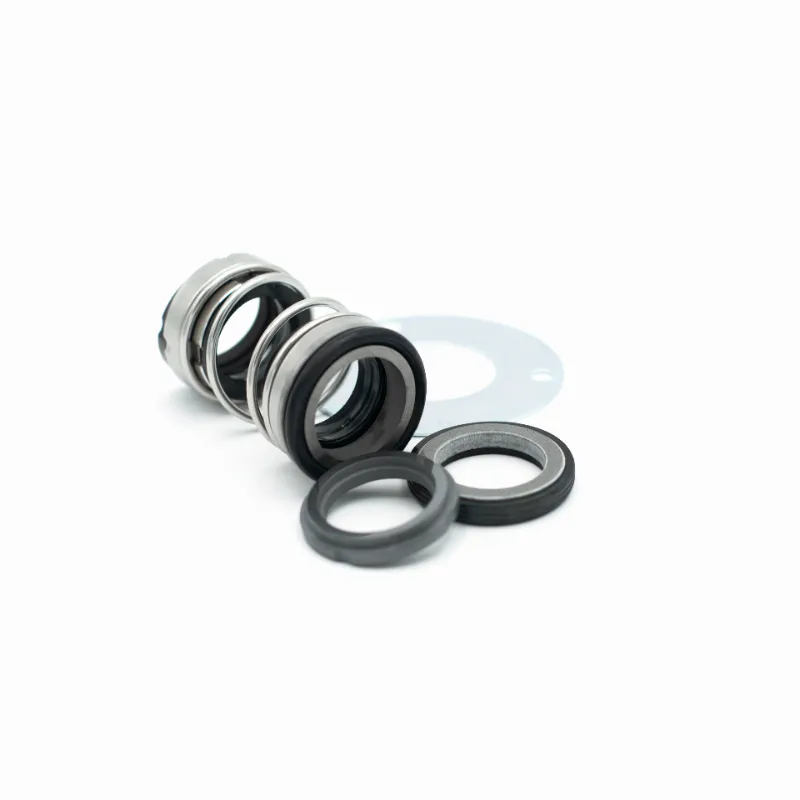
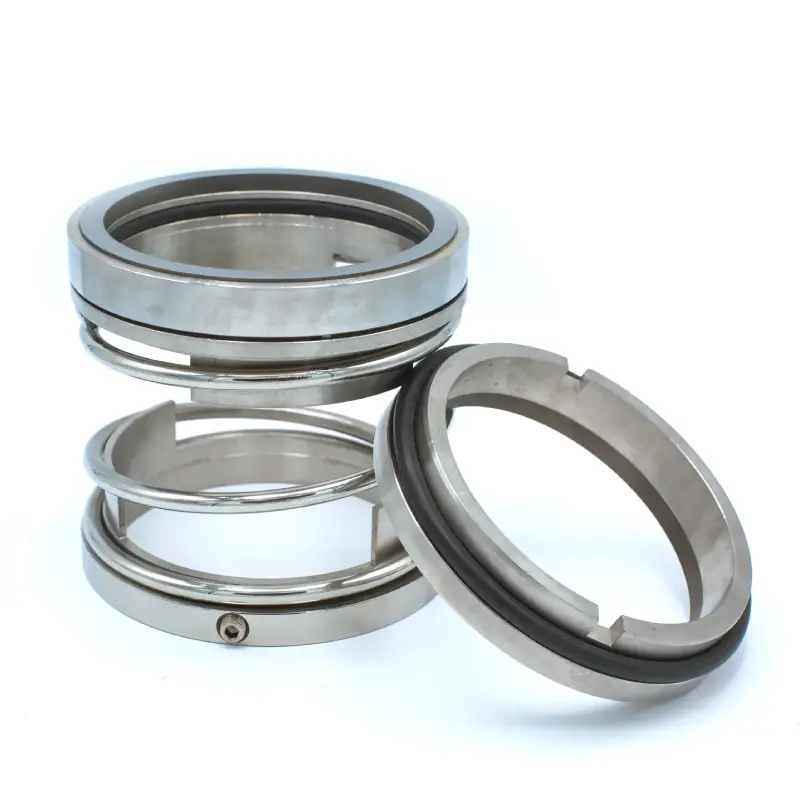
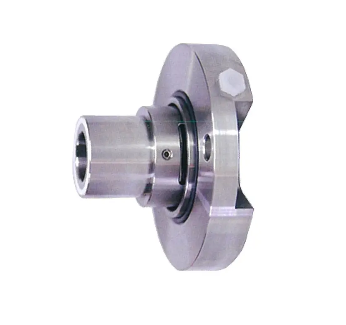
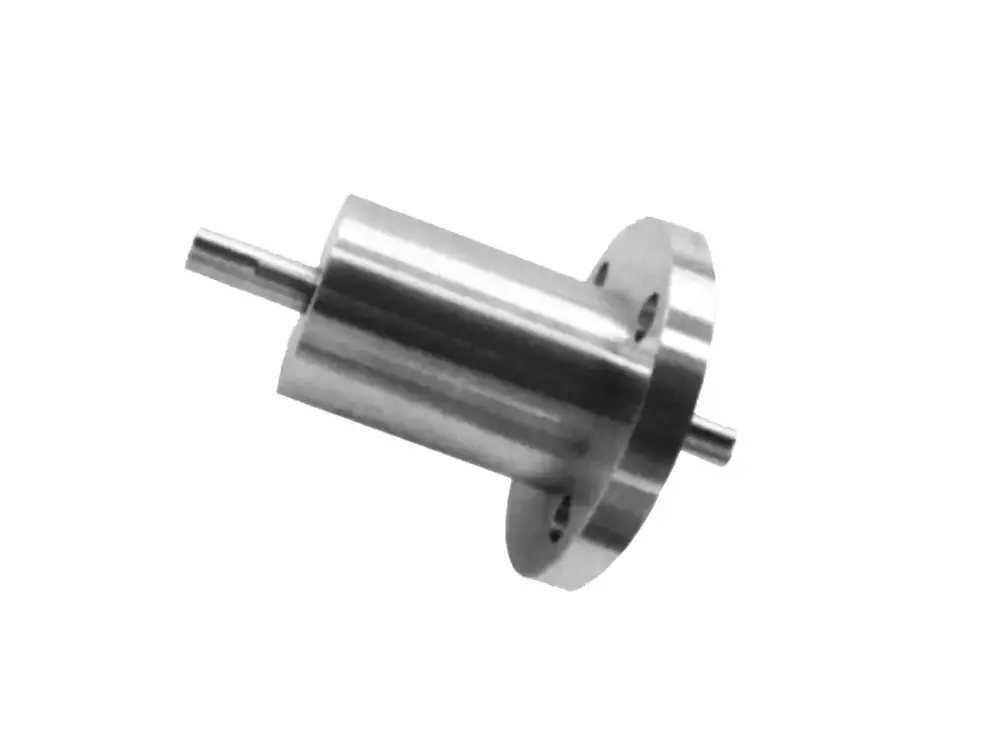
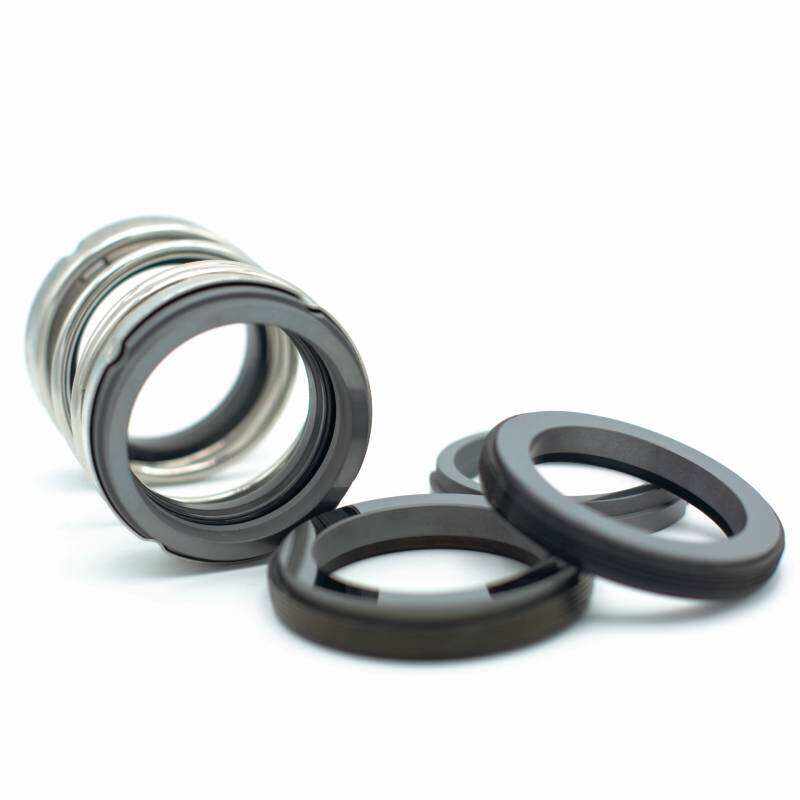
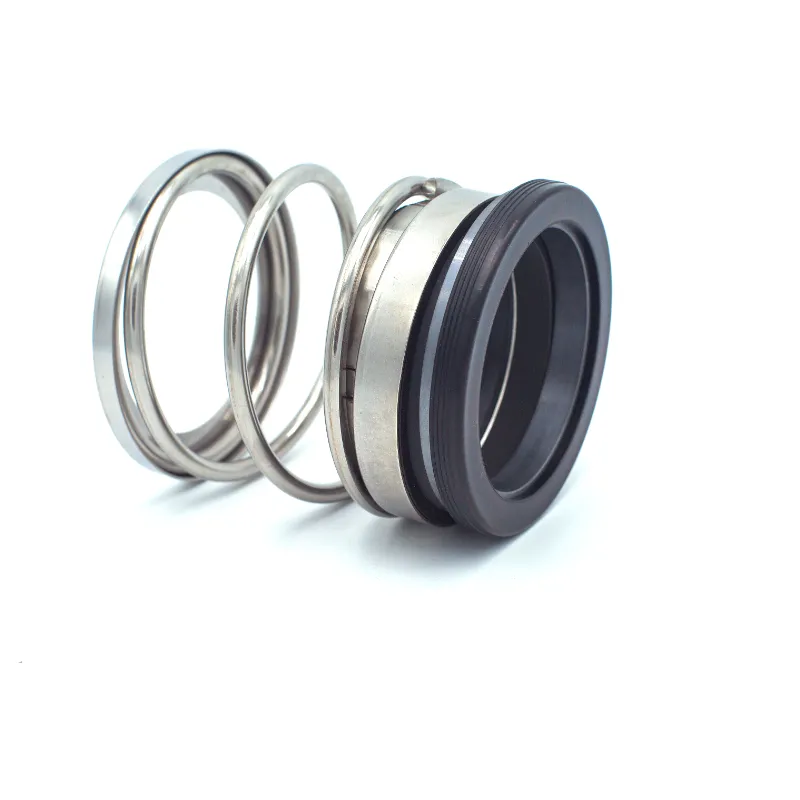
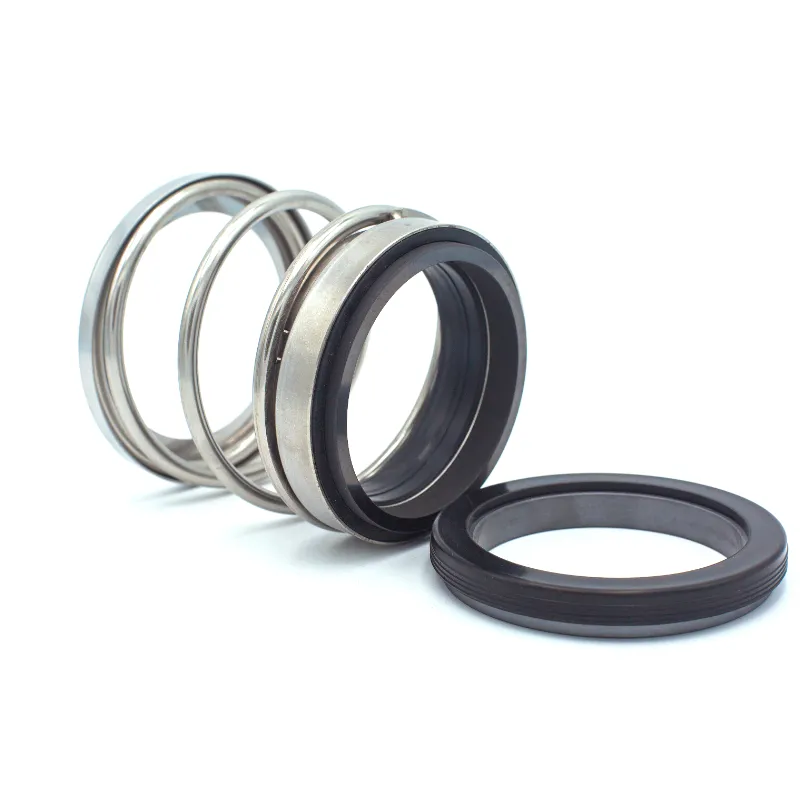
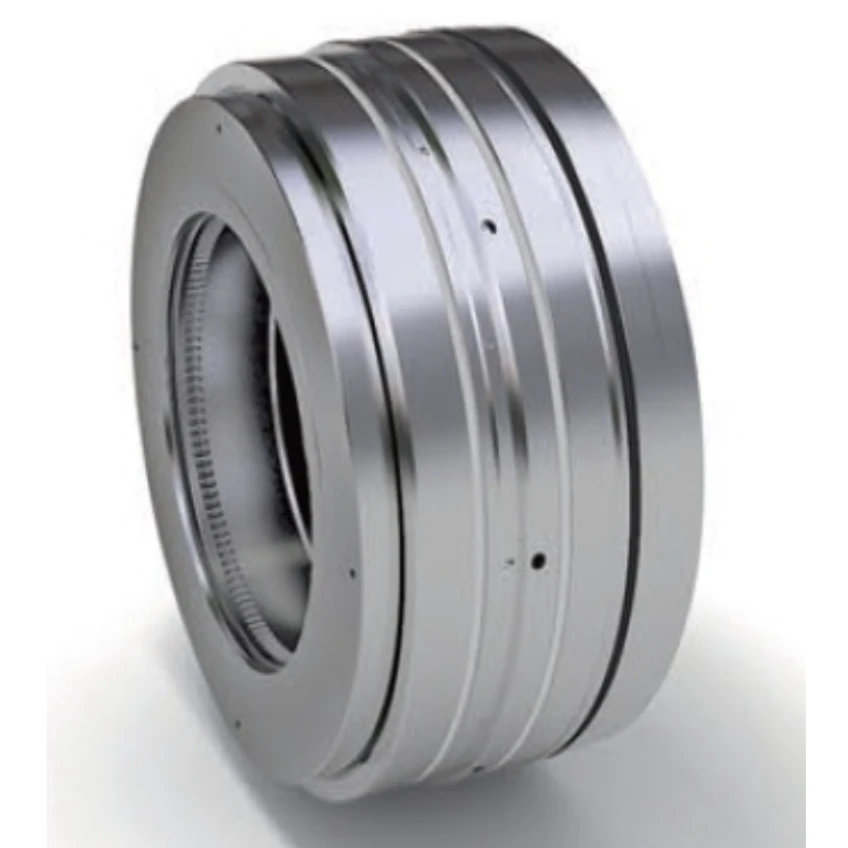
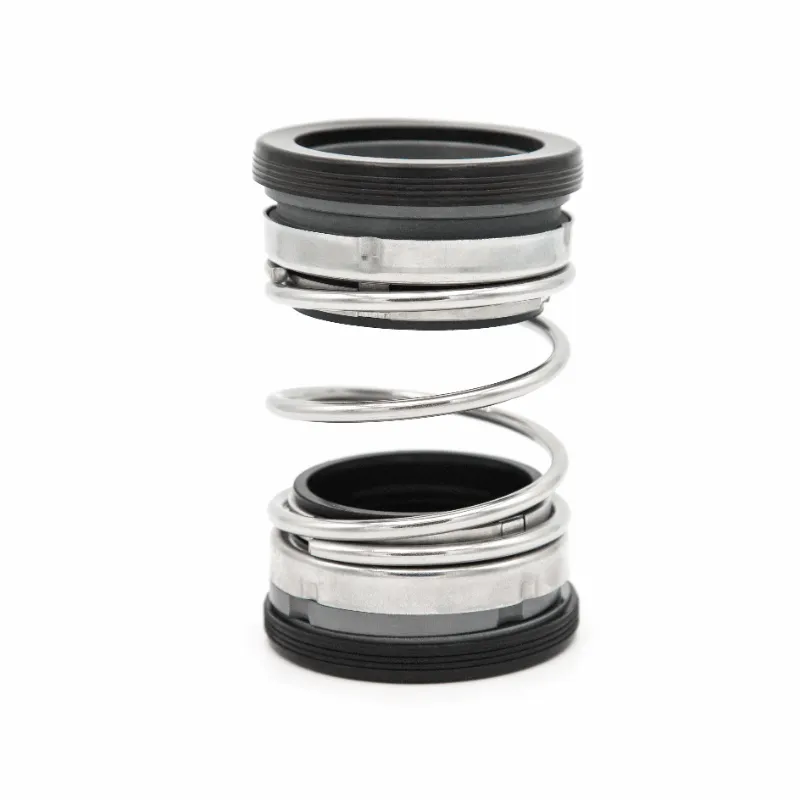
The PTFE or Graphite Secondary Seal represents a critical component in modern sealing technology, designed to provide enhanced protection and reliability in demanding industrial applications. These secondary seals function as backup barriers that prevent leakage when primary sealing systems encounter stress, wear, or operational challenges. The PTFE or Graphite Secondary Seal operates by creating an additional layer of protection that maintains system integrity even under extreme conditions. The primary function of these seals involves containment of fluids, gases, and other media while withstanding harsh environmental factors such as high temperatures, corrosive chemicals, and mechanical stress. PTFE secondary seals utilize polytetrafluoroethylene material known for exceptional chemical resistance and low friction properties, making them ideal for applications requiring long-term durability. Graphite secondary seals leverage the natural lubricating properties and thermal conductivity of graphite material to deliver superior performance in high-temperature environments. The technological features of PTFE or Graphite Secondary Seal include precision engineering that ensures proper fit and function within various sealing assemblies. These seals incorporate advanced material science to achieve optimal flexibility while maintaining structural integrity under pressure variations. The design specifications accommodate different groove configurations and operational parameters, allowing for versatile installation across multiple industries. Manufacturing processes employ strict quality control measures to ensure consistent performance characteristics and dimensional accuracy. The PTFE or Graphite Secondary Seal finds extensive applications in automotive transmissions, hydraulic systems, pneumatic equipment, chemical processing plants, aerospace components, and marine machinery. These seals prove particularly valuable in rotating shaft applications, reciprocating mechanisms, and static joint assemblies where reliable sealing performance directly impacts operational efficiency and safety standards.

New Product Recommendations

The PTFE or Graphite Secondary Seal delivers numerous practical benefits that directly impact operational efficiency and cost-effectiveness for industrial users. These seals significantly reduce maintenance requirements by providing extended service life compared to conventional sealing solutions. The superior material properties of PTFE or Graphite Secondary Seal result in reduced friction, which translates to lower energy consumption and decreased wear on associated components. This friction reduction contributes to smoother operation and extends the lifespan of entire mechanical systems. The chemical resistance of these seals eliminates concerns about degradation from aggressive fluids, allowing equipment to operate reliably in harsh chemical environments without frequent seal replacements. Temperature stability represents another major advantage, as PTFE or Graphite Secondary Seal maintains performance integrity across wide temperature ranges, from cryogenic conditions to elevated operating temperatures. This thermal resilience reduces the need for specialized sealing solutions in extreme environments. The dimensional stability of these seals ensures consistent sealing performance throughout their operational life, preventing the gradual loss of sealing effectiveness that affects other materials. Installation simplicity provides immediate practical benefits, as PTFE or Graphite Secondary Seal designs accommodate standard groove dimensions and require minimal modification to existing equipment. This compatibility reduces retrofit costs and installation time. The leak prevention capabilities of these seals directly protect valuable fluids from loss while preventing contamination of surrounding components and environmental areas. This containment effectiveness supports compliance with environmental regulations and reduces cleanup costs. Cost savings accumulate through reduced downtime, fewer emergency repairs, and extended replacement intervals. The reliability of PTFE or Graphite Secondary Seal reduces unexpected equipment failures that disrupt production schedules. Performance consistency across varying operating conditions eliminates the need for multiple seal types in facilities with diverse equipment requirements. The versatility of these seals simplifies inventory management and reduces procurement complexity for maintenance departments.

Practical Tips

Best Above Ground Well Pumps for Efficient Water Flow

19

Sep

Best Above Ground Well Pumps for Efficient Water Flow

Types of Above Ground Well Pumps for Efficient Flow Shallow Well Jet Pumps: Ideal for Shallow Water Tables Shallow well jet pumps are specifically designed to lift water from depths of up to 25 feet, making them ideal for rural or suburban areas wit...
View More
Metal Bellow Seals vs Standard Seals: What's Better?

27

Jun

Metal Bellow Seals vs Standard Seals: What's Better?

Understanding Metal Bellow Seals and Standard Seals Metal Bellow Seals: Definition and Core Characteristics Metal bellow seals are specialized sealing solutions that utilize a flexible bellow structure made primarily from metals such as stainless st...
View More
Cartex Mechanical Seal Solutions for Heavy-Duty Pumping Systems

22

Dec

Cartex Mechanical Seal Solutions for Heavy-Duty Pumping Systems

Industrial pumping systems demand exceptional reliability and performance, especially when handling aggressive fluids and operating under extreme conditions. Modern mechanical seal technology has evolved to meet these challenges, with advanced soluti...
View More
Cartridge Mechanical Seal Solutions for Zero-Error Maintenance

22

Dec

Cartridge Mechanical Seal Solutions for Zero-Error Maintenance

Industrial pump systems operate under extreme conditions where even minor seal failures can result in catastrophic downtime and costly repairs. The cartridge mechanical seal represents a revolutionary advancement in sealing technology, offering super...
View More

Get a Free Quote

Our representative will contact you soon.
Email
Name
Company Name
Country/Region
Message
0/1000

PTFE or Graphite Secondary Seal

Superior Chemical and Temperature Resistance

Superior Chemical and Temperature Resistance

The PTFE or Graphite Secondary Seal demonstrates exceptional resistance to chemical attack and temperature extremes, making it the preferred choice for demanding industrial environments. PTFE material exhibits virtually universal chemical compatibility, remaining stable when exposed to acids, bases, solvents, and aggressive chemicals that would rapidly degrade conventional seal materials. This chemical inertness ensures that the PTFE or Graphite Secondary Seal maintains its sealing properties even in the most corrosive applications, such as chemical processing plants, pharmaceutical manufacturing, and petrochemical facilities. The graphite variant provides excellent performance in high-temperature applications where other materials would fail, withstanding continuous exposure to temperatures exceeding 500 degrees Fahrenheit while maintaining structural integrity. This temperature resistance makes the PTFE or Graphite Secondary Seal invaluable in steam systems, exhaust applications, and high-temperature fluid handling equipment. The combination of chemical and thermal resistance eliminates the need for frequent seal replacements, reducing maintenance costs and improving system reliability. Industries benefit from uninterrupted operation as these seals continue functioning when conventional materials would require immediate replacement. The molecular stability of both PTFE and graphite materials prevents degradation that typically occurs with rubber or polymer seals exposed to harsh conditions. This stability translates to consistent sealing performance throughout the seal's operational life, preventing gradual leakage that could compromise system efficiency. The PTFE or Graphite Secondary Seal also resists oxidation and UV degradation, making it suitable for outdoor applications and systems exposed to atmospheric conditions. This comprehensive resistance profile reduces inventory complexity for facilities managing diverse chemical processes and temperature conditions, as a single seal type can handle multiple challenging applications effectively.
Extended Service Life and Reduced Maintenance

Extended Service Life and Reduced Maintenance

The PTFE or Graphite Secondary Seal offers dramatically extended service intervals compared to traditional sealing materials, resulting in significant maintenance cost reductions and improved operational reliability. The inherent durability of these materials allows the PTFE or Graphite Secondary Seal to operate effectively for thousands of hours without degradation, far exceeding the performance of rubber or elastomer alternatives. This longevity stems from the molecular structure of both PTFE and graphite, which resist mechanical wear, chemical attack, and thermal cycling that typically cause seal failure. Extended service life translates directly to reduced maintenance labor costs, as technicians spend less time on seal replacement activities and more time on productive maintenance tasks. The predictable performance characteristics of PTFE or Graphite Secondary Seal enable maintenance teams to implement condition-based maintenance strategies rather than reactive emergency repairs. This predictability supports better maintenance planning and resource allocation, reducing overtime costs and emergency procurement expenses. The dimensional stability of these seals prevents the gradual loss of sealing effectiveness that requires premature replacement with other seal types. Facilities using PTFE or Graphite Secondary Seal report maintenance interval extensions of 300 to 500 percent compared to conventional seals in similar applications. This reduction in maintenance frequency directly improves equipment availability and production uptime, as machines operate longer between scheduled maintenance windows. The reliability of these seals also reduces the risk of unexpected failures that can cause costly production interruptions or equipment damage. Maintenance departments benefit from simplified planning, as the consistent performance of PTFE or Graphite Secondary Seal allows for standardized replacement schedules across similar equipment. The reduced handling and storage requirements for replacement seals free up warehouse space and reduce inventory carrying costs, while the decreased frequency of seal purchases improves cash flow management.
Enhanced System Performance and Energy Efficiency

Enhanced System Performance and Energy Efficiency

The PTFE or Graphite Secondary Seal significantly improves overall system performance through reduced friction characteristics and enhanced sealing effectiveness, leading to measurable energy savings and improved operational efficiency. The naturally low friction coefficient of PTFE material minimizes parasitic energy losses in rotating and reciprocating applications, allowing equipment to operate with reduced power consumption. This friction reduction is particularly beneficial in high-speed applications where the PTFE or Graphite Secondary Seal can reduce bearing loads and heat generation that typically compromise system efficiency. Graphite's self-lubricating properties provide similar benefits while offering superior performance in high-temperature applications where lubrication breakdown occurs with other materials. The improved sealing effectiveness of these materials prevents internal leakage that reduces system pressure and compromises performance in hydraulic and pneumatic systems. By maintaining proper pressure differentials, the PTFE or Graphite Secondary Seal ensures that actuators, cylinders, and motors operate at designed efficiency levels, reducing energy waste and improving response times. The dimensional precision achievable with these materials ensures optimal fit within sealing grooves, eliminating the compression variations that can cause uneven wear patterns and reduced sealing effectiveness. This precision contributes to smoother operation and reduced vibration levels that can affect system performance and component longevity. Energy efficiency improvements from PTFE or Graphite Secondary Seal implementation often result in measurable reductions in utility costs, particularly in facilities with large numbers of sealed systems. The thermal conductivity of graphite variants helps dissipate heat more effectively, preventing thermal buildup that can reduce system efficiency and accelerate component wear. Performance consistency across varying operating conditions eliminates the efficiency variations that occur with temperature-sensitive seal materials, ensuring optimal energy utilization regardless of environmental conditions. The reliability improvements achieved with PTFE or Graphite Secondary Seal also contribute to performance optimization by preventing the degraded operation that occurs as conventional seals begin to fail.

Get a Free Quote

Our representative will contact you soon.
Email
Name
Company Name
Country/Region
Message
0/1000