Mechanical Seals for Power Generation
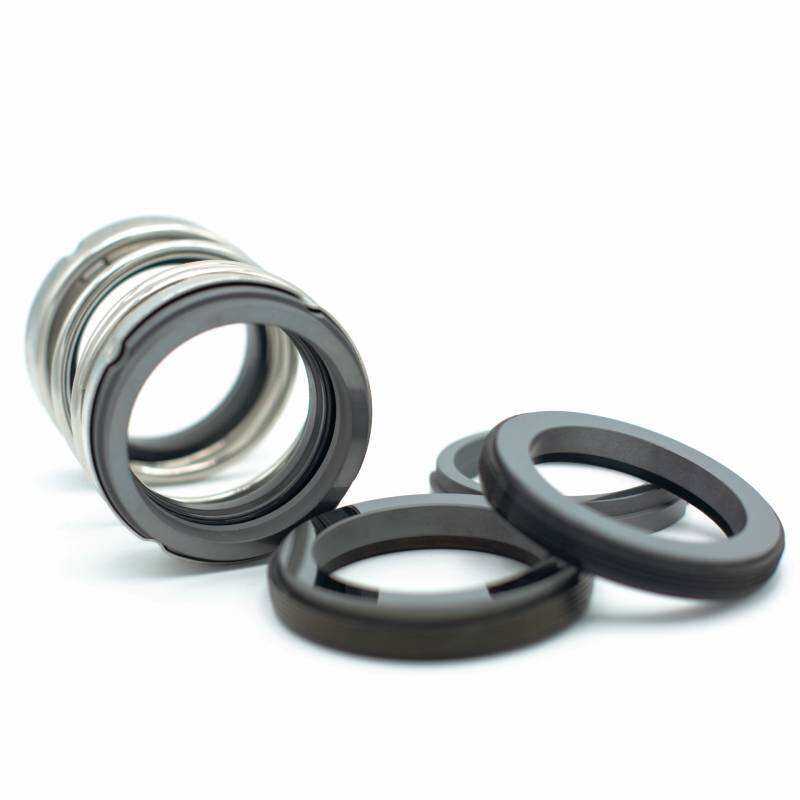
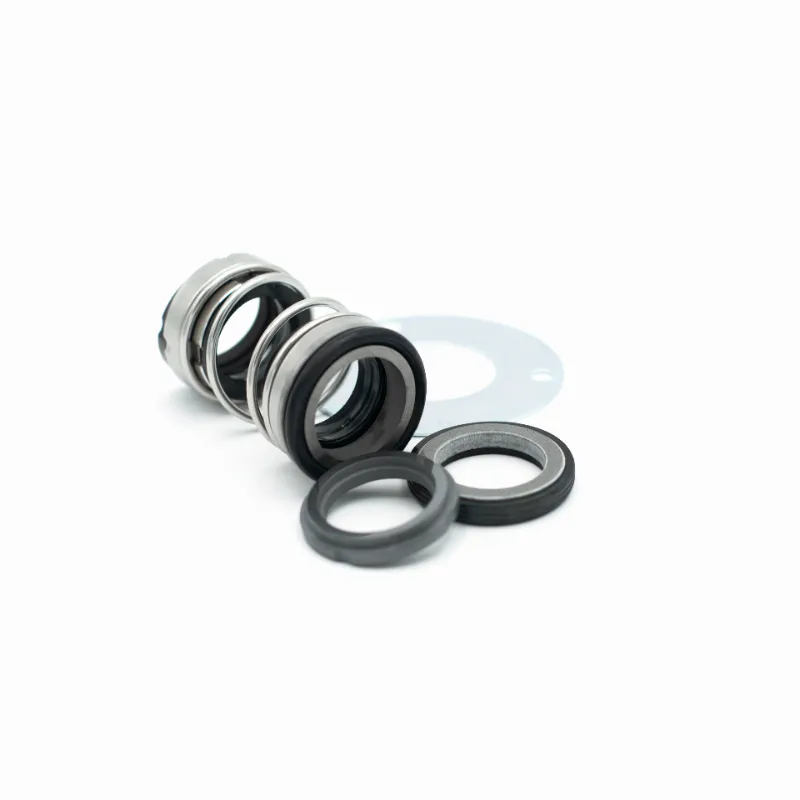
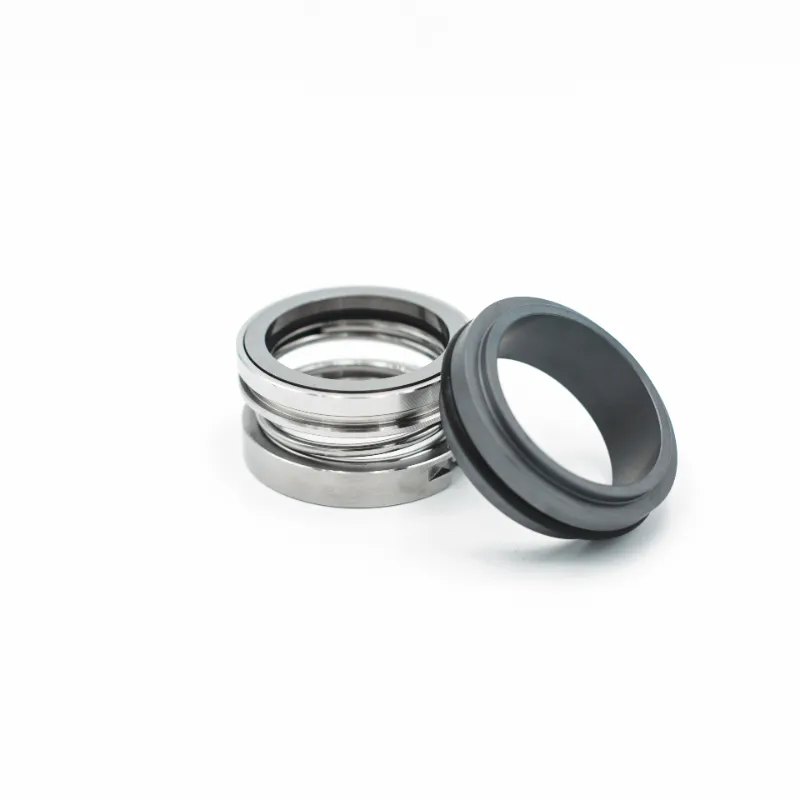
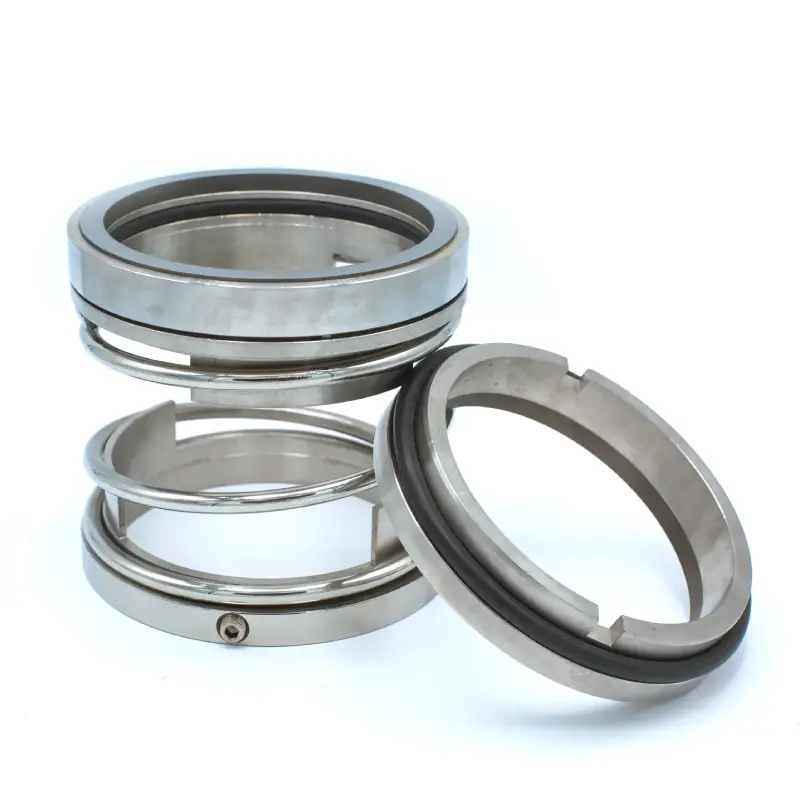
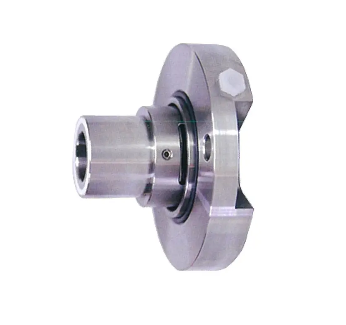
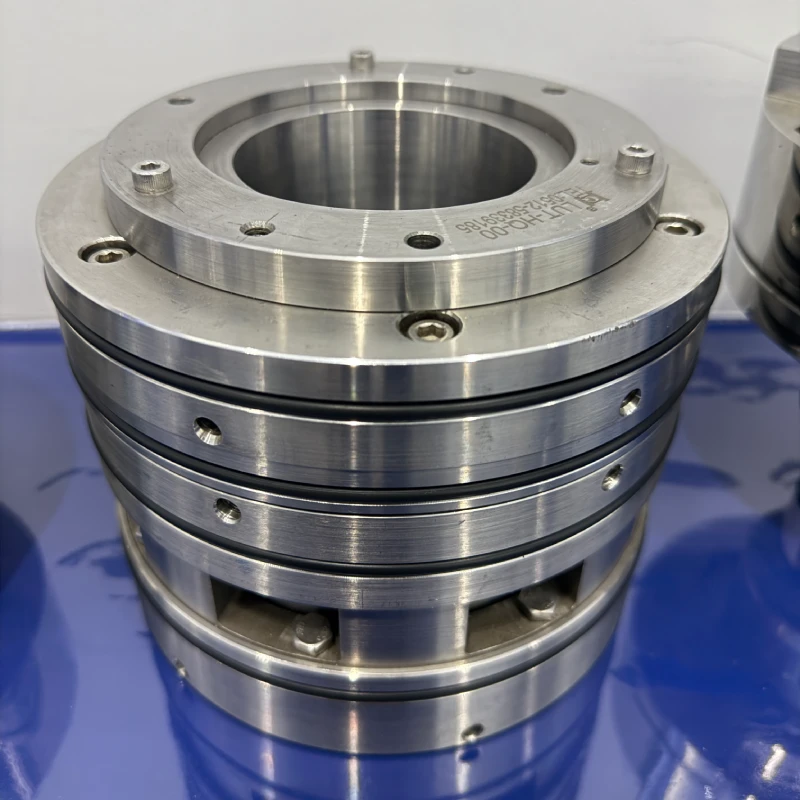
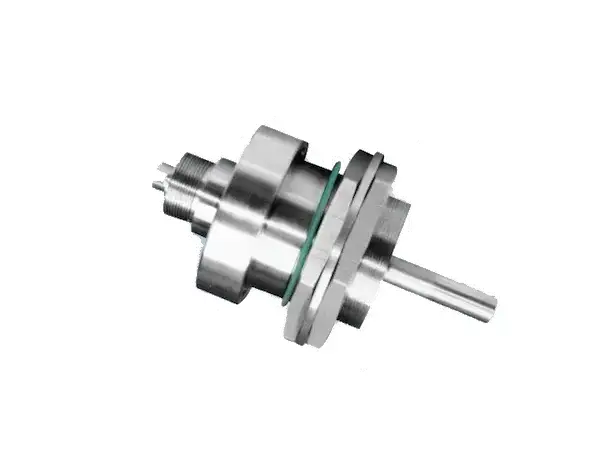
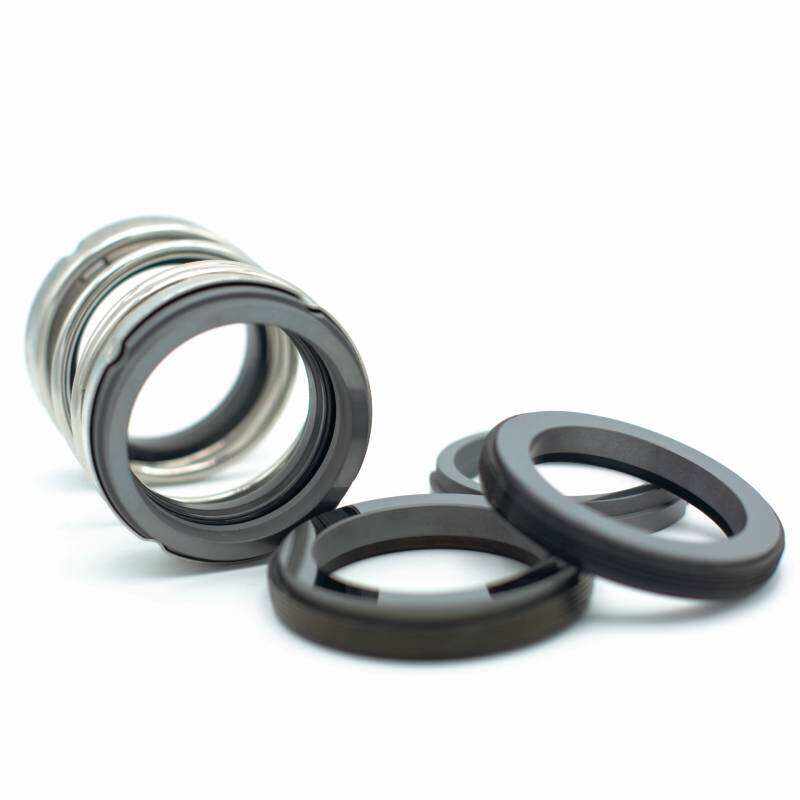
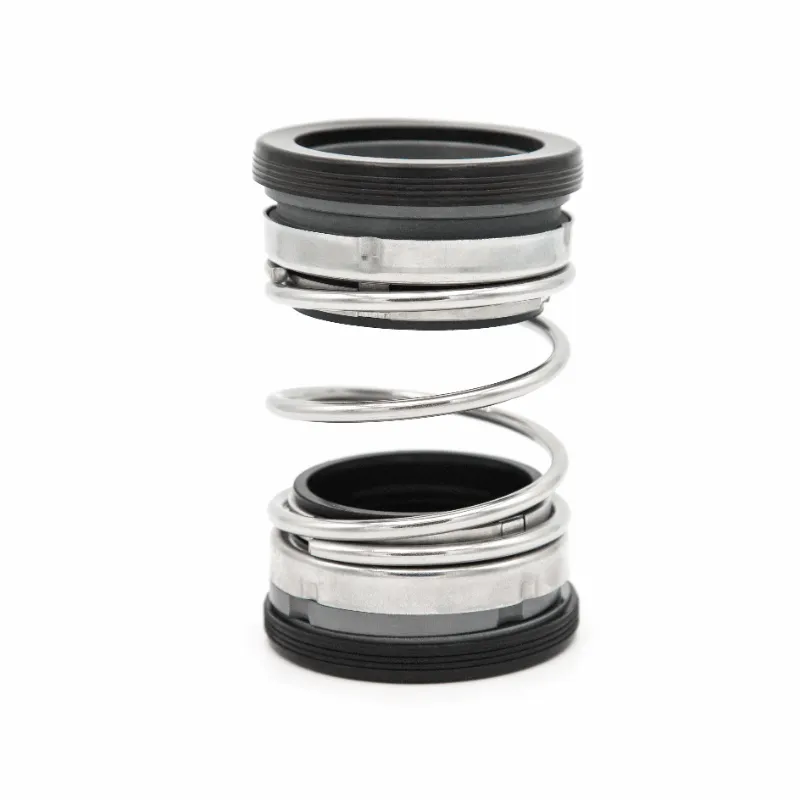
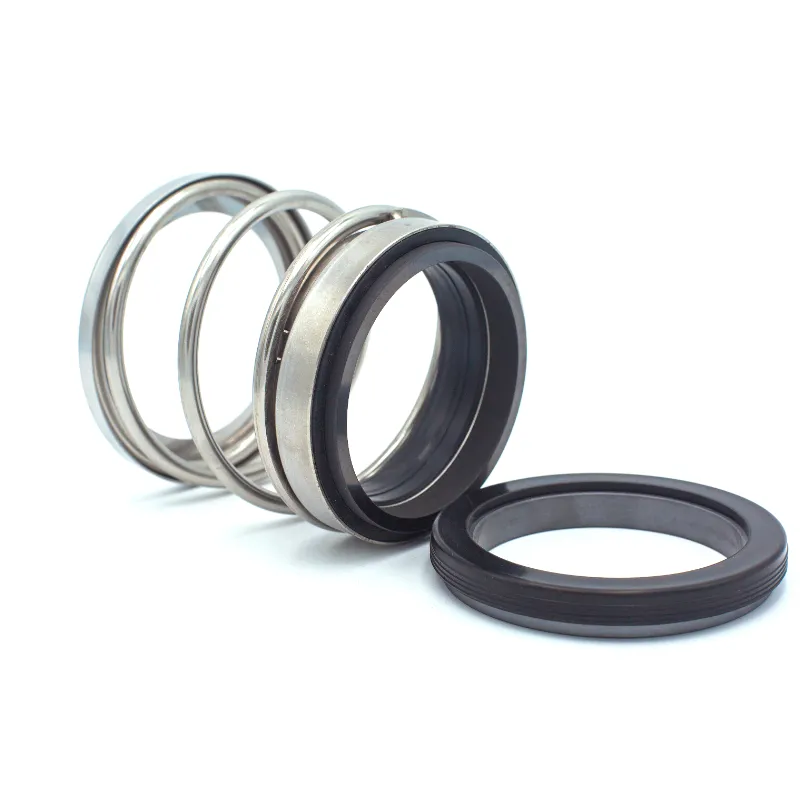
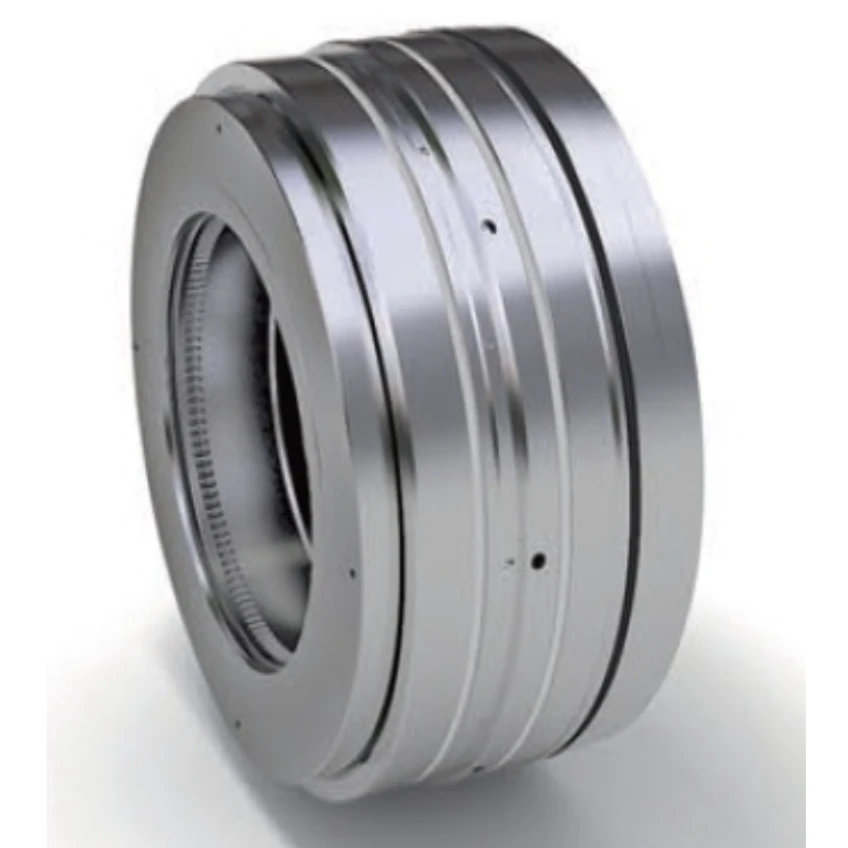
Mechanical Seals for Power Generation represent critical components that ensure optimal performance and reliability in power plant operations. These specialized sealing solutions are engineered to withstand extreme operating conditions commonly encountered in thermal power stations, nuclear facilities, and renewable energy installations. The primary function of Mechanical Seals for Power Generation involves preventing fluid leakage while maintaining system integrity under high pressure, temperature, and rotational speed conditions. These seals create a barrier between rotating and stationary components, effectively containing process fluids such as cooling water, steam, and various chemicals used in power generation cycles. The technological features of modern Mechanical Seals for Power Generation include advanced materials such as silicon carbide, tungsten carbide, and specialized elastomers that resist corrosion and thermal degradation. These seals incorporate sophisticated face geometries and spring-loaded mechanisms that maintain contact pressure between sealing surfaces throughout their operational lifespan. The applications of Mechanical Seals for Power Generation span across multiple power plant systems including cooling water pumps, condensate pumps, feedwater pumps, boiler circulation pumps, and turbine auxiliary systems. In nuclear power facilities, these seals must meet stringent safety requirements and demonstrate exceptional reliability to prevent radioactive contamination. Renewable energy applications utilize Mechanical Seals for Power Generation in geothermal systems, hydroelectric turbines, and concentrated solar power installations where reliability directly impacts energy output efficiency. The design philosophy behind these sealing solutions prioritizes longevity, minimal maintenance requirements, and consistent performance under varying load conditions. Advanced monitoring capabilities integrated into modern Mechanical Seals for Power Generation enable predictive maintenance strategies that reduce unplanned downtime and optimize operational costs.
 EN
EN