Premium Liquid Oxygen Seals for Aerospace Applications - Cryogenic Performance Solutions

Get a Free Quote

Our representative will contact you soon.
Email
Name
Company Name
Message
0/1000

Liquid Oxygen Seals for Aerospace

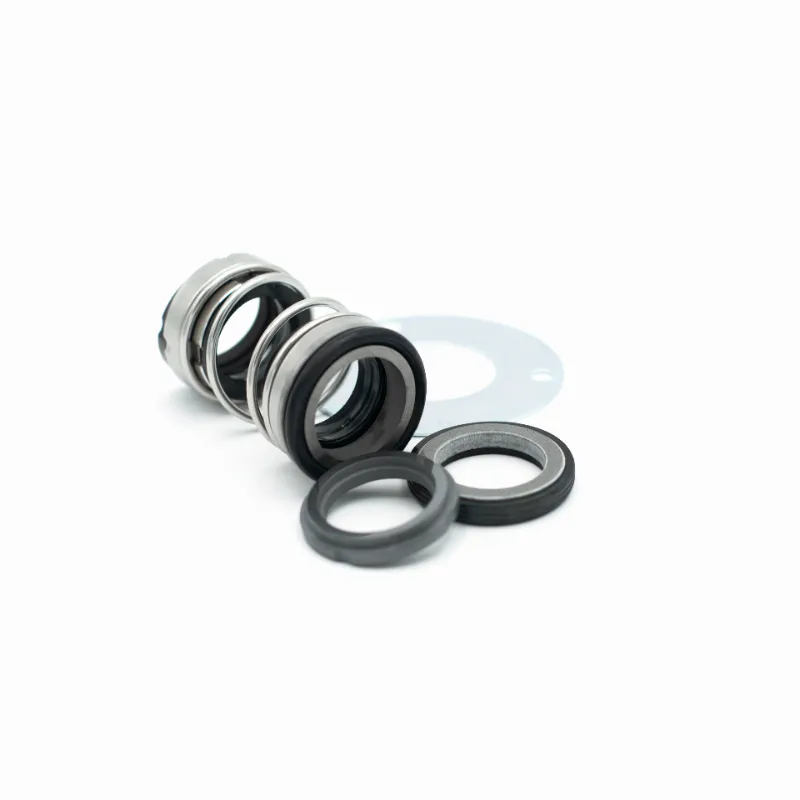
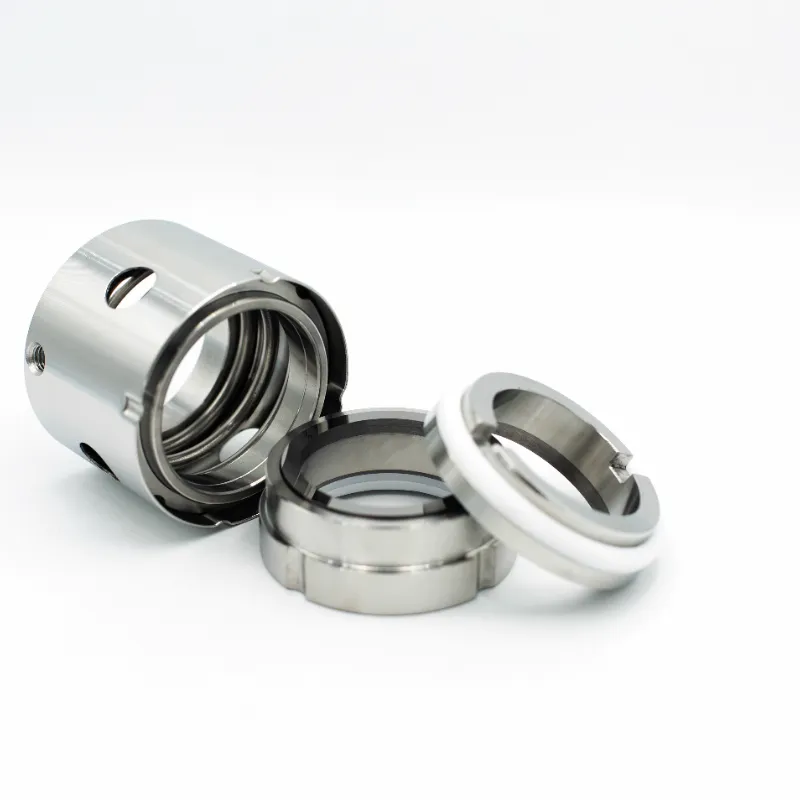
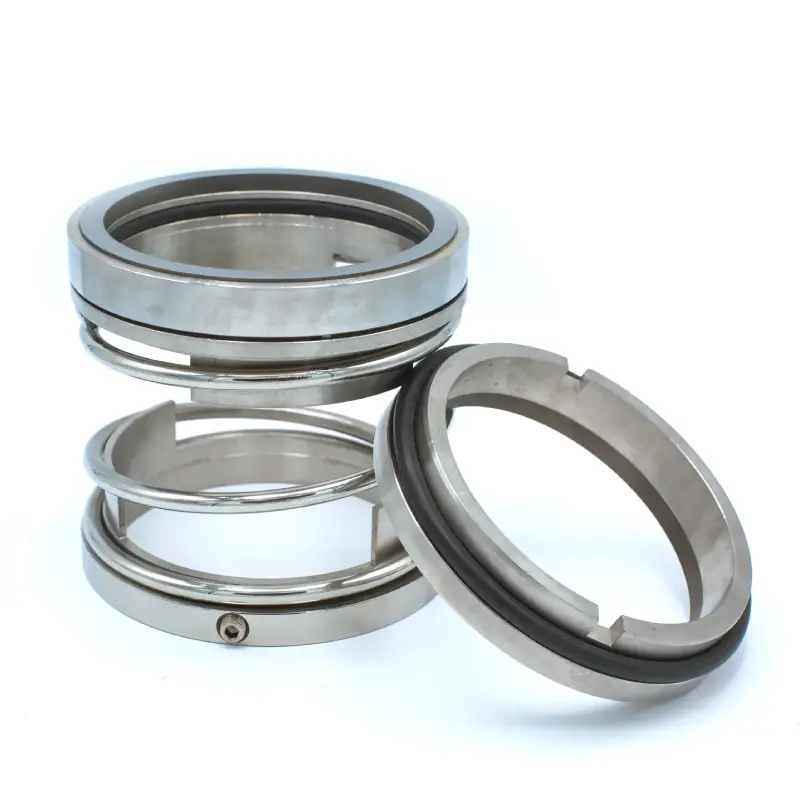
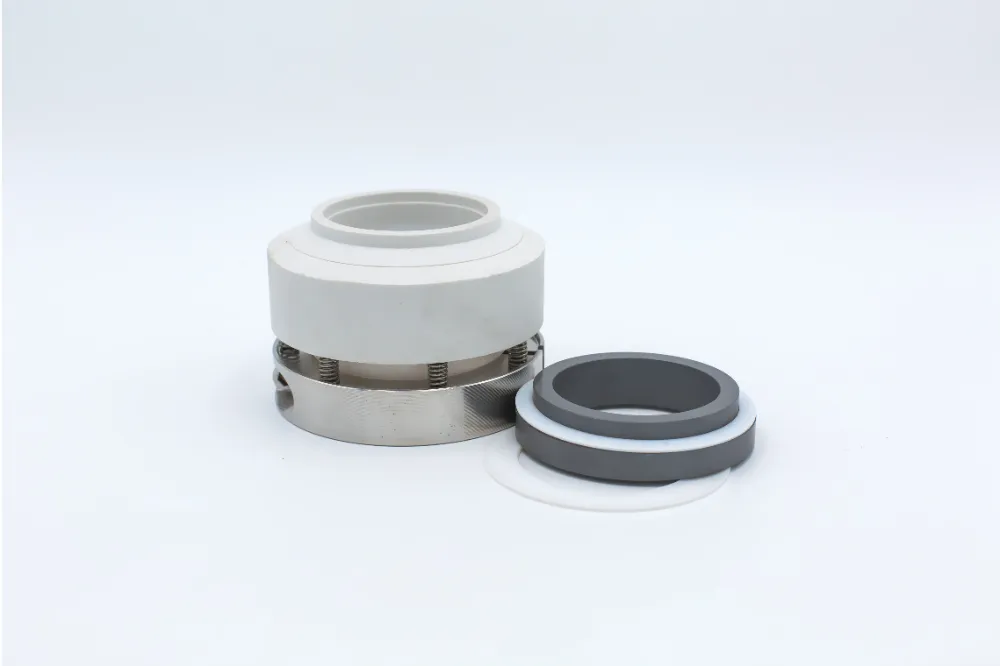
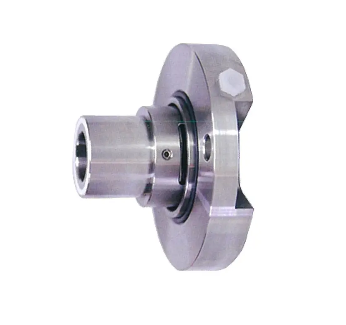
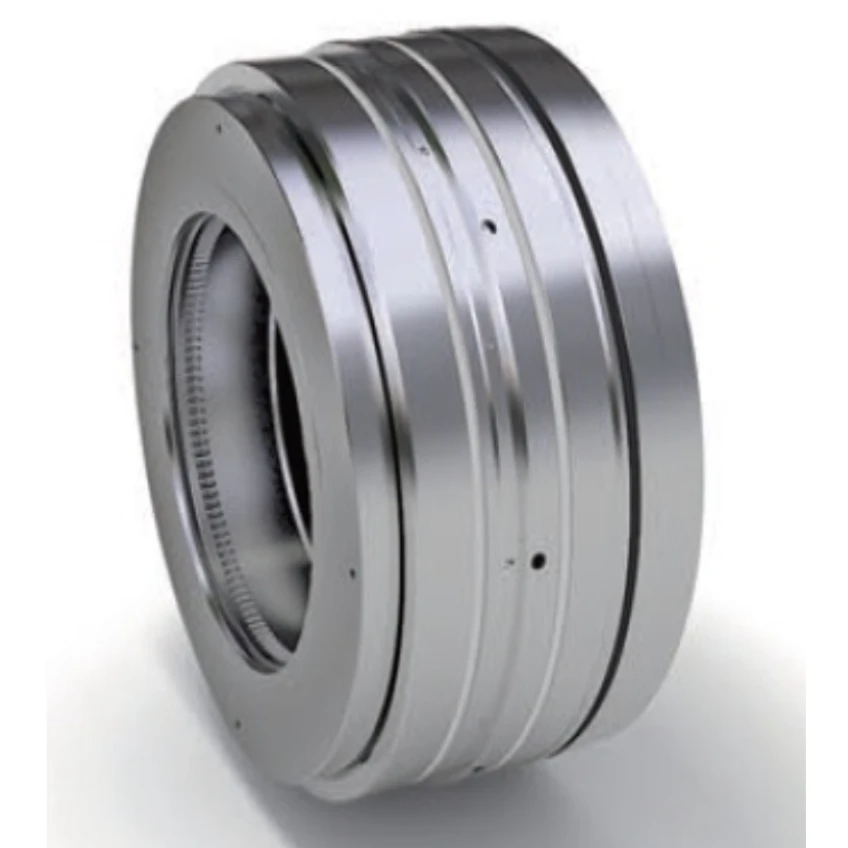
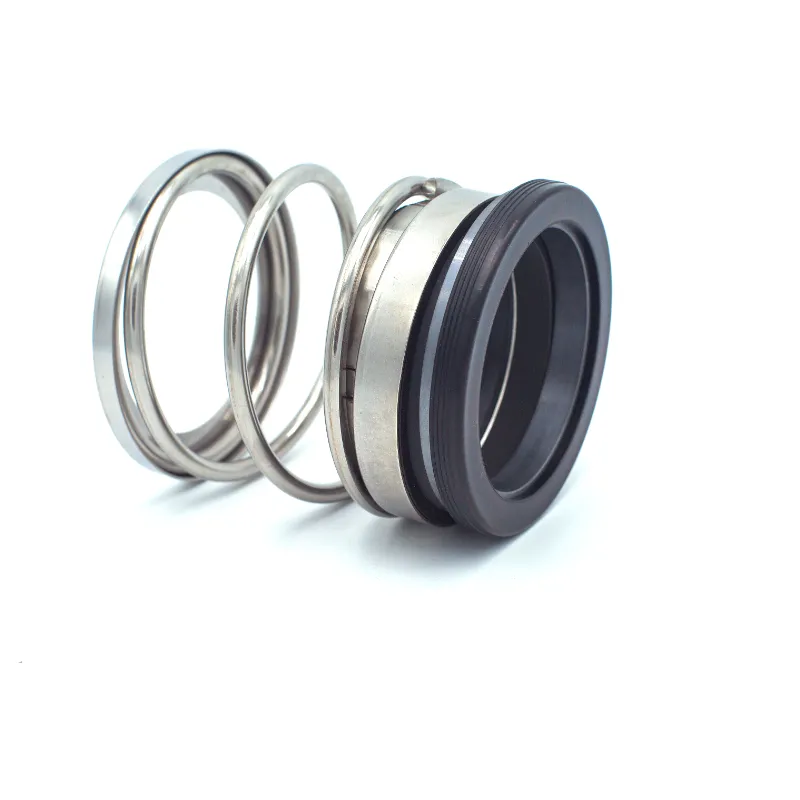
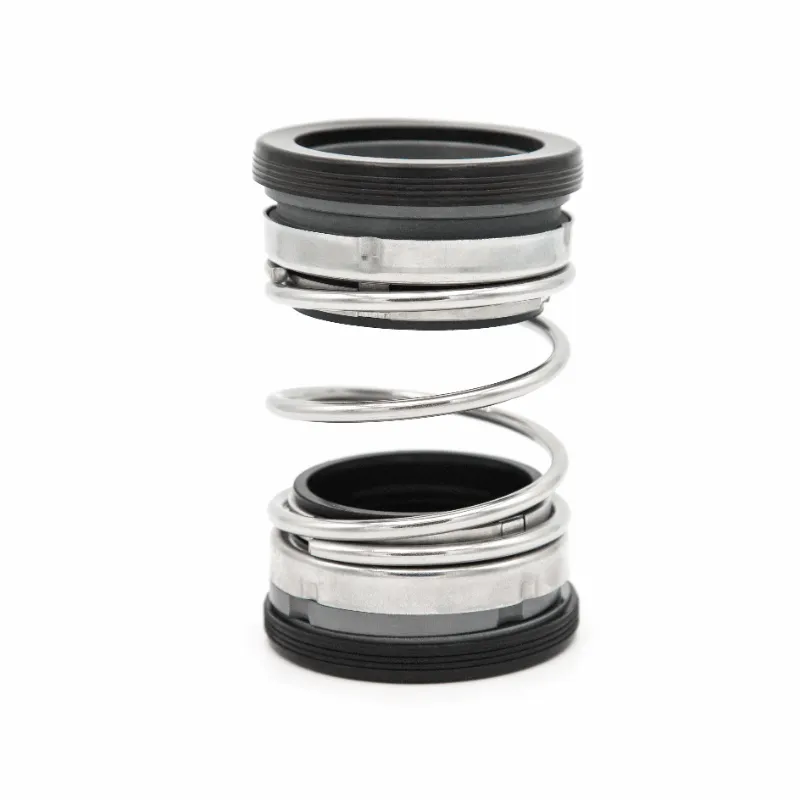
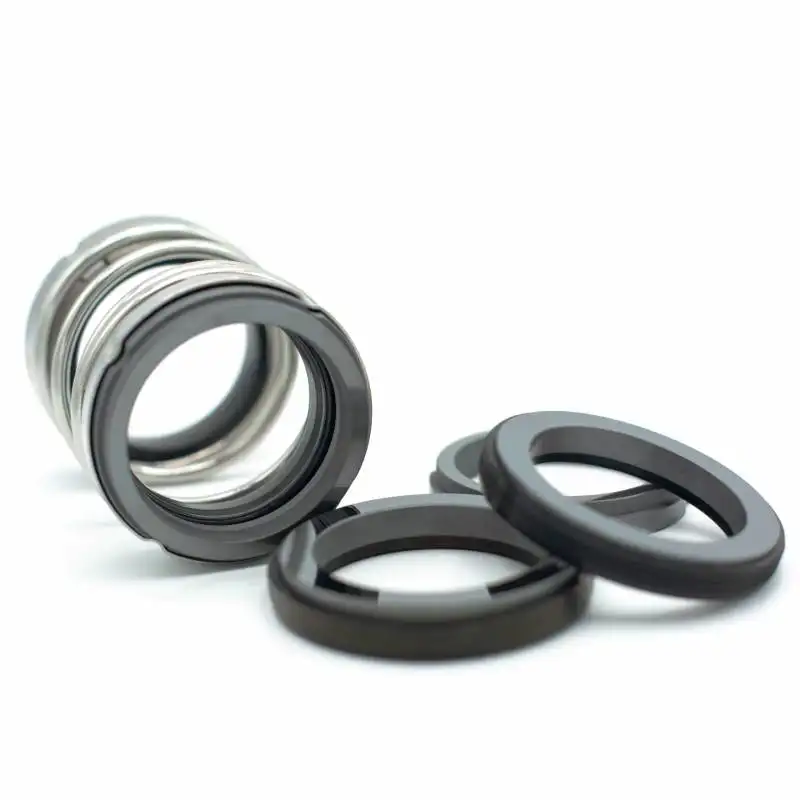
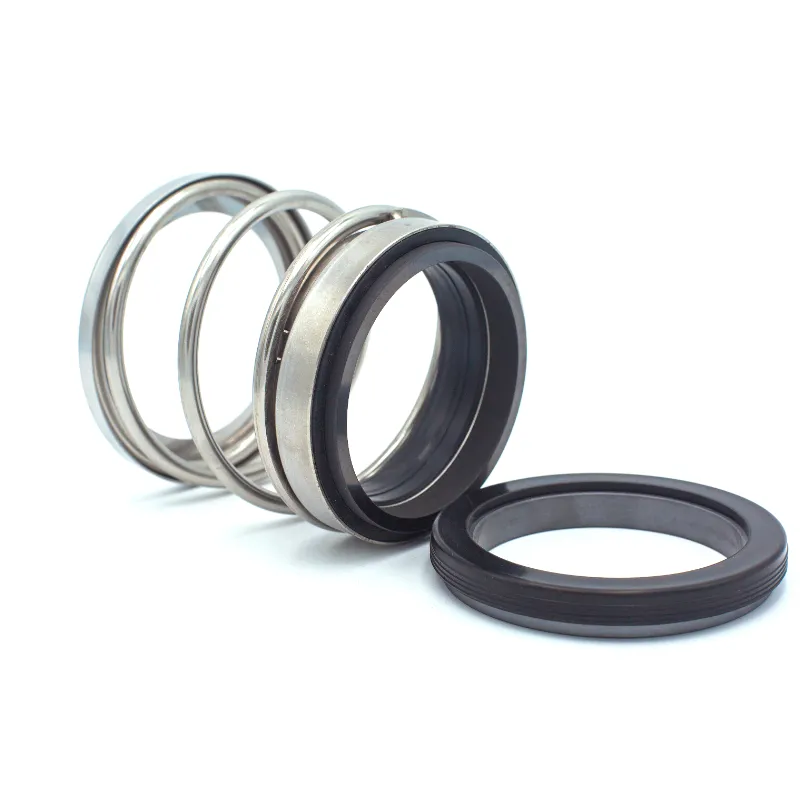
Liquid Oxygen Seals for Aerospace represent critical components engineered to withstand the extreme conditions encountered in rocket propulsion systems and space vehicles. These specialized sealing solutions are designed to maintain integrity when exposed to cryogenic temperatures as low as -183°C while handling highly reactive liquid oxygen environments. The main functions of Liquid Oxygen Seals for Aerospace include preventing propellant leakage, maintaining system pressure differentials, and ensuring operational safety throughout mission profiles. These seals serve as barriers between different compartments within spacecraft propulsion systems, preventing cross-contamination of propellants and maintaining optimal performance parameters. Technological features of Liquid Oxygen Seals for Aerospace incorporate advanced materials science, utilizing fluoropolymers, specialized elastomers, and metallic compounds that resist chemical degradation from oxygen exposure. The sealing surfaces undergo precision machining to achieve micro-level tolerances, ensuring perfect contact under varying thermal conditions. Dynamic sealing capabilities allow these components to function effectively during valve operations, turbopump assemblies, and gimbal mechanisms where movement occurs while maintaining seal integrity. Applications for Liquid Oxygen Seals for Aerospace span multiple aerospace segments including launch vehicles, satellite propulsion systems, space station life support equipment, and ground support infrastructure. Commercial space companies rely on these seals for reusable rocket engines, while government agencies utilize them in deep space exploration missions. The seals find extensive use in liquid oxygen storage tanks, feed lines, injector assemblies, and pressurization systems. Manufacturing processes involve stringent quality control protocols, including helium leak testing, thermal cycling validation, and compatibility assessments with various aerospace fluids. Each Liquid Oxygen Seals for Aerospace undergoes rigorous certification procedures to meet NASA, ESA, and commercial space industry standards, ensuring reliability in mission-critical applications where failure is not an option.

New Product Releases

Liquid Oxygen Seals for Aerospace deliver exceptional performance benefits that directly translate into enhanced mission reliability and operational efficiency for aerospace applications. These specialized seals provide superior chemical compatibility with liquid oxygen environments, eliminating the risk of seal degradation that could compromise mission safety. Unlike standard sealing solutions, Liquid Oxygen Seals for Aerospace maintain their structural integrity across extreme temperature ranges, from ambient conditions to cryogenic environments below -180°C. This thermal stability ensures consistent sealing performance throughout all phases of space missions, from ground operations through orbital deployment. The advanced material composition of these seals offers extended service life compared to conventional alternatives, reducing maintenance requirements and operational costs. Aerospace operators benefit from decreased downtime between missions as Liquid Oxygen Seals for Aerospace require less frequent replacement cycles. The precision engineering inherent in these sealing systems provides excellent leak-tight performance, maintaining system pressures with minimal losses over extended periods. This efficiency directly contributes to improved fuel economy and extended mission durations, critical factors in space exploration economics. Installation procedures for Liquid Oxygen Seals for Aerospace are streamlined through standardized mounting configurations, reducing assembly time and minimizing the potential for installation errors. The seals accommodate thermal expansion and contraction cycles without compromising sealing effectiveness, a crucial capability for spacecraft experiencing dramatic temperature variations during orbit transitions. Quality assurance protocols ensure each seal meets stringent aerospace certification requirements, providing customers with documented traceability and performance validation. The compatibility of Liquid Oxygen Seals for Aerospace with automated manufacturing processes enables cost-effective production scaling for both commercial and government aerospace programs. These seals contribute to overall system weight optimization through their compact design profiles, supporting payload capacity maximization objectives. Environmental resistance properties protect against contamination from external sources during ground operations and launch preparations, maintaining system cleanliness standards essential for reliable ignition and combustion processes.

Latest News

Best Above Ground Well Pumps for Efficient Water Flow

19

Sep

Best Above Ground Well Pumps for Efficient Water Flow

Types of Above Ground Well Pumps for Efficient Flow Shallow Well Jet Pumps: Ideal for Shallow Water Tables Shallow well jet pumps are specifically designed to lift water from depths of up to 25 feet, making them ideal for rural or suburban areas wit...
View More
Seals for Seal in Petrochemical Plants: Best Practices for Longevity.

21

Jul

Seals for Seal in Petrochemical Plants: Best Practices for Longevity.

Enhancing the Durability of Sealing Systems in Petrochemical Environments In the demanding conditions of petrochemical plants, maintaining the integrity of sealing systems is crucial. Seals for seal applications must withstand harsh chemical exposure...
View More
How to Select the Right Agitator Seal Pressure Suppliers for Your Needs?

06

Aug

How to Select the Right Agitator Seal Pressure Suppliers for Your Needs?

Sealing Excellence Begins with the Right Supplier In industrial settings where mixing, processing, and fluid containment are essential, the importance of robust sealing systems cannot be overstated. Agitator seal pressure systems serve as a critical ...
View More
Cartridge Mechanical Seal Solutions for Zero-Error Maintenance

22

Dec

Cartridge Mechanical Seal Solutions for Zero-Error Maintenance

Industrial pump systems operate under extreme conditions where even minor seal failures can result in catastrophic downtime and costly repairs. The cartridge mechanical seal represents a revolutionary advancement in sealing technology, offering super...
View More

Get a Free Quote

Our representative will contact you soon.
Email
Name
Company Name
Country/Region
Message
0/1000

Liquid Oxygen Seals for Aerospace

Cryogenic Temperature Performance Excellence

Cryogenic Temperature Performance Excellence

Liquid Oxygen Seals for Aerospace demonstrate unmatched performance capabilities when exposed to extreme cryogenic conditions, representing a fundamental advantage for modern space propulsion systems. These specialized seals maintain their elasticity and sealing effectiveness at temperatures reaching -183°C, the boiling point of liquid oxygen, where conventional sealing materials become brittle and fail. The molecular structure of materials used in Liquid Oxygen Seals for Aerospace is specifically engineered to resist thermal shock, allowing rapid temperature transitions without compromising seal integrity. This capability proves essential during rocket engine startup sequences where components experience temperature changes of several hundred degrees within seconds. The cryogenic performance of these seals directly impacts mission success rates, as seal failure in liquid oxygen systems can lead to catastrophic consequences including fire hazards, propellant loss, and mission abortion. Advanced polymer chemistry incorporated into Liquid Oxygen Seals for Aerospace utilizes cross-linked molecular networks that maintain flexibility at extreme low temperatures while providing necessary strength characteristics. The manufacturing process involves specialized curing techniques that optimize the material matrix for cryogenic applications, ensuring consistent performance across production batches. Testing protocols for these seals include repeated thermal cycling between ambient and cryogenic temperatures, simulating the operational environment of reusable launch vehicles. The superior cryogenic performance of Liquid Oxygen Seals for Aerospace enables extended storage periods for fueled spacecraft, supporting mission flexibility and operational readiness requirements. Space agencies and commercial operators rely on this temperature stability for long-duration missions where propellant systems remain active for months or years. The economic benefits of reliable cryogenic sealing performance include reduced mission delays, lower insurance costs, and increased confidence in complex mission profiles requiring multiple engine burns over extended timeframes.
Chemical Compatibility and Oxidation Resistance

Chemical Compatibility and Oxidation Resistance

The exceptional chemical compatibility of Liquid Oxygen Seals for Aerospace with highly reactive oxygen environments represents a critical technological achievement that ensures safe and reliable spacecraft operation. Liquid oxygen presents unique challenges as it acts as a powerful oxidizing agent that can cause rapid degradation of many materials, leading to seal failure and potential safety hazards. Liquid Oxygen Seals for Aerospace utilize specially formulated compounds that resist oxidation reactions, maintaining their physical properties and sealing capabilities throughout extended exposure periods. The molecular engineering behind these seals incorporates fluorinated polymers and specialized additives that create a protective barrier against oxygen infiltration into the seal matrix. This resistance to chemical attack prevents the formation of brittle zones within the seal material that could lead to cracking and subsequent leakage. The compatibility testing for Liquid Oxygen Seals for Aerospace involves exposure to liquid oxygen under various pressure and temperature conditions, simulating real-world operational scenarios. These tests validate the seal's ability to maintain flexibility, recover from compression, and resist chemical degradation over thousands of operating cycles. The oxidation resistance properties directly translate into extended service life, reducing maintenance requirements and operational costs for aerospace operators. Space mission planners benefit from the predictable performance characteristics of Liquid Oxygen Seals for Aerospace, enabling accurate lifecycle cost calculations and maintenance scheduling. The chemical stability of these seals also prevents contamination of propellant systems, ensuring optimal combustion characteristics and engine performance. Quality control measures include spectroscopic analysis of seal materials before and after oxygen exposure to verify chemical stability. The superior chemical compatibility of Liquid Oxygen Seals for Aerospace enables their use in high-pressure applications where conventional seals would rapidly degrade, expanding the operational envelope for advanced propulsion systems and supporting the development of more efficient rocket engines.
Precision Engineering and Leak-Tight Performance

Precision Engineering and Leak-Tight Performance

Liquid Oxygen Seals for Aerospace achieve exceptional leak-tight performance through precision engineering methodologies that address the stringent requirements of space applications where even microscopic leaks can compromise mission success. The manufacturing processes for these seals incorporate advanced machining techniques that maintain dimensional tolerances measured in micrometers, ensuring optimal surface contact and sealing effectiveness across varying operational conditions. The geometric precision of Liquid Oxygen Seals for Aerospace enables them to accommodate the thermal expansion and contraction cycles inherent in cryogenic applications while maintaining consistent sealing pressure. This precision engineering extends to surface finish specifications that optimize the seal-to-hardware interface, minimizing leak paths and maximizing sealing efficiency. The design methodology for Liquid Oxygen Seals for Aerospace incorporates finite element analysis and computational fluid dynamics to predict seal behavior under various loading conditions, ensuring optimal performance across the entire operational envelope. Quality assurance protocols include helium mass spectrometer leak testing with sensitivity levels exceeding standard industrial requirements, validating the leak-tight performance essential for spacecraft applications. The precision manufacturing capabilities enable the production of complex seal geometries that accommodate unique spacecraft hardware configurations while maintaining standardized performance characteristics. Installation procedures for Liquid Oxygen Seals for Aerospace are optimized through precision tooling and documented assembly processes that ensure consistent installation quality across manufacturing facilities. The leak-tight performance of these seals contributes directly to mission safety by preventing propellant vapors from escaping into crew compartments or sensitive electronic areas. Long-term performance validation involves extended testing under simulated space conditions, including vacuum exposure, radiation effects, and thermal cycling to verify continued leak-tight integrity. The precision engineering approach enables Liquid Oxygen Seals for Aerospace to meet the demanding requirements of both expendable and reusable launch vehicle applications, supporting the evolving needs of the commercial space industry and government space programs.

Get a Free Quote

Our representative will contact you soon.
Email
Name
Company Name
Country/Region
Message
0/1000