Prevent Mechanical Seal Leakage - Advanced Sealing Solutions for Industrial Equipment

Get a Free Quote

Our representative will contact you soon.
Email
Name
Company Name
Message
0/1000

Prevent mechanical seal leakage

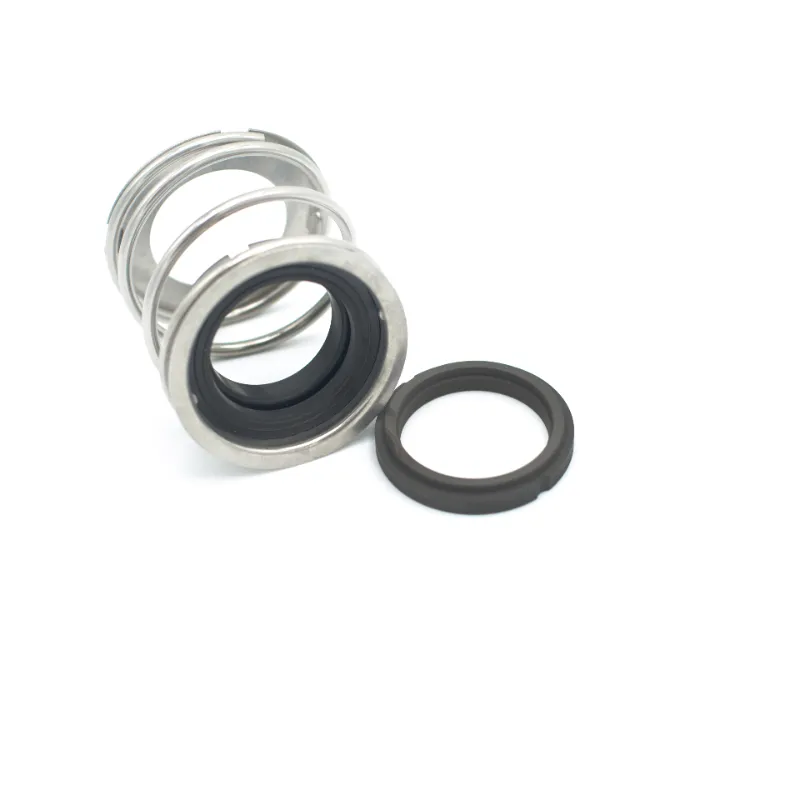
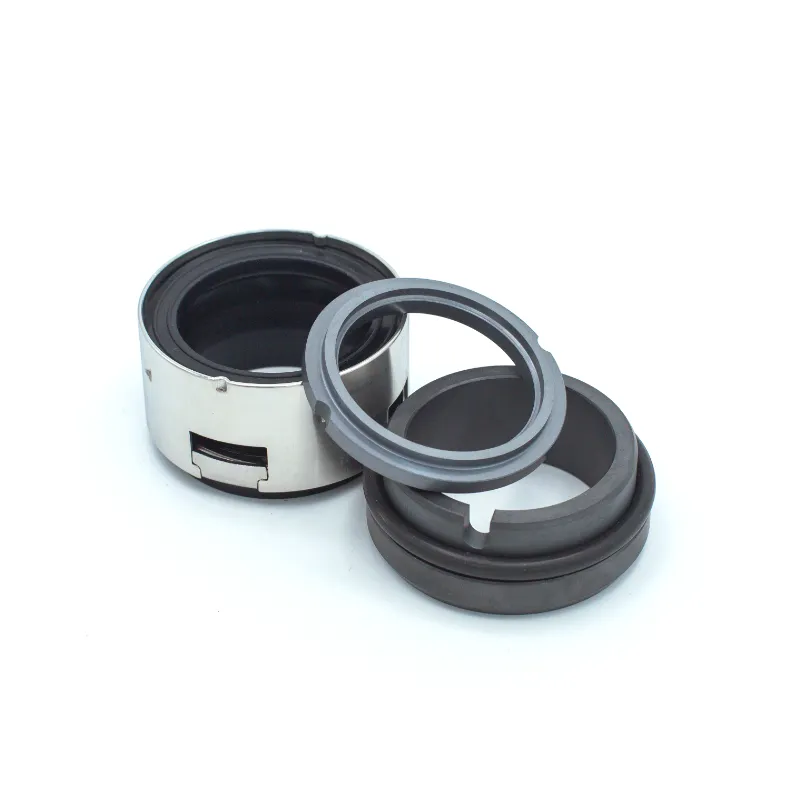
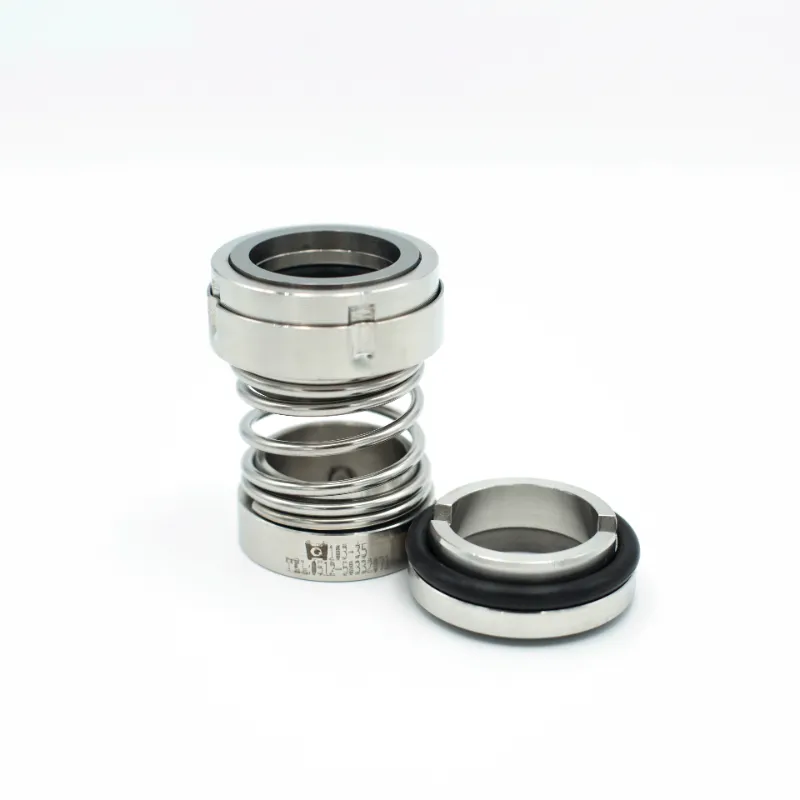
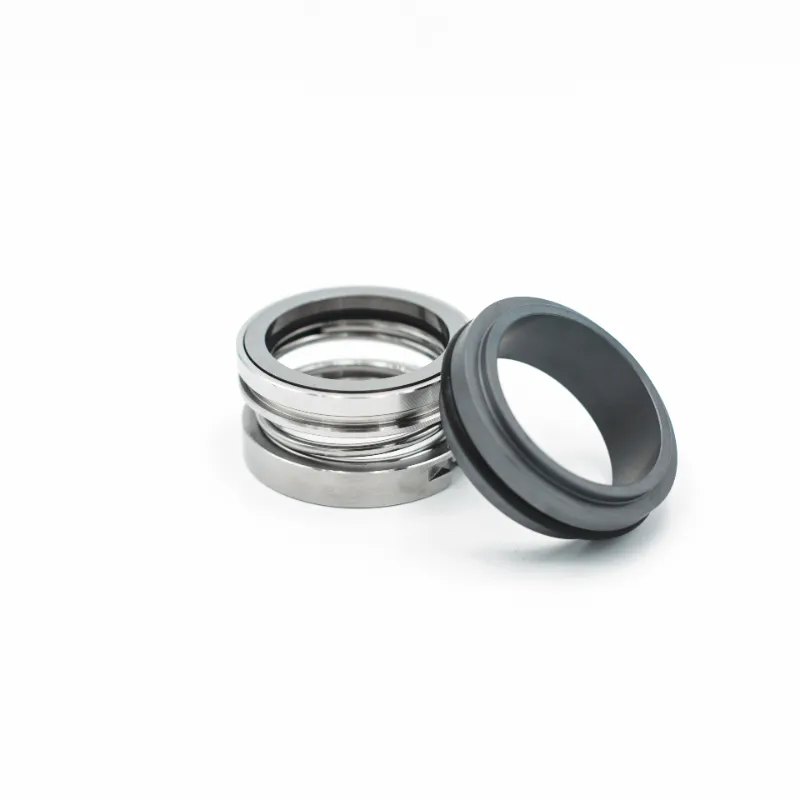
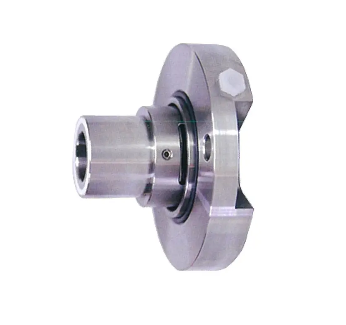
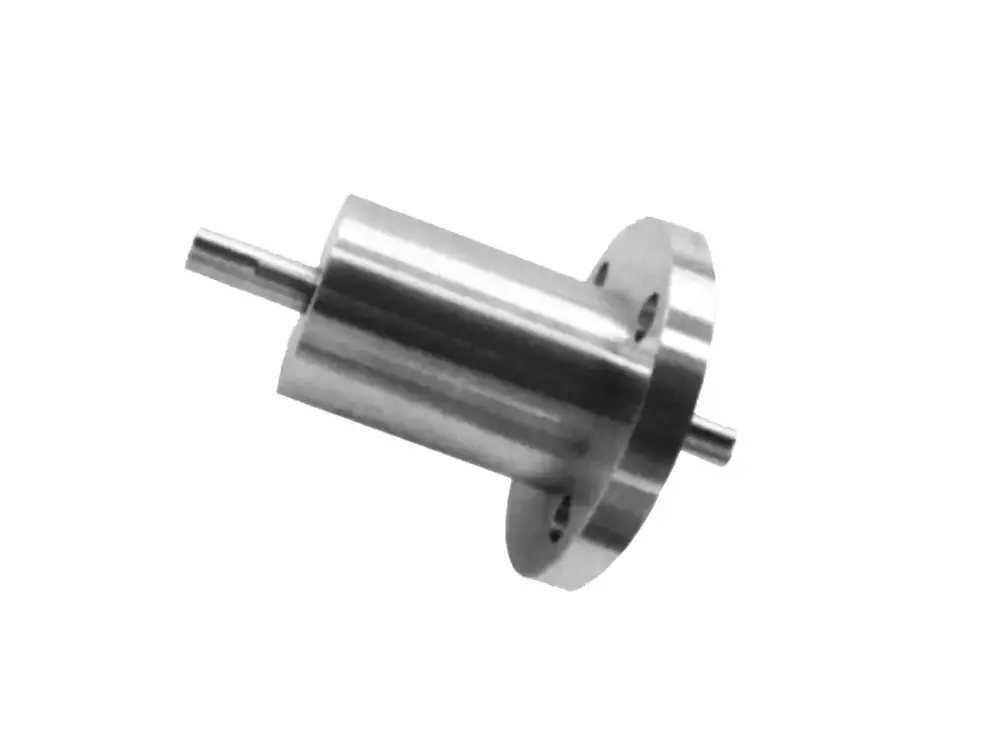
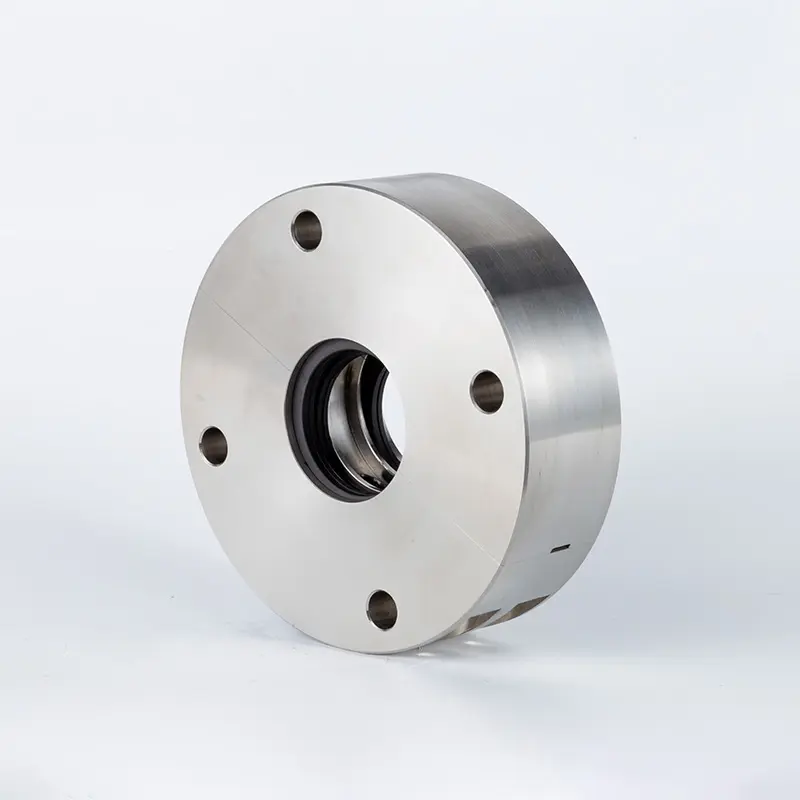
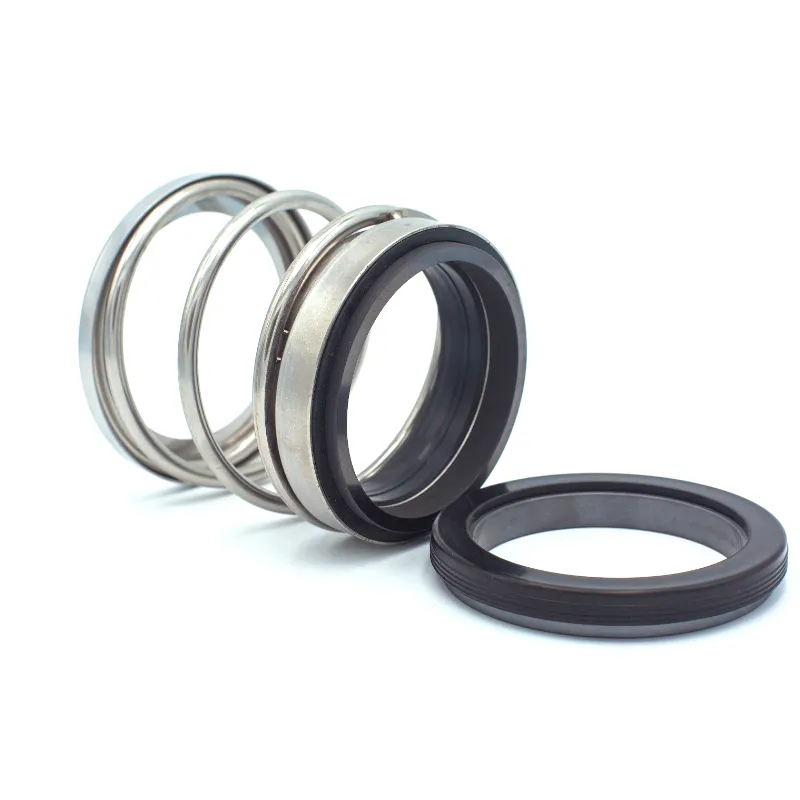
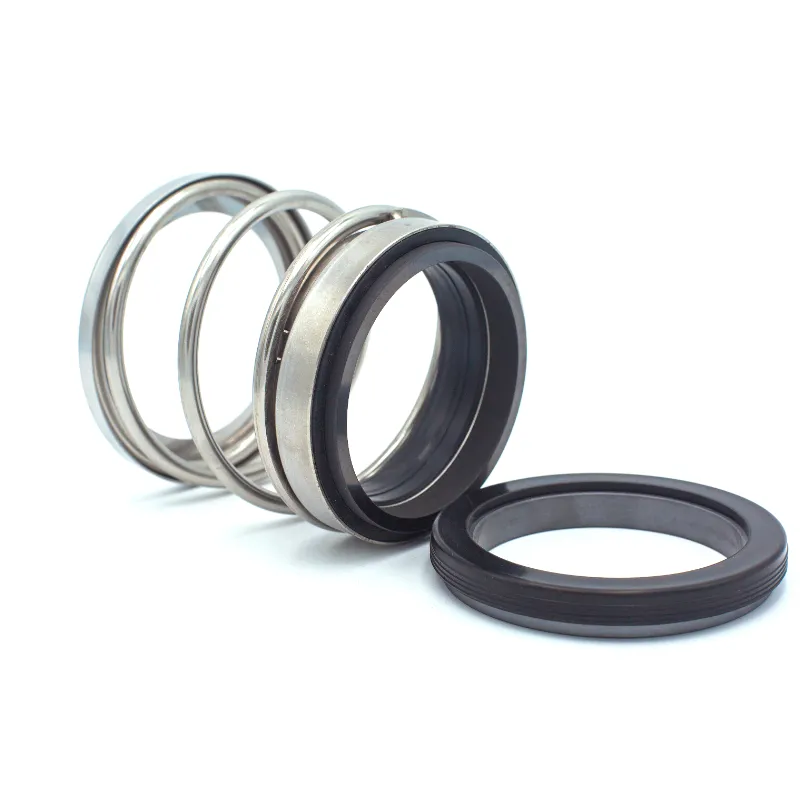
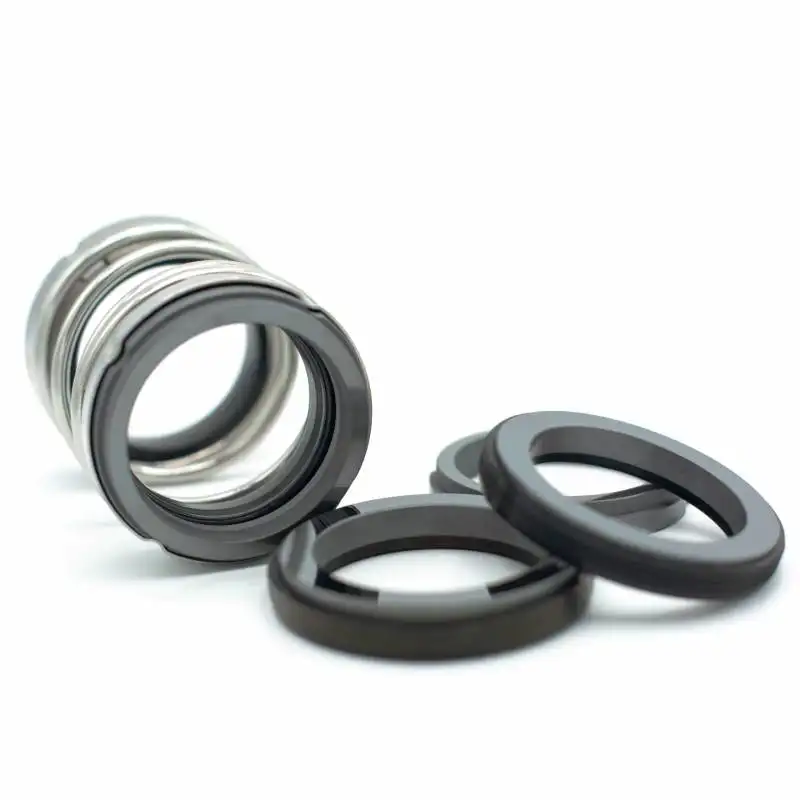
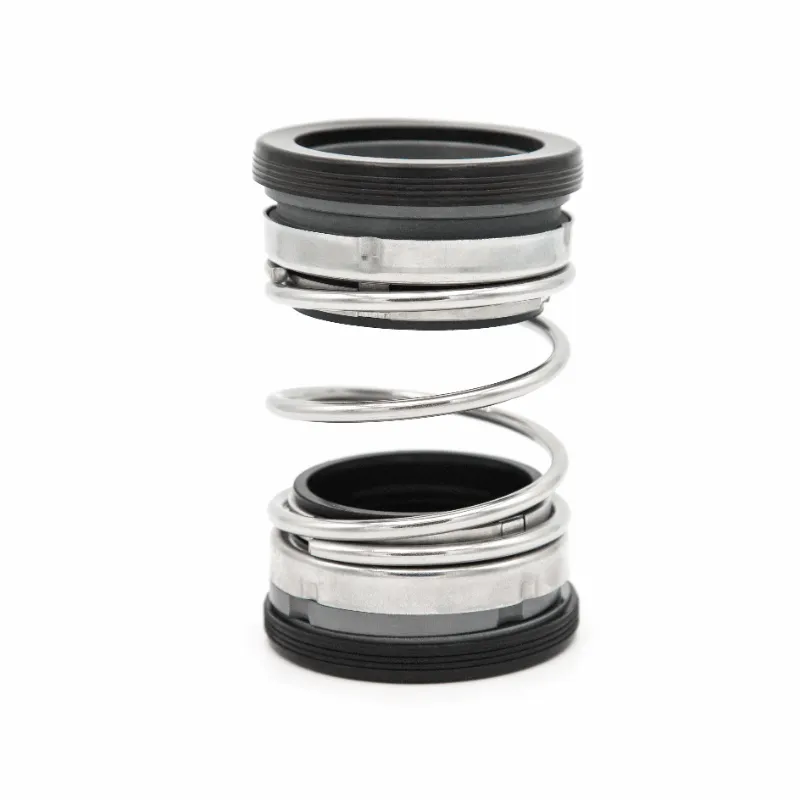
Prevent mechanical seal leakage represents a critical engineering solution designed to eliminate fluid escape in rotating equipment across industrial applications. This advanced sealing technology serves as the primary barrier between moving and stationary components in pumps, compressors, mixers, and other rotating machinery. The fundamental purpose of systems that prevent mechanical seal leakage focuses on maintaining operational integrity while protecting equipment from contamination and environmental damage. Modern mechanical seal leak prevention incorporates sophisticated materials science, precision engineering, and innovative design principles to create reliable sealing interfaces. These systems typically consist of primary and secondary sealing elements, spring mechanisms, and specialized face materials that work together to prevent mechanical seal leakage under various operating conditions. The technology features advanced face geometries, optimized pressure distribution, and temperature-resistant materials that maintain sealing effectiveness across wide operational ranges. Carbon-graphite, silicon carbide, tungsten carbide, and specialized ceramic materials form the core components that prevent mechanical seal leakage through superior wear resistance and chemical compatibility. Technological innovations include enhanced surface finishing techniques, improved spring designs, and advanced elastomer formulations that extend service life while maintaining zero-leakage performance. Applications span chemical processing, petroleum refining, pharmaceutical manufacturing, water treatment, food processing, and power generation industries where leak prevention remains paramount. The systems that prevent mechanical seal leakage operate through dynamic face contact, creating microscopic sealing films that accommodate thermal expansion, shaft deflection, and pressure variations. Advanced monitoring capabilities integrated into modern designs enable predictive maintenance and real-time performance assessment to prevent mechanical seal leakage before failure occurs.

New Product Releases

The advantages of systems designed to prevent mechanical seal leakage deliver substantial operational benefits that directly impact productivity, safety, and cost-effectiveness. Companies implementing robust leak prevention strategies experience significant reductions in maintenance expenses through extended equipment life and decreased downtime. These solutions prevent mechanical seal leakage effectively, eliminating costly product loss and reducing environmental compliance risks associated with fluid emissions. Enhanced equipment reliability emerges as operators maintain consistent performance without unexpected shutdowns caused by seal failures. The technology prevents mechanical seal leakage while supporting higher operating pressures and temperatures, expanding application possibilities and improving process efficiency. Reduced maintenance requirements translate to lower labor costs and increased equipment availability, maximizing production capacity and revenue generation. Safety improvements occur naturally when systems prevent mechanical seal leakage, as hazardous fluid exposure risks diminish substantially for operating personnel. Energy efficiency gains result from optimized sealing interfaces that reduce friction losses and parasitic power consumption in rotating equipment. The ability to prevent mechanical seal leakage enables operation with aggressive chemicals, abrasive slurries, and high-temperature fluids previously considered unsuitable for standard sealing solutions. Quality assurance benefits include contamination prevention that maintains product purity and process consistency essential for pharmaceutical, food, and chemical applications. Long-term cost savings accumulate through reduced seal replacement frequency, decreased inventory requirements, and minimized emergency maintenance interventions. Environmental benefits multiply when companies prevent mechanical seal leakage, supporting sustainability initiatives and regulatory compliance while reducing waste disposal costs. Operational flexibility increases as reliable sealing enables process optimization, variable operating conditions, and expanded product ranges without compromising seal integrity. The investment in technology that prevents mechanical seal leakage typically pays for itself within months through combined savings in maintenance, product loss, energy consumption, and compliance costs. Improved equipment reliability enhances overall plant efficiency and supports lean manufacturing principles by eliminating unpredictable maintenance events that disrupt production schedules.

Practical Tips

Best Above Ground Well Pumps for Efficient Water Flow

19

Sep

Best Above Ground Well Pumps for Efficient Water Flow

Types of Above Ground Well Pumps for Efficient Flow Shallow Well Jet Pumps: Ideal for Shallow Water Tables Shallow well jet pumps are specifically designed to lift water from depths of up to 25 feet, making them ideal for rural or suburban areas wit...
View More
Metal Bellow Seals vs Standard Seals: What's Better?

27

Jun

Metal Bellow Seals vs Standard Seals: What's Better?

Understanding Metal Bellow Seals and Standard Seals Metal Bellow Seals: Definition and Core Characteristics Metal bellow seals are specialized sealing solutions that utilize a flexible bellow structure made primarily from metals such as stainless st...
View More
Common Challenges with Agitator Seals in Bioreactors

21

Jul

Common Challenges with Agitator Seals in Bioreactors

Sealing Systems in Sterile and Pressure-Sensitive Environments Bioreactors operate under highly controlled conditions, where sterility, pressure balance, and agitation efficiency must all coexist seamlessly. Among the critical components enabling thi...
View More
Can High-Performance Mechanical Seals Reduce Maintenance Costs?

22

Dec

Can High-Performance Mechanical Seals Reduce Maintenance Costs?

Industrial facilities worldwide face mounting pressure to reduce operational costs while maintaining peak equipment performance. One critical component that significantly impacts maintenance expenses is the mechanical seal system used in pumps, compr...
View More

Get a Free Quote

Our representative will contact you soon.
Email
Name
Company Name
Country/Region
Message
0/1000

Prevent mechanical seal leakage

Advanced Material Technology for Superior Seal Performance

Advanced Material Technology for Superior Seal Performance

The cornerstone of effective solutions that prevent mechanical seal leakage lies in revolutionary material technology that transforms sealing performance across demanding industrial applications. These advanced materials represent years of research and development focused specifically on creating surfaces that prevent mechanical seal leakage through superior tribological properties and chemical resistance. Silicon carbide faces deliver exceptional hardness and thermal conductivity, enabling operation in extreme temperature environments while maintaining the flatness required to prevent mechanical seal leakage. Tungsten carbide provides unmatched wear resistance for abrasive applications, extending service life significantly compared to traditional materials. Carbon-graphite formulations incorporate specialized additives that enhance self-lubrication properties while maintaining the structural integrity needed to prevent mechanical seal leakage under high-pressure conditions. Advanced ceramic composites combine multiple material advantages, offering chemical inertness, thermal stability, and mechanical strength that collectively prevent mechanical seal leakage in corrosive environments. Surface engineering techniques include diamond-like carbon coatings, specialized texturing patterns, and nano-scale surface modifications that create optimal sealing interfaces. These technological advances prevent mechanical seal leakage by maintaining consistent face contact geometry even under thermal cycling and mechanical stress. The material selection process considers fluid compatibility, operating temperature ranges, pressure requirements, and environmental factors to ensure optimal performance. Quality control procedures verify material properties through rigorous testing protocols that simulate real-world conditions where systems must prevent mechanical seal leakage reliably. Manufacturing precision ensures dimensional accuracy and surface finish specifications that directly impact the ability to prevent mechanical seal leakage throughout the operational lifecycle. Investment in advanced materials technology provides long-term value through reduced replacement frequency, enhanced reliability, and expanded application capabilities that prevent mechanical seal leakage across diverse industrial processes.
Precision Engineering for Zero-Leakage Performance

Precision Engineering for Zero-Leakage Performance

Precision engineering represents the fundamental approach that enables mechanical seal systems to prevent mechanical seal leakage through exact dimensional control, optimized geometry, and sophisticated manufacturing processes. The engineering precision required to prevent mechanical seal leakage involves tolerances measured in micrometers, with face flatness specifications typically within light bands to ensure proper sealing interface contact. Advanced machining techniques including diamond turning, precision grinding, and lapping operations create the surface quality necessary to prevent mechanical seal leakage consistently. Computer-aided design optimization analyzes pressure distribution patterns, thermal expansion characteristics, and dynamic loading conditions to develop geometries that prevent mechanical seal leakage under all operating scenarios. Spring system engineering focuses on load distribution uniformity, ensuring consistent closing forces that prevent mechanical seal leakage while accommodating shaft movement and thermal growth. Secondary seal optimization involves groove design, compression ratios, and material selection that work together to prevent mechanical seal leakage at static interfaces. Quality assurance protocols implement statistical process control, coordinate measuring machines, and specialized testing equipment to verify that manufactured components will prevent mechanical seal leakage as designed. Engineering simulation tools predict performance characteristics, identifying potential failure modes and optimizing designs to prevent mechanical seal leakage before manufacturing begins. Assembly procedures require specialized tooling, controlled environments, and trained technicians to ensure proper installation that maintains the engineering precision needed to prevent mechanical seal leakage. Documentation systems track dimensional measurements, material certifications, and performance test results, providing traceability that supports the reliability required to prevent mechanical seal leakage. Continuous improvement programs analyze field performance data, identifying opportunities to enhance engineering designs and manufacturing processes that prevent mechanical seal leakage more effectively. The investment in precision engineering delivers measurable value through enhanced reliability, extended service life, and consistent performance that prevents mechanical seal leakage across diverse applications.
Comprehensive Application Support for Optimal Implementation

Comprehensive Application Support for Optimal Implementation

Comprehensive application support ensures successful implementation of systems designed to prevent mechanical seal leakage through expert engineering assistance, customized solutions, and ongoing technical guidance. The application engineering process begins with detailed analysis of operating conditions, fluid properties, and equipment requirements to develop solutions that prevent mechanical seal leakage effectively in specific environments. Technical specialists evaluate factors including pressure profiles, temperature cycling, shaft dynamics, and chemical compatibility to recommend configurations that prevent mechanical seal leakage reliably. Customization capabilities address unique requirements through modified materials, specialized coatings, and engineered geometries that prevent mechanical seal leakage in challenging applications where standard solutions prove inadequate. Installation support includes detailed procedures, specialized tooling recommendations, and on-site assistance to ensure proper implementation that maintains the design integrity needed to prevent mechanical seal leakage. Training programs educate maintenance personnel on best practices, troubleshooting techniques, and preventive maintenance procedures that sustain the performance required to prevent mechanical seal leakage throughout the service lifecycle. Monitoring system integration enables real-time performance assessment, predictive maintenance scheduling, and early warning capabilities that help prevent mechanical seal leakage before catastrophic failure occurs. Technical documentation provides comprehensive guidance on selection criteria, installation procedures, operating parameters, and maintenance requirements that support efforts to prevent mechanical seal leakage consistently. Field service capabilities offer rapid response for emergency situations, expert troubleshooting assistance, and performance optimization consulting that helps maintain systems designed to prevent mechanical seal leakage. Application laboratories conduct testing programs that validate performance claims, develop new solutions, and investigate failure mechanisms to continuously improve the ability to prevent mechanical seal leakage. Warranty programs provide confidence in performance while demonstrating manufacturer commitment to solutions that prevent mechanical seal leakage as promised. Continuous technical support maintains relationships that ensure ongoing success, addressing evolving requirements and supporting plant optimization initiatives that rely on the ability to prevent mechanical seal leakage consistently across all rotating equipment applications.

Get a Free Quote

Our representative will contact you soon.
Email
Name
Company Name
Country/Region
Message
0/1000