High-Performance Ceramic Mechanical Seals - Superior Chemical Resistance & Extended Durability

Get a Free Quote

Our representative will contact you soon.
Email
Name
Company Name
Message
0/1000

Ceramic Mechanical Seals

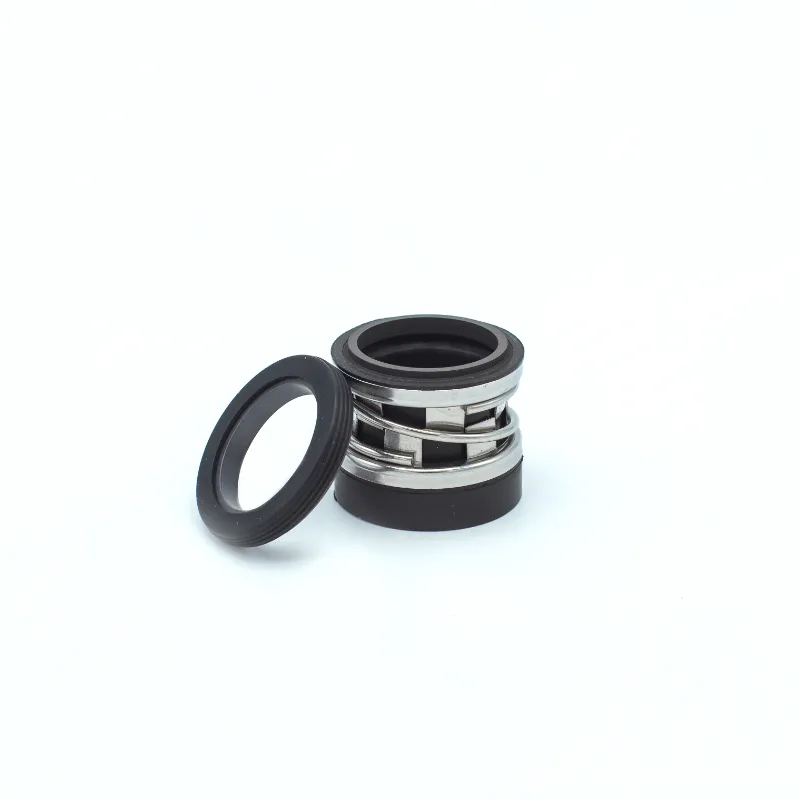
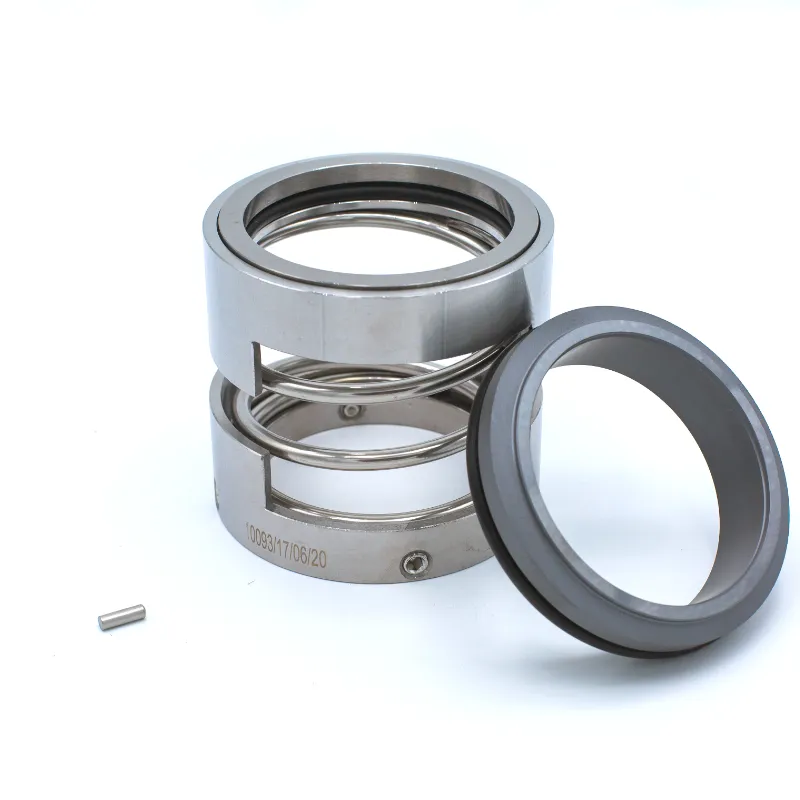
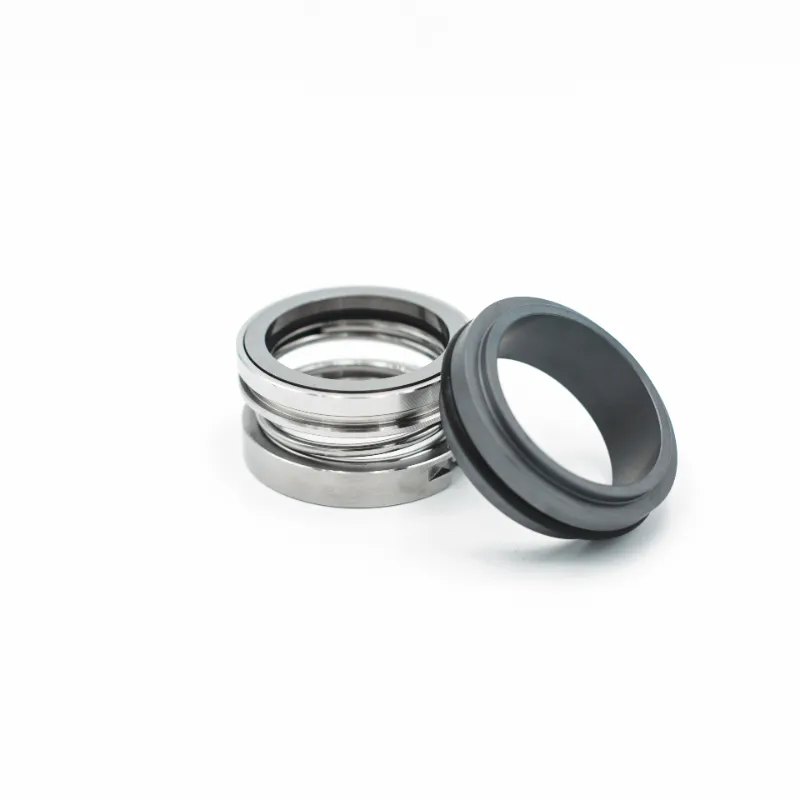
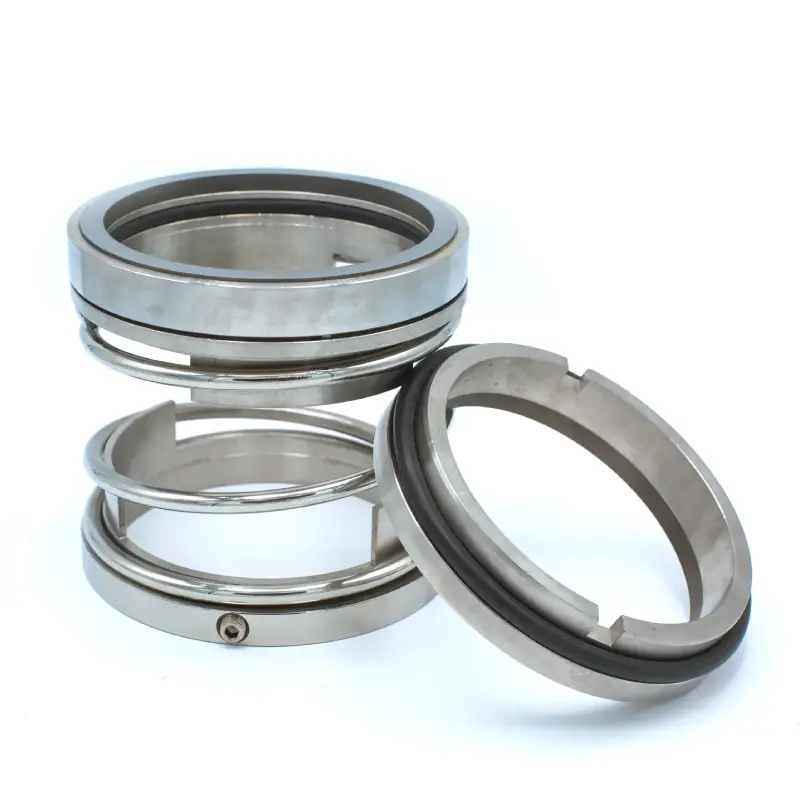
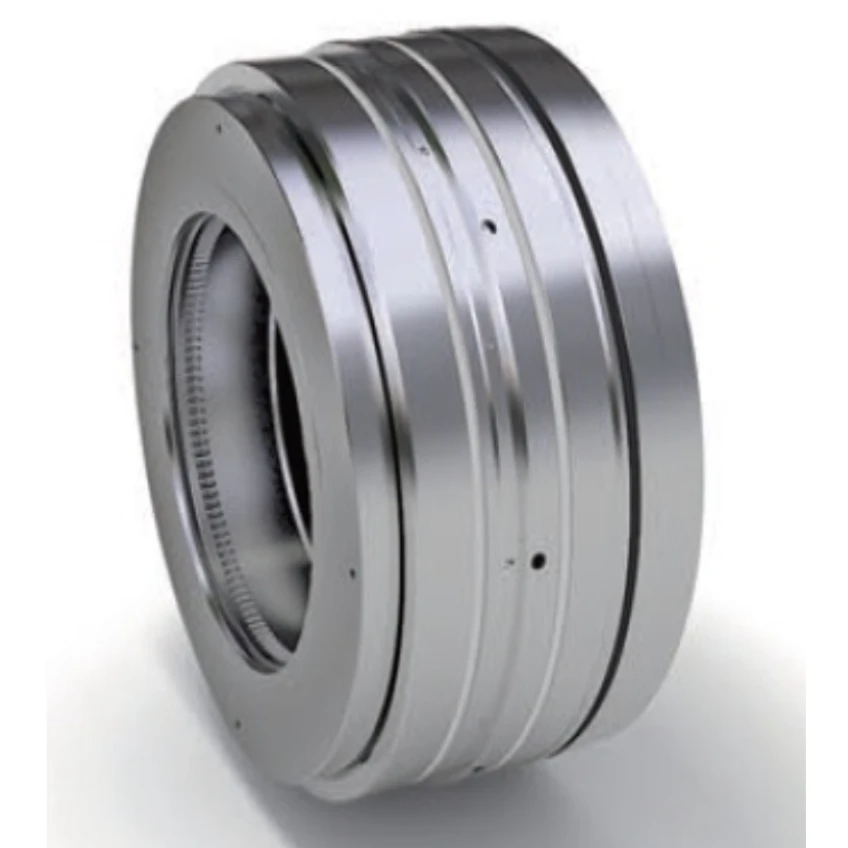
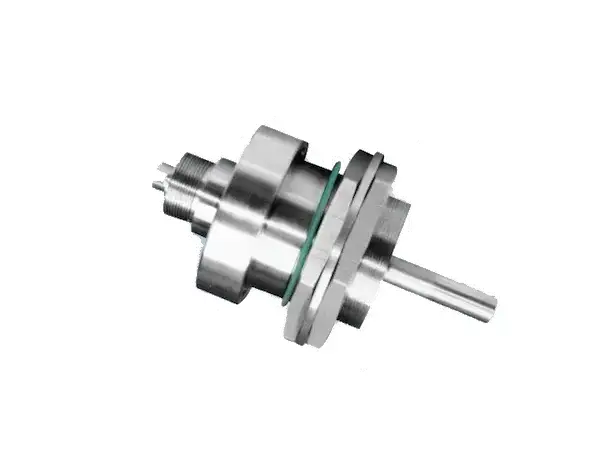
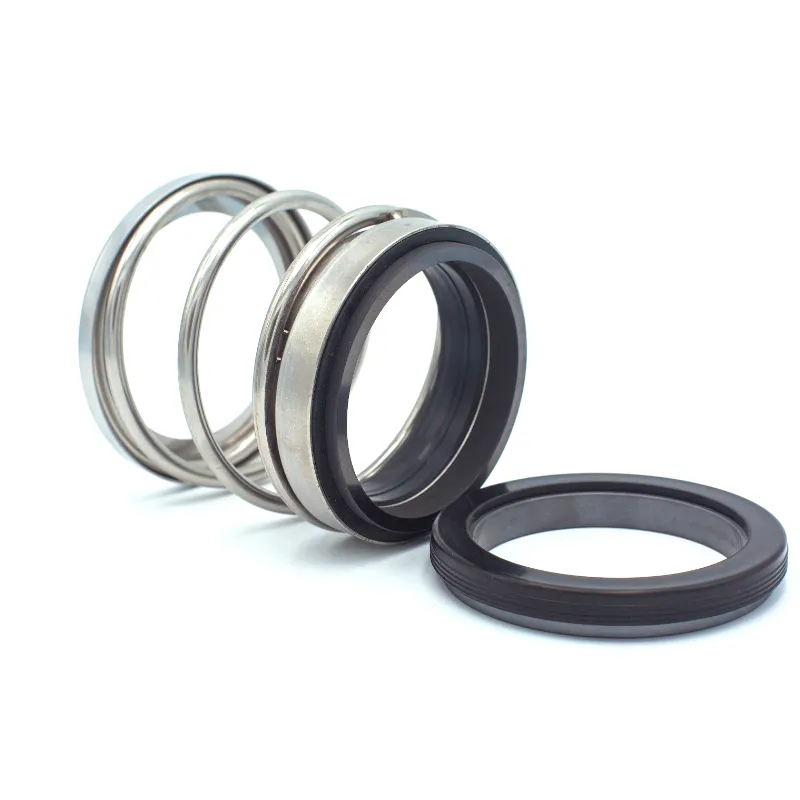
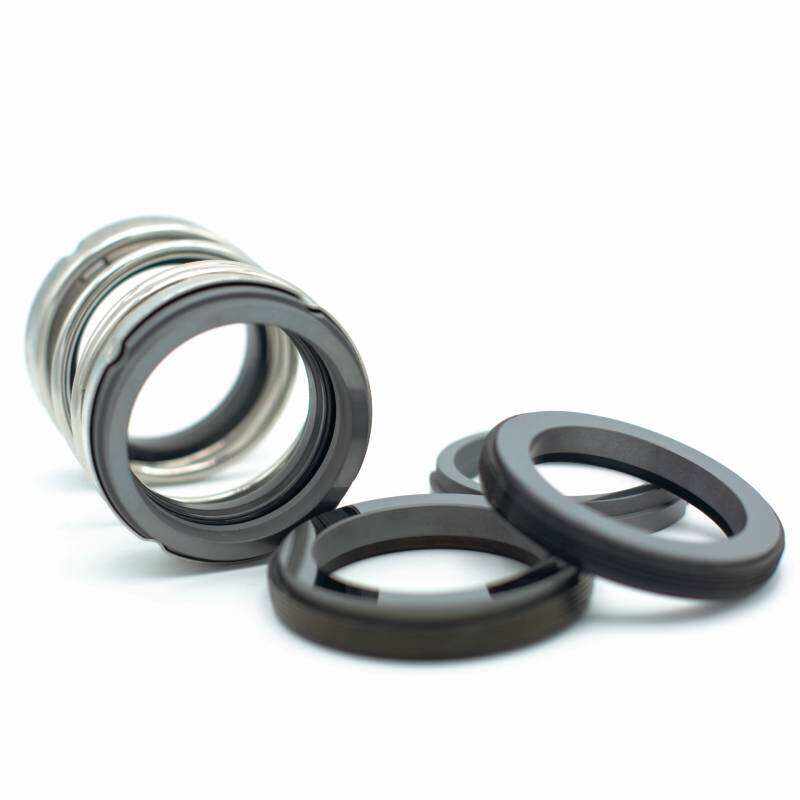
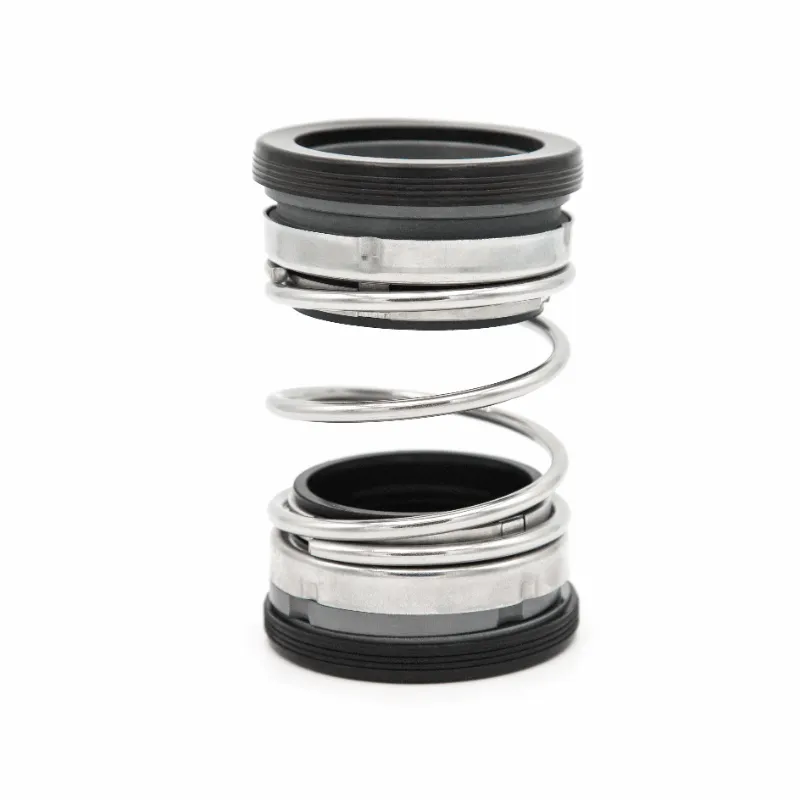
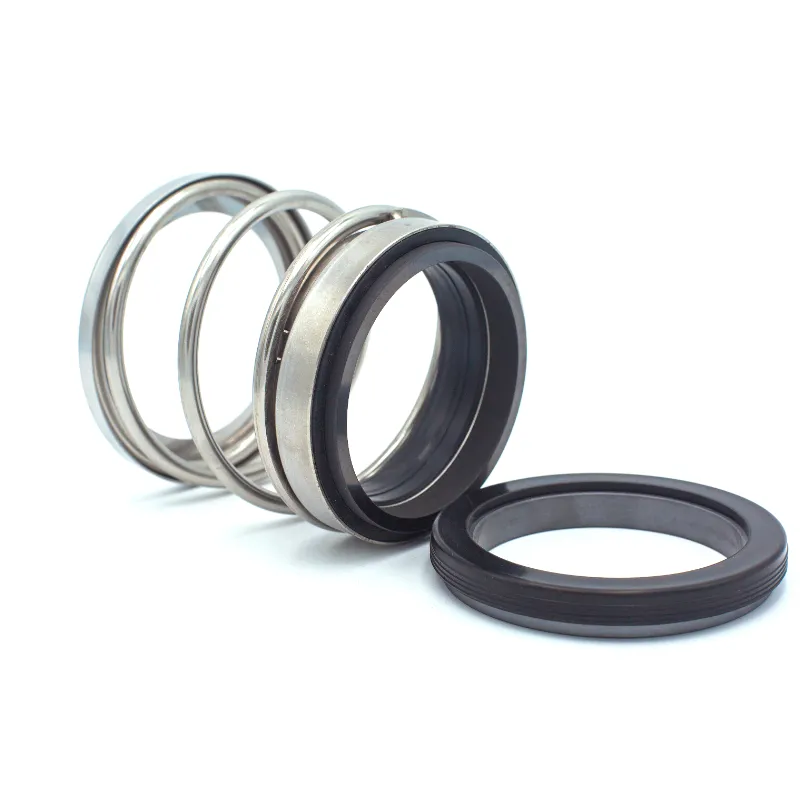
Ceramic Mechanical Seals represent a cutting-edge advancement in industrial sealing technology, designed to provide superior performance in demanding operating environments. These sophisticated sealing systems utilize advanced ceramic materials to create an impermeable barrier between rotating and stationary components in various mechanical equipment. The primary function of Ceramic Mechanical Seals involves preventing fluid leakage while maintaining optimal operational efficiency across diverse industrial applications. The technology incorporates precision-engineered ceramic faces that operate in direct contact, creating a dynamic seal that adapts to changing operational conditions. The main technological features include exceptional hardness ratings, superior chemical resistance, and outstanding thermal stability. These characteristics enable Ceramic Mechanical Seals to withstand extreme temperatures ranging from cryogenic conditions to high-heat environments exceeding 500 degrees Celsius. The ceramic materials used in construction typically include silicon carbide, tungsten carbide, and aluminum oxide, each offering specific performance benefits. The sealing mechanism relies on controlled face contact pressure and precise surface finishing to maintain effective sealing while minimizing friction and wear. Applications span numerous industries including chemical processing, petroleum refining, pharmaceutical manufacturing, food processing, and power generation. In chemical plants, Ceramic Mechanical Seals protect pumps handling corrosive acids and aggressive solvents. Petroleum refineries depend on these seals for critical processes involving hydrocarbons and high-pressure systems. Pharmaceutical manufacturers utilize them to maintain sterile environments and prevent contamination. The technology also finds extensive use in water treatment facilities, where reliability and longevity are paramount. The design flexibility allows customization for specific applications, including various seal face combinations, spring configurations, and elastomer selections. Installation versatility accommodates both new equipment and retrofit applications, making Ceramic Mechanical Seals an ideal solution for upgrading existing systems.

New Products

Ceramic Mechanical Seals deliver exceptional durability that significantly outperforms traditional sealing solutions in challenging industrial environments. The superior hardness of ceramic materials provides remarkable resistance to abrasive wear, extending service life up to ten times longer than conventional rubber or metal seals. This enhanced longevity translates directly into reduced maintenance costs and decreased downtime for critical equipment. The chemical inertness of ceramic materials offers unparalleled resistance to aggressive chemicals, acids, bases, and solvents that would quickly degrade other sealing materials. This chemical compatibility ensures consistent performance across diverse fluid handling applications without seal degradation or contamination risks. Temperature stability represents another significant advantage, as Ceramic Mechanical Seals maintain their sealing integrity across extreme temperature variations without thermal expansion issues or material breakdown. The low friction coefficient of ceramic surfaces reduces energy consumption and heat generation during operation, contributing to overall system efficiency and cost savings. Precision manufacturing techniques ensure consistent surface finishes and dimensional accuracy, resulting in reliable sealing performance and predictable operational characteristics. The self-lubricating properties of certain ceramic materials eliminate the need for external lubrication systems, simplifying maintenance requirements and reducing operational complexity. Environmental benefits include reduced emission levels due to superior sealing performance and elimination of hazardous lubricants in many applications. The modular design approach allows for easy replacement and maintenance without extensive disassembly of surrounding equipment. Cost-effectiveness becomes apparent through extended service intervals, reduced inventory requirements, and lower total cost of ownership. Installation flexibility accommodates various shaft sizes, operating pressures, and mounting configurations, making Ceramic Mechanical Seals suitable for both new installations and equipment upgrades. The proven reliability in critical applications provides peace of mind for operators managing essential processes where seal failure could result in significant operational disruptions or safety concerns. Quality control measures ensure consistent performance standards across all manufactured units.

Practical Tips

Seals for Seal in Petrochemical Plants: Best Practices for Longevity.

21

Jul

Seals for Seal in Petrochemical Plants: Best Practices for Longevity.

Enhancing the Durability of Sealing Systems in Petrochemical Environments In the demanding conditions of petrochemical plants, maintaining the integrity of sealing systems is crucial. Seals for seal applications must withstand harsh chemical exposure...
View More
Choosing the Right Agitator Seal for High-Viscosity Mixing

21

Jul

Choosing the Right Agitator Seal for High-Viscosity Mixing

Ensuring Performance in High-Viscosity Mixing Applications In industrial mixing processes involving high-viscosity fluids, reliable sealing is a fundamental requirement. The dynamic conditions in such systems—marked by increased torque, intense...
View More
Can High-Performance Mechanical Seals Reduce Maintenance Costs?

22

Dec

Can High-Performance Mechanical Seals Reduce Maintenance Costs?

Industrial facilities worldwide face mounting pressure to reduce operational costs while maintaining peak equipment performance. One critical component that significantly impacts maintenance expenses is the mechanical seal system used in pumps, compr...
View More
Cartex Mechanical Seal Solutions for Heavy-Duty Pumping Systems

22

Dec

Cartex Mechanical Seal Solutions for Heavy-Duty Pumping Systems

Industrial pumping systems demand exceptional reliability and performance, especially when handling aggressive fluids and operating under extreme conditions. Modern mechanical seal technology has evolved to meet these challenges, with advanced soluti...
View More

Get a Free Quote

Our representative will contact you soon.
Email
Name
Company Name
Country/Region
Message
0/1000

Ceramic Mechanical Seals

Exceptional Chemical Resistance and Corrosion Protection

Exceptional Chemical Resistance and Corrosion Protection

Ceramic Mechanical Seals provide unmatched chemical resistance that revolutionizes fluid handling in aggressive industrial environments. The advanced ceramic materials used in these seals demonstrate remarkable inertness against virtually all chemical compounds encountered in industrial processes. Unlike traditional elastomeric seals that deteriorate rapidly when exposed to acids, caustics, or organic solvents, Ceramic Mechanical Seals maintain their structural integrity and sealing performance indefinitely. This exceptional chemical compatibility stems from the inherent properties of ceramic materials, which resist chemical attack at the molecular level. Silicon carbide, tungsten carbide, and aluminum oxide ceramics used in seal construction exhibit outstanding stability when exposed to hydrochloric acid, sulfuric acid, sodium hydroxide, and various organic compounds. The resistance extends to aggressive media including chlorinated solvents, aromatic hydrocarbons, and oxidizing agents that cause rapid degradation in other sealing materials. This chemical immunity eliminates the risk of seal swelling, cracking, or dissolution that commonly occurs with rubber-based sealing systems. The practical implications for industrial operations include significantly reduced maintenance schedules, elimination of emergency seal replacements, and enhanced process safety through reliable containment. Chemical processing plants benefit tremendously from this resistance, as seal failure in aggressive media applications can result in environmental releases, personnel exposure risks, and costly production shutdowns. The long-term chemical stability also prevents contamination of process fluids, maintaining product quality and meeting strict purity requirements in pharmaceutical and food processing applications. Additionally, the chemical resistance extends seal life in applications involving trace contaminants or intermittent exposure to aggressive cleaning agents. This reliability factor allows process engineers to specify Ceramic Mechanical Seals with confidence in applications where chemical compatibility is critical to operational success and regulatory compliance.

Superior Temperature Performance and Thermal Stability

Superior Temperature Performance and Thermal Stability

The exceptional temperature performance of Ceramic Mechanical Seals sets them apart as the premier choice for extreme thermal applications across diverse industries. These advanced sealing systems operate reliably across an unprecedented temperature range, from cryogenic applications at minus 200 degrees Celsius to high-temperature processes exceeding 500 degrees Celsius. The superior thermal stability results from the inherent properties of ceramic materials, which maintain their mechanical strength, dimensional stability, and sealing effectiveness throughout extreme temperature cycles. Unlike polymer-based seals that become brittle at low temperatures or soften and degrade at elevated temperatures, Ceramic Mechanical Seals retain their optimal sealing characteristics across the entire operating range. The low thermal expansion coefficient of ceramic materials prevents dimensional changes that could compromise sealing integrity during temperature fluctuations. This thermal stability eliminates the need for frequent seal adjustments or replacements that plague conventional sealing systems in temperature-sensitive applications. High-temperature applications benefit from the ceramic materials' resistance to thermal degradation, oxidation, and structural changes that occur in metallic sealing components. The heat dissipation properties of ceramics also contribute to reduced operating temperatures at the seal interface, extending overall system life and improving efficiency. Cryogenic applications benefit from the maintained flexibility and sealing force of ceramic faces, preventing the embrittlement and cracking common in other materials at ultra-low temperatures. Steam applications, particularly in power generation and industrial processing, rely on the thermal shock resistance of Ceramic Mechanical Seals to withstand rapid temperature changes without failure. The thermal performance advantages translate into operational benefits including reduced energy consumption, extended service intervals, and improved process reliability. Temperature monitoring becomes less critical with Ceramic Mechanical Seals, as their wide operating envelope provides substantial safety margins against thermal-induced failures. This temperature versatility allows single seal designs to handle multiple process conditions, simplifying inventory management and maintenance procedures while ensuring consistent performance across varying thermal environments.
Extended Service Life and Exceptional Durability

Extended Service Life and Exceptional Durability

Ceramic Mechanical Seals deliver extraordinary service life that dramatically reduces maintenance requirements and operational costs across industrial applications. The exceptional durability stems from the superior hardness and wear resistance of ceramic materials, which typically exceed 1500 HV on the Vickers hardness scale, compared to 200-400 HV for most metallic sealing components. This remarkable hardness translates into resistance against abrasive particles, cavitation damage, and mechanical wear that quickly deteriorate conventional sealing systems. Field experience consistently demonstrates service lives extending 5 to 10 times longer than traditional rubber or metal seals in identical operating conditions. The extended durability results from multiple factors including superior material properties, precision manufacturing techniques, and optimized seal face geometry. The smooth, mirror-like finish achieved on ceramic surfaces minimizes friction and wear while maintaining optimal sealing contact. Unlike softer materials that gradually wear and require periodic adjustment, Ceramic Mechanical Seals maintain their original dimensions and sealing effectiveness throughout their extended service life. The self-polishing characteristics of ceramic faces actually improve sealing performance over time, as microscopic surface irregularities are gradually smoothed during operation. This unique property contributes to stable, long-term performance that improves rather than degrades with service time. The durability advantages become particularly apparent in applications involving suspended solids, abrasive slurries, or crystallizing fluids that rapidly wear conventional seals. The economic benefits of extended service life include reduced spare parts inventory, decreased maintenance labor costs, and elimination of frequent seal change-outs that require system shutdowns. Unplanned maintenance events become rare occurrences rather than routine expectations, improving overall equipment availability and production efficiency. The predictable service life allows maintenance planning to be integrated with scheduled equipment overhauls, optimizing maintenance resources and minimizing production disruptions. Quality control measures during manufacturing ensure consistent durability performance across all seal units, providing reliable service life expectations for maintenance planning and cost forecasting purposes.

Get a Free Quote

Our representative will contact you soon.
Email
Name
Company Name
Country/Region
Message
0/1000