Mechanical seal leakage solutions
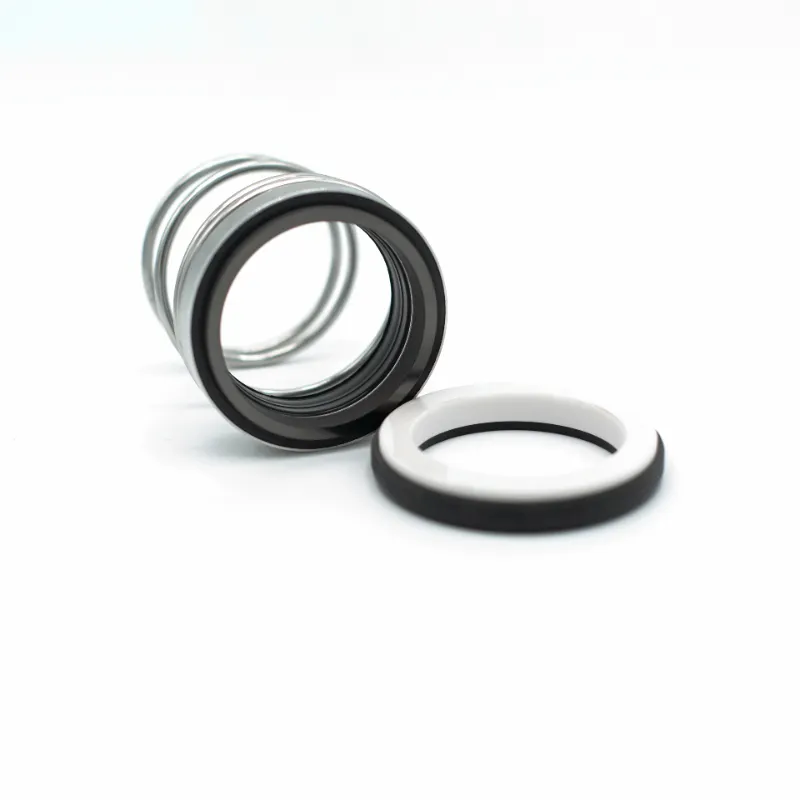
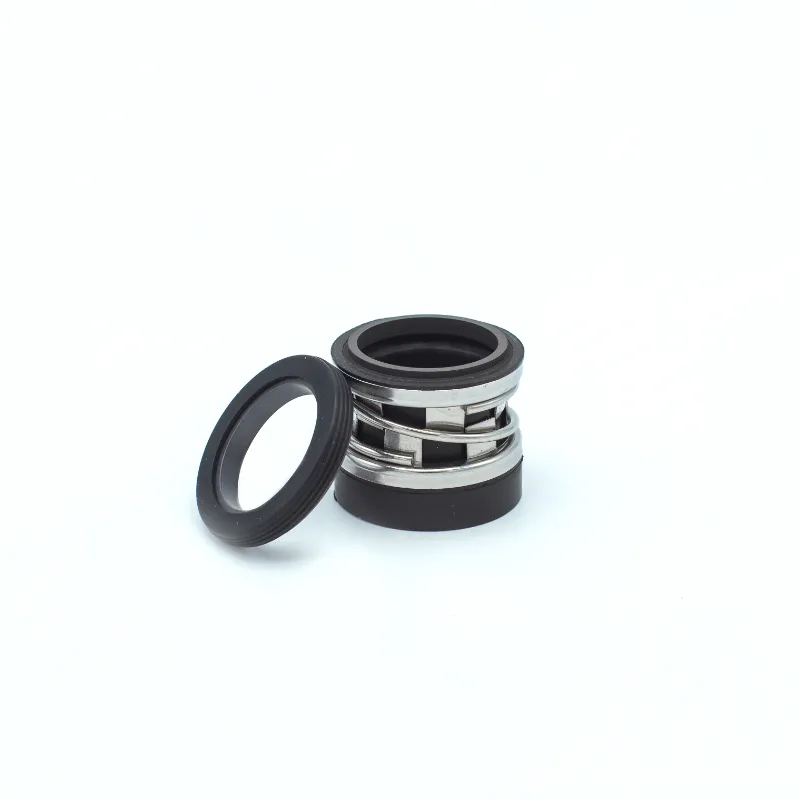
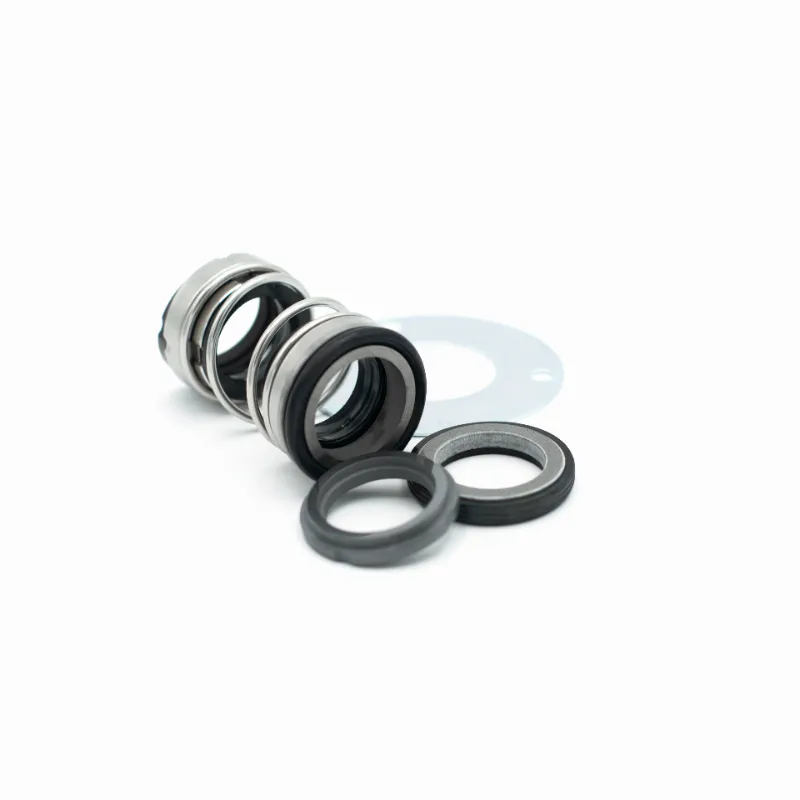
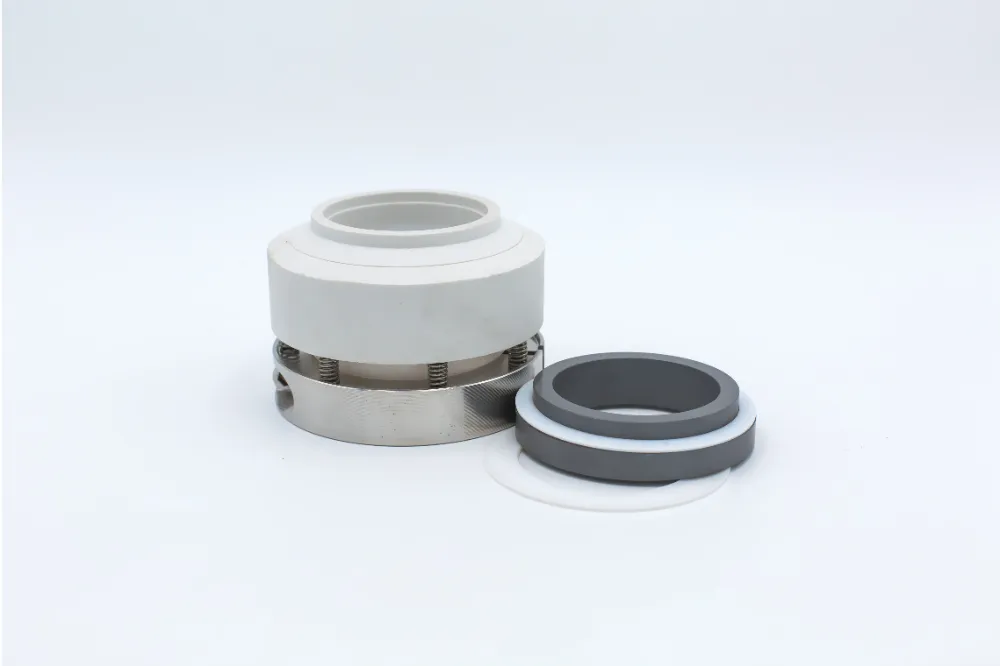
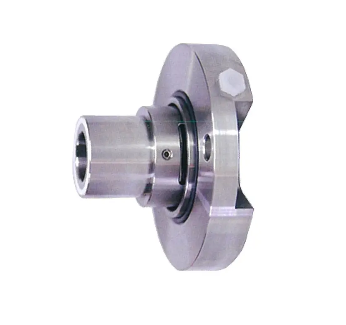
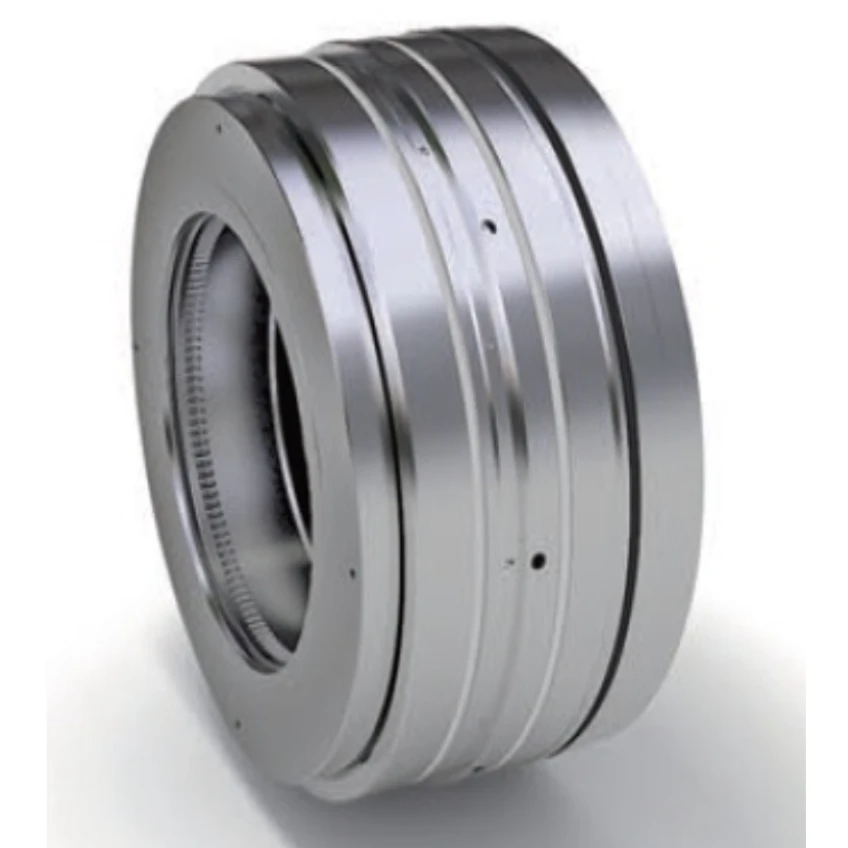
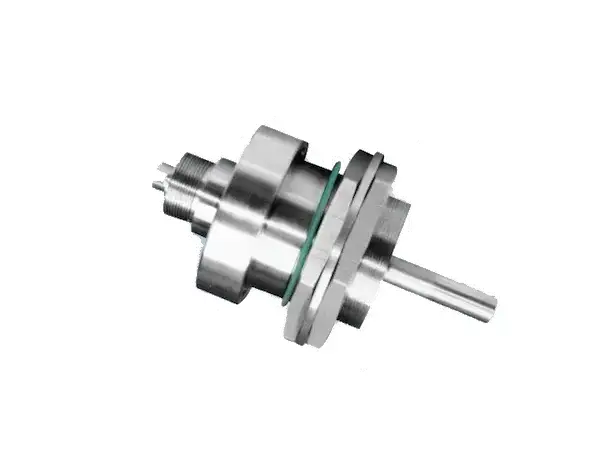
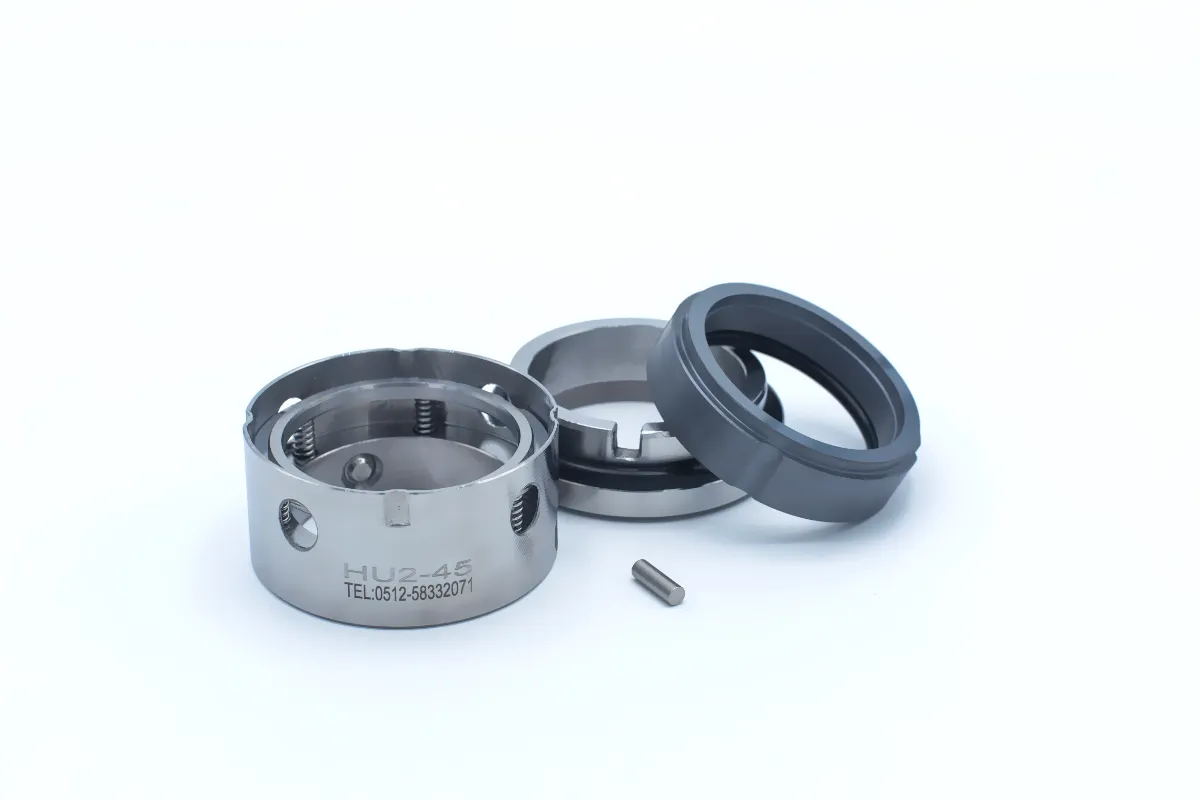
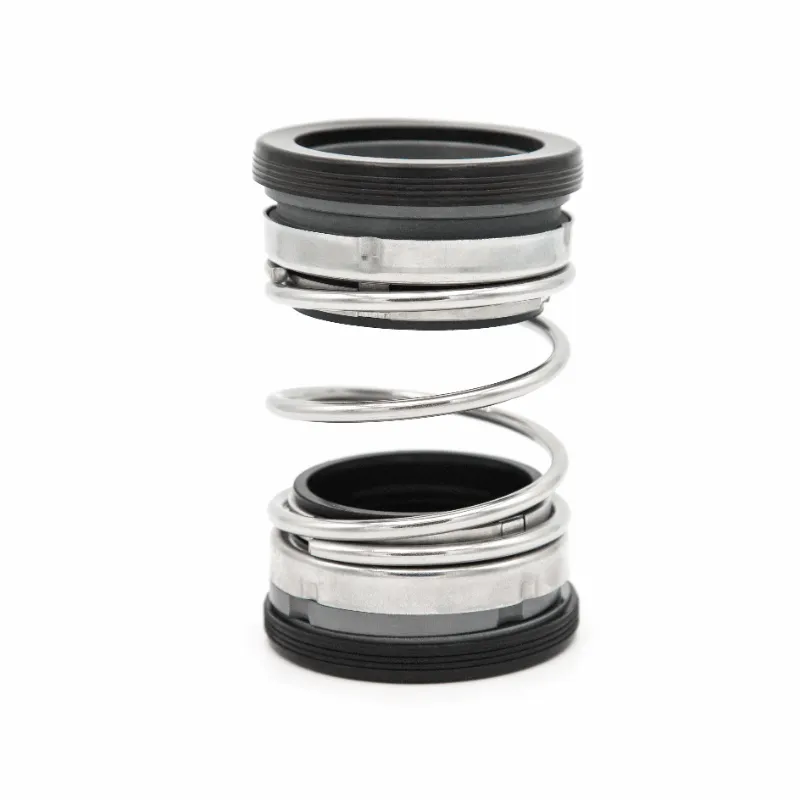
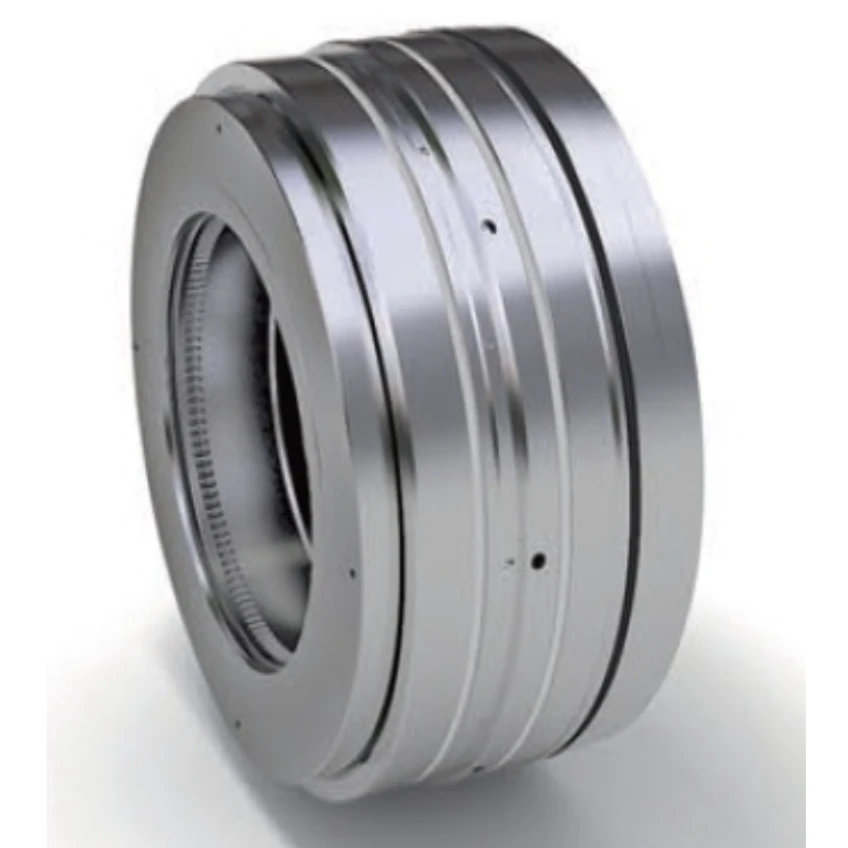
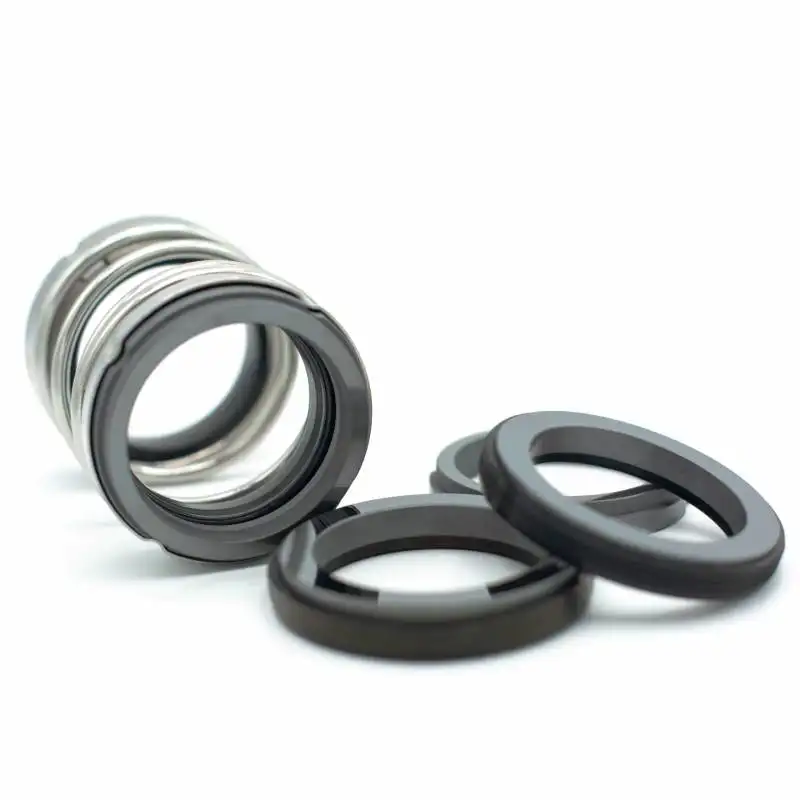
Mechanical seal leakage solutions represent a comprehensive approach to addressing one of the most critical challenges in industrial equipment maintenance and operation. These specialized systems are designed to prevent or significantly reduce fluid leakage from rotating equipment such as pumps, compressors, mixers, and other machinery that handles various liquids and gases. The primary function of mechanical seal leakage solutions involves creating a barrier between rotating and stationary components while maintaining operational efficiency and safety standards. These solutions encompass a wide range of technologies including advanced sealing materials, innovative design configurations, monitoring systems, and maintenance protocols that work together to minimize leakage risks. The technological features of modern mechanical seal leakage solutions include dual seal arrangements, buffer fluid systems, quench systems, and real-time monitoring capabilities that provide early warning signs of potential failures. Advanced materials such as silicon carbide, tungsten carbide, and specialized elastomers are utilized to enhance durability and chemical resistance. Temperature compensation mechanisms and pressure balancing features ensure optimal performance across varying operational conditions. Applications for mechanical seal leakage solutions span numerous industries including chemical processing, oil and gas, pharmaceutical manufacturing, water treatment facilities, food and beverage production, and power generation. In chemical plants, these solutions prevent hazardous substance leakage that could pose environmental and safety risks. The pharmaceutical industry relies on these systems to maintain sterile conditions and prevent contamination. Water treatment facilities use mechanical seal leakage solutions to ensure system integrity and prevent groundwater contamination. The versatility of these solutions makes them essential components in maintaining operational safety, environmental compliance, and equipment reliability across diverse industrial sectors where fluid containment is paramount to successful operations.
 EN
EN