Professional Mechanical Seal Testing Services - Performance Validation & Reliability Assessment

Get a Free Quote

Our representative will contact you soon.
Email
Name
Company Name
Message
0/1000

Mechanical Seal Testing

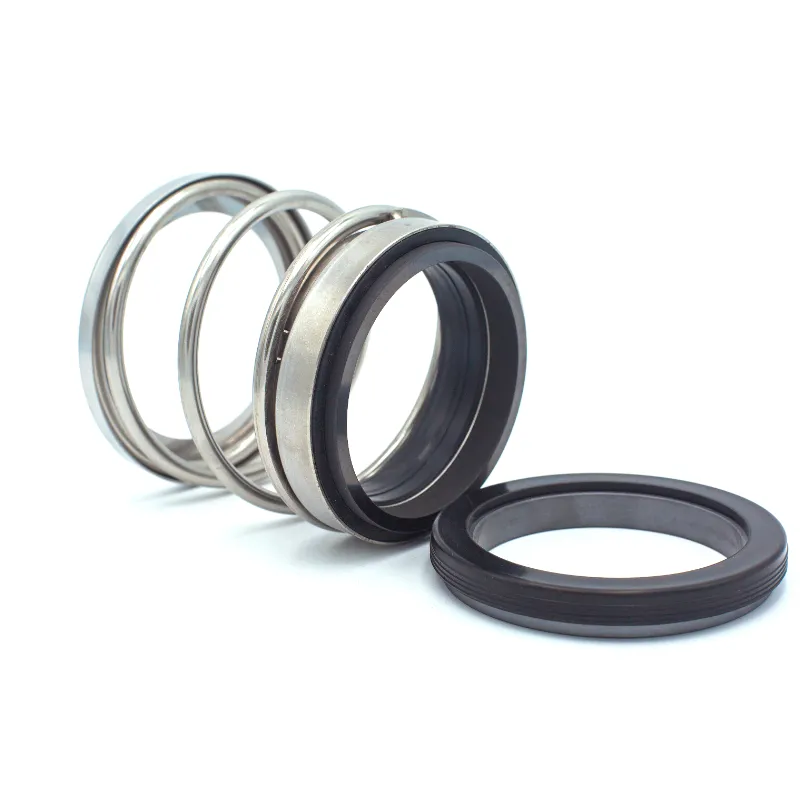
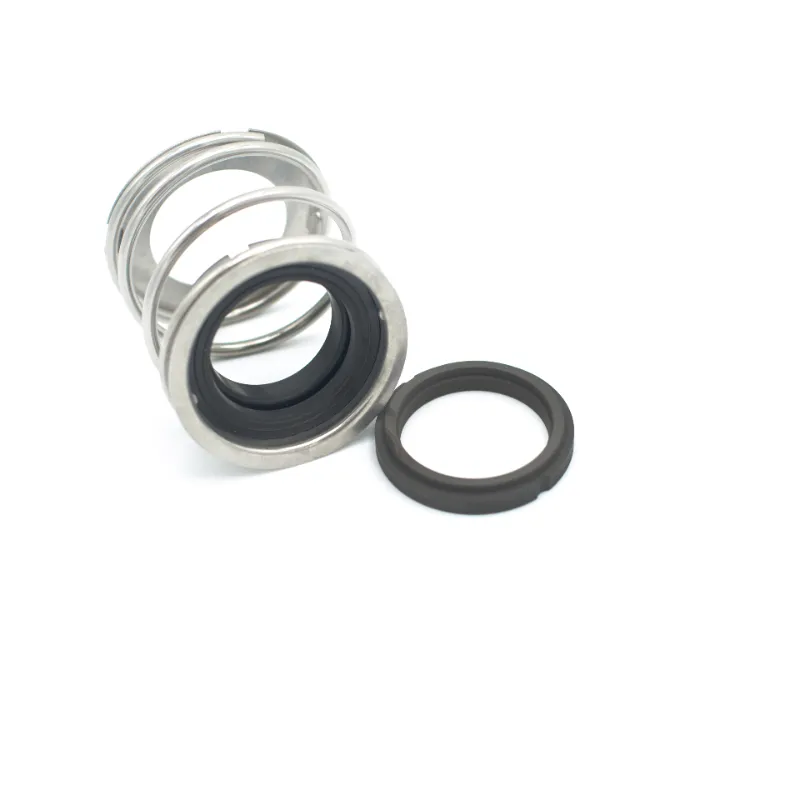
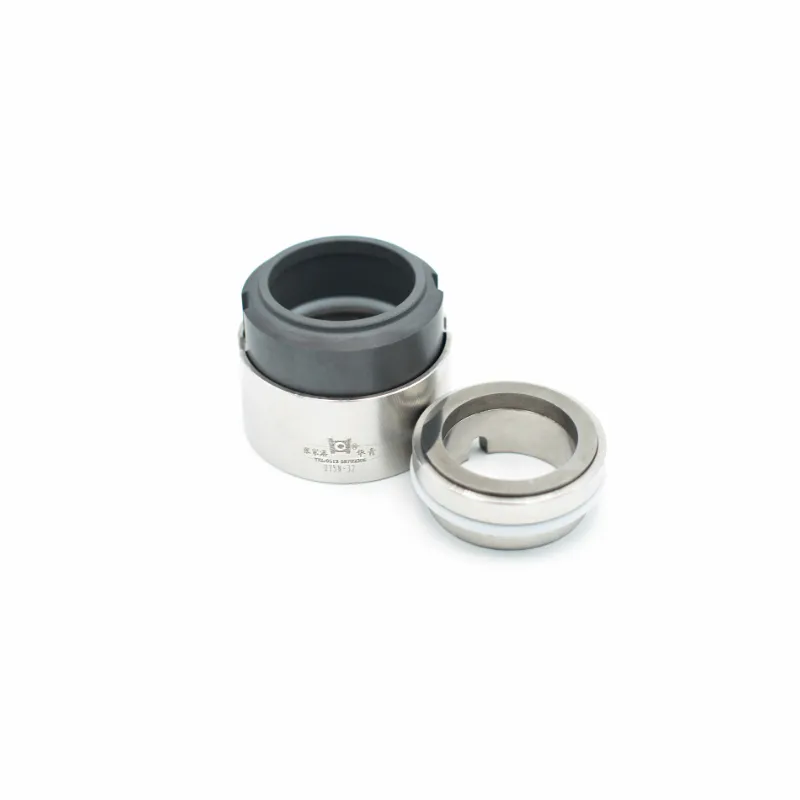
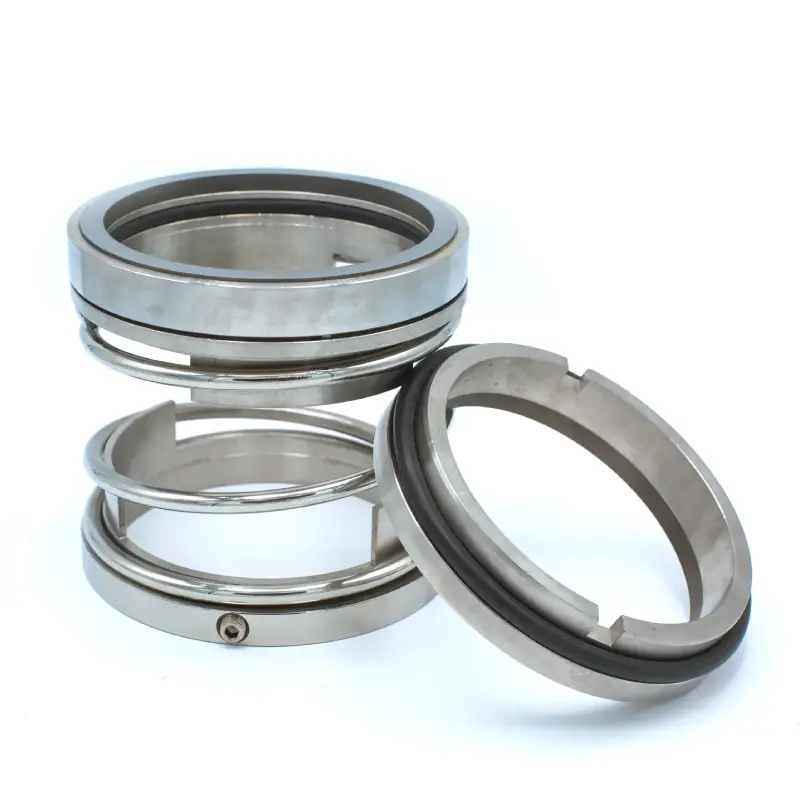
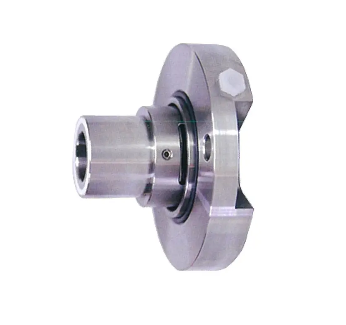
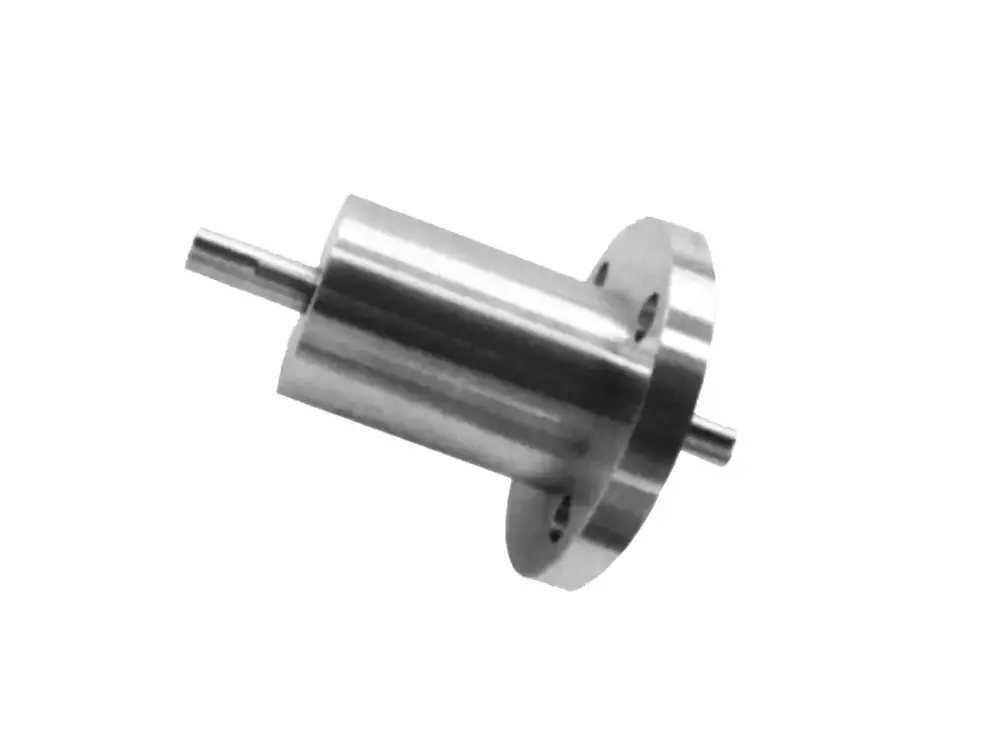
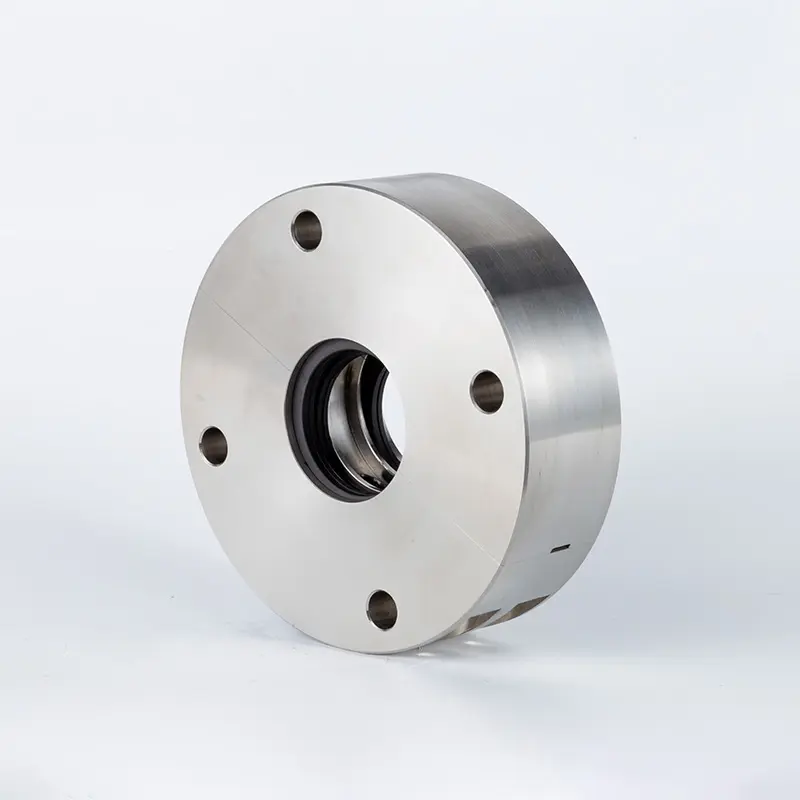
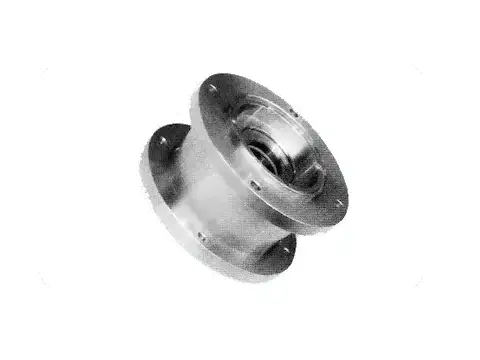
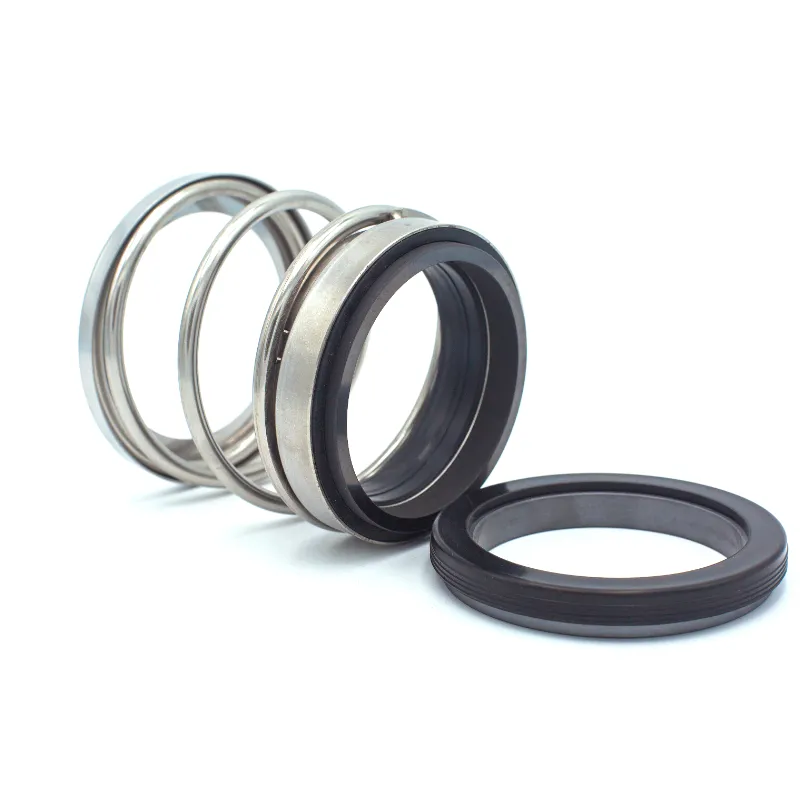
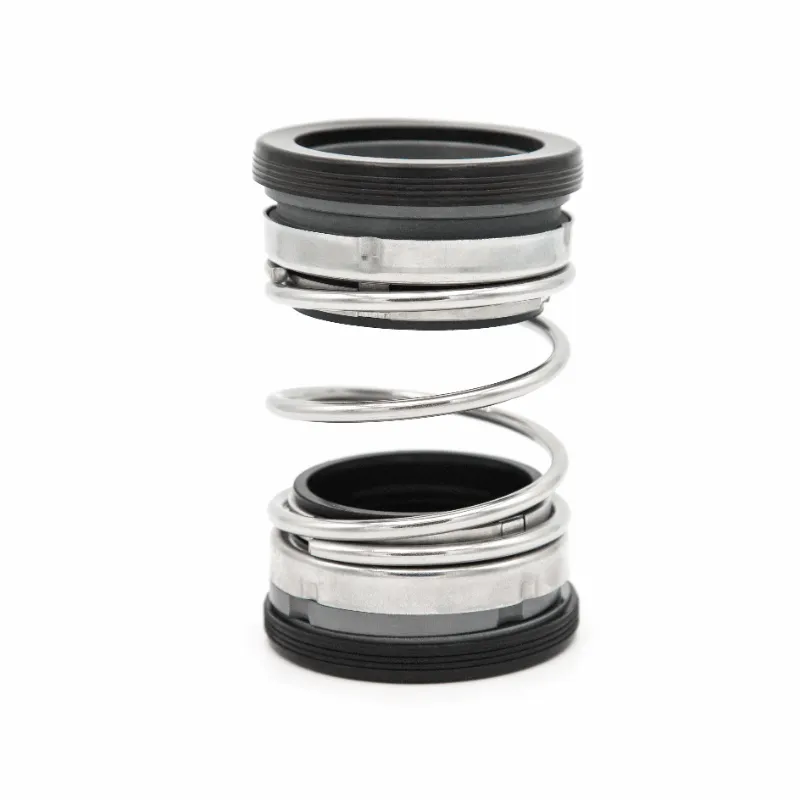
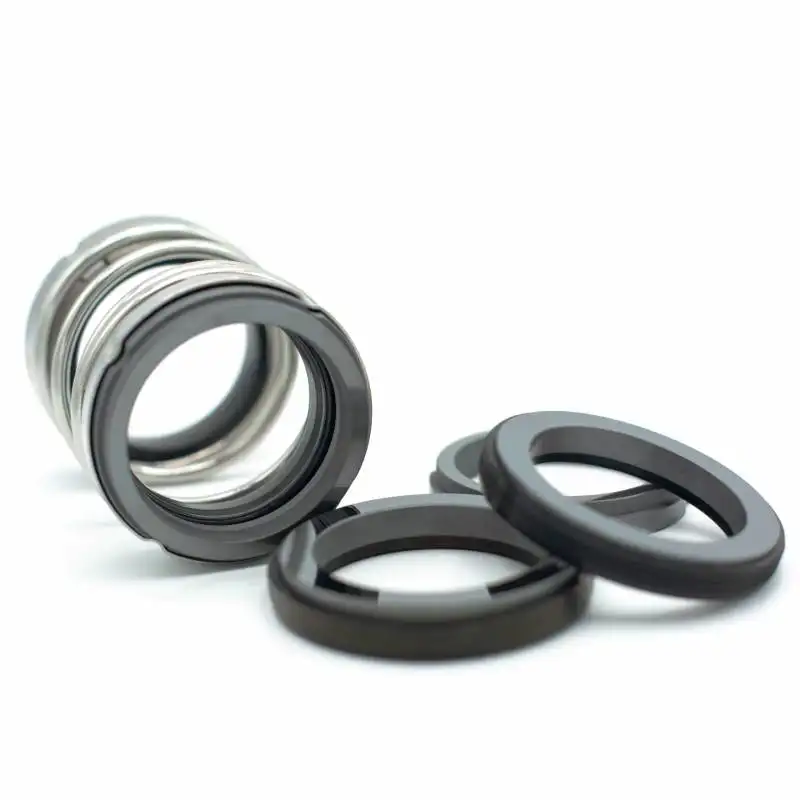
Mechanical Seal Testing represents a critical evaluation process that ensures the optimal performance, reliability, and safety of mechanical sealing systems across diverse industrial applications. This comprehensive testing methodology involves systematic examination of seal components, materials, and assemblies under controlled conditions that simulate real-world operating environments. The primary function of Mechanical Seal Testing encompasses performance verification, leak detection, pressure resistance assessment, temperature stability evaluation, and durability analysis. Modern Mechanical Seal Testing facilities utilize advanced equipment including pressure chambers, temperature control systems, leak detection instruments, and automated monitoring devices to deliver precise measurements and reliable data. The technological features of contemporary Mechanical Seal Testing include computerized data acquisition systems, real-time monitoring capabilities, customizable test parameters, and standardized testing protocols that comply with international industry standards such as API, ASME, and ISO specifications. Testing procedures typically evaluate critical parameters including seal face wear rates, leakage rates under various pressures, thermal expansion characteristics, chemical compatibility, and long-term performance stability. Applications of Mechanical Seal Testing span numerous industries including oil and gas, chemical processing, pharmaceutical manufacturing, water treatment, power generation, and marine engineering. The testing process serves equipment manufacturers, maintenance professionals, and end-users who require validated performance data for seal selection, quality assurance, and preventive maintenance planning. Comprehensive Mechanical Seal Testing programs evaluate single seals, cartridge assemblies, and complete sealing systems under conditions that replicate specific operational requirements. Advanced testing methodologies incorporate accelerated life testing, environmental simulation, and failure mode analysis to predict long-term performance and identify potential weaknesses before field deployment. The integration of digital technologies in Mechanical Seal Testing enables remote monitoring, automated reporting, and predictive analytics that enhance decision-making processes for industrial operators seeking maximum equipment reliability and operational efficiency.

New Product Releases

Mechanical Seal Testing delivers substantial operational benefits that directly impact industrial performance, cost management, and safety outcomes for facilities across multiple sectors. The primary advantage centers on preventing catastrophic equipment failures through early detection of seal deficiencies that could result in costly downtime, environmental incidents, and safety hazards. Regular Mechanical Seal Testing programs enable maintenance teams to identify wear patterns, material degradation, and performance deterioration before these issues escalate into major operational disruptions. This proactive approach reduces emergency repair costs, minimizes unplanned shutdowns, and extends equipment service life significantly. Testing procedures provide concrete data that supports informed decision-making regarding seal replacement schedules, material selection, and maintenance strategies. Industries benefit from reduced inventory costs through optimized spare parts management based on actual performance data rather than generic manufacturer recommendations. Mechanical Seal Testing contributes to enhanced safety by verifying containment capabilities under extreme conditions, ensuring compliance with environmental regulations, and protecting personnel from exposure to hazardous materials. The testing process validates seal performance across varying temperature ranges, pressure conditions, and chemical environments, providing confidence in equipment reliability under diverse operational scenarios. Quality assurance benefits include verification of manufacturer specifications, validation of material compatibility, and confirmation of design adequacy for specific applications. Cost benefits emerge through extended seal life, reduced maintenance labor requirements, decreased fluid losses, and improved overall equipment effectiveness. Environmental advantages include minimized emissions, reduced waste generation, and enhanced containment of process fluids. Mechanical Seal Testing supports predictive maintenance strategies by establishing performance baselines, tracking degradation trends, and enabling condition-based replacement decisions. The comprehensive data generated through testing activities facilitates root cause analysis of seal failures, leading to improved design specifications and enhanced operational procedures. Long-term benefits include improved plant reliability, enhanced process efficiency, reduced insurance costs, and strengthened regulatory compliance records. Testing results provide valuable documentation for equipment warranties, performance guarantees, and regulatory reporting requirements, supporting overall business objectives and operational excellence initiatives.

Latest News

Best Above Ground Well Pumps for Efficient Water Flow

19

Sep

Best Above Ground Well Pumps for Efficient Water Flow

Types of Above Ground Well Pumps for Efficient Flow Shallow Well Jet Pumps: Ideal for Shallow Water Tables Shallow well jet pumps are specifically designed to lift water from depths of up to 25 feet, making them ideal for rural or suburban areas wit...
View More
Metal Bellow Seals vs Standard Seals: What's Better?

27

Jun

Metal Bellow Seals vs Standard Seals: What's Better?

Understanding Metal Bellow Seals and Standard Seals Metal Bellow Seals: Definition and Core Characteristics Metal bellow seals are specialized sealing solutions that utilize a flexible bellow structure made primarily from metals such as stainless st...
View More
Common Challenges with Agitator Seals in Bioreactors

21

Jul

Common Challenges with Agitator Seals in Bioreactors

Sealing Systems in Sterile and Pressure-Sensitive Environments Bioreactors operate under highly controlled conditions, where sterility, pressure balance, and agitation efficiency must all coexist seamlessly. Among the critical components enabling thi...
View More
What Is Agitator Seal Pressure and Why It Matters in Industrial Equipment?

06

Aug

What Is Agitator Seal Pressure and Why It Matters in Industrial Equipment?

Importance of Pressure Control in Industrial Sealing Systems Industrial processes often involve extreme conditions—high temperatures, intense pressures, and reactive chemicals. To maintain system safety and ensure reliable performance, manufac...
View More

Get a Free Quote

Our representative will contact you soon.
Email
Name
Company Name
Country/Region
Message
0/1000

Mechanical Seal Testing

Advanced Performance Validation Technology

Advanced Performance Validation Technology

Modern Mechanical Seal Testing employs sophisticated validation technology that revolutionizes how industries assess sealing system performance and reliability. This advanced technological framework incorporates precision instrumentation, automated data collection systems, and computer-controlled testing environments that deliver unprecedented accuracy in performance measurement and analysis. The validation process utilizes specialized pressure vessels, temperature control chambers, and leak detection equipment capable of simulating extreme operational conditions encountered in real-world applications. High-resolution sensors monitor critical parameters including face temperature, seal chamber pressure, leakage rates, and wear characteristics with exceptional precision, generating comprehensive performance profiles that guide engineering decisions. Advanced Mechanical Seal Testing facilities feature programmable logic controllers that maintain consistent test conditions, eliminate human error, and ensure repeatable results across multiple testing cycles. The technology enables customized testing protocols tailored to specific industry requirements, allowing for evaluation of seals under conditions that precisely match actual operational environments. Digital data acquisition systems capture thousands of data points per second, creating detailed performance maps that reveal subtle changes in seal behavior over time. This technological sophistication extends to failure mode analysis capabilities that identify root causes of performance degradation, enabling proactive maintenance strategies and improved seal design specifications. The integration of artificial intelligence and machine learning algorithms enhances predictive capabilities, allowing testing systems to identify potential failure patterns before they manifest in operational environments. Advanced visualization tools present complex testing data in intuitive formats that facilitate rapid interpretation and decision-making by maintenance professionals and engineers. Remote monitoring capabilities enable real-time observation of testing progress, allowing for immediate adjustments to test parameters and reducing overall testing timeframes. The technological advantages of modern Mechanical Seal Testing systems include enhanced repeatability, improved accuracy, reduced testing costs, and accelerated product development cycles that benefit both manufacturers and end-users seeking optimal sealing solutions.
Comprehensive Reliability Assessment Framework

Comprehensive Reliability Assessment Framework

Mechanical Seal Testing provides a comprehensive reliability assessment framework that addresses the complete spectrum of performance factors affecting sealing system effectiveness in industrial applications. This systematic approach evaluates mechanical, thermal, chemical, and environmental factors that influence seal performance, creating a holistic understanding of system capabilities and limitations. The reliability assessment process encompasses accelerated life testing methodologies that simulate years of operational exposure in compressed timeframes, enabling rapid evaluation of long-term performance characteristics. Testing protocols examine seal behavior under cyclic loading conditions, thermal cycling, pressure fluctuations, and chemical exposure scenarios that replicate challenging operational environments. The framework incorporates statistical analysis methods that quantify reliability metrics, predict service life expectations, and establish confidence intervals for performance predictions. Comprehensive Mechanical Seal Testing evaluates multiple failure modes including face wear, secondary seal degradation, spring fatigue, and housing corrosion to provide complete risk assessment profiles. The systematic approach includes bench testing, prototype evaluation, and full-scale system testing that validates performance across different scales and operating conditions. Reliability assessment extends to material compatibility testing that evaluates seal performance with various process fluids, ensuring chemical resistance and dimensional stability over extended service periods. Environmental testing capabilities assess seal performance under extreme temperature conditions, humidity variations, and atmospheric contamination that affect operational reliability. The framework incorporates vibration testing, shock resistance evaluation, and dynamic response analysis that validate seal performance under mechanical stress conditions. Advanced reliability assessment includes failure rate calculations, mean time between failures analysis, and probability distributions that support maintenance planning and spare parts management. Quality control aspects of the framework ensure consistent manufacturing standards, material traceability, and performance verification that enhance overall system reliability. The comprehensive nature of Mechanical Seal Testing reliability assessment provides engineers and operators with detailed performance data that supports critical decisions regarding seal selection, application engineering, and maintenance strategies, ultimately delivering superior operational reliability and reduced lifecycle costs.
Industry-Specific Application Engineering

Industry-Specific Application Engineering

Mechanical Seal Testing demonstrates exceptional value through industry-specific application engineering that addresses unique operational challenges and performance requirements across diverse industrial sectors. This specialized approach recognizes that different industries impose distinct demands on sealing systems, requiring customized testing methodologies and performance criteria that reflect actual service conditions. The application engineering aspect of Mechanical Seal Testing encompasses detailed analysis of process conditions, fluid properties, operational cycles, and maintenance constraints that characterize specific industrial applications. Testing programs for chemical processing applications focus on corrosion resistance, chemical compatibility, and thermal stability under aggressive chemical environments that challenge conventional sealing materials. Oil and gas industry applications require specialized testing for high-pressure conditions, hydrocarbon compatibility, and explosive atmosphere safety considerations that demand rigorous validation procedures. Pharmaceutical and food processing applications emphasize hygienic design validation, cleaning effectiveness, and regulatory compliance testing that ensures product purity and consumer safety. Power generation applications require testing for extreme temperature conditions, steam service capability, and long-term reliability under continuous operation scenarios. Marine applications demand specialized testing for saltwater corrosion resistance, vibration tolerance, and maintenance accessibility under challenging shipboard conditions. Water treatment applications focus on abrasive resistance, scale formation effects, and chemical cleaning compatibility that affect long-term performance. The industry-specific approach to Mechanical Seal Testing incorporates relevant industry standards, regulatory requirements, and best practices that ensure compliance with sector-specific guidelines and performance expectations. Application engineering extends to custom test fixture design, specialized instrumentation selection, and modified testing procedures that accurately simulate unique operational conditions. The specialized knowledge gained through industry-focused Mechanical Seal Testing enables development of optimized sealing solutions that deliver superior performance in specific applications while minimizing lifecycle costs and operational risks. This targeted approach provides industries with validated performance data that supports confident seal selection decisions, reduces application risks, and ensures optimal equipment reliability in demanding operational environments where sealing system failure could result in significant economic and safety consequences.

Get a Free Quote

Our representative will contact you soon.
Email
Name
Company Name
Country/Region
Message
0/1000