Pump Shaft Seal
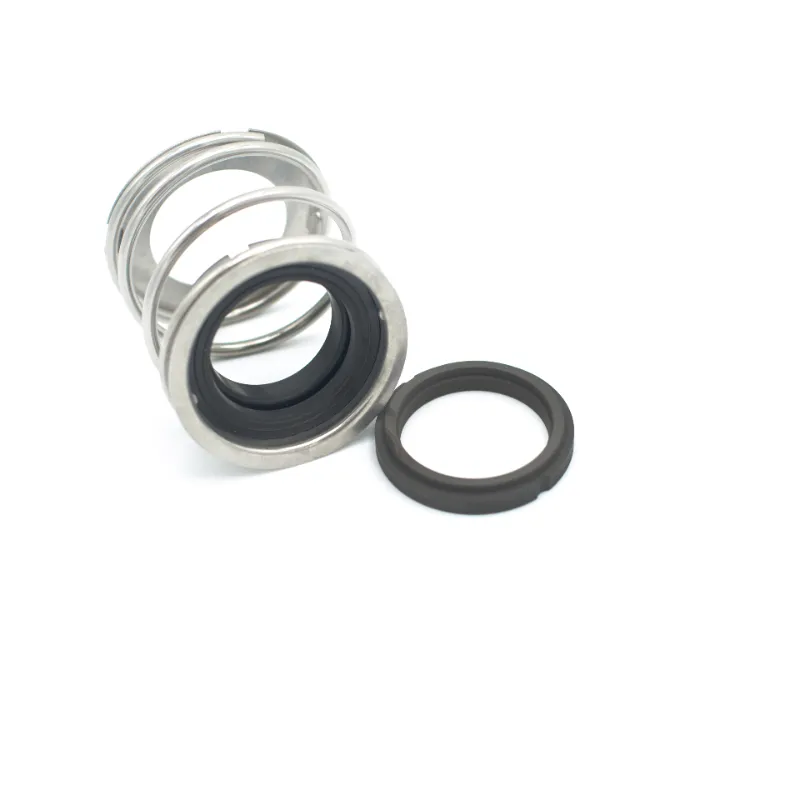
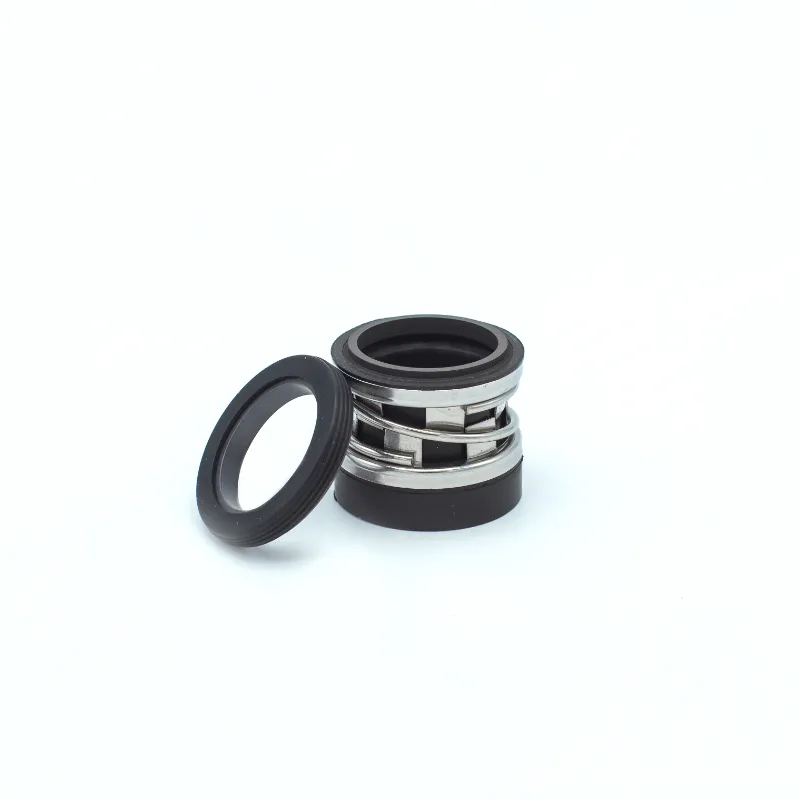
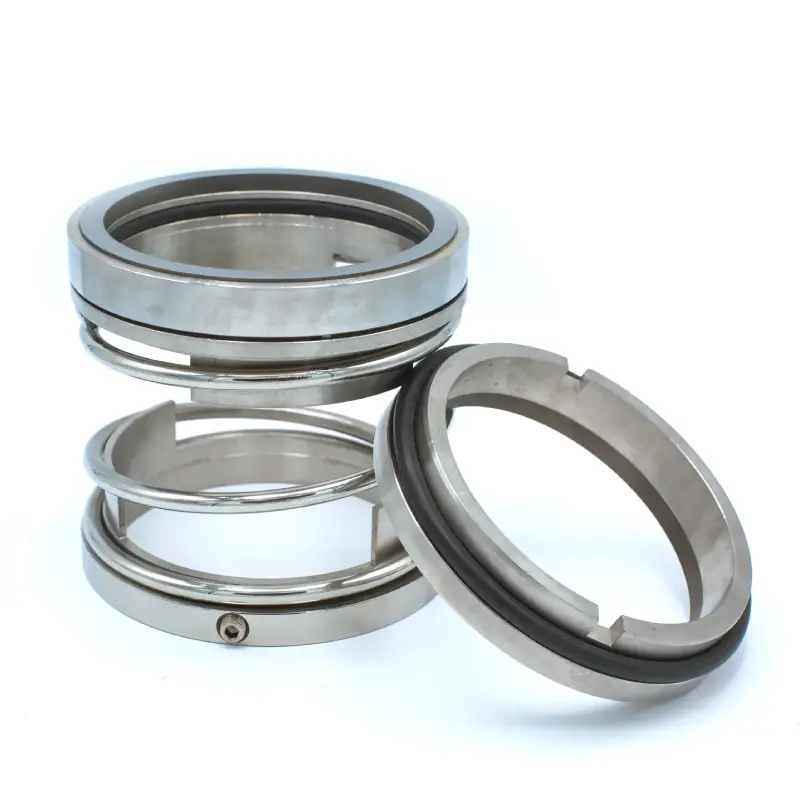
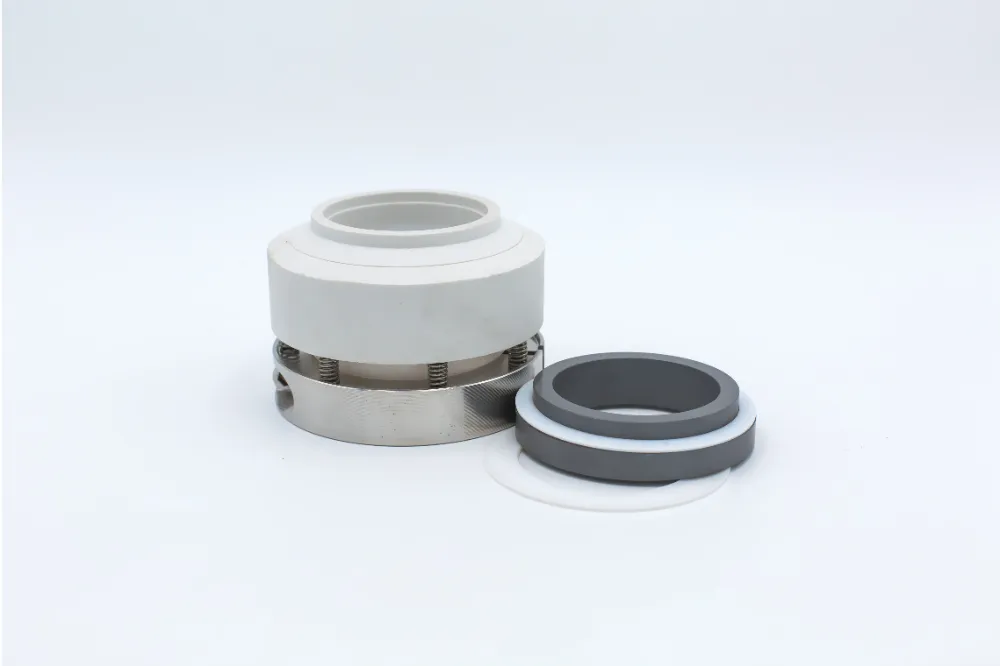
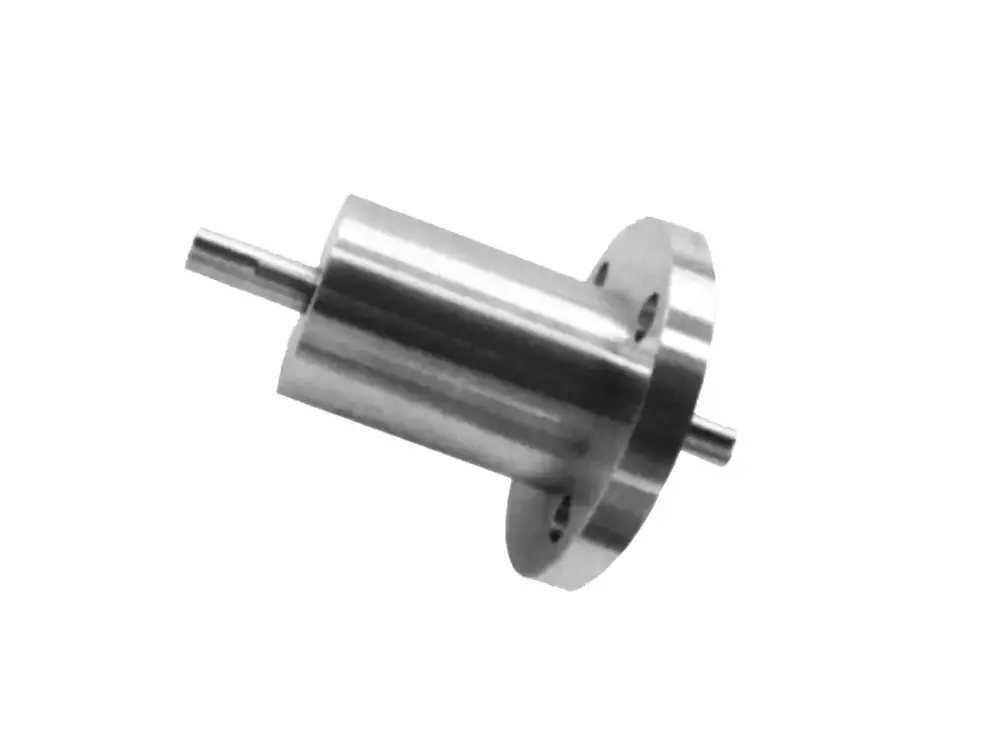
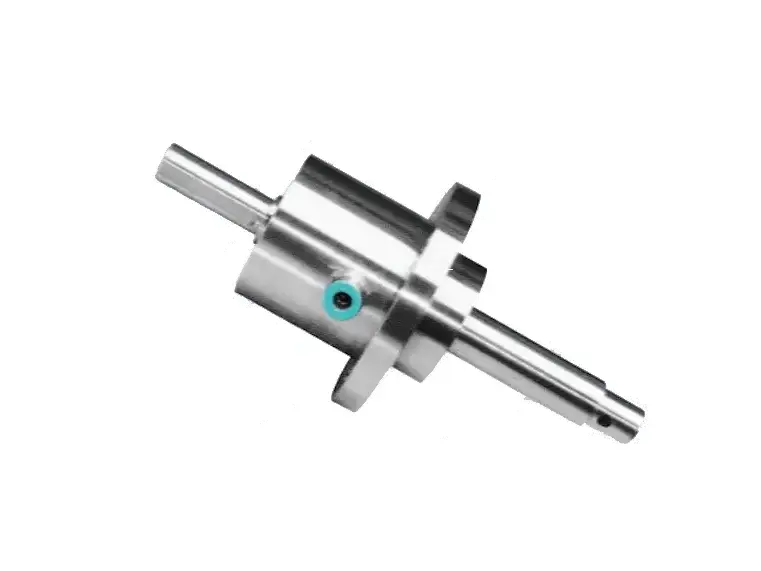
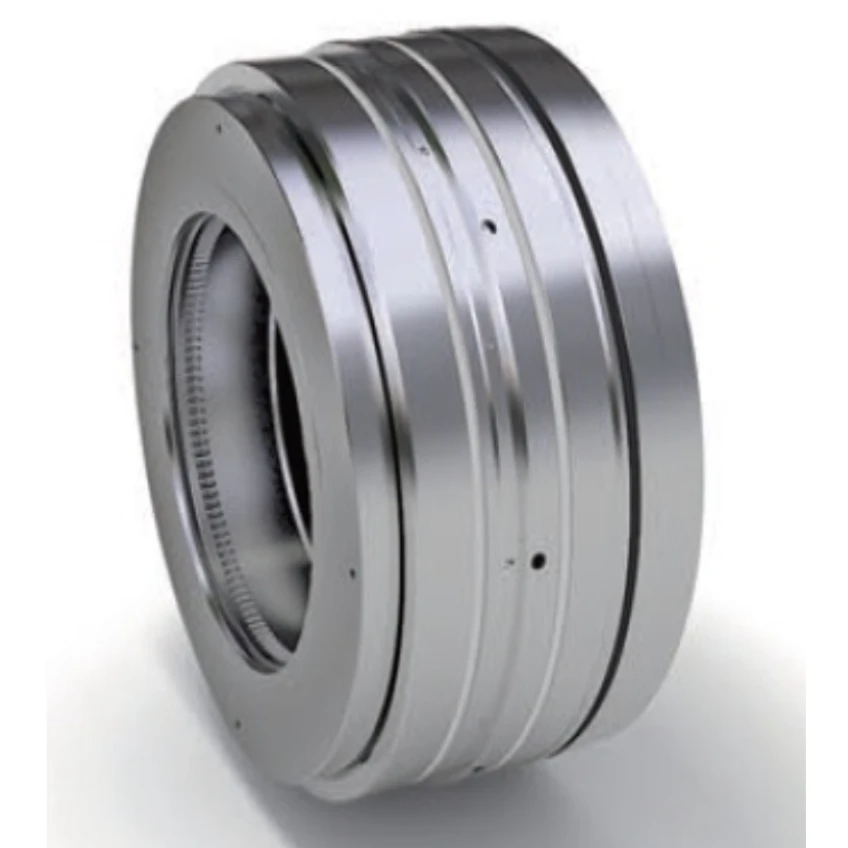
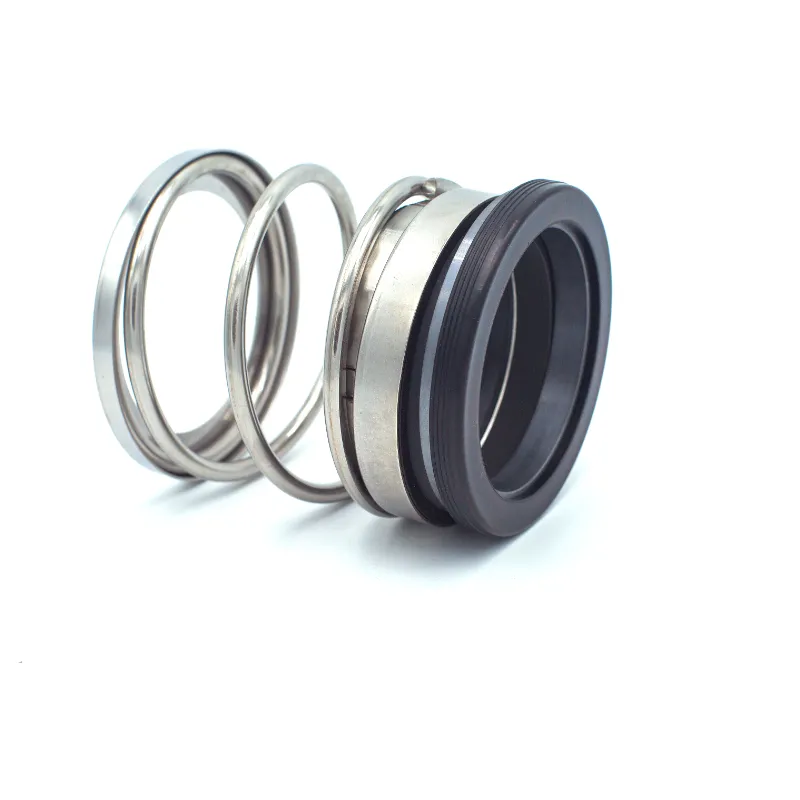
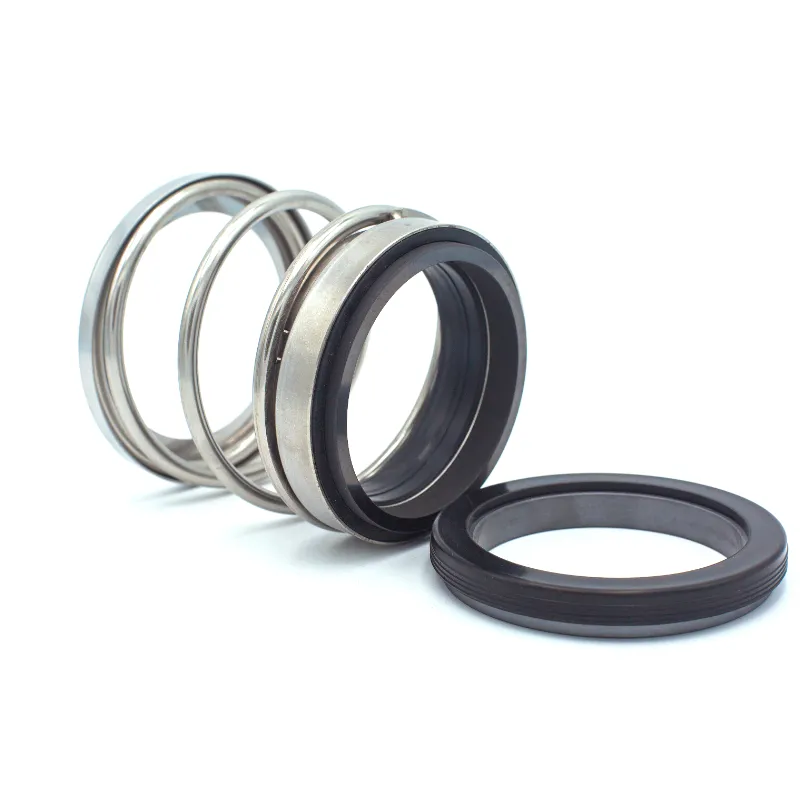
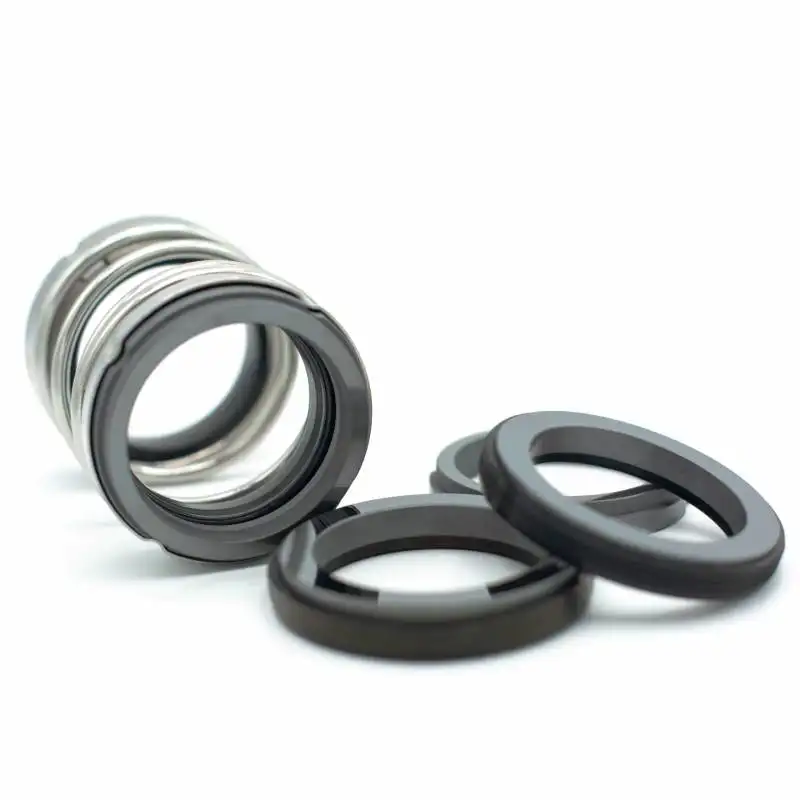
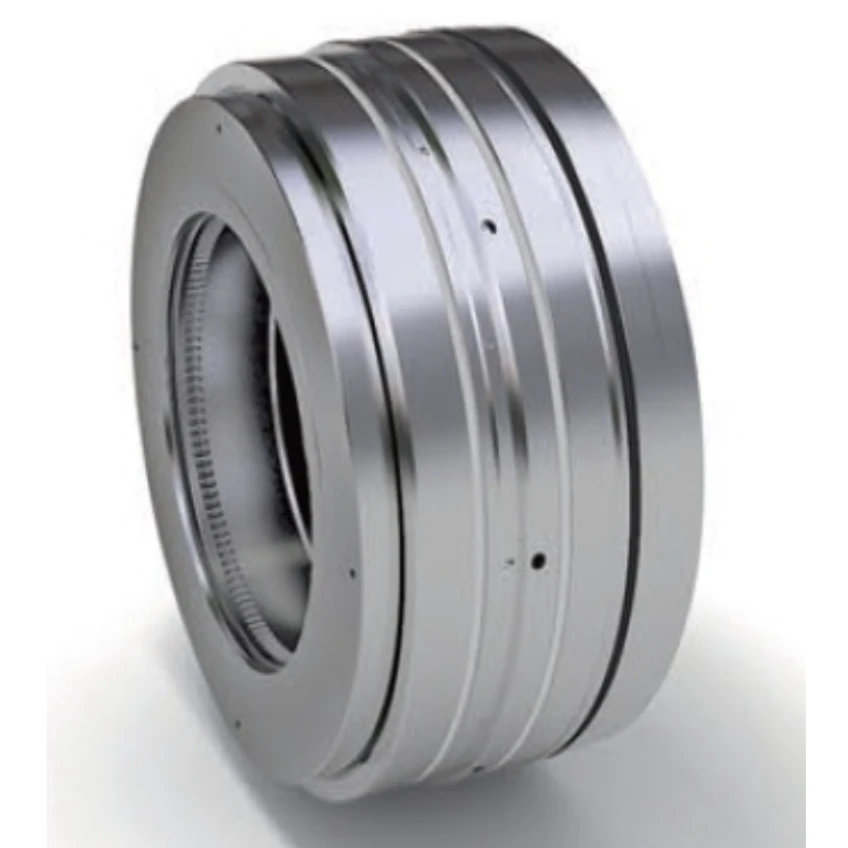
A Pump Shaft Seal represents a critical mechanical component designed to prevent fluid leakage along rotating shafts in pumping systems. This essential sealing solution creates a barrier between the pumped medium and the external environment, ensuring operational efficiency and environmental protection. The Pump Shaft Seal operates by maintaining contact between stationary and rotating surfaces, utilizing various sealing mechanisms including mechanical faces, packing materials, or magnetic coupling systems. Modern Pump Shaft Seal technology incorporates advanced materials such as silicon carbide, tungsten carbide, and specialized elastomers that withstand extreme temperatures, pressures, and corrosive chemicals. The primary functions include containing process fluids, preventing contamination, reducing maintenance costs, and extending equipment lifespan. These sealing systems accommodate different shaft sizes, operating conditions, and fluid characteristics through customizable configurations. The Pump Shaft Seal design varies from simple compression packing to sophisticated mechanical seals with multiple barriers and monitoring capabilities. Key technological features encompass self-adjusting mechanisms, temperature compensation, vibration resistance, and compatibility with diverse pumping applications. Installation flexibility allows integration into centrifugal pumps, positive displacement units, and specialized industrial equipment. The Pump Shaft Seal applications span across water treatment facilities, chemical processing plants, oil refineries, power generation stations, and manufacturing operations. These versatile components handle everything from clean water to highly aggressive chemicals, maintaining reliable performance under challenging operational demands. Advanced Pump Shaft Seal systems incorporate smart monitoring technology, providing real-time feedback on seal condition and performance parameters. The selection criteria for optimal Pump Shaft Seal performance include fluid properties, operating pressure, temperature range, shaft speed, and environmental considerations, ensuring maximum reliability and cost-effectiveness for each specific application.
 EN
EN