Industrial Mechanical Seals for Chemical Processing - Superior Performance & Reliability

Get a Free Quote

Our representative will contact you soon.
Email
Name
Company Name
Message
0/1000

mechanical seals for chemical industry

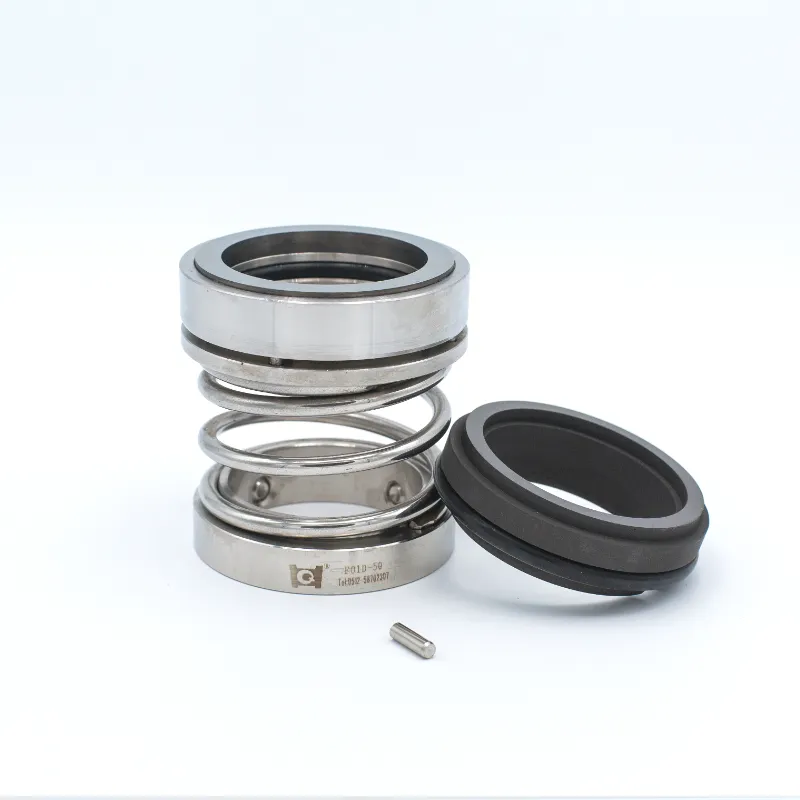
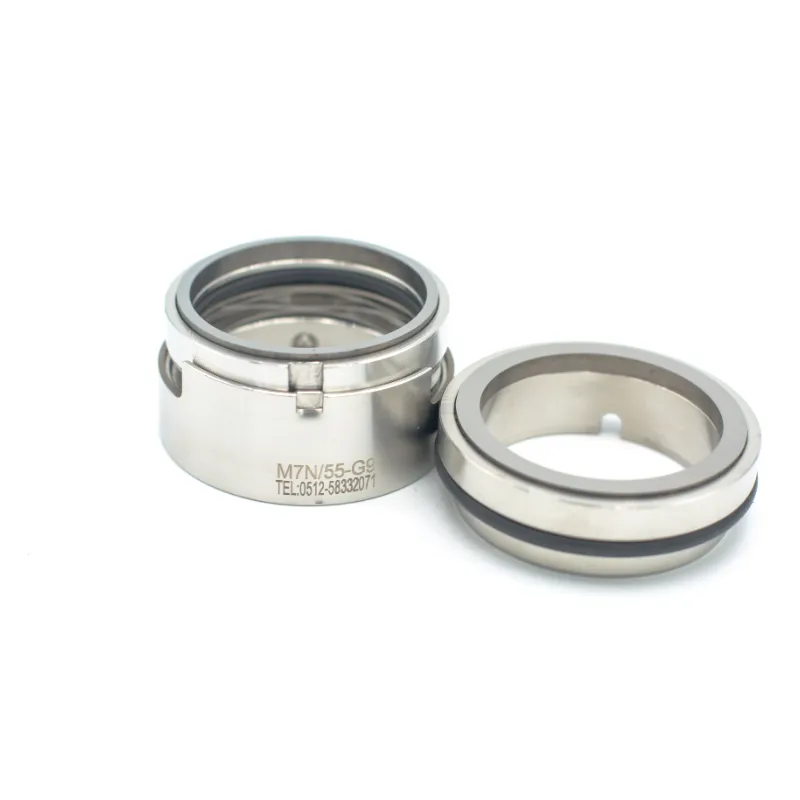
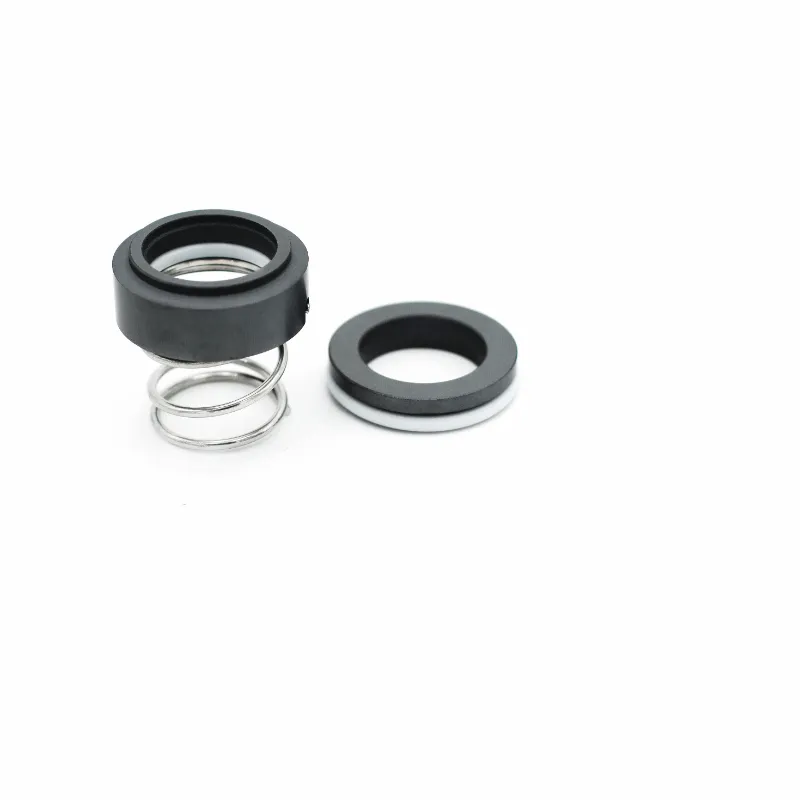
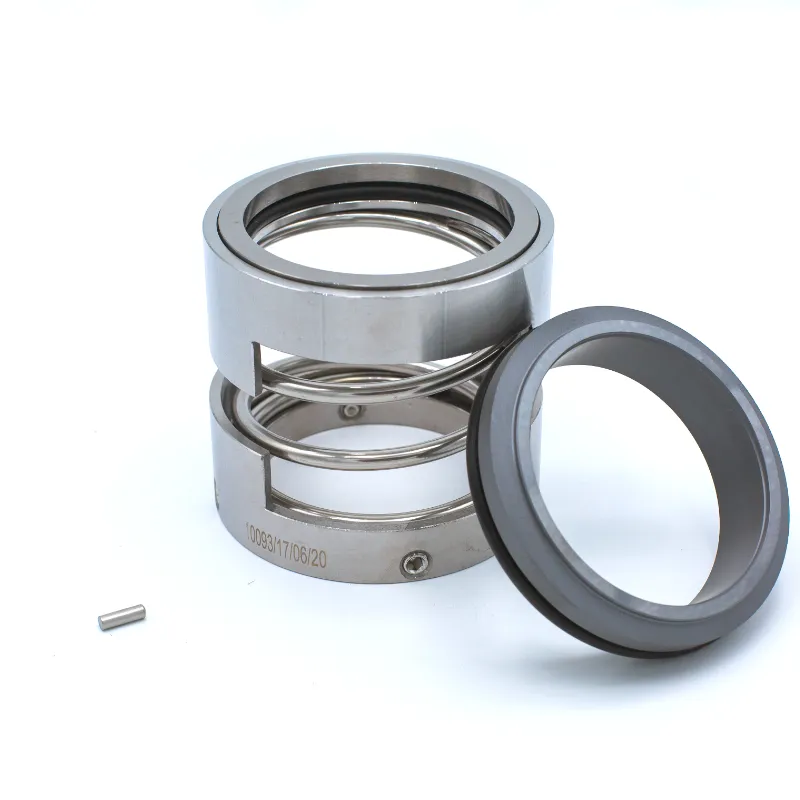
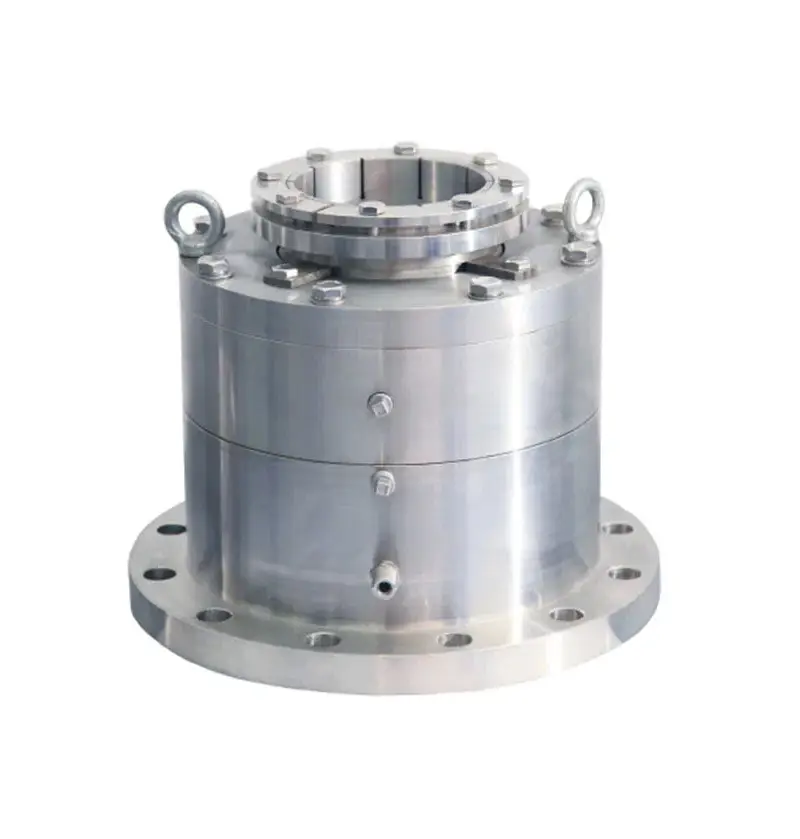
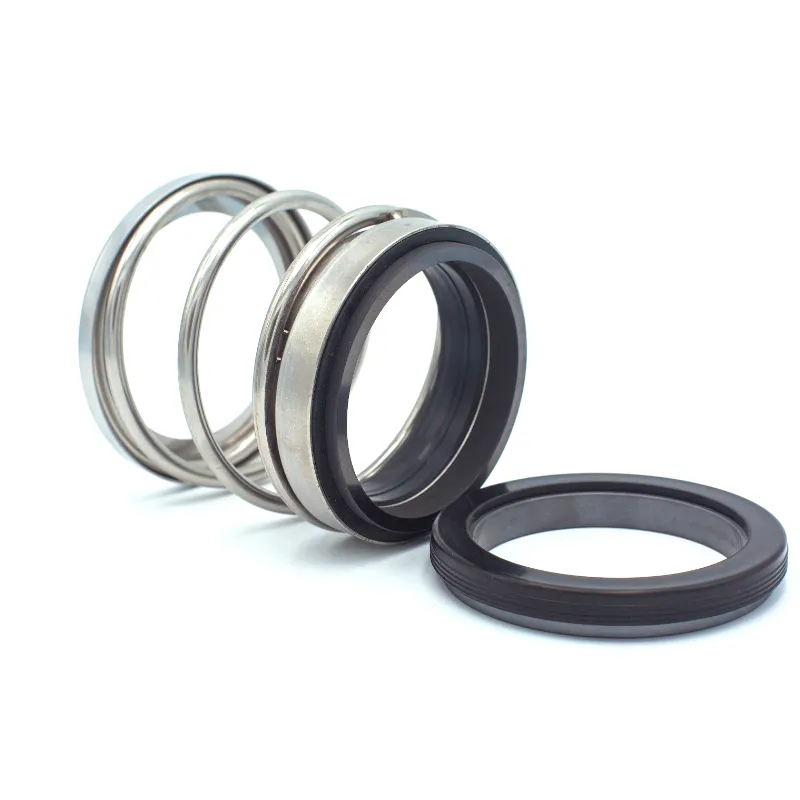
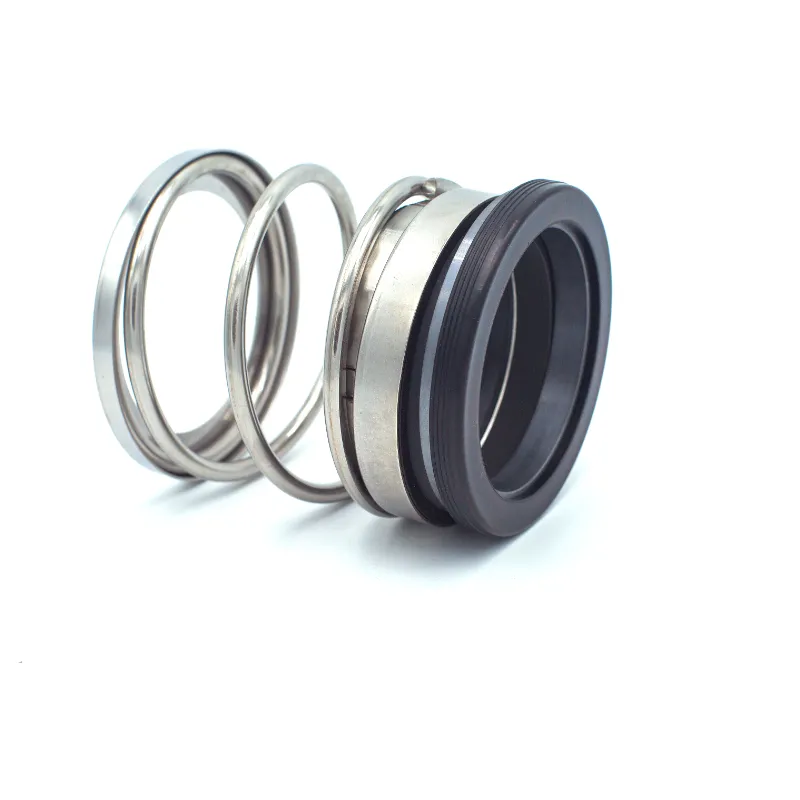
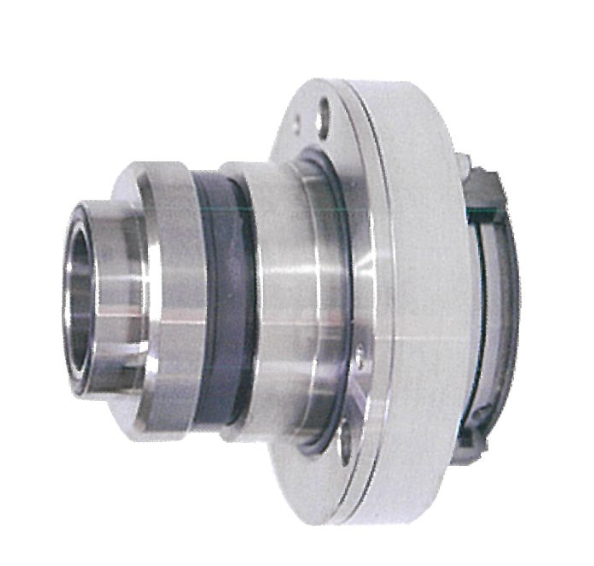
Mechanical seals for chemical industry represent critical components that ensure the safe and efficient operation of chemical processing equipment. These sophisticated sealing solutions serve as barriers between rotating and stationary parts in pumps, mixers, reactors, and other industrial machinery commonly found in chemical manufacturing facilities. The primary function of mechanical seals for chemical industry involves preventing the leakage of hazardous chemicals, maintaining process integrity, and protecting equipment from contamination. These seals operate by creating a controlled interface between two precisely machined surfaces, typically consisting of a rotating seal face attached to the shaft and a stationary face mounted in the equipment housing. The technological features of mechanical seals for chemical industry include advanced materials such as silicon carbide, tungsten carbide, and specialized elastomers that can withstand extreme temperatures, aggressive chemicals, and high pressures. Modern mechanical seals for chemical industry incorporate multiple barrier systems, temperature monitoring capabilities, and fail-safe mechanisms that alert operators to potential issues before catastrophic failure occurs. The sealing mechanism relies on a thin film of fluid between the seal faces, which provides lubrication while maintaining an effective barrier against leakage. Applications of mechanical seals for chemical industry span across various sectors including petrochemicals, pharmaceuticals, specialty chemicals, and wastewater treatment facilities. These seals are essential in centrifugal pumps handling corrosive acids, caustic solutions, organic solvents, and other aggressive media. The design variations include cartridge seals, component seals, split seals, and gas-lubricated seals, each tailored to specific operating conditions and chemical compatibility requirements. Environmental regulations and safety standards make mechanical seals for chemical industry indispensable for compliance with emission control requirements and worker safety protocols.

New Product Recommendations

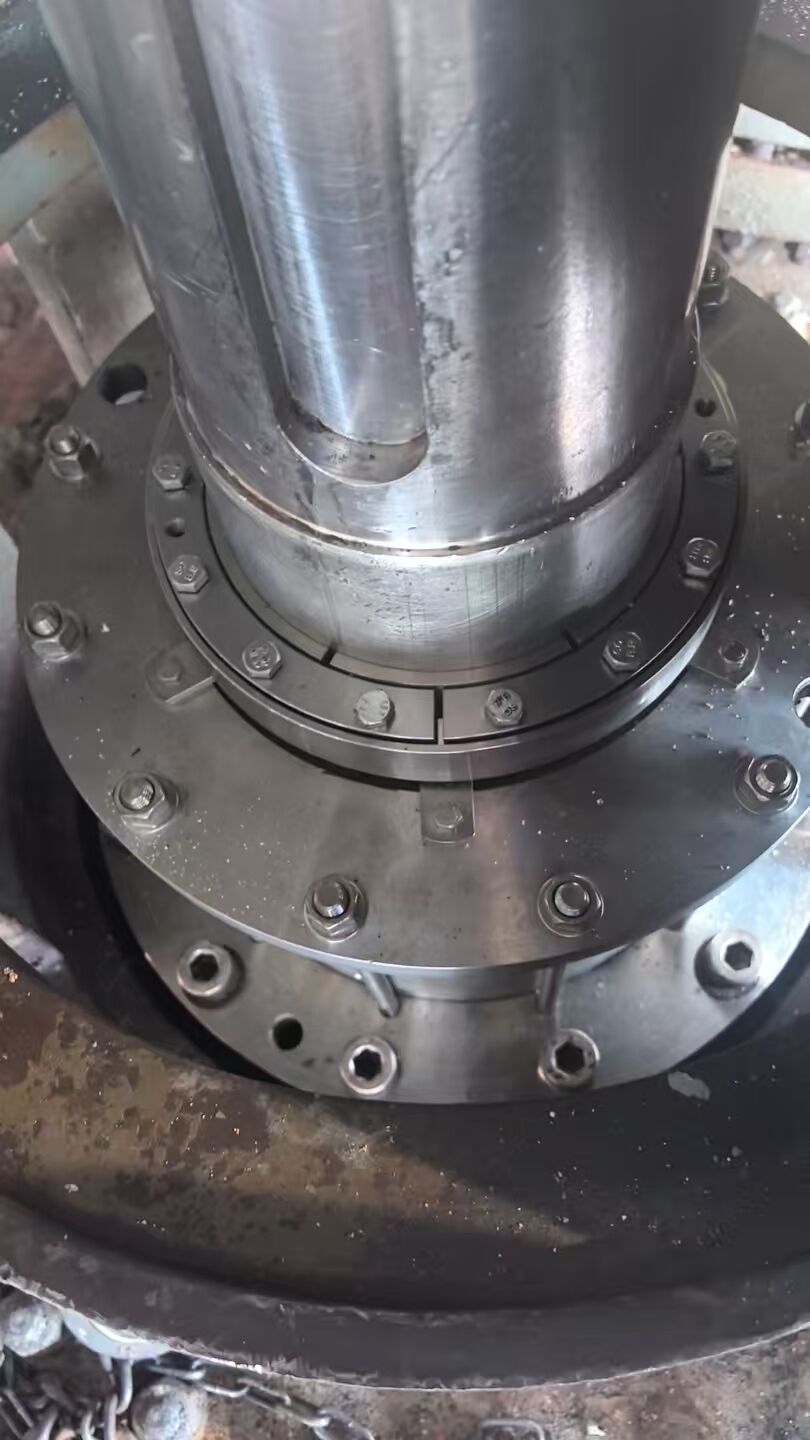
Mechanical seals for chemical industry offer numerous practical benefits that directly impact operational efficiency and cost-effectiveness for chemical processing facilities. The most significant advantage lies in their superior leak prevention capabilities compared to traditional packing methods. These seals virtually eliminate product loss, which translates to substantial cost savings when handling expensive chemicals or hazardous materials. The reduced leakage also minimizes environmental contamination risks and helps companies maintain compliance with strict regulatory standards. Mechanical seals for chemical industry demonstrate exceptional durability and longevity, often operating for years without requiring maintenance or replacement. This extended service life reduces downtime, maintenance costs, and the need for frequent seal changes that can disrupt production schedules. The reliability of these sealing systems ensures continuous operation, which is crucial for chemical processes that cannot be easily stopped and restarted. Energy efficiency represents another key advantage of mechanical seals for chemical industry. These seals generate significantly less friction compared to compression packing, resulting in reduced power consumption and lower operating temperatures. The decreased energy requirements contribute to overall cost reduction and support sustainability initiatives within chemical manufacturing operations. Safety improvements constitute a major benefit when implementing mechanical seals for chemical industry applications. The elimination of fugitive emissions protects workers from exposure to toxic or hazardous chemicals, creating a safer work environment and reducing liability concerns. The sealed system design prevents atmospheric contamination and groundwater pollution, addressing environmental protection requirements. Mechanical seals for chemical industry also provide enhanced process control and product quality. The absence of dilution water, which is often required with packing systems, maintains product concentration and purity. This advantage is particularly important in pharmaceutical and specialty chemical applications where product integrity is paramount. The precision engineering of these seals ensures consistent performance under varying operating conditions, contributing to process stability and predictable outcomes. Installation and maintenance procedures for mechanical seals for chemical industry have been streamlined through cartridge designs that simplify replacement procedures and reduce the skill level required for maintenance personnel.

Tips And Tricks

What Are the Different Types of Agitator Seals?

21

Jul

What Are the Different Types of Agitator Seals?

Exploring Sealing Solutions for Industrial Mixing Systems In industrial mixing applications, maintaining a controlled, leak-free environment is essential to ensure product quality, process efficiency, and safety. Agitator seals play a pivotal role in...
View More
Can High-Performance Mechanical Seals Reduce Maintenance Costs?

22

Dec

Can High-Performance Mechanical Seals Reduce Maintenance Costs?

Industrial facilities worldwide face mounting pressure to reduce operational costs while maintaining peak equipment performance. One critical component that significantly impacts maintenance expenses is the mechanical seal system used in pumps, compr...
View More
Cartridge Mechanical Seal Solutions for Zero-Error Maintenance

22

Dec

Cartridge Mechanical Seal Solutions for Zero-Error Maintenance

Industrial pump systems operate under extreme conditions where even minor seal failures can result in catastrophic downtime and costly repairs. The cartridge mechanical seal represents a revolutionary advancement in sealing technology, offering super...
View More
How Do Cartridge Mechanical Seals Simplify Installation Process?

13

Jan

How Do Cartridge Mechanical Seals Simplify Installation Process?

Modern industrial applications demand reliable sealing solutions that minimize downtime and reduce maintenance complexity. Cartridge Mechanical Seals have emerged as the preferred choice for engineers and maintenance professionals seeking efficient, ...
View More

Get a Free Quote

Our representative will contact you soon.
Email
Name
Company Name
Country/Region
Message
0/1000

mechanical seals for chemical industry

Advanced Material Technology for Extreme Chemical Resistance

Advanced Material Technology for Extreme Chemical Resistance

The cornerstone of effective mechanical seals for chemical industry lies in their advanced material technology, specifically engineered to withstand the most aggressive chemical environments encountered in industrial processing. These seals incorporate cutting-edge materials such as silicon carbide, tungsten carbide, carbon graphite, and specialized fluoropolymer compounds that demonstrate exceptional resistance to chemical attack, thermal shock, and mechanical wear. Silicon carbide faces, for instance, provide outstanding performance in applications involving strong acids, caustics, and abrasive slurries, while maintaining dimensional stability across wide temperature ranges. The material selection process for mechanical seals for chemical industry involves comprehensive compatibility testing against specific chemical media, ensuring long-term reliability and preventing premature failure due to chemical degradation. Advanced elastomer compounds, including perfluoroelastomers and ethylene propylene materials, resist swelling, cracking, and hardening when exposed to aggressive solvents and extreme temperatures. These materials maintain their sealing properties even when subjected to thermal cycling and chemical exposure that would quickly destroy conventional rubber components. The surface treatment technologies applied to mechanical seals for chemical industry further enhance their performance characteristics. Diamond-like carbon coatings, plasma treatments, and specialized surface texturing improve wear resistance and reduce friction, extending seal life while maintaining optimal sealing effectiveness. Quality control procedures ensure that each seal component meets stringent material specifications and dimensional tolerances, providing customers with confidence in product reliability. The investment in advanced materials technology translates directly into reduced maintenance costs, improved safety, and enhanced operational reliability for chemical processing facilities. These materials enable mechanical seals for chemical industry to operate successfully in applications that would be impossible with conventional sealing technologies, opening new possibilities for process optimization and equipment design.
Comprehensive Barrier Systems for Maximum Process Protection

Comprehensive Barrier Systems for Maximum Process Protection

Modern mechanical seals for chemical industry feature sophisticated barrier systems that provide multiple levels of protection against process fluid leakage and external contamination. These barrier systems represent a significant technological advancement over single-seal configurations, offering enhanced safety, environmental protection, and operational reliability in critical chemical processing applications. Double mechanical seals create two independent sealing barriers with an intermediate chamber that can be pressurized with a compatible barrier fluid, ensuring that process chemicals cannot escape to the atmosphere even if the primary seal faces experience wear or damage. The barrier fluid systems used in mechanical seals for chemical industry can be configured as Plan 52 pressurized systems, Plan 53A or 53B circulation systems, or Plan 54 external circulation systems, each designed to address specific application requirements and safety considerations. These configurations enable the seals to handle processes involving toxic, flammable, or environmentally sensitive chemicals while maintaining zero emissions to the atmosphere. Monitoring and detection systems integrated into mechanical seals for chemical industry provide real-time feedback on seal performance and barrier system integrity. Advanced monitoring technologies include temperature sensors, vibration detectors, and leak detection systems that alert operators to potential issues before they develop into serious problems. This predictive maintenance capability allows for planned maintenance activities rather than emergency repairs, reducing costs and minimizing production disruptions. The barrier systems also prevent process contamination by external materials, maintaining product purity and quality standards essential for pharmaceutical and specialty chemical applications. Nitrogen or other inert gas barriers can be employed in applications where liquid barrier fluids are not suitable, providing flexibility in system design and operation. The comprehensive nature of these barrier systems makes mechanical seals for chemical industry the preferred choice for high-consequence applications where failure could result in significant safety, environmental, or economic impacts.
Precision Engineering for Optimal Performance and Reliability

Precision Engineering for Optimal Performance and Reliability

The precision engineering that characterizes mechanical seals for chemical industry represents the culmination of decades of technological advancement and manufacturing expertise, resulting in sealing solutions that deliver exceptional performance and reliability in demanding chemical processing environments. The manufacturing processes employed in producing these seals involve ultra-precise machining techniques, including diamond turning, lapping, and polishing operations that achieve surface finishes measured in nanometers. This level of precision ensures that the sealing faces maintain optimal contact patterns and wear characteristics throughout their operational life. The dimensional tolerances maintained during production of mechanical seals for chemical industry typically fall within micrometers, ensuring proper fit and function when installed in chemical processing equipment. Advanced quality control systems, including coordinate measuring machines and laser interferometry, verify that each component meets exacting specifications before assembly. The precision engineering extends to the spring systems that provide the closing force necessary for effective sealing, with spring rates carefully calculated to maintain optimal face loading across the expected range of operating conditions. Hydraulic balance calculations ensure that mechanical seals for chemical industry operate within their design parameters regardless of system pressure fluctuations or temperature variations. This engineering precision translates into consistent seal performance and predictable service life, enabling maintenance personnel to plan replacement activities based on actual operating hours rather than unexpected failures. The cartridge design philosophy employed in many mechanical seals for chemical industry incorporates precision-engineered components into pre-assembled units that eliminate installation errors and reduce the time required for maintenance activities. This approach ensures that the precision achieved during manufacturing is maintained through installation and operation, maximizing the return on investment for chemical processing facilities. The engineering excellence demonstrated in these sealing solutions reflects the commitment of manufacturers to provide customers with products that exceed performance expectations while minimizing total cost of ownership through extended service life and reduced maintenance requirements.

Get a Free Quote

Our representative will contact you soon.
Email
Name
Company Name
Country/Region
Message
0/1000