Advanced Mechanical Seals for Spacecraft: Zero-Maintenance Space-Grade Sealing Solutions

Get a Free Quote

Our representative will contact you soon.
Email
Name
Company Name
Message
0/1000

Mechanical Seals for Spacecraft

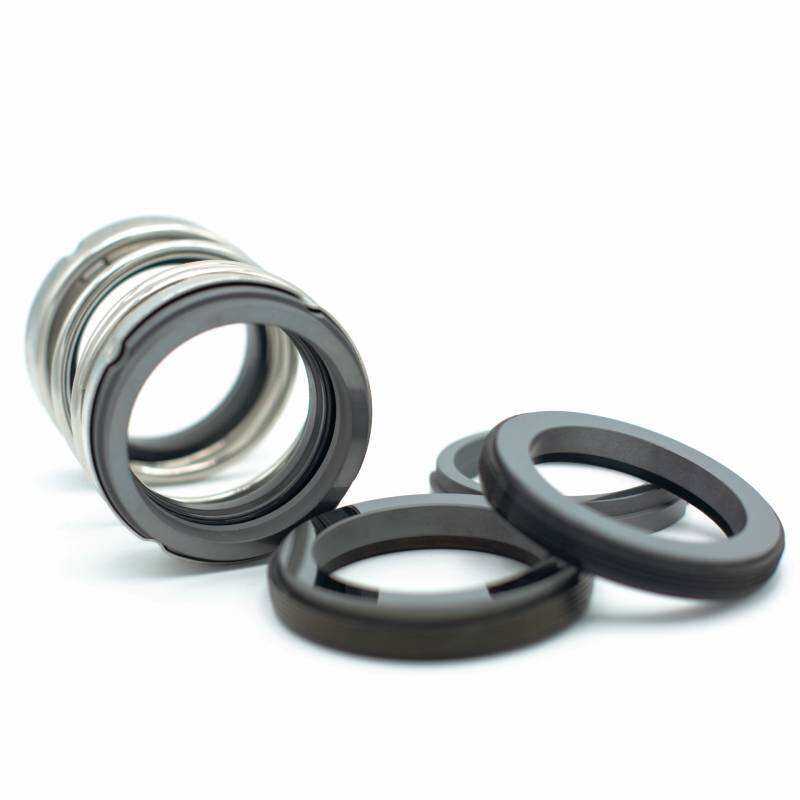
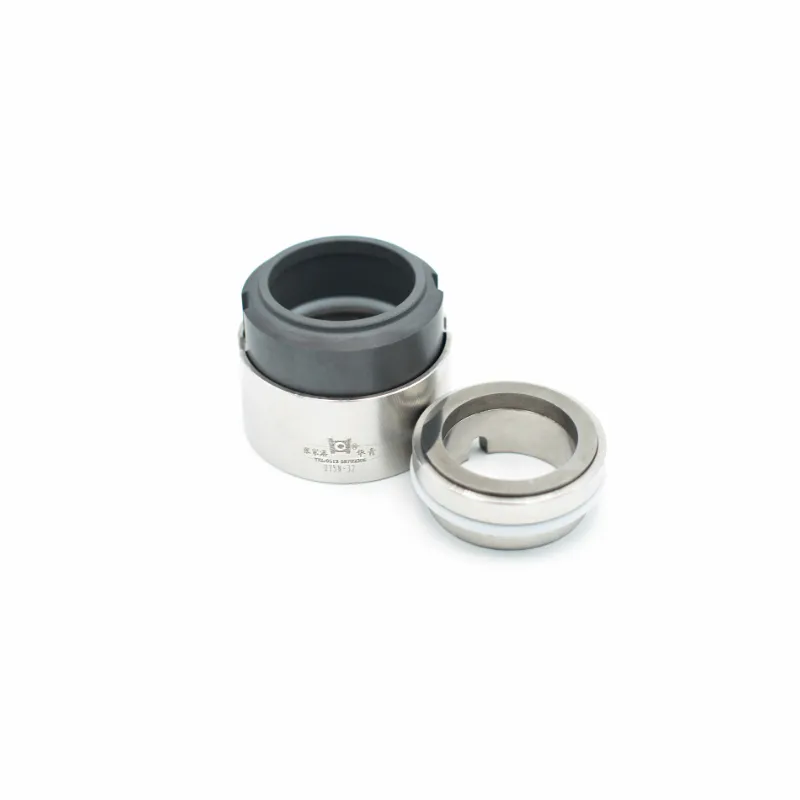
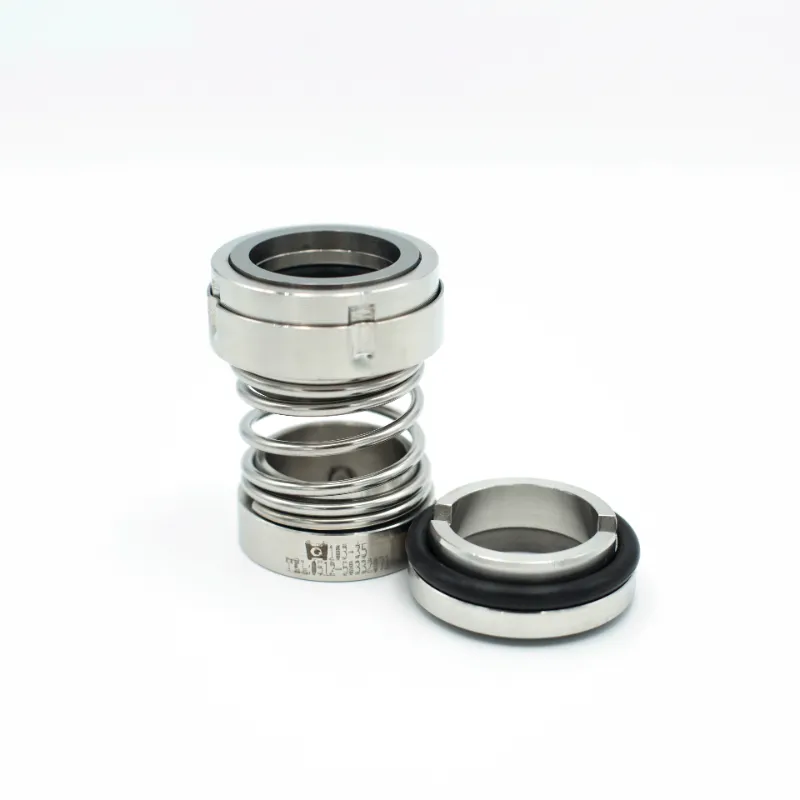
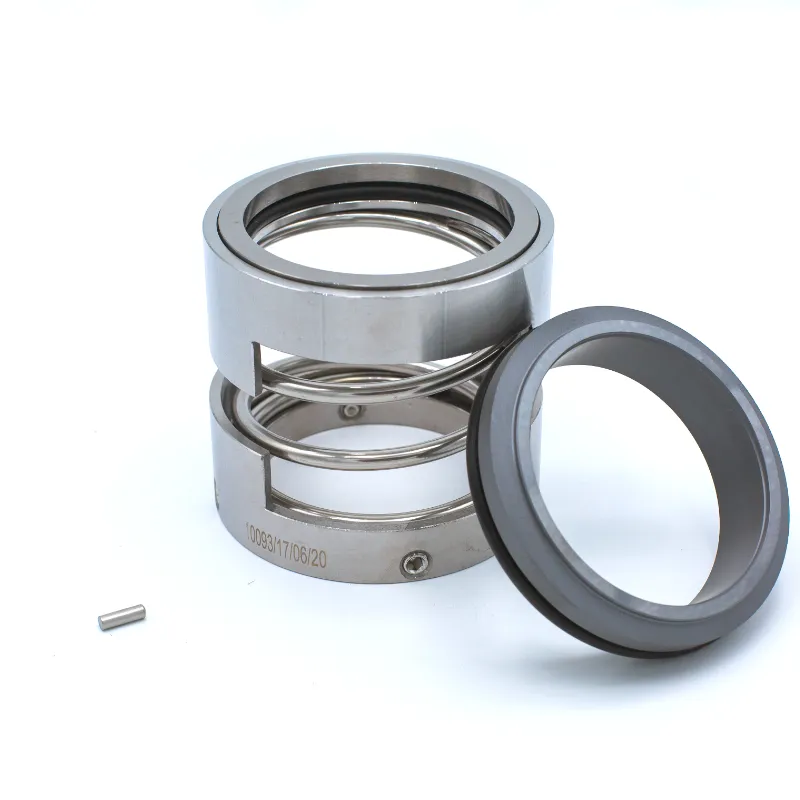
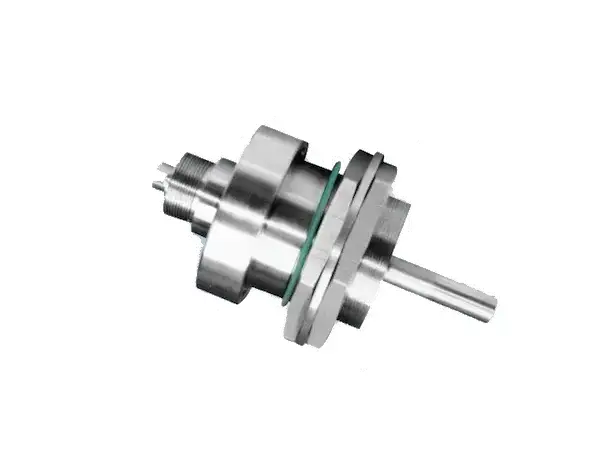
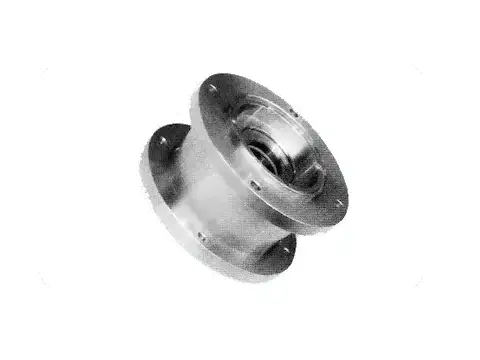
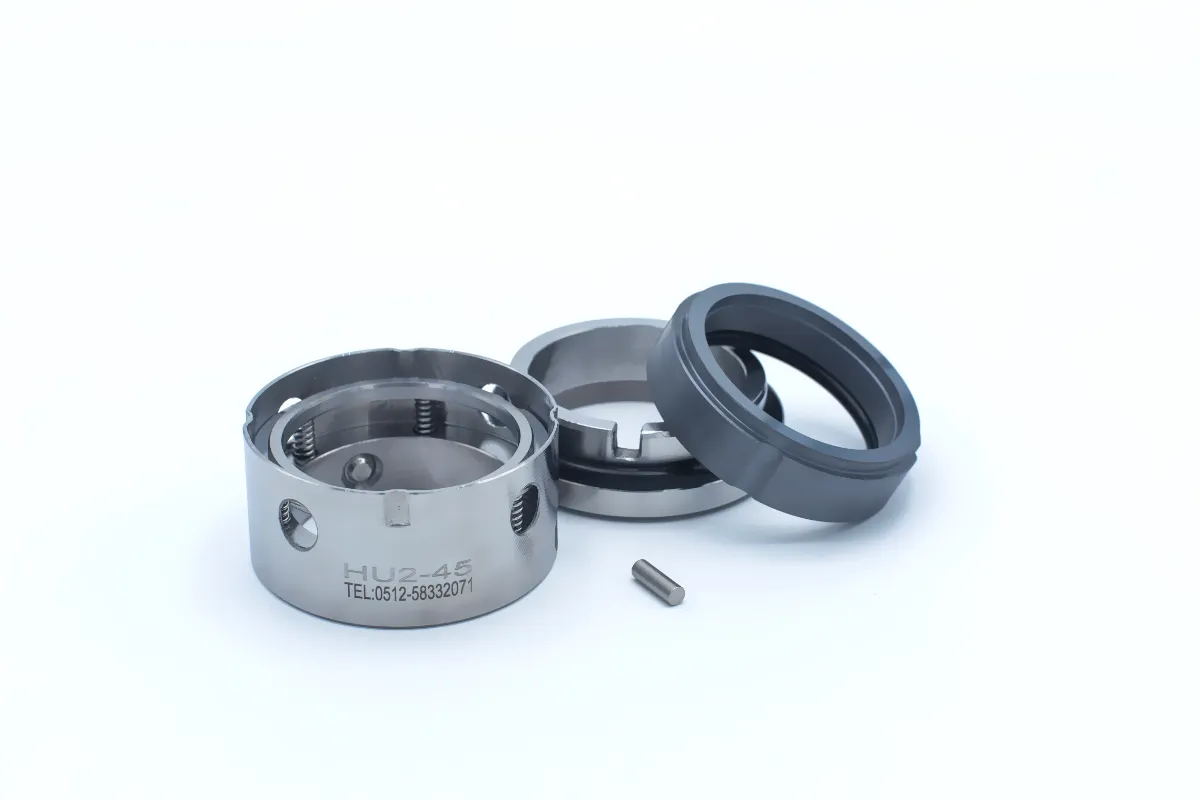
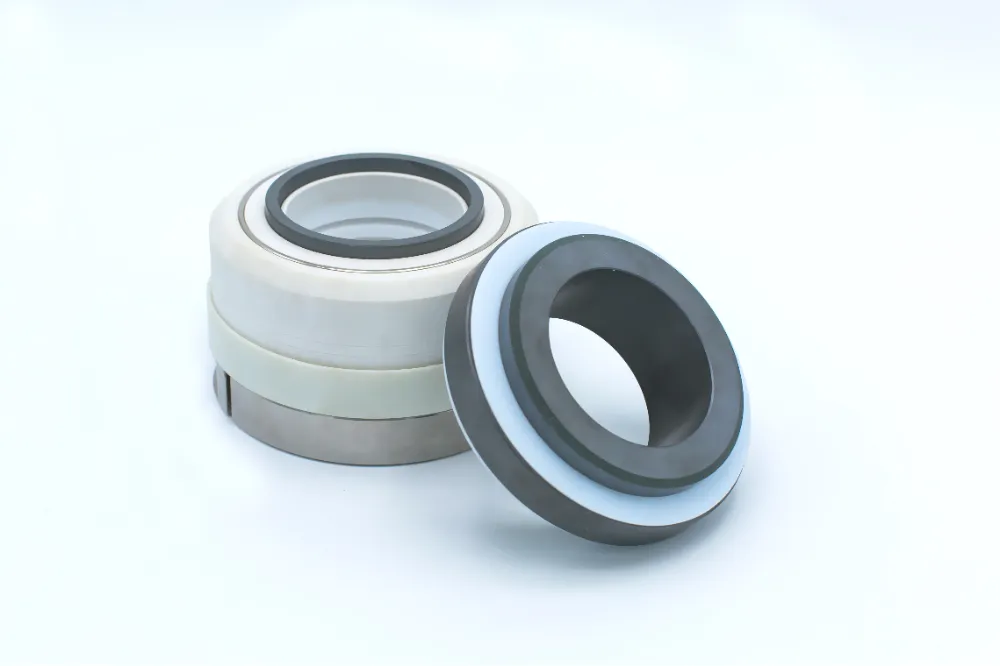
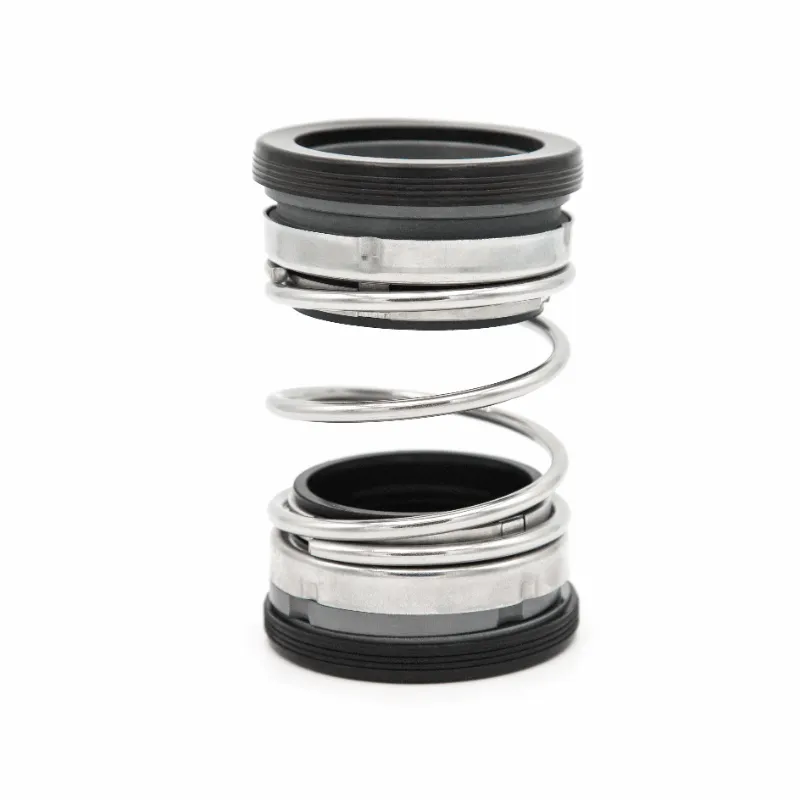
Mechanical Seals for Spacecraft represent a critical component in aerospace engineering, designed to maintain pressure differentials and prevent fluid leakage in the extreme conditions of space environments. These specialized sealing systems serve essential functions in spacecraft propulsion systems, life support mechanisms, and various fluid handling applications where reliability is paramount. The primary function of Mechanical Seals for Spacecraft involves creating a secure barrier between rotating and stationary components, ensuring that pressurized fluids remain contained while preventing contamination from external sources. These seals must operate flawlessly in vacuum conditions, extreme temperature variations, and intense radiation exposure that characterize space environments. The technological features of Mechanical Seals for Spacecraft include advanced materials specifically engineered for space applications, such as specialized polymers, ceramics, and metal alloys that maintain their properties across wide temperature ranges. These seals incorporate sophisticated design elements including balanced configurations that minimize contact pressure, reducing wear and extending operational life. The sealing faces are precision-manufactured to extremely tight tolerances, often measured in micrometers, ensuring optimal contact and sealing performance. Applications for Mechanical Seals for Spacecraft span across multiple spacecraft systems including rocket engines, satellite propulsion units, space station environmental control systems, and scientific instrument cooling loops. In propulsion applications, these seals contain high-pressure fuels and oxidizers while withstanding the intense vibrations and thermal cycling associated with engine operation. For life support systems, Mechanical Seals for Spacecraft ensure the integrity of air and water circulation systems that maintain habitable environments for astronauts during extended missions.

Popular Products

The advantages of Mechanical Seals for Spacecraft extend far beyond conventional sealing solutions, offering spacecraft manufacturers and operators significant practical benefits that directly impact mission success and cost-effectiveness. These specialized seals deliver exceptional reliability in the harsh environment of space, where maintenance and repairs are impossible once a mission begins. The robust construction ensures continuous operation throughout extended mission durations, eliminating the risk of seal failure that could compromise entire spacecraft systems. Mechanical Seals for Spacecraft provide superior leak-tight performance compared to alternative sealing methods, maintaining zero-leakage standards essential for spacecraft operations where even minor fluid loss can affect mission parameters and safety margins. This leak-proof capability protects valuable propellants, life support fluids, and coolants from being lost to the vacuum of space, directly contributing to mission longevity and success rates. The advanced materials used in Mechanical Seals for Spacecraft resist degradation from radiation exposure, temperature extremes, and chemical interactions with spacecraft fluids. This resistance translates to predictable performance throughout the mission lifecycle, allowing engineers to design systems with confidence and reducing the need for oversized backup systems. The precision engineering of these seals enables spacecraft designers to optimize system weights and volumes, crucial factors in space applications where every gram matters and launch costs are substantial. Mechanical Seals for Spacecraft offer excellent compatibility with a wide range of spacecraft fluids including exotic propellants, cryogenic liquids, and specialized coolants used in space applications. This versatility simplifies spacecraft design by allowing engineers to specify a single seal type across multiple systems, reducing inventory complexity and spare parts requirements. The seals maintain their sealing integrity across the extreme temperature variations encountered in space, from the deep cold of shadowed regions to the intense heat of direct solar exposure. This temperature stability ensures consistent performance regardless of orbital position or spacecraft orientation, providing operators with predictable system behavior throughout all mission phases.

Tips And Tricks

Choosing the Right Agitator Seal for High-Viscosity Mixing

21

Jul

Choosing the Right Agitator Seal for High-Viscosity Mixing

Ensuring Performance in High-Viscosity Mixing Applications In industrial mixing processes involving high-viscosity fluids, reliable sealing is a fundamental requirement. The dynamic conditions in such systems—marked by increased torque, intense...
View More
What Is Agitator Seal Pressure and Why It Matters in Industrial Equipment?

06

Aug

What Is Agitator Seal Pressure and Why It Matters in Industrial Equipment?

Importance of Pressure Control in Industrial Sealing Systems Industrial processes often involve extreme conditions—high temperatures, intense pressures, and reactive chemicals. To maintain system safety and ensure reliable performance, manufac...
View More
Key Features of High-Performance Agitator Seal Pressure Systems

06

Aug

Key Features of High-Performance Agitator Seal Pressure Systems

Ensuring Long-Term Efficiency in Industrial Sealing In the world of industrial processing, maintaining system integrity under various operational stresses is a continuous challenge. One of the most vital components for achieving this reliability is t...
View More
Agitator Seal Pressure Applications in Chemical and Pharmaceutical Plants

06

Aug

Agitator Seal Pressure Applications in Chemical and Pharmaceutical Plants

Importance of Sealing Integrity in Industrial Processing Environments In chemical and pharmaceutical plants, the integrity of sealing systems is vital for ensuring safety, process efficiency, and product quality. A small leakage or contamination due ...
View More

Get a Free Quote

Our representative will contact you soon.
Email
Name
Company Name
Country/Region
Message
0/1000

Mechanical Seals for Spacecraft

Ultra-Low Outgassing Properties for Space Environment Compatibility

Ultra-Low Outgassing Properties for Space Environment Compatibility

Mechanical Seals for Spacecraft feature exceptional ultra-low outgassing properties that make them indispensable for sensitive space applications where material emissions can contaminate optical instruments, solar panels, and scientific equipment. Traditional sealing materials often release volatile compounds when exposed to vacuum conditions, creating a molecular cloud around spacecraft that can interfere with precision instruments and degrade surface coatings over time. The specialized materials used in Mechanical Seals for Spacecraft undergo rigorous testing and selection processes to ensure their outgassing rates meet stringent NASA and ESA standards for space-qualified components. These seals utilize advanced polymer compounds and surface treatments that maintain their molecular structure in vacuum environments, preventing the release of contaminants that could compromise mission objectives. The manufacturing process for these seals includes specialized curing and conditioning procedures that eliminate residual solvents and unstable molecular chains before the seals reach their final form. This attention to outgassing control becomes particularly critical in applications involving sensitive scientific instruments, telescope mirrors, and communication equipment where even trace contamination can significantly impact performance. Spacecraft operators benefit from this feature through extended instrument life, maintained optical clarity, and reduced risk of mission-critical failures due to contamination-related issues. The ultra-low outgassing properties of Mechanical Seals for Spacecraft also contribute to maintaining clean environments within spacecraft habitable areas, protecting both equipment and crew from harmful vapors that conventional seals might release. Quality control procedures for these seals include mass spectrometry testing to verify outgassing compliance, ensuring each seal meets the strict requirements for space deployment. This comprehensive approach to contamination control represents a significant advancement over traditional sealing solutions and provides spacecraft designers with confidence that their sealing systems will not compromise other spacecraft subsystems through unwanted material emissions.
Extreme Temperature Cycling Resistance for Orbital Operations

Extreme Temperature Cycling Resistance for Orbital Operations

The extreme temperature cycling resistance of Mechanical Seals for Spacecraft addresses one of the most challenging aspects of space operations, where components must function reliably despite experiencing temperature swings that can exceed 250 degrees Celsius between sunlight and shadow conditions. Unlike terrestrial applications where temperature changes occur gradually, spacecraft experience rapid thermal transitions as they orbit Earth or travel through space, creating severe thermal stress on all components including sealing systems. Mechanical Seals for Spacecraft incorporate advanced material science and engineering design principles to accommodate these extreme thermal cycles without losing their sealing integrity or mechanical properties. The seal materials undergo specialized heat treatment processes that optimize their molecular structure for thermal stability, while the mechanical design includes thermal expansion compensation features that maintain proper contact pressure across the full temperature range. These seals utilize differential thermal expansion principles in their construction, where various components are engineered to expand and contract at complementary rates, maintaining optimal sealing geometry throughout thermal cycling. The benefits of this temperature cycling resistance extend beyond simple functionality to include extended mission life and reduced risk of catastrophic seal failure during critical mission phases. Spacecraft operators gain significant advantages through this capability, as their systems remain operational and reliable regardless of orbital position, solar exposure conditions, or seasonal variations in solar intensity. The testing protocols for Mechanical Seals for Spacecraft include thousands of thermal cycles that simulate years of orbital operation, ensuring that the seals maintain their performance characteristics throughout extended missions. This thermal resilience eliminates the need for thermal management systems specifically designed to protect seals, reducing spacecraft complexity, weight, and power consumption while improving overall system reliability. The engineering expertise required to achieve this level of thermal performance represents decades of research and development in space-grade materials and precision manufacturing techniques, making these seals a critical enabling technology for modern spacecraft design.
Zero-Maintenance Operation for Extended Mission Duration

Zero-Maintenance Operation for Extended Mission Duration

The zero-maintenance operation capability of Mechanical Seals for Spacecraft represents a fundamental requirement for space applications where physical access for repairs, adjustments, or component replacement is impossible once a mission begins. This capability distinguishes space-grade seals from their terrestrial counterparts, which often require periodic maintenance, lubrication, or adjustment to maintain optimal performance over time. Mechanical Seals for Spacecraft achieve this maintenance-free operation through advanced self-lubricating materials, precision manufacturing tolerances, and robust design principles that eliminate wear mechanisms common in conventional sealing systems. The materials selected for these seals possess inherent lubricity properties that reduce friction and wear without requiring external lubricants that might degrade, freeze, or evaporate in space conditions. The manufacturing precision of Mechanical Seals for Spacecraft ensures that all components fit together with exacting tolerances, minimizing stress concentrations and wear patterns that could lead to premature failure or performance degradation. Design features include balanced seal configurations that distribute contact forces evenly across sealing surfaces, preventing localized wear that could compromise seal integrity over time. The value proposition for spacecraft operators includes significantly reduced mission risk, as there are no scheduled maintenance requirements that could interrupt operations or require complex robotic maintenance systems. This reliability translates directly into mission success rates and cost-effectiveness, as spacecraft can operate for their full design life without seal-related failures or performance degradation. The engineering verification process for zero-maintenance operation includes extensive life testing under simulated space conditions, where seals must demonstrate stable performance for periods equivalent to entire mission durations without any intervention or adjustment. Quality assurance protocols ensure that each Mechanical Seals for Spacecraft unit meets these stringent reliability standards before deployment, providing operators with confidence that their sealing systems will perform flawlessly throughout even the most demanding space missions. This maintenance-free capability enables spacecraft designers to focus resources on primary mission objectives rather than developing complex maintenance systems, ultimately improving overall mission efficiency and success probability.

Get a Free Quote

Our representative will contact you soon.
Email
Name
Company Name
Country/Region
Message
0/1000