Cryogenic mechanical seals
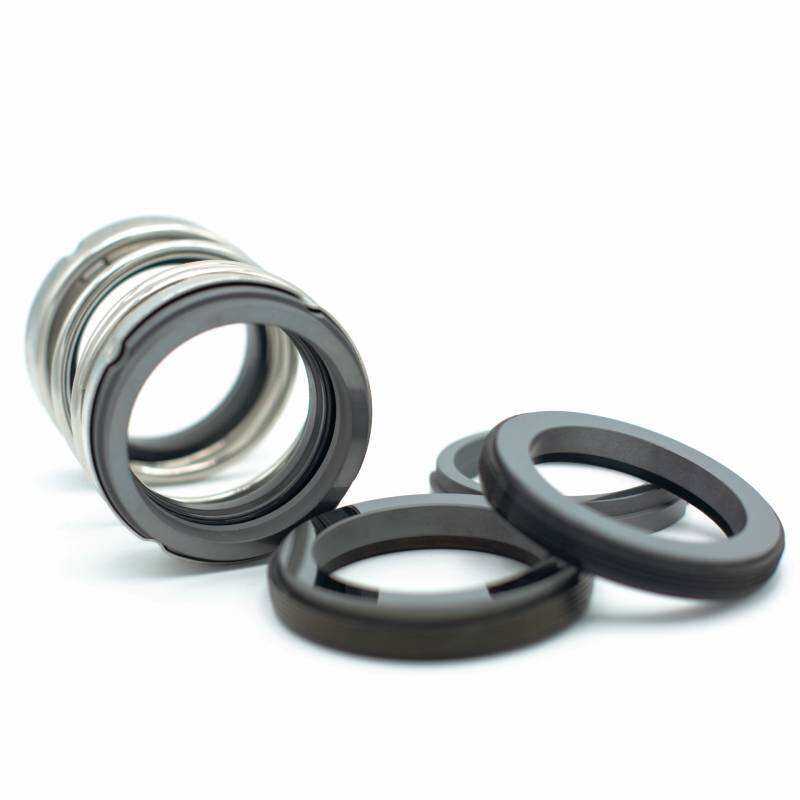
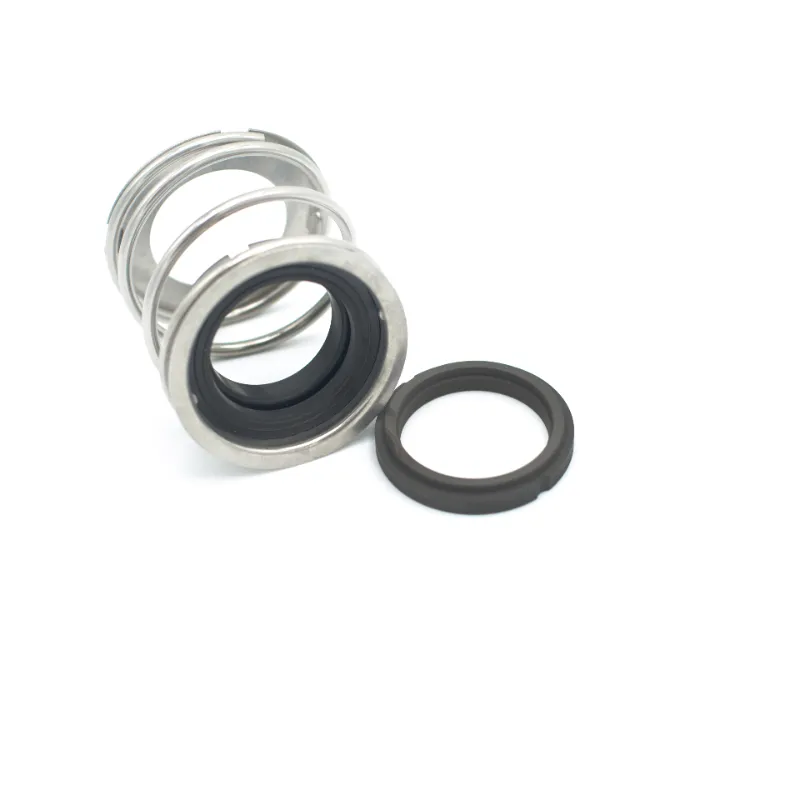
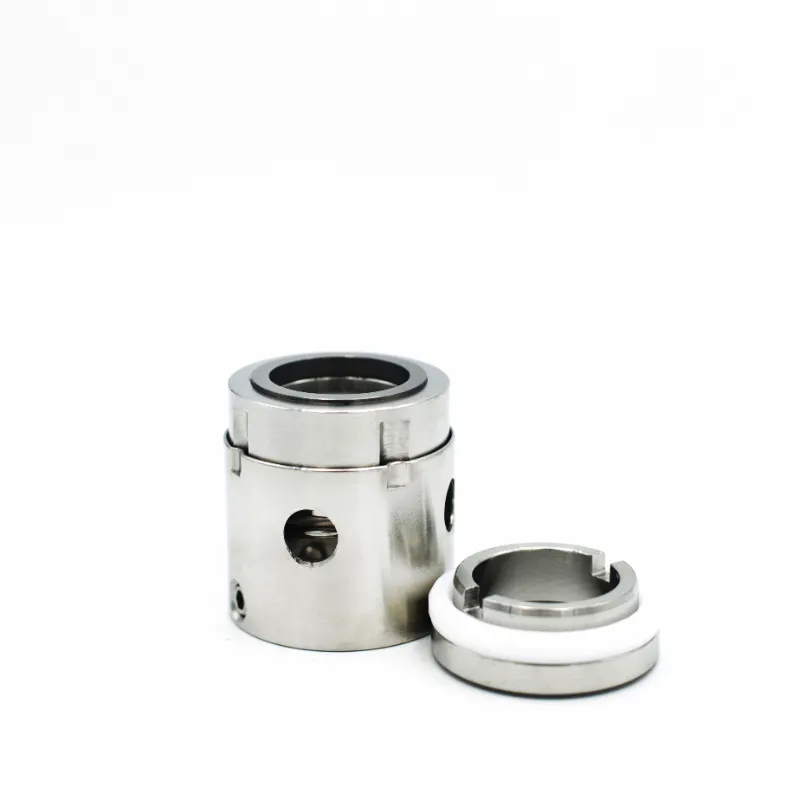
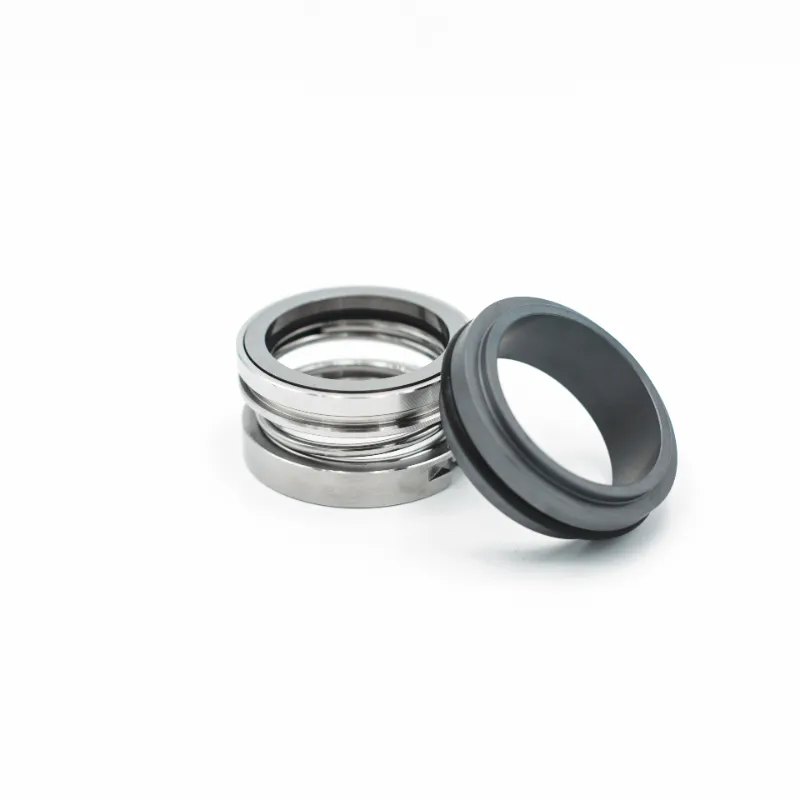
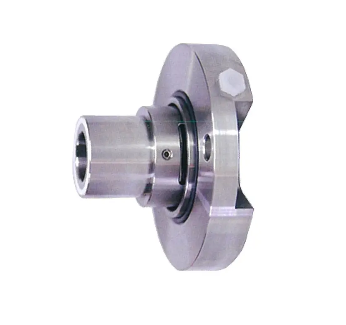
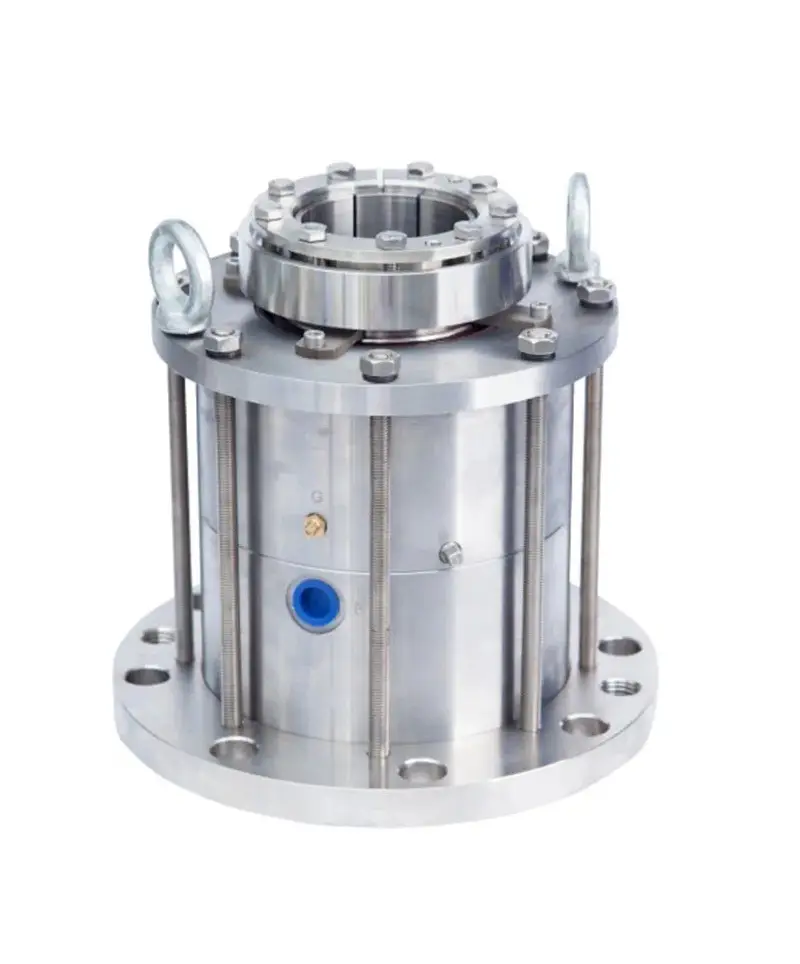
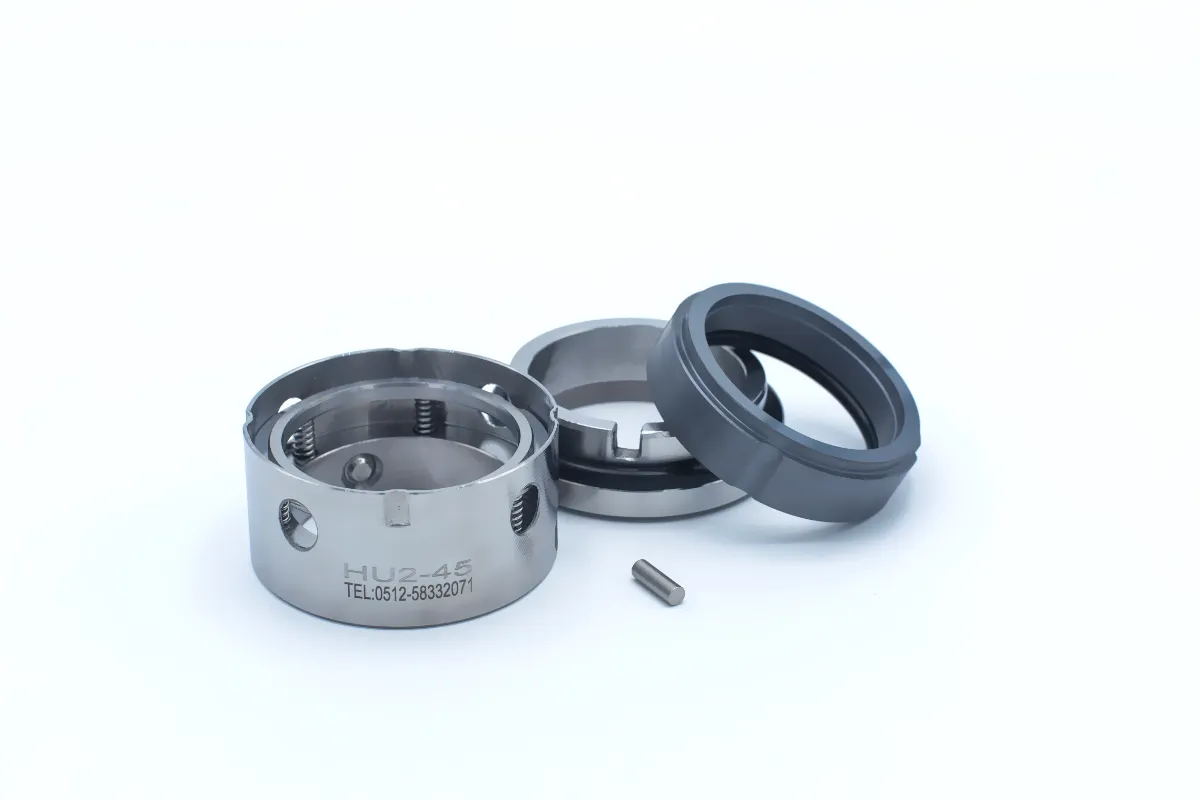
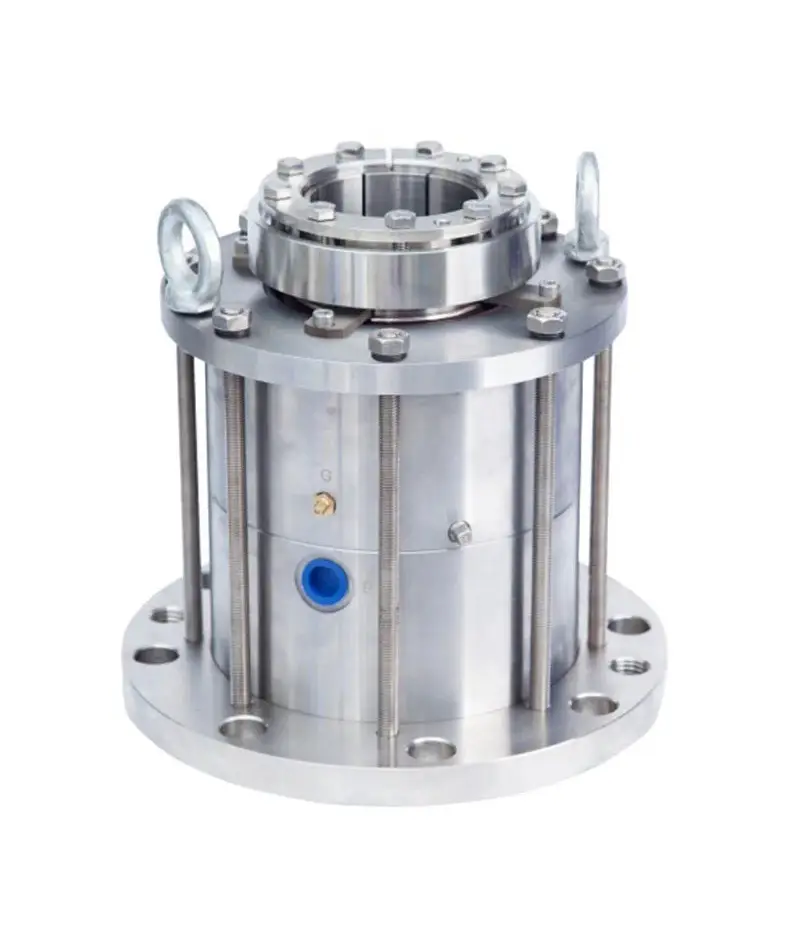
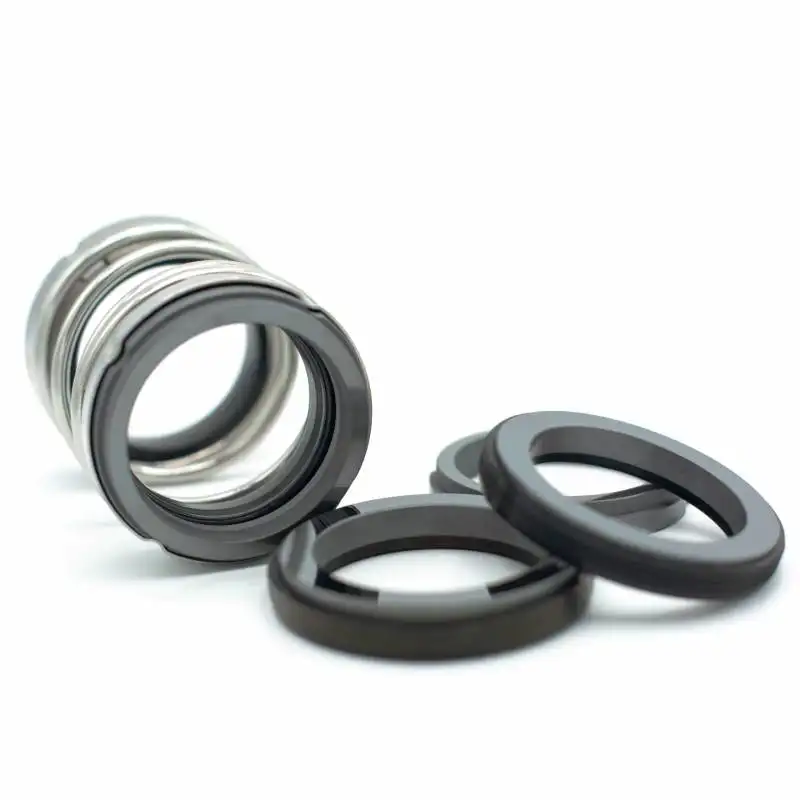
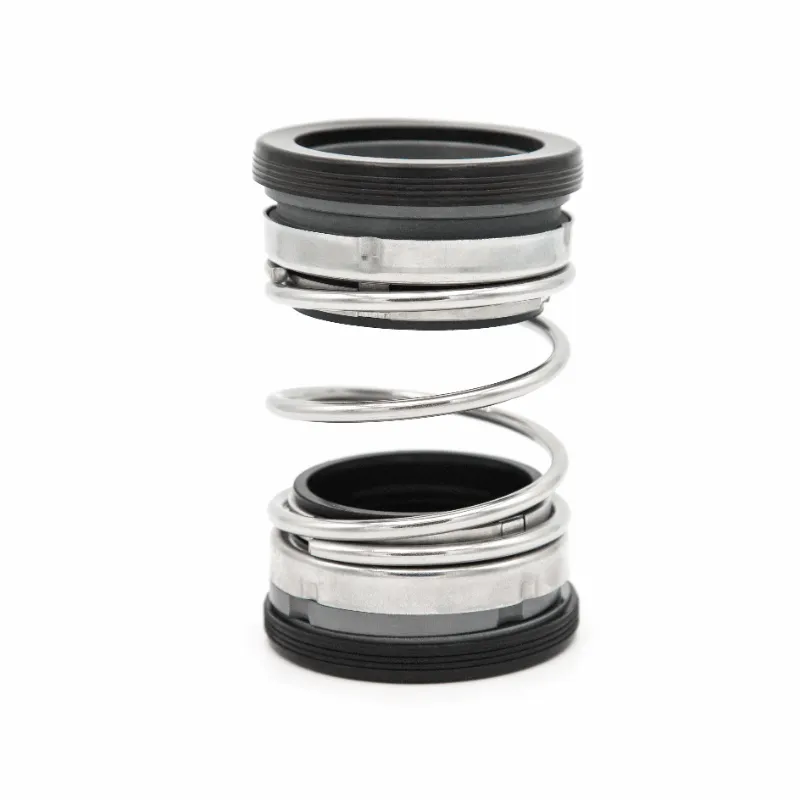
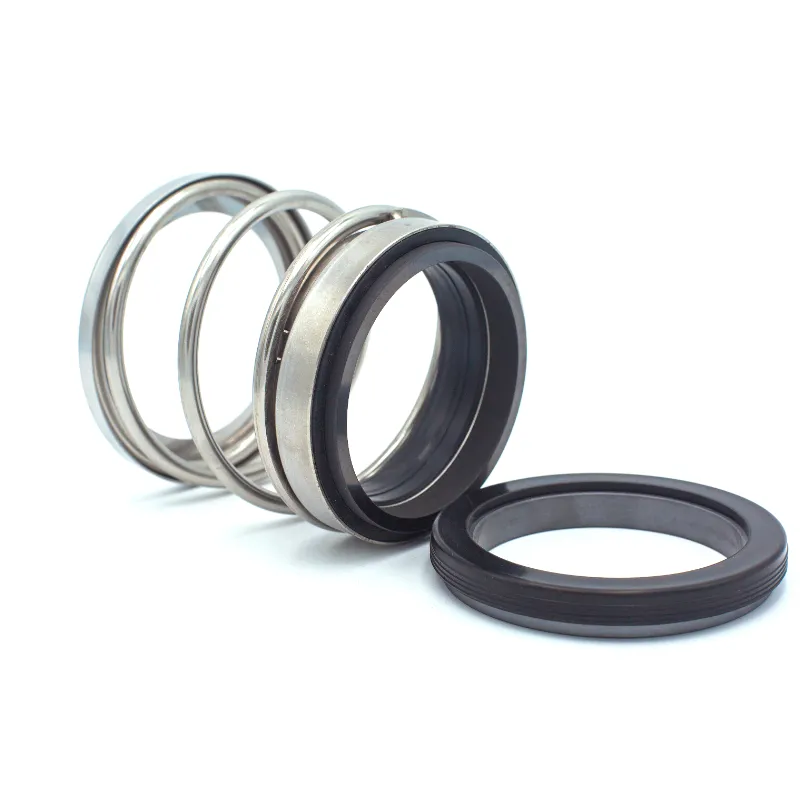
Cryogenic mechanical seals represent a specialized category of sealing solutions designed to operate effectively in extremely low-temperature environments, typically ranging from -200°C to -273°C. These advanced sealing systems serve as critical components in applications involving liquefied gases such as liquid nitrogen, liquid oxygen, liquid hydrogen, and liquefied natural gas (LNG). The primary function of cryogenic mechanical seals is to prevent leakage between rotating and stationary components while maintaining optimal performance under severe thermal conditions that would cause conventional seals to fail catastrophically. The technological architecture of cryogenic mechanical seals incorporates several distinctive features that enable reliable operation in ultra-low temperature conditions. These seals utilize specialized materials with excellent thermal shock resistance and dimensional stability at cryogenic temperatures. The seal faces are typically manufactured from carbon graphite, silicon carbide, or tungsten carbide, materials chosen for their ability to maintain structural integrity and sealing effectiveness when subjected to rapid temperature fluctuations. The secondary sealing elements employ elastomers or PTFE compounds specifically formulated to retain flexibility and sealing properties at extremely low temperatures. Advanced designs incorporate thermal isolation features that minimize heat transfer between the process fluid and the seal components, preventing ice formation and thermal stress. The spring systems use materials with consistent spring rates across wide temperature ranges, ensuring proper seal face loading throughout the operating envelope. Cryogenic mechanical seals find extensive applications across multiple industries where low-temperature processes are essential. In the aerospace industry, these seals are crucial for rocket fuel systems handling liquid hydrogen and liquid oxygen. Chemical processing plants utilize them in air separation units, ethylene production facilities, and specialty gas manufacturing operations. The energy sector employs cryogenic mechanical seals in LNG terminals, regasification facilities, and natural gas liquefaction plants. Medical and research applications include MRI cooling systems, laboratory equipment, and cryogenic storage vessels. Food processing industries use these seals in flash-freezing systems and nitrogen injection equipment, while semiconductor manufacturing relies on them for ultra-pure gas delivery systems and etching processes.
 EN
EN