Agitator Seals for Chemical Industry
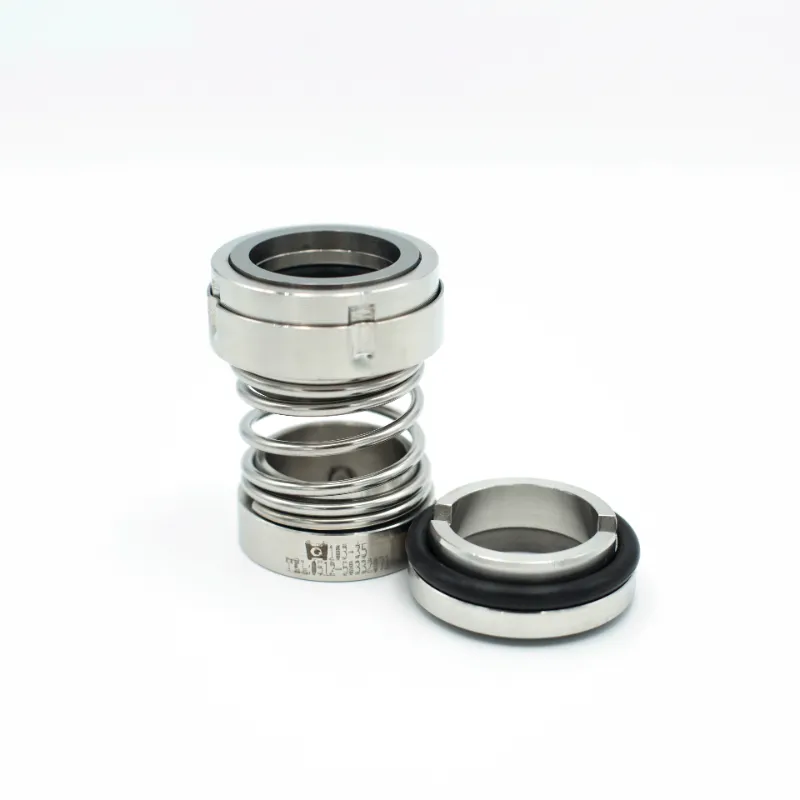
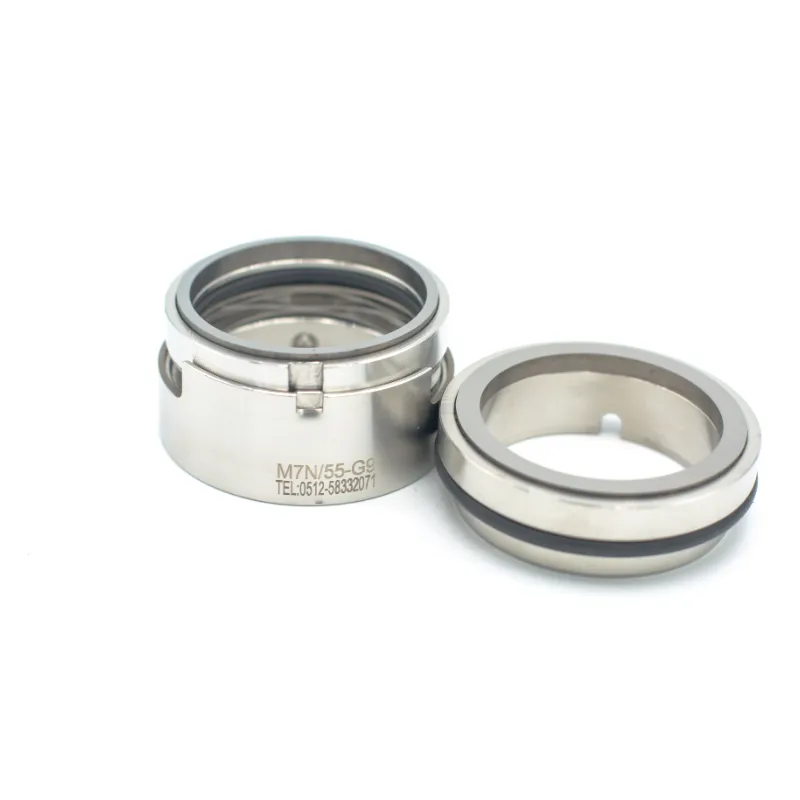
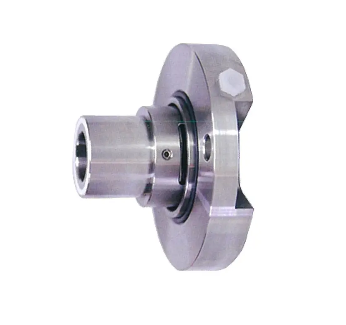
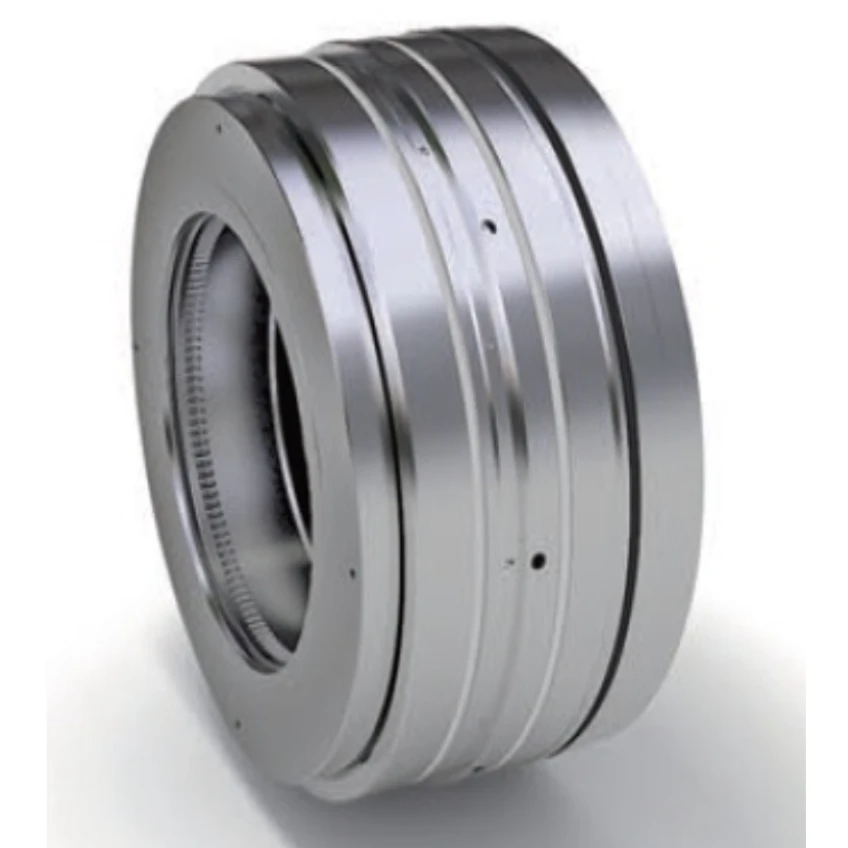
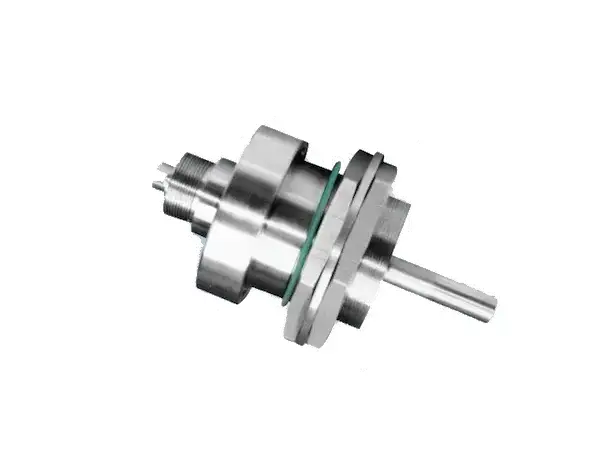
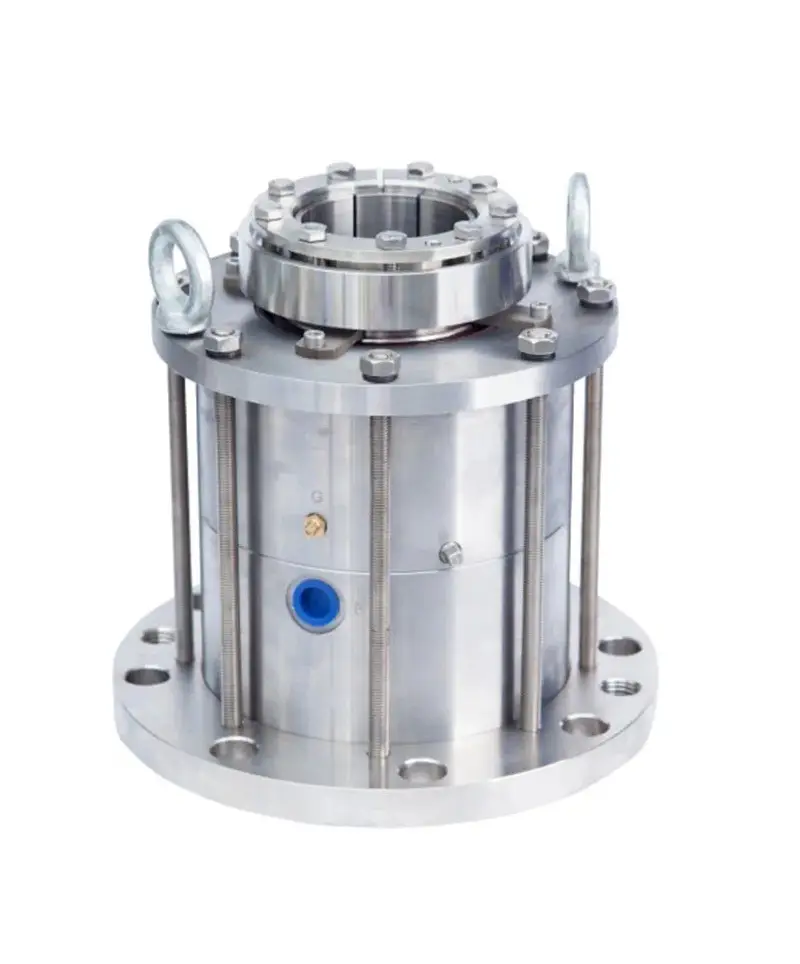
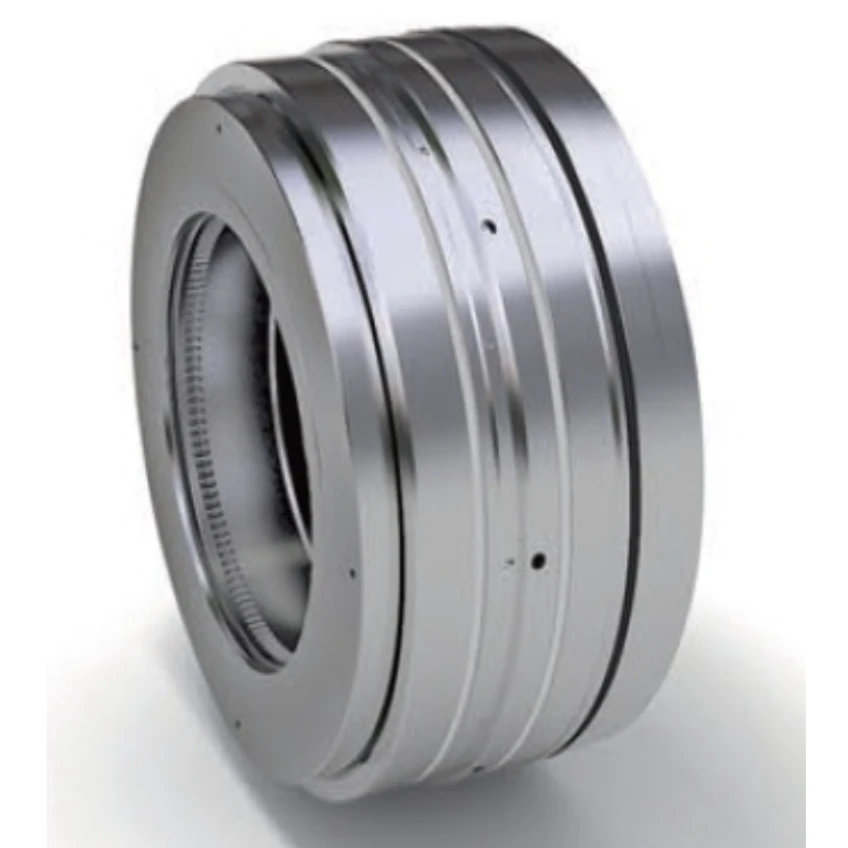
Agitator Seals for Chemical Industry represent critical components designed to prevent leakage and contamination in chemical processing equipment. These specialized sealing solutions create a reliable barrier between rotating agitator shafts and stationary vessel walls, ensuring process integrity and environmental safety. The primary function of Agitator Seals for Chemical Industry involves maintaining proper separation between hazardous chemicals and the external environment while allowing smooth rotational movement of mixing equipment. These seals effectively contain aggressive chemicals, corrosive substances, and toxic materials within processing vessels, preventing dangerous exposures and costly product losses. Technological features of modern Agitator Seals for Chemical Industry include advanced materials such as silicon carbide, tungsten carbide, and specialized elastomers that resist chemical degradation. Double mechanical seal configurations provide redundant protection, featuring primary and secondary sealing faces with barrier fluid systems. Spring-loaded designs maintain consistent contact pressure across varying operating conditions, while balanced seal arrangements reduce shaft loading and extend operational life. Temperature compensation mechanisms allow these seals to function effectively across extreme thermal ranges commonly encountered in chemical processing. Applications for Agitator Seals for Chemical Industry span numerous sectors including pharmaceutical manufacturing, petrochemical refining, specialty chemical production, and wastewater treatment facilities. These seals prove essential in reactors, crystallizers, blenders, and fermentation vessels where maintaining sterile or hazardous material containment remains paramount. Process industries rely on these sealing systems for handling acids, bases, solvents, polymers, and other reactive substances. The versatility of Agitator Seals for Chemical Industry makes them suitable for both batch and continuous processing operations, accommodating various viscosity ranges from thin liquids to viscous pastes and slurries.
 EN
EN