Reliable Mechanical Seals
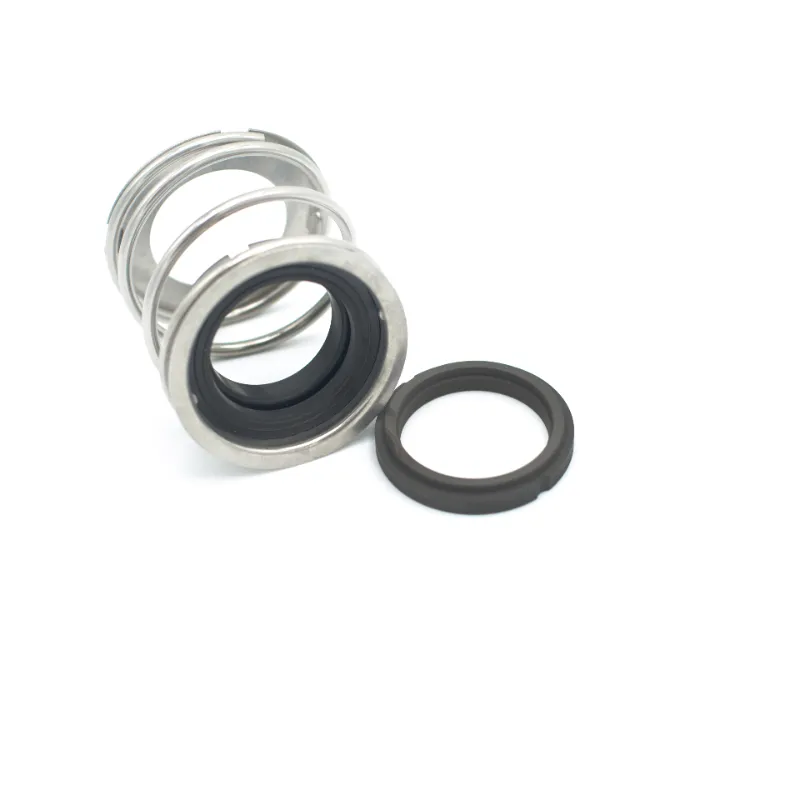
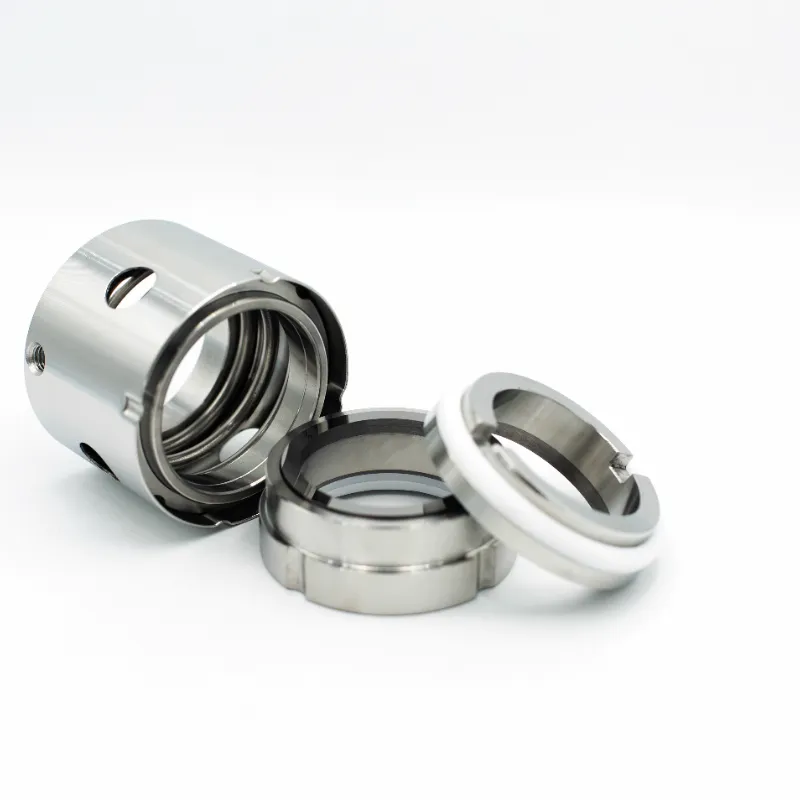
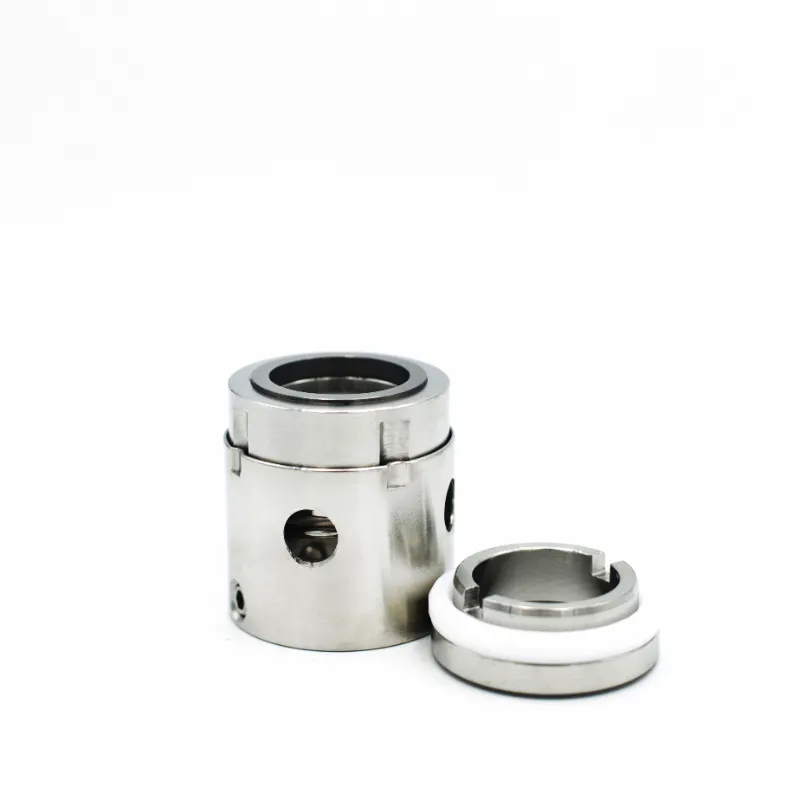
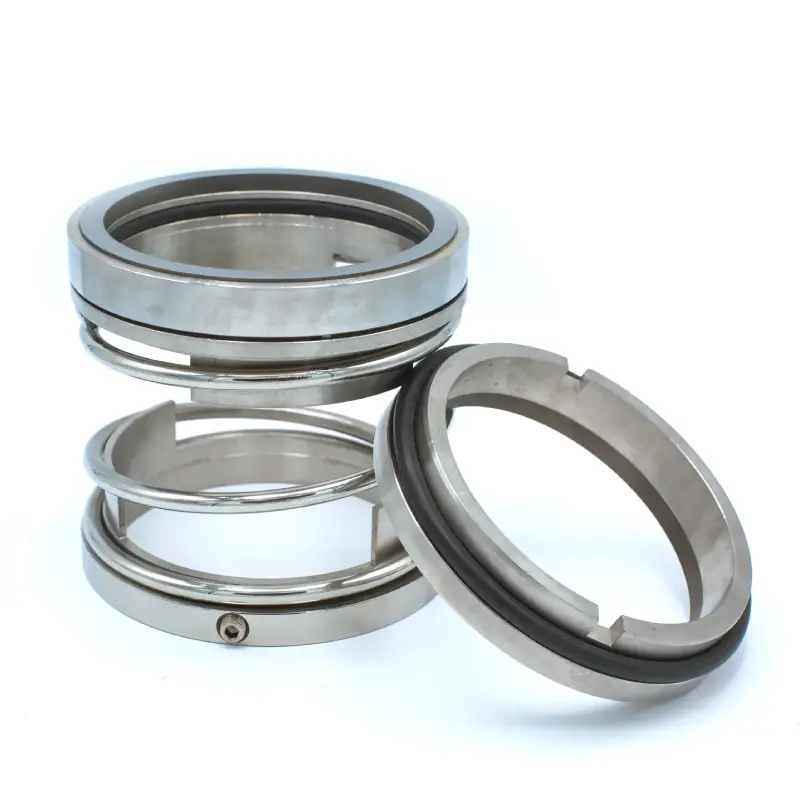
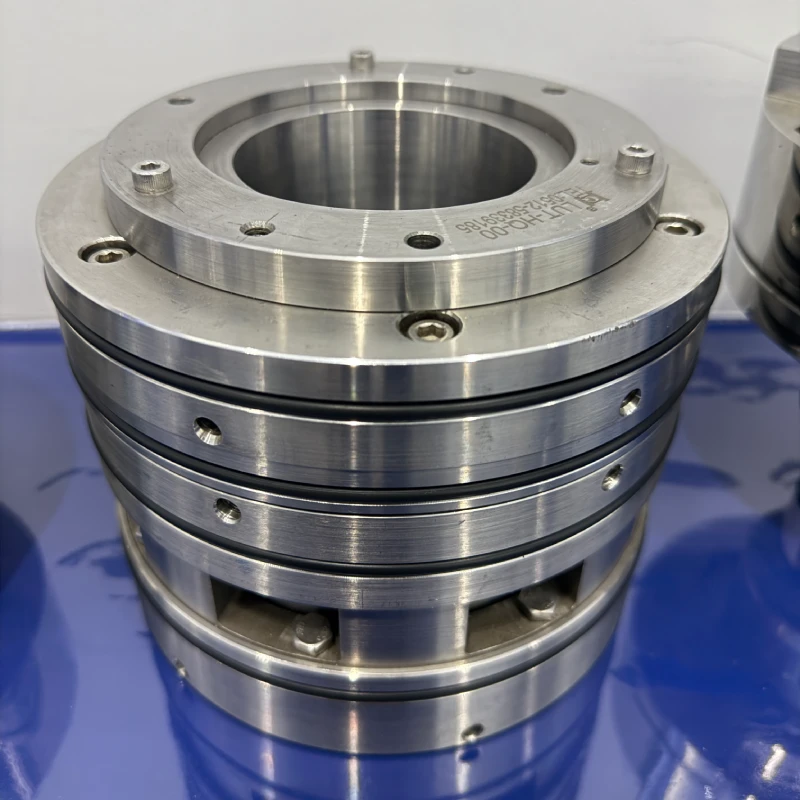
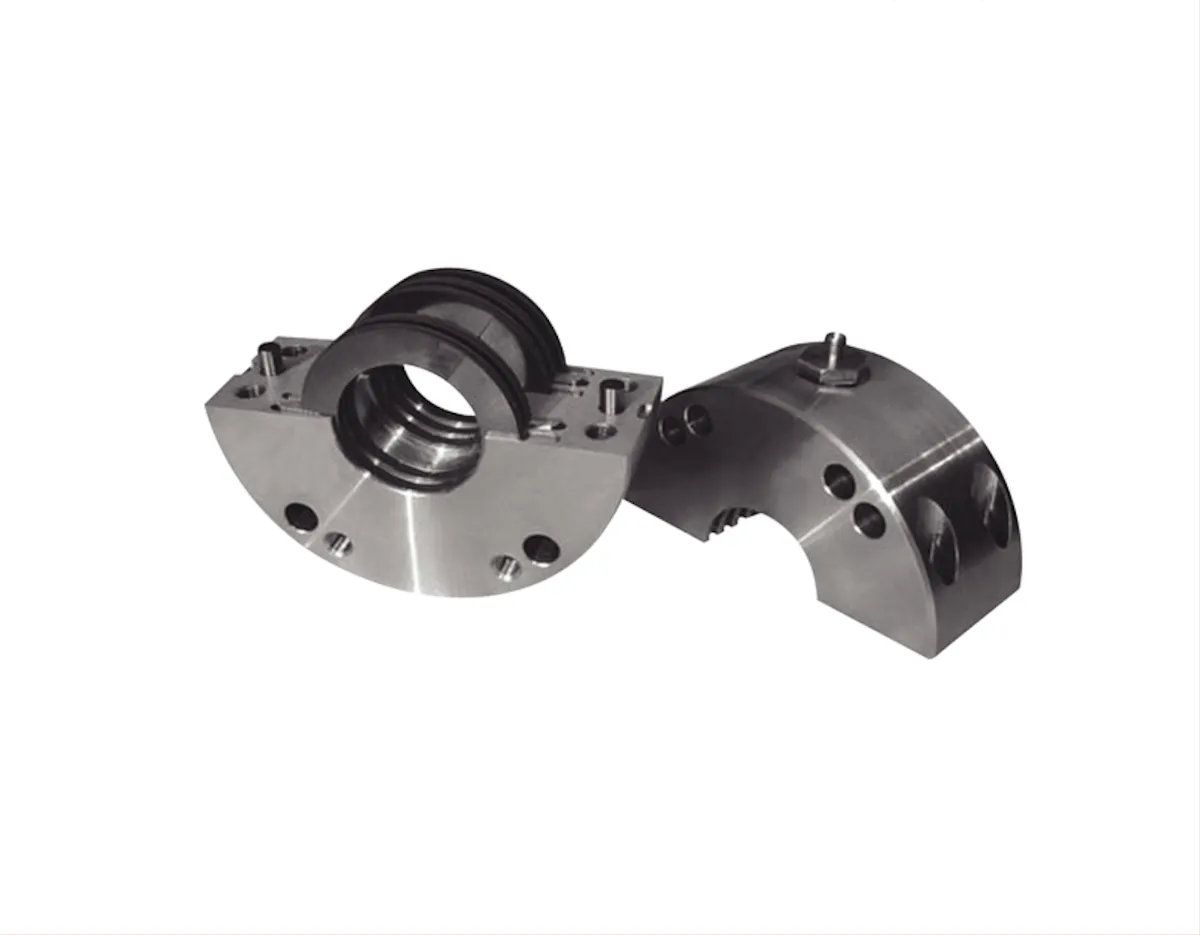
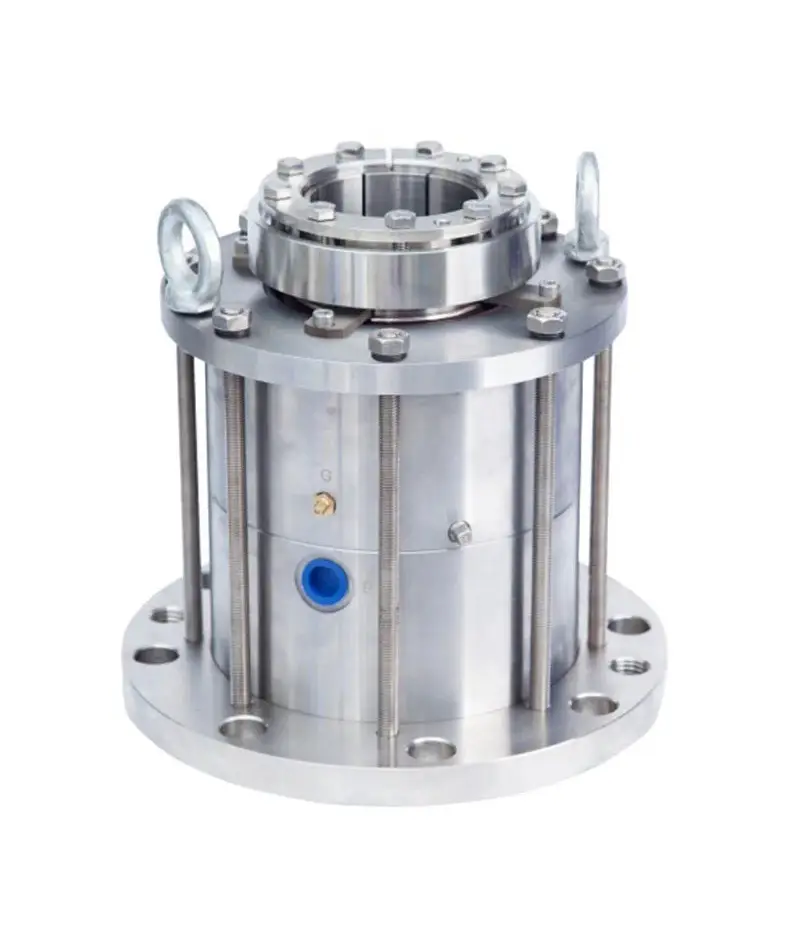
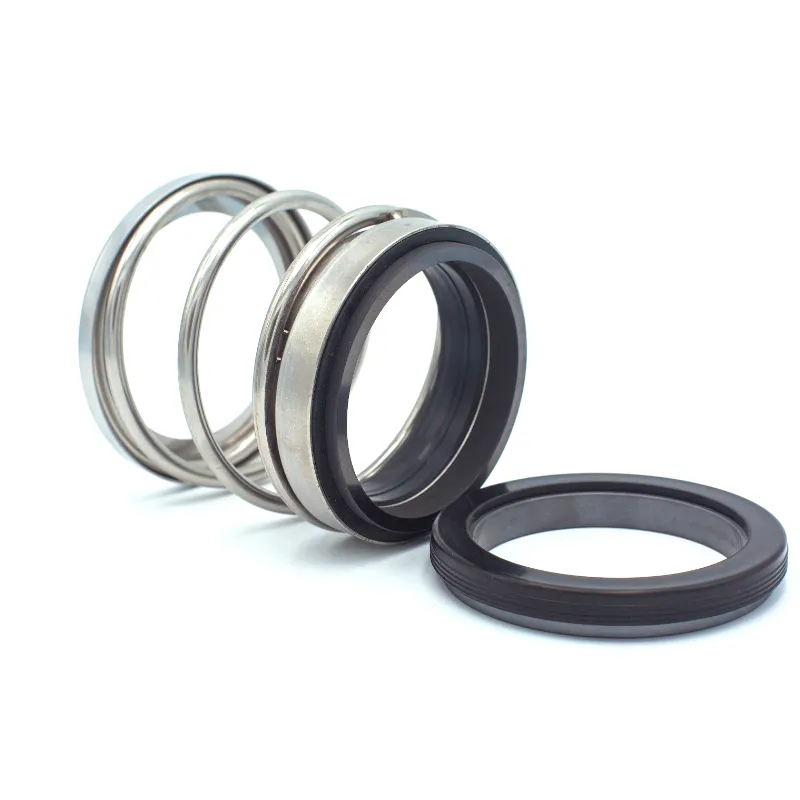
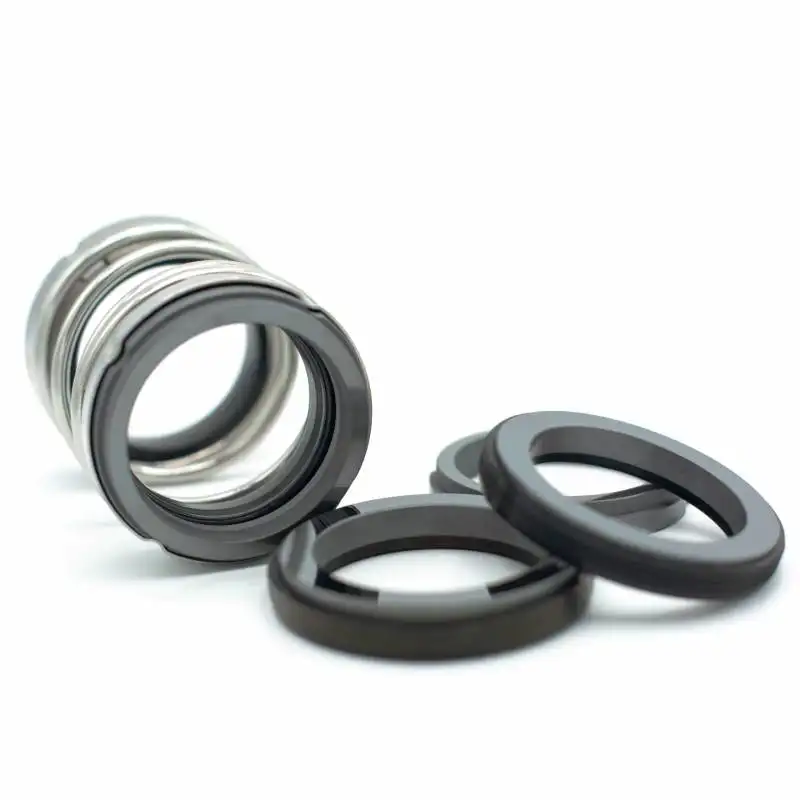
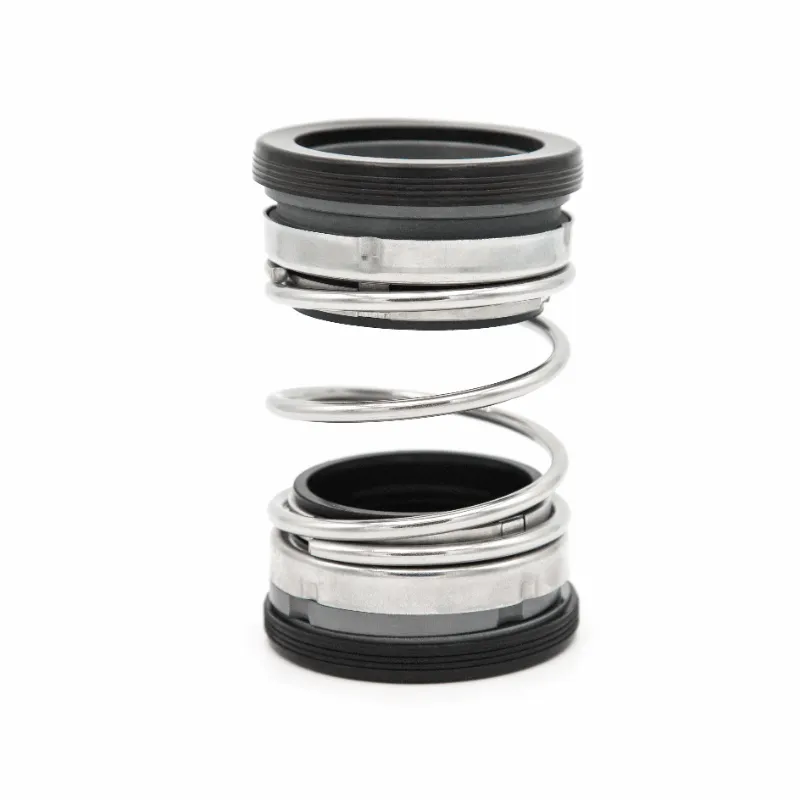
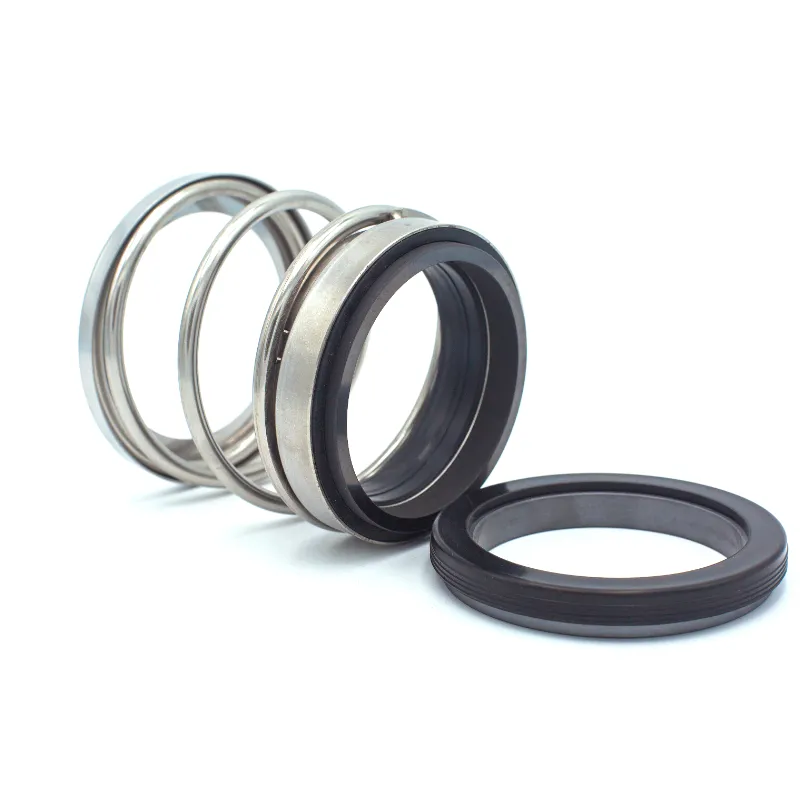
Reliable Mechanical Seals represent cutting-edge sealing technology designed to prevent fluid leakage between rotating and stationary components in industrial machinery. These precision-engineered sealing solutions serve as critical barriers that maintain system integrity while allowing rotational movement in pumps, compressors, mixers, and various rotating equipment. The primary function of Reliable Mechanical Seals involves creating a dynamic seal between a shaft and housing, effectively containing process fluids while preventing contamination and environmental exposure. Modern Reliable Mechanical Seals incorporate advanced materials and sophisticated design principles to deliver superior performance across diverse operating conditions. The technological framework behind these seals utilizes face-to-face sealing geometry, where two precisely machined surfaces create a microscopic sealing interface under controlled pressure. This configuration ensures minimal friction while maintaining effective sealing performance throughout extended operational periods. Reliable Mechanical Seals feature multiple components including primary rings, secondary seals, springs, and hardware elements that work synergistically to achieve optimal sealing results. The materials selection process for these seals considers factors such as chemical compatibility, temperature resistance, pressure tolerance, and wear characteristics to ensure long-term reliability. Applications for Reliable Mechanical Seals span numerous industries including chemical processing, petroleum refining, water treatment, pharmaceutical manufacturing, food processing, and power generation. These seals excel in handling various media types ranging from clean water to aggressive chemicals, abrasive slurries, and high-temperature fluids. The versatility of Reliable Mechanical Seals makes them suitable for both standard and specialized applications where traditional sealing methods prove inadequate. Installation requirements for these seals emphasize proper alignment, surface preparation, and systematic assembly procedures to maximize operational effectiveness and service life expectancy.
 EN
EN