Complete Guide to Mechanical Seal Types: Functions, Applications, and Benefits

Get a Free Quote

Our representative will contact you soon.
Email
Name
Company Name
Message
0/1000

mechanical seal types

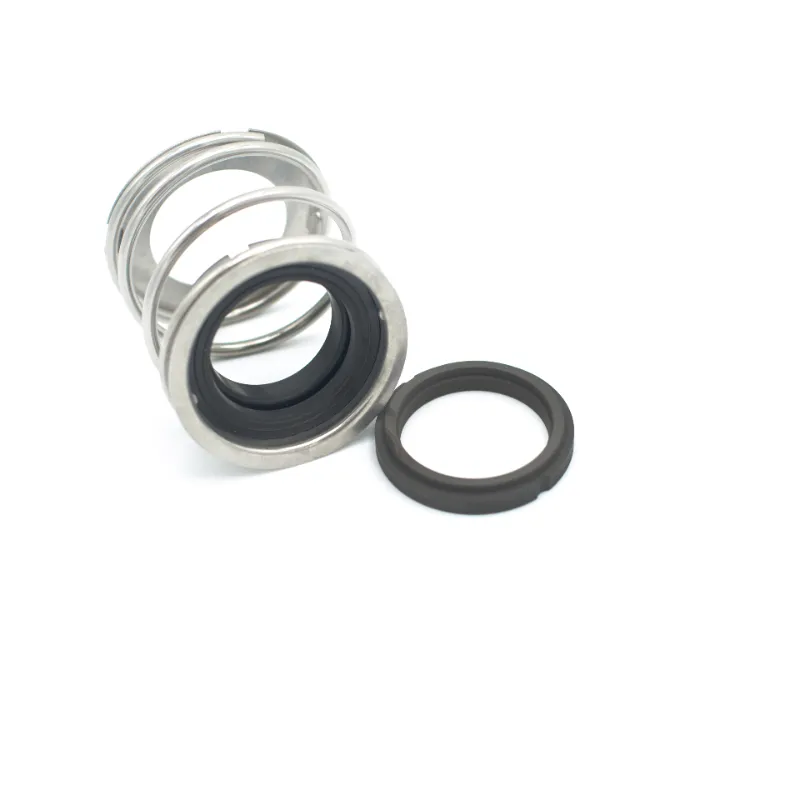
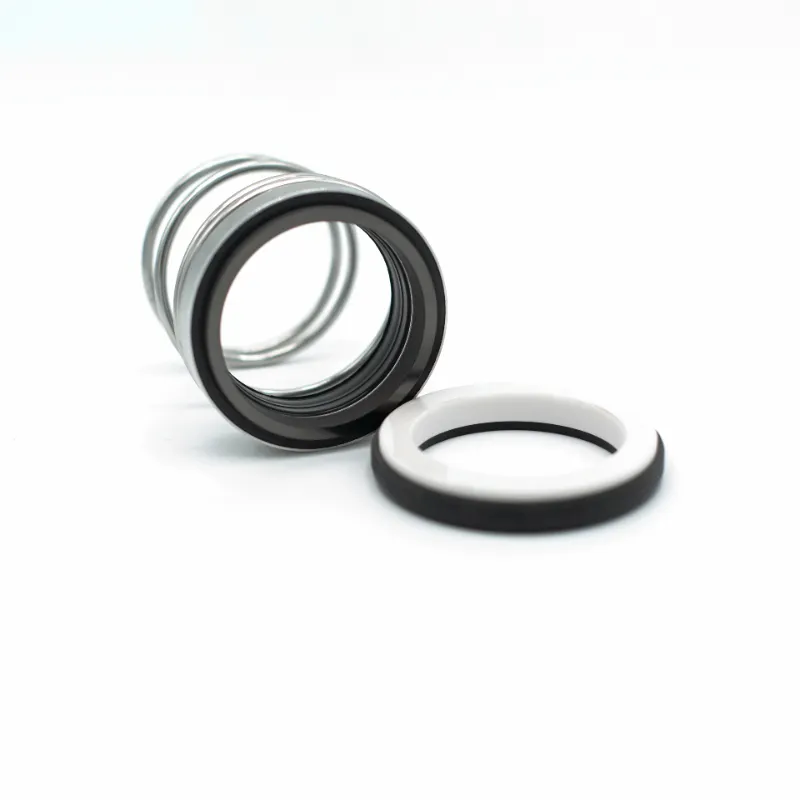
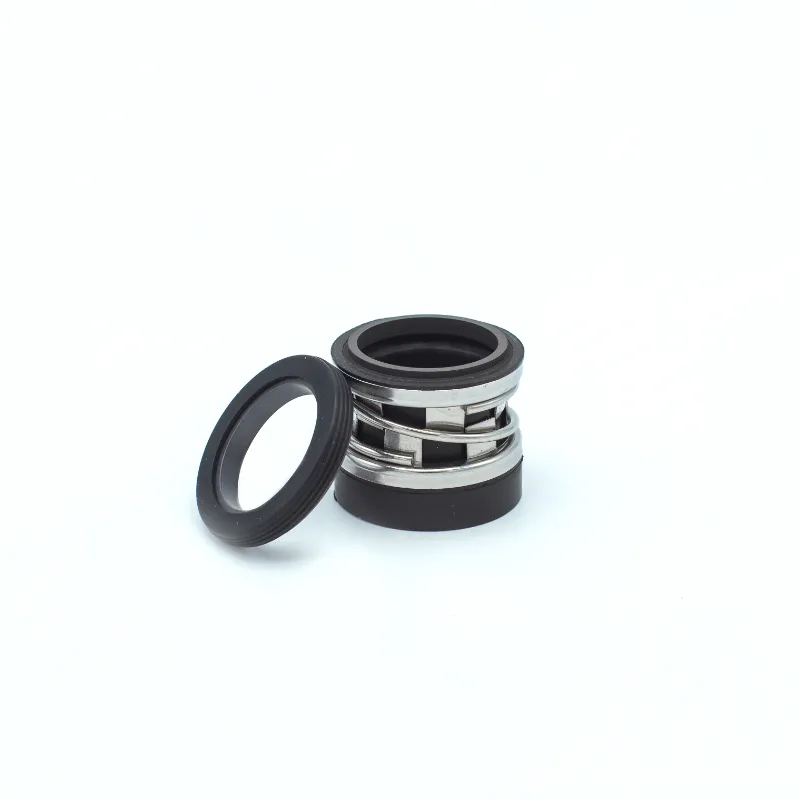
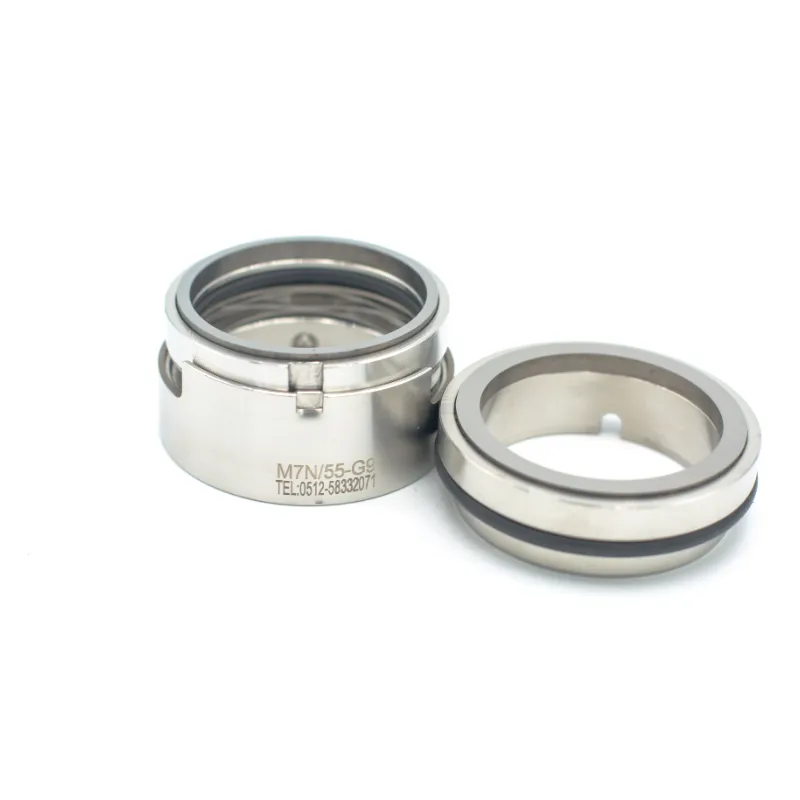
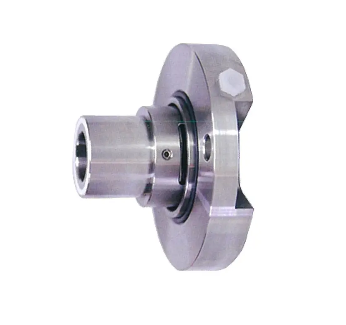
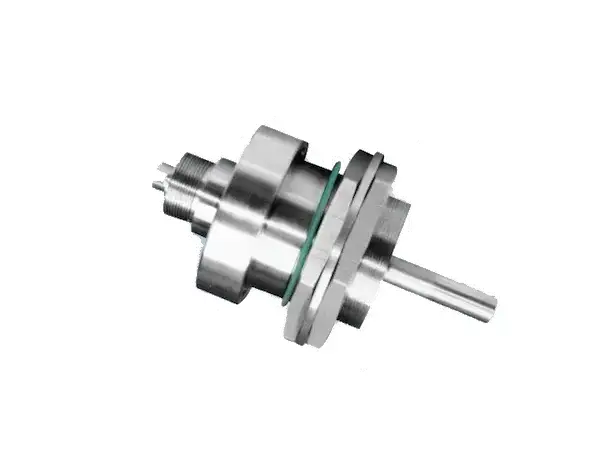
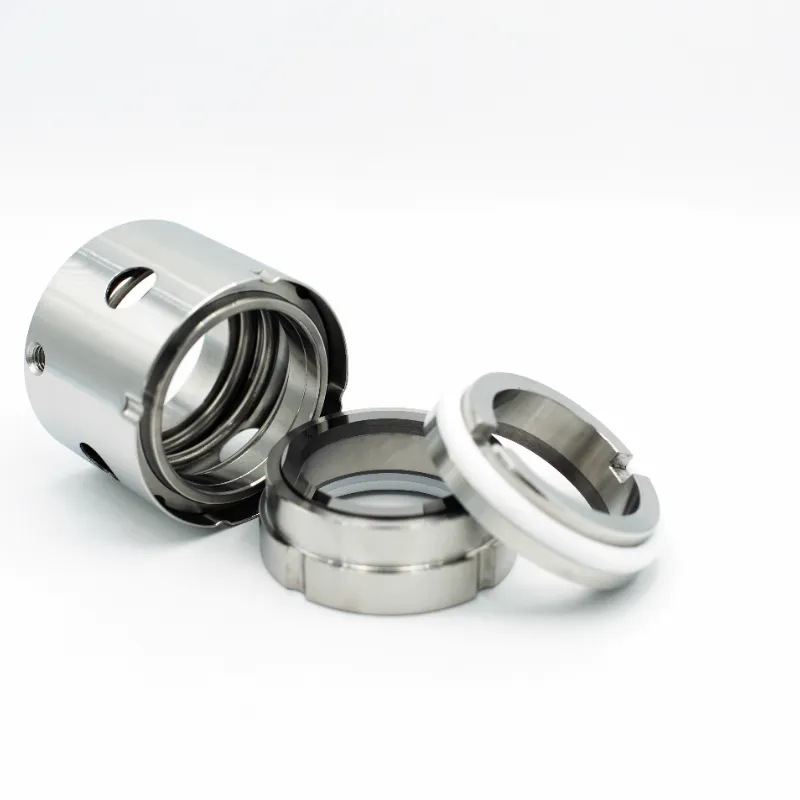
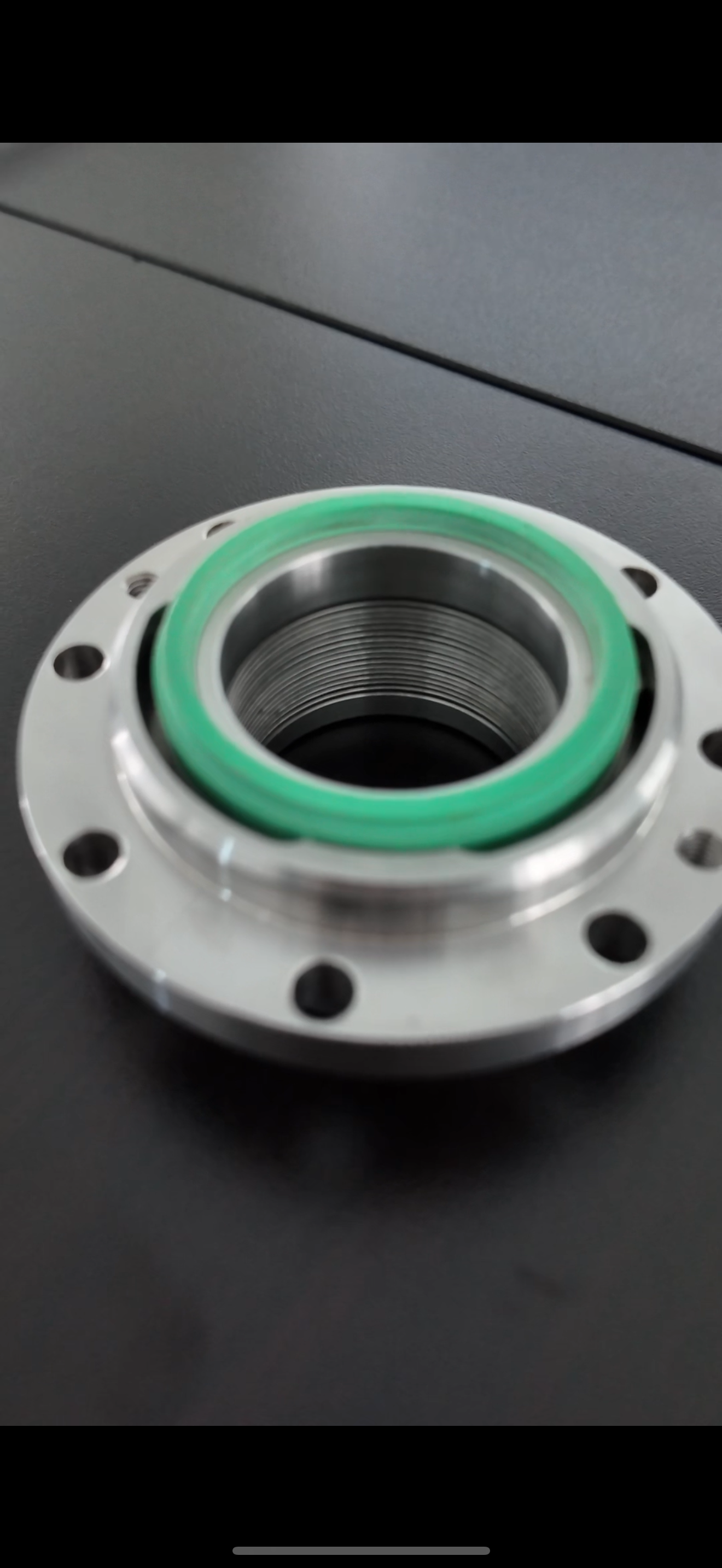
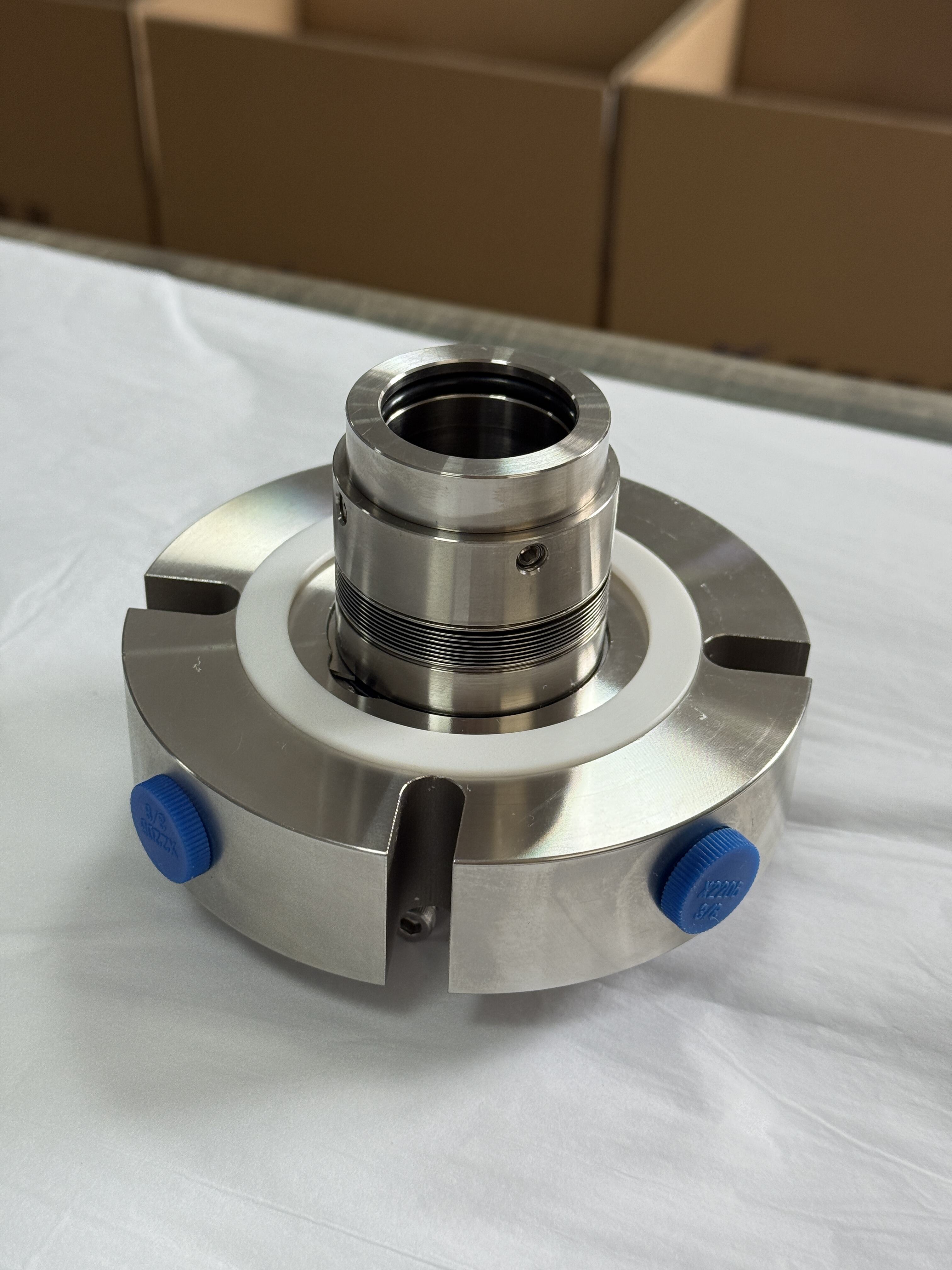
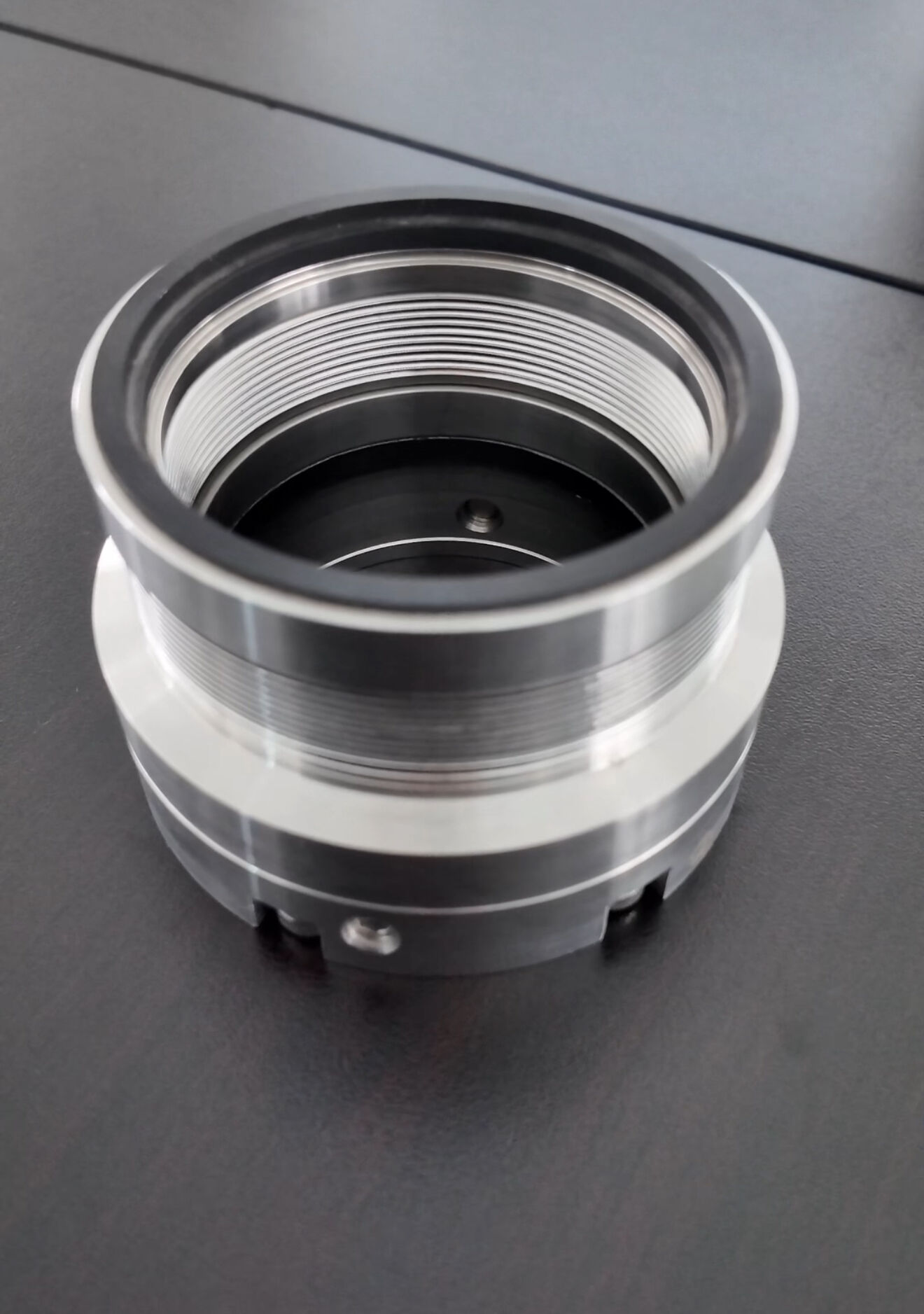
Mechanical seal types represent critical components in rotating equipment, designed to prevent fluid leakage between stationary and rotating parts in pumps, compressors, mixers, and other industrial machinery. These sophisticated sealing solutions consist of two primary faces - one rotating with the shaft and one stationary - that maintain contact under controlled pressure to create an effective barrier against fluid escape. The main functions of various mechanical seal types include containing process fluids within equipment, preventing contamination from external sources, minimizing environmental emissions, and ensuring operational safety across diverse industrial applications. Modern mechanical seal types incorporate advanced materials such as silicon carbide, tungsten carbide, and specialized elastomers to withstand extreme temperatures, corrosive chemicals, and high-pressure conditions. Technological features of contemporary mechanical seal types encompass balanced and unbalanced designs, cartridge assemblies for simplified installation, and dual seal arrangements for enhanced safety in hazardous applications. Single mechanical seal types offer cost-effective solutions for standard applications, while double mechanical seal types provide superior protection for toxic, flammable, or expensive fluids. Split mechanical seal types enable installation without equipment disassembly, reducing maintenance downtime significantly. Pusher-type mechanical seal types utilize springs or bellows to maintain face contact, while non-pusher designs employ magnetic coupling for dynamic sealing. Applications span across chemical processing plants, petroleum refineries, pharmaceutical manufacturing, food and beverage production, water treatment facilities, and power generation systems. Each industry requires specific mechanical seal types tailored to handle unique operating conditions, from cryogenic temperatures in LNG facilities to high-temperature steam applications in power plants, ensuring optimal performance and reliability across varied operational environments while maintaining strict safety and environmental compliance standards.

New Product Releases

Mechanical seal types deliver substantial operational benefits that directly impact equipment reliability, maintenance costs, and overall system performance. These sealing solutions eliminate the frequent adjustments required by traditional packing materials, reducing labor costs and minimizing production interruptions. Superior leakage control provided by mechanical seal types ensures compliance with environmental regulations while preventing costly product loss and contamination issues. The precise engineering of modern mechanical seal types enables extended service life, often operating for years without replacement compared to conventional sealing methods that require regular maintenance. Energy efficiency improvements result from reduced friction between sealing faces, lowering power consumption and operating costs throughout the equipment lifecycle. Mechanical seal types offer exceptional versatility, accommodating wide temperature ranges from cryogenic applications to high-temperature processes exceeding 500 degrees Celsius. Chemical compatibility across diverse mechanical seal types ensures reliable performance with corrosive acids, caustic solutions, hydrocarbons, and specialty chemicals without degradation. Installation flexibility allows selection of appropriate mechanical seal types based on specific operational requirements, shaft configurations, and space constraints. Cartridge-style mechanical seal types simplify replacement procedures, reducing installation time and eliminating potential alignment errors that could compromise performance. Enhanced safety features of double mechanical seal types protect personnel and equipment by containing hazardous fluids within barrier systems, preventing exposure to toxic or flammable materials. Consistent sealing performance maintains optimal system pressure and prevents air ingress that could compromise process quality or equipment integrity. Cost-effectiveness emerges through reduced inventory requirements, as standardized mechanical seal types can serve multiple applications within facilities. Predictable maintenance schedules enable proactive replacement planning, avoiding unexpected failures and associated production losses. Advanced monitoring capabilities integrated into modern mechanical seal types provide real-time performance data, enabling condition-based maintenance strategies that optimize replacement timing and prevent catastrophic failures while maximizing equipment availability and operational efficiency.

Latest News

Best Above Ground Well Pumps for Efficient Water Flow

19

Sep

Best Above Ground Well Pumps for Efficient Water Flow

Types of Above Ground Well Pumps for Efficient Flow Shallow Well Jet Pumps: Ideal for Shallow Water Tables Shallow well jet pumps are specifically designed to lift water from depths of up to 25 feet, making them ideal for rural or suburban areas wit...
View More
Choosing the Right Agitator Seal for High-Viscosity Mixing

21

Jul

Choosing the Right Agitator Seal for High-Viscosity Mixing

Ensuring Performance in High-Viscosity Mixing Applications In industrial mixing processes involving high-viscosity fluids, reliable sealing is a fundamental requirement. The dynamic conditions in such systems—marked by increased torque, intense...
View More
Can Cartridge Mechanical Seals Reduce Downtime and Maintenance Needs?

22

Dec

Can Cartridge Mechanical Seals Reduce Downtime and Maintenance Needs?

Industrial facilities across manufacturing, chemical processing, and oil refining sectors face constant pressure to minimize equipment downtime while maximizing operational efficiency. One critical component that significantly impacts these goals is ...
View More
How Do Mech Seals Improve Pump Efficiency and Uptime?

13

Jan

How Do Mech Seals Improve Pump Efficiency and Uptime?

Mechanical seals play a crucial role in maintaining optimal pump performance across industrial applications. Understanding how mech seals function and their impact on operational efficiency can help facility managers and engineers make informed decis...
View More

Get a Free Quote

Our representative will contact you soon.
Email
Name
Company Name
Country/Region
Message
0/1000

mechanical seal types

Superior Leakage Prevention and Environmental Compliance

Superior Leakage Prevention and Environmental Compliance

Mechanical seal types excel in preventing fluid leakage, delivering unparalleled sealing performance that addresses critical environmental and operational challenges across industrial applications. Unlike traditional packing materials that inherently allow controlled leakage, mechanical seal types create virtually leak-free barriers through precision-engineered sealing faces that maintain optimal contact under varying operating conditions. This superior leakage prevention capability ensures compliance with increasingly stringent environmental regulations governing emissions, workplace safety, and product containment. The advanced design of mechanical seal types incorporates multiple sealing elements, including primary and secondary seals, that work together to eliminate escape paths for process fluids. Static O-rings or gaskets provide secondary sealing at stationary interfaces, while dynamic sealing faces handle the primary containment function between rotating and stationary components. This dual-barrier approach ensures comprehensive protection even under challenging conditions such as thermal cycling, pressure fluctuations, and shaft runout. Environmental benefits extend beyond regulatory compliance, as mechanical seal types prevent groundwater contamination, reduce air emissions, and eliminate hazardous material exposure risks. Industries handling toxic chemicals, pharmaceuticals, or petroleum products particularly benefit from the exceptional containment provided by specialized mechanical seal types designed for hazardous service. Double mechanical seal types further enhance environmental protection by incorporating barrier fluid systems that provide secondary containment should primary sealing faces fail. These systems utilize clean barrier fluids at higher pressure than process fluids, ensuring any leakage flows inward rather than allowing process materials to escape to atmosphere. Advanced mechanical seal types also feature containment systems with leak detection capabilities, enabling immediate identification of seal degradation before significant environmental impact occurs. The economic advantages of superior leakage prevention include reduced product loss, lower cleanup costs, decreased insurance premiums, and avoided regulatory penalties, making mechanical seal types essential investments for environmentally responsible operations.
Extended Service Life and Reduced Maintenance Requirements

Extended Service Life and Reduced Maintenance Requirements

Mechanical seal types demonstrate exceptional durability and longevity that significantly reduces maintenance frequency and associated costs compared to conventional sealing methods. The precision manufacturing and advanced materials used in modern mechanical seal types enable continuous operation for extended periods, often measuring service life in years rather than months typical of traditional packing systems. This extended operational capability results from carefully engineered sealing face materials such as silicon carbide, tungsten carbide, and carbon graphite that resist wear, corrosion, and thermal degradation under demanding industrial conditions. The balanced design principles incorporated into many mechanical seal types minimize face loading and reduce wear rates by equalizing hydraulic forces acting on sealing components. This balanced configuration prevents excessive face pressure that could cause premature wear while maintaining sufficient contact force for effective sealing throughout the operational envelope. Spring-loaded mechanisms in pusher-type mechanical seal types automatically compensate for normal wear and thermal expansion, maintaining optimal sealing contact without manual adjustment. Bellows-type mechanical seal types eliminate the need for dynamic O-rings that commonly fail in harsh chemical environments, further extending service intervals. The cartridge design philosophy adopted by modern mechanical seal types pre-assembles all components in optimal alignment, eliminating installation errors that frequently cause premature failure in field-assembled seals. Quality materials selection for each component ensures compatibility with process chemistry and operating conditions, preventing degradation from chemical attack, temperature extremes, or abrasive particles. Predictive maintenance capabilities built into advanced mechanical seal types enable condition monitoring through temperature sensors, vibration analysis, and leak detection systems that identify developing issues before catastrophic failure occurs. This proactive approach maximizes service life while preventing unexpected downtime and emergency repairs. The economic impact of extended service life includes reduced spare parts inventory, lower maintenance labor costs, decreased equipment downtime, and improved production reliability, making mechanical seal types cost-effective solutions for critical rotating equipment applications.
Versatile Application Range and Chemical Compatibility

Versatile Application Range and Chemical Compatibility

Mechanical seal types offer remarkable versatility in handling diverse operating conditions, fluid types, and equipment configurations across numerous industrial sectors. This adaptability stems from extensive material options, design variations, and specialized configurations that enable optimal performance in applications ranging from clean water service to highly corrosive chemical processes. Material compatibility represents a cornerstone advantage of mechanical seal types, with face materials including silicon carbide for abrasive slurries, tungsten carbide for high-pressure applications, carbon graphite for dry running conditions, and specialized ceramics for extreme chemical environments. Elastomer selection encompasses options such as Viton for chemical resistance, EPDM for steam service, Kalrez for extreme chemical compatibility, and PTFE encapsulated O-rings for universal chemical resistance. Temperature versatility of mechanical seal types spans from cryogenic LNG applications at minus 196 degrees Celsius to high-temperature steam service exceeding 450 degrees Celsius, achieved through appropriate material selection and thermal management designs. Pressure capabilities range from vacuum service to ultra-high pressure applications exceeding 100 bar, accommodated through balanced seal designs that minimize face loading while maintaining effective sealing contact. Shaft size compatibility extends from small instrument pumps with 10mm shafts to large industrial equipment with shafts exceeding 500mm diameter, demonstrating the scalability of mechanical seal types across equipment sizes. Speed capabilities accommodate everything from slow-speed mixers operating at 50 RPM to high-speed turbomachinery exceeding 10,000 RPM through appropriate face material selection and dynamic balancing. Specialized mechanical seal types address unique requirements such as slurry service with hard face materials and flushing systems, food-grade applications with FDA-approved materials and sanitary designs, and nuclear service with radiation-resistant components. Installation flexibility allows mechanical seal types to retrofit existing equipment or integrate into new designs with minimal modification requirements. The comprehensive range of available configurations ensures optimal selection for specific operational parameters, maximizing reliability while minimizing lifecycle costs across diverse industrial applications where conventional sealing methods prove inadequate or uneconomical.

Get a Free Quote

Our representative will contact you soon.
Email
Name
Company Name
Country/Region
Message
0/1000