Versatile Application Range and Customization Capabilities
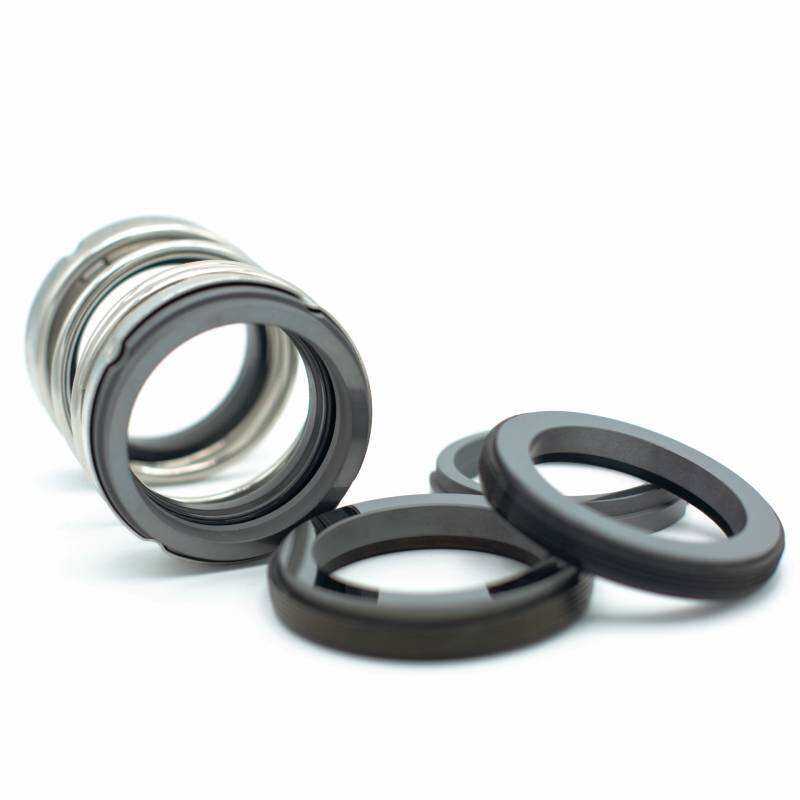
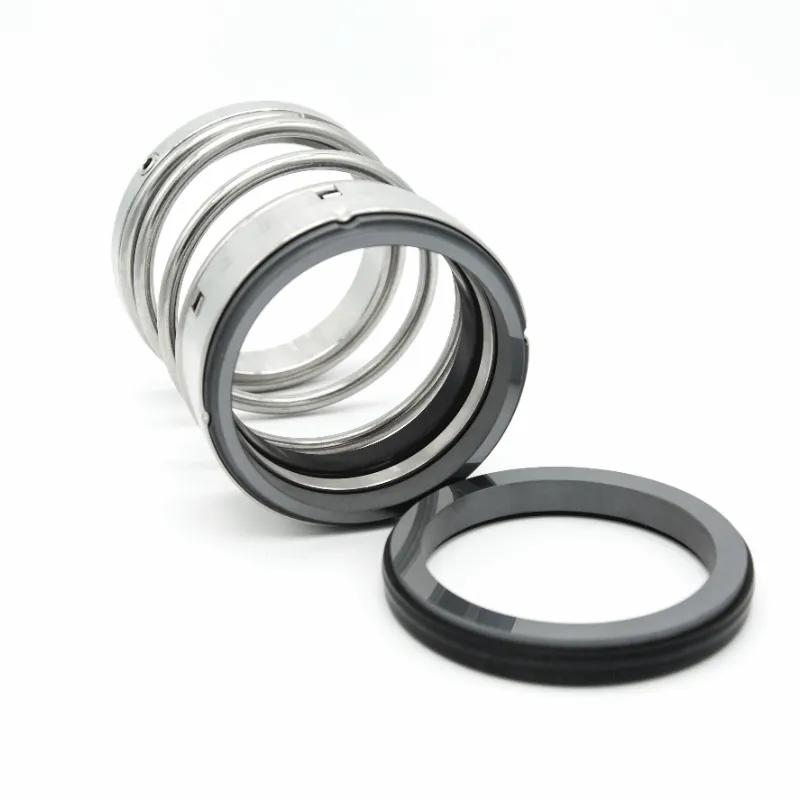
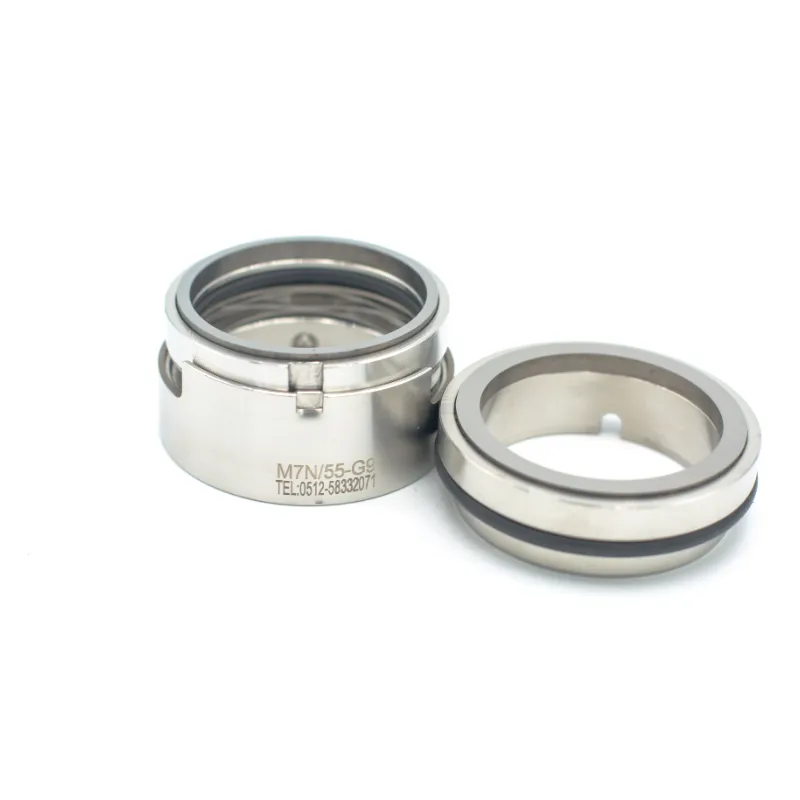
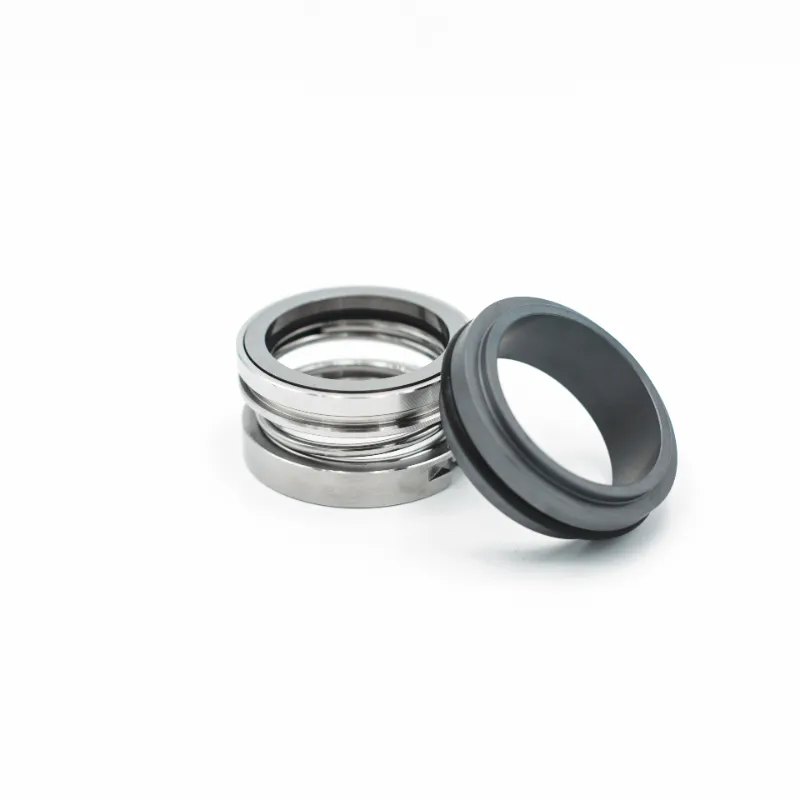
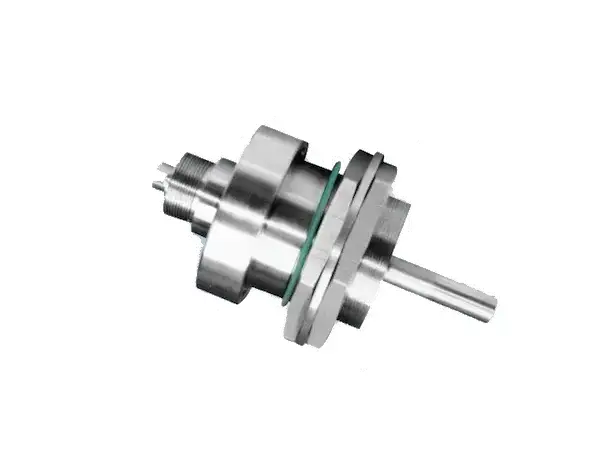
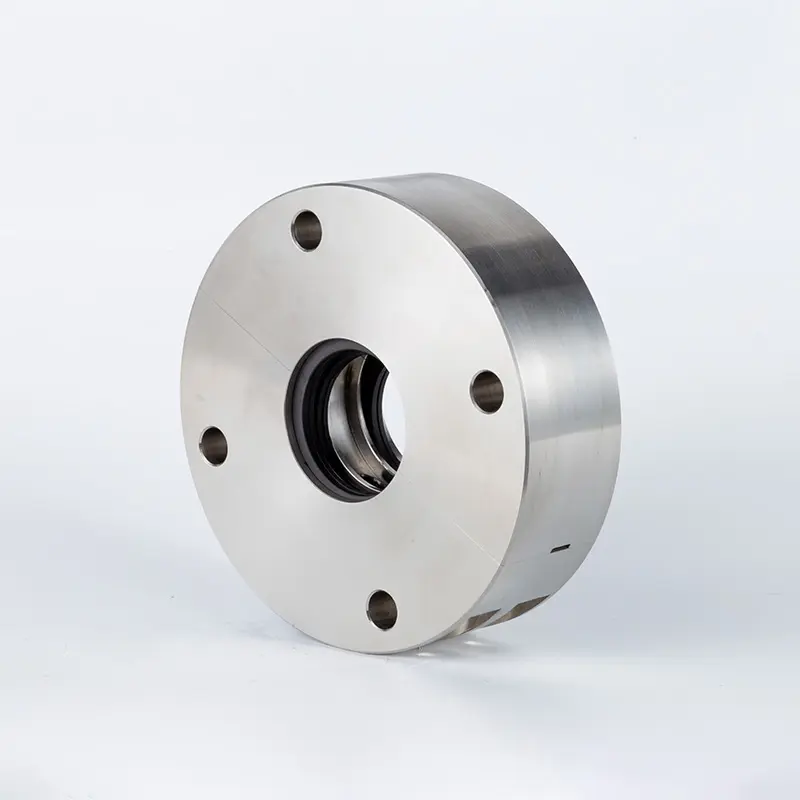
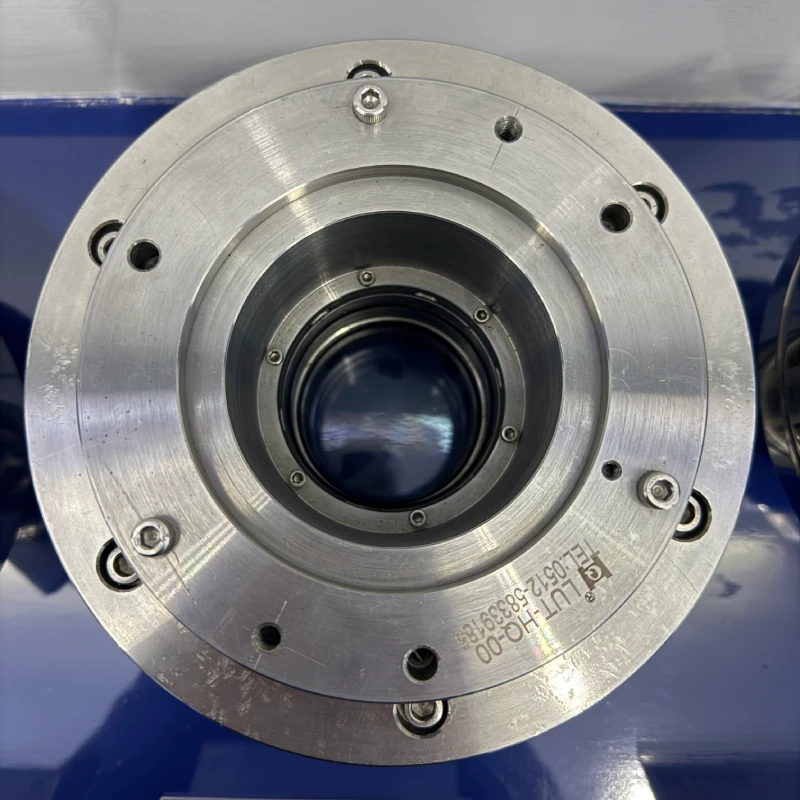
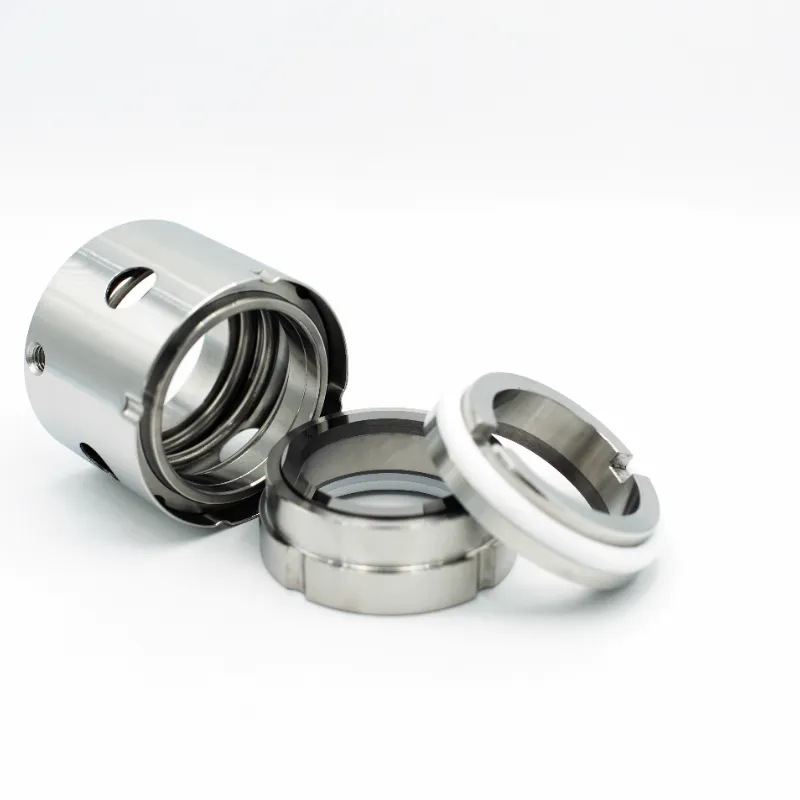
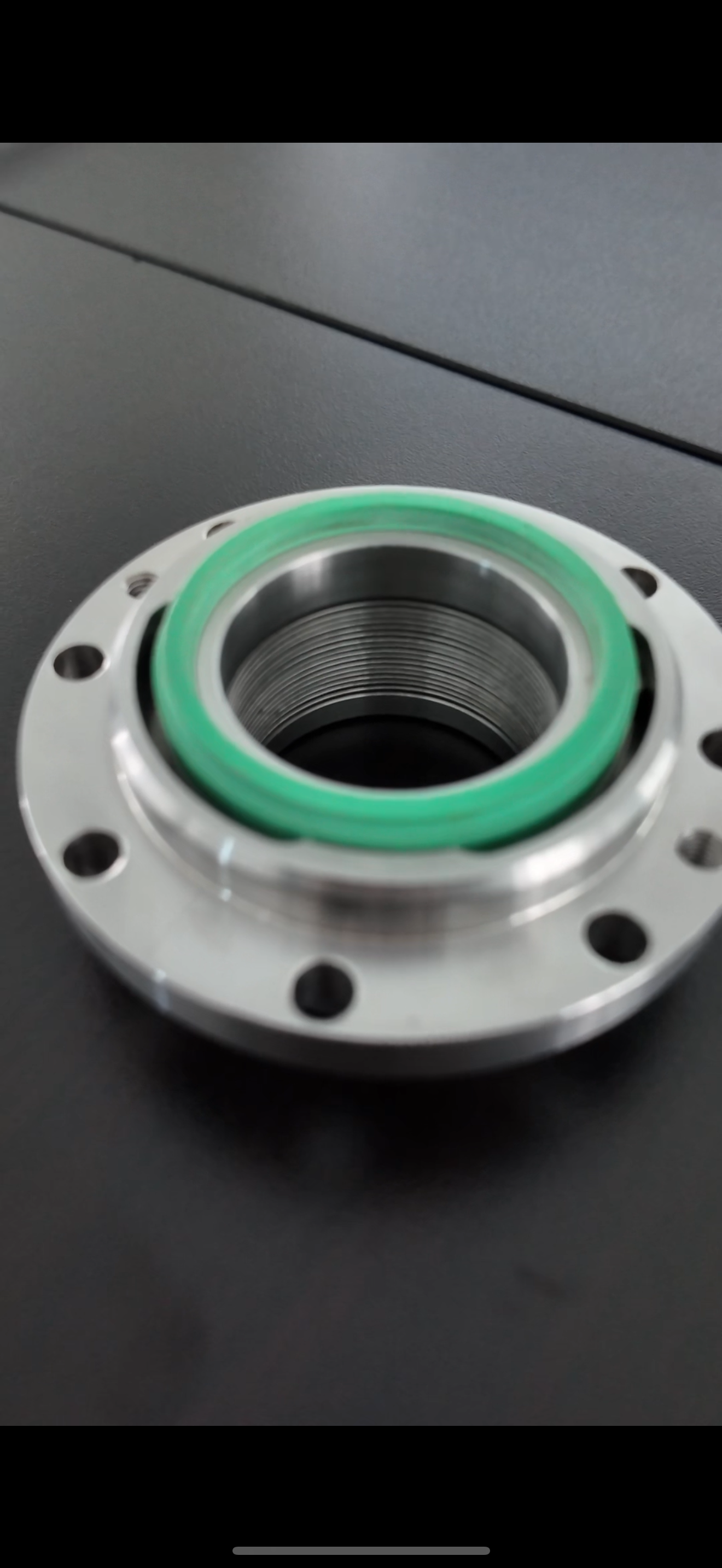
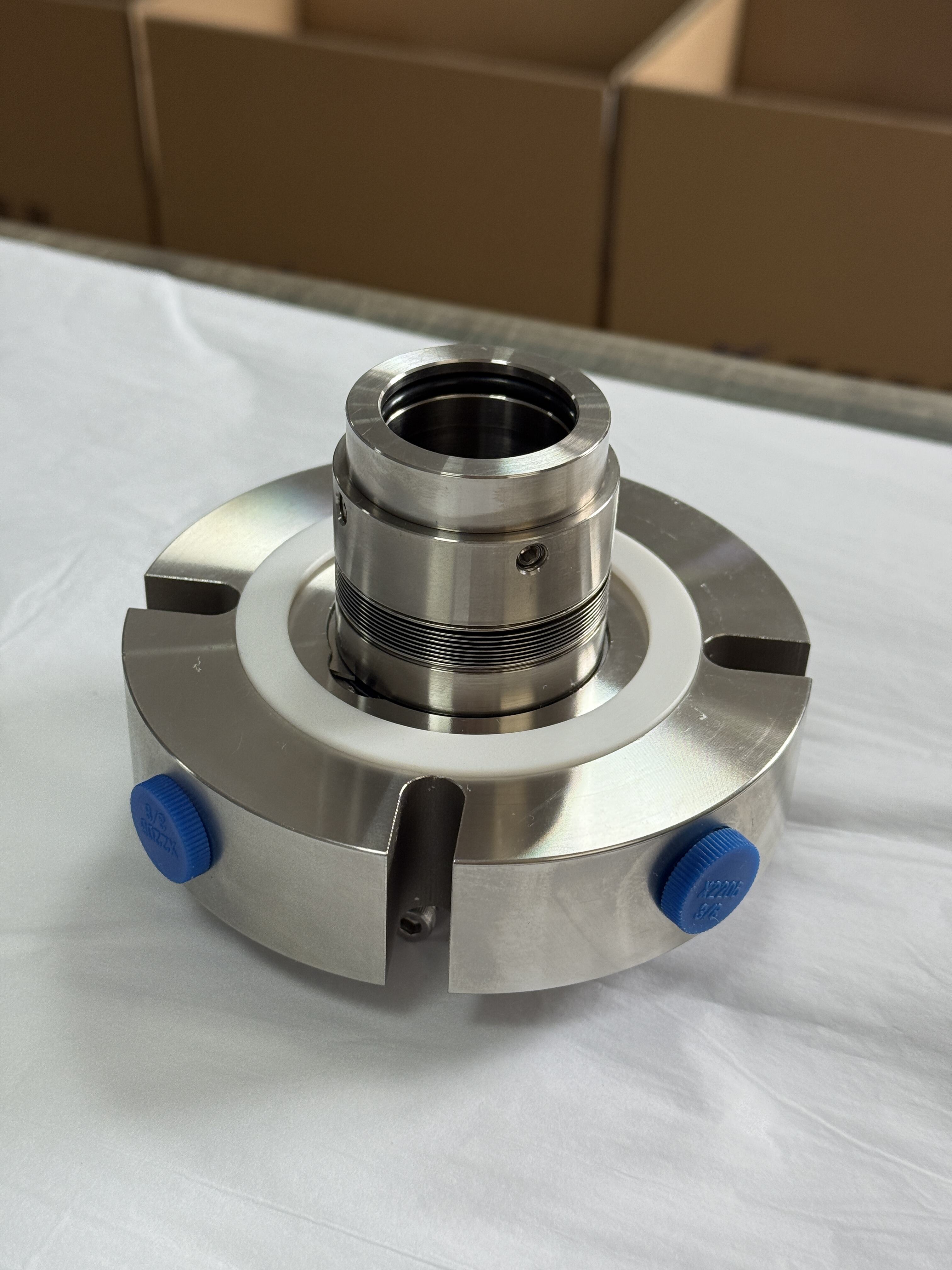
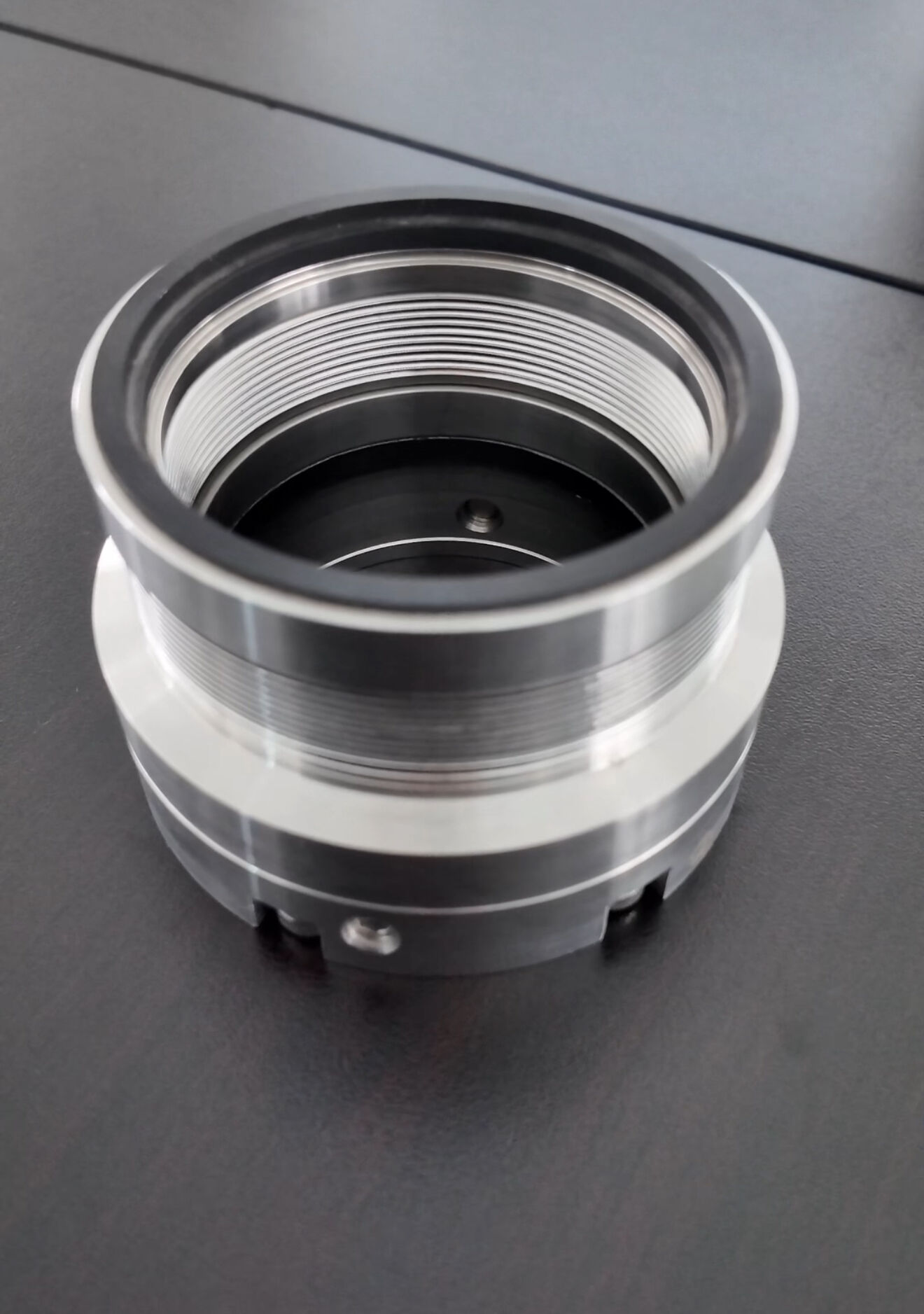
Double mechanical seal types offer remarkable versatility and customization options that make them suitable for an extensive range of industrial applications across diverse process conditions and requirements. The adaptability of double mechanical seal types stems from their modular design approach, which allows engineers to select specific materials, configurations, and auxiliary systems tailored to unique process demands. Chemical processing facilities benefit from the material versatility of double mechanical seal types, as sealing faces can be manufactured from specialized materials such as silicon carbide, tungsten carbide, or ceramic composites that resist specific chemical attacks and maintain performance in aggressive environments. Temperature versatility is another hallmark of double mechanical seal types, with configurations available for cryogenic applications operating below -100°C and high-temperature services exceeding 400°C, achieved through specialized material selection and thermal management features. Pressure handling capabilities of double mechanical seal types span from vacuum conditions to high-pressure applications exceeding 100 bar, with design modifications accommodating specific pressure requirements through balanced or unbalanced configurations. The buffer fluid system in double mechanical seal types can be customized for various operational modes, including Plan 52 circulation systems for heat removal, Plan 53A pressurized barrier systems for enhanced containment, and Plan 54 quench systems for crystallizing applications. Size flexibility of double mechanical seal types ranges from compact designs for small pumps to large-scale configurations for heavy-duty industrial equipment, ensuring compatibility with existing equipment installations. Installation versatility allows double mechanical seal types to be configured for various pump types, including centrifugal pumps, positive displacement pumps, mixers, and agitators, with mounting arrangements adapted to specific equipment requirements. Industry-specific customizations of double mechanical seal types address unique challenges in pharmaceutical manufacturing, food processing, pulp and paper production, and power generation, with specialized features such as sanitary designs, steam-resistant materials, and fire-safe configurations. The monitoring and control systems integrated with double mechanical seal types can be customized to interface with plant automation systems, providing real-time performance data and enabling remote monitoring capabilities that enhance operational efficiency and safety.
 EN
EN