Reactor Mechanical Seal Types: Complete Guide to Industrial Sealing Solutions

Get a Free Quote

Our representative will contact you soon.
Email
Name
Company Name
Message
0/1000

reactor mechanical seal types

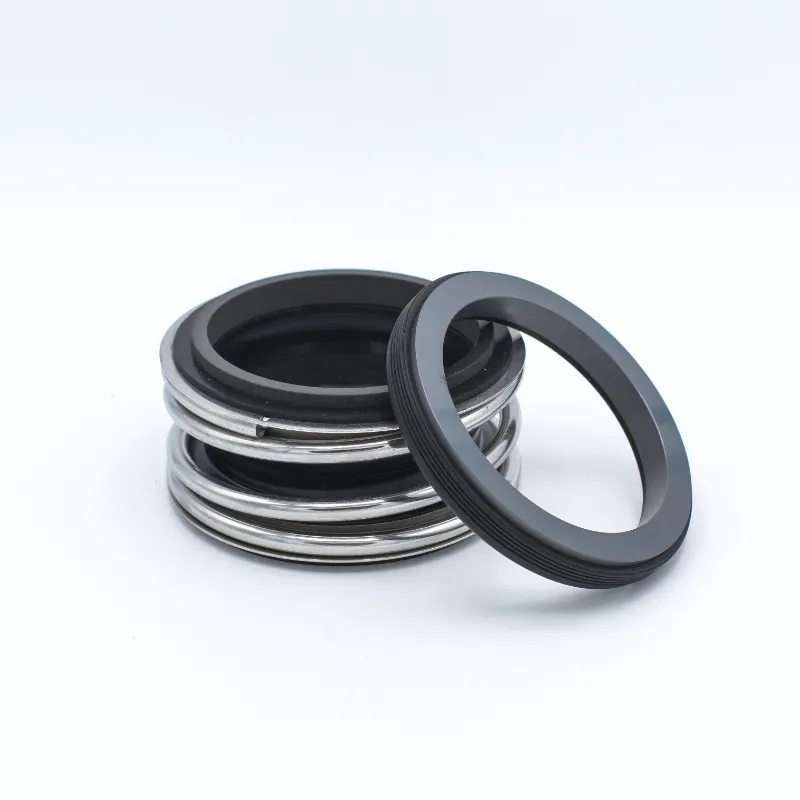
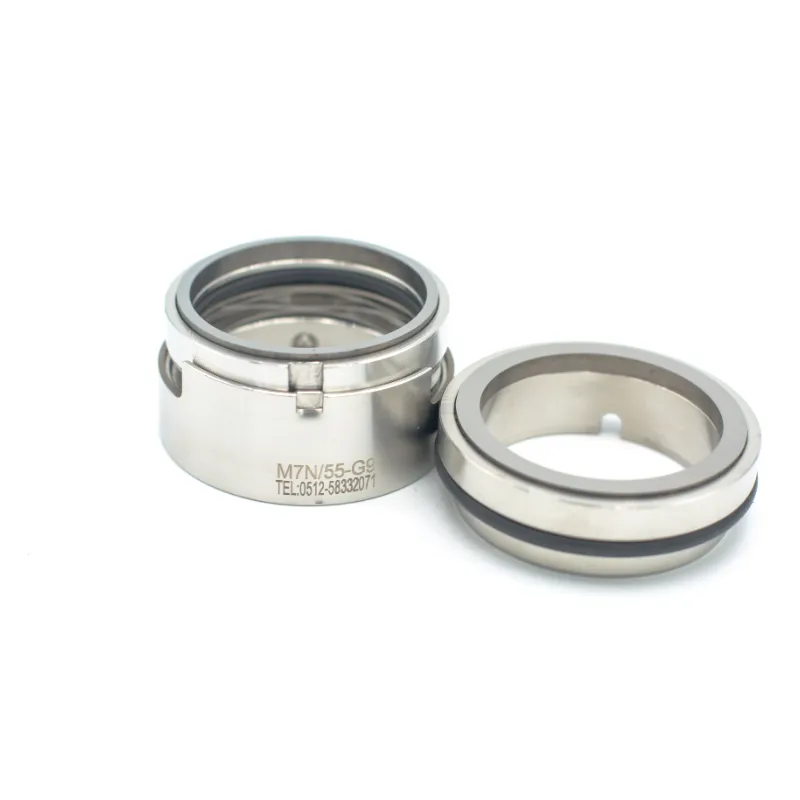
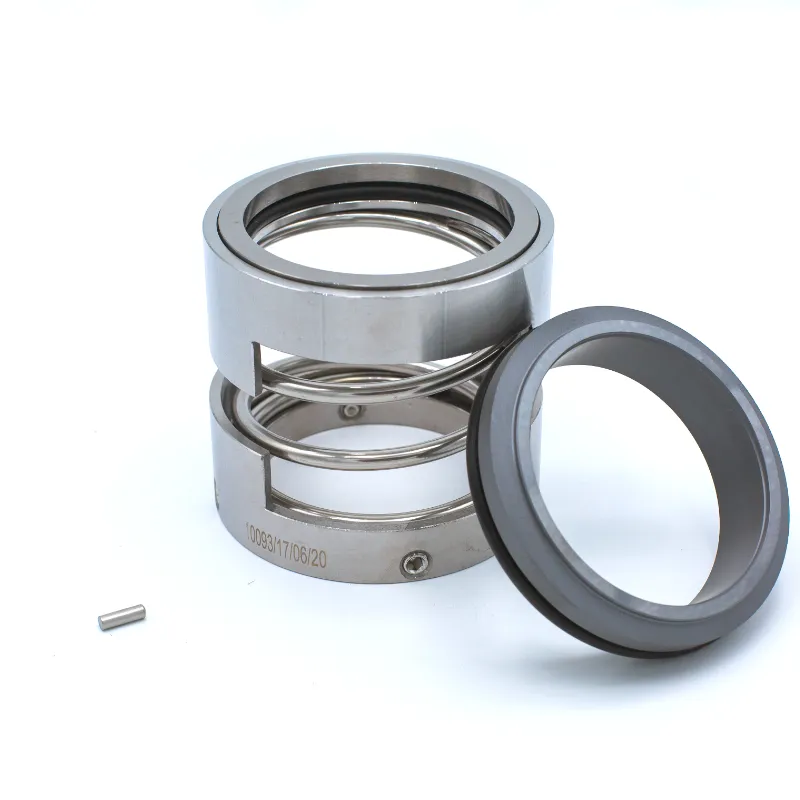
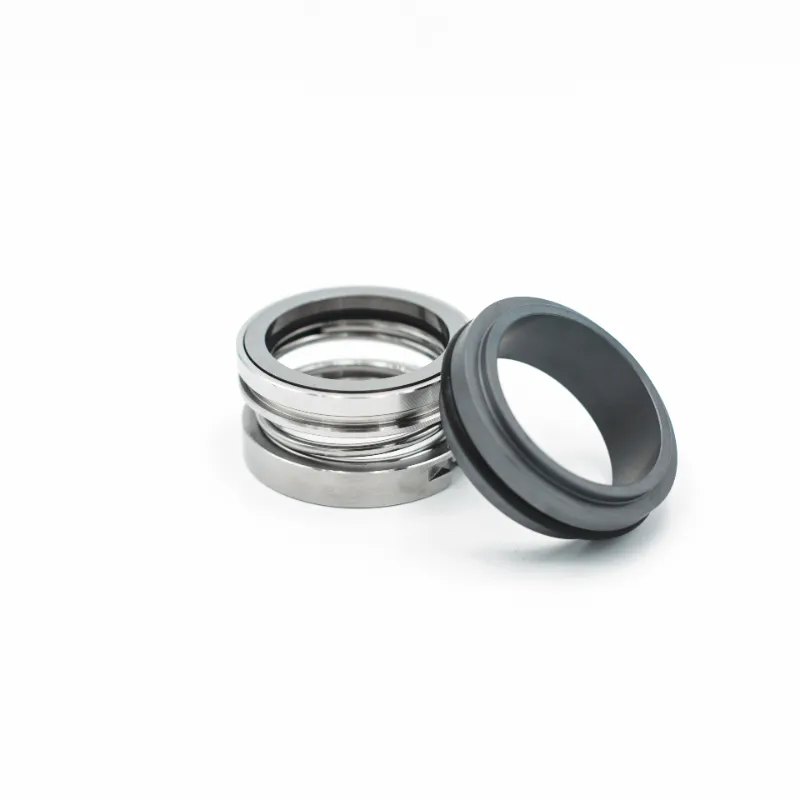
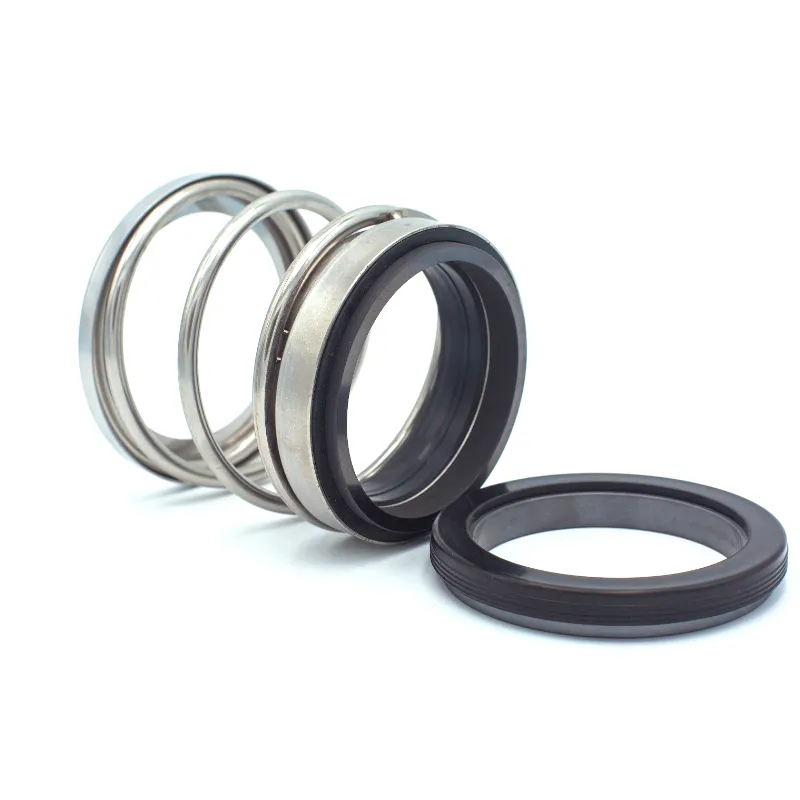
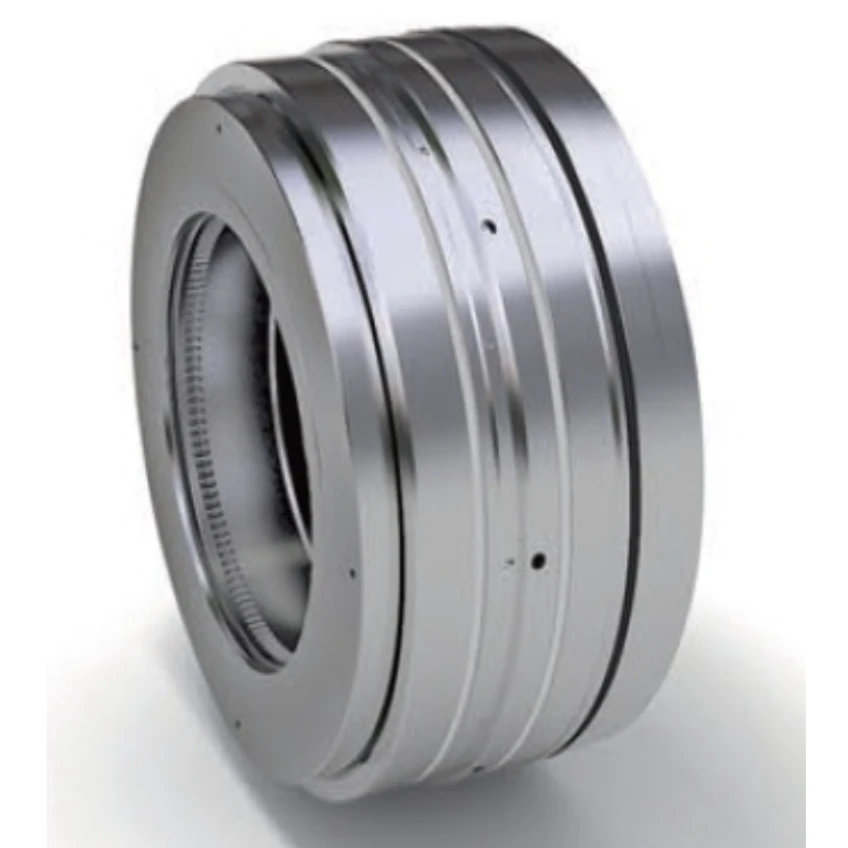
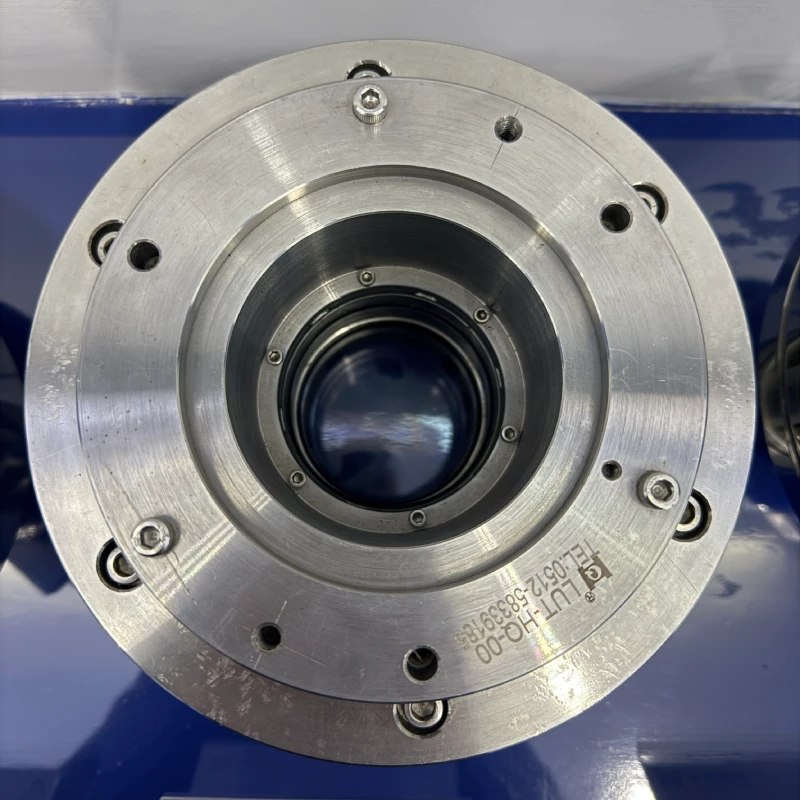
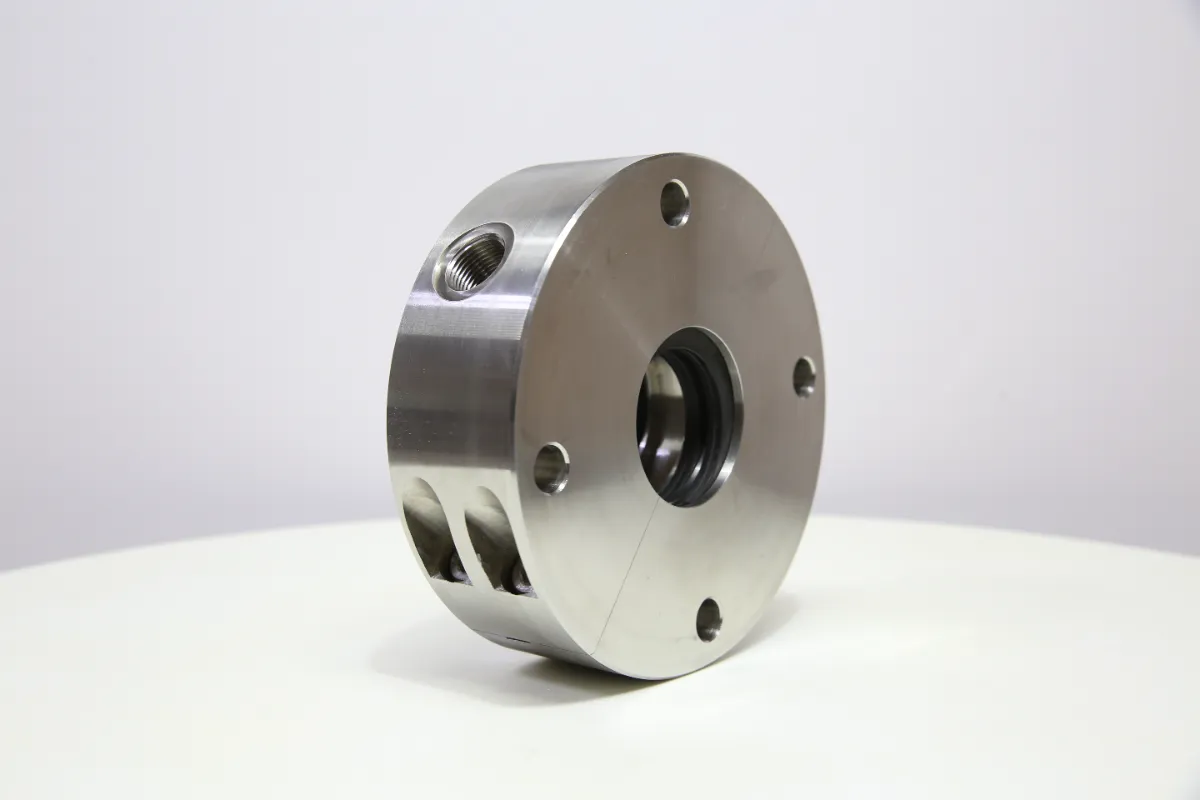
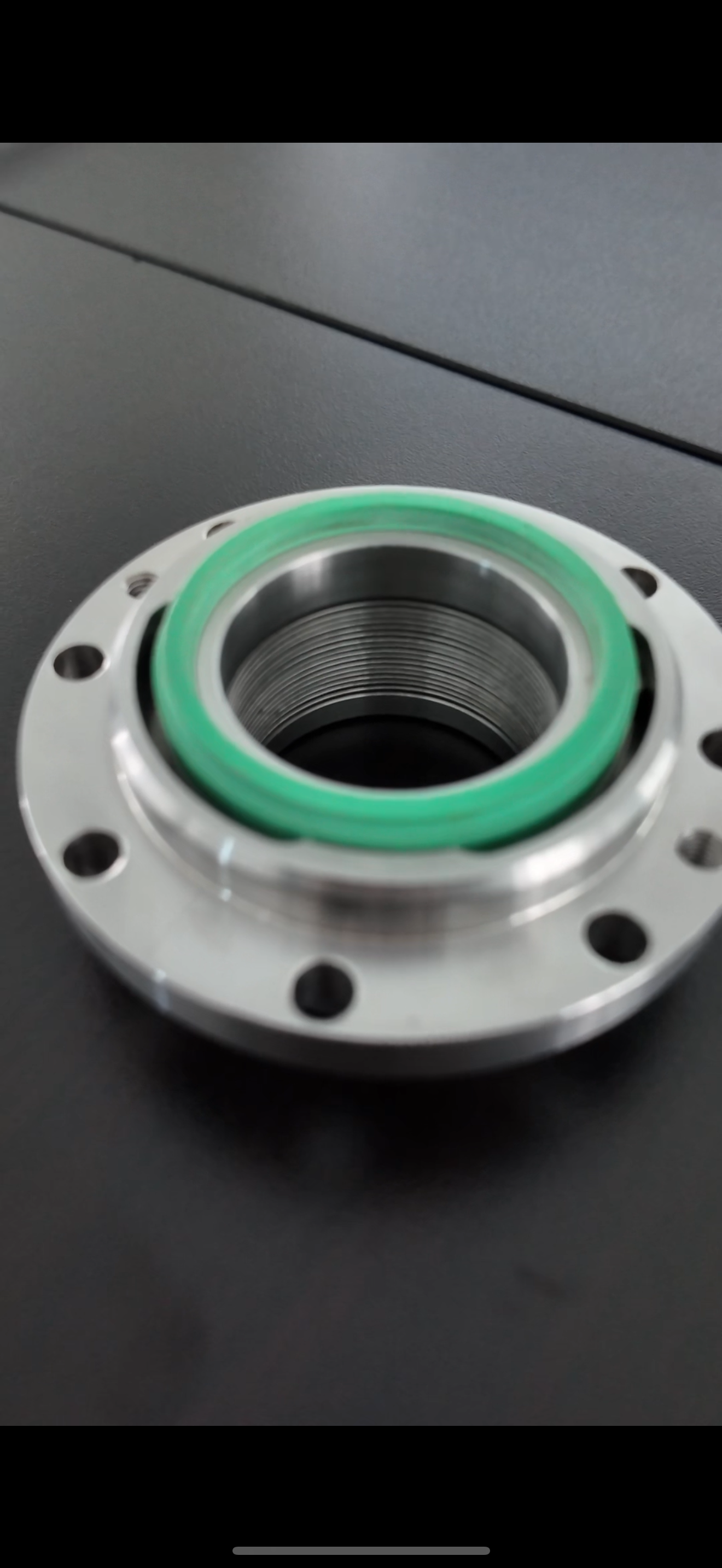
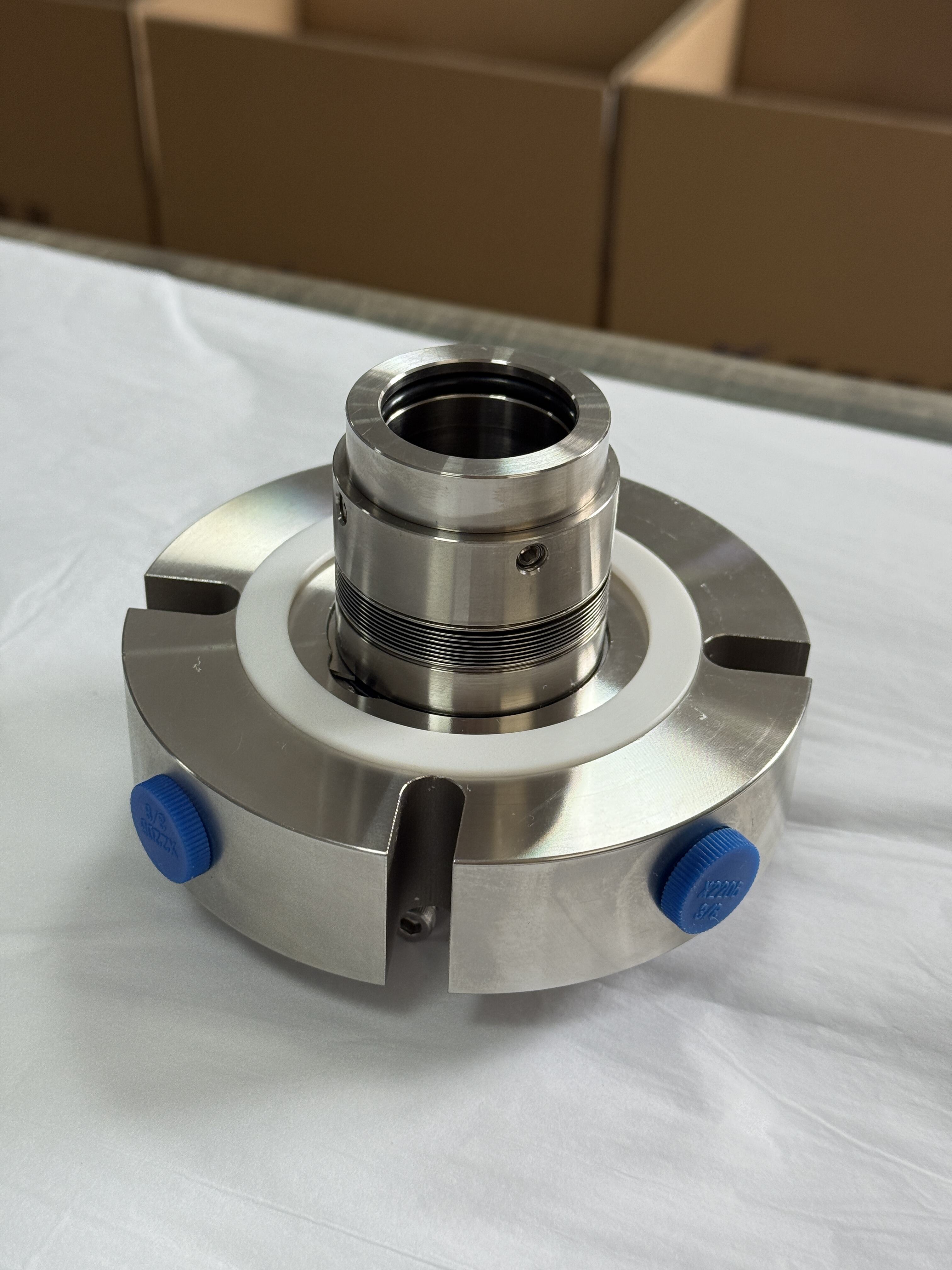
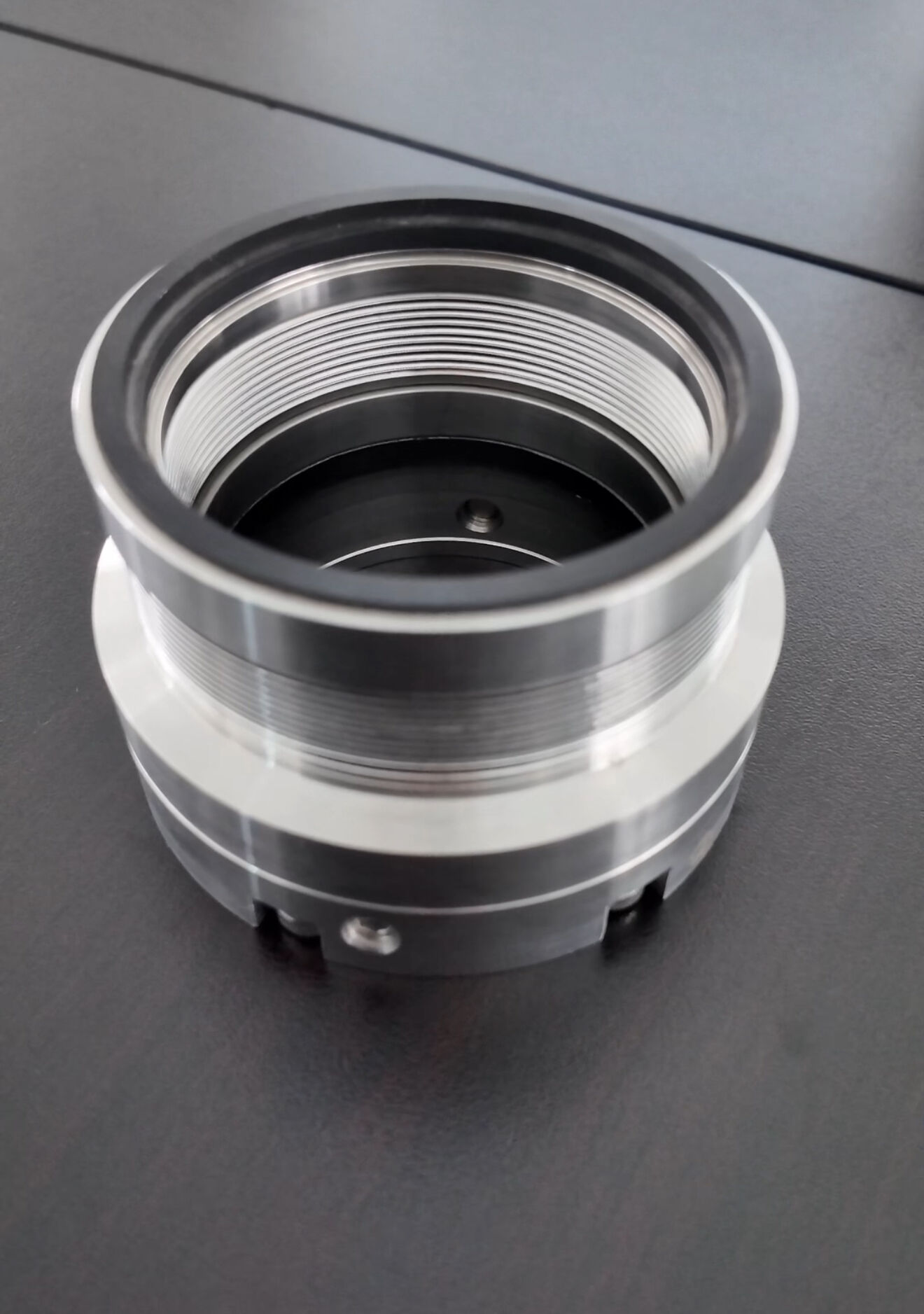
Reactor mechanical seal types represent critical components in chemical processing equipment, designed to prevent leakage between rotating and stationary parts within reactor systems. These specialized sealing solutions operate under extreme conditions including high temperatures, corrosive chemicals, and varying pressure environments. The primary function of reactor mechanical seal types involves creating a reliable barrier that maintains process integrity while allowing shaft rotation. Modern reactor mechanical seal types incorporate advanced materials such as silicon carbide, tungsten carbide, and specialized elastomers that resist chemical attack and thermal degradation. The technological features of these sealing systems include precision-machined sealing faces, spring-loaded mechanisms for consistent contact pressure, and secondary sealing elements that provide additional protection against leakage. Various reactor mechanical seal types are available including single seals, double seals, tandem configurations, and cartridge-style units, each designed for specific operational requirements. Single reactor mechanical seal types offer simplicity and cost-effectiveness for standard applications, while double seal configurations provide enhanced safety through barrier fluid systems. Tandem reactor mechanical seal types deliver superior reliability by incorporating backup sealing elements that engage if the primary seal fails. Cartridge reactor mechanical seal types simplify installation and maintenance procedures by pre-assembling all components in a single unit. Applications for reactor mechanical seal types span across pharmaceutical manufacturing, petrochemical processing, food production, and specialty chemical synthesis. These sealing solutions must withstand aggressive media including acids, bases, solvents, and reactive compounds while maintaining dimensional stability and sealing performance. Temperature resistance capabilities of reactor mechanical seal types typically range from cryogenic conditions to several hundred degrees Celsius, depending on material selection and design configuration. Pressure ratings vary significantly among different reactor mechanical seal types, with some units capable of handling vacuum conditions while others operate effectively at pressures exceeding 500 PSI.

New Products

Reactor mechanical seal types deliver exceptional performance benefits that directly impact operational efficiency and maintenance costs in chemical processing facilities. The superior leak prevention capabilities of these sealing systems eliminate product loss, reduce environmental exposure risks, and maintain consistent process conditions throughout extended operating periods. Unlike traditional packing systems, reactor mechanical seal types require minimal adjustment and provide consistent sealing performance without frequent maintenance interventions. The self-adjusting nature of these sealing mechanisms compensates for normal wear patterns, ensuring reliable operation while reducing labor requirements and maintenance schedules. Energy efficiency represents another significant advantage of reactor mechanical seal types, as these systems generate minimal friction compared to conventional sealing methods. The reduced friction translates directly into lower power consumption, decreased heat generation, and extended equipment life cycles. Modern reactor mechanical seal types incorporate advanced face materials that maintain smooth sealing surfaces while resisting wear and chemical degradation. The precision manufacturing processes used in producing reactor mechanical seal types ensure consistent gap dimensions and optimal contact pressure distribution across the sealing interface. This precision engineering results in predictable performance characteristics and extended service life under demanding operating conditions. Installation flexibility offered by reactor mechanical seal types accommodates various shaft sizes, housing configurations, and mounting arrangements without requiring extensive modifications to existing equipment. The modular design approach of many reactor mechanical seal types enables easy replacement and upgrade capabilities, allowing facilities to adapt to changing process requirements without major equipment investments. Temperature stability represents a crucial advantage of reactor mechanical seal types, as these systems maintain sealing integrity across wide temperature ranges while accommodating thermal expansion and contraction cycles. The chemical compatibility of reactor mechanical seal types with aggressive process media eliminates concerns about seal degradation and unexpected failures that could compromise production schedules. Quality control measures implemented during manufacturing ensure that reactor mechanical seal types meet stringent performance standards and provide consistent results across multiple installations. The availability of specialized reactor mechanical seal types for unique applications enables custom solutions that address specific process challenges while maintaining optimal sealing performance. Training and technical support services provided by manufacturers help facilities maximize the benefits of reactor mechanical seal types through proper selection, installation, and maintenance practices.

Latest News

Can High-Performance Mechanical Seals Reduce Maintenance Costs?

22

Dec

Can High-Performance Mechanical Seals Reduce Maintenance Costs?

Industrial facilities worldwide face mounting pressure to reduce operational costs while maintaining peak equipment performance. One critical component that significantly impacts maintenance expenses is the mechanical seal system used in pumps, compr...
View More
Double Mechanical Seals for Higher Pressure and Temperature Control

13

Jan

Double Mechanical Seals for Higher Pressure and Temperature Control

In industrial applications where reliability and performance are paramount, double mechanical seals have emerged as the preferred sealing solution for high-pressure and high-temperature environments. These advanced sealing systems provide superior pr...
View More
How Do Cartridge Mechanical Seals Simplify Installation Process?

13

Jan

How Do Cartridge Mechanical Seals Simplify Installation Process?

Modern industrial applications demand reliable sealing solutions that minimize downtime and reduce maintenance complexity. Cartridge Mechanical Seals have emerged as the preferred choice for engineers and maintenance professionals seeking efficient, ...
View More
How Do Mech Seals Improve Pump Efficiency and Uptime?

13

Jan

How Do Mech Seals Improve Pump Efficiency and Uptime?

Mechanical seals play a crucial role in maintaining optimal pump performance across industrial applications. Understanding how mech seals function and their impact on operational efficiency can help facility managers and engineers make informed decis...
View More

Get a Free Quote

Our representative will contact you soon.
Email
Name
Company Name
Country/Region
Message
0/1000

reactor mechanical seal types

Advanced Material Construction for Ultimate Durability

Advanced Material Construction for Ultimate Durability

The exceptional durability of reactor mechanical seal types stems from their advanced material construction, which incorporates cutting-edge engineering materials specifically selected for chemical processing environments. Silicon carbide faces provide outstanding wear resistance and thermal conductivity, ensuring stable sealing performance even under extreme temperature fluctuations. Tungsten carbide alternatives offer superior hardness and corrosion resistance when dealing with abrasive media or highly corrosive chemicals. The secondary sealing elements in reactor mechanical seal types utilize fluorocarbon elastomers and specialized polymer compounds that maintain flexibility and chemical resistance across wide temperature ranges. These advanced materials prevent swelling, cracking, and degradation that commonly affect inferior sealing materials in harsh chemical environments. The metal components of reactor mechanical seal types feature corrosion-resistant alloys including Hastelloy, Inconel, and duplex stainless steels that withstand aggressive chemical attack while maintaining structural integrity. Surface treatments and coatings applied to reactor mechanical seal types enhance performance characteristics by reducing friction, improving wear resistance, and providing additional chemical protection. The spring systems incorporated in these sealing mechanisms utilize specialized alloys that resist stress corrosion cracking and maintain consistent loading forces throughout extended service periods. Material compatibility matrices provided by manufacturers ensure that reactor mechanical seal types are properly matched to specific process conditions, preventing premature failure and optimizing performance. The combination of premium materials and precision manufacturing processes results in reactor mechanical seal types that deliver reliable service life measured in years rather than months, significantly reducing maintenance costs and production interruptions.
Leak-Free Operation for Enhanced Safety and Efficiency

Leak-Free Operation for Enhanced Safety and Efficiency

The leak-free operation achieved by reactor mechanical seal types represents a fundamental advantage that enhances both workplace safety and operational efficiency in chemical processing facilities. The precision-engineered sealing faces create an extremely narrow gap that effectively prevents product migration while allowing for necessary lubrication and heat dissipation. The spring-loaded design maintains optimal contact pressure between sealing faces, automatically compensating for wear and thermal expansion to ensure consistent sealing performance. Double seal configurations in reactor mechanical seal types provide additional security through barrier fluid systems that create positive pressure differentials preventing process leakage. The barrier fluid circulation helps remove heat from the sealing interface while providing lubrication and contamination protection for the sealing faces. Leak detection systems integrated with reactor mechanical seal types enable early identification of potential issues before they develop into significant problems, allowing for planned maintenance rather than emergency shutdowns. The elimination of fugitive emissions through proper application of reactor mechanical seal types helps facilities comply with environmental regulations while reducing product loss and associated costs. Containment capabilities of reactor mechanical seal types prevent cross-contamination between different process streams in multi-product facilities, maintaining product quality and purity standards. The consistent sealing performance of these systems eliminates the variability associated with manual packing adjustments, providing predictable operation that supports process optimization efforts. Pressure handling capabilities of reactor mechanical seal types accommodate both positive and negative pressure conditions without compromising sealing integrity, providing operational flexibility for various process requirements. The dry-running capabilities of certain reactor mechanical seal types enable operation during startup and shutdown procedures without requiring immediate lubrication, simplifying operational procedures and reducing the risk of seal damage during transitional periods.
Cost-Effective Maintenance and Extended Service Life

Cost-Effective Maintenance and Extended Service Life

The cost-effective maintenance characteristics of reactor mechanical seal types deliver significant economic benefits through reduced labor requirements, extended service intervals, and predictable replacement schedules. Unlike traditional packing systems that require frequent adjustment and replacement, reactor mechanical seal types operate for extended periods without maintenance intervention, reducing both direct labor costs and production disruptions. The cartridge design of many reactor mechanical seal types enables complete seal replacement in a single operation, minimizing equipment downtime and reducing the skill level required for maintenance personnel. Pre-assembled cartridge units eliminate the potential for installation errors that could compromise sealing performance or damage equipment components. The predictable wear patterns of reactor mechanical seal types enable condition-based maintenance programs that optimize replacement timing while avoiding unexpected failures. Wear monitoring systems available with advanced reactor mechanical seal types provide real-time feedback on seal condition, enabling maintenance planning that minimizes inventory requirements and reduces emergency repair costs. The standardized dimensions and mounting arrangements of reactor mechanical seal types facilitate interchangeability between different manufacturers, providing procurement flexibility and competitive pricing options. Spare parts availability for reactor mechanical seal types ensures that replacement components are readily accessible, reducing inventory carrying costs while maintaining operational readiness. Training programs offered by seal manufacturers help maintenance personnel develop the expertise needed to properly install and maintain reactor mechanical seal types, reducing the likelihood of premature failure due to improper handling. The extended service life of reactor mechanical seal types, often measured in multiple years under proper operating conditions, provides significant cost advantages compared to alternative sealing methods that require frequent replacement. Documentation and technical support provided with reactor mechanical seal types enable facilities to optimize operating parameters and maintenance practices, further extending service life while maintaining optimal performance levels.

Get a Free Quote

Our representative will contact you soon.
Email
Name
Company Name
Country/Region
Message
0/1000