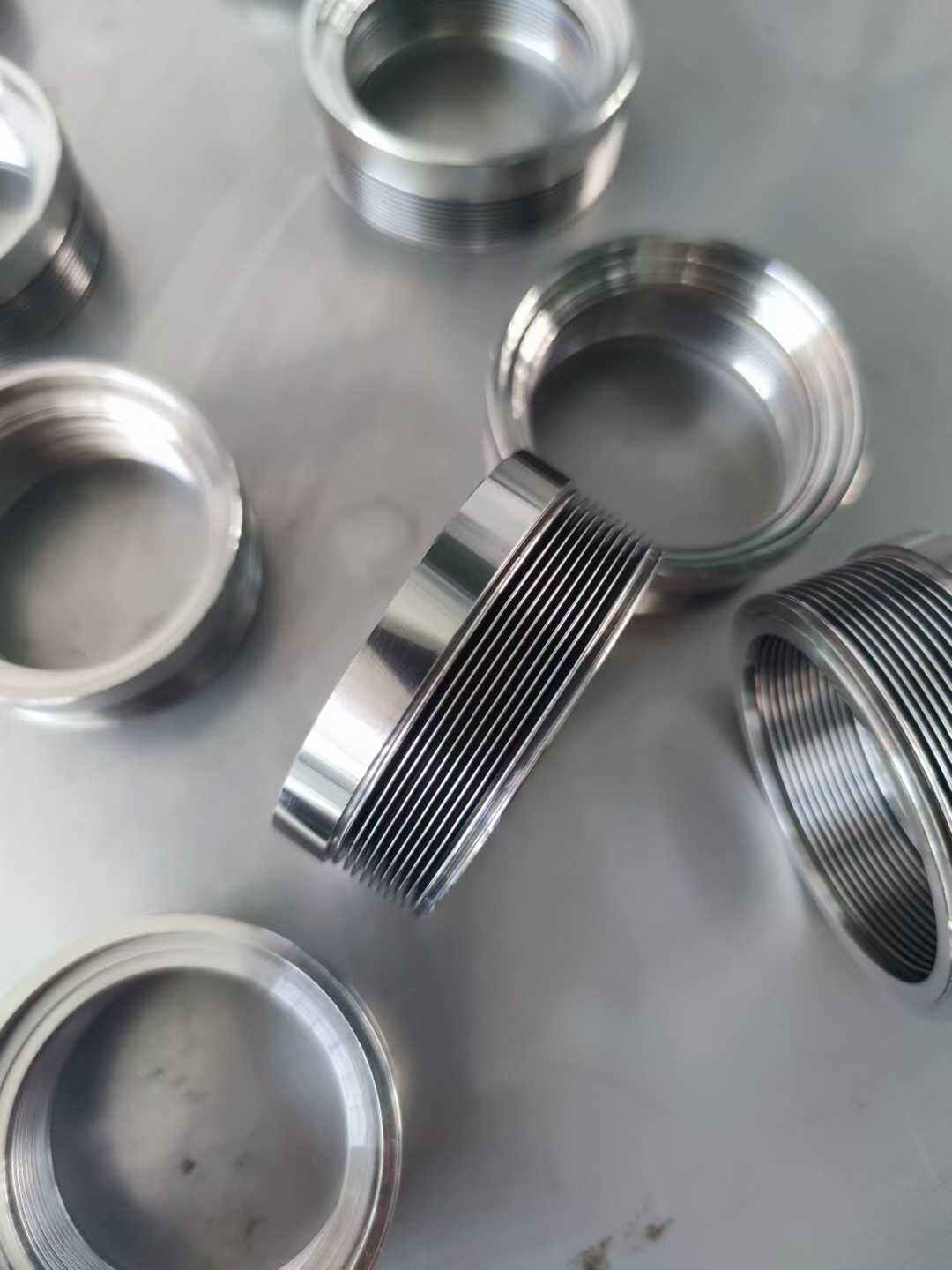
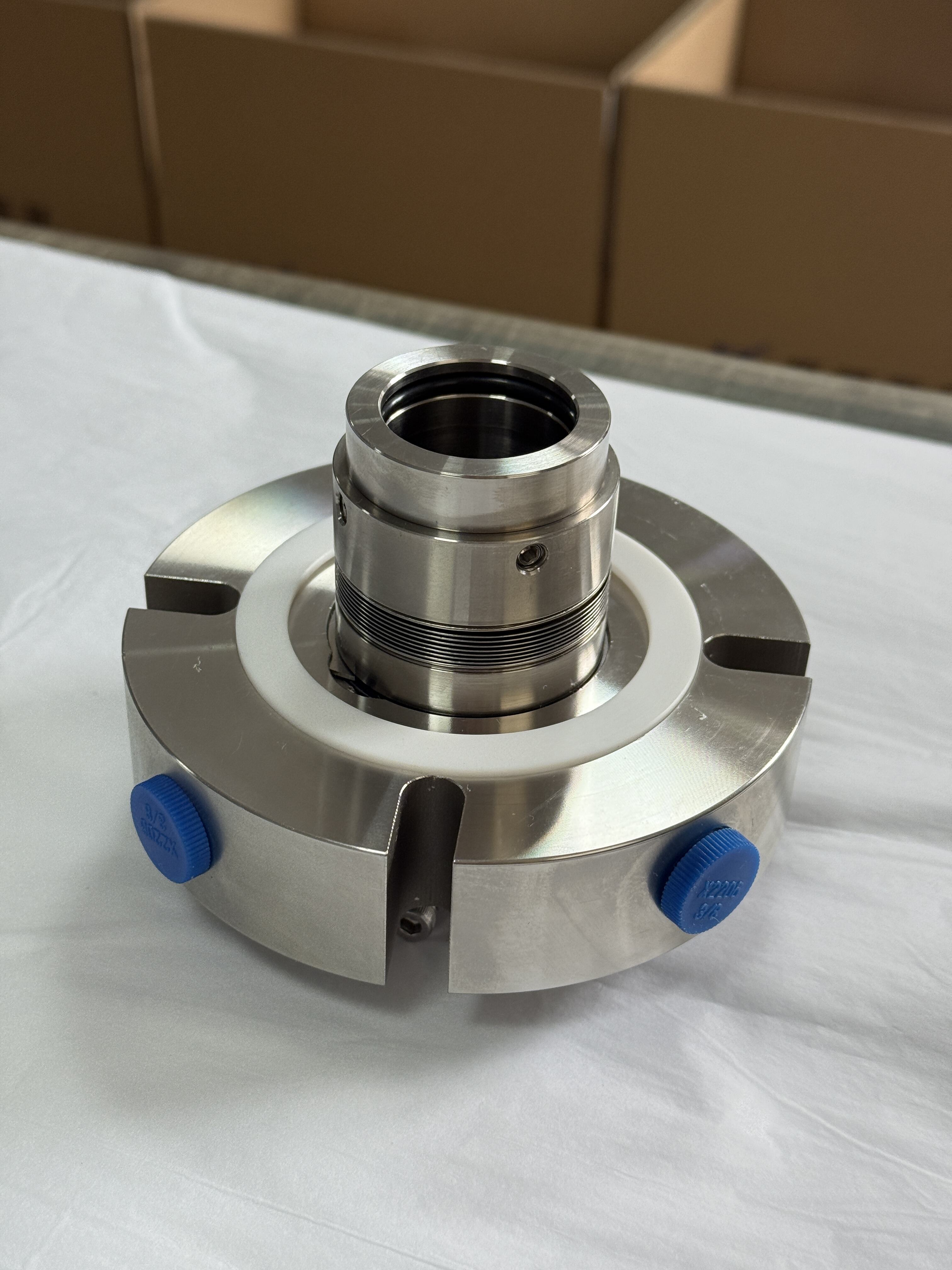
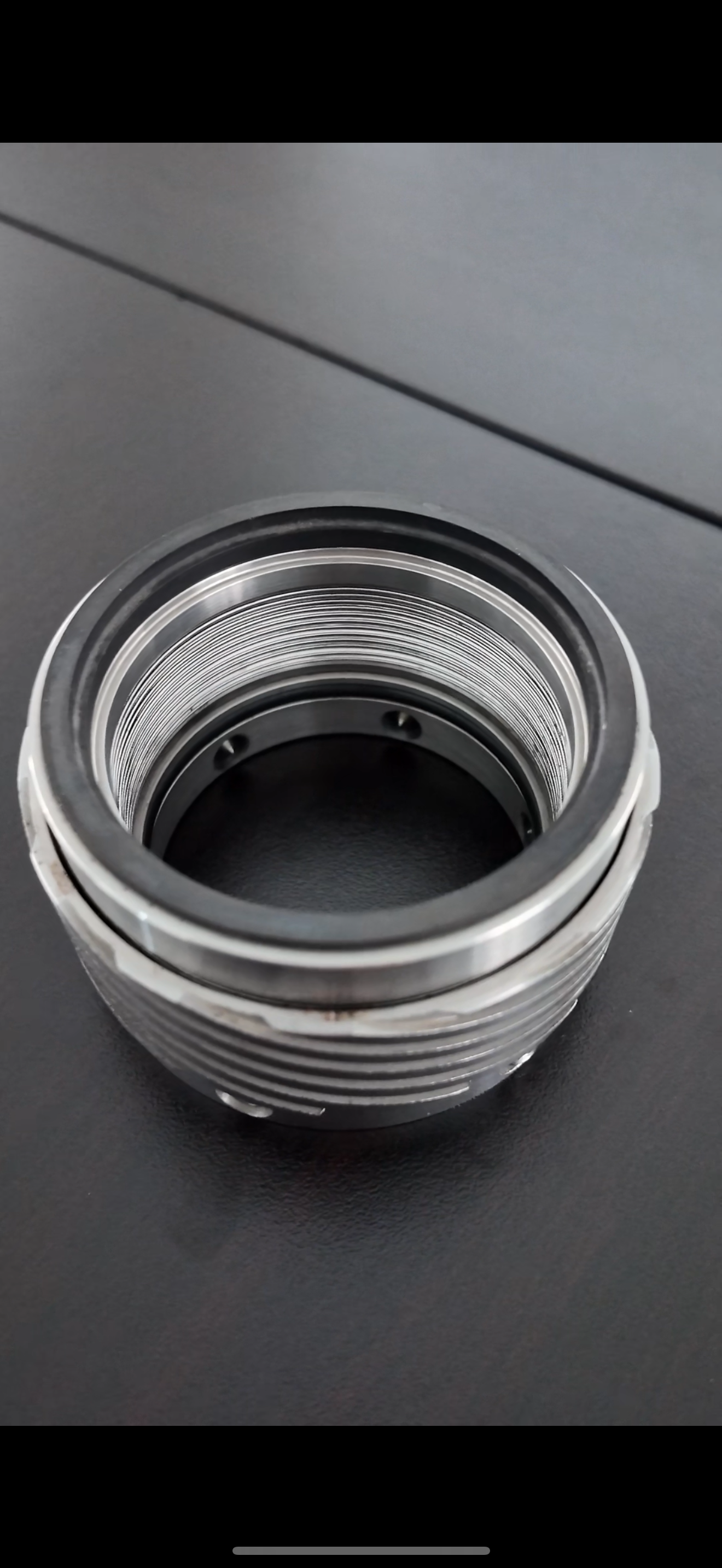
metal bellows
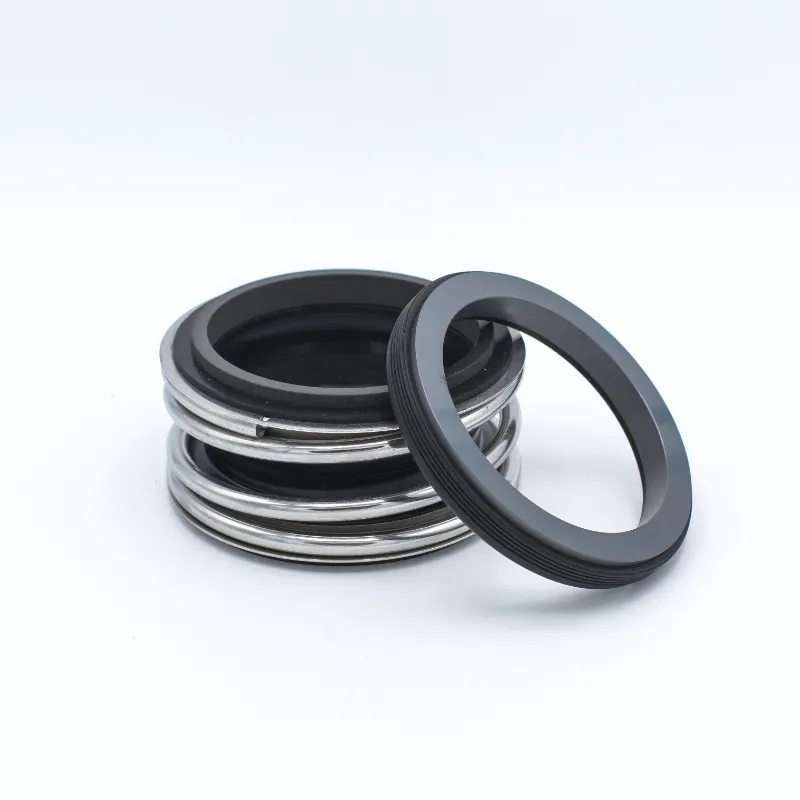
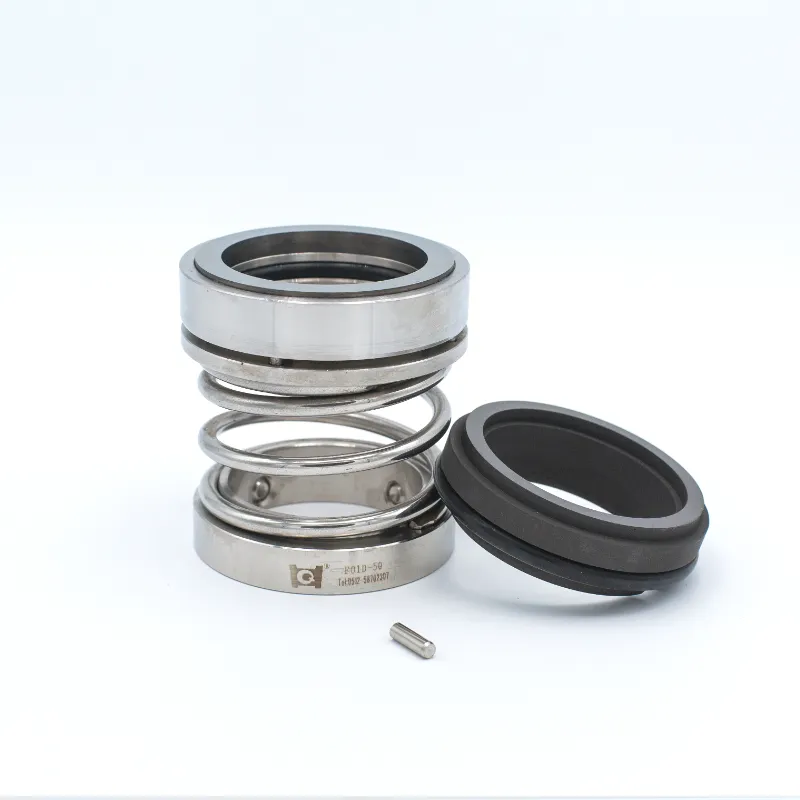
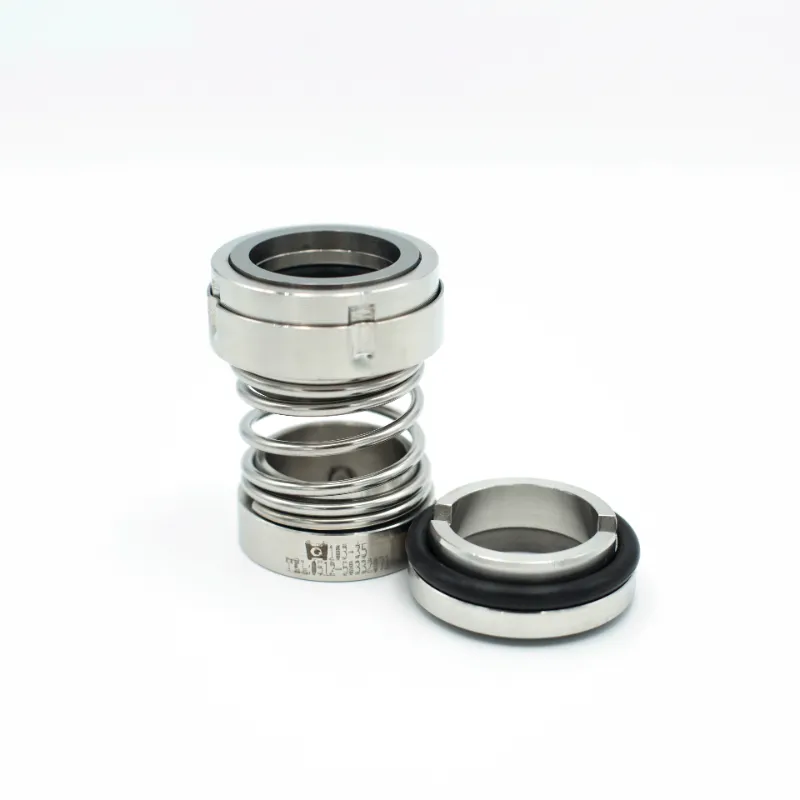
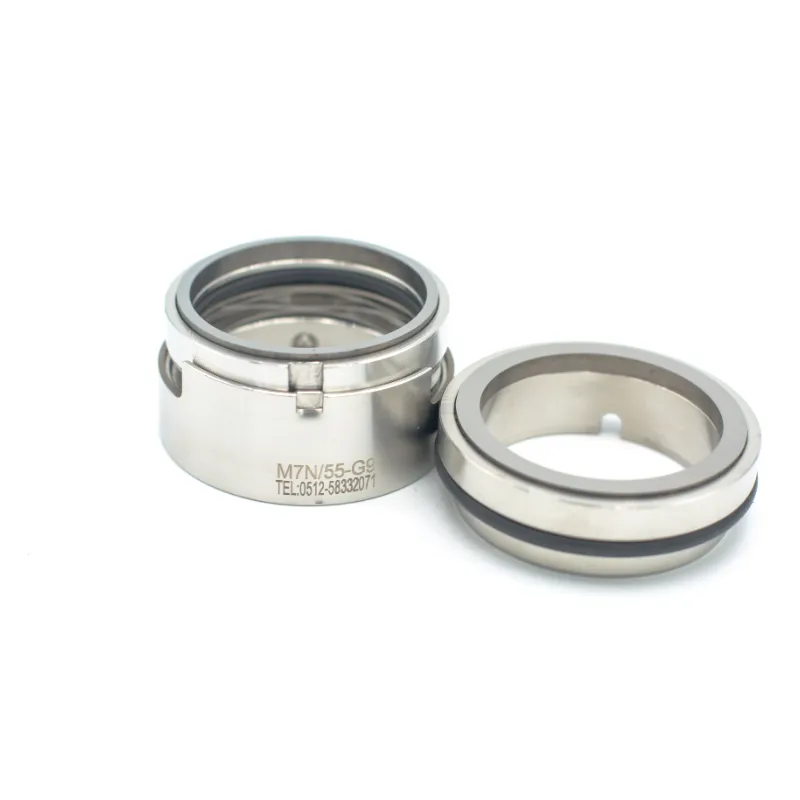
Metal bellows represent sophisticated engineering components designed to provide flexible connections in piping systems, machinery, and various industrial applications. These accordion-like structures consist of multiple convolutions formed from high-grade metallic materials, creating a flexible yet durable solution for compensating thermal expansion, vibration absorption, and mechanical movement. The fundamental design of metal bellows enables them to compress, extend, and flex while maintaining pressure integrity and structural reliability. Modern metal bellows manufacturing employs advanced techniques including hydroforming, welding, and precision machining to achieve optimal performance characteristics. The corrugated structure allows for controlled deformation under various operating conditions while preventing stress concentration that could lead to premature failure. Metal bellows serve as critical components in power generation facilities, chemical processing plants, aerospace applications, and HVAC systems where reliable flexible connections are essential. Their ability to accommodate axial, lateral, and angular movements makes them indispensable for managing thermal growth in piping networks. The materials used in metal bellows construction typically include stainless steel, Inconel, Hastelloy, and other corrosion-resistant alloys selected based on specific application requirements. Quality metal bellows undergo rigorous testing procedures including pressure testing, fatigue analysis, and dimensional verification to ensure compliance with industry standards. The manufacturing process involves precise control of wall thickness, convolution geometry, and surface finish to optimize performance and longevity. Installation considerations for metal bellows include proper anchoring, guiding, and support systems to prevent excessive stress and ensure optimal functionality throughout their service life.
 EN
EN