metal bellows expansion joints
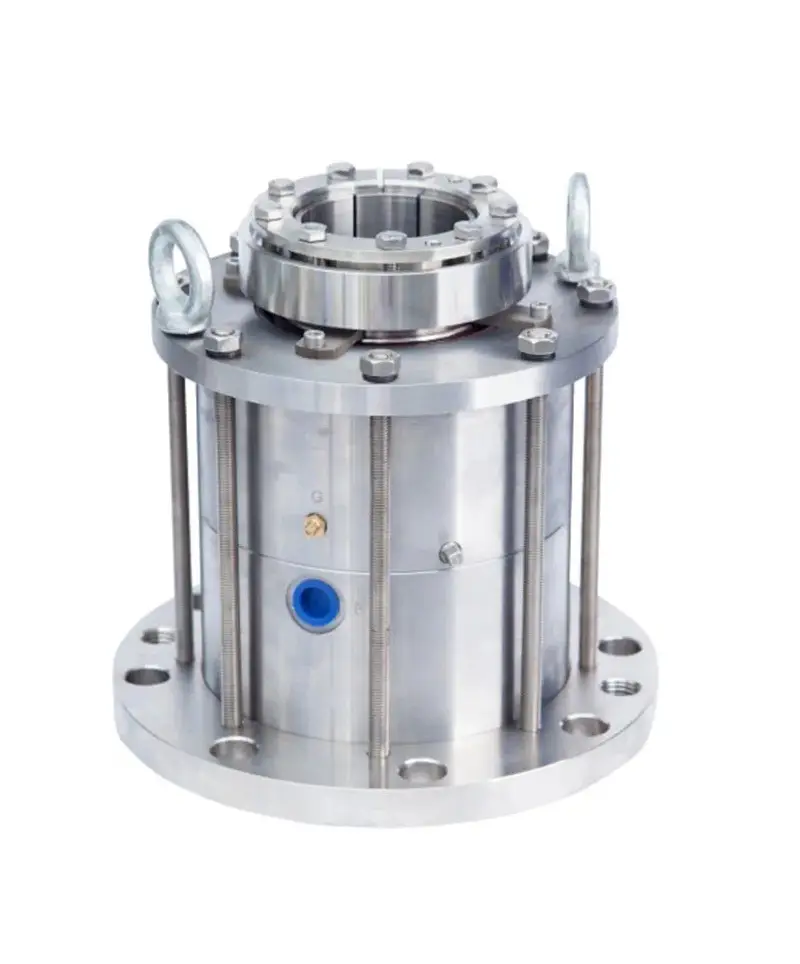
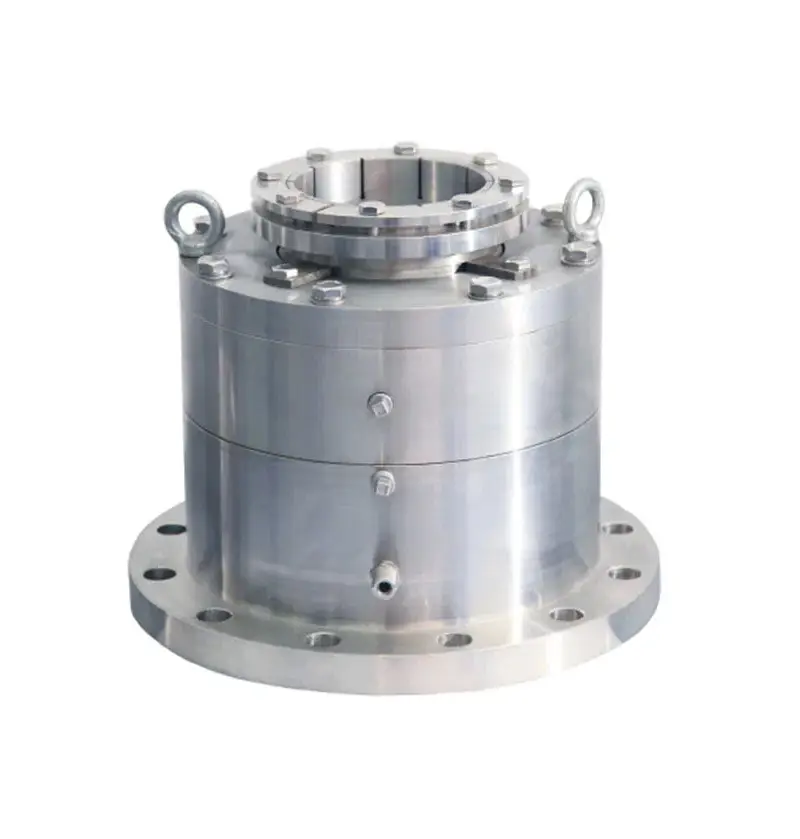
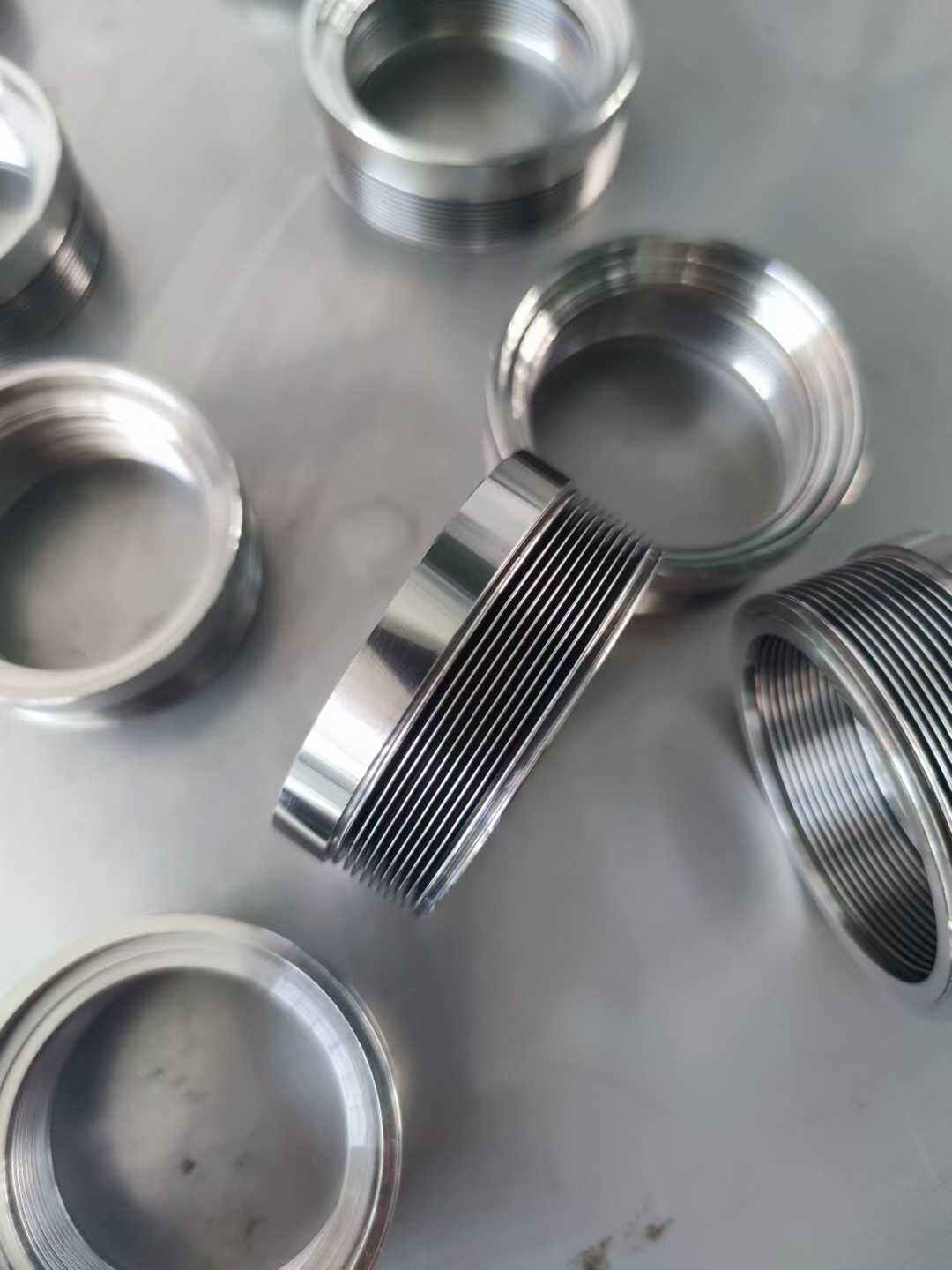
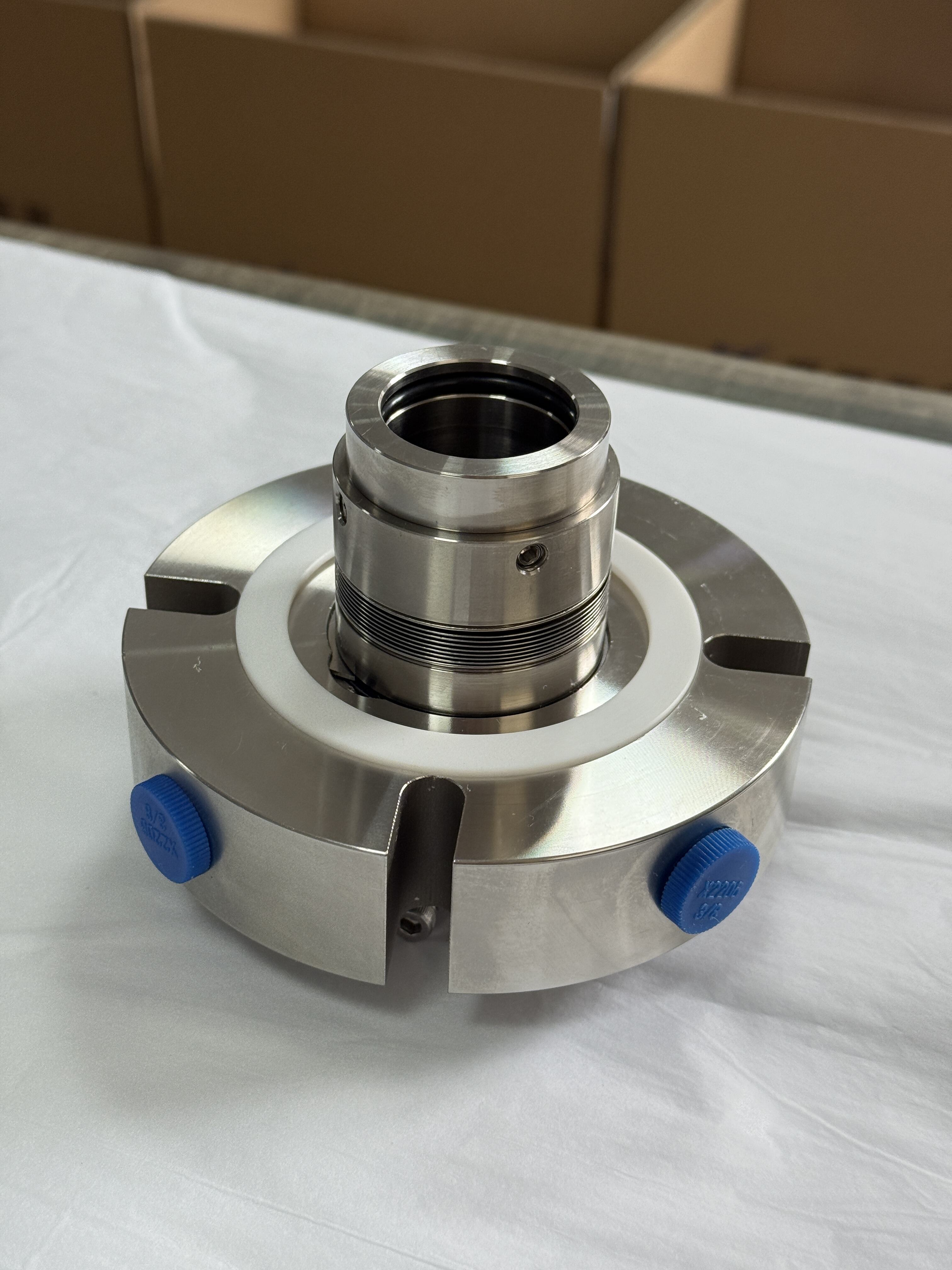
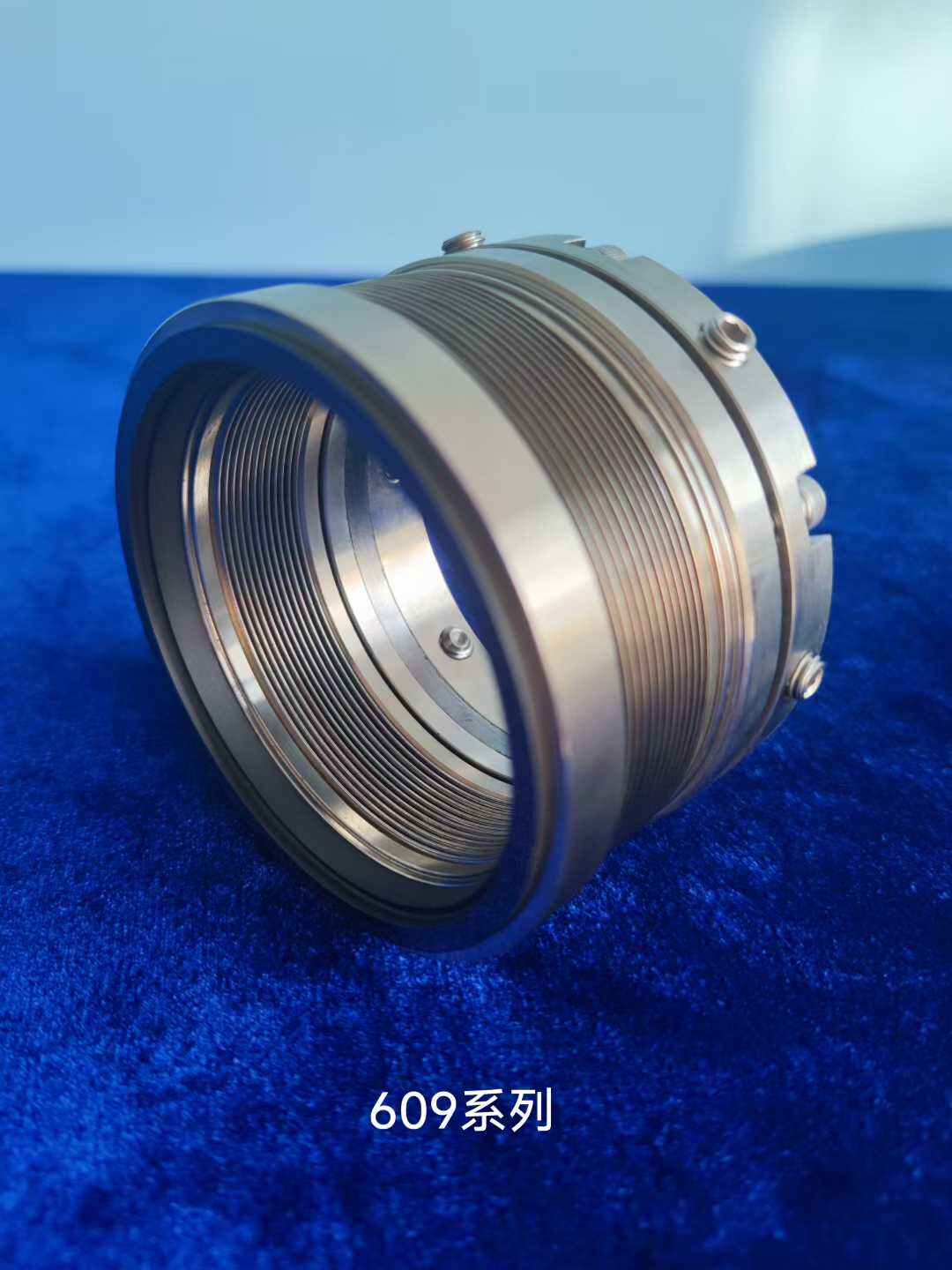
Metal bellows expansion joints represent sophisticated engineering solutions designed to accommodate thermal expansion, contraction, and mechanical movement in piping systems. These flexible connectors consist of corrugated metal bellows manufactured from high-grade stainless steel, Inconel, or other specialized alloys, providing exceptional durability and performance under demanding conditions. The primary function of metal bellows expansion joints involves absorbing dimensional changes caused by temperature fluctuations, pressure variations, and external forces that would otherwise create stress concentrations in rigid piping networks. By incorporating these components, engineers can prevent costly damage to equipment, reduce maintenance requirements, and ensure continuous operation of critical industrial processes. The technological features of metal bellows expansion joints include precision-formed convolutions that enable controlled flexibility while maintaining pressure integrity. Advanced manufacturing techniques ensure consistent wall thickness and optimal stress distribution across the bellows surface. Many designs incorporate protective sleeves, tie rods, and limit stops to control movement parameters and prevent overextension. The welded construction eliminates potential leak paths common in mechanical joints, while the seamless design minimizes turbulence and pressure drop. Applications for metal bellows expansion joints span numerous industries, including petrochemical processing, power generation, pharmaceutical manufacturing, and HVAC systems. These components prove essential in steam lines, exhaust systems, cryogenic installations, and high-temperature applications where conventional expansion methods prove inadequate. The versatility of metal bellows expansion joints allows customization for specific operating conditions, including extreme temperatures ranging from cryogenic to elevated thermal environments, corrosive media exposure, and high-pressure applications. Installation flexibility enables both axial and lateral movement accommodation, making these joints suitable for complex piping configurations where multiple movement planes require consideration.
 EN
EN