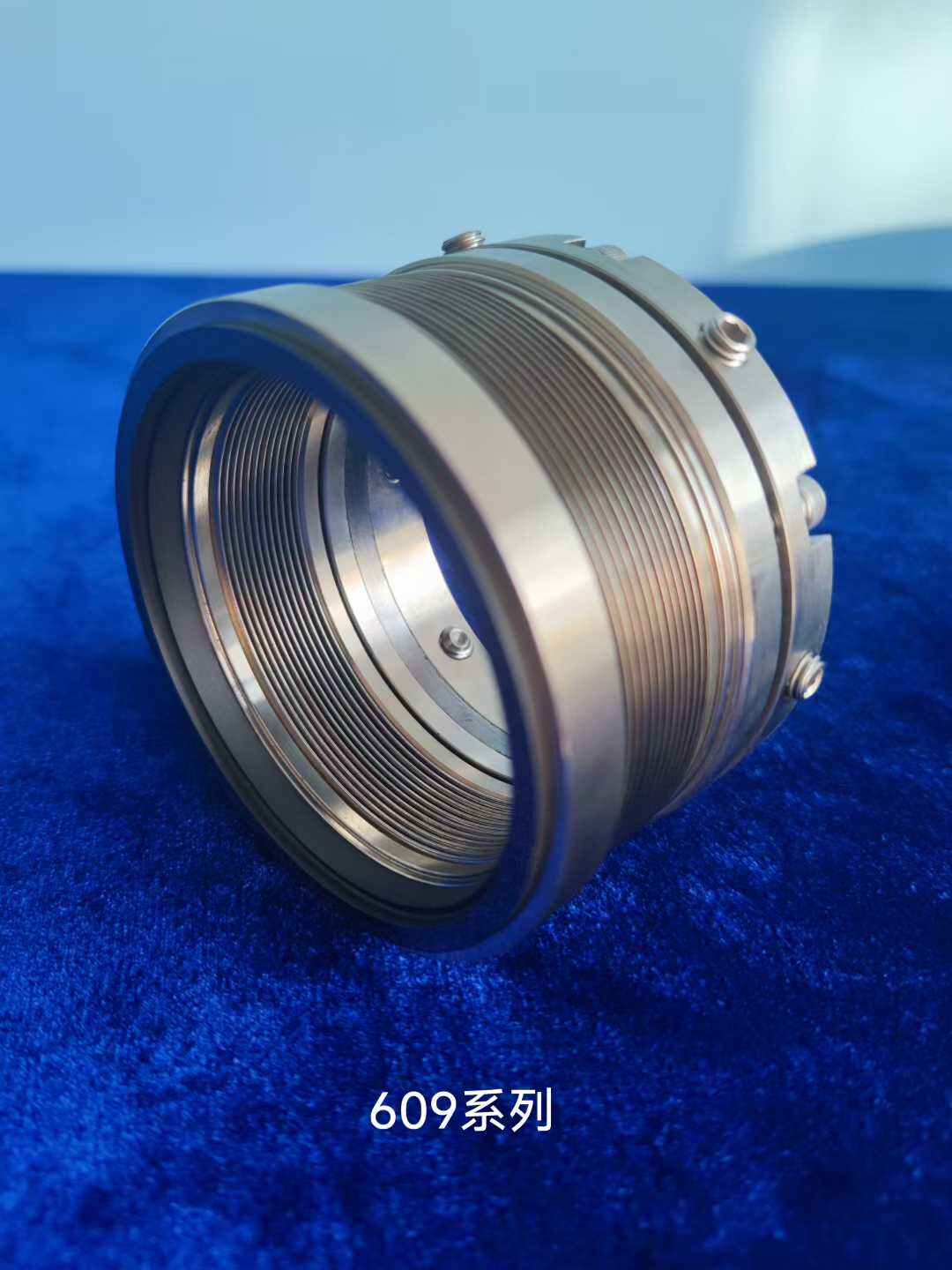
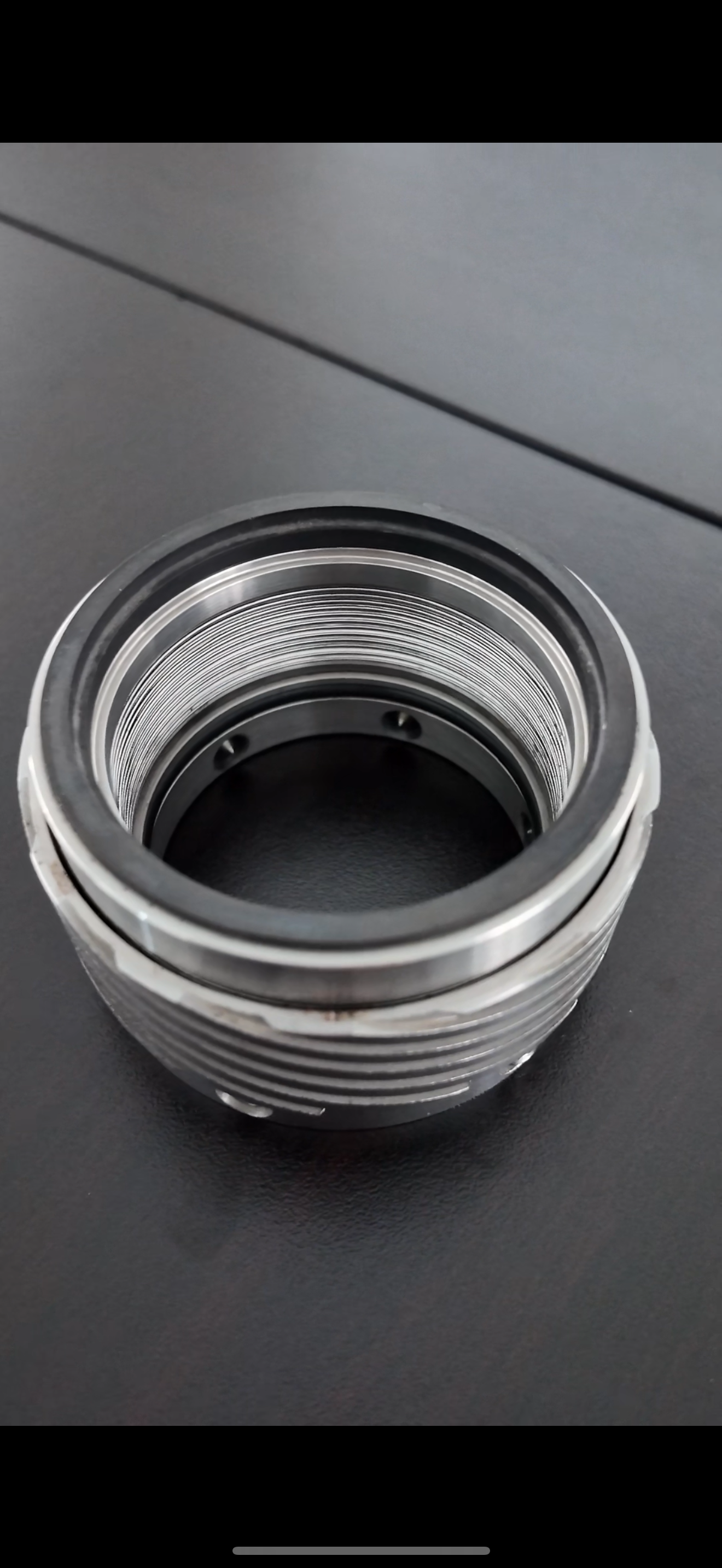
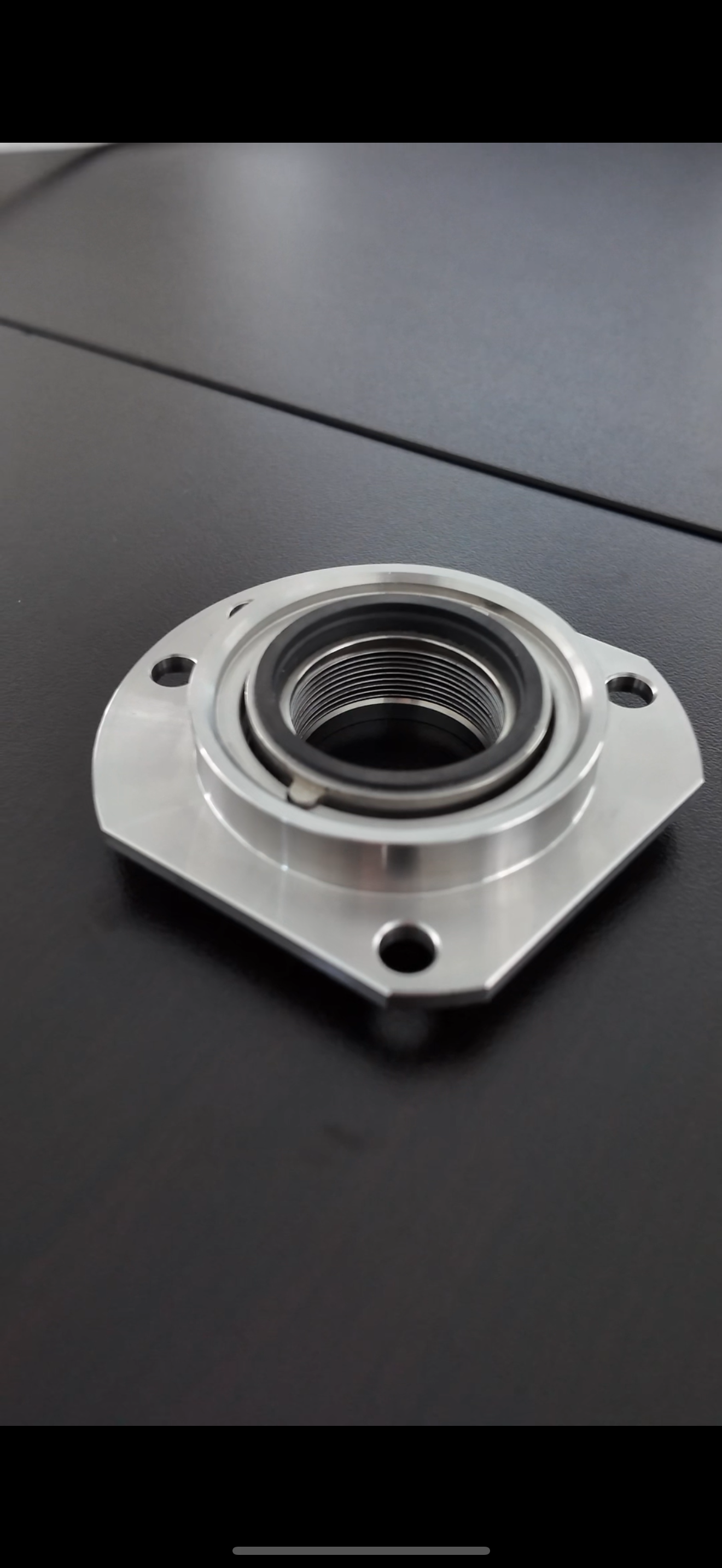
flexible metal bellows
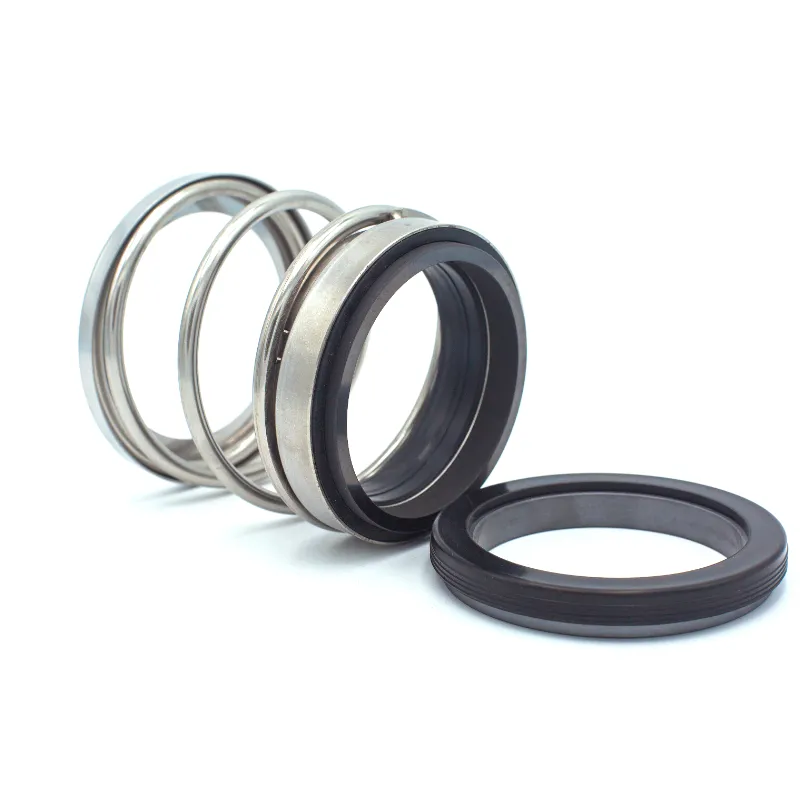
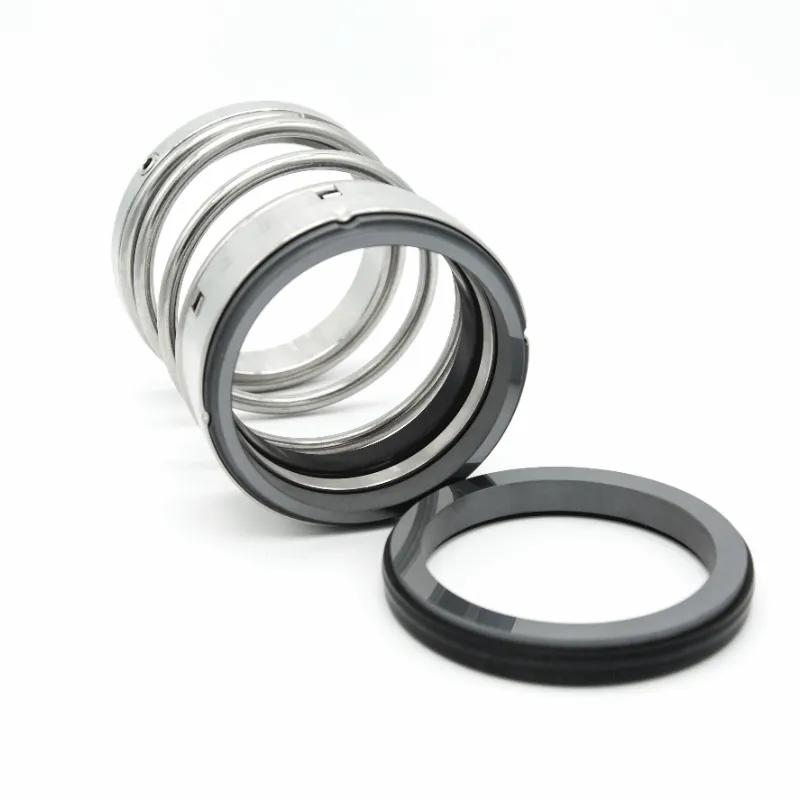
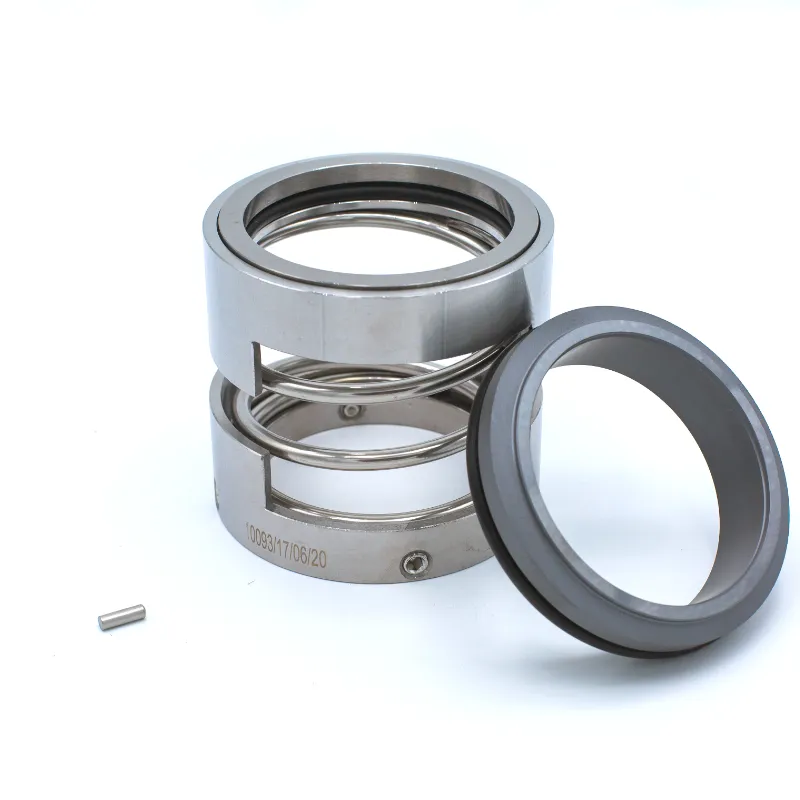
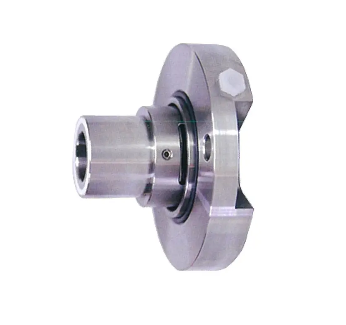
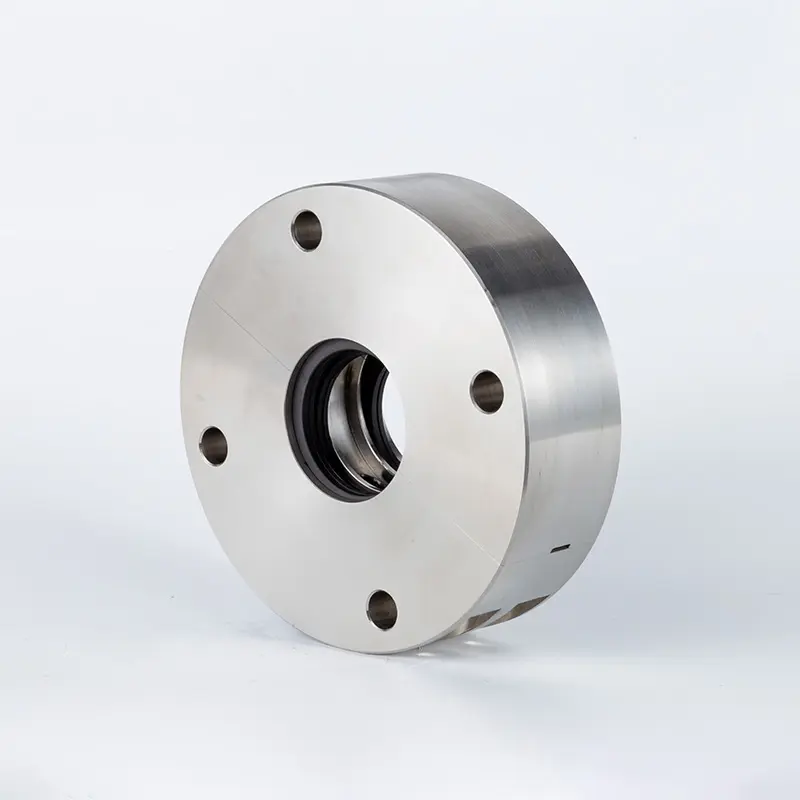
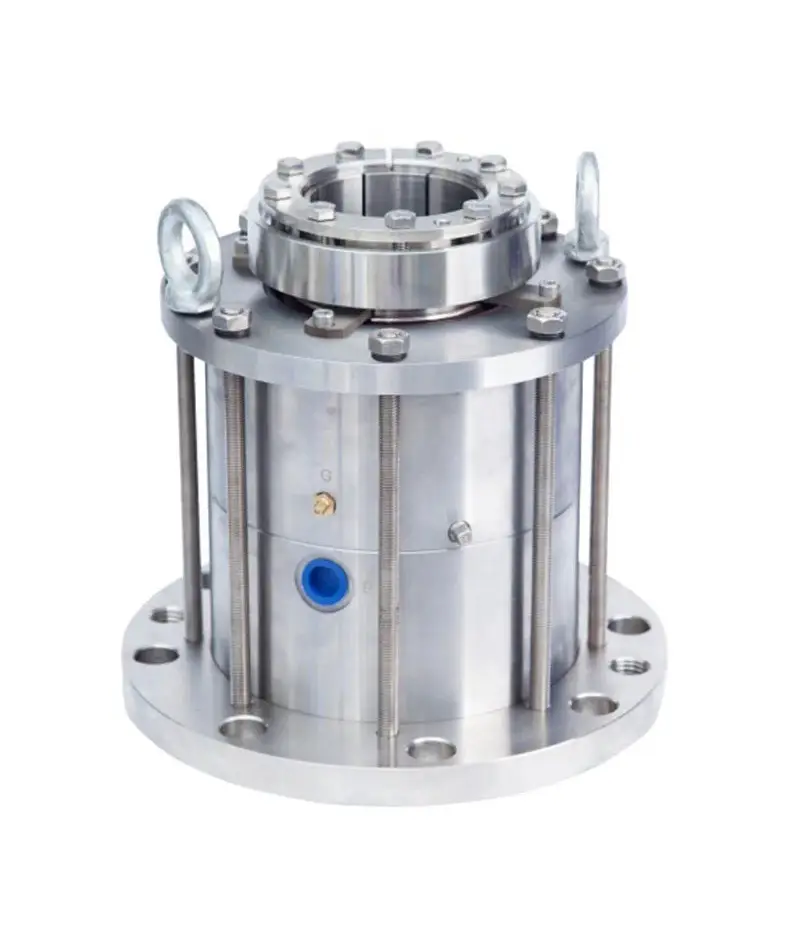
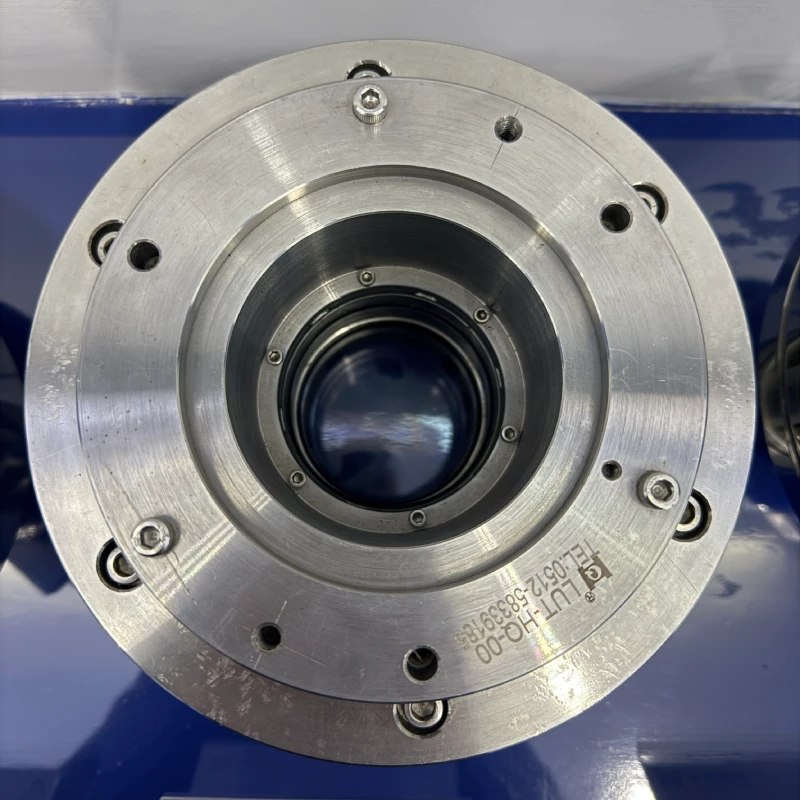
Flexible metal bellows represent sophisticated engineering components designed to accommodate movement, pressure variations, and thermal expansion in industrial piping systems and mechanical assemblies. These accordion-like devices consist of multiple corrugated metal layers that form a series of convolutions, enabling them to compress, extend, and flex while maintaining structural integrity. The primary construction involves thin-walled metal sheets, typically stainless steel, Inconel, or other specialized alloys, formed into corrugated patterns that maximize flexibility while preserving strength. The manufacturing process employs advanced hydroforming or mechanical forming techniques to create precise corrugation profiles that optimize performance characteristics. Flexible metal bellows serve three fundamental functions within industrial applications. First, they compensate for thermal expansion and contraction that occurs when systems experience temperature fluctuations, preventing stress accumulation in connected components. Second, they absorb mechanical vibrations and reduce noise transmission through piping networks, protecting sensitive equipment from dynamic loads. Third, they accommodate misalignment between connected components, allowing for installation tolerances and settling movements over time. The technological features of flexible metal bellows include multi-layer construction for enhanced durability, customizable spring rates to match specific application requirements, and corrosion-resistant materials suitable for harsh operating environments. Advanced designs incorporate end fittings, protective covers, and tie rods to optimize performance and extend service life. These components operate effectively across wide temperature ranges, from cryogenic applications to high-temperature industrial processes, while maintaining leak-tight sealing capabilities. Modern flexible metal bellows utilize computer-aided design optimization to achieve precise performance characteristics, ensuring reliable operation under demanding conditions while minimizing maintenance requirements and extending overall system longevity.
 EN
EN