Superior Chemical Resistance for Demanding Applications
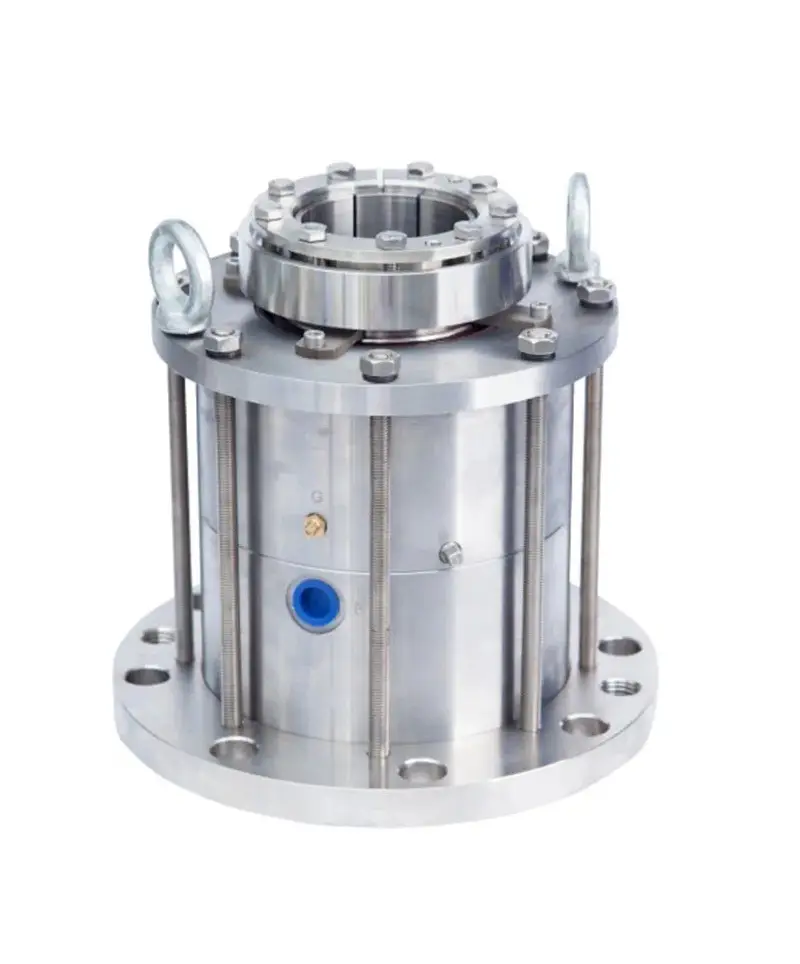
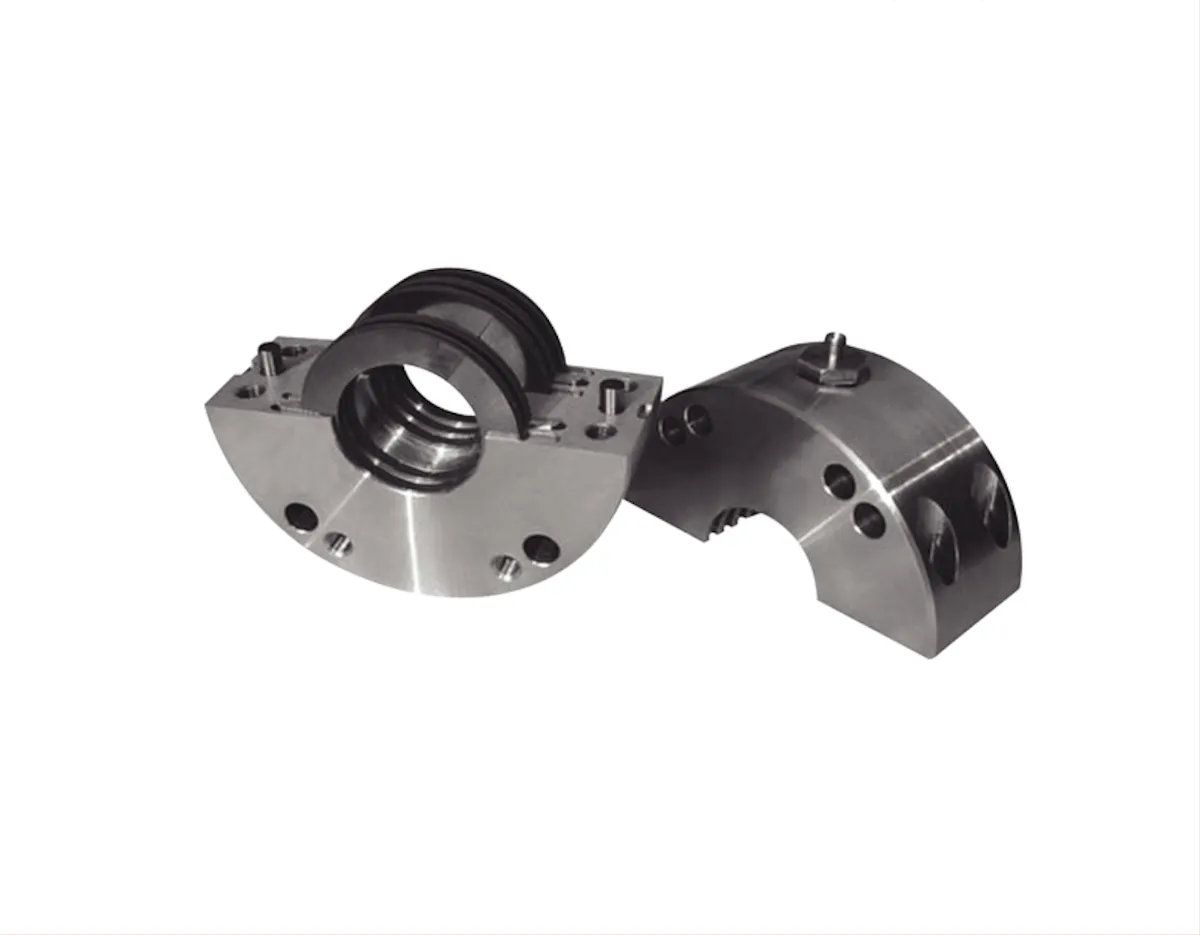
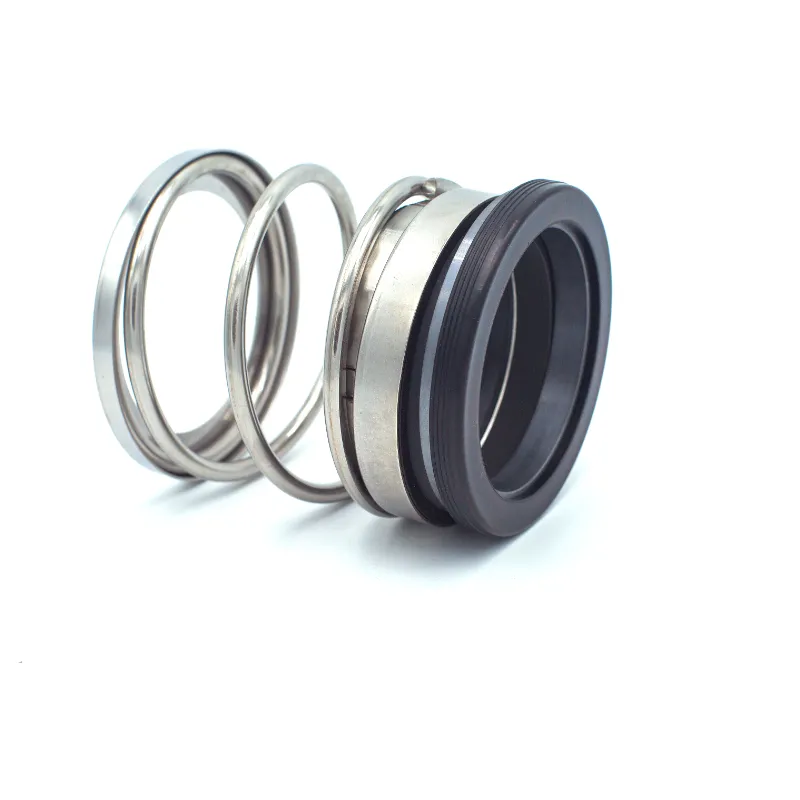
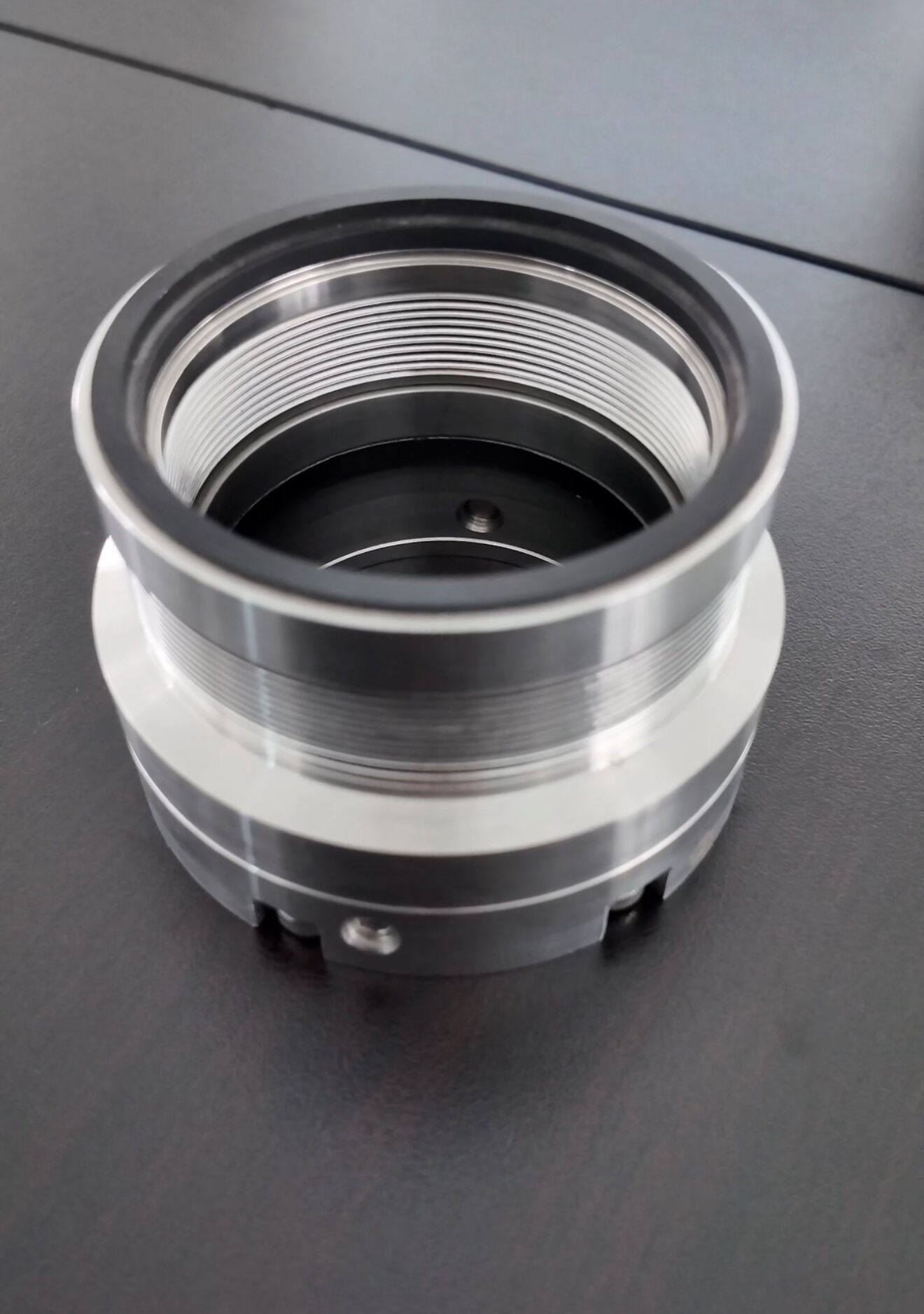
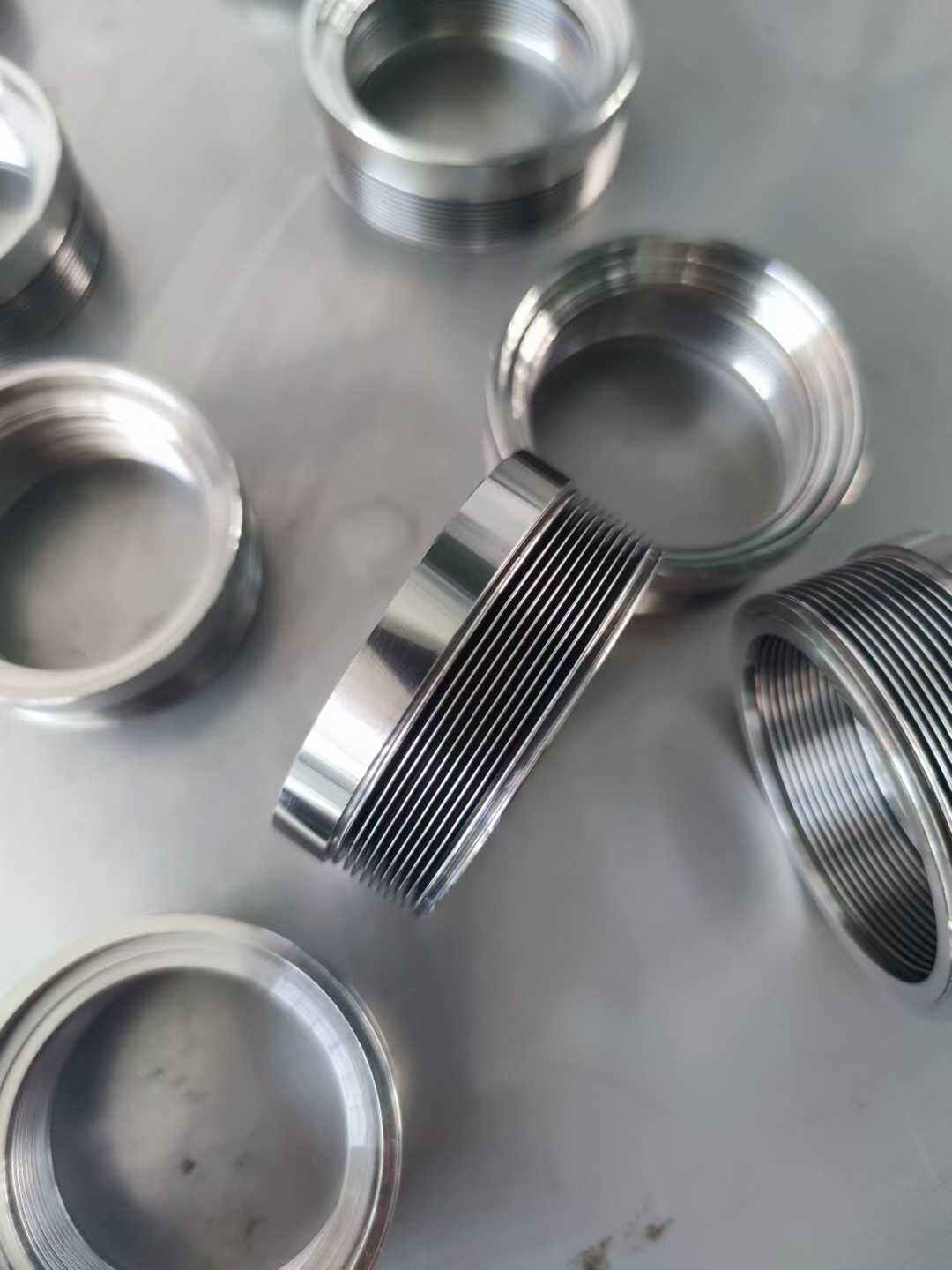
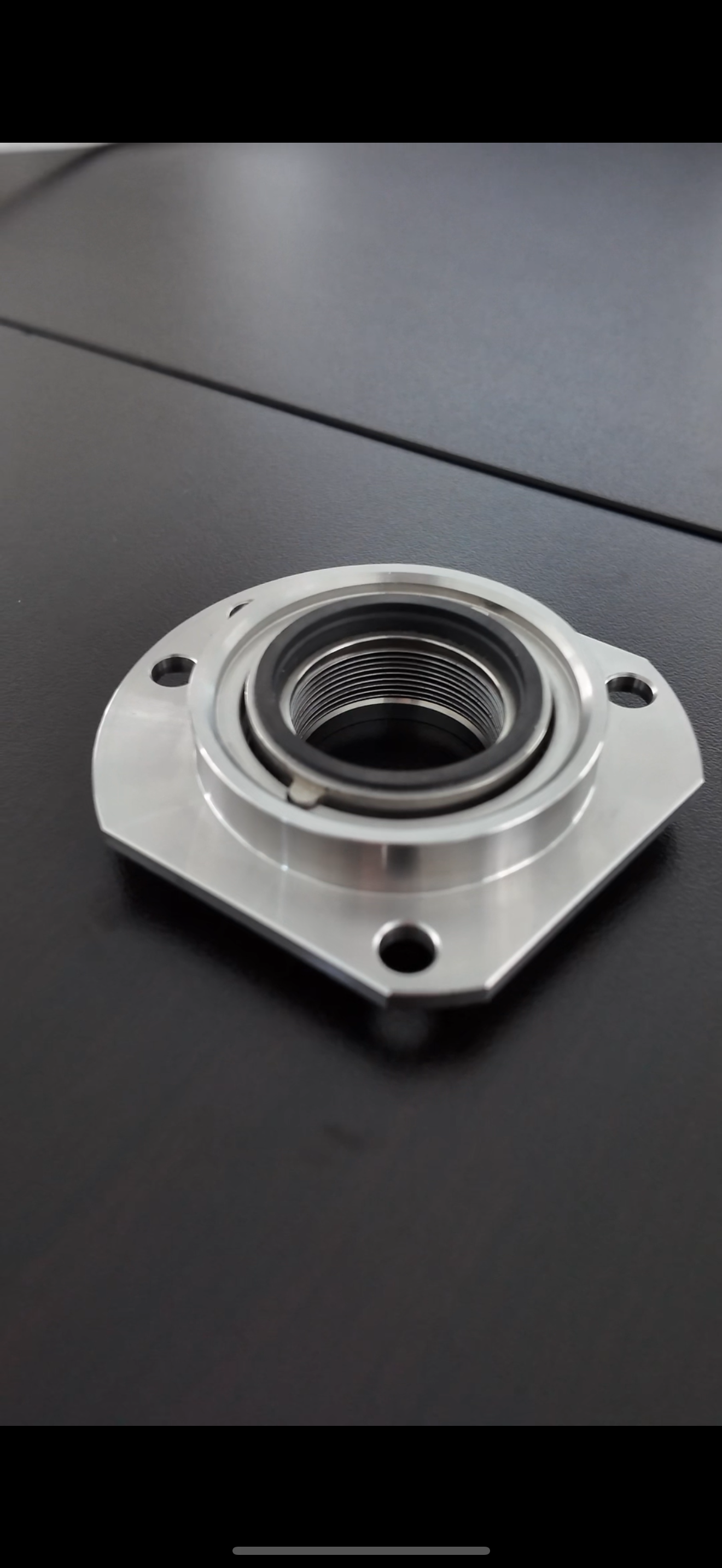
The metal bellows pump demonstrates exceptional chemical resistance through its all-metal construction, making it the preferred choice for handling aggressive chemicals and corrosive substances that would rapidly damage conventional pumps. This superior chemical compatibility stems from the careful selection of metallurgy and the elimination of elastomeric components that typically limit chemical handling capabilities in traditional pumps. Stainless steel, Hastelloy, Inconel, and other specialized alloys used in metal bellows pump construction provide outstanding resistance to acids, bases, solvents, and other reactive chemicals. The chemical resistance of the metal bellows pump enables safe handling of hydrofluoric acid, nitric acid, sulfuric acid, caustic solutions, and organic solvents that would quickly attack rubber or plastic seals. This capability opens new possibilities for process designers who previously had to compromise on pump selection due to chemical compatibility limitations. Chemical processing plants benefit from reduced pump replacement costs and improved process reliability when using metal bellows pumps for corrosive applications. The consistent chemical resistance across the entire flow path prevents contamination and maintains product purity throughout the pumping process. Pharmaceutical manufacturers utilize this chemical compatibility to handle active pharmaceutical ingredients and cleaning solvents without concern for pump degradation. Research laboratories depend on metal bellows pumps for handling pure reagents and aggressive chemicals in analytical procedures. The broad chemical compatibility eliminates the need for multiple pump types in facilities handling diverse chemicals, simplifying maintenance and spare parts management. The long-term cost benefits of superior chemical resistance become apparent through extended pump life and reduced replacement frequency. While the initial investment in a metal bellows pump may exceed that of conventional pumps, the total cost of ownership proves favorable due to extended service life in chemical applications. Users report pump service lives measured in years rather than months when handling aggressive chemicals. This longevity reduces capital expenditures and minimizes process disruptions associated with pump replacement. The chemical resistance also enables higher concentration processing, allowing users to optimize their processes without pump limitations constraining their operations.
 EN
EN