rotating mechanical seal types
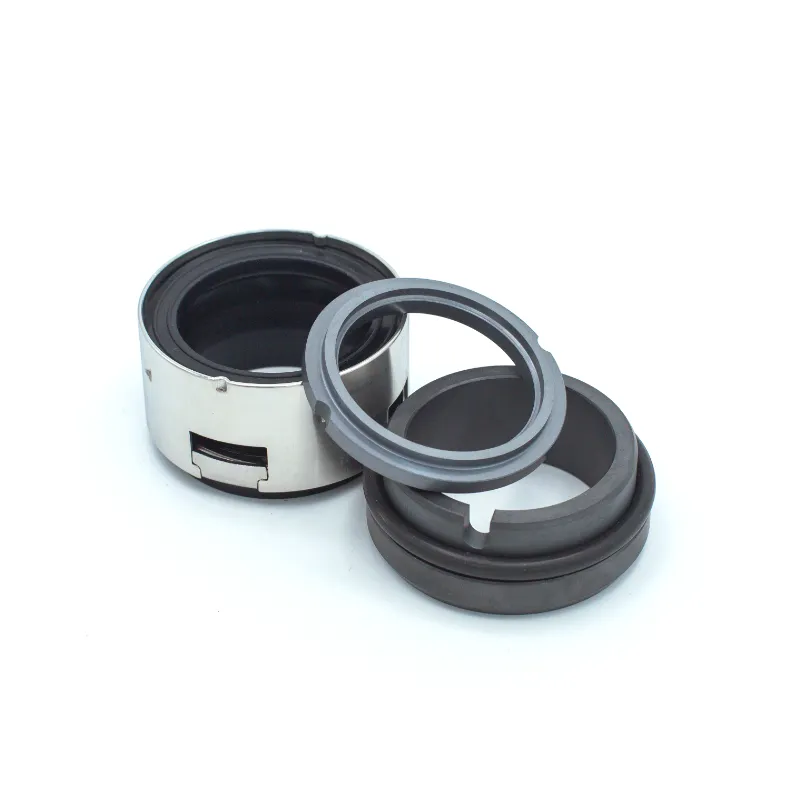
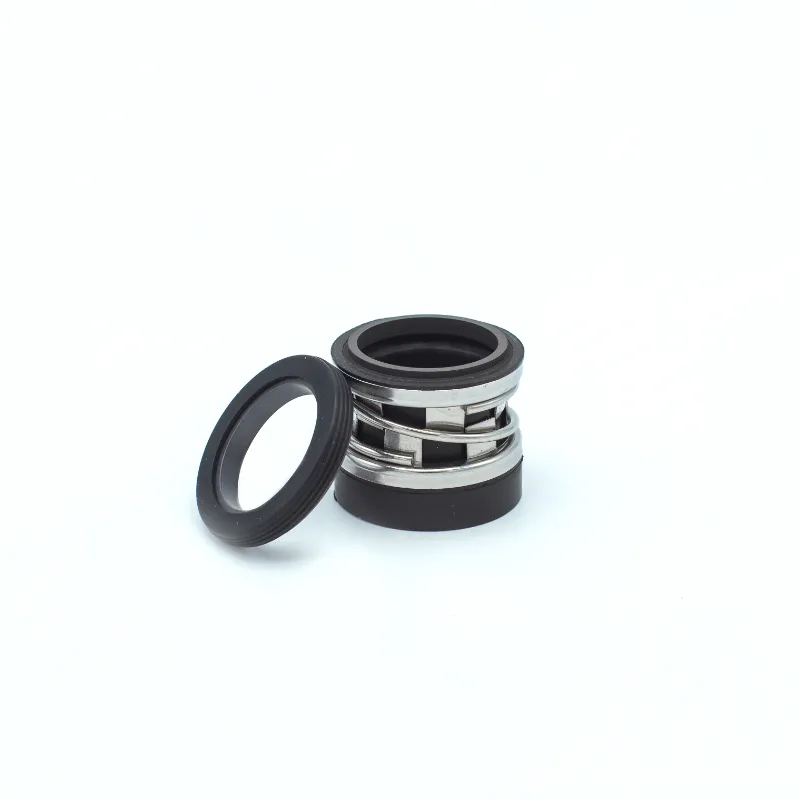
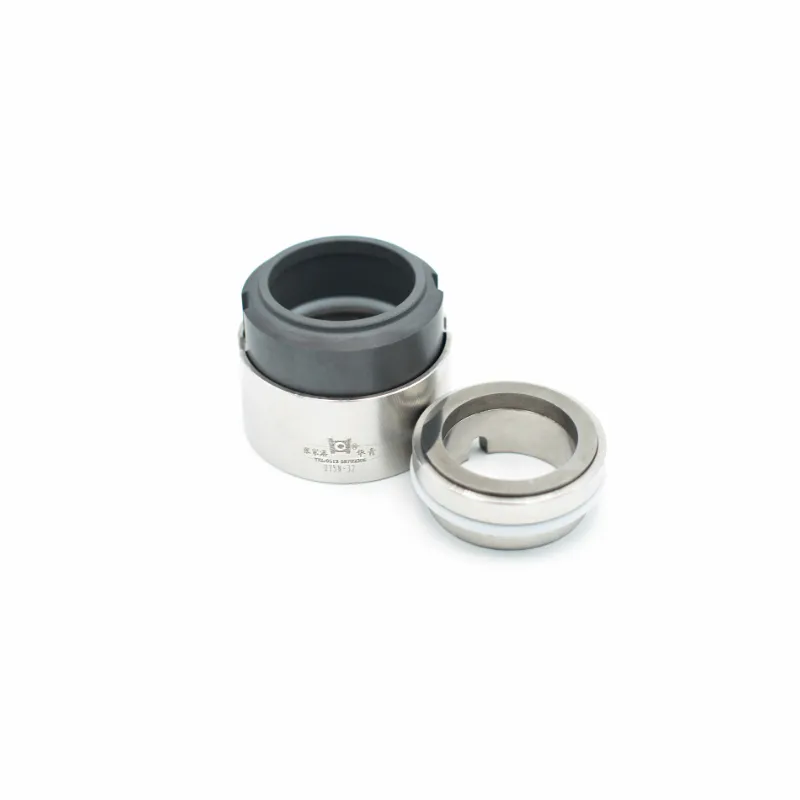
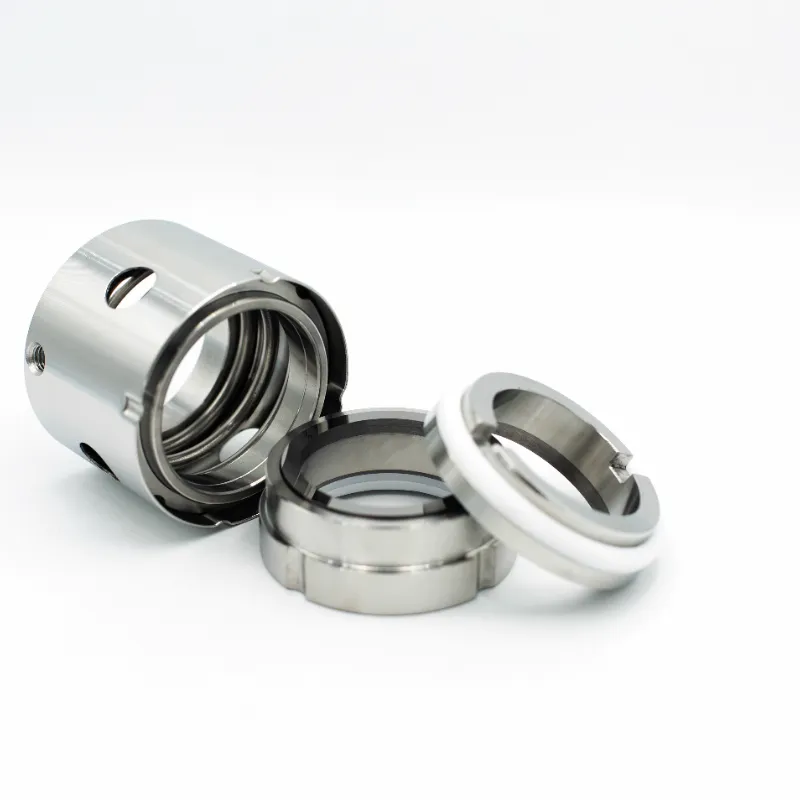
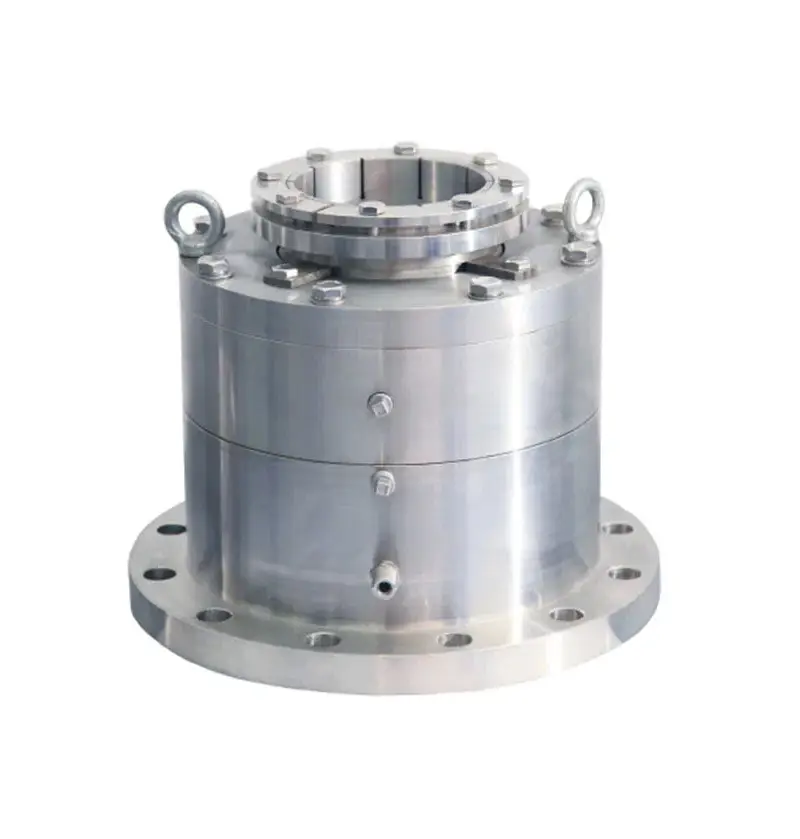
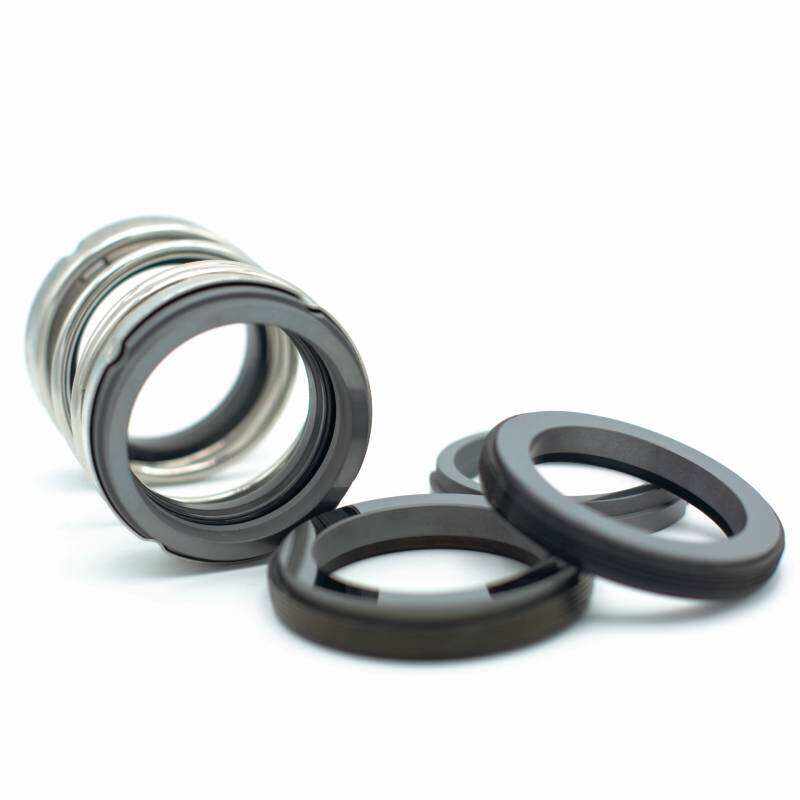
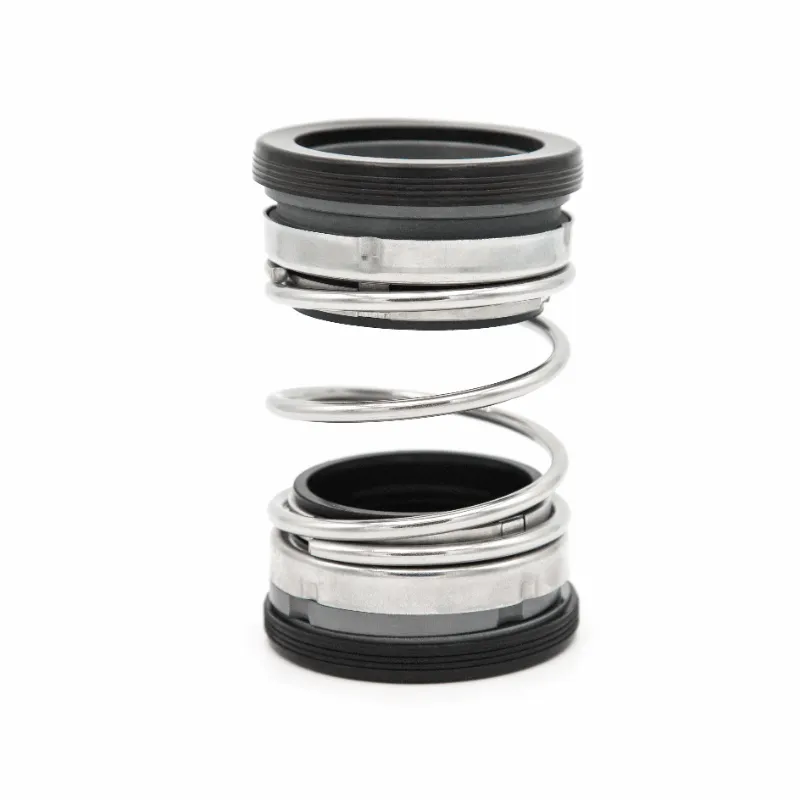
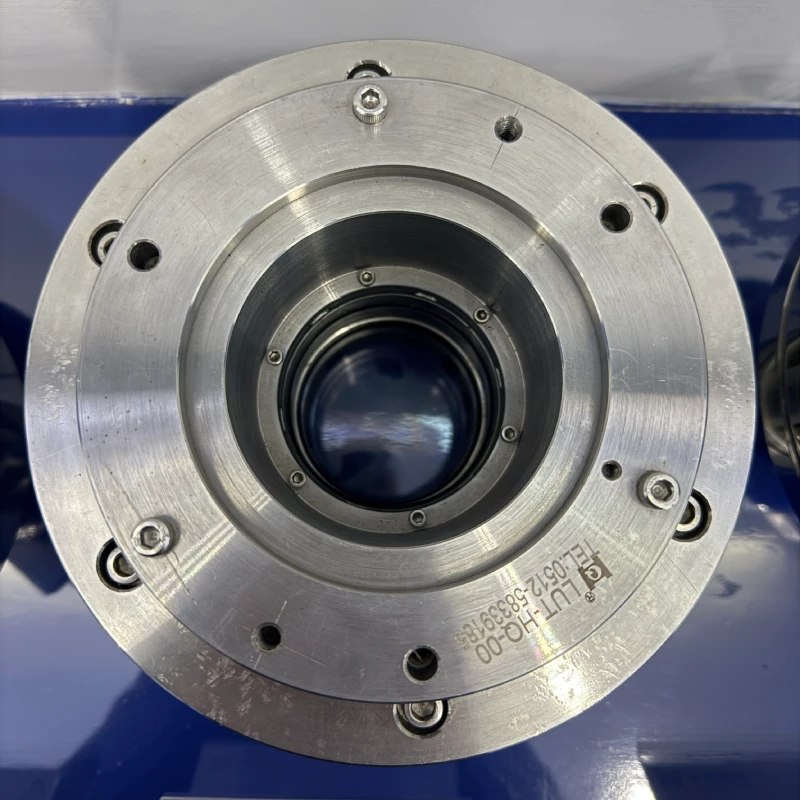
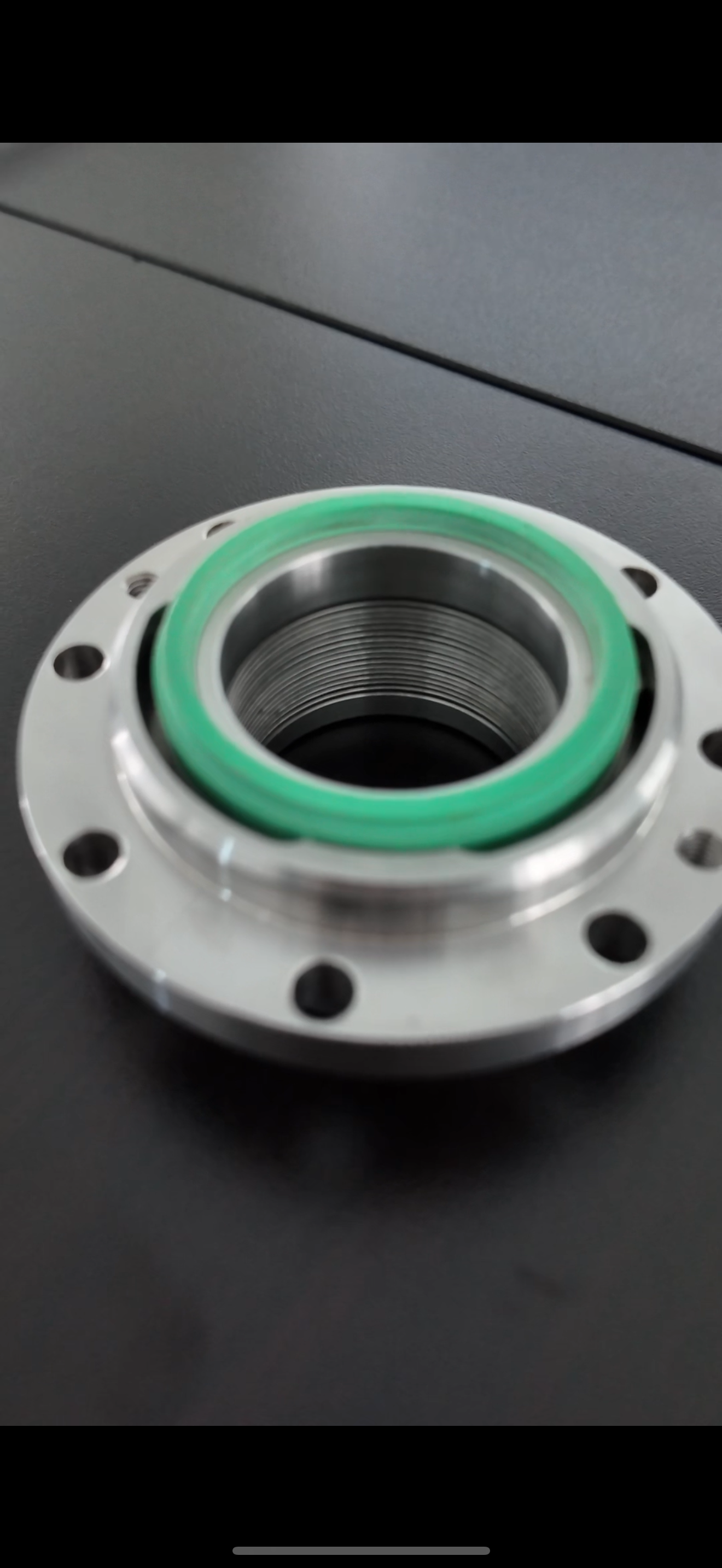
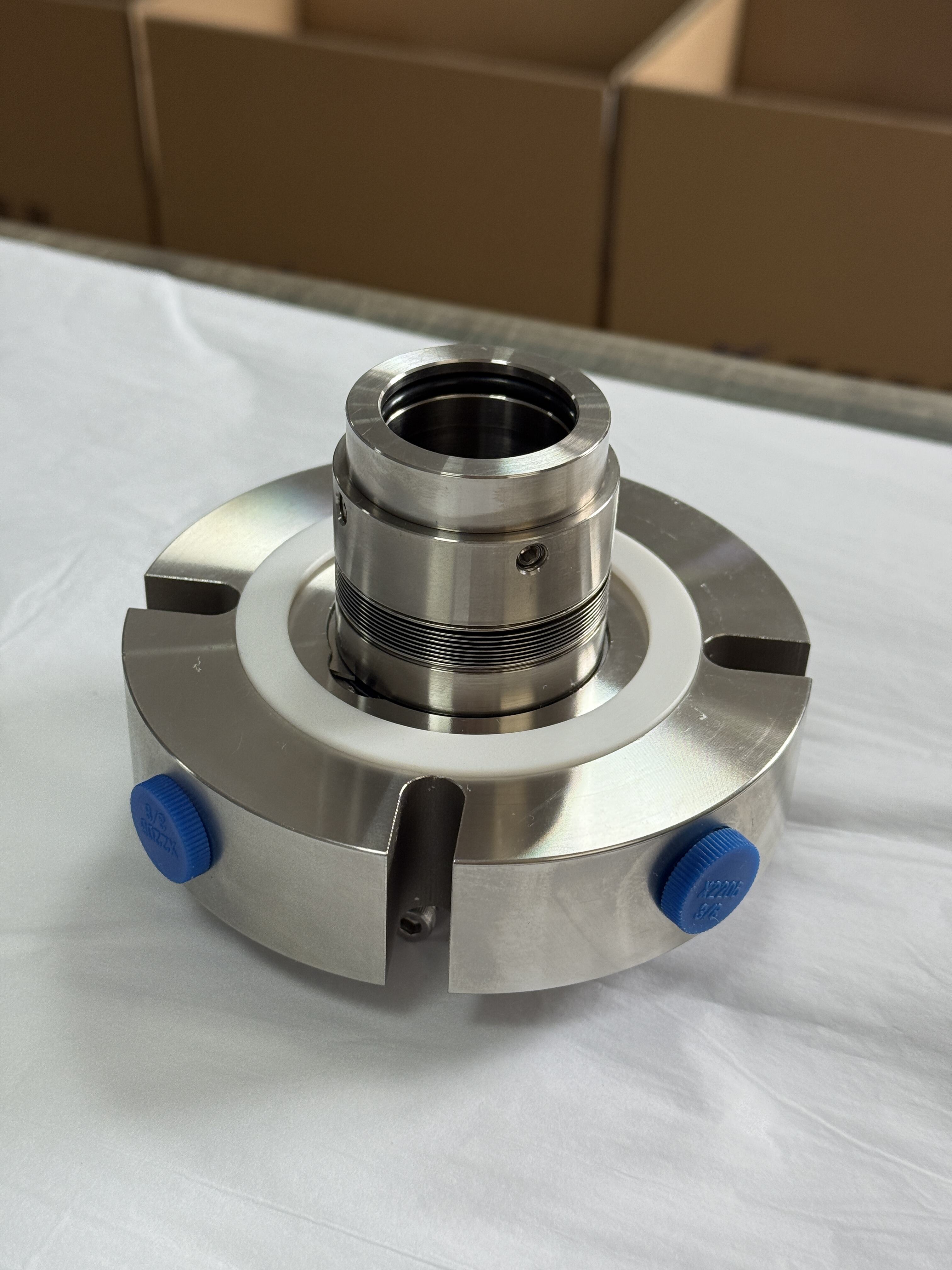
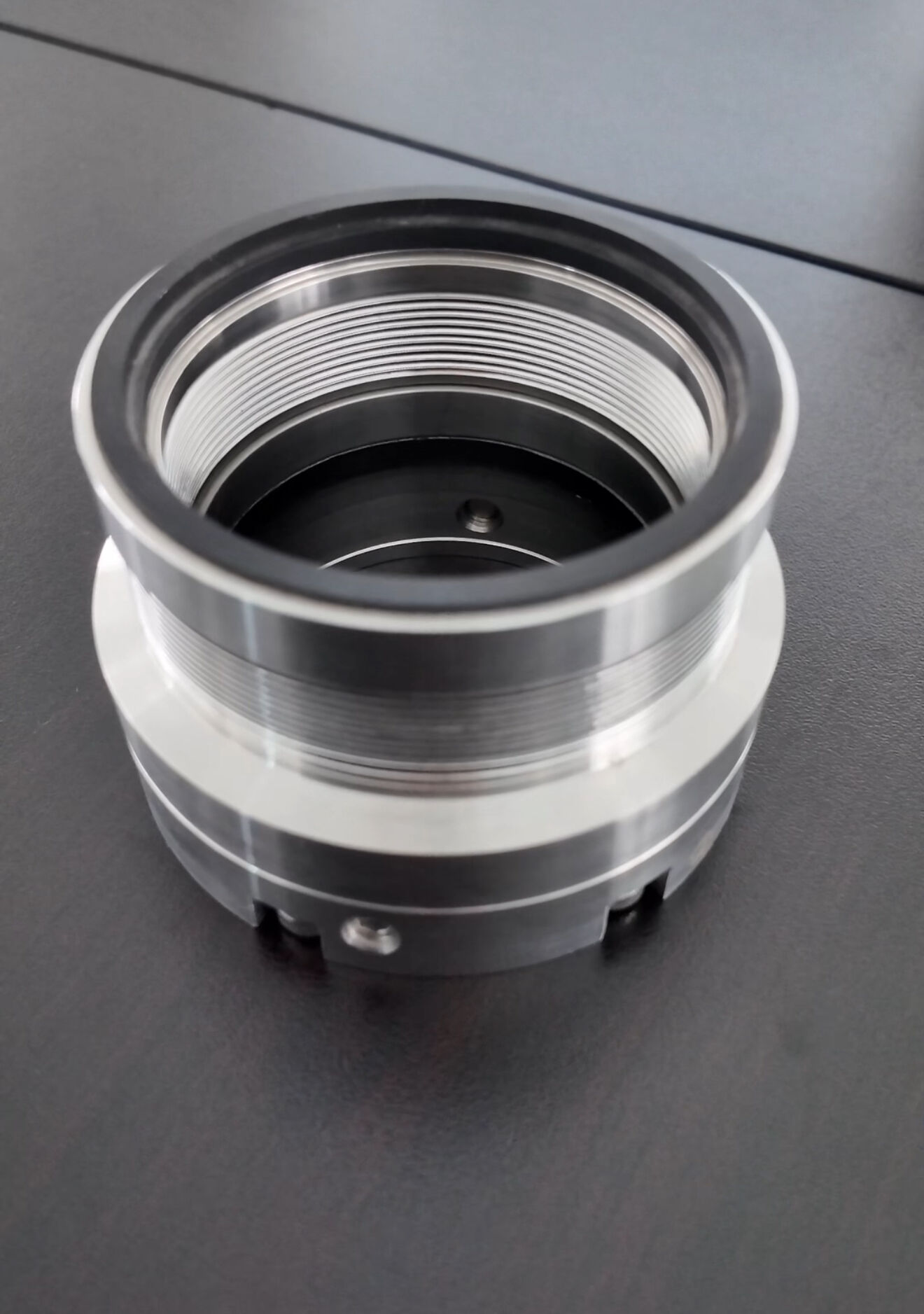
Rotating mechanical seal types represent sophisticated sealing solutions designed to prevent fluid leakage between rotating and stationary components in industrial equipment. These precision-engineered sealing systems consist of two primary seal faces - one rotating with the shaft and one stationary - that maintain contact under spring pressure to create an effective barrier against fluid escape. The rotating mechanical seal types operate on the principle of controlled leakage, where microscopic amounts of sealed fluid create a lubricating film between the seal faces, enabling smooth operation while minimizing fluid loss. The primary function of rotating mechanical seal types involves maintaining pressure boundaries in pumps, compressors, mixers, and other rotating machinery applications. These seals effectively handle various fluids including water, chemicals, oils, and aggressive media across diverse temperature and pressure ranges. Technological features of rotating mechanical seal types include advanced face materials such as carbon, silicon carbide, tungsten carbide, and ceramic compositions that provide excellent wear resistance and chemical compatibility. Spring-loaded mechanisms ensure consistent face contact pressure throughout the seal's operational life, while secondary sealing elements like O-rings and bellows accommodate shaft movement and thermal expansion. Modern rotating mechanical seal types incorporate innovative design elements such as balanced seal configurations that reduce face loading, multiple spring arrangements for uniform pressure distribution, and specialized coatings that enhance performance in challenging applications. These sealing solutions find extensive applications across industries including chemical processing, petroleum refining, water treatment, pharmaceutical manufacturing, food processing, and power generation. The versatility of rotating mechanical seal types makes them suitable for centrifugal pumps, gear pumps, mixers, agitators, compressors, and turbines where reliable shaft sealing is critical for operational efficiency and environmental compliance.
 EN
EN