Exceptional Chemical Compatibility and Corrosion Resistance
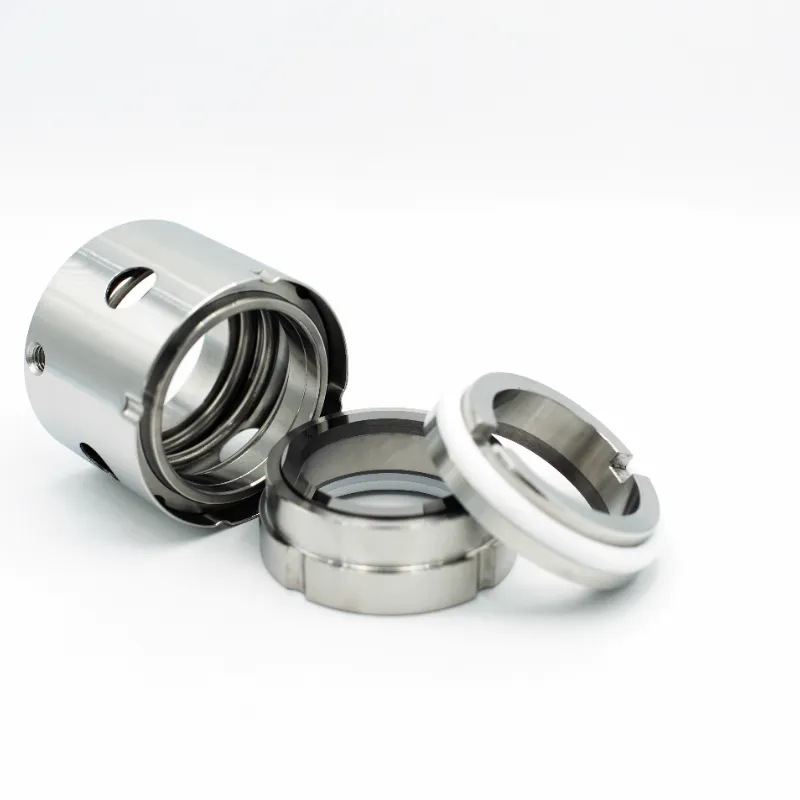
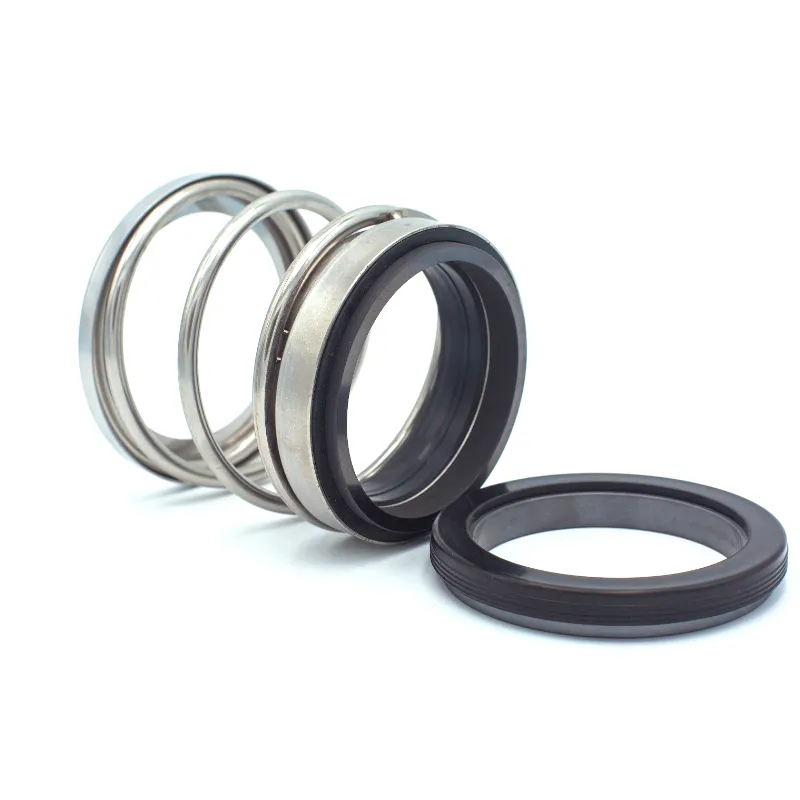
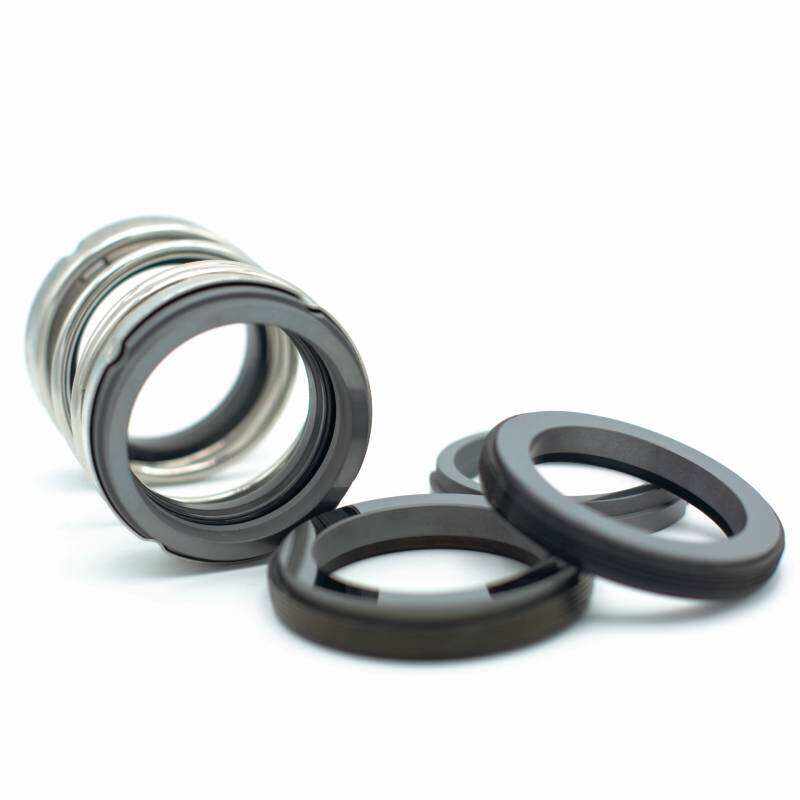
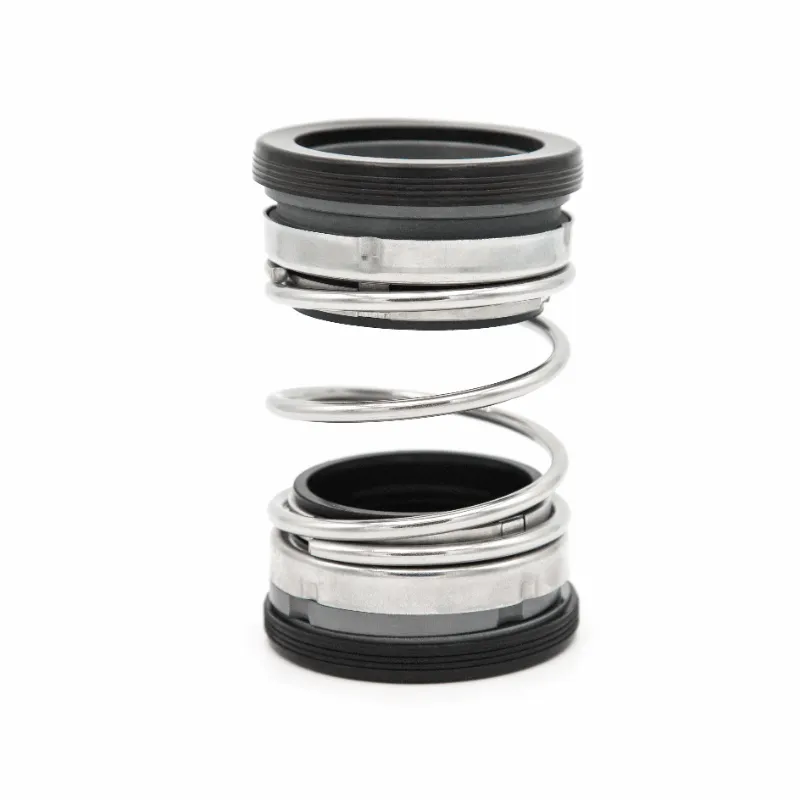
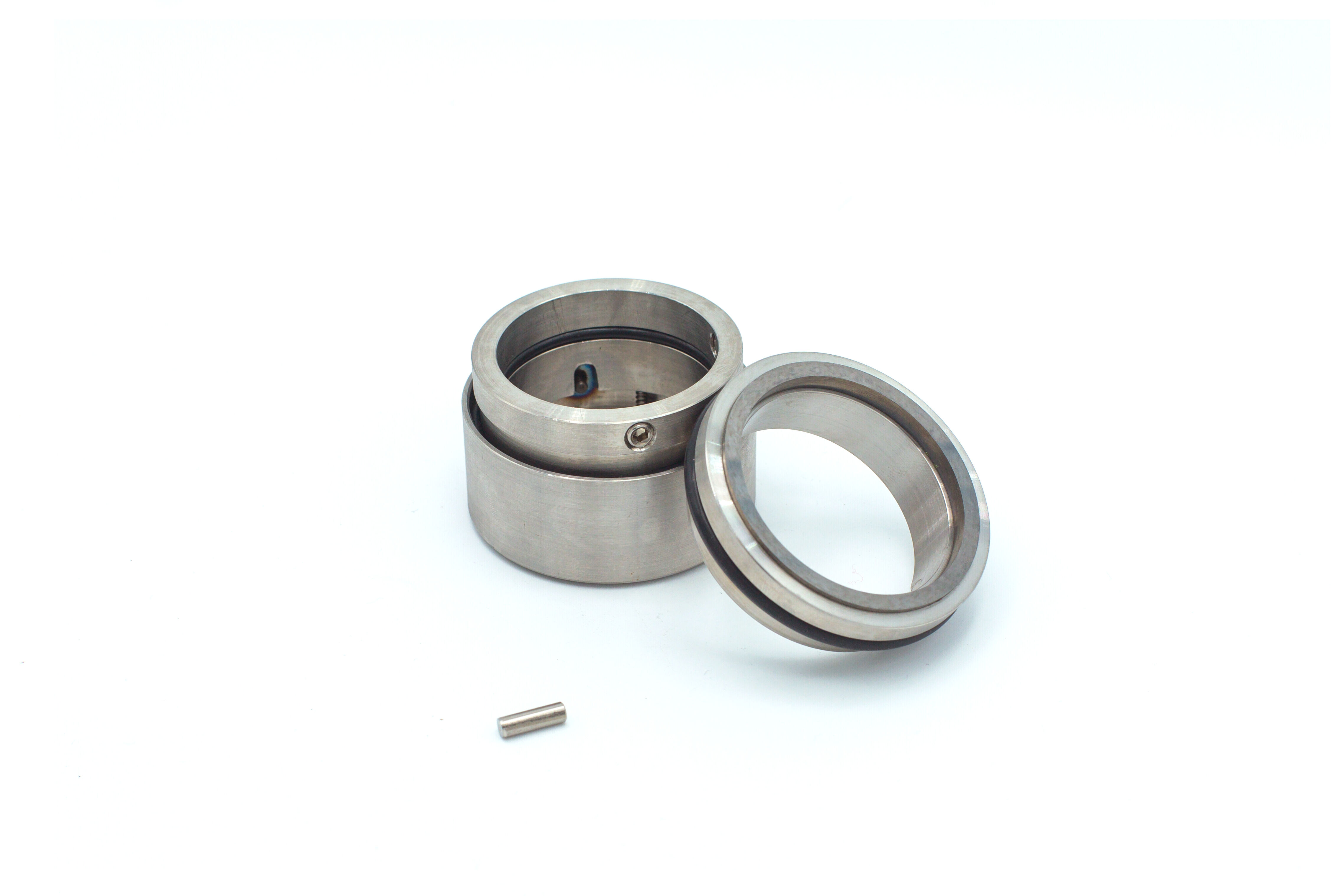
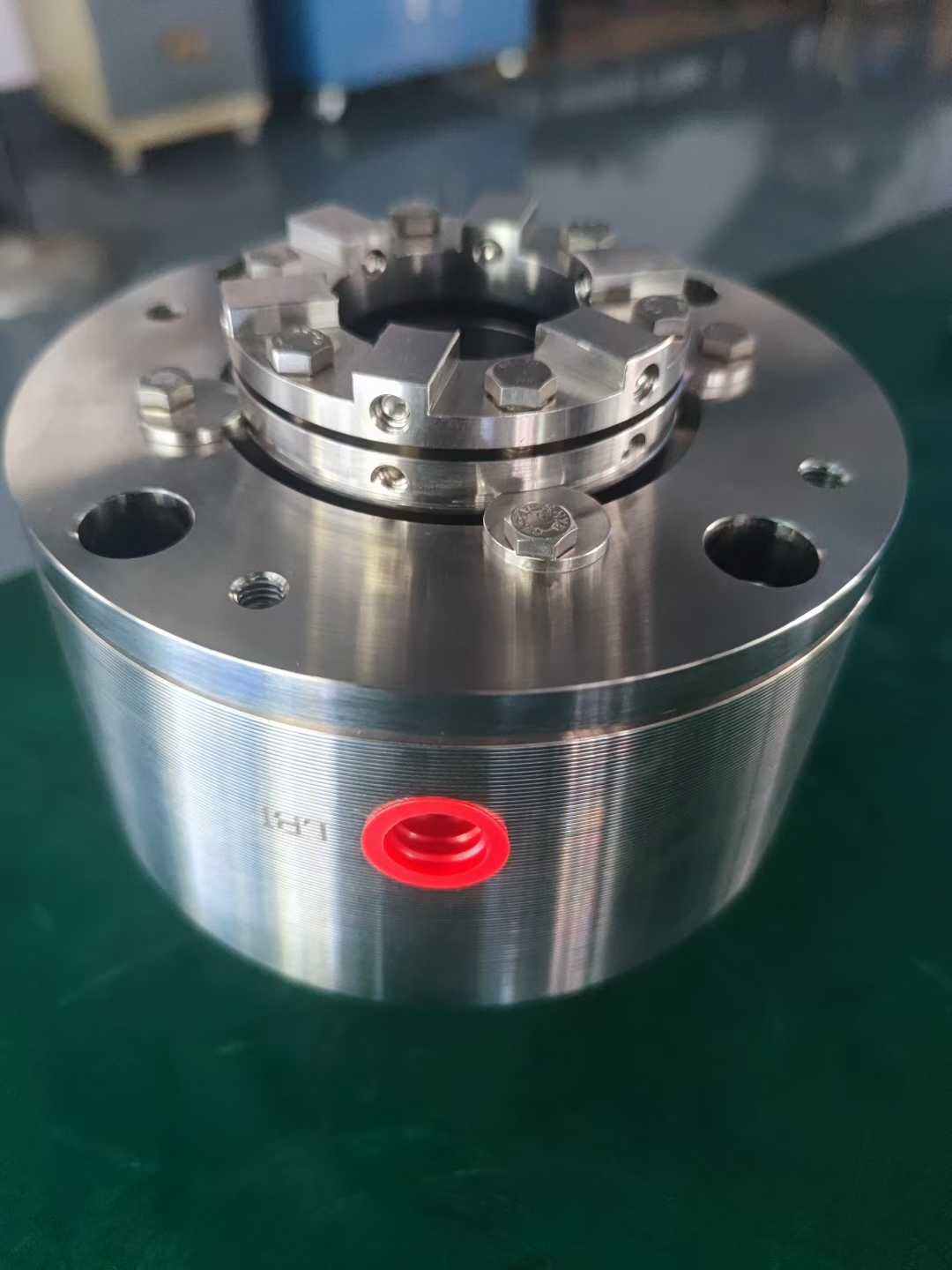
The outstanding chemical compatibility of metal bellows seal technology makes it the preferred choice for applications involving aggressive chemicals, corrosive fluids, and challenging process media that would rapidly deteriorate conventional sealing materials. Advanced metallurgical engineering enables the selection of specific alloy compositions that resist attack from acids, bases, solvents, and oxidizing agents commonly encountered in chemical processing, pharmaceutical manufacturing, and petrochemical operations. The inherent corrosion resistance of stainless steel and specialty alloy construction provides long-term protection against chemical degradation, ensuring consistent sealing performance throughout extended service intervals without material weakening or dimensional changes. Surface treatment options enhance chemical resistance further, with specialized coatings and passivation processes creating additional barriers against aggressive media while maintaining the flexibility and sealing effectiveness of the bellows structure. The metal bellows seal design eliminates organic sealing materials that are vulnerable to chemical attack, swelling, or dissolution when exposed to process fluids, providing superior reliability in challenging chemical environments. Compatibility testing protocols verify resistance to specific chemicals and process conditions, enabling confident application selection and preventing costly failures due to material incompatibility. The hermetic sealing capability prevents chemical vapor permeation that could contaminate surrounding equipment or create safety hazards, meeting strict containment requirements in hazardous material handling applications. Cleaning and decontamination procedures are simplified with metal bellows seal systems, as the non-porous metal surfaces resist chemical absorption and enable thorough cleaning between different process media. The chemical inertness of the sealing system prevents contamination of sensitive process fluids, maintaining product purity in pharmaceutical and food processing applications where even trace contamination could compromise product quality. Regulatory compliance is enhanced through the use of materials approved for contact with specific chemicals and process media, ensuring adherence to industry standards and safety requirements while providing documented traceability for quality assurance purposes.
 EN
EN