Superior Corrosion Resistance and Material Compatibility
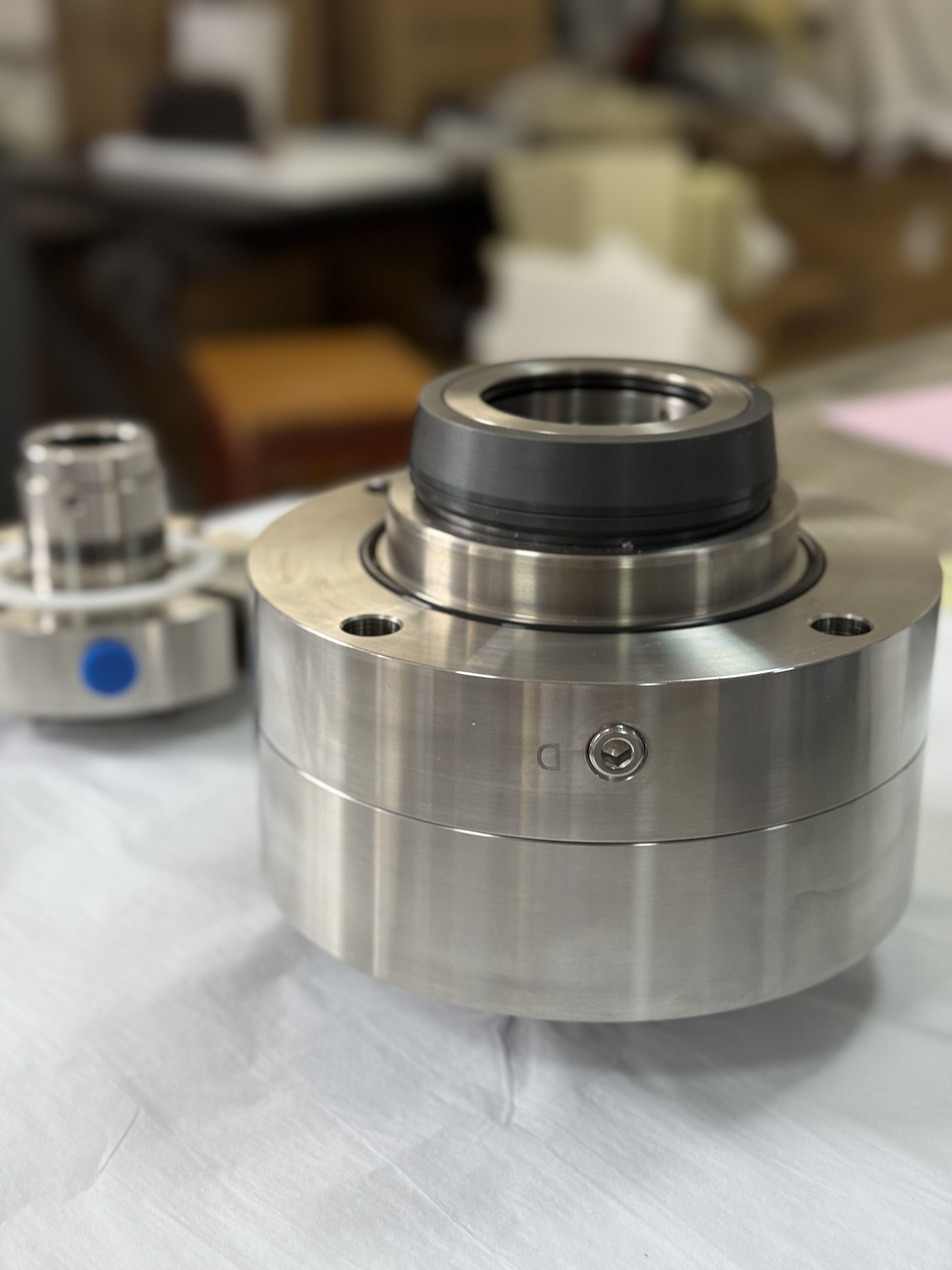
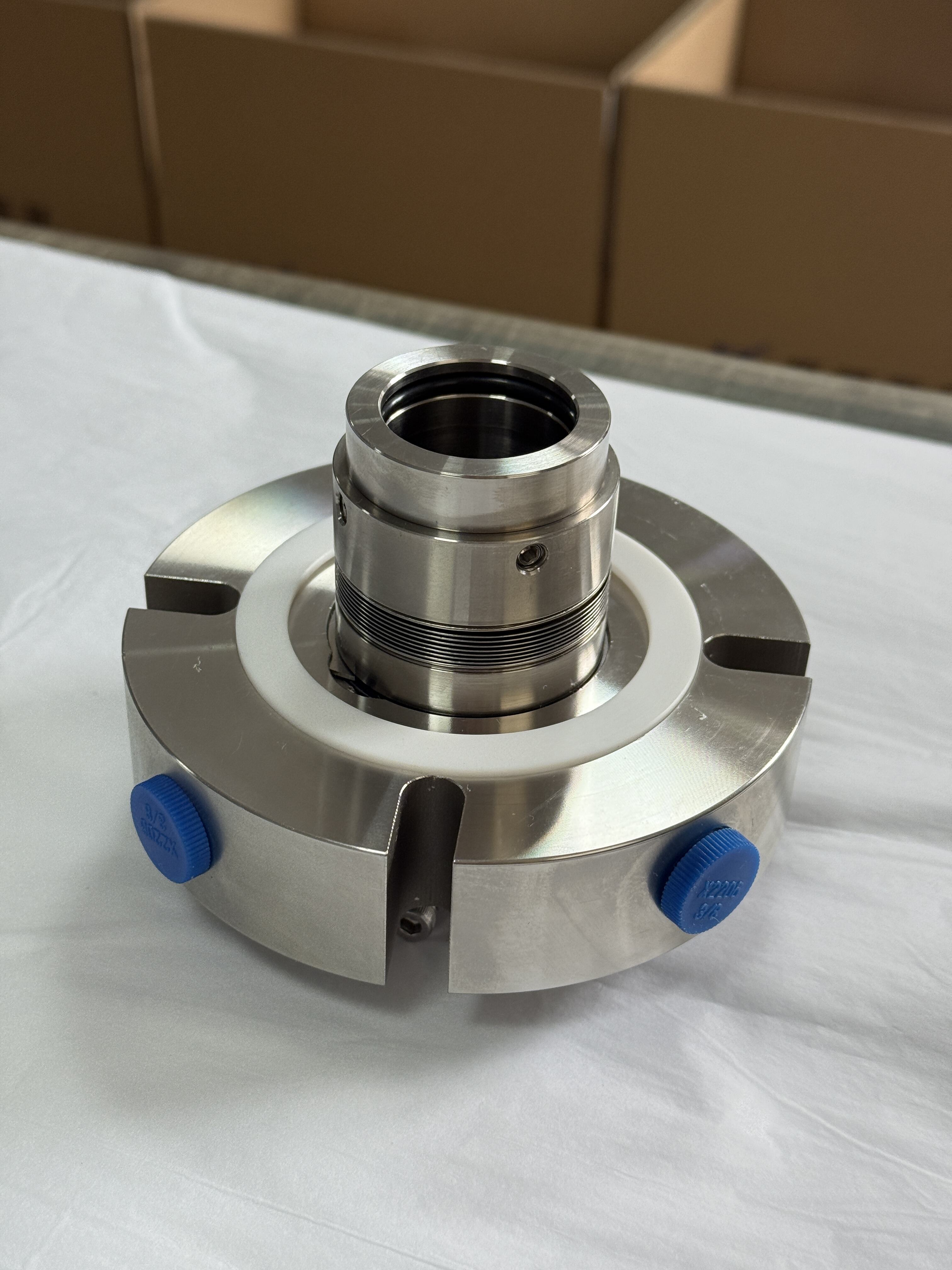
The customized bellows seal offers unmatched corrosion resistance and chemical compatibility through carefully selected materials and specialized surface treatments designed to withstand the most aggressive process environments. The material selection process begins with comprehensive analysis of process fluid chemistry, operating temperature ranges, and pressure conditions to identify the optimal alloy composition for the bellows construction. High-performance materials including Hastelloy, Inconel, Monel, and specialized stainless steel grades provide exceptional resistance to chlorides, acids, caustic solutions, and other corrosive media that rapidly degrade conventional sealing materials. The customization process allows engineers to specify exotic alloys or composite materials when standard options prove insufficient for extreme service conditions. Surface enhancement technologies including passivation, electropolishing, and specialized coatings further improve corrosion resistance while maintaining the flexibility and fatigue resistance essential for proper bellows function. The monolithic construction of the customized bellows seal eliminates galvanic corrosion concerns that arise in multi-material assemblies where dissimilar metals create electrochemical cells in the presence of conductive process fluids. Material compatibility extends beyond corrosion resistance to include considerations such as thermal expansion coefficients, mechanical properties at operating temperatures, and long-term stability in specific chemical environments. Testing protocols verify material performance through accelerated corrosion testing, stress corrosion cracking evaluation, and compatibility studies using actual process fluids when possible. The superior material characteristics of customized bellows seal technology enable reliable operation in applications where conventional seals fail due to chemical attack or material degradation. This advantage translates to extended service intervals, reduced replacement costs, and improved process reliability in challenging chemical environments that demand the highest levels of material performance.
 EN
EN