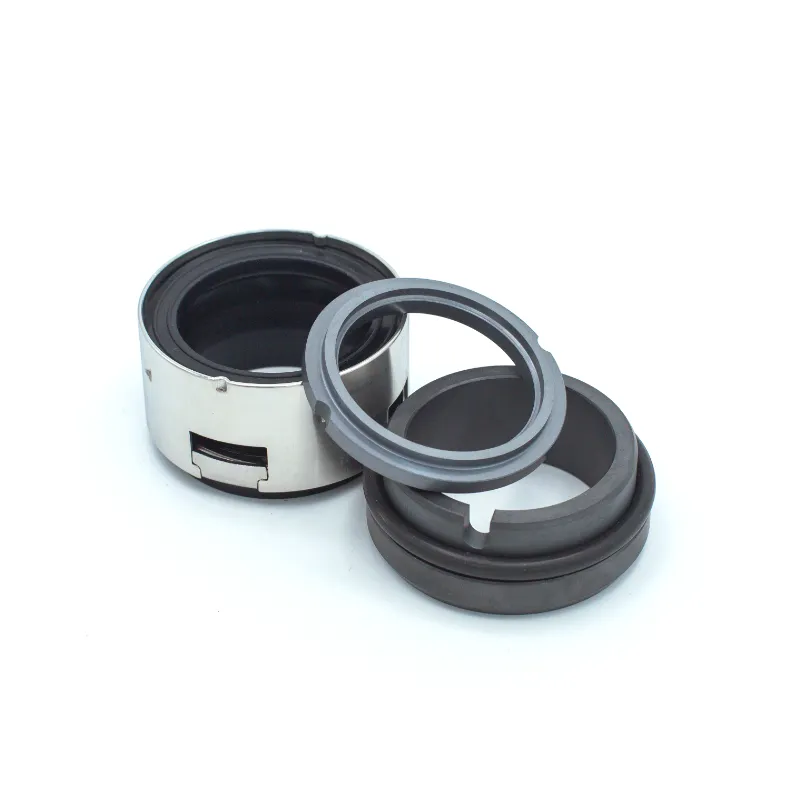
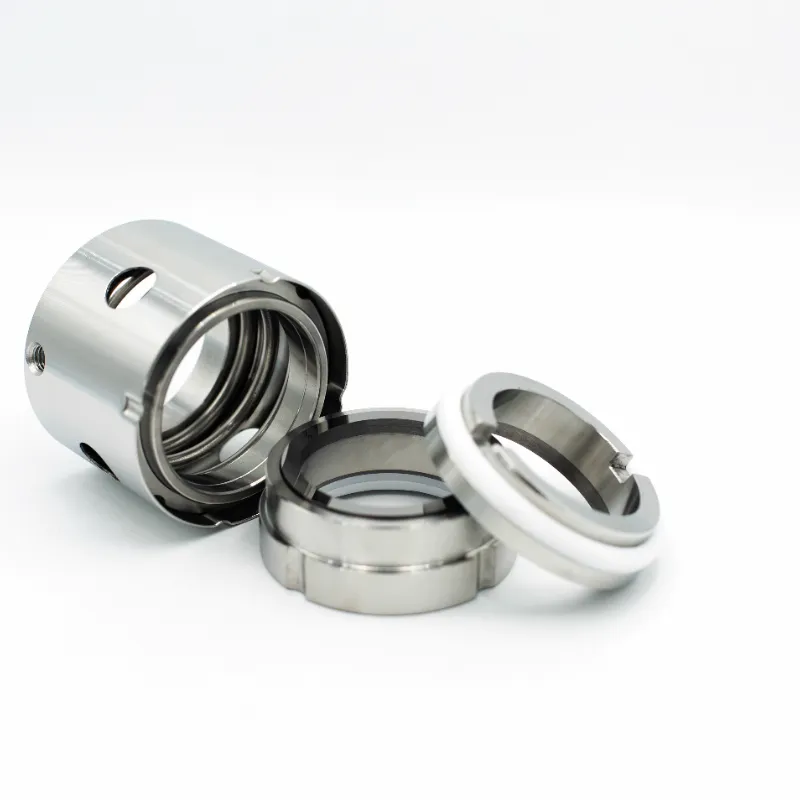
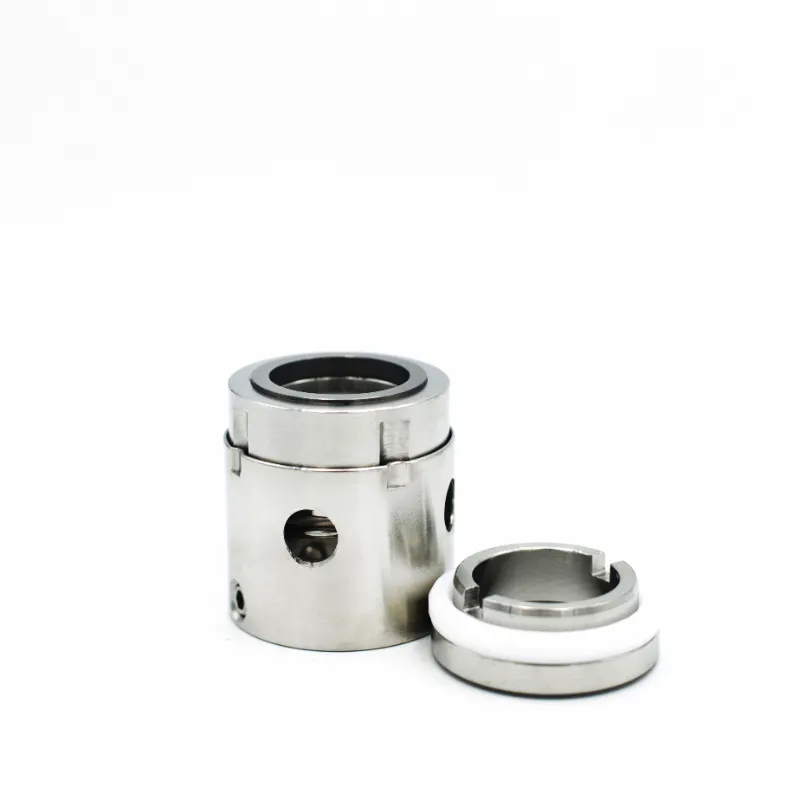
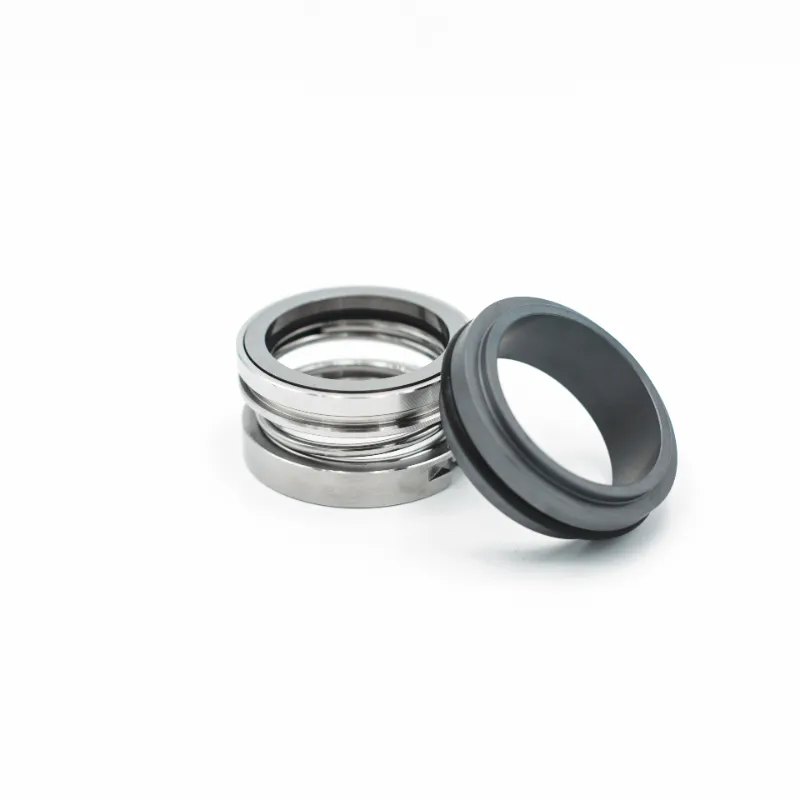
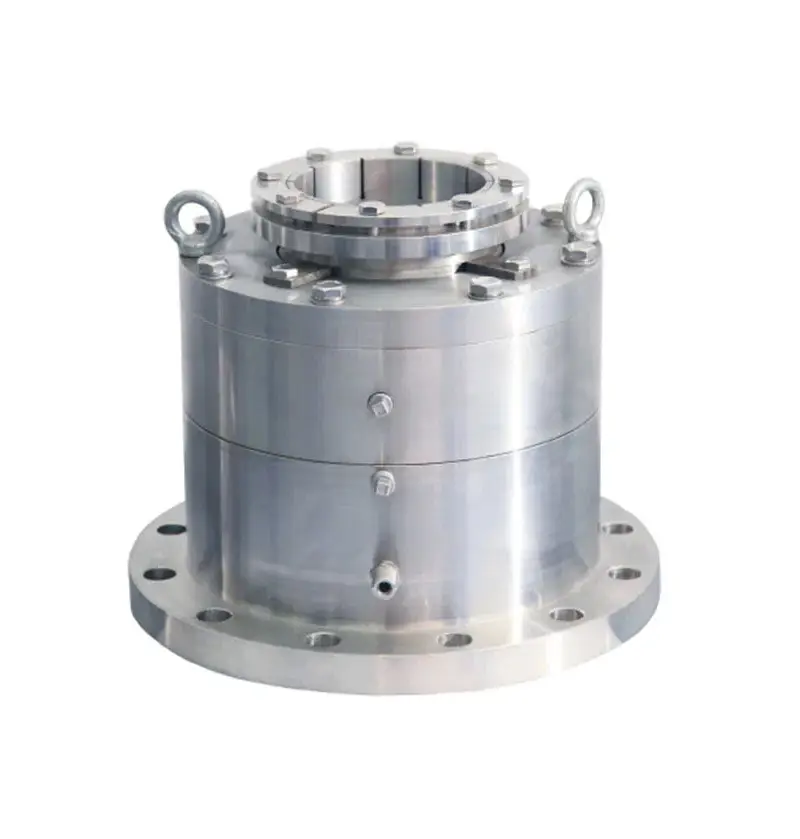
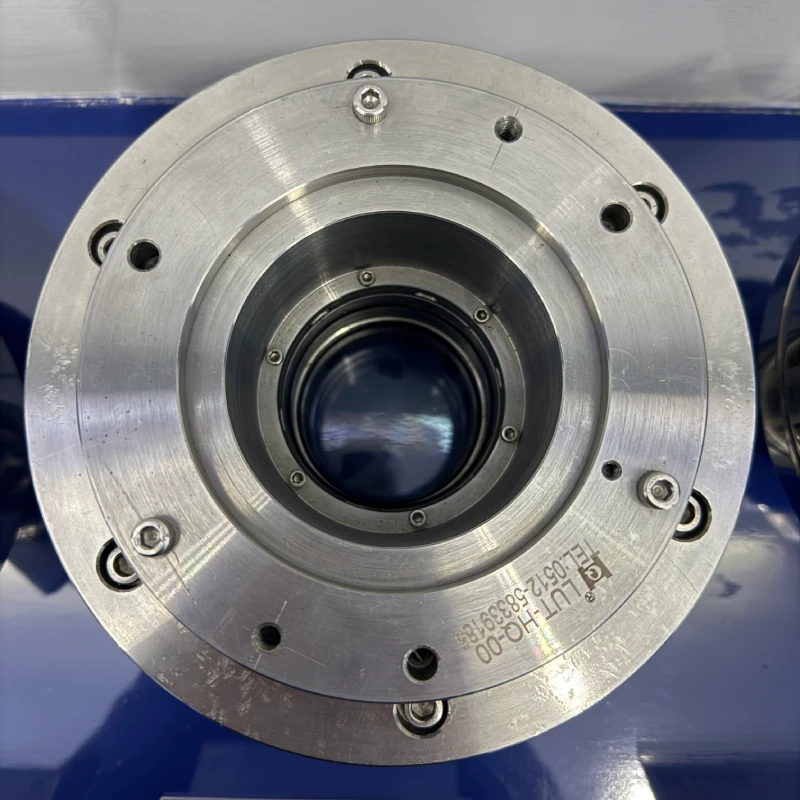
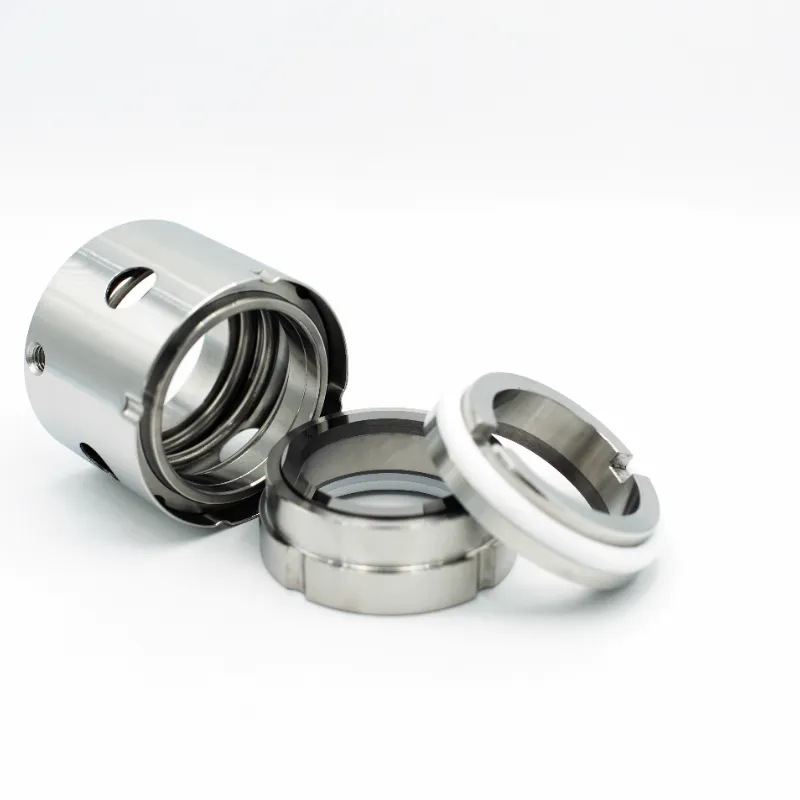
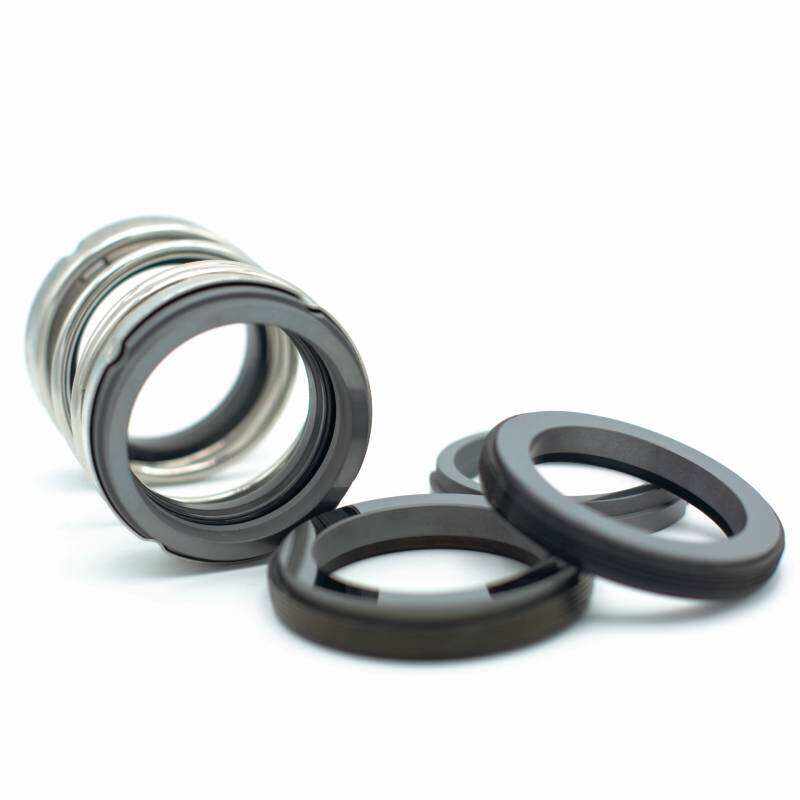
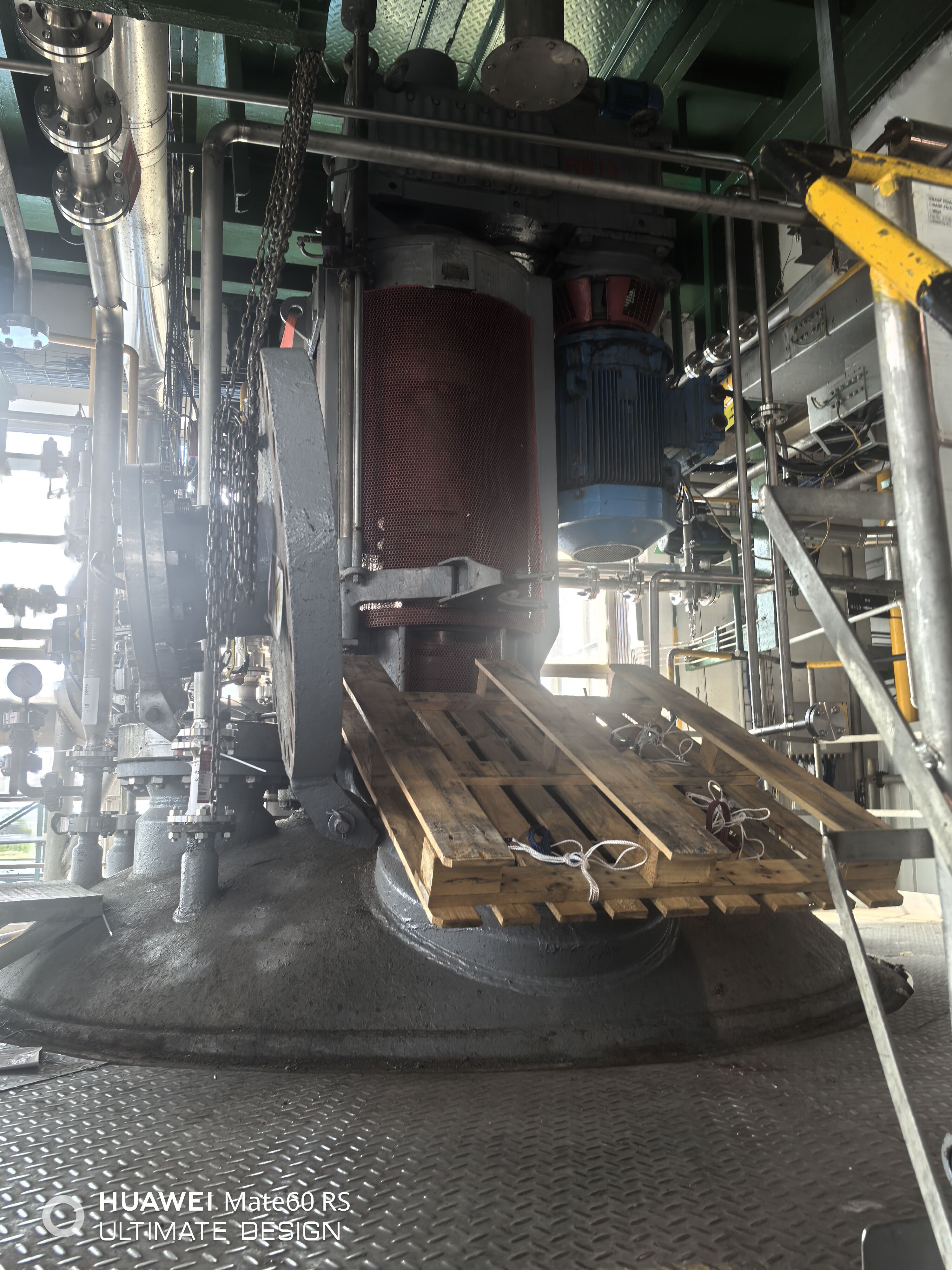
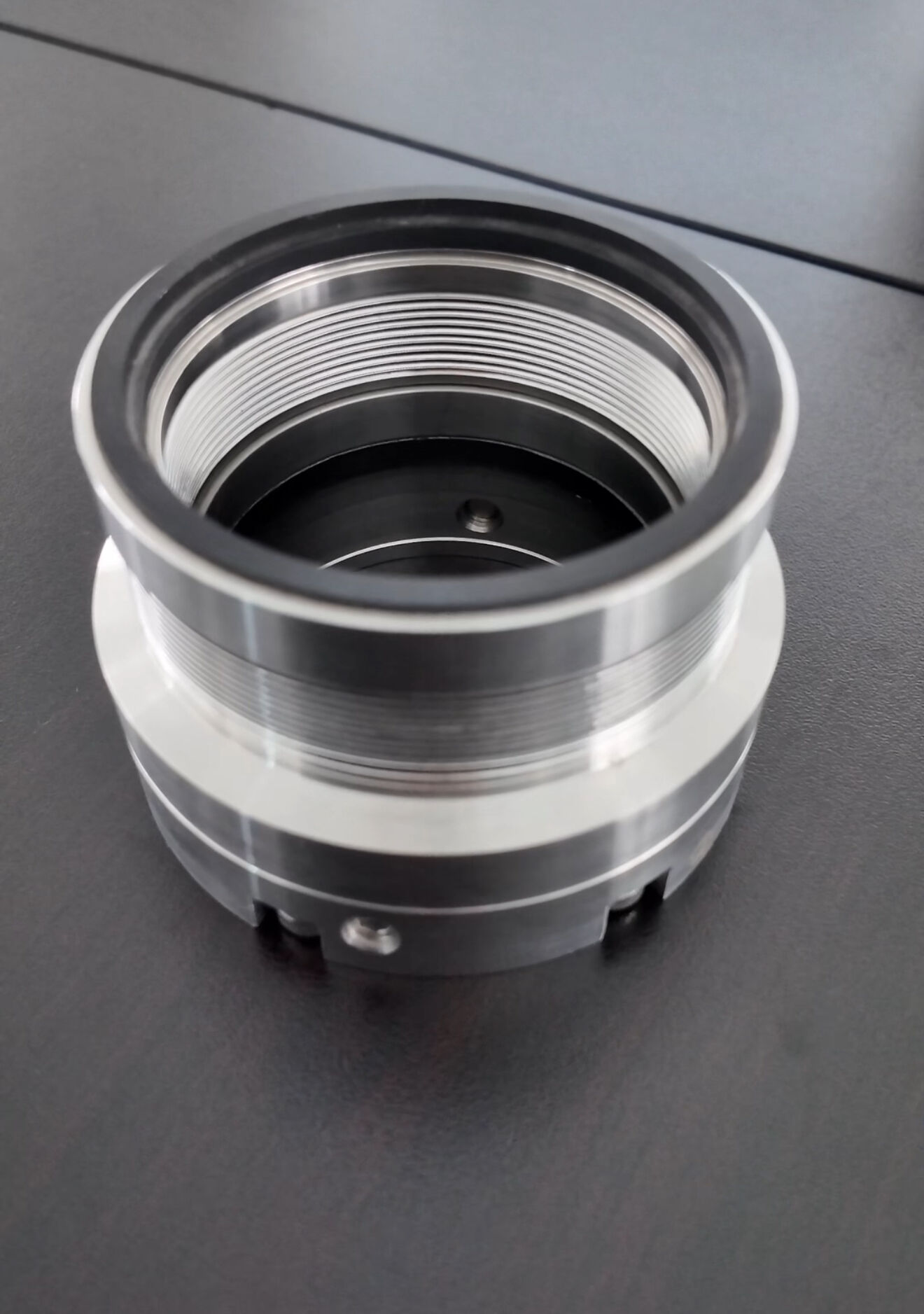
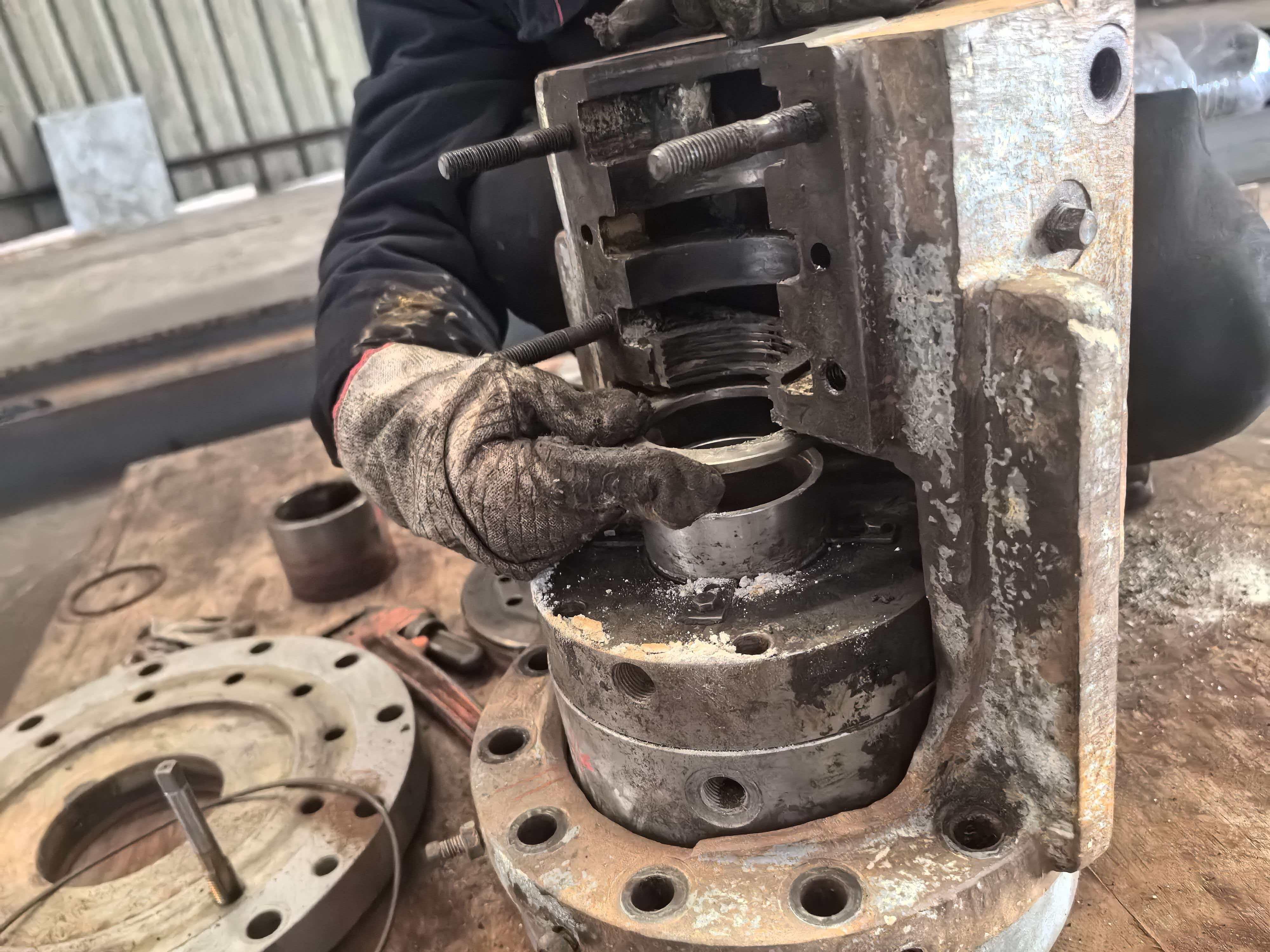
welded bellows seal
A welded bellows seal represents a critical component in mechanical sealing technology, designed to prevent fluid leakage while accommodating axial movement and vibration in rotating equipment. This sophisticated sealing solution consists of multiple thin-walled metal convolutions that are welded together to form a flexible, hermetically sealed barrier. The welded bellows seal operates by utilizing the natural flexibility of its corrugated structure to maintain contact between sealing faces while compensating for thermal expansion, shaft deflection, and operational tolerances. The primary function of a welded bellows seal involves creating a dynamic barrier that prevents process fluids from escaping along rotating shafts in pumps, compressors, mixers, and other industrial equipment. Unlike conventional mechanical seals that rely on springs for face loading, the welded bellows seal generates its own closing force through the inherent elasticity of the bellows structure. This self-energizing characteristic eliminates the need for separate springs, reducing the number of components and potential failure points. The technological features of welded bellows seals include precision-engineered convolutions that provide consistent spring rates, corrosion-resistant materials suitable for aggressive chemical environments, and leak-tight welded construction that ensures zero emissions. These seals accommodate both axial and angular misalignment while maintaining optimal face contact pressure throughout the operational range. Applications for welded bellows seals span across chemical processing, pharmaceutical manufacturing, petroleum refining, power generation, and food processing industries. They excel in services involving toxic, flammable, or environmentally sensitive fluids where zero leakage is mandatory. The welded bellows seal proves particularly valuable in high-temperature applications, aggressive chemical services, and processes requiring compliance with strict environmental regulations. Their robust construction and reliable performance make them essential components for critical applications where safety, environmental protection, and operational reliability are paramount considerations for industrial operators.
 EN
EN