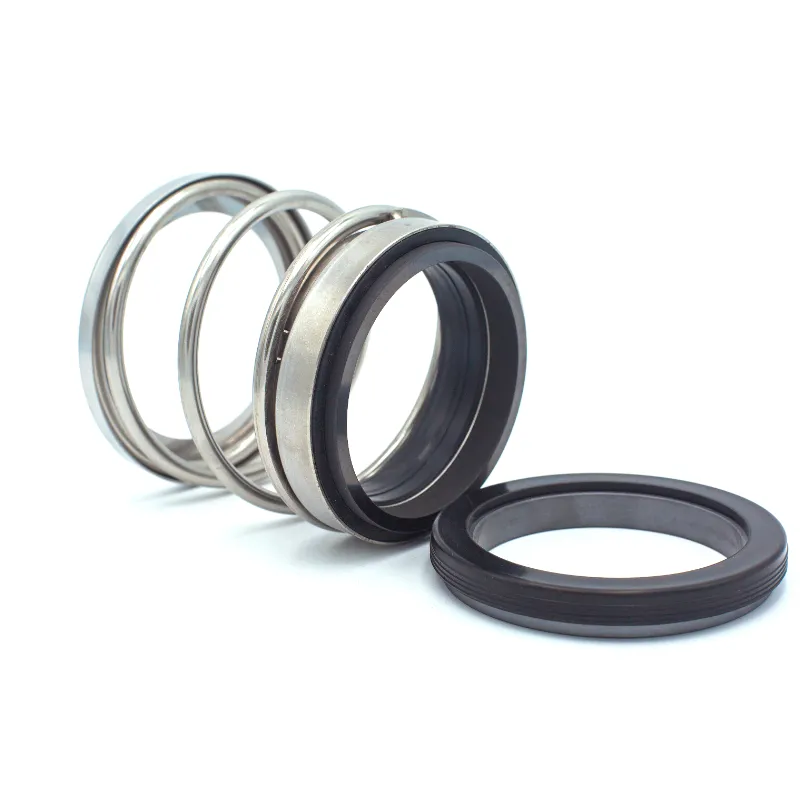
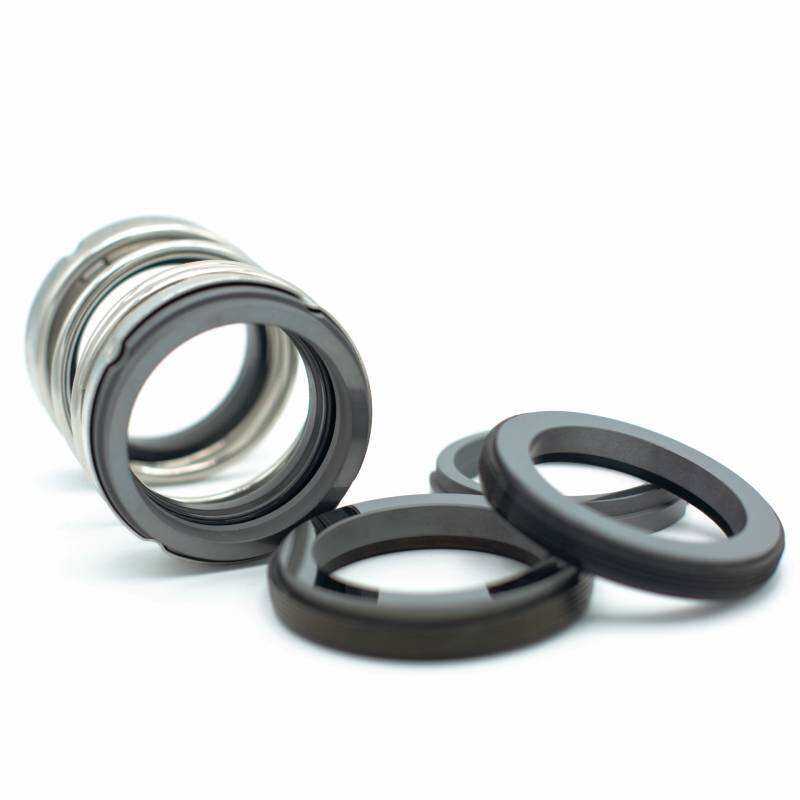
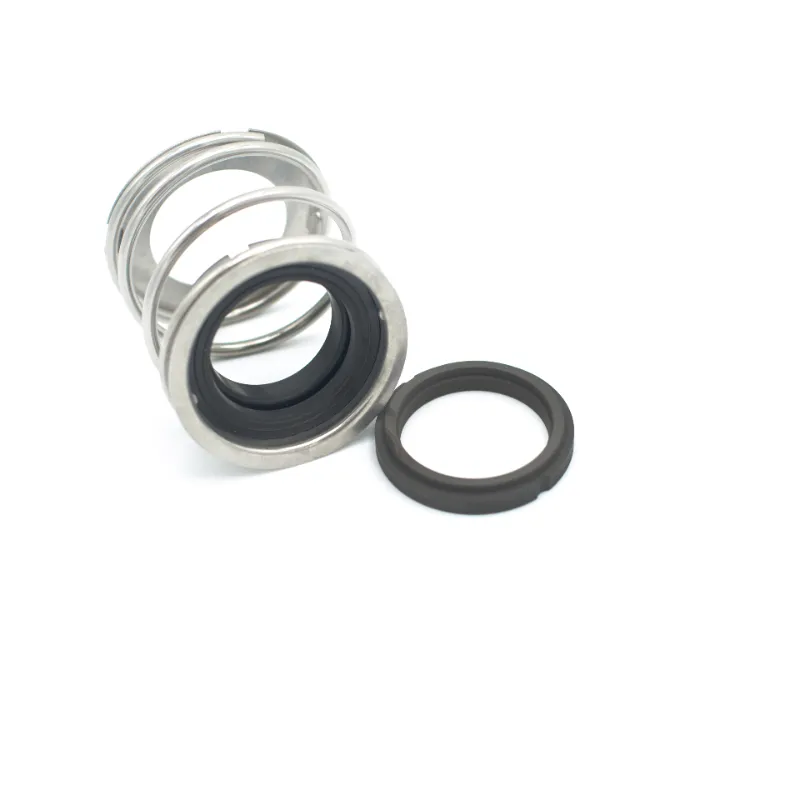
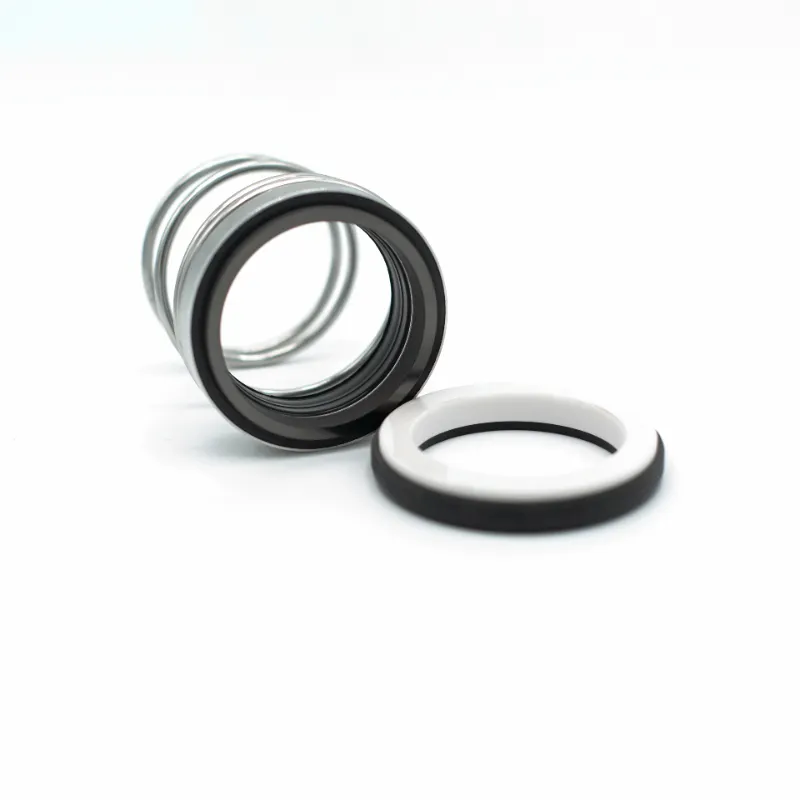
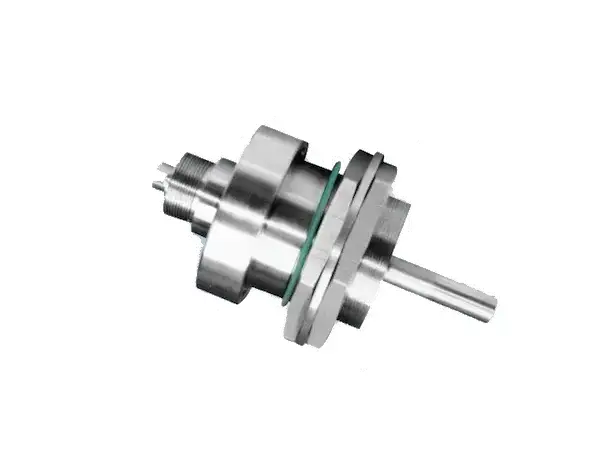
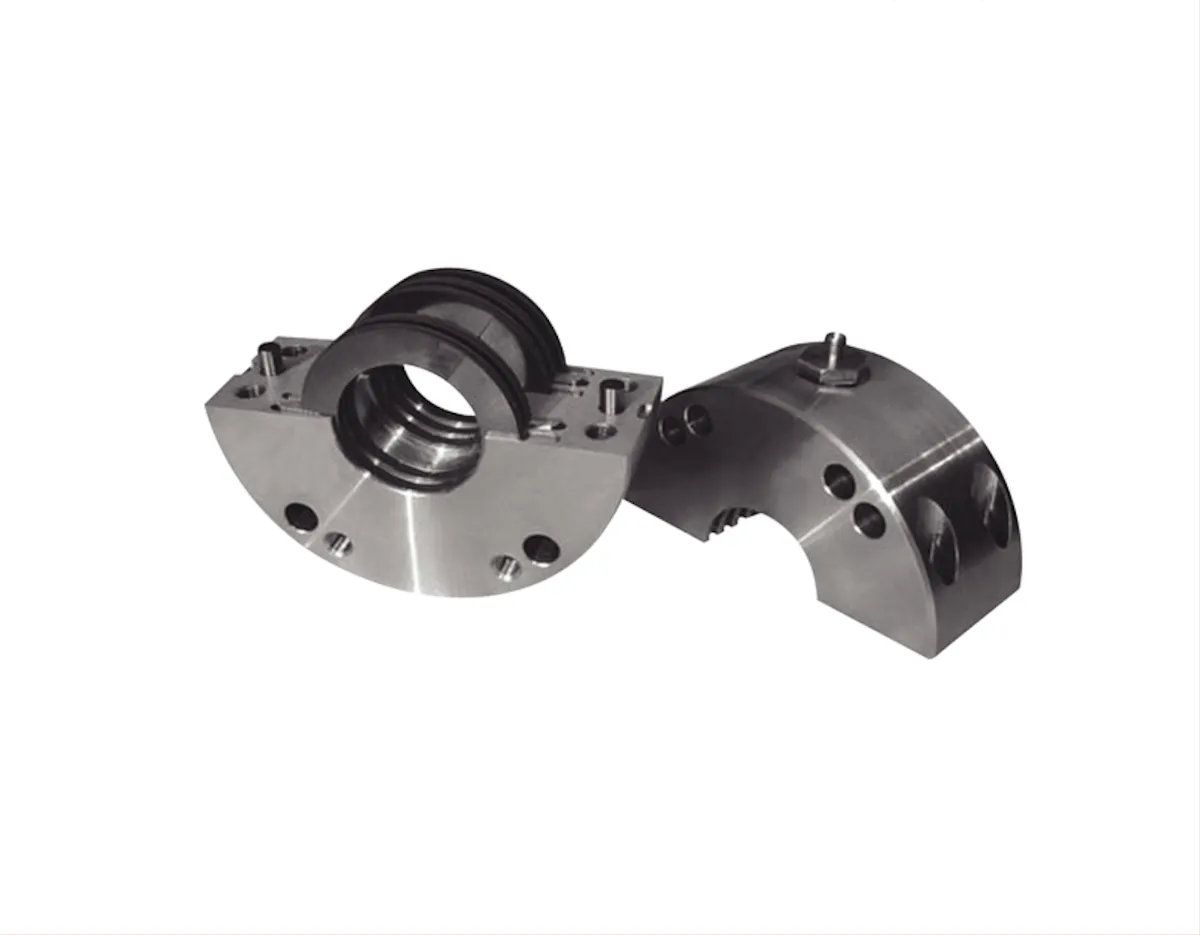
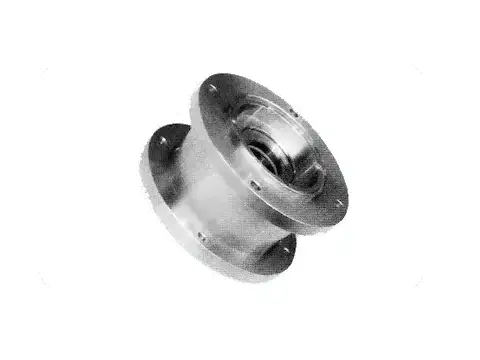
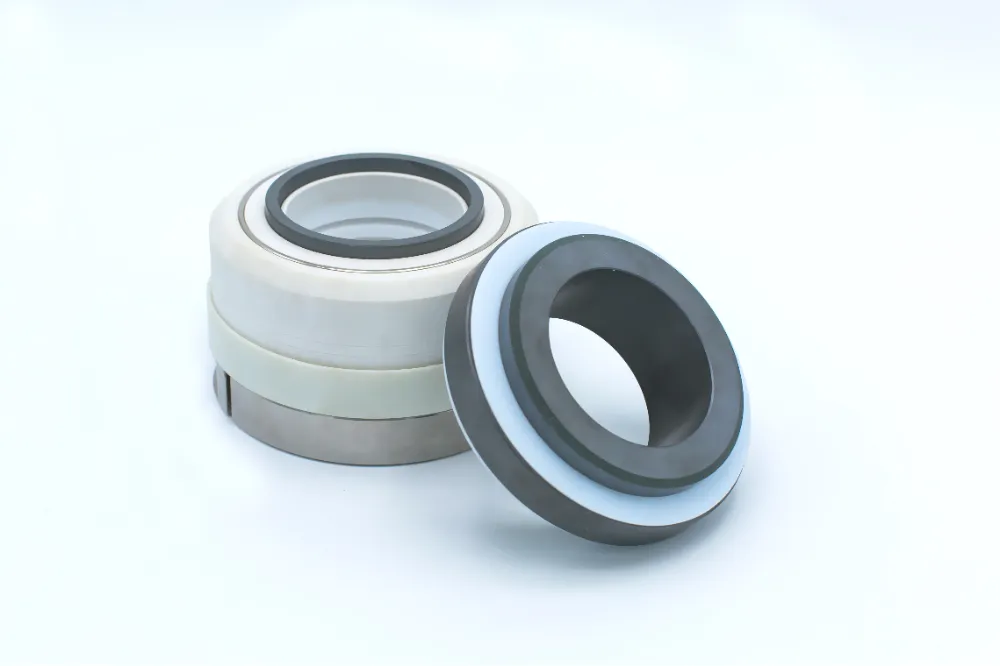
rotating bellows seal
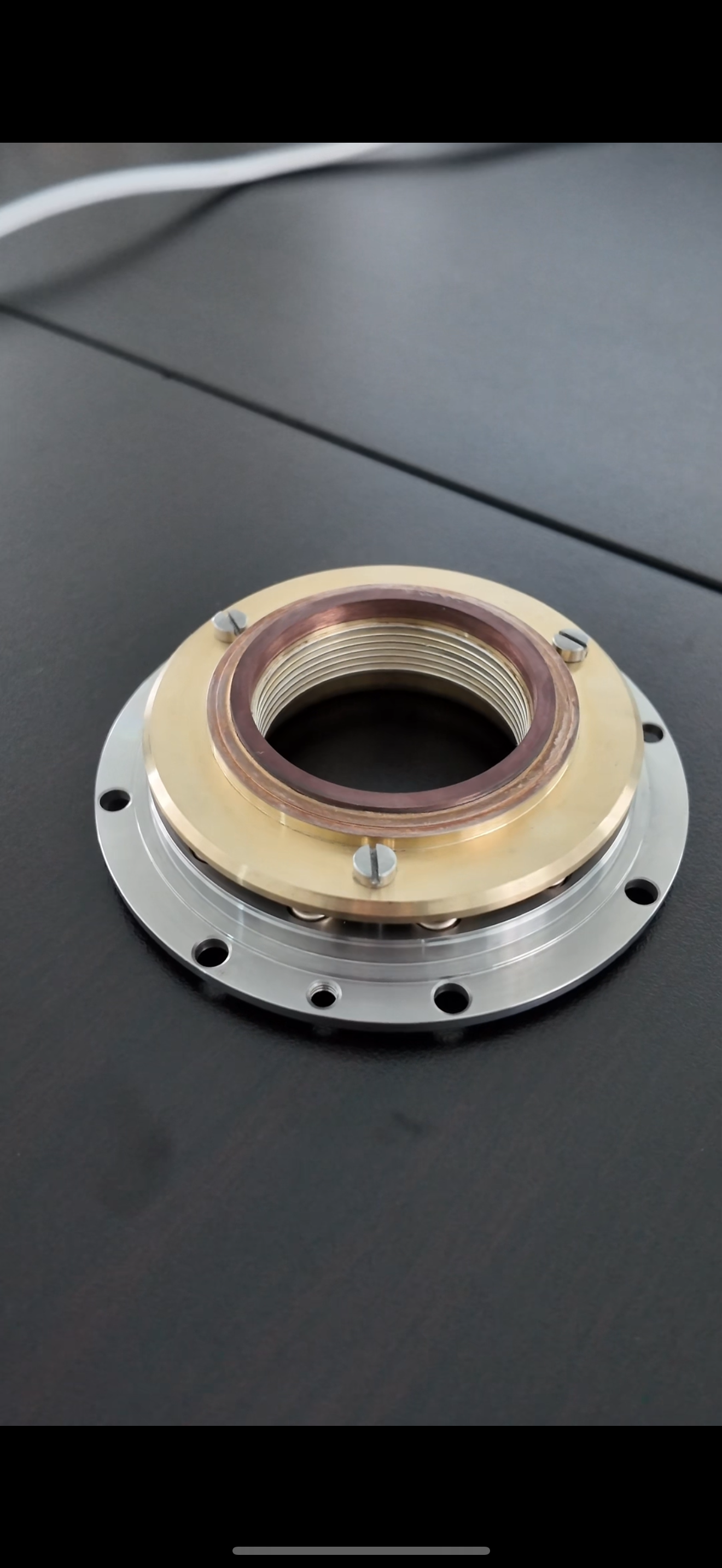
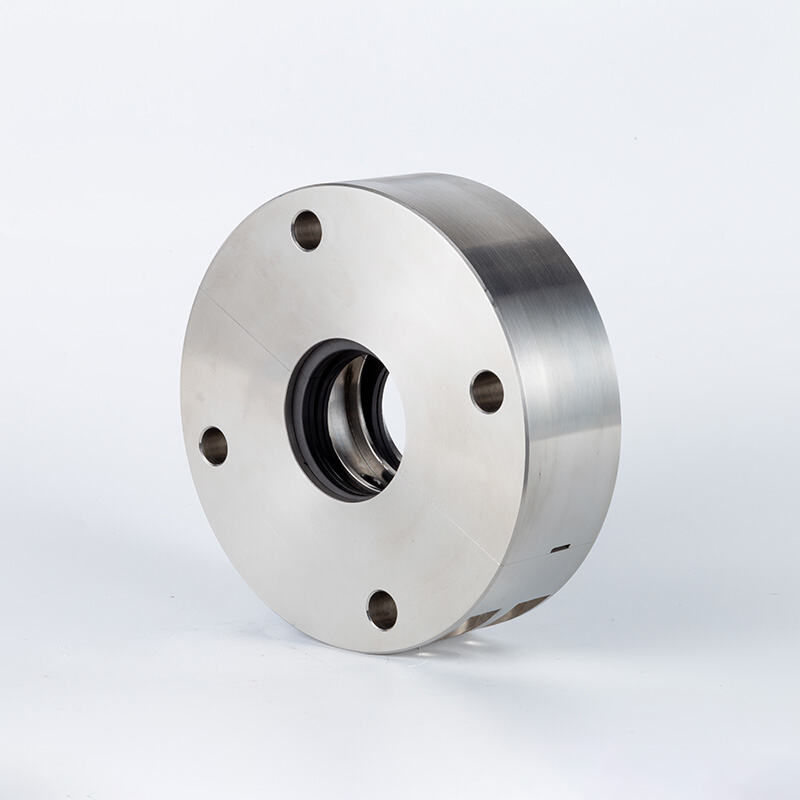
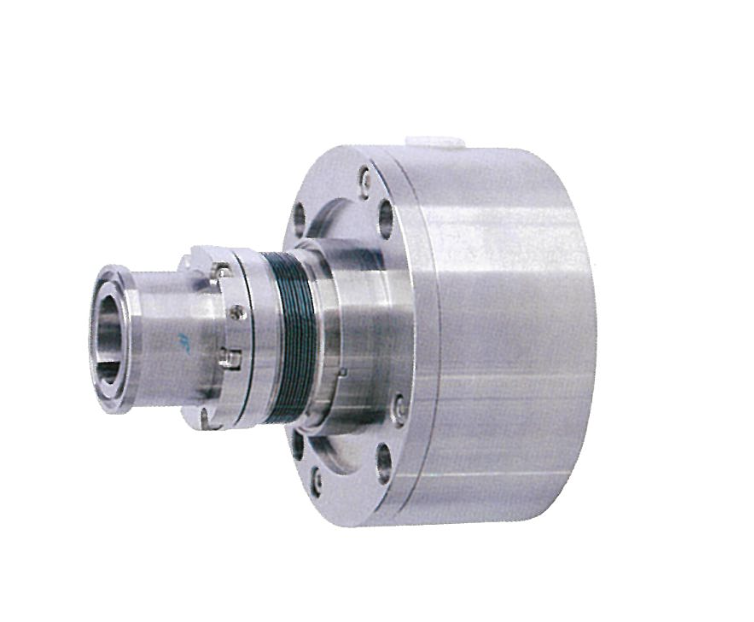
The rotating bellows seal represents a sophisticated sealing solution engineered to provide reliable fluid containment in rotating equipment applications. This advanced sealing technology combines the flexibility of bellows design with the durability required for continuous rotational movement, making it an essential component in various industrial machinery. The rotating bellows seal functions as a barrier that prevents fluid leakage while accommodating the dynamic motion inherent in rotating systems. Its primary purpose involves maintaining pressure differentials and preventing contamination between different fluid zones within mechanical equipment. The seal operates through a unique mechanism where the bellows component flexes and adapts to shaft movement while maintaining consistent contact with sealing surfaces. This design methodology ensures optimal performance even under challenging operating conditions including temperature fluctuations, pressure variations, and mechanical vibrations. The technological features of the rotating bellows seal include precision-engineered materials that resist chemical corrosion, thermal degradation, and mechanical wear. The bellows structure typically consists of multiple convolutions that provide exceptional flexibility while maintaining structural integrity. Advanced manufacturing processes ensure dimensional accuracy and surface finish quality that directly impacts sealing effectiveness. The seal incorporates specialized spring mechanisms that maintain proper contact force between sealing faces throughout the operational lifecycle. Applications for rotating bellows seals span numerous industries including chemical processing, petroleum refining, power generation, and pharmaceutical manufacturing. These seals excel in centrifugal pumps, compressors, mixers, and other rotating equipment where traditional sealing methods prove inadequate. The versatility of rotating bellows seal technology makes it suitable for handling aggressive chemicals, high-temperature fluids, and applications requiring zero-emission standards. Industrial facilities rely on these seals to meet environmental regulations while maintaining operational efficiency and equipment reliability.
 EN
EN