mechanical seals stationary parts
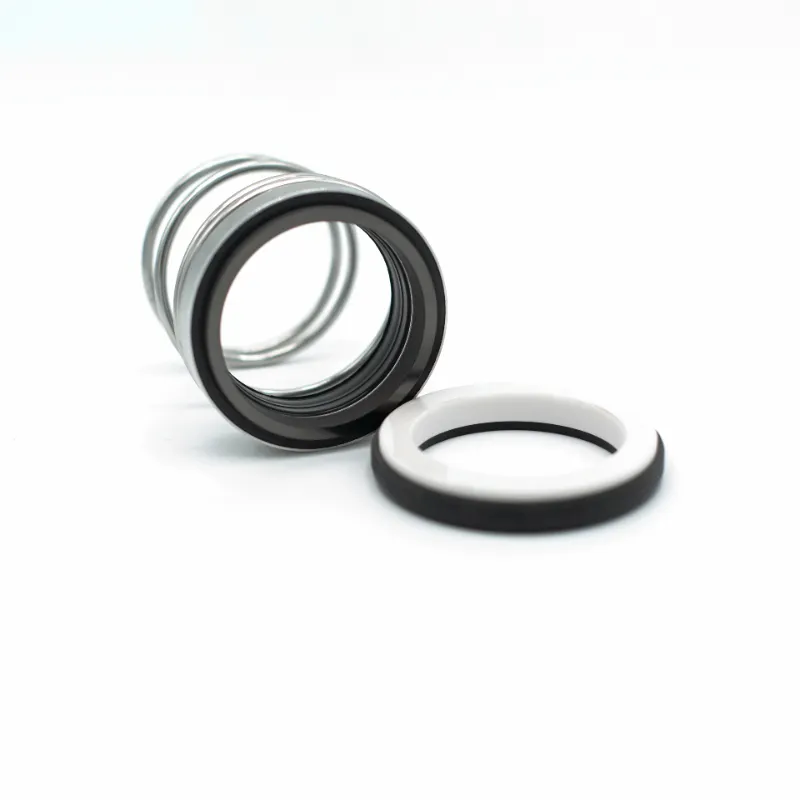
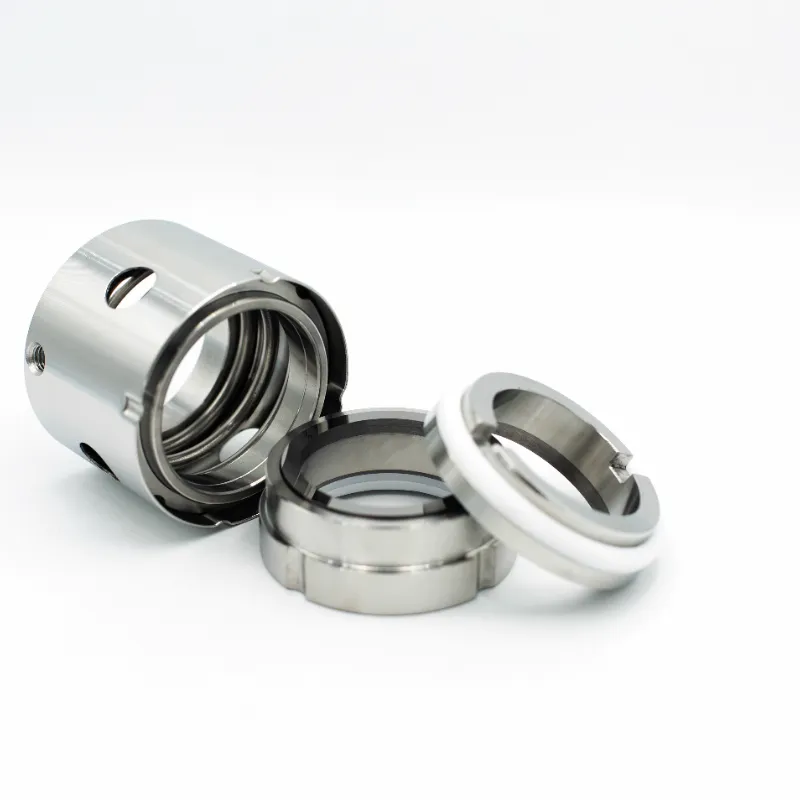
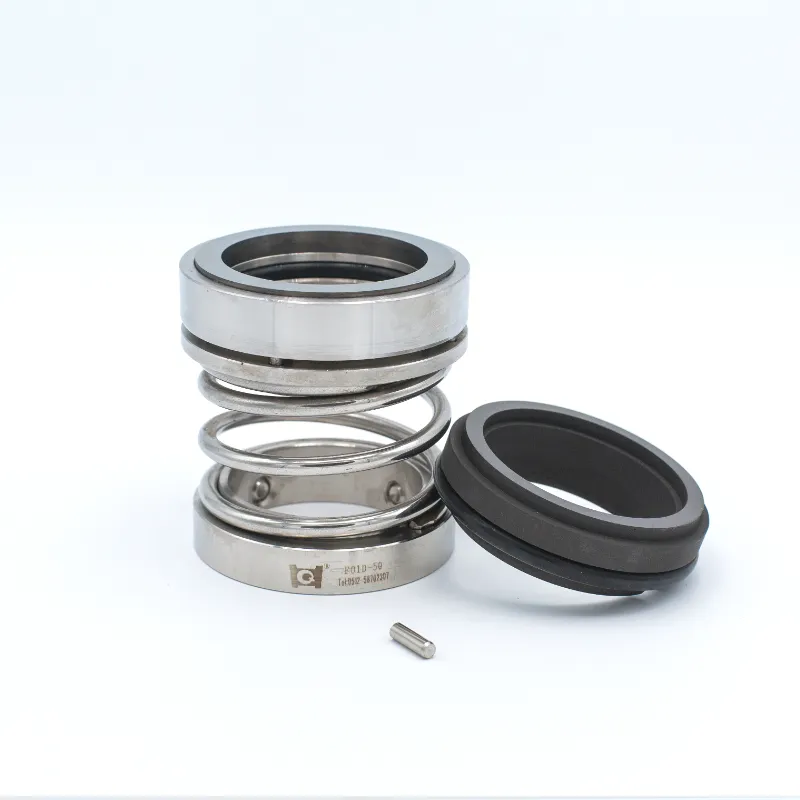
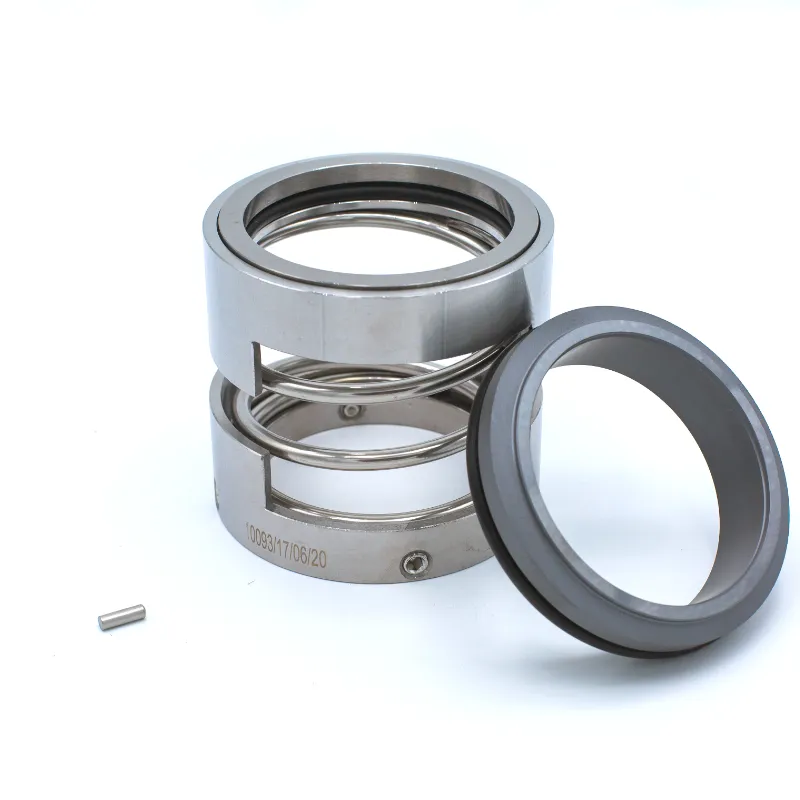
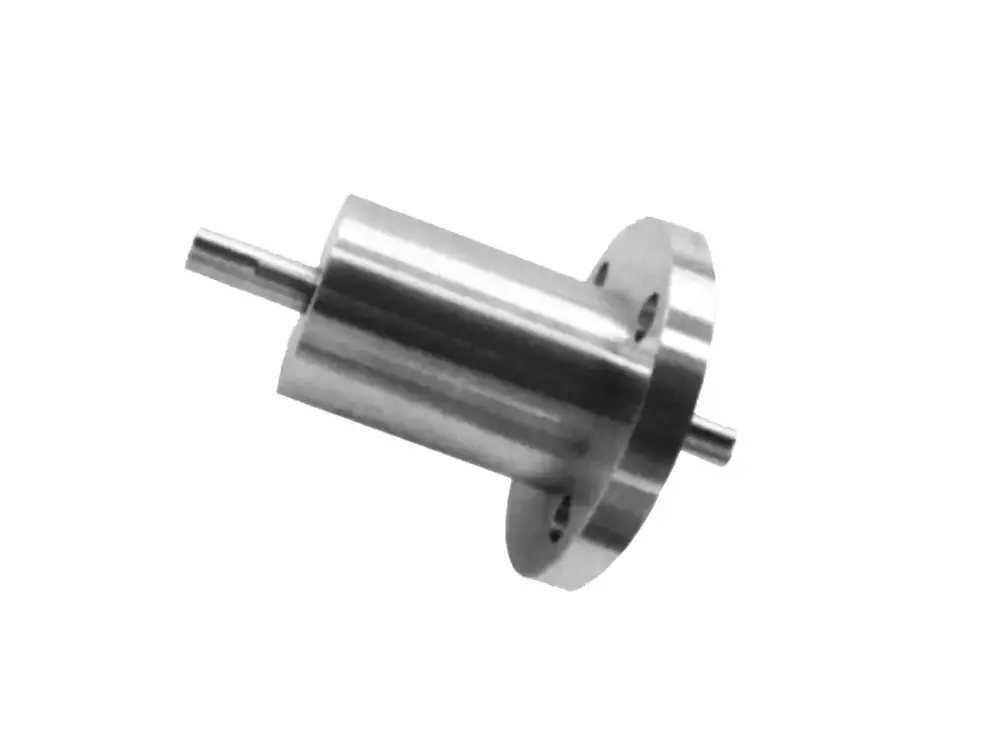
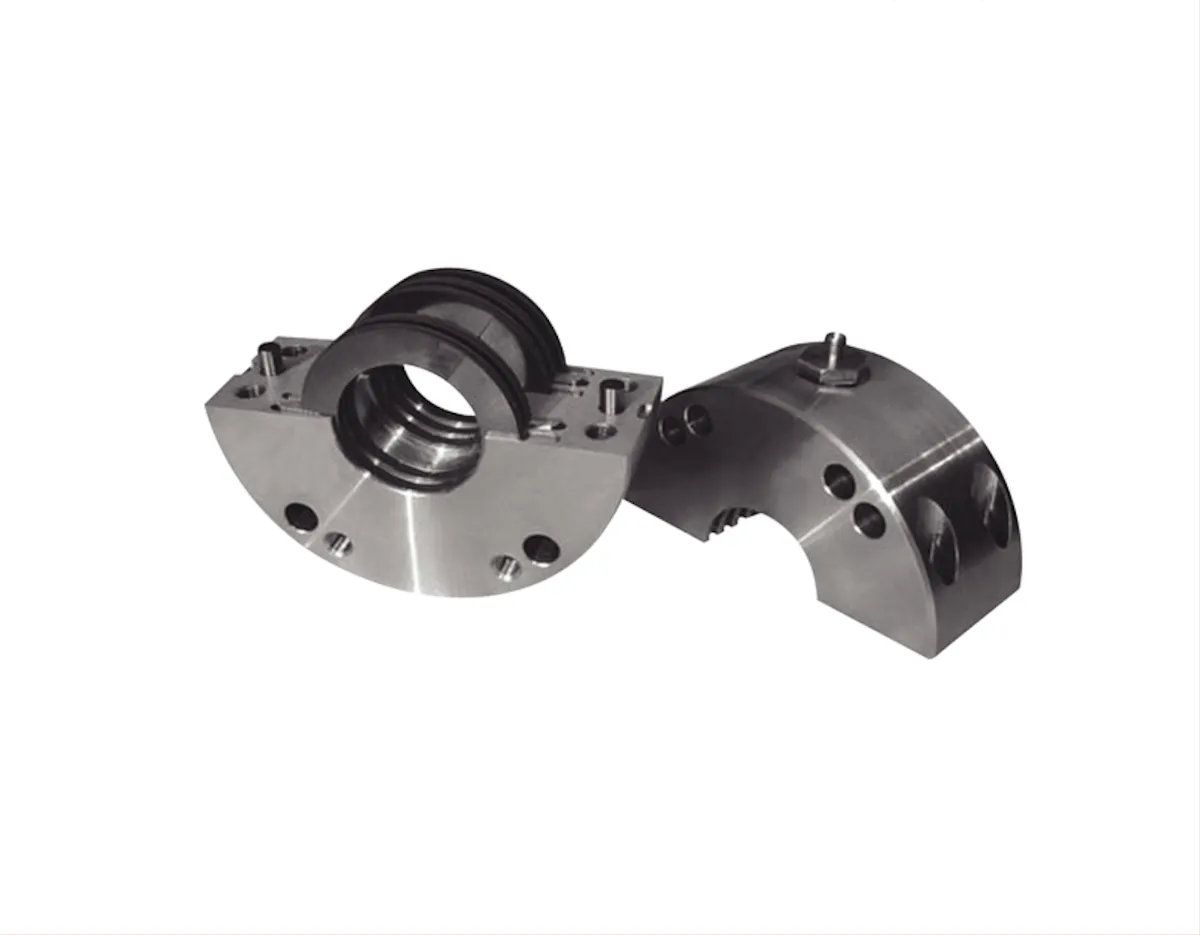
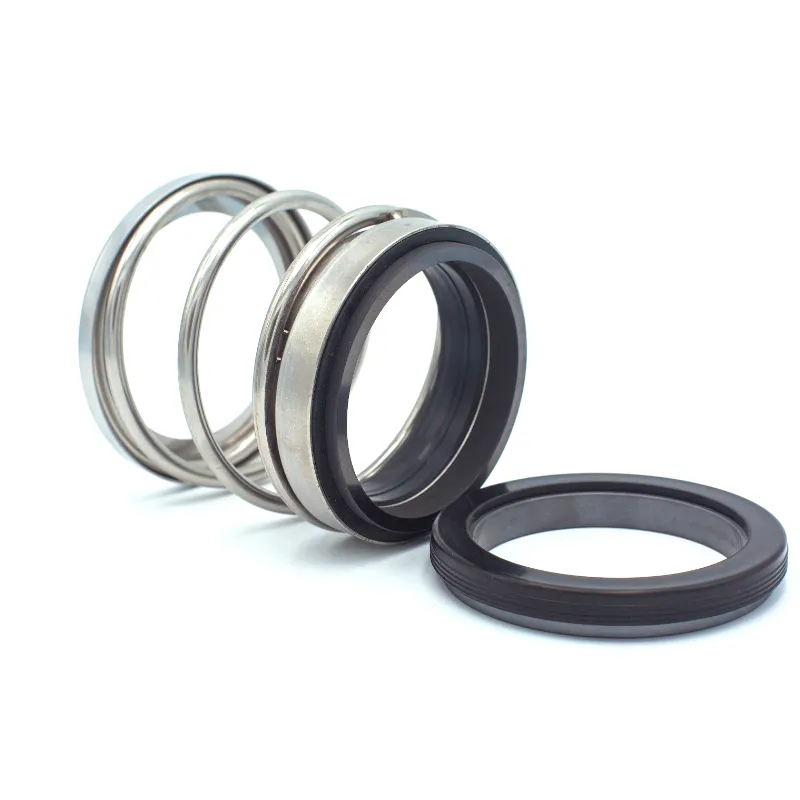
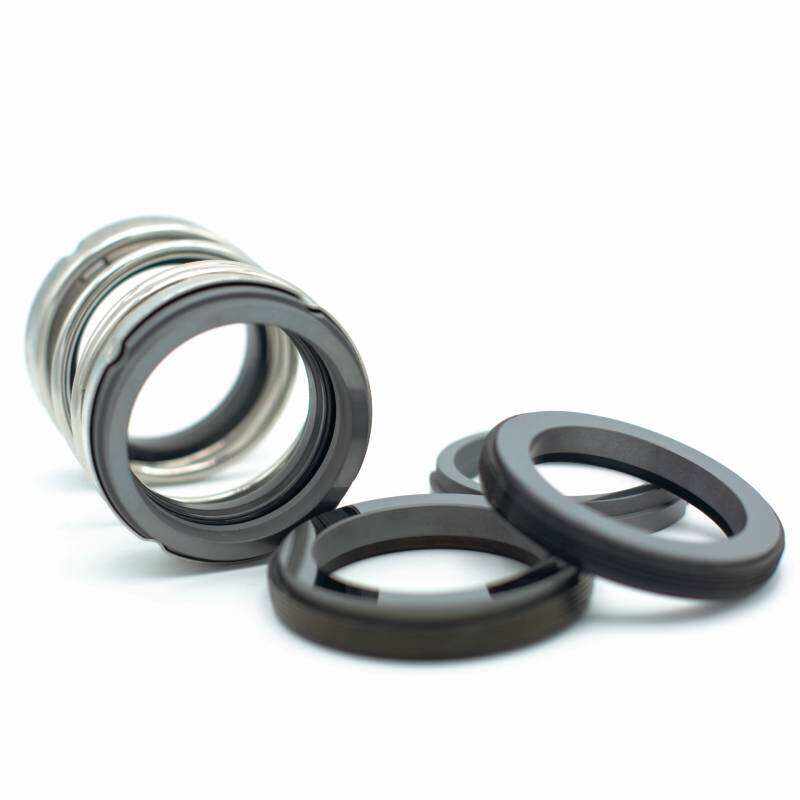
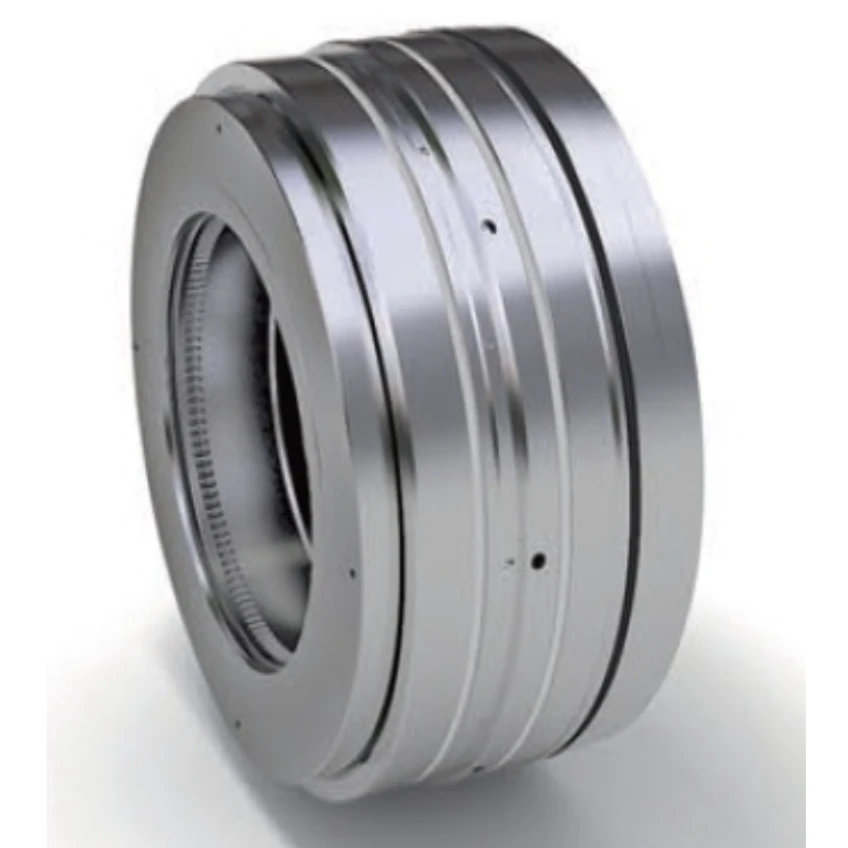
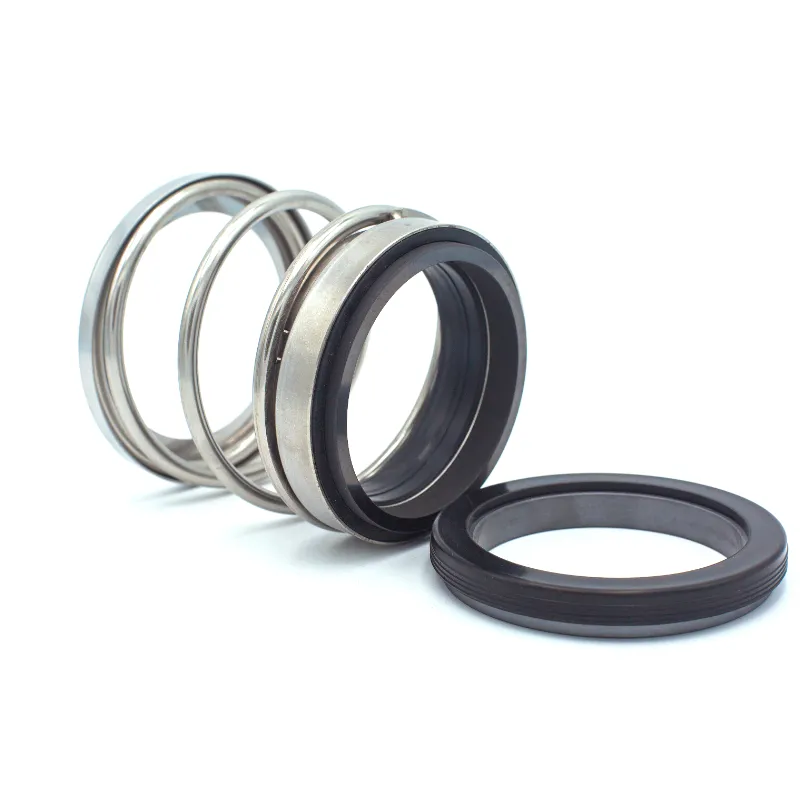
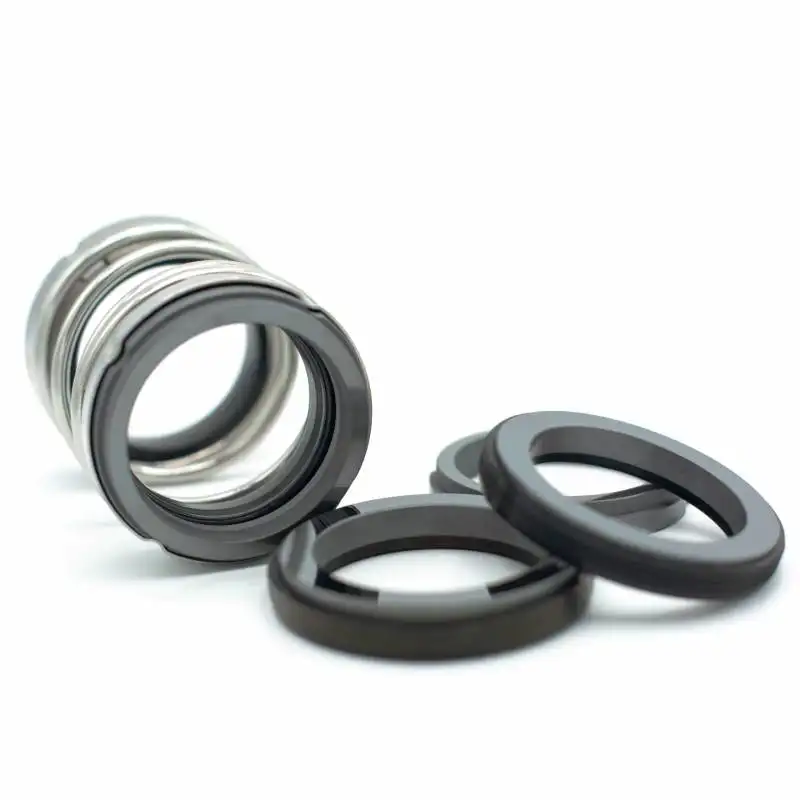
Mechanical seals stationary parts represent the foundation of reliable sealing technology in rotating equipment across numerous industrial applications. These critical components form the immobile portion of mechanical seal assemblies, working in conjunction with rotating elements to prevent fluid leakage and maintain system integrity. The stationary parts primarily consist of the stationary ring, seat, gaskets, and housing components that remain fixed relative to the equipment casing. Understanding the intricate design and functionality of mechanical seals stationary parts is essential for engineers and maintenance professionals seeking optimal performance in pumps, compressors, mixers, and other rotating machinery. The stationary ring, typically manufactured from premium materials such as silicon carbide, tungsten carbide, or specialized ceramics, provides the sealing interface against the rotating face. This component must withstand significant mechanical stress, thermal variations, and chemical exposure while maintaining precise dimensional tolerances. The seat component securely positions the stationary ring within the seal chamber, ensuring proper alignment and preventing axial movement during operation. Advanced manufacturing techniques produce mechanical seals stationary parts with exceptional surface finishes and dimensional accuracy, enabling leak-free operation under demanding conditions. Temperature resistance capabilities allow these components to function effectively in applications ranging from cryogenic services to high-temperature industrial processes. Chemical compatibility features ensure long-term performance when exposed to aggressive media, acids, bases, and solvents. The modular design of modern mechanical seals stationary parts facilitates easy installation, maintenance, and replacement procedures, reducing downtime and operational costs. Quality control measures during production guarantee consistent performance characteristics and extended service life. These components play a vital role in environmental protection by preventing hazardous fluid emissions and reducing waste. Industrial applications span petroleum refining, chemical processing, pharmaceutical manufacturing, food and beverage production, water treatment, and power generation sectors where reliable sealing performance is paramount.
 EN
EN