Mechanical Seals for Water Treatment
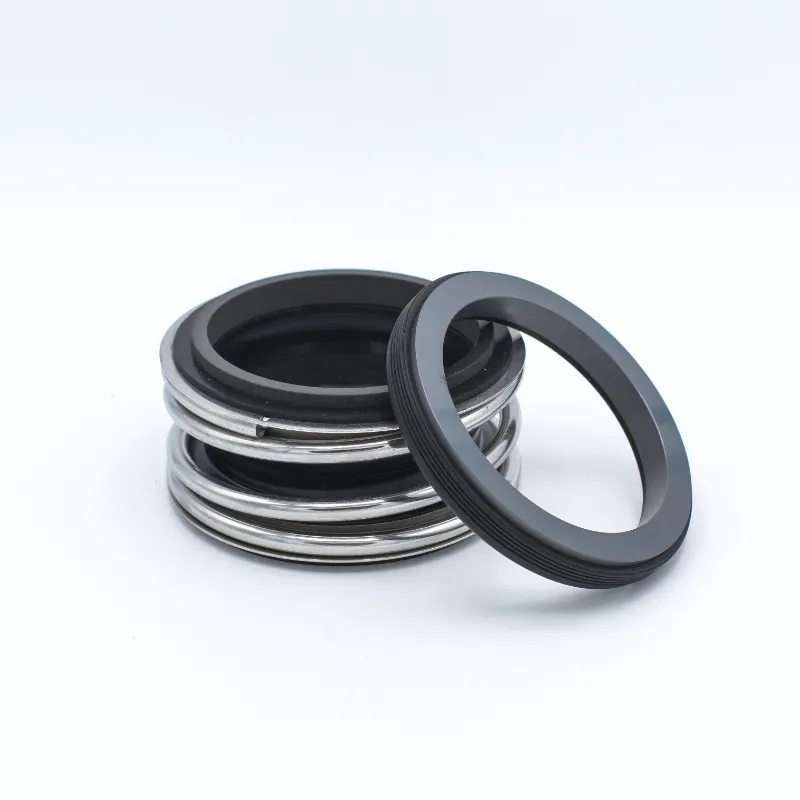
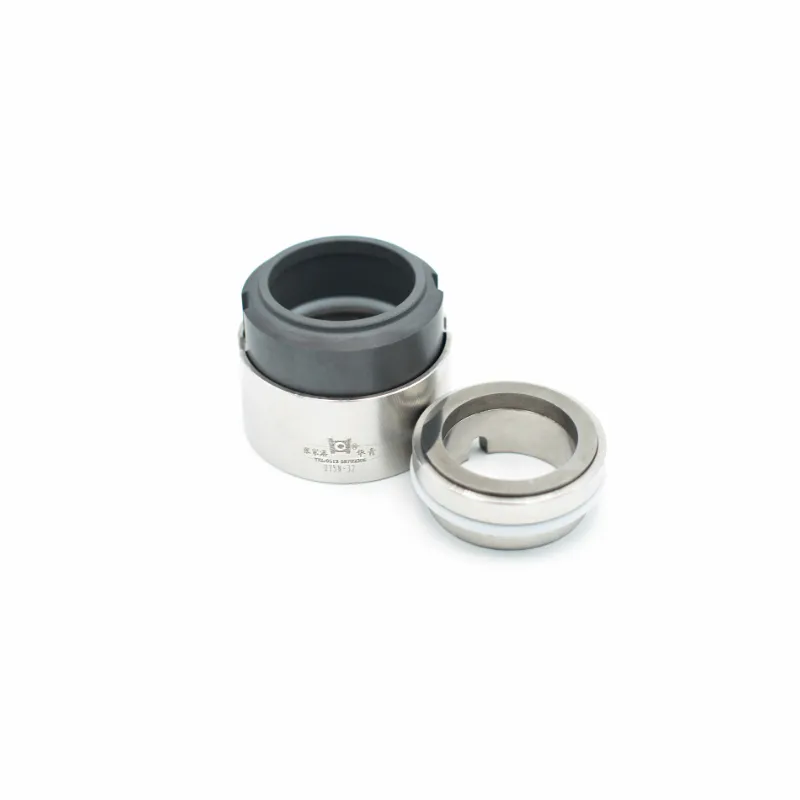
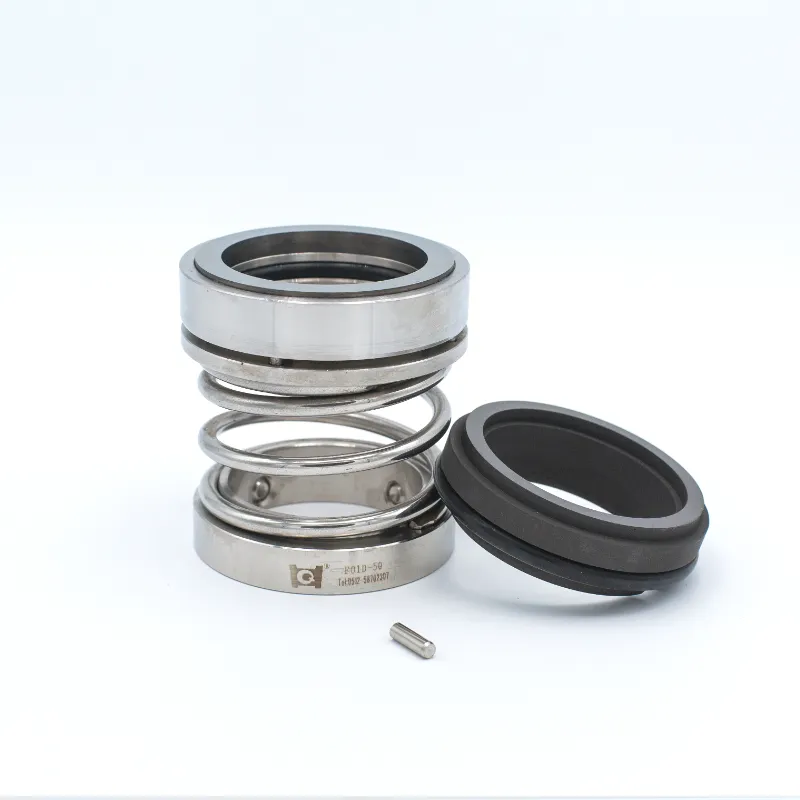
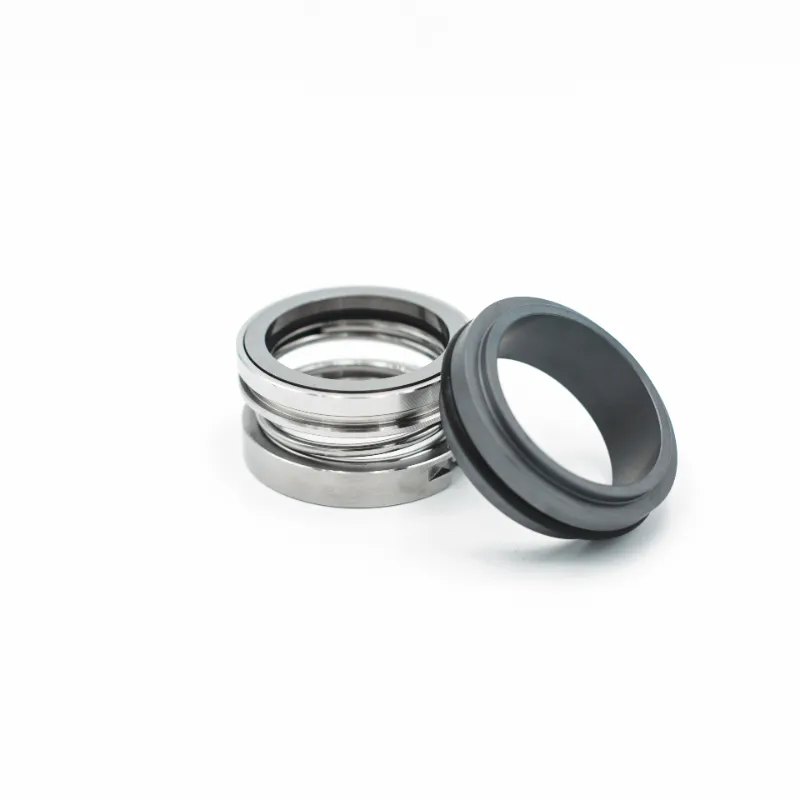
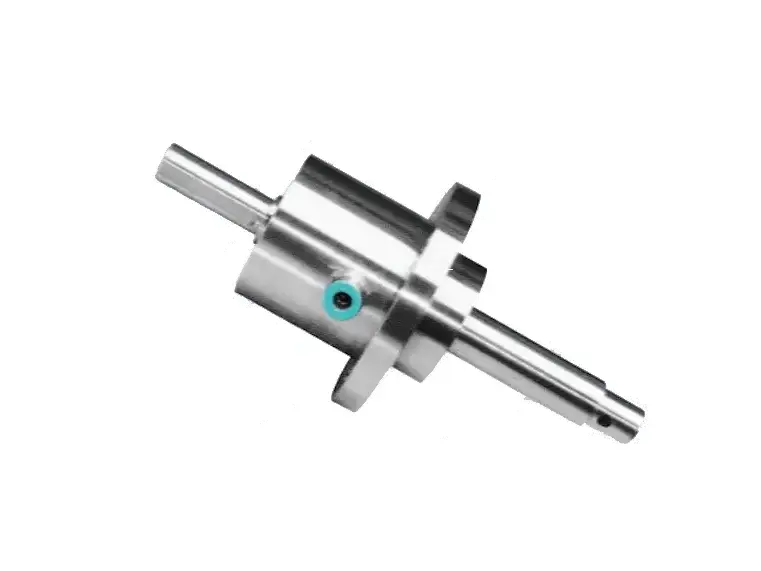
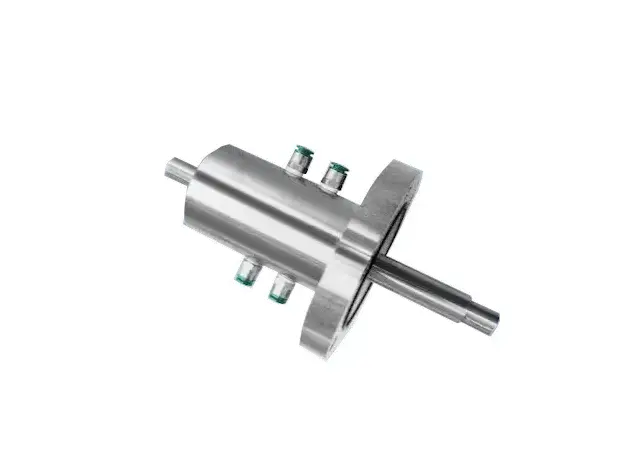
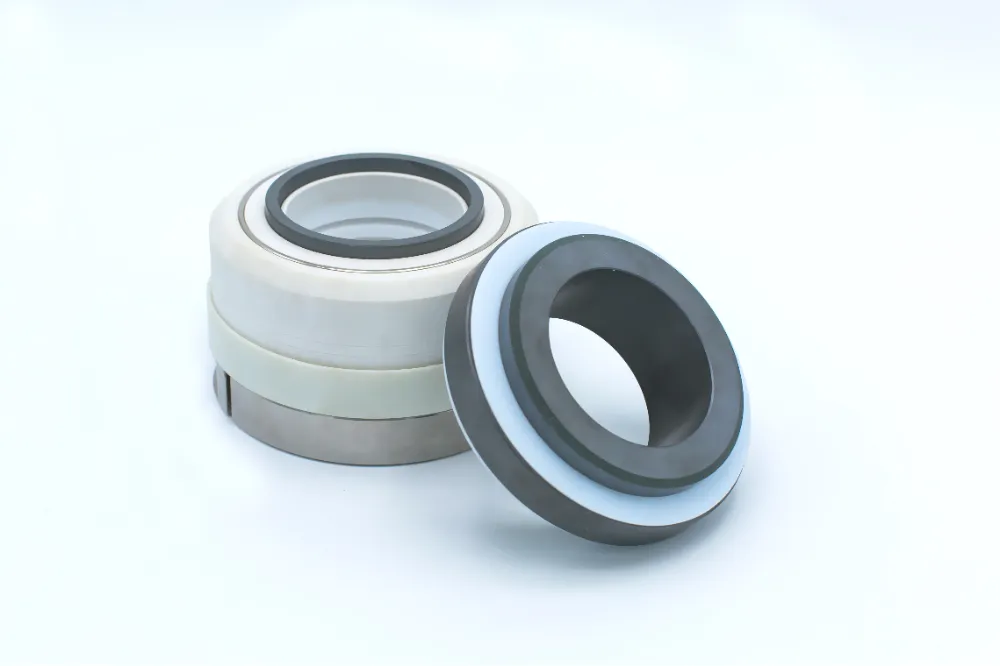
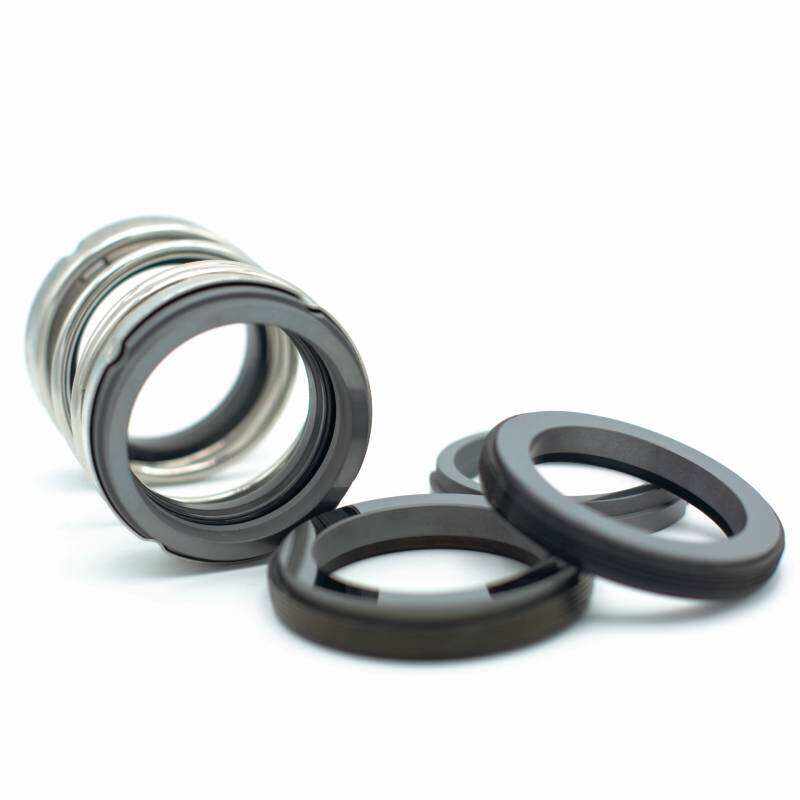
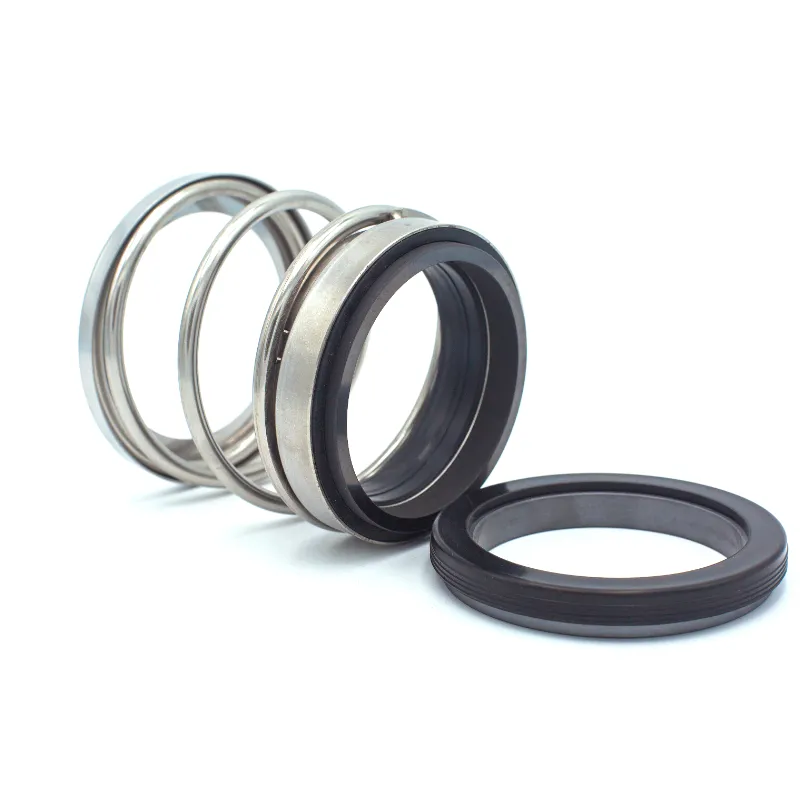
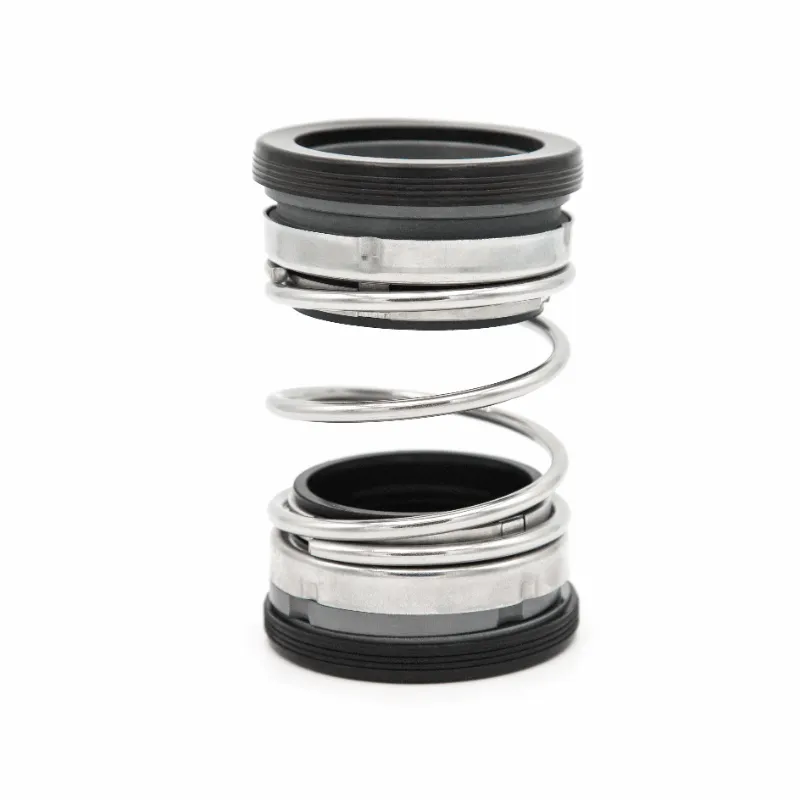
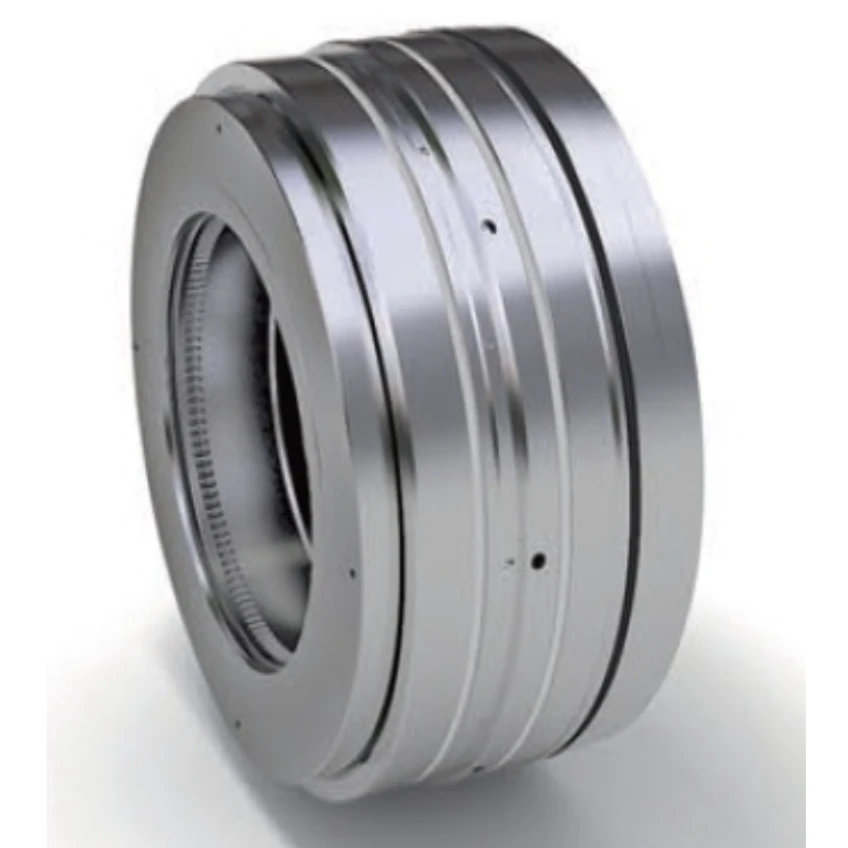
Mechanical Seals for Water Treatment represent critical components that ensure the operational integrity of water processing systems across municipal, industrial, and commercial applications. These specialized sealing solutions are engineered to prevent fluid leakage while maintaining optimal pump performance in challenging aquatic environments. The primary function of Mechanical Seals for Water Treatment involves creating a secure barrier between rotating and stationary components within pumps, preventing contamination and maintaining system pressure. These seals utilize advanced materials and precision engineering to withstand the corrosive nature of treated water, chemicals, and varying temperature conditions commonly encountered in water treatment facilities. The technological features of these sealing systems include multi-stage sealing mechanisms, corrosion-resistant materials such as silicon carbide and tungsten carbide, and specialized elastomeric components designed for extended service life. Modern Mechanical Seals for Water Treatment incorporate innovative cooling systems, flush plans, and monitoring capabilities that enhance performance reliability. Applications span across diverse water treatment scenarios including potable water production, wastewater processing, desalination plants, industrial cooling systems, and chemical dosing operations. These seals are specifically designed to handle the unique challenges presented by water treatment environments, including exposure to chlorine, ozone, and other treatment chemicals. The engineering excellence behind Mechanical Seals for Water Treatment ensures minimal maintenance requirements while maximizing operational uptime. Advanced seal face materials provide superior wear resistance, while innovative spring-loaded designs maintain optimal contact pressure throughout the seal's operational life. The integration of these sealing solutions into water treatment systems results in improved efficiency, reduced maintenance costs, and enhanced environmental protection through prevention of hazardous fluid leakage.
 EN
EN