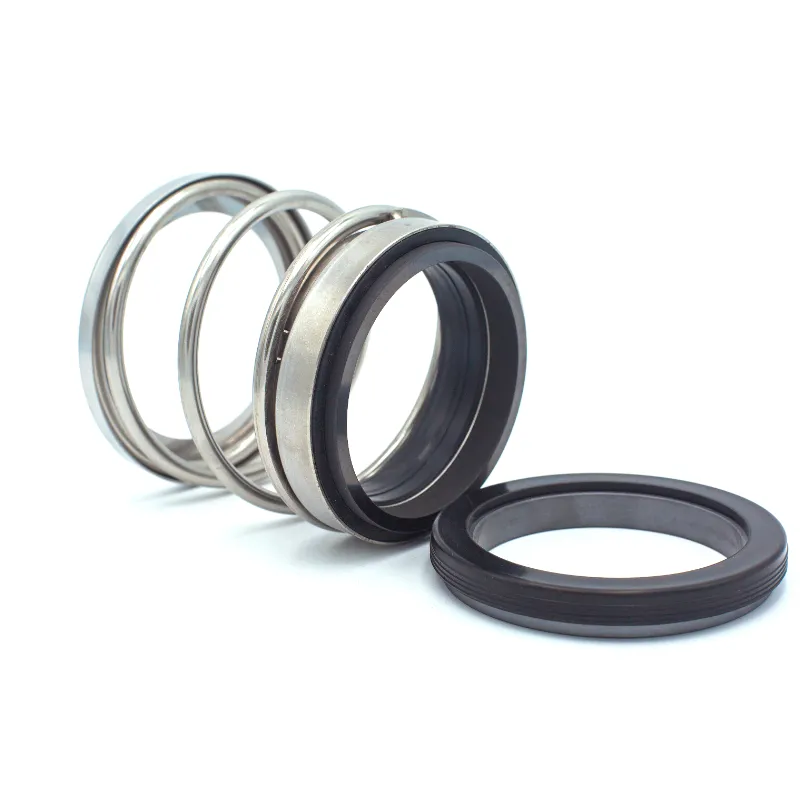
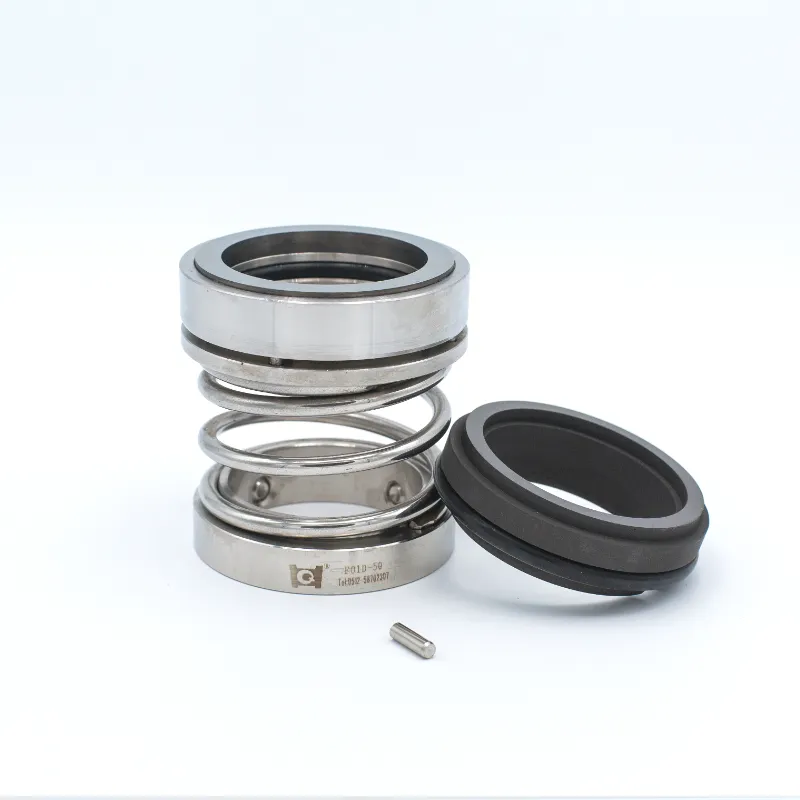
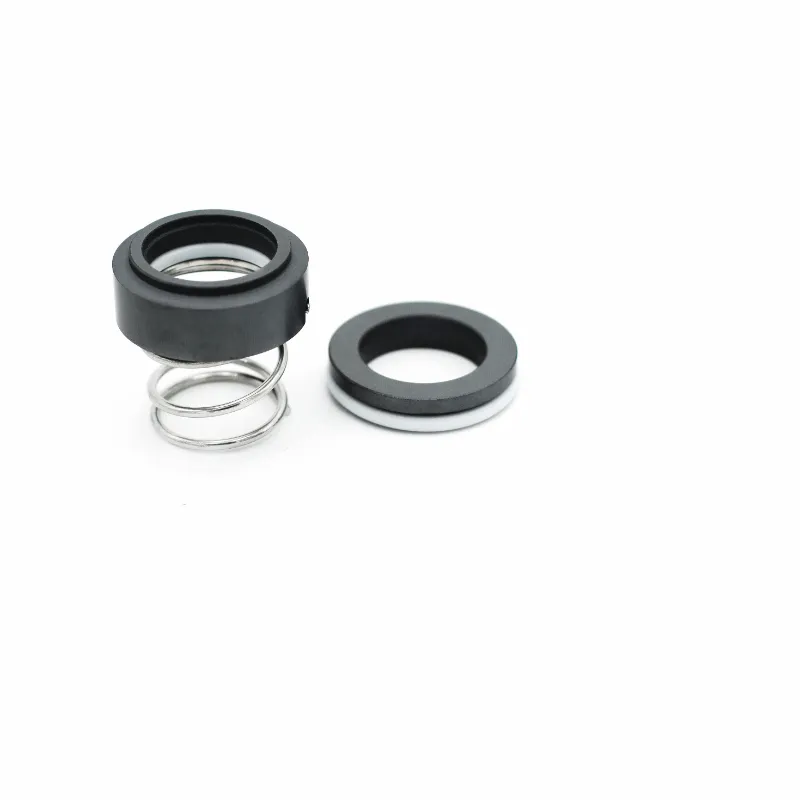
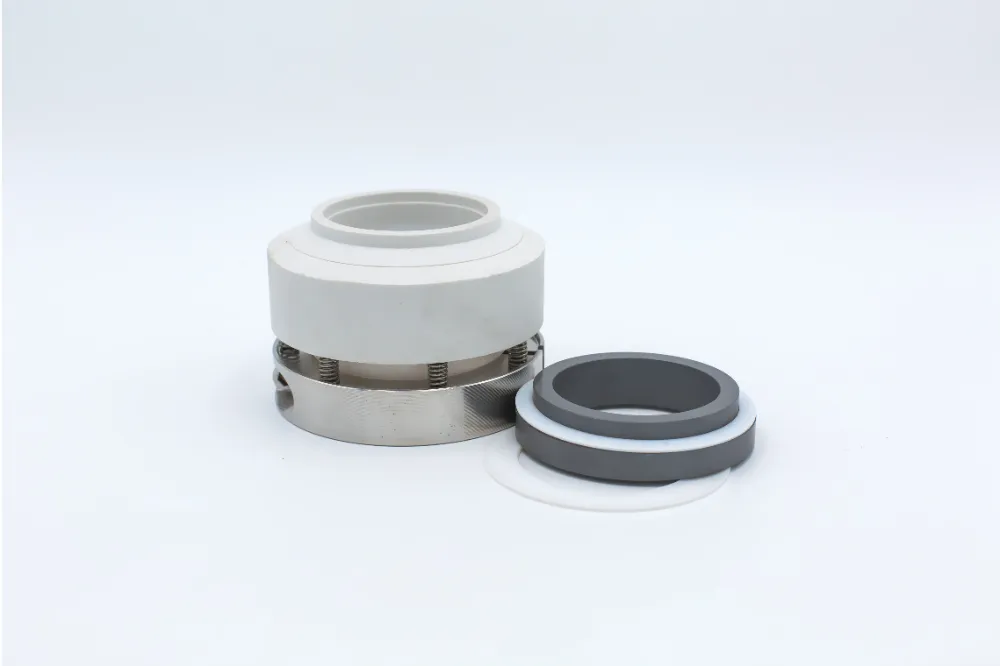
Non-Contacting Mechanical Seal Technology: Advanced Zero-Wear Sealing Solutions

Get a Free Quote

Our representative will contact you soon.
Email
Name
Company Name
Message
0/1000

Non-Contacting Mechanical Seal

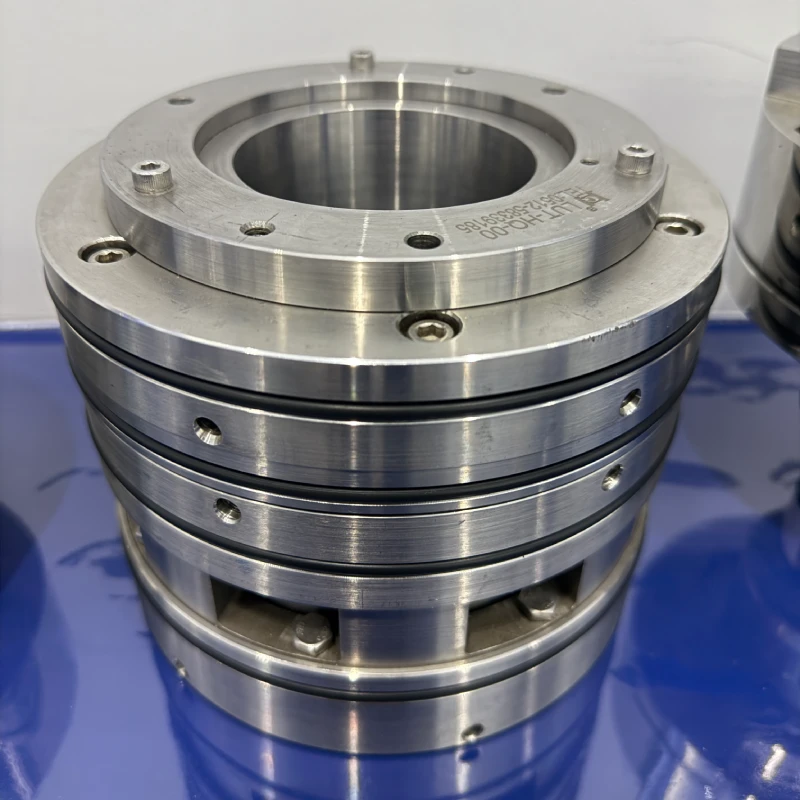
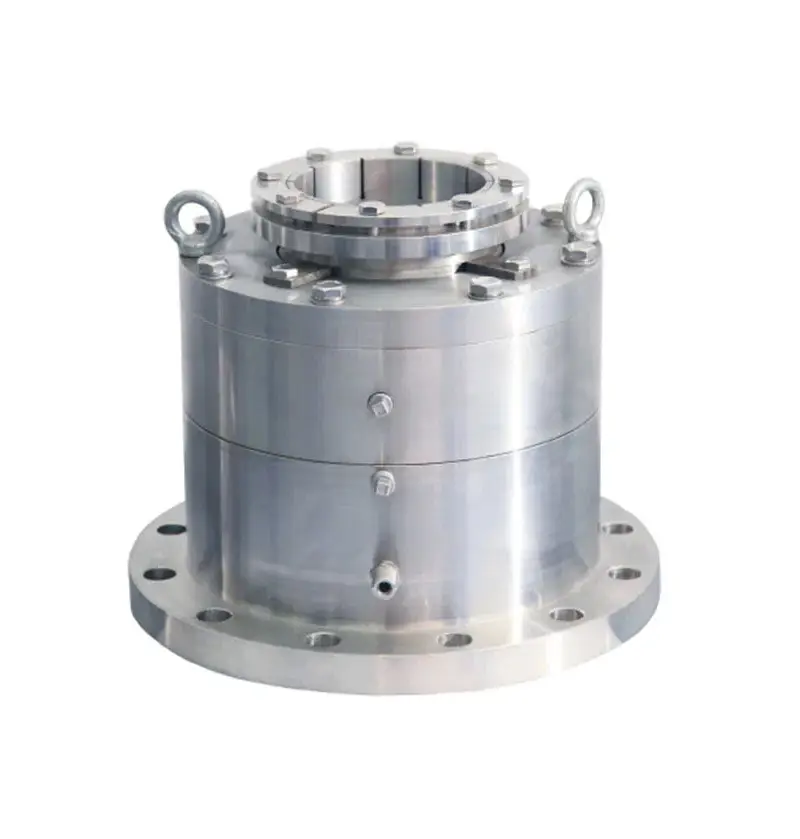
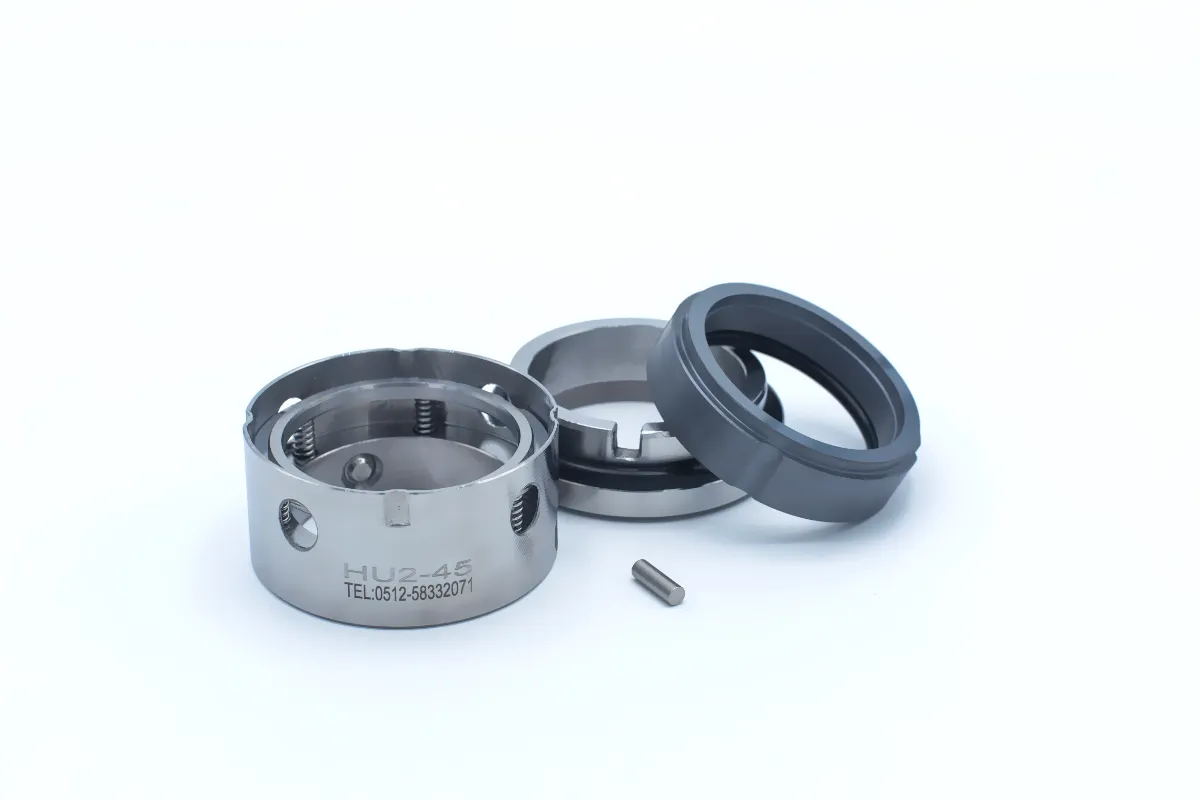
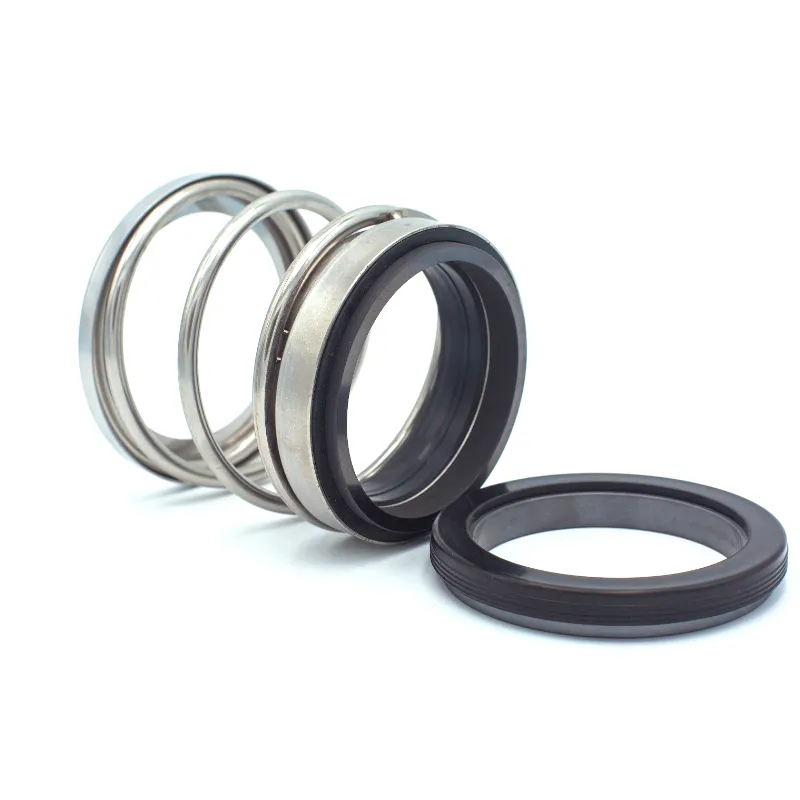
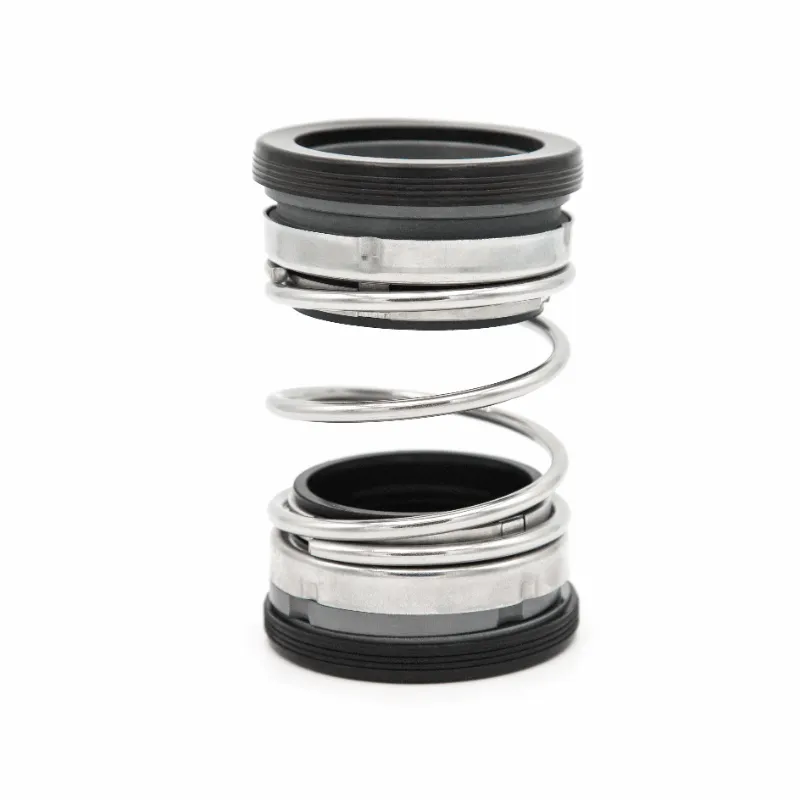
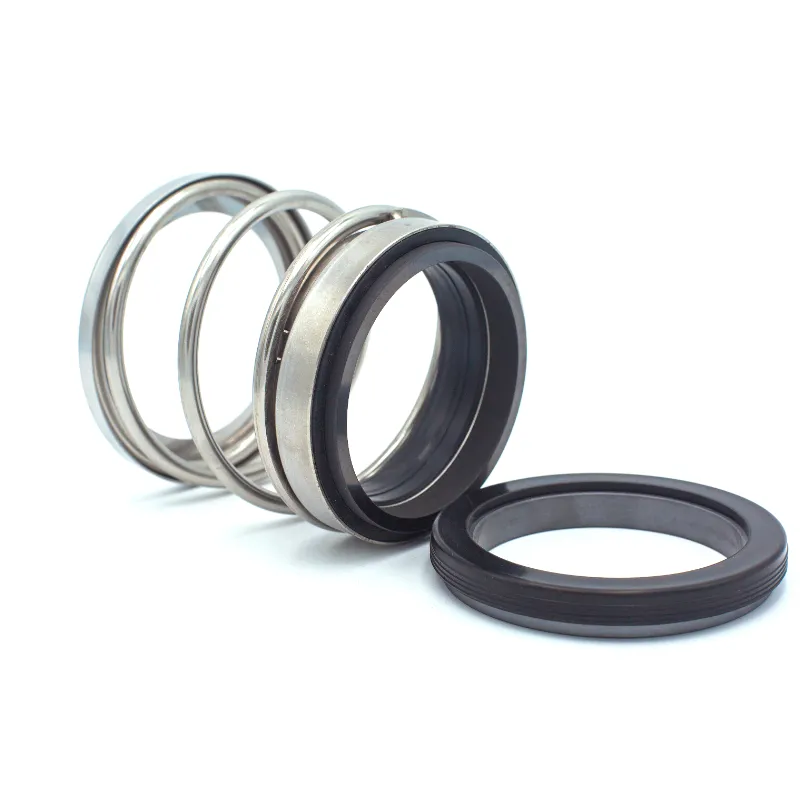
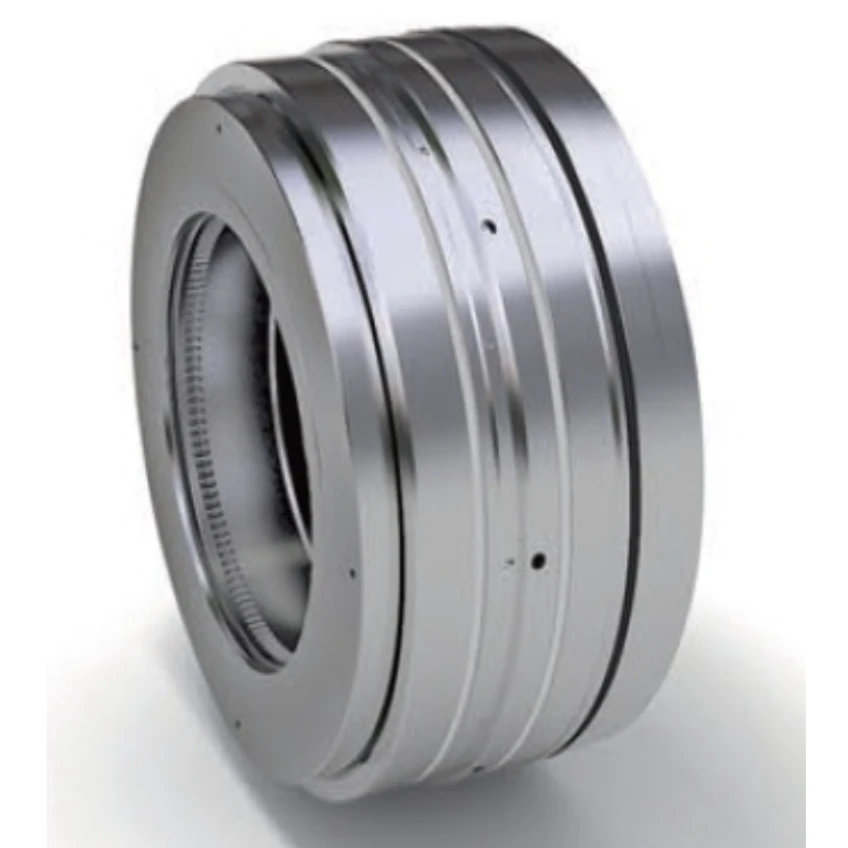
The Non-Contacting Mechanical Seal represents a revolutionary advancement in sealing technology, designed to eliminate direct contact between rotating and stationary seal faces during operation. Unlike traditional contacting mechanical seals, this innovative sealing solution maintains a thin fluid film between the primary seal faces, creating a dynamic barrier that prevents leakage while minimizing wear and friction. The Non-Contacting Mechanical Seal operates on the principle of hydrodynamic or hydrostatic lift, where controlled fluid pressure creates separation between seal components. This separation ensures that the rotating and stationary elements never touch during normal operation, significantly extending seal life and reducing maintenance requirements. The main functions of the Non-Contacting Mechanical Seal include containing process fluids within equipment boundaries, preventing contamination from external sources, and maintaining system pressure integrity. These seals excel in applications where traditional sealing methods fail due to extreme operating conditions, abrasive media, or stringent leakage requirements. Technological features of the Non-Contacting Mechanical Seal include precision-engineered face geometries, advanced materials selection, and sophisticated monitoring systems. The seal faces incorporate micro-grooves, spiral patterns, or other specialized surface textures that promote fluid film formation and stability. Materials used in construction range from silicon carbide and tungsten carbide to specialized coatings that enhance performance in corrosive environments. Temperature compensation mechanisms ensure consistent performance across varying operating conditions, while integrated sensors provide real-time monitoring of seal performance parameters. Applications for the Non-Contacting Mechanical Seal span numerous industries including chemical processing, pharmaceutical manufacturing, oil and gas operations, power generation, and aerospace systems. These seals prove particularly valuable in high-speed rotating equipment, pumps handling abrasive or crystallizing fluids, and systems requiring ultra-low emission levels. The versatility of the Non-Contacting Mechanical Seal makes it suitable for both liquid and gas applications, with specialized designs available for specific process requirements.

Popular Products

The Non-Contacting Mechanical Seal delivers exceptional performance benefits that translate directly into operational savings and improved system reliability for industrial applications. These seals eliminate friction-related wear because the primary sealing faces never touch during operation, resulting in dramatically extended service life compared to conventional sealing solutions. This extended lifespan reduces replacement frequency, minimizes planned maintenance downtime, and lowers total cost of ownership over the seal's operational lifetime. Energy efficiency represents another significant advantage of the Non-Contacting Mechanical Seal, as the elimination of face contact reduces parasitic power losses typically associated with friction. This efficiency improvement becomes particularly noticeable in high-speed applications where traditional seals generate substantial heat and consume considerable power. The reduced energy consumption translates to lower operating costs and improved overall system efficiency. Leak prevention capabilities of the Non-Contacting Mechanical Seal surpass traditional sealing methods, making these seals ideal for applications with strict environmental regulations or valuable process fluids. The controlled fluid film maintains consistent sealing performance while preventing fugitive emissions that could result in environmental compliance issues or product loss. This superior leak prevention protects both the environment and company profitability. Temperature management becomes simplified with Non-Contacting Mechanical Seal technology because the absence of friction eliminates heat generation at the seal interface. This characteristic allows these seals to operate effectively in high-temperature applications where conventional seals would fail due to thermal stress and face distortion. The improved temperature stability extends seal life and maintains consistent performance across varying operating conditions. Maintenance requirements decrease significantly when implementing Non-Contacting Mechanical Seal technology, as the elimination of wear reduces the need for frequent inspections and replacements. Predictive maintenance becomes more effective because seal degradation follows predictable patterns without the random failures associated with friction-induced wear. This predictability allows maintenance teams to schedule service activities more efficiently and avoid unexpected equipment failures. Process compatibility expands with Non-Contacting Mechanical Seal implementation, as these seals handle abrasive, crystallizing, or polymerizing fluids that would quickly destroy conventional sealing systems. The fluid film barrier prevents direct contact between seal faces and aggressive media, maintaining seal integrity even in challenging chemical environments. This compatibility opens new application possibilities and extends equipment capabilities into previously unsuitable process conditions.

Latest News

Why Are Dry Gas Seals Critical in Oil & Gas Industry?

27

Jun

Why Are Dry Gas Seals Critical in Oil & Gas Industry?

Essential Functions of Dry Gas Seals in Industrial Operations Preventing Process Gas Leaks in Turbomachinery Dry gas seals play a crucial role in preventing leaks of process gas, which is essential for maintaining operational safety and efficiency i...
View More
What Are the Different Types of Agitator Seals?

21

Jul

What Are the Different Types of Agitator Seals?

Exploring Sealing Solutions for Industrial Mixing Systems In industrial mixing applications, maintaining a controlled, leak-free environment is essential to ensure product quality, process efficiency, and safety. Agitator seals play a pivotal role in...
View More
Key Features of High-Performance Agitator Seal Pressure Systems

06

Aug

Key Features of High-Performance Agitator Seal Pressure Systems

Ensuring Long-Term Efficiency in Industrial Sealing In the world of industrial processing, maintaining system integrity under various operational stresses is a continuous challenge. One of the most vital components for achieving this reliability is t...
View More
Can High-Performance Mechanical Seals Reduce Maintenance Costs?

22

Dec

Can High-Performance Mechanical Seals Reduce Maintenance Costs?

Industrial facilities worldwide face mounting pressure to reduce operational costs while maintaining peak equipment performance. One critical component that significantly impacts maintenance expenses is the mechanical seal system used in pumps, compr...
View More

Get a Free Quote

Our representative will contact you soon.
Email
Name
Company Name
Country/Region
Message
0/1000

Non-Contacting Mechanical Seal

Zero-Wear Operation Technology

Zero-Wear Operation Technology

The Zero-Wear Operation Technology of the Non-Contacting Mechanical Seal represents a paradigm shift in sealing solutions, delivering unprecedented reliability and longevity through the complete elimination of mechanical contact between seal faces. This revolutionary approach creates a stable fluid film that acts as a dynamic barrier, preventing direct contact while maintaining effective sealing performance. The technology operates on sophisticated hydrodynamic principles where precisely engineered surface geometries generate lifting forces that keep seal faces separated by a controlled distance, typically measured in micrometers. This separation distance remains consistent across varying operating conditions through advanced design features that automatically compensate for pressure fluctuations, temperature changes, and shaft movement. The absence of mechanical contact eliminates the primary cause of seal failure in traditional systems, where friction-induced wear gradually degrades sealing surfaces until leakage occurs. With the Non-Contacting Mechanical Seal, this wear mechanism simply does not exist, resulting in theoretical unlimited seal life under proper operating conditions. The fluid film formation relies on carefully calculated surface patterns that create pressure distributions favoring face separation while maintaining sealing integrity. These patterns may include spiral grooves, radial channels, or complex geometries optimized for specific applications and fluid properties. The engineering precision required to achieve consistent film thickness across the entire seal face demands advanced manufacturing techniques and quality control measures that ensure each Non-Contacting Mechanical Seal meets strict performance specifications. Monitoring systems integrated into the seal design provide real-time feedback on film thickness, pressure distribution, and operating parameters, enabling predictive maintenance strategies and early detection of any deviations from optimal performance. This zero-wear characteristic makes the Non-Contacting Mechanical Seal particularly valuable in critical applications where unexpected failures could result in significant downtime, environmental releases, or safety hazards. The technology proves especially beneficial in remote locations where maintenance access is limited and seal reliability becomes paramount to operational success.
Superior Emission Control Performance

Superior Emission Control Performance

Superior Emission Control Performance stands as a defining characteristic of the Non-Contacting Mechanical Seal, addressing increasingly stringent environmental regulations and corporate sustainability goals through advanced sealing technology that virtually eliminates fugitive emissions. The controlled fluid film barrier created by the Non-Contacting Mechanical Seal provides consistent and reliable containment of process fluids, preventing even trace amounts of material from escaping to the atmosphere. This level of emission control surpasses traditional sealing methods by orders of magnitude, making these seals essential for applications involving volatile organic compounds, hazardous chemicals, or valuable process materials where any loss represents both environmental and economic concerns. The emission control effectiveness stems from the stable fluid film that maintains consistent thickness and pressure distribution across the entire sealing interface, eliminating the micro-leakage paths that develop in conventional seals as wear progresses over time. Environmental compliance becomes significantly more manageable with Non-Contacting Mechanical Seal implementation, as these seals easily meet or exceed the most demanding emission standards including EPA fugitive emission requirements and international environmental protocols. The superior emission control performance extends beyond regulatory compliance to provide tangible business benefits through reduced product loss, decreased environmental remediation costs, and improved corporate environmental stewardship ratings. Process fluid recovery represents another advantage of the superior emission control, as materials that would otherwise be lost to the atmosphere remain within the system for productive use. This recovery becomes particularly valuable in applications involving expensive catalysts, specialty chemicals, or refined products where even small losses accumulate into significant annual costs. The consistency of emission control performance over extended operating periods distinguishes the Non-Contacting Mechanical Seal from conventional alternatives that experience gradually increasing emission rates as wear progresses. Monitoring capabilities built into advanced Non-Contacting Mechanical Seal designs provide continuous verification of emission control performance, enabling operators to demonstrate regulatory compliance and optimize system performance. The superior emission control performance also contributes to improved workplace safety by preventing exposure to hazardous materials that might otherwise escape through conventional sealing systems.
Enhanced Chemical Compatibility Range

Enhanced Chemical Compatibility Range

Enhanced Chemical Compatibility Range defines a crucial advantage of the Non-Contacting Mechanical Seal, enabling reliable operation in aggressive chemical environments that would rapidly destroy conventional sealing systems through corrosion, erosion, or chemical attack. The unique operating principle of the Non-Contacting Mechanical Seal creates a protective fluid film barrier between seal faces and process media, significantly reducing direct chemical contact while maintaining effective sealing performance. This barrier effect extends seal life dramatically when handling corrosive acids, caustic solutions, organic solvents, or other aggressive chemicals that would quickly degrade traditional seal materials. The enhanced chemical compatibility results from both advanced materials selection and the protective nature of the fluid film operation, where process media interaction with critical seal surfaces becomes minimized through controlled separation distances. Material options for Non-Contacting Mechanical Seal construction include exotic alloys, advanced ceramics, and specialized coatings specifically chosen for their resistance to particular chemical environments, enabling customized solutions for unique process requirements. The fluid film barrier provides additional protection by creating a dynamic interface that prevents stagnant chemical contact, reducing the potential for localized corrosion or chemical attack that could compromise seal integrity. Chemical processing applications benefit tremendously from this enhanced compatibility range, as the Non-Contacting Mechanical Seal enables reliable sealing of pumps, mixers, and reactors handling materials that would require frequent seal replacement with conventional technology. Pharmaceutical and specialty chemical manufacturing operations particularly value this enhanced compatibility because it eliminates contamination risks associated with seal degradation products entering process streams. The ability to handle crystallizing or polymerizing media represents another aspect of enhanced chemical compatibility, as the fluid film prevents solid buildup on seal faces that would cause binding or damage in traditional sealing systems. Process flexibility improves with Non-Contacting Mechanical Seal implementation, as equipment can handle a broader range of chemical processes without requiring seal modifications or frequent maintenance interventions. The enhanced chemical compatibility extends equipment life beyond just the sealing system, as improved containment prevents process chemicals from attacking other equipment components, reducing overall maintenance requirements and extending asset life throughout the facility.

Get a Free Quote

Our representative will contact you soon.
Email
Name
Company Name
Country/Region
Message
0/1000