High-performance lip seals
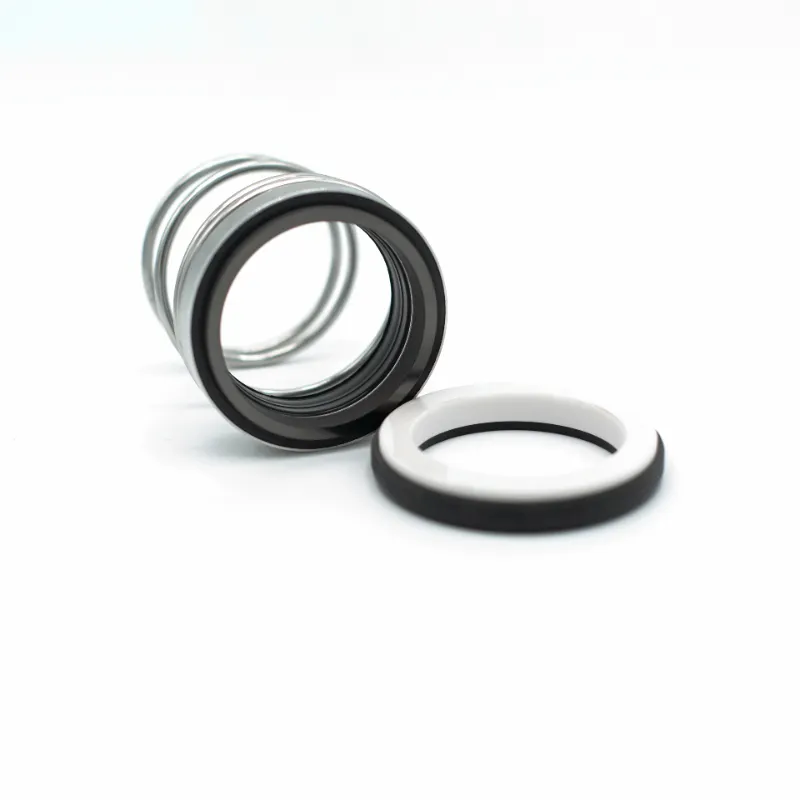
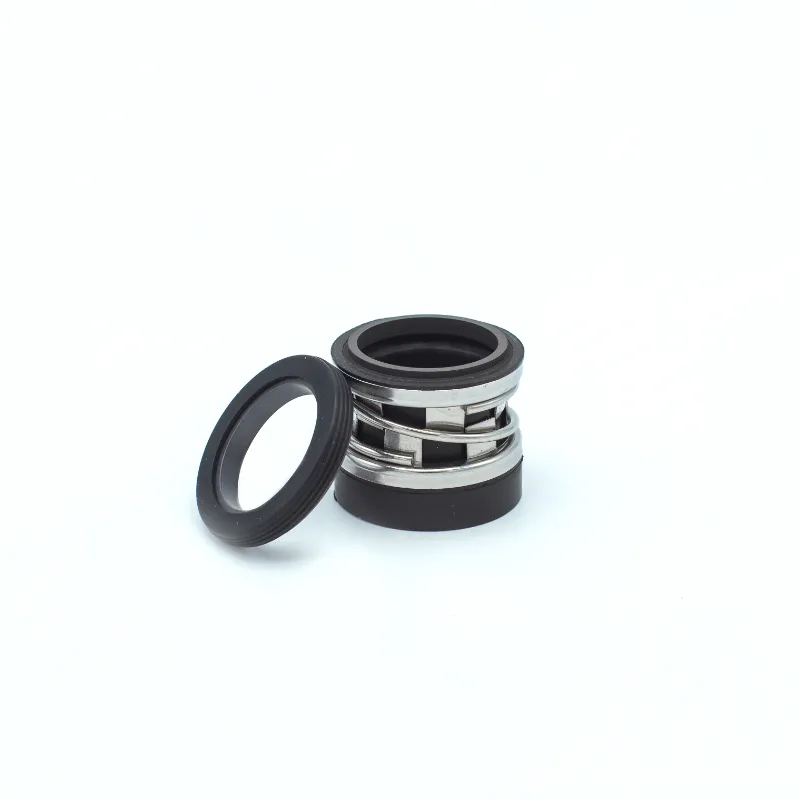
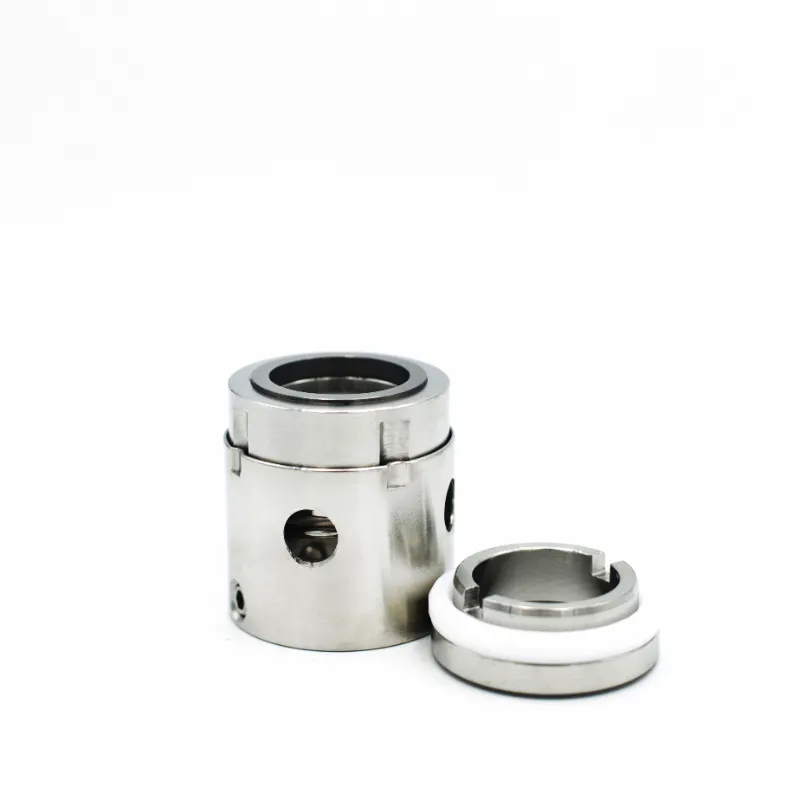
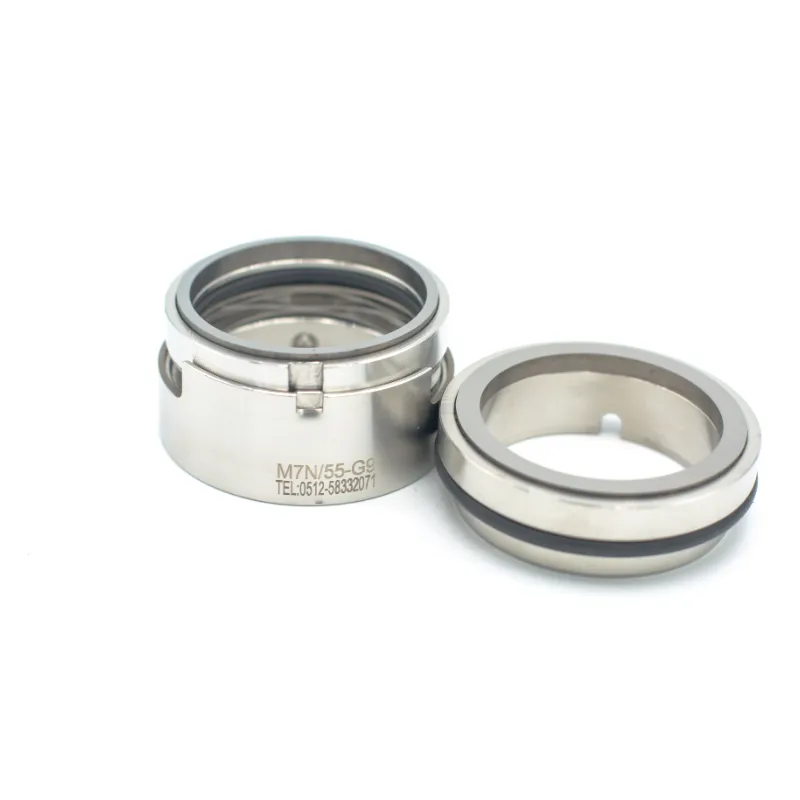
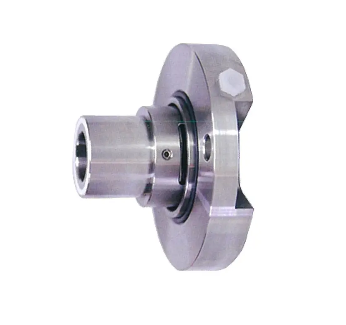
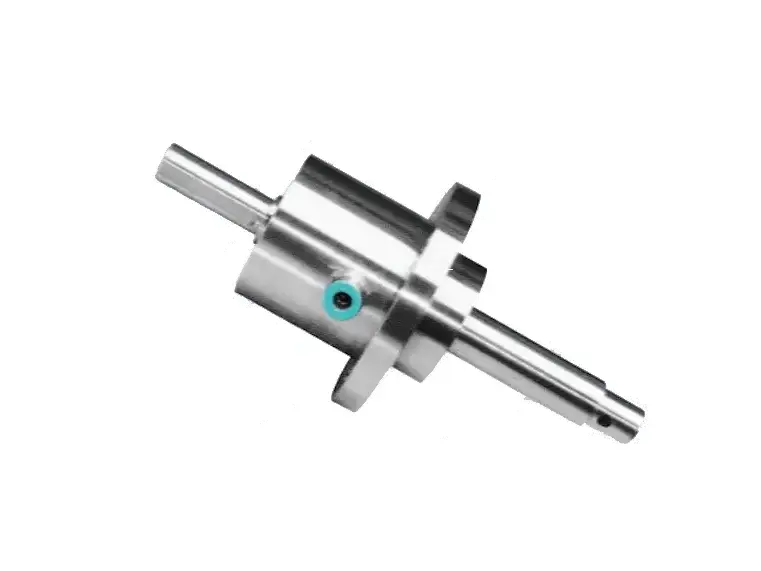
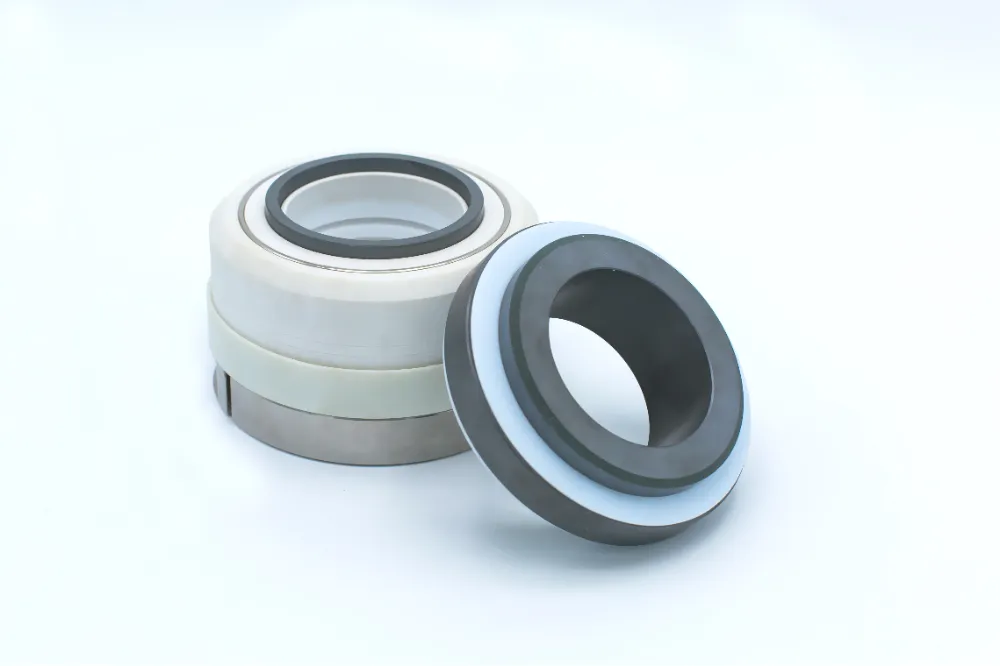
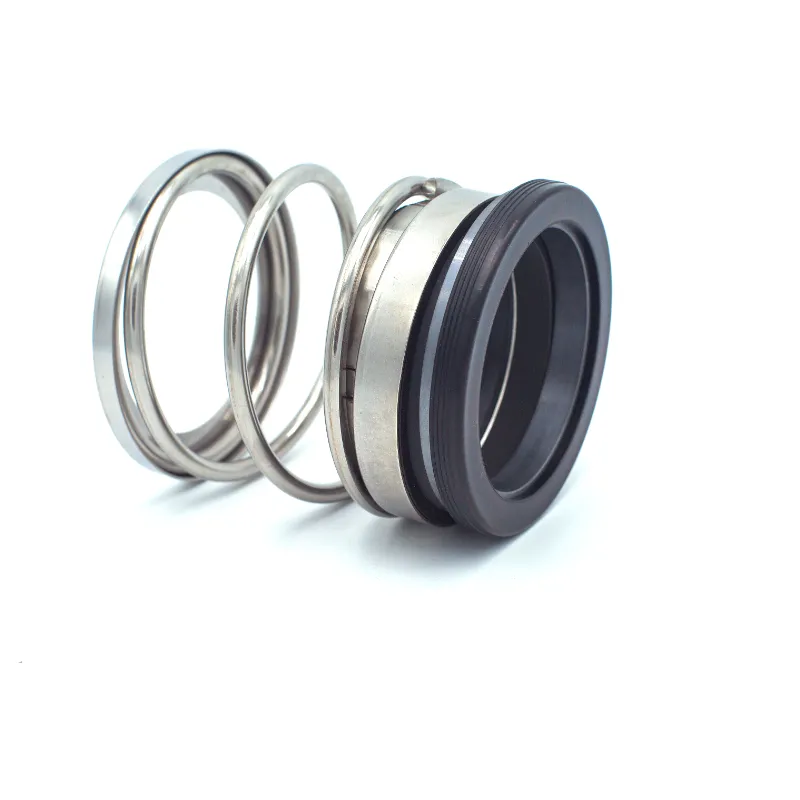
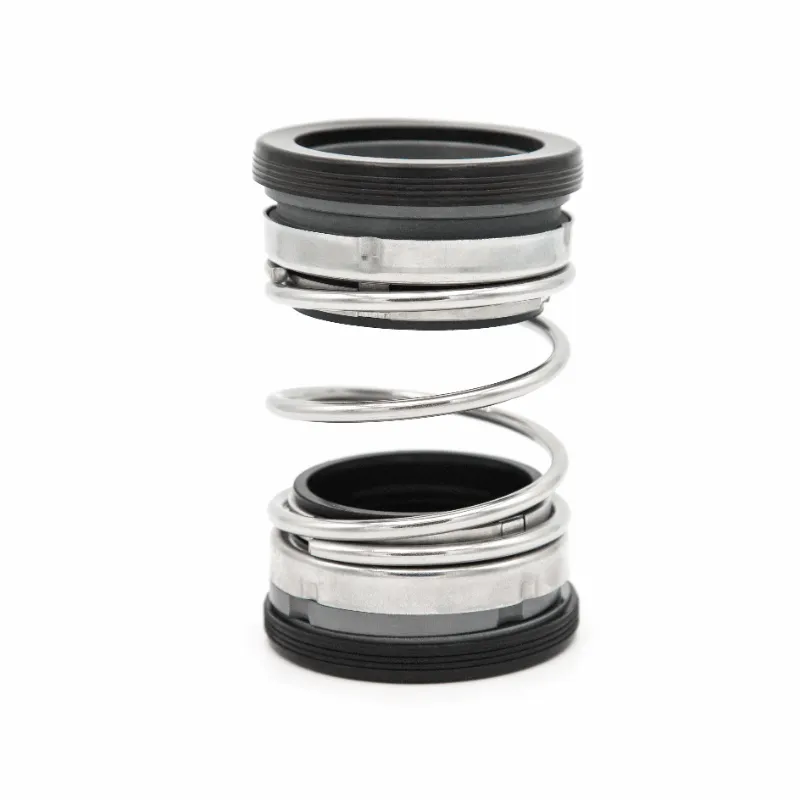
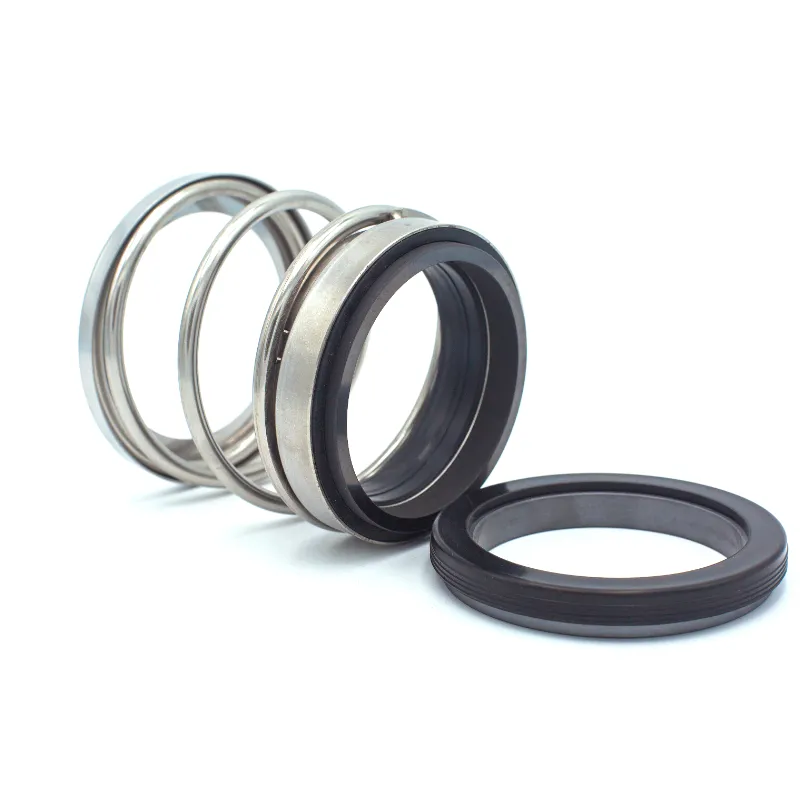
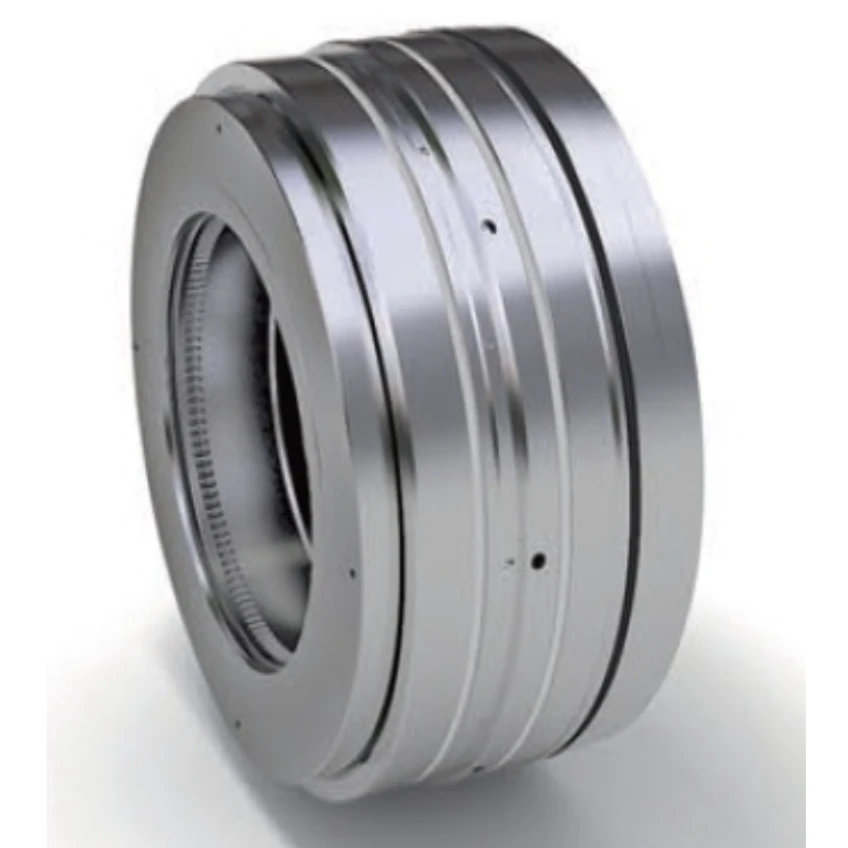
High-performance lip seals represent cutting-edge sealing technology designed to provide superior protection against fluid leakage in demanding industrial applications. These advanced sealing components feature specialized elastomeric materials and precision-engineered geometries that deliver exceptional performance under extreme operating conditions. The primary function of high-performance lip seals involves creating a reliable barrier between rotating or reciprocating shafts and stationary housings, preventing contamination ingress while retaining lubricants and hydraulic fluids within machinery systems. These seals incorporate advanced polymer compounds, including fluoroelastomers, polyurethane, and specially formulated rubber materials that maintain flexibility and sealing integrity across wide temperature ranges from -40°C to +200°C. The technological features of high-performance lip seals include optimized lip geometries that maintain consistent contact pressure against shaft surfaces, reducing wear while maximizing sealing effectiveness. Advanced manufacturing processes ensure precise dimensional tolerances and surface finishes that enhance seal longevity and reliability. These seals often incorporate secondary sealing elements, metal reinforcement structures, and specialized coatings that improve resistance to chemical attack and mechanical wear. Applications for high-performance lip seals span numerous industries including automotive transmissions, hydraulic systems, industrial machinery, aerospace equipment, and marine applications. In automotive sectors, these seals protect critical components such as engine crankshafts, transmission input shafts, and differential assemblies from contamination and fluid loss. Industrial applications include hydraulic cylinders, pumps, compressors, and rotating equipment where reliable sealing performance directly impacts operational efficiency and maintenance costs. The aerospace industry relies on high-performance lip seals for aircraft engines, landing gear systems, and flight control actuators where failure consequences are particularly severe. Marine applications utilize these seals in propeller shaft systems, rudder assemblies, and deck machinery exposed to harsh saltwater environments requiring exceptional corrosion resistance and durability.
 EN
EN