Premium Liquid Oxygen Mechanical Seals - Advanced Cryogenic Sealing Solutions

Get a Free Quote

Our representative will contact you soon.
Email
Name
Company Name
Message
0/1000

Liquid Oxygen Mechanical Seals

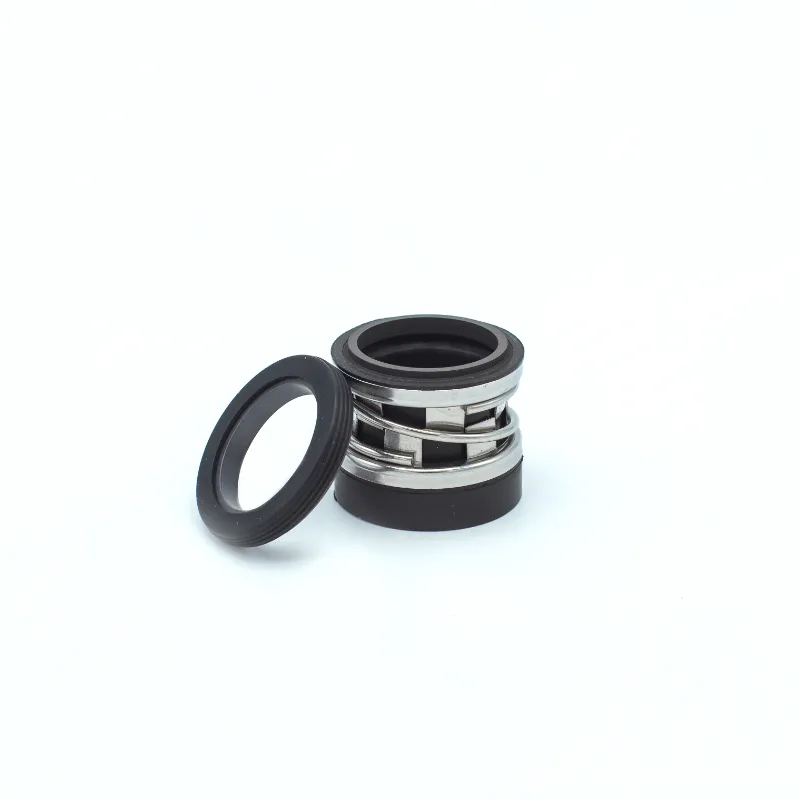
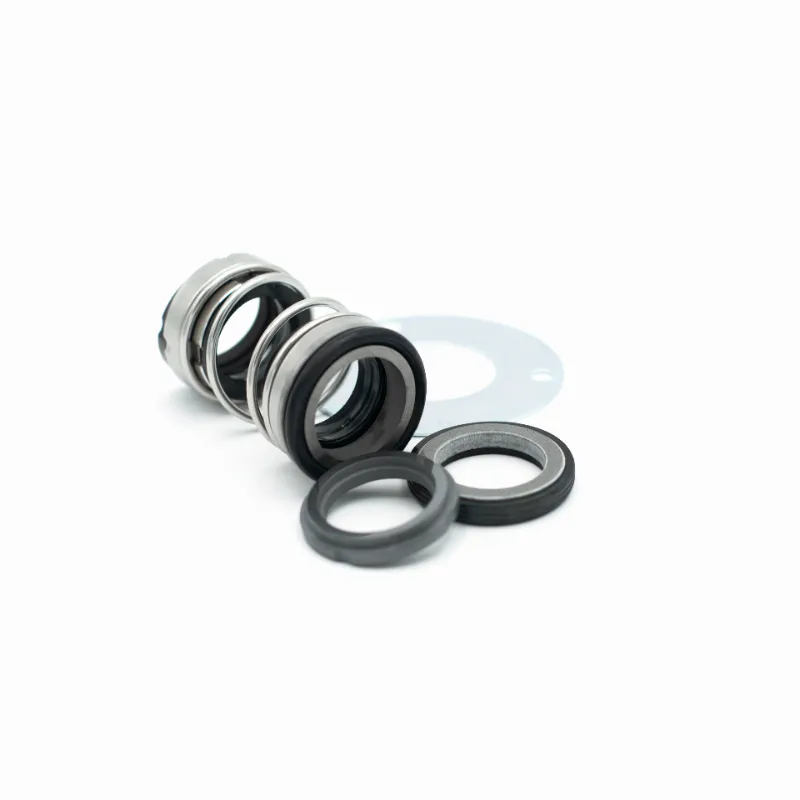
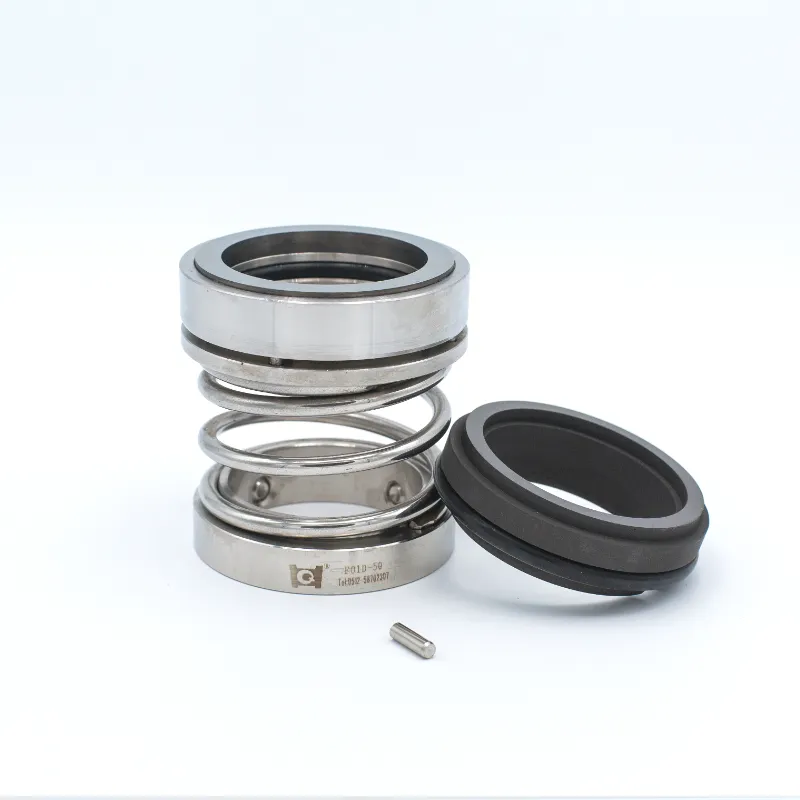
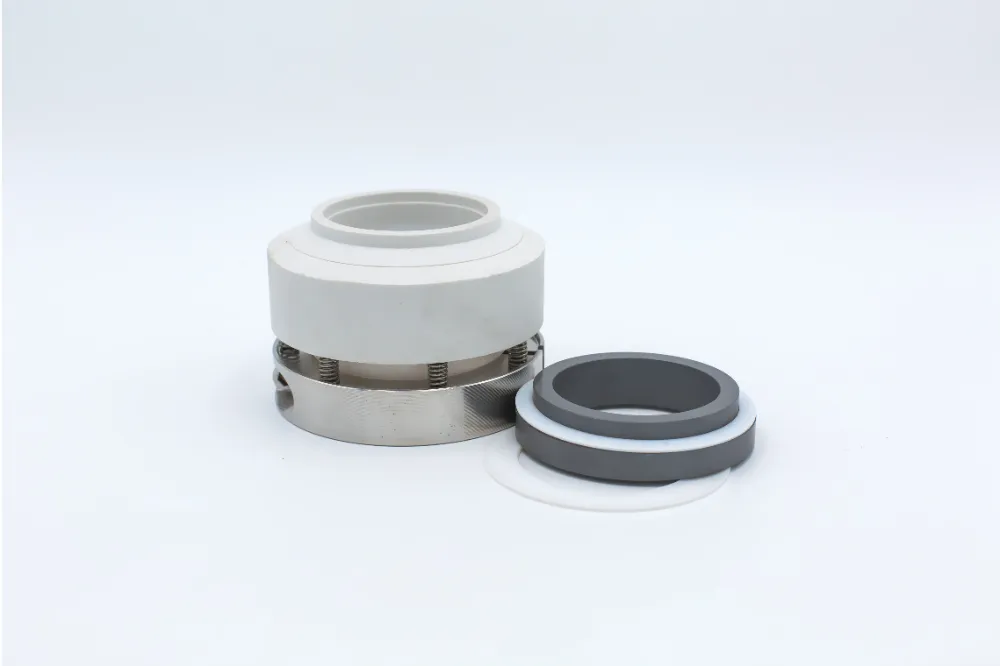
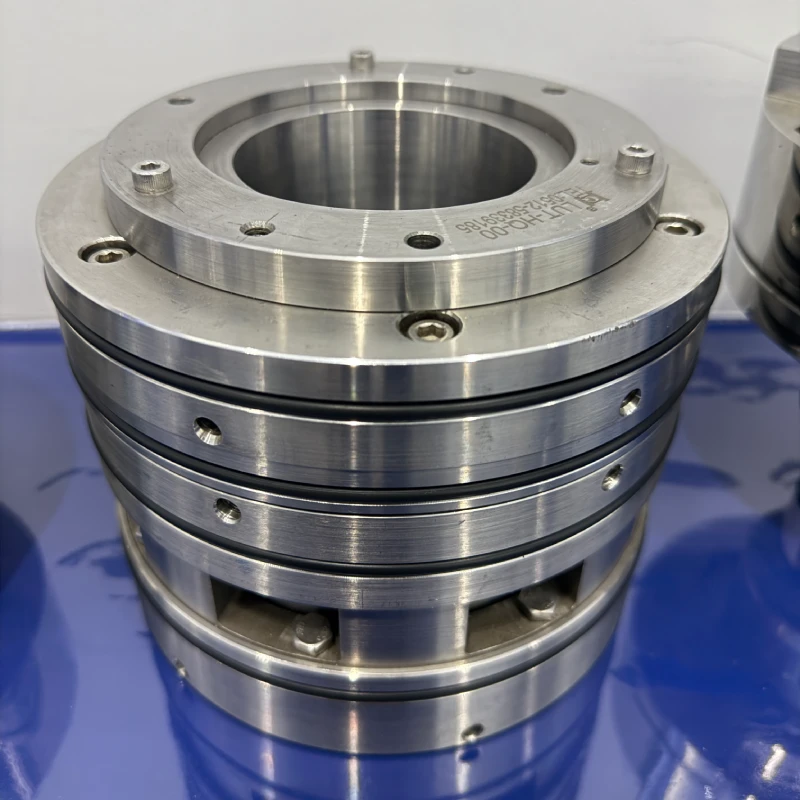
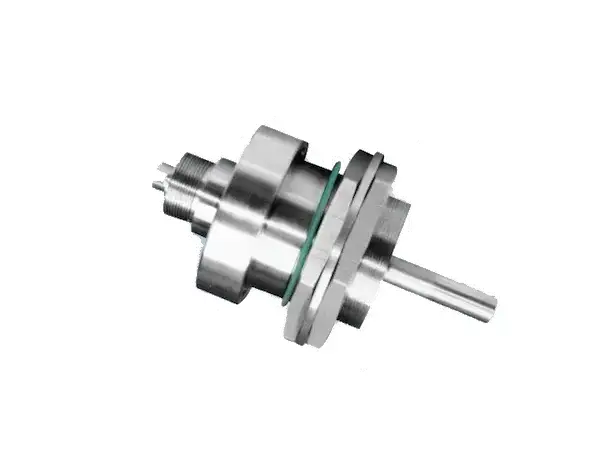
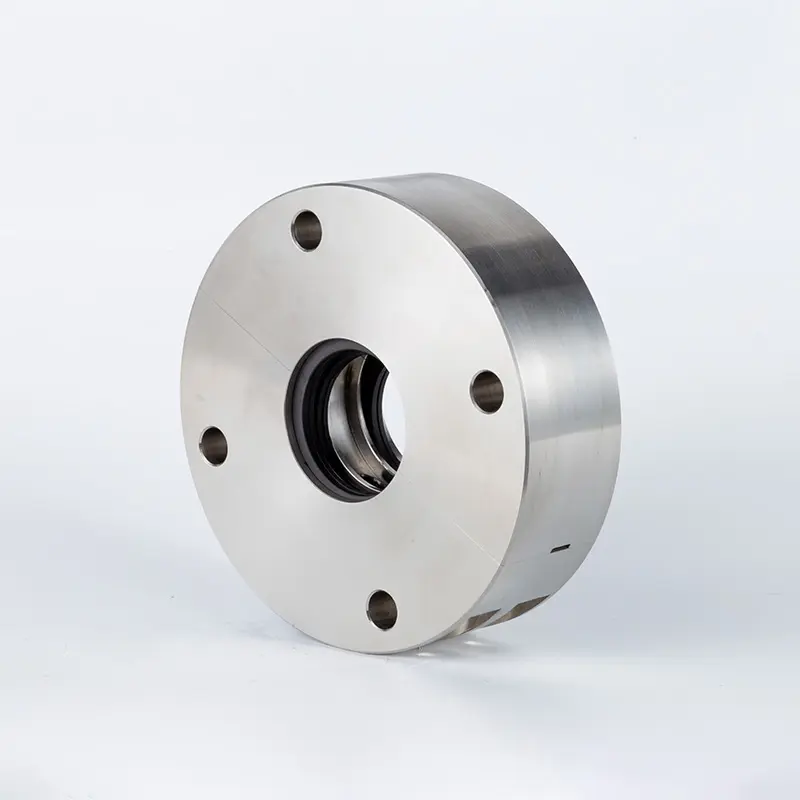
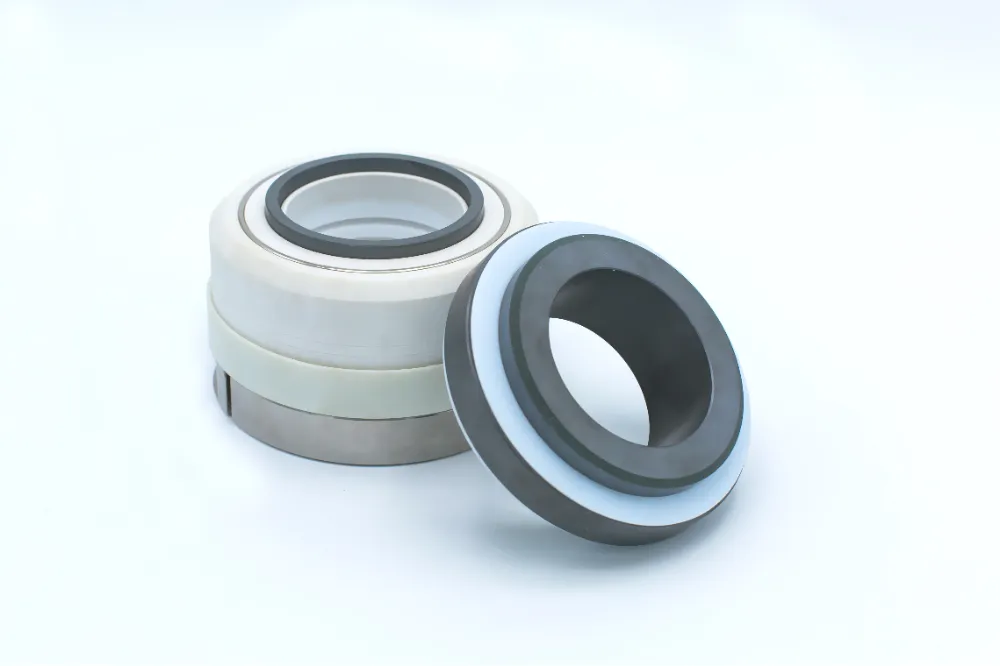
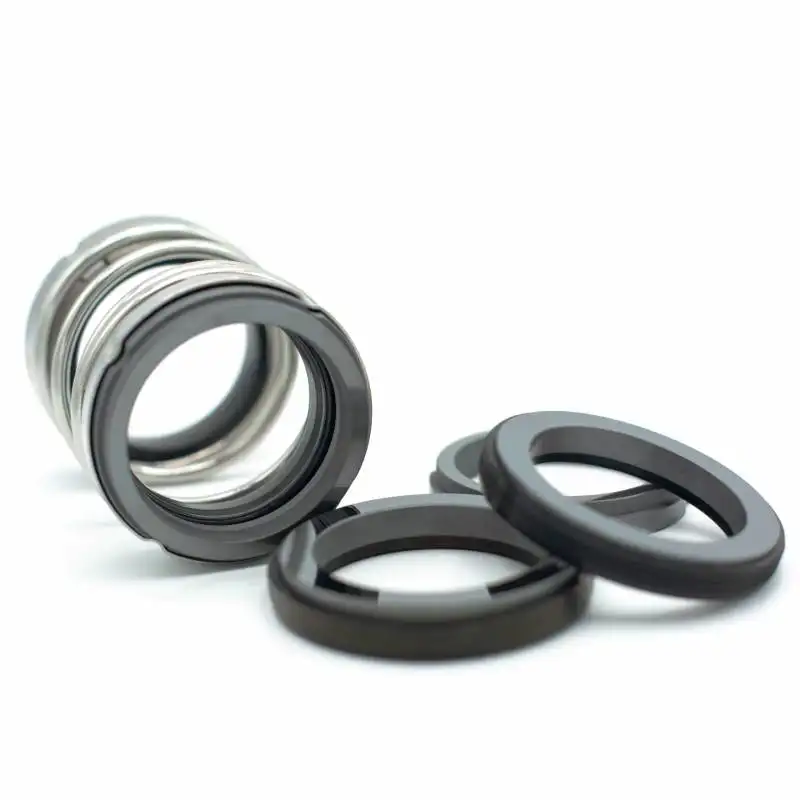
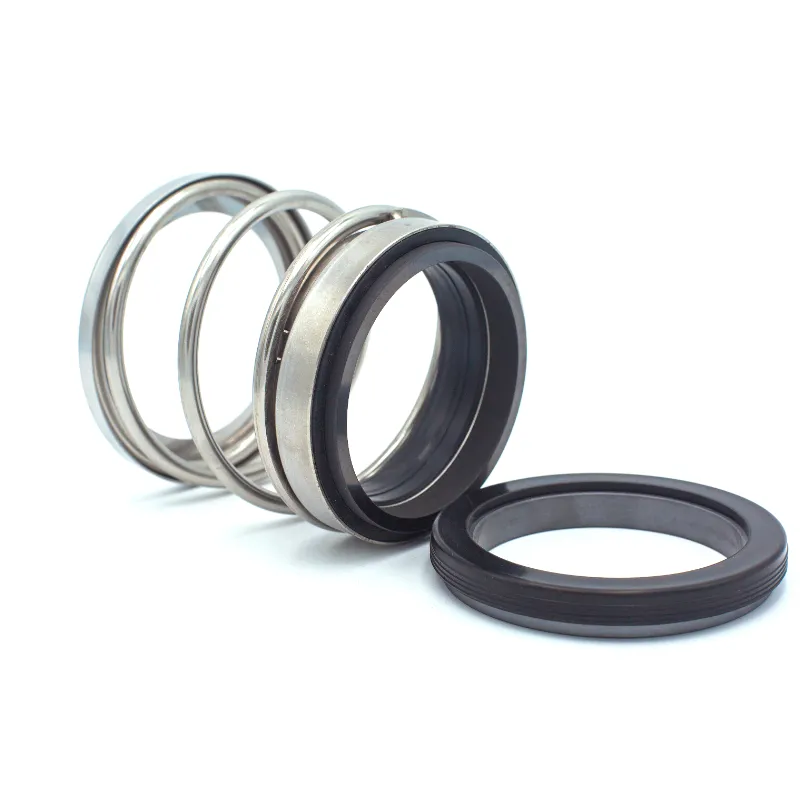
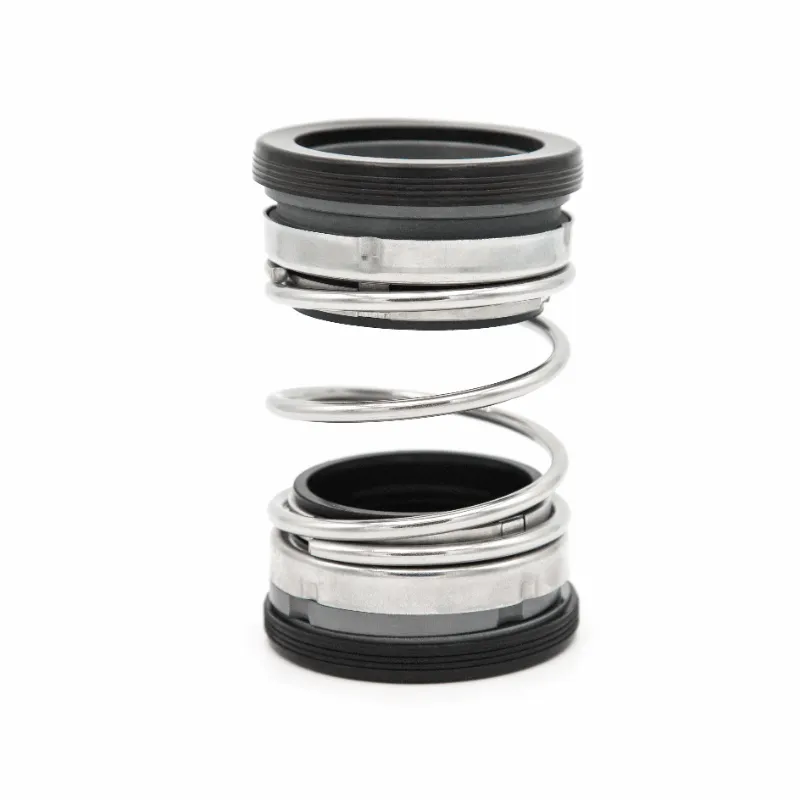
Liquid Oxygen Mechanical Seals represent a critical advancement in sealing technology designed specifically for cryogenic applications involving liquid oxygen handling and storage systems. These specialized sealing solutions address the unique challenges posed by extremely low temperatures, high pressure differentials, and the reactive nature of oxygen in its liquid state. The primary function of Liquid Oxygen Mechanical Seals is to prevent leakage between rotating and stationary components in pumps, compressors, and other mechanical equipment operating in liquid oxygen environments. These seals maintain system integrity by creating a reliable barrier that prevents oxygen escape while allowing smooth mechanical operation. The technological features of Liquid Oxygen Mechanical Seals include advanced material compositions engineered to withstand temperatures as low as -297°F (-183°C) without compromising structural integrity or sealing performance. The seal faces are manufactured from specialized materials such as silicon carbide, tungsten carbide, or advanced ceramics that resist thermal shock and maintain dimensional stability under extreme temperature variations. Secondary sealing elements utilize specially formulated elastomers or PTFE-based materials that remain flexible and effective at cryogenic temperatures. The spring systems are designed with materials that retain their mechanical properties at ultra-low temperatures, ensuring consistent seal face loading throughout the operational temperature range. Applications for Liquid Oxygen Mechanical Seals span across multiple industries including aerospace propulsion systems, medical oxygen production facilities, industrial gas manufacturing plants, rocket fuel systems, and cryogenic research laboratories. In aerospace applications, these seals are essential components in liquid oxygen pumps used in rocket engines and satellite propulsion systems. Medical facilities rely on these seals for oxygen liquefaction and storage systems that support patient care and surgical procedures. Industrial applications include air separation plants where liquid oxygen is produced for steel manufacturing, chemical processing, and welding operations. The seals also play vital roles in cryogenic storage tanks, transfer systems, and distribution networks that handle liquid oxygen for various commercial and scientific purposes.

Popular Products

Liquid Oxygen Mechanical Seals offer numerous practical benefits that directly impact operational efficiency, safety, and cost-effectiveness for businesses handling cryogenic oxygen systems. These seals deliver exceptional leak prevention capabilities, which translates to reduced product loss and enhanced safety margins in facilities where oxygen leakage poses significant fire and explosion risks. The superior sealing performance minimizes environmental emissions and ensures compliance with strict safety regulations governing liquid oxygen handling. Companies experience substantial cost savings through reduced product waste, as even minor leaks in liquid oxygen systems can result in significant monetary losses due to the valuable nature of the processed oxygen. The extended service life of Liquid Oxygen Mechanical Seals reduces maintenance frequency and associated downtime costs. These seals are engineered to withstand thousands of thermal cycles without degradation, meaning equipment can operate continuously for longer periods between scheduled maintenance intervals. This reliability translates to improved production uptime and increased throughput for oxygen processing facilities. The seals resist wear and tear from thermal expansion and contraction cycles that typically cause premature failure in standard sealing solutions. Operational flexibility represents another key advantage, as these seals perform consistently across wide temperature ranges from ambient conditions down to liquid oxygen temperatures. This versatility allows equipment to handle various operational scenarios without requiring seal replacement or system modifications. The seals maintain their effectiveness during startup and shutdown procedures when rapid temperature changes occur, preventing costly equipment damage and production interruptions. Energy efficiency improvements result from the low-friction design of Liquid Oxygen Mechanical Seals, which reduces power consumption in pumps and rotating equipment. The optimized seal face geometry minimizes friction losses while maintaining effective sealing, leading to lower energy costs and reduced carbon footprint for oxygen production facilities. Installation and maintenance simplicity provides additional economic benefits, as these seals can be serviced using standard mechanical procedures without requiring specialized cryogenic training for maintenance personnel. The standardized designs facilitate inventory management and reduce spare parts costs. Quality assurance is enhanced through rigorous testing procedures that ensure each seal meets strict performance standards before deployment. This reliability reduces the risk of unexpected failures and associated emergency repair costs.

Latest News

Why Are Dry Gas Seals Critical in Oil & Gas Industry?

27

Jun

Why Are Dry Gas Seals Critical in Oil & Gas Industry?

Essential Functions of Dry Gas Seals in Industrial Operations Preventing Process Gas Leaks in Turbomachinery Dry gas seals play a crucial role in preventing leaks of process gas, which is essential for maintaining operational safety and efficiency i...
View More
Choosing the Right Agitator Seal for High-Viscosity Mixing

21

Jul

Choosing the Right Agitator Seal for High-Viscosity Mixing

Ensuring Performance in High-Viscosity Mixing Applications In industrial mixing processes involving high-viscosity fluids, reliable sealing is a fundamental requirement. The dynamic conditions in such systems—marked by increased torque, intense...
View More
Common Challenges with Agitator Seals in Bioreactors

21

Jul

Common Challenges with Agitator Seals in Bioreactors

Sealing Systems in Sterile and Pressure-Sensitive Environments Bioreactors operate under highly controlled conditions, where sterility, pressure balance, and agitation efficiency must all coexist seamlessly. Among the critical components enabling thi...
View More
Agitator Seal Pressure Applications in Chemical and Pharmaceutical Plants

06

Aug

Agitator Seal Pressure Applications in Chemical and Pharmaceutical Plants

Importance of Sealing Integrity in Industrial Processing Environments In chemical and pharmaceutical plants, the integrity of sealing systems is vital for ensuring safety, process efficiency, and product quality. A small leakage or contamination due ...
View More

Get a Free Quote

Our representative will contact you soon.
Email
Name
Company Name
Country/Region
Message
0/1000

Liquid Oxygen Mechanical Seals

Advanced Cryogenic Material Technology

Advanced Cryogenic Material Technology

The foundation of superior Liquid Oxygen Mechanical Seals performance lies in their advanced material technology specifically engineered for extreme cryogenic conditions. These seals incorporate cutting-edge material compositions that maintain structural integrity and sealing effectiveness at temperatures reaching -297°F (-183°C), where conventional sealing materials become brittle and fail catastrophically. The primary seal faces utilize high-performance ceramics such as silicon carbide or tungsten carbide, materials selected for their exceptional thermal shock resistance and dimensional stability under rapid temperature fluctuations. These ceramic materials exhibit minimal thermal expansion coefficients, ensuring consistent seal face contact and preventing gap formation that could compromise sealing performance. The manufacturing process involves precision grinding and lapping to achieve surface finishes measured in microinches, creating atomically smooth interfaces that enhance sealing effectiveness while minimizing friction. Secondary sealing elements employ specially formulated fluorocarbon elastomers or PTFE-based compounds that retain flexibility and elasticity at cryogenic temperatures where standard rubber materials become rigid and crack. These advanced polymers undergo extensive testing to verify their compatibility with liquid oxygen environments, ensuring they resist oxidation and maintain their sealing properties throughout extended service periods. The spring systems utilize precipitation-hardened stainless steels or specialized alloys that retain their mechanical properties and spring force at ultra-low temperatures, providing consistent seal face loading regardless of thermal conditions. This material science advancement eliminates the common problem of spring relaxation that occurs with conventional springs in cryogenic applications. The housing components are manufactured from materials with matched thermal expansion coefficients to prevent binding or excessive clearances during temperature cycling. Surface treatments and coatings are applied to enhance corrosion resistance and reduce friction, extending component life and improving overall system reliability. Quality control procedures include cryogenic testing of material samples to verify performance characteristics before production implementation, ensuring every Liquid Oxygen Mechanical Seal meets stringent performance requirements for critical applications.
Enhanced Safety and Environmental Protection

Enhanced Safety and Environmental Protection

Liquid Oxygen Mechanical Seals provide unparalleled safety benefits and environmental protection that are crucial for facilities handling this highly reactive and potentially dangerous substance. The superior sealing performance of these specialized seals creates multiple barriers against oxygen leakage, significantly reducing the risk of fire and explosion hazards that pose serious threats to personnel and equipment. Oxygen-enriched environments created by even minor leaks can dramatically increase combustion rates and ignition sensitivity of normally non-flammable materials, making leak prevention absolutely critical for workplace safety. These seals incorporate redundant sealing mechanisms including primary and secondary seal faces, backup sealing elements, and containment features that provide multiple levels of protection against product escape. The design philosophy emphasizes fail-safe operation, where seal degradation results in controlled leakage rather than catastrophic failure, allowing for planned maintenance and preventing emergency situations. Environmental protection benefits extend beyond immediate safety concerns to include compliance with increasingly stringent environmental regulations governing industrial emissions and workplace air quality. Liquid Oxygen Mechanical Seals help facilities meet EPA requirements and OSHA standards by preventing fugitive emissions that could impact ambient air composition and worker exposure levels. The seals contribute to sustainable manufacturing practices by minimizing product waste and reducing the carbon footprint associated with oxygen production and handling. Advanced monitoring capabilities integrated into modern seal designs provide real-time leak detection and performance monitoring, enabling proactive maintenance scheduling and preventing minor issues from developing into major safety hazards. Warning systems can alert operators to seal degradation before dangerous conditions develop, supporting predictive maintenance programs that enhance overall facility safety. The robust construction and proven reliability of these seals reduce the frequency of maintenance interventions in potentially hazardous environments, minimizing worker exposure to dangerous conditions while maintaining system integrity. Training requirements for personnel working with Liquid Oxygen Mechanical Seals are standardized and comprehensive, ensuring proper installation and maintenance procedures that maximize safety benefits while maintaining optimal performance throughout the seal service life.
Superior Performance and Reliability

Superior Performance and Reliability

The exceptional performance and reliability characteristics of Liquid Oxygen Mechanical Seals establish them as the preferred choice for critical cryogenic applications where operational continuity and system integrity are paramount. These seals deliver consistent performance across extreme temperature ranges, maintaining effective sealing from ambient conditions down to liquid oxygen temperatures without performance degradation or dimensional changes that could compromise system operation. The precision-engineered design ensures stable operation through thousands of thermal cycles, where rapid temperature changes from startup and shutdown procedures subject components to severe thermal stress that destroys conventional sealing solutions. Advanced computational fluid dynamics modeling during the design phase optimizes seal face geometry and coolant flow patterns to minimize heat generation and maintain optimal operating temperatures even under high-speed rotation conditions. This thermal management capability extends seal life and maintains consistent performance throughout extended operating periods. The balanced seal design minimizes axial forces and reduces power consumption while maintaining positive sealing contact under varying pressure conditions. Dynamic balancing calculations ensure optimal seal face loading that prevents excessive wear while maintaining sufficient contact pressure for effective sealing. Vibration resistance features protect against mechanical disturbances that could cause seal face separation and subsequent leakage. The seals incorporate shock-absorbing elements and flexible mounting configurations that accommodate equipment vibration and misalignment without compromising sealing integrity. Predictive maintenance capabilities built into modern seal designs enable condition monitoring and performance trending that support proactive maintenance scheduling. Integrated sensors can monitor seal face temperature, vibration levels, and leakage rates to provide early warning of potential issues before they impact system operation. This monitoring capability reduces unplanned downtime and maintenance costs while ensuring optimal safety and performance throughout the seal service life. Quality assurance programs include comprehensive testing of every seal design under actual operating conditions to verify performance specifications and reliability characteristics. Accelerated life testing simulates years of operation in compressed timeframes to identify potential failure modes and validate design improvements. Statistical process control ensures manufacturing consistency and product quality that customers can depend on for critical applications.

Get a Free Quote

Our representative will contact you soon.
Email
Name
Company Name
Country/Region
Message
0/1000