Comprehensive Guide to Propeller Shaft Seal Types: Advanced Marine Sealing Solutions

Get a Free Quote

Our representative will contact you soon.
Email
Name
Company Name
Message
0/1000

propeller shaft seal types

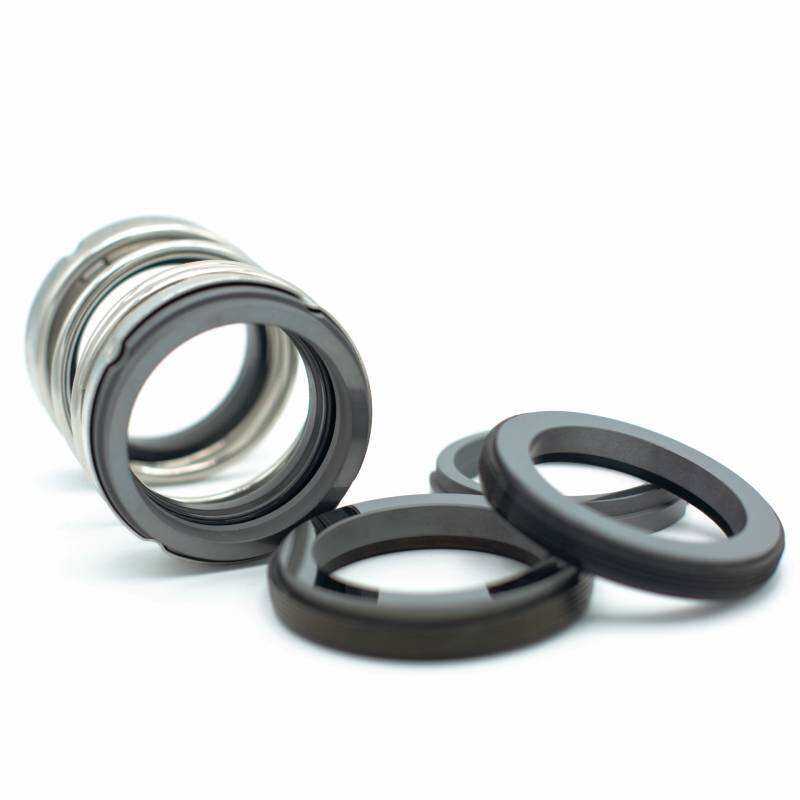
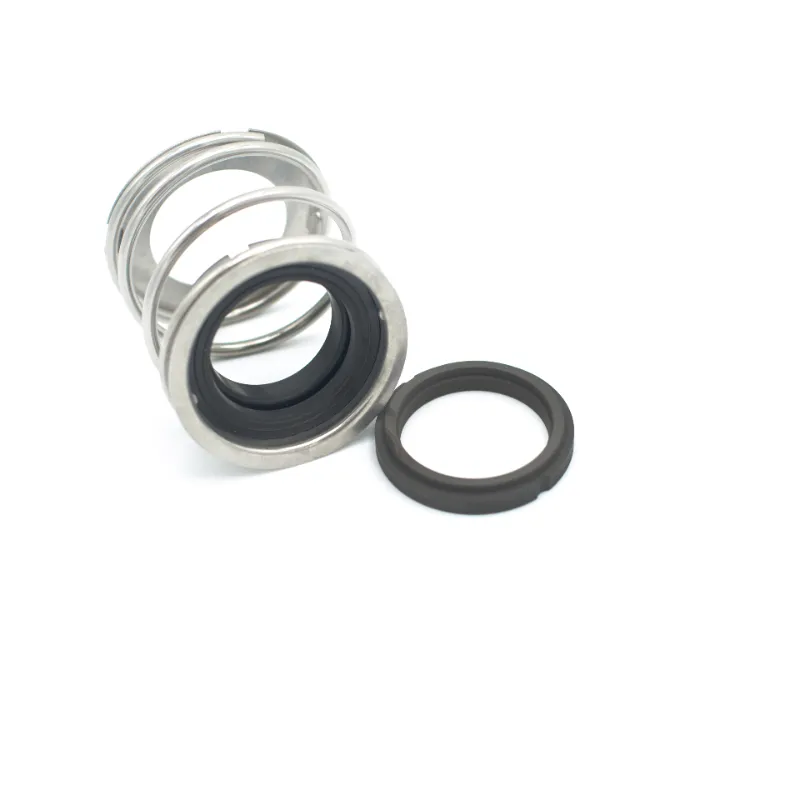
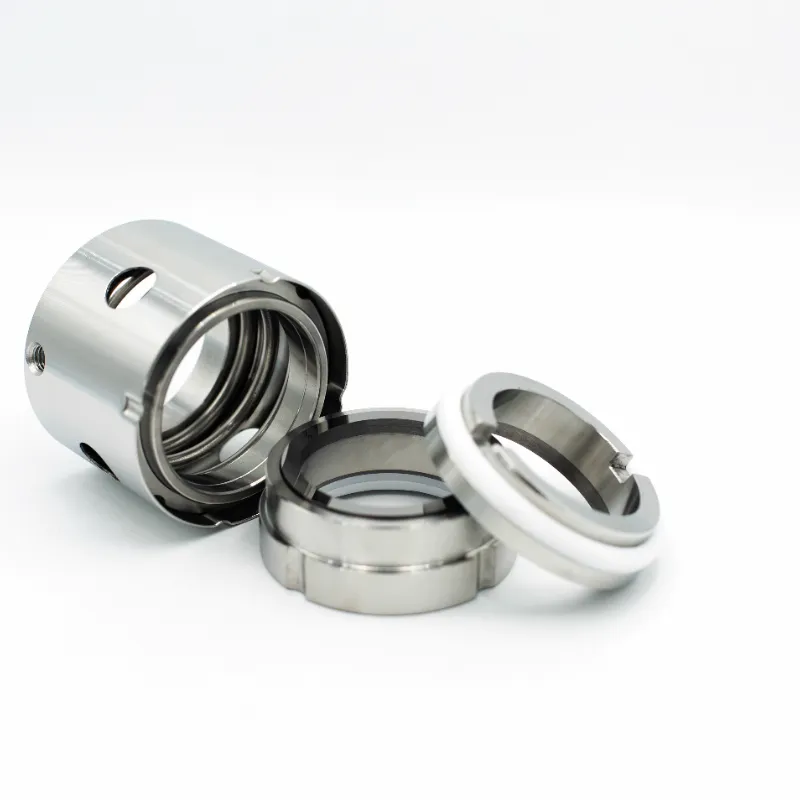
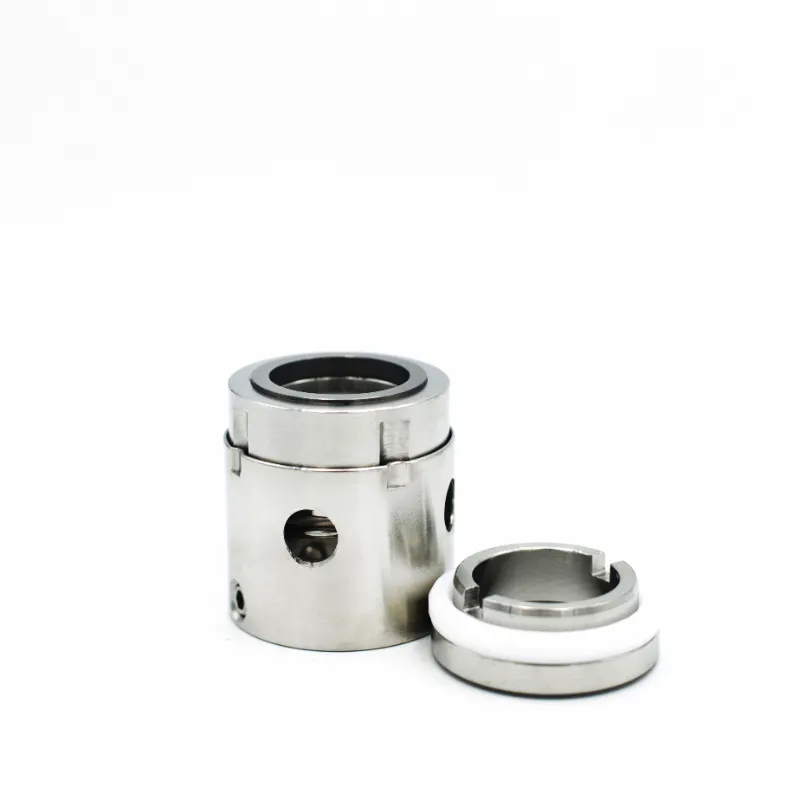
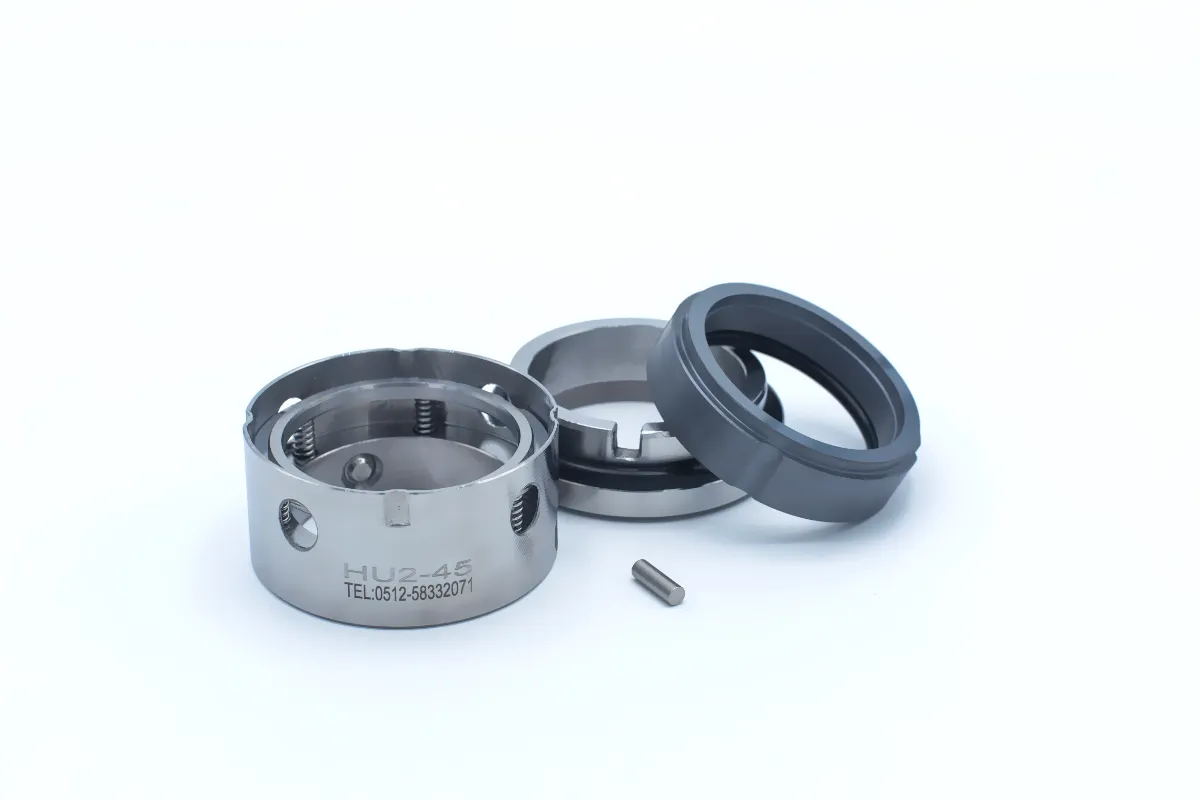
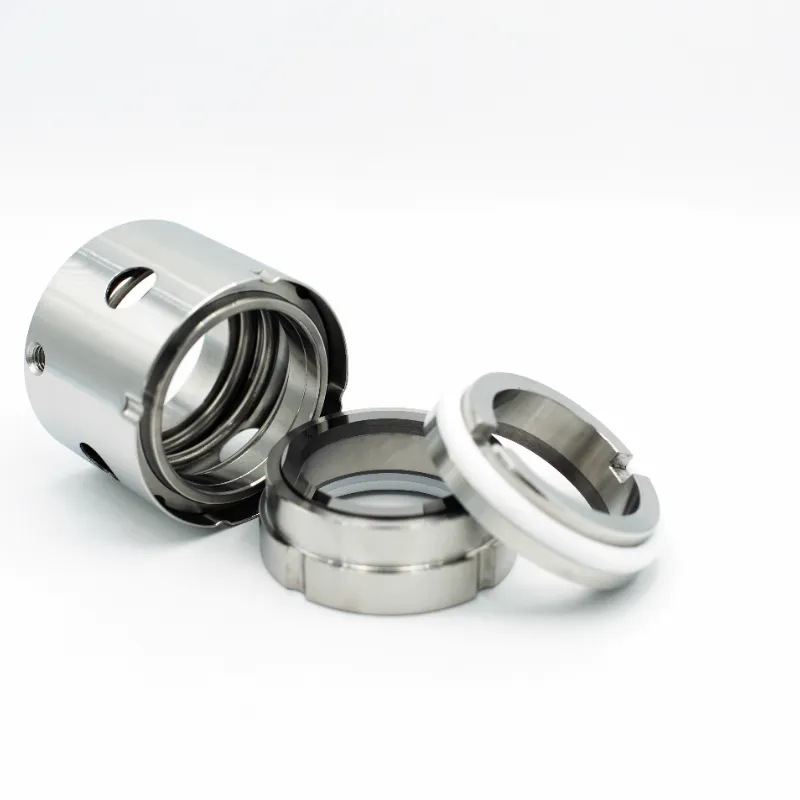
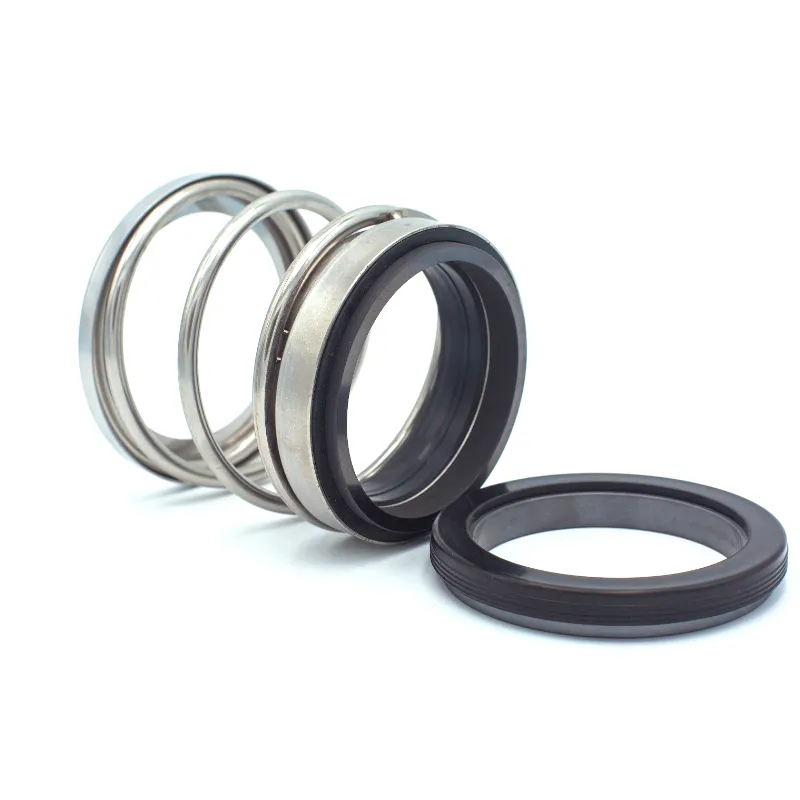
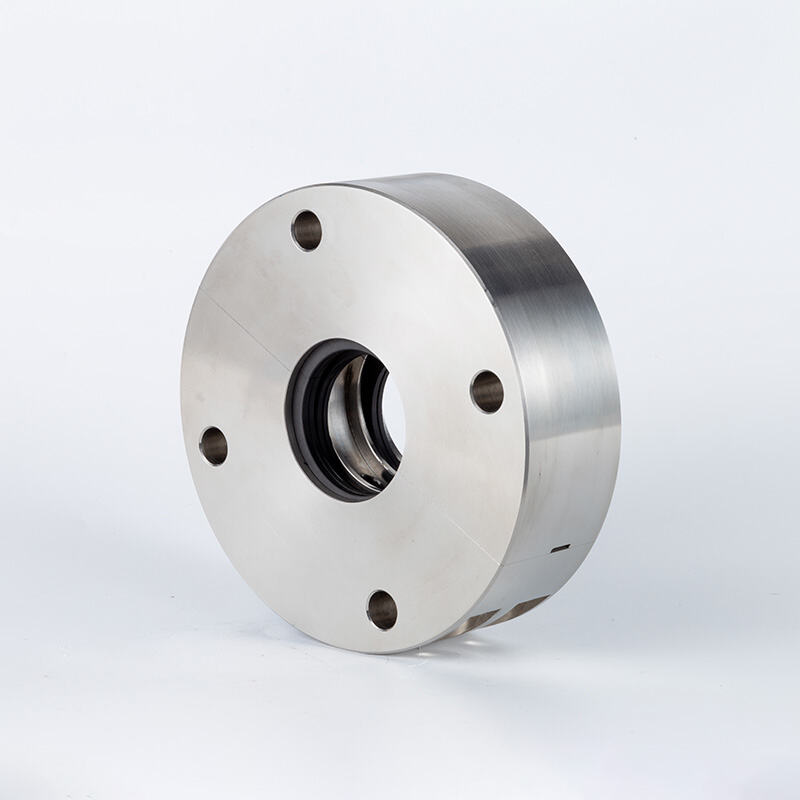
Propeller shaft seal types represent critical components in marine engineering systems, designed to prevent water intrusion while maintaining optimal vessel performance. These specialized sealing mechanisms create watertight barriers between the propeller shaft and hull, ensuring structural integrity throughout various operating conditions. Modern propeller shaft seal types encompass several distinct categories, each engineered to address specific maritime challenges and vessel requirements. Traditional stuffing box seals utilize adjustable packing materials compressed around the rotating shaft, creating friction-based sealing action. These conventional propeller shaft seal types require periodic maintenance and adjustment to maintain effectiveness. Mechanical face seals incorporate precision-machined components with spring-loaded mechanisms, delivering consistent sealing pressure regardless of shaft movement or thermal expansion. Lip seals feature flexible rubber or elastomeric materials molded into specialized profiles that conform to shaft surfaces, providing excellent sealing capabilities with minimal maintenance requirements. Advanced propeller shaft seal types include magnetic seals that utilize powerful permanent magnets to create barrier-free sealing zones, eliminating direct contact between moving components. Each category offers unique technological characteristics suited for different vessel types, operating environments, and performance expectations. The primary functions of propeller shaft seal types include preventing seawater ingress, maintaining bilge dryness, reducing corrosion risks, and ensuring compliance with maritime safety regulations. These systems must withstand continuous rotation, varying pressures, temperature fluctuations, and aggressive marine environments while maintaining reliable sealing performance. Proper selection of propeller shaft seal types depends on factors such as vessel size, shaft diameter, operating speeds, environmental conditions, and maintenance capabilities. Understanding these variables enables marine engineers and vessel operators to choose optimal sealing solutions that maximize operational efficiency while minimizing long-term costs and potential failures.

New Product Releases

Propeller shaft seal types deliver numerous practical benefits that directly impact vessel safety, operational costs, and maintenance requirements. These advanced sealing systems prevent costly water damage by creating reliable barriers against seawater intrusion, protecting expensive engine components and electrical systems from corrosion and failure. Vessel owners benefit from reduced pumping requirements as effective propeller shaft seal types minimize water accumulation in bilge areas, decreasing energy consumption and extending battery life in smaller craft. The enhanced reliability of modern sealing technologies translates into fewer emergency repairs and unexpected downtime, allowing operators to maintain scheduled operations and avoid costly delays. Improved fuel efficiency results from properly functioning propeller shaft seal types that eliminate drag-inducing turbulence around shaft entry points, optimizing hydrodynamic performance and reducing overall fuel consumption. These systems require minimal maintenance compared to traditional alternatives, reducing labor costs and eliminating frequent adjustments that interrupt normal operations. Advanced propeller shaft seal types operate silently, enhancing passenger comfort and reducing noise pollution in sensitive marine environments. The durability of contemporary sealing materials extends service intervals significantly, providing long-term value through reduced replacement frequencies and lower lifecycle costs. Environmental protection benefits include preventing lubricant leakage into marine ecosystems, supporting compliance with increasingly strict environmental regulations. Vessel operators experience improved safety margins as reliable propeller shaft seal types reduce flooding risks and eliminate emergency situations that could endanger crew and passengers. The versatility of modern designs accommodates various shaft sizes and vessel configurations without requiring extensive modifications to existing systems. Installation simplicity allows technicians to upgrade older vessels efficiently, bringing legacy equipment up to current performance standards without major structural changes. Temperature resistance ensures consistent performance across diverse operating conditions, from arctic waters to tropical environments. These proven advantages make propeller shaft seal types essential investments for responsible vessel operators seeking reliable, cost-effective, and environmentally conscious sealing solutions.

Tips And Tricks

Key Features of High-Performance Agitator Seal Pressure Systems

06

Aug

Key Features of High-Performance Agitator Seal Pressure Systems

Ensuring Long-Term Efficiency in Industrial Sealing In the world of industrial processing, maintaining system integrity under various operational stresses is a continuous challenge. One of the most vital components for achieving this reliability is t...
View More
Can Cartridge Mechanical Seals Reduce Downtime and Maintenance Needs?

22

Dec

Can Cartridge Mechanical Seals Reduce Downtime and Maintenance Needs?

Industrial facilities across manufacturing, chemical processing, and oil refining sectors face constant pressure to minimize equipment downtime while maximizing operational efficiency. One critical component that significantly impacts these goals is ...
View More
Can High-Performance Mechanical Seals Reduce Maintenance Costs?

22

Dec

Can High-Performance Mechanical Seals Reduce Maintenance Costs?

Industrial facilities worldwide face mounting pressure to reduce operational costs while maintaining peak equipment performance. One critical component that significantly impacts maintenance expenses is the mechanical seal system used in pumps, compr...
View More
How Do Cartridge Mechanical Seals Simplify Installation Process?

13

Jan

How Do Cartridge Mechanical Seals Simplify Installation Process?

Modern industrial applications demand reliable sealing solutions that minimize downtime and reduce maintenance complexity. Cartridge Mechanical Seals have emerged as the preferred choice for engineers and maintenance professionals seeking efficient, ...
View More

Get a Free Quote

Our representative will contact you soon.
Email
Name
Company Name
Country/Region
Message
0/1000

propeller shaft seal types

Superior Water Intrusion Prevention Technology

Superior Water Intrusion Prevention Technology

Modern propeller shaft seal types incorporate cutting-edge engineering principles that revolutionize water intrusion prevention in marine applications. These sophisticated systems employ multiple sealing barriers working in tandem to create virtually impenetrable protection against seawater ingress. The primary sealing mechanism utilizes precision-manufactured faces that maintain constant contact pressure, automatically adjusting to accommodate shaft movement and thermal expansion without compromising effectiveness. Secondary backup systems activate instantly if primary seals experience wear or damage, ensuring continuous protection even during component failure scenarios. Advanced materials science has enabled the development of propeller shaft seal types featuring corrosion-resistant alloys and specialized elastomers that maintain flexibility and sealing integrity across extreme temperature ranges. The innovative design incorporates self-lubricating properties that reduce friction and heat generation, extending seal life while maintaining optimal performance characteristics. Integrated drainage channels redirect any minor seepage away from critical areas, preventing accumulation that could lead to system compromise. These propeller shaft seal types feature modular construction allowing individual component replacement without complete system removal, minimizing maintenance time and costs. The sophisticated engineering includes built-in monitoring capabilities that provide early warning of potential seal degradation, enabling proactive maintenance scheduling before failures occur. Hydrodynamic optimization reduces turbulence around the seal assembly, improving vessel efficiency while maintaining superior sealing performance. The robust construction withstands shock loads and vibrations common in marine environments, ensuring reliable operation even under severe operating conditions. Quality control processes guarantee that each propeller shaft seal type meets stringent performance standards, providing vessel operators with confidence in their sealing system reliability. These technological advances represent significant improvements over traditional sealing methods, offering enhanced protection, reduced maintenance requirements, and improved operational efficiency for modern marine applications.
Exceptional Durability and Longevity Performance

Exceptional Durability and Longevity Performance

The exceptional durability characteristics of contemporary propeller shaft seal types provide vessel operators with unmatched longevity and reliable performance across diverse operating environments. These robust sealing systems undergo extensive testing protocols that simulate years of operational stress, ensuring components withstand harsh marine conditions without premature failure. Advanced metallurgy and material science innovations have produced propeller shaft seal types capable of operating continuously for thousands of hours while maintaining original performance specifications. The wear-resistant properties result from specialized surface treatments and coating technologies that create ultra-hard protective layers, dramatically extending component life compared to conventional alternatives. Corrosion resistance features protect against aggressive seawater chemistry, preventing degradation that typically compromises traditional sealing systems over time. The engineering design incorporates stress distribution mechanisms that prevent localized wear patterns, ensuring uniform component aging and predictable replacement scheduling. Temperature stability allows these propeller shaft seal types to function effectively across extreme thermal ranges without material degradation or performance loss. Impact resistance protects against damage from debris, ice, or accidental contact during maintenance operations, maintaining seal integrity even after minor incidents. The modular architecture enables selective component replacement as needed, extending overall system life while minimizing replacement costs. Quality manufacturing processes ensure consistent performance characteristics across production runs, providing reliable service expectations for fleet operators managing multiple vessels. Environmental testing validates performance under accelerated aging conditions, confirming that these propeller shaft seal types maintain effectiveness throughout extended service periods. The superior engineering includes fatigue resistance features that prevent failure under cyclic loading conditions common in marine applications. Predictive maintenance capabilities built into modern designs allow operators to monitor seal condition continuously, optimizing replacement timing to prevent unexpected failures. These durability advantages translate into significant cost savings through reduced replacement frequencies, minimal unscheduled maintenance, and improved operational reliability for commercial and recreational vessel applications.
Cost-Effective Maintenance and Installation Benefits

Cost-Effective Maintenance and Installation Benefits

The cost-effectiveness of modern propeller shaft seal types extends far beyond initial purchase price, delivering substantial savings through reduced maintenance requirements and simplified installation procedures. These innovative sealing systems eliminate the frequent adjustments and replacements associated with traditional stuffing box configurations, dramatically reducing labor costs and vessel downtime. Installation procedures have been streamlined through modular design approaches that allow technicians to complete seal replacement quickly without extensive vessel modifications or dry dock requirements. The self-contained nature of contemporary propeller shaft seal types means installations require fewer specialized tools and less technical expertise, reducing installation costs while improving accessibility for routine maintenance. Predictive maintenance features integrated into modern designs provide early warning of component wear, enabling planned maintenance scheduling that avoids costly emergency repairs and unscheduled downtime. The extended service intervals characteristic of advanced sealing technologies reduce the frequency of maintenance interventions, allowing vessels to remain in service longer between scheduled maintenance periods. Standardized mounting configurations across different propeller shaft seal types simplify inventory management and reduce the variety of spare parts required for fleet operations. The elimination of regular adjustments saves significant labor hours annually, as traditional systems require frequent attention to maintain proper sealing pressure and prevent leakage. Energy savings result from improved sealing efficiency that reduces bilge pump operation, lowering electrical consumption and extending battery life in smaller vessels. The robust construction minimizes the risk of catastrophic failure that could result in expensive emergency hauling and repair costs. Compatibility with existing shaft configurations reduces retrofit expenses, allowing vessel owners to upgrade sealing performance without major structural modifications. Training requirements are minimized due to simplified maintenance procedures, reducing crew training costs and improving maintenance consistency. Warranty programs offered with quality propeller shaft seal types provide additional cost protection, ensuring replacement coverage for premature failures. The overall economic benefits include improved vessel resale value, reduced insurance premiums due to enhanced safety profiles, and compliance with environmental regulations that avoid potential fines and operational restrictions.

Get a Free Quote

Our representative will contact you soon.
Email
Name
Company Name
Country/Region
Message
0/1000