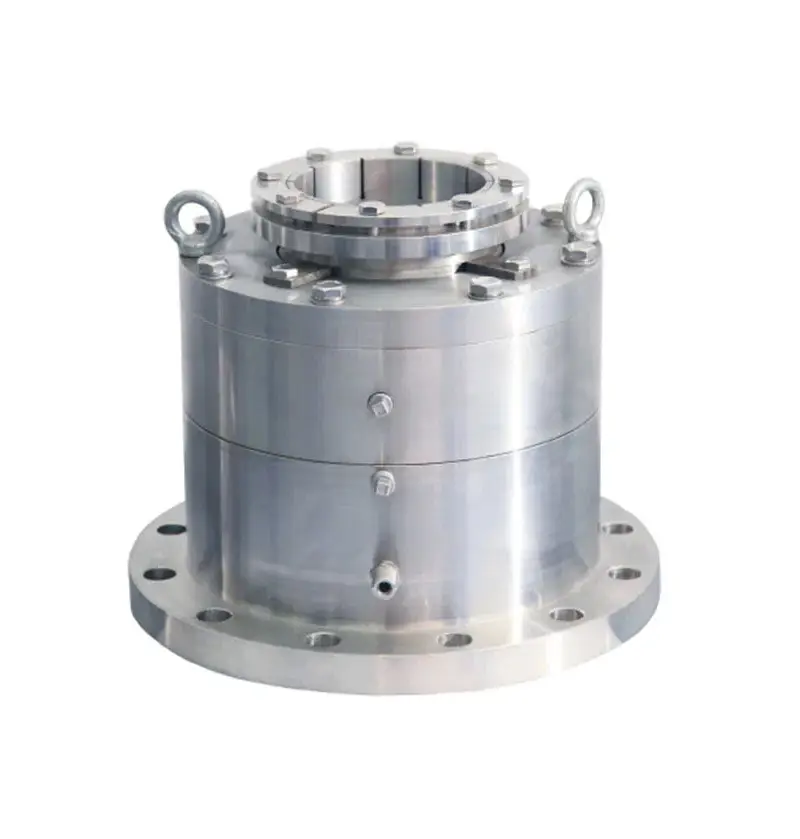
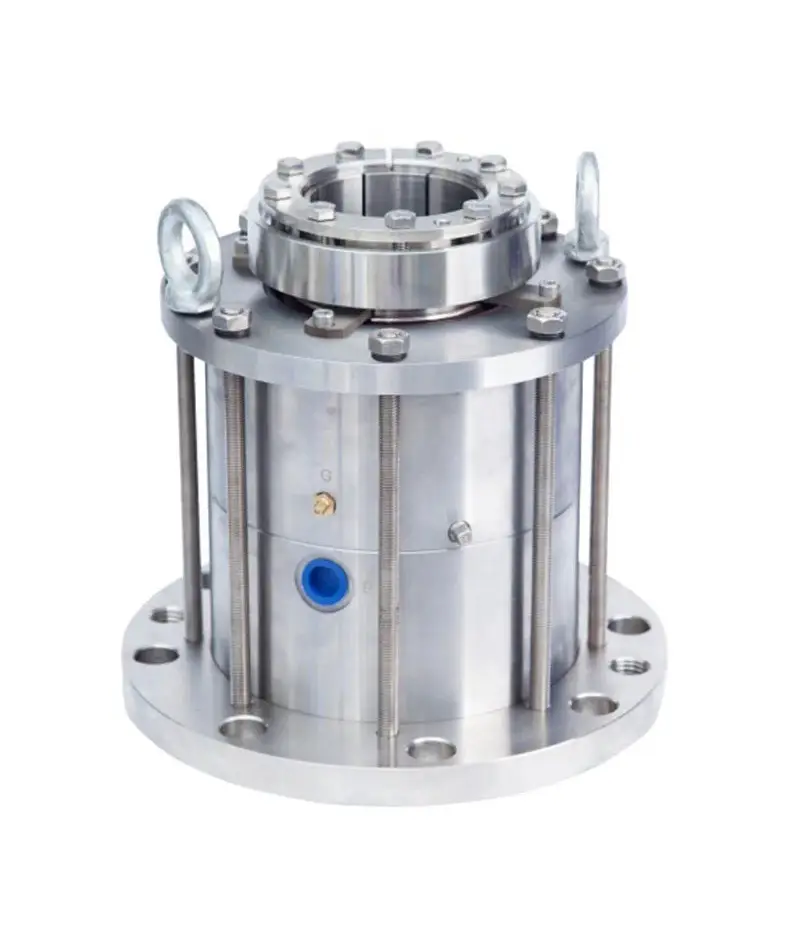
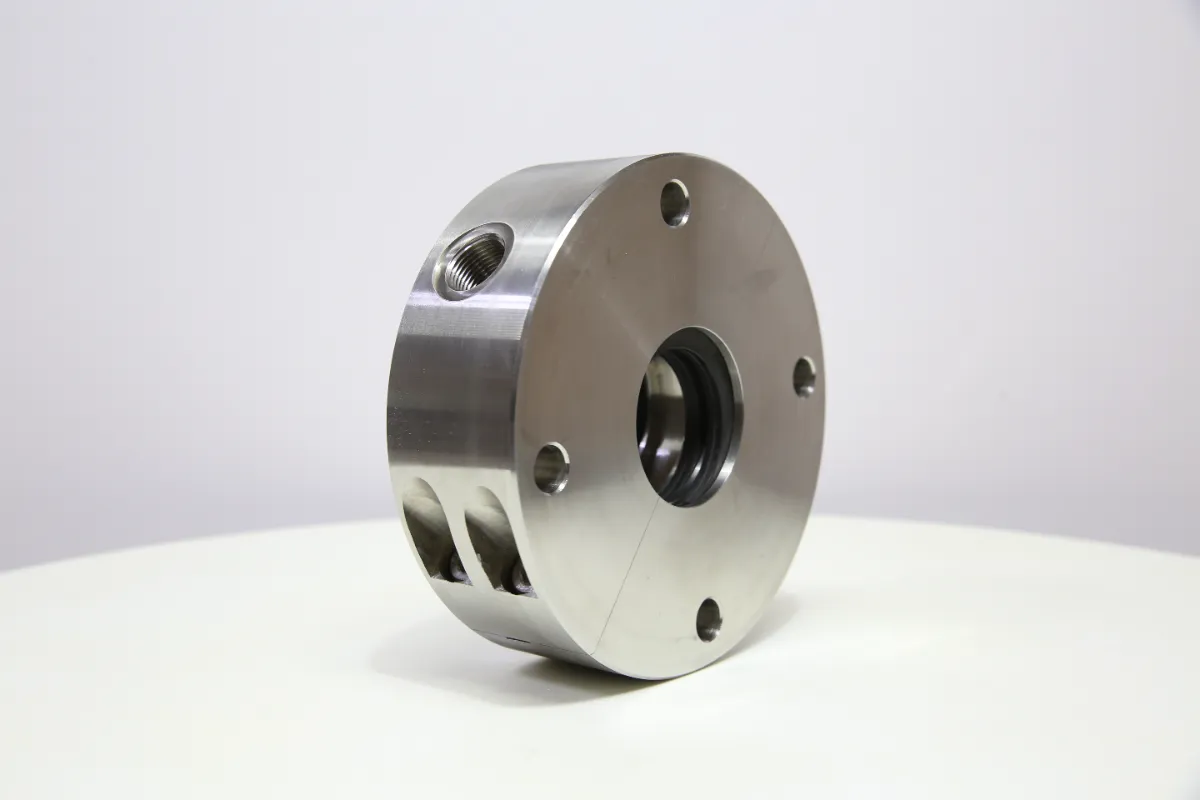
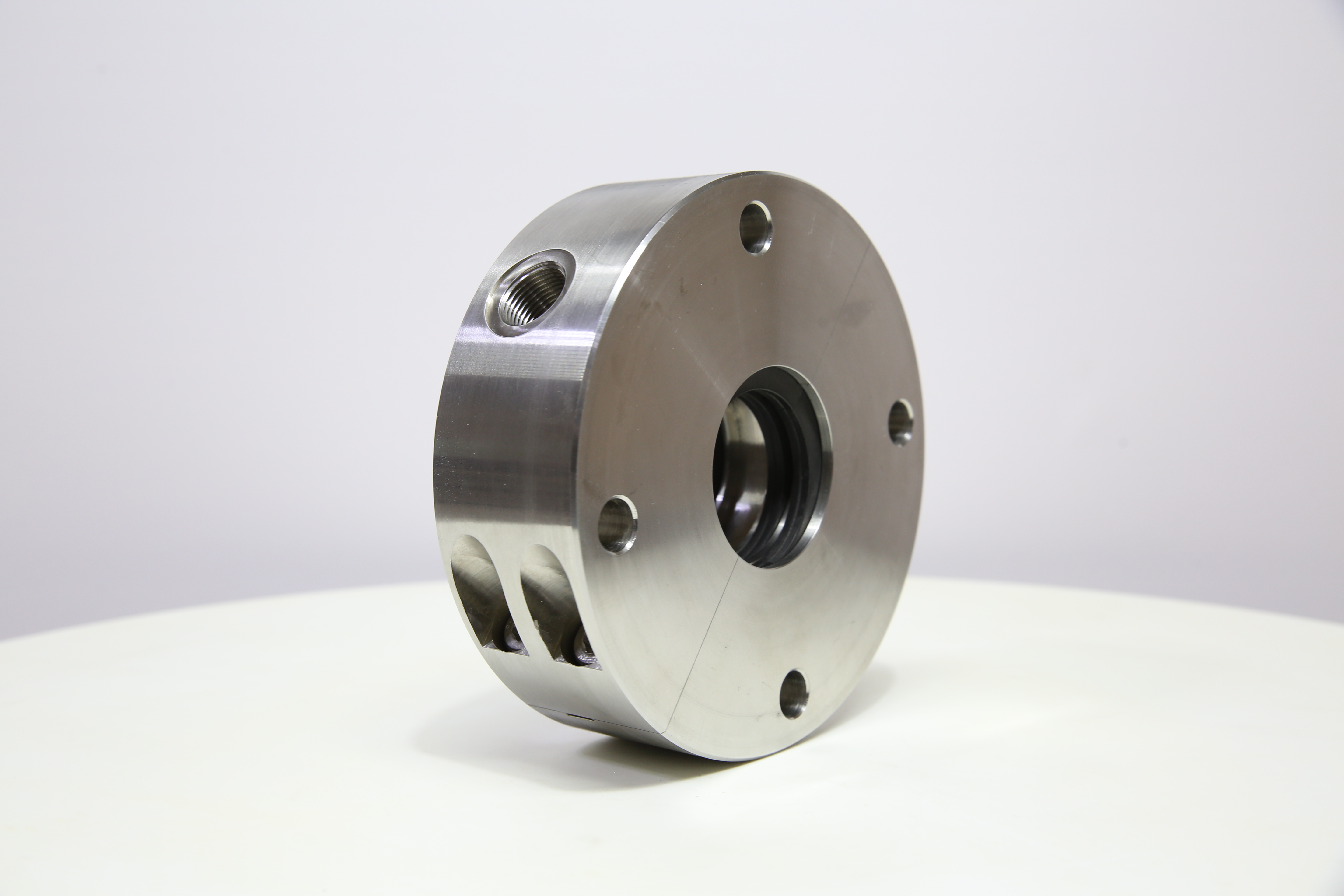
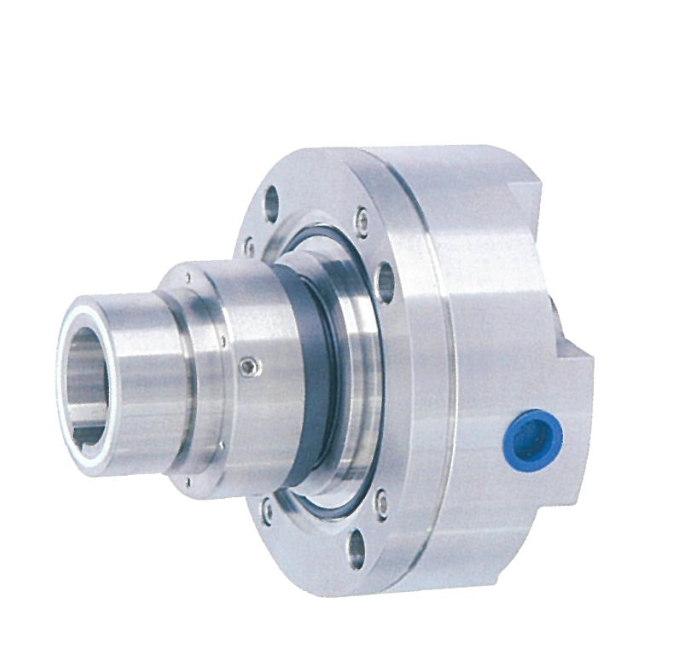
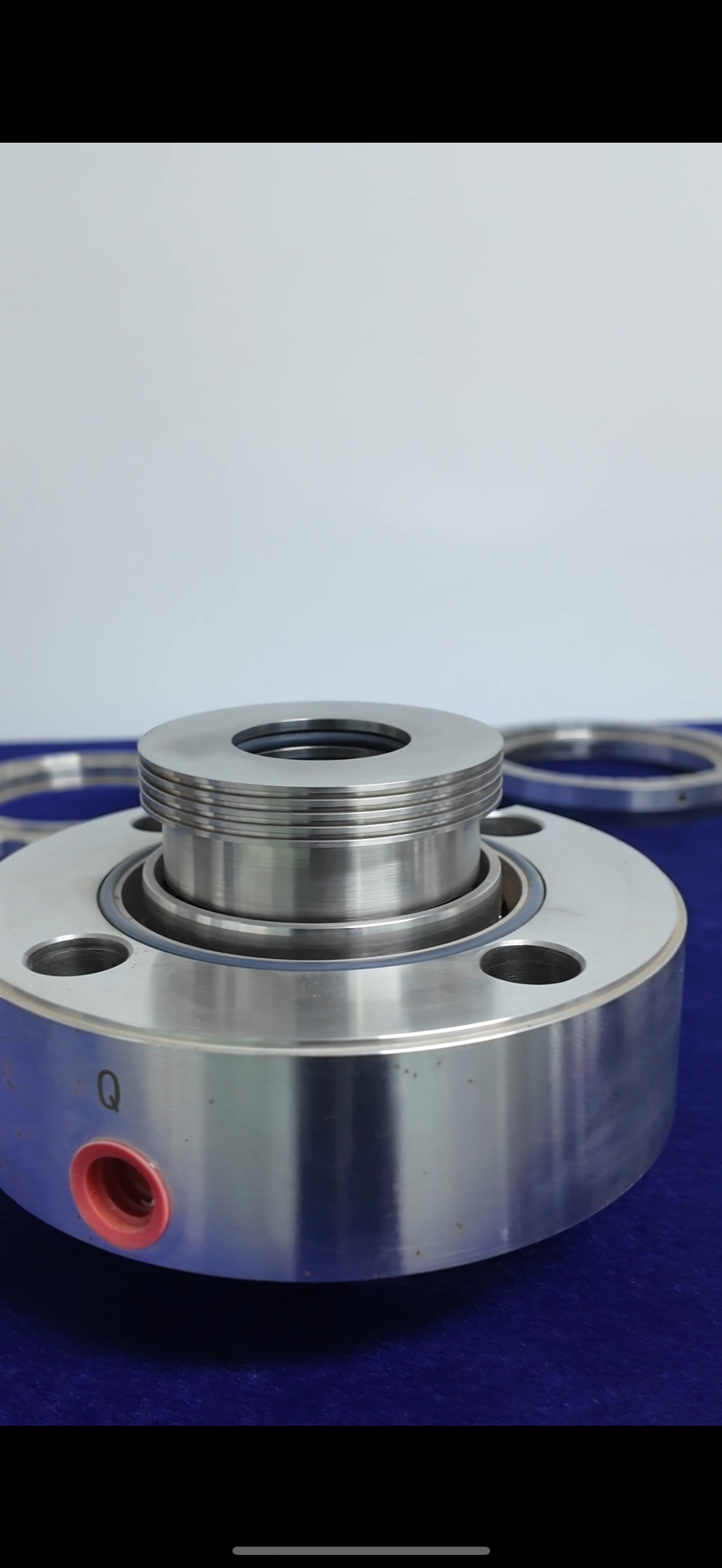
bearing shaft seal
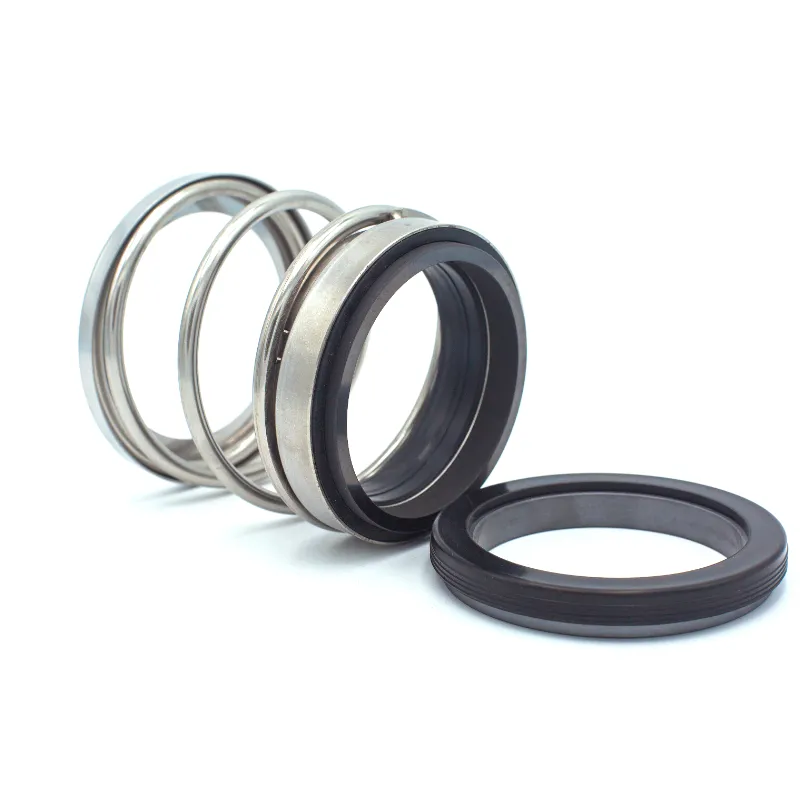
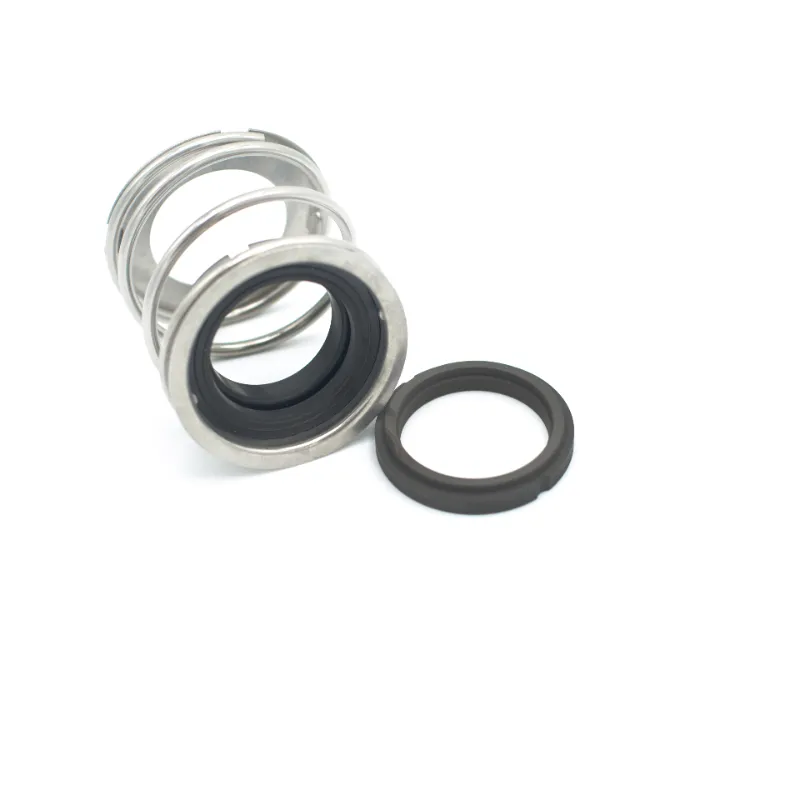
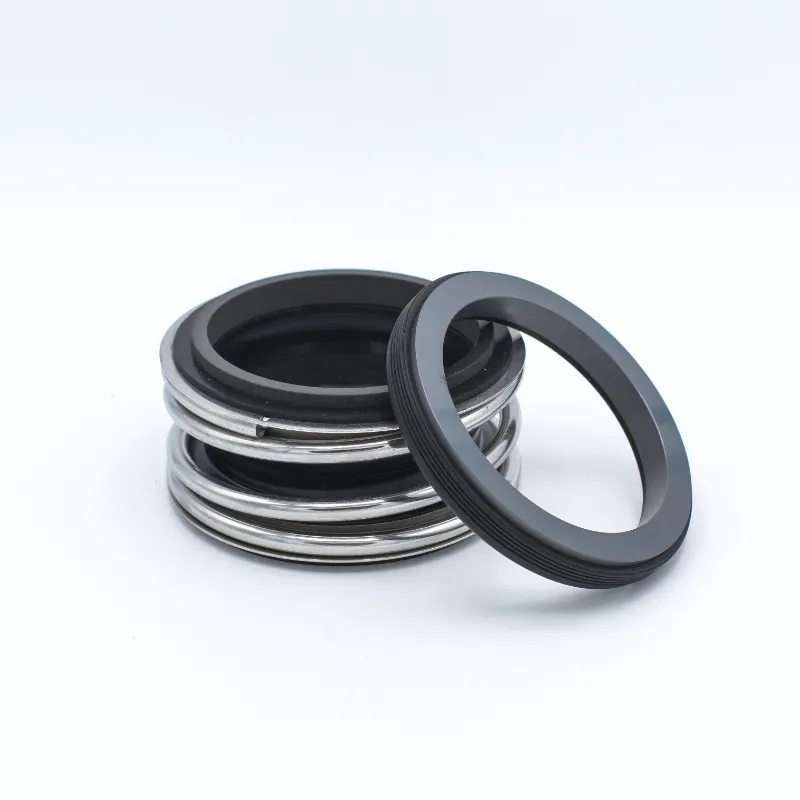
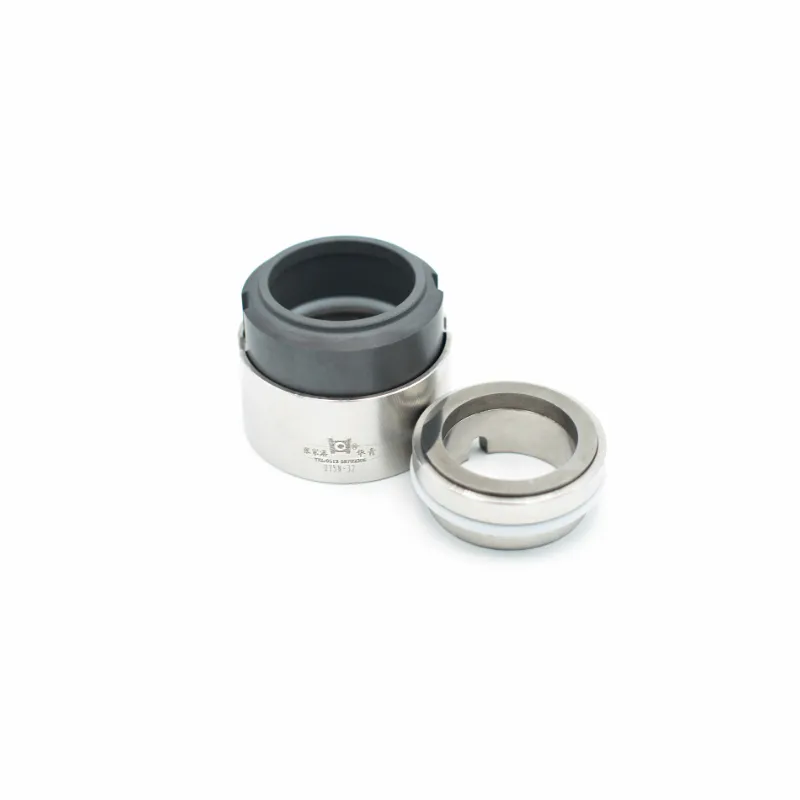
A bearing shaft seal represents a critical component in mechanical systems, designed to prevent contamination while retaining lubricants within bearing assemblies. This specialized sealing solution creates an effective barrier between the rotating shaft and stationary housing, ensuring optimal performance across diverse industrial applications. The bearing shaft seal operates by utilizing advanced elastomeric materials and precision engineering to maintain consistent contact with moving surfaces while minimizing friction losses. Modern bearing shaft seals incorporate sophisticated lip designs that adapt to shaft irregularities, temperature variations, and pressure differentials. These seals feature multiple sealing elements, including primary lips for fluid retention and secondary lips for contamination exclusion. The technological foundation of bearing shaft seals relies on material science innovations, incorporating nitrile rubber, fluorocarbon elastomers, and polytetrafluoroethylene compounds that deliver exceptional chemical resistance and temperature stability. Manufacturing processes involve precision molding techniques that ensure dimensional accuracy and surface finish quality essential for reliable sealing performance. The bearing shaft seal design accommodates various installation configurations, including radial and axial mounting arrangements, while providing compensation for shaft misalignment and runout conditions. Advanced bearing shaft seals integrate spring-loaded mechanisms that maintain optimal sealing force throughout operational lifecycles, automatically adjusting to wear patterns and thermal expansion effects. Applications span automotive transmissions, industrial gearboxes, electric motors, pumps, compressors, and heavy machinery where contamination control and lubricant retention prove essential. The bearing shaft seal construction typically incorporates reinforced metal cases that provide structural integrity and heat dissipation capabilities, while specialized coating treatments enhance corrosion resistance and installation characteristics. Performance specifications include pressure ratings, temperature ranges, shaft speed limitations, and chemical compatibility requirements that determine suitability for specific operational environments.
 EN
EN