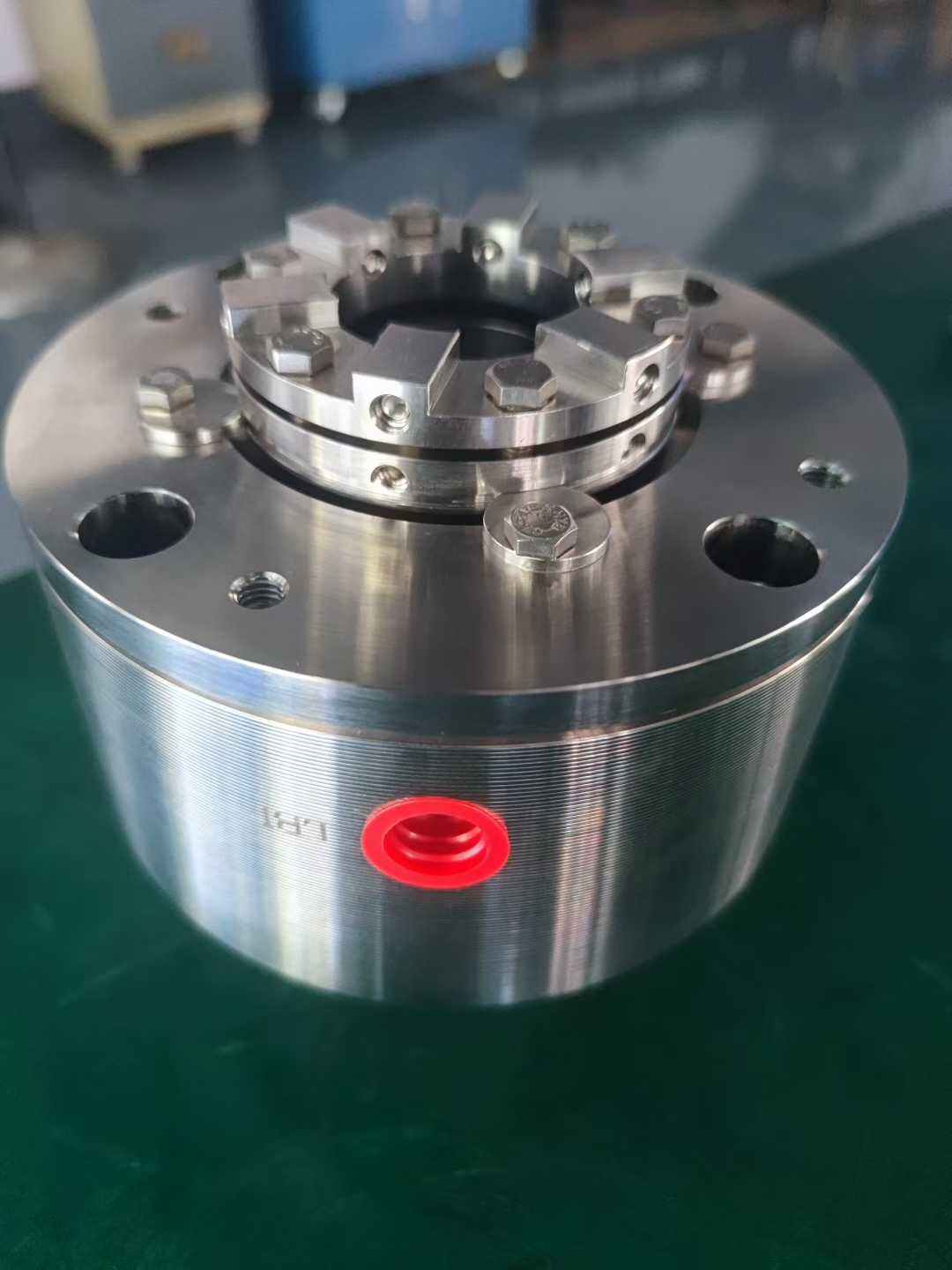
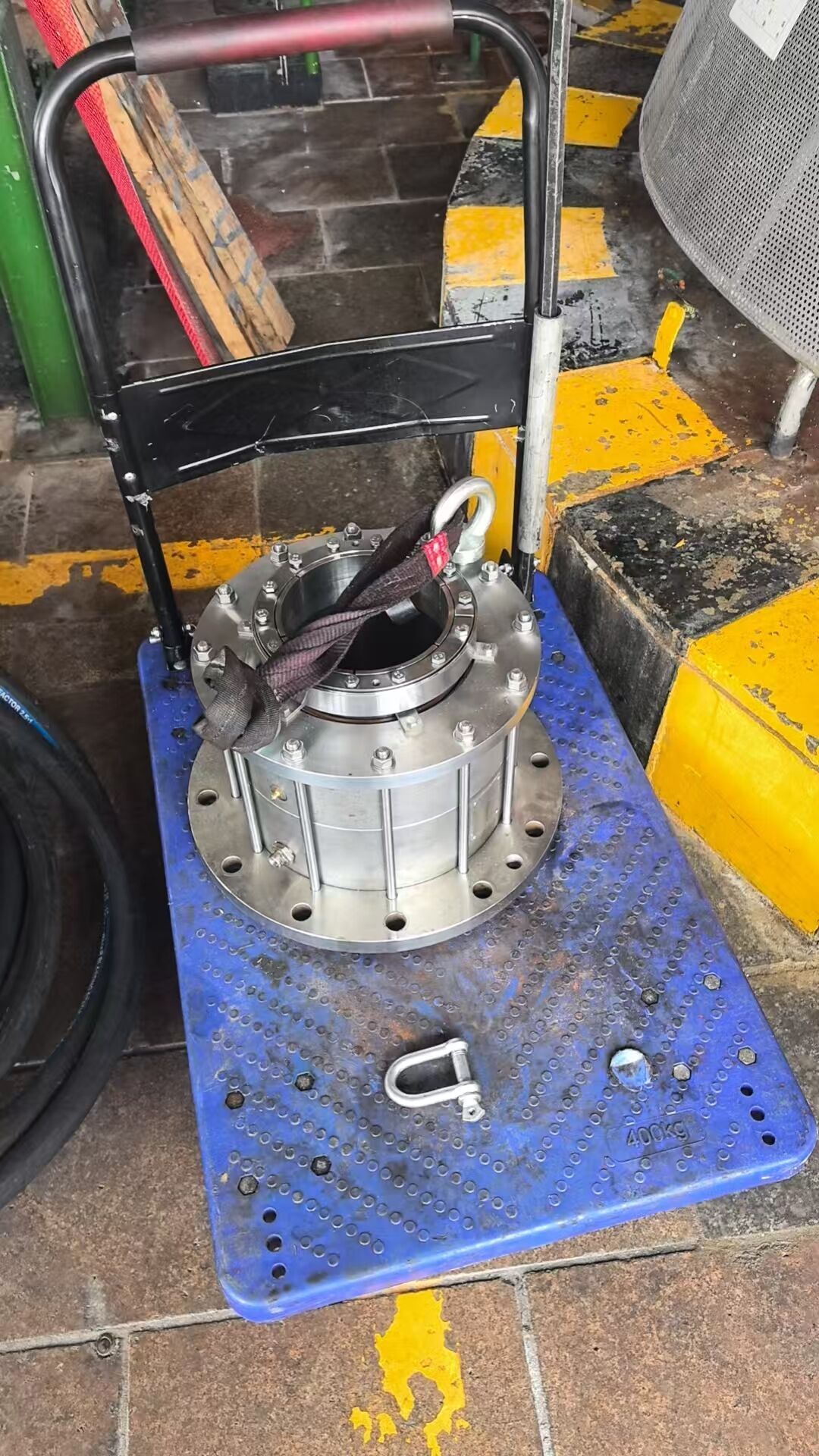
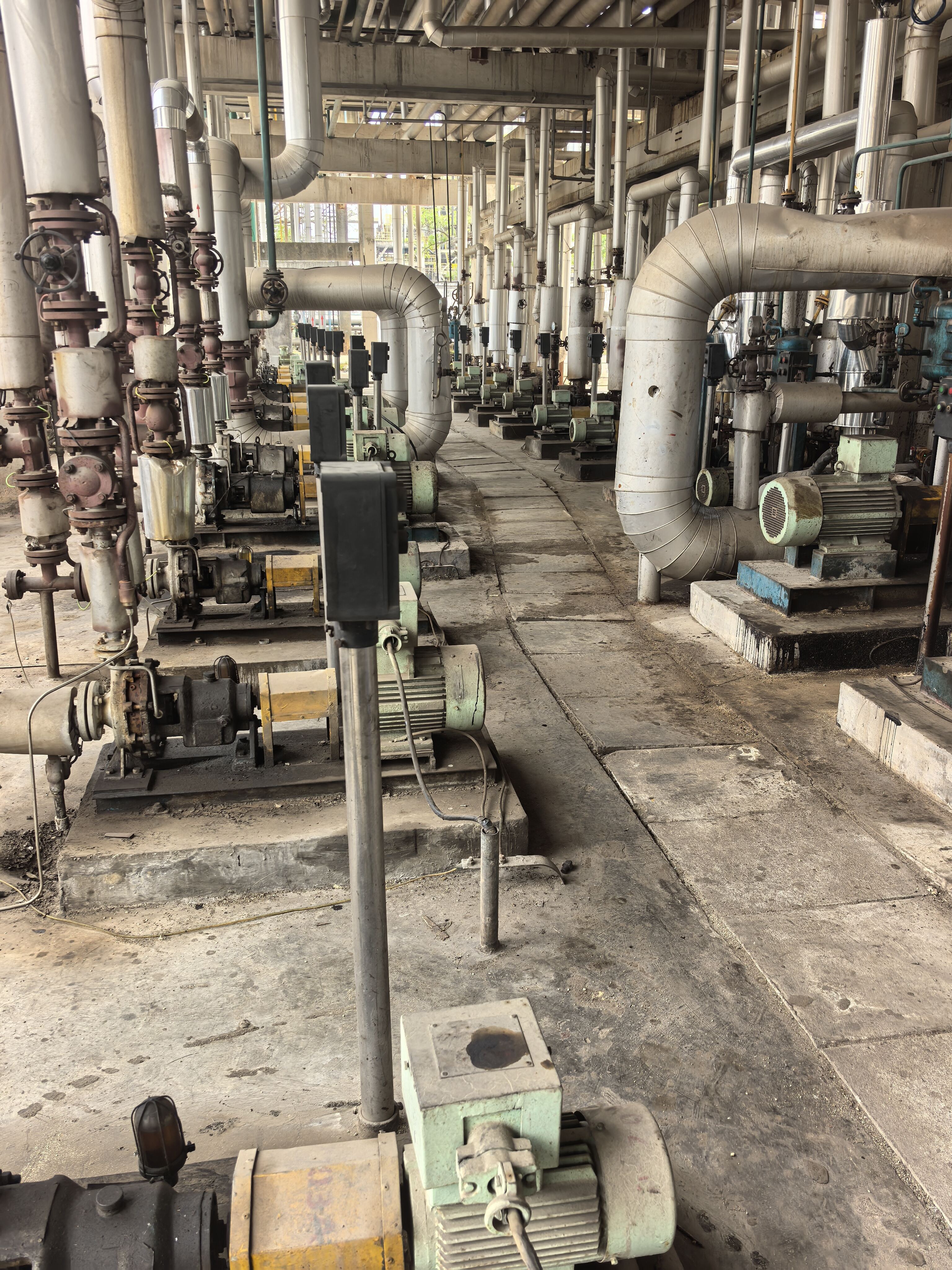
Superior Material Engineering and Chemical Compatibility
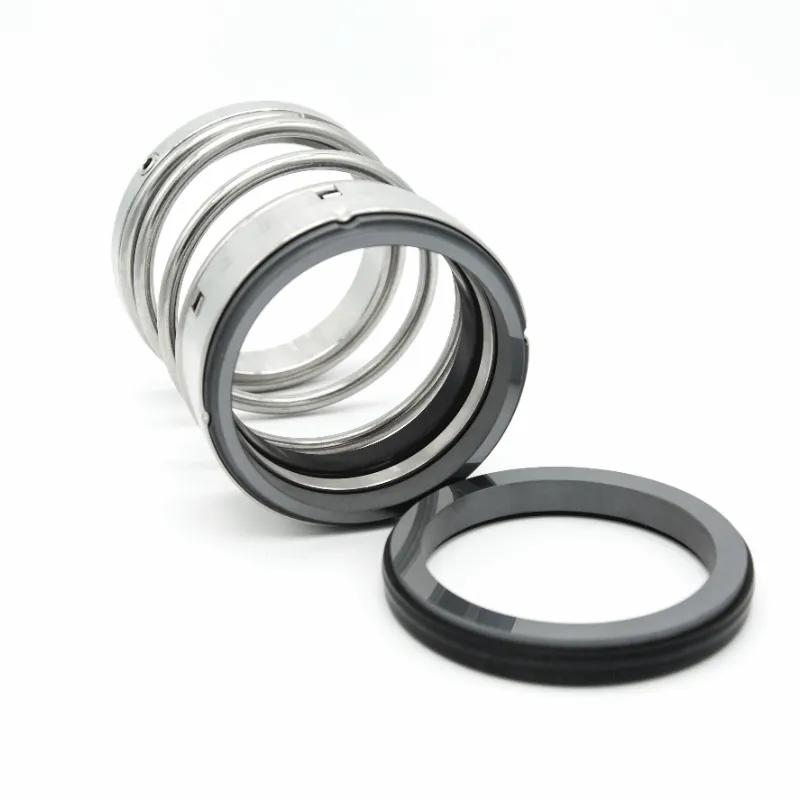
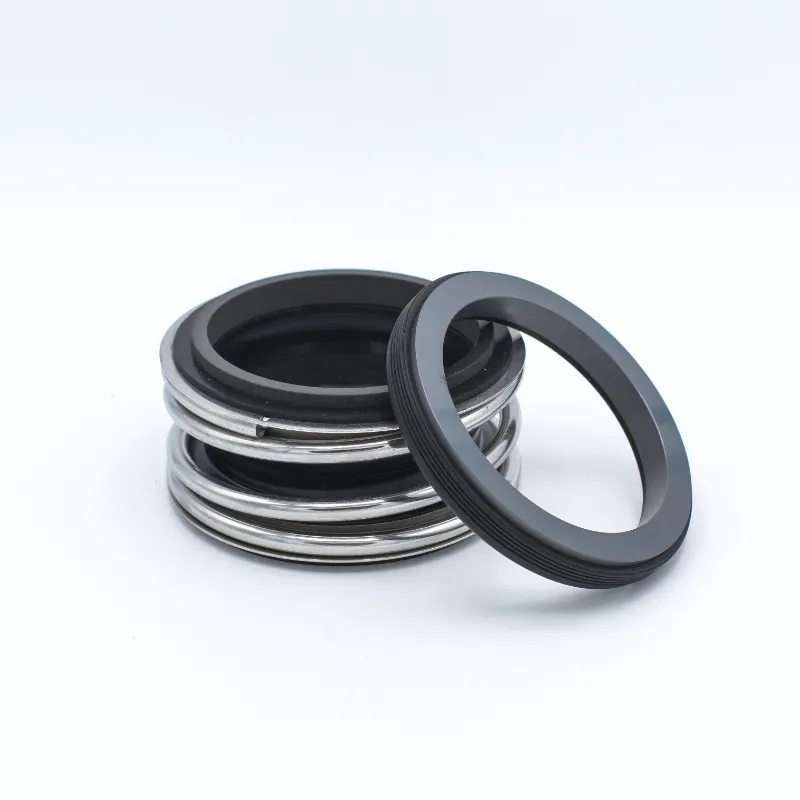
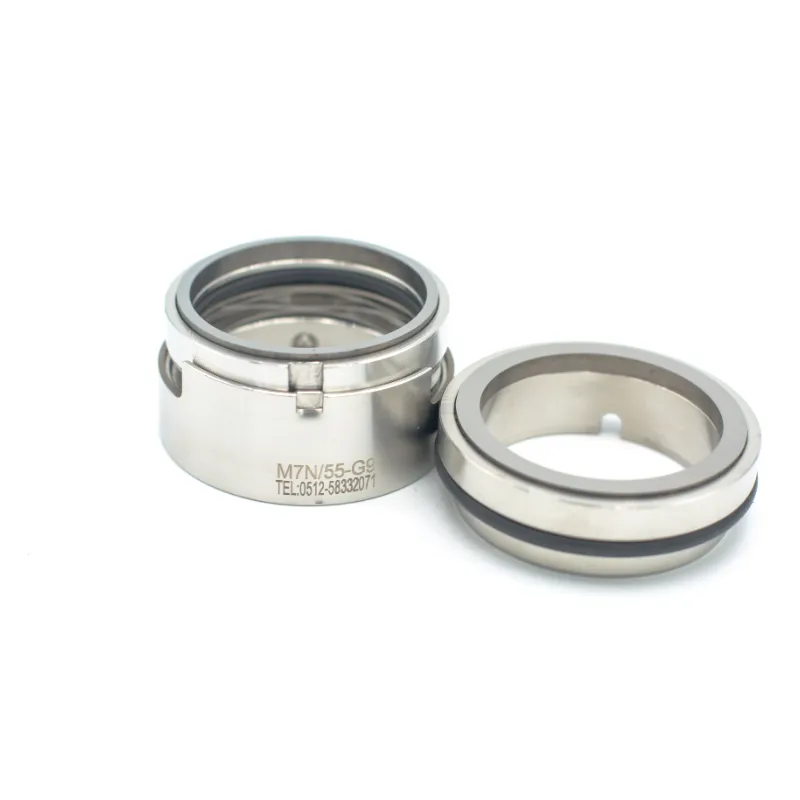
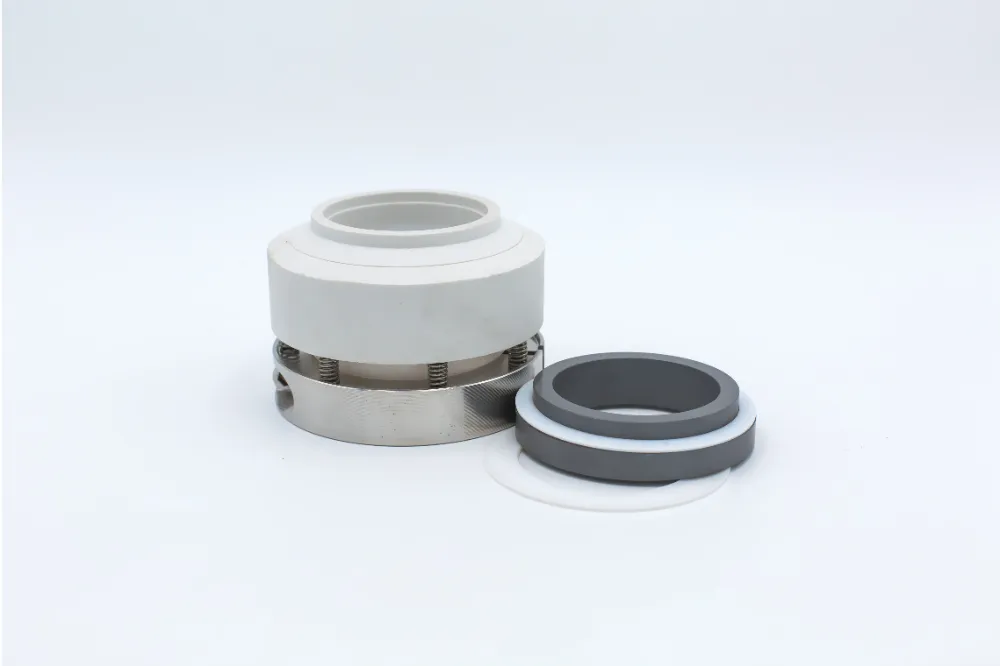
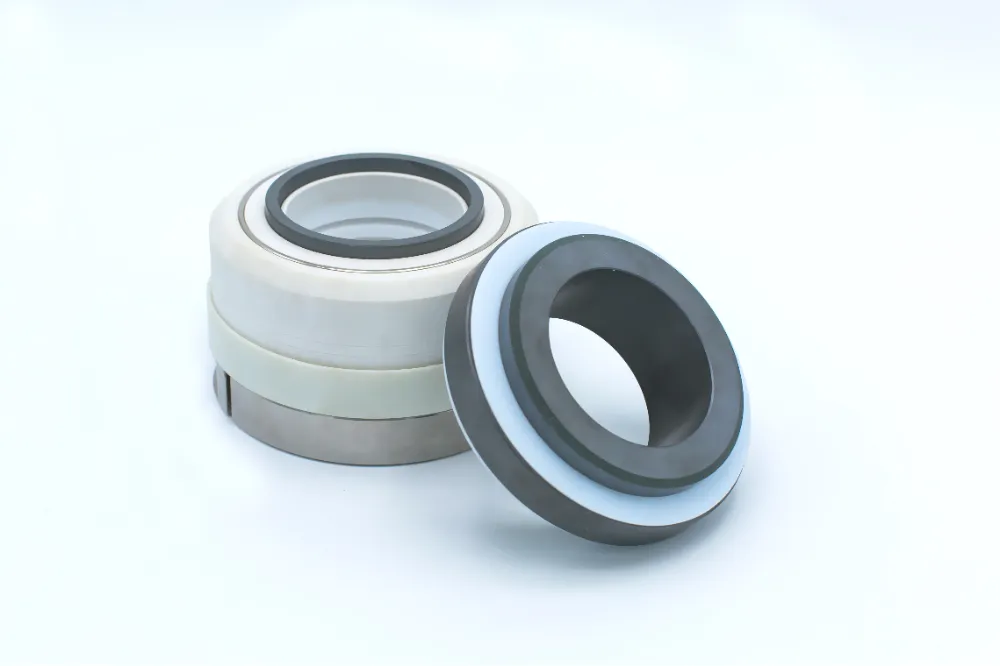
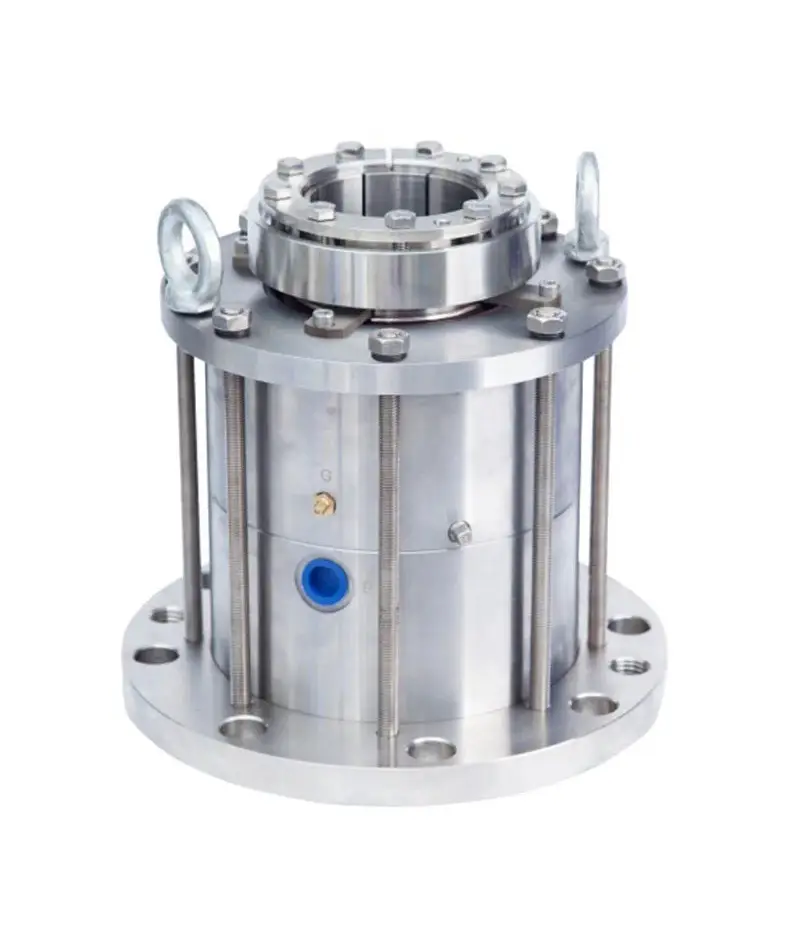
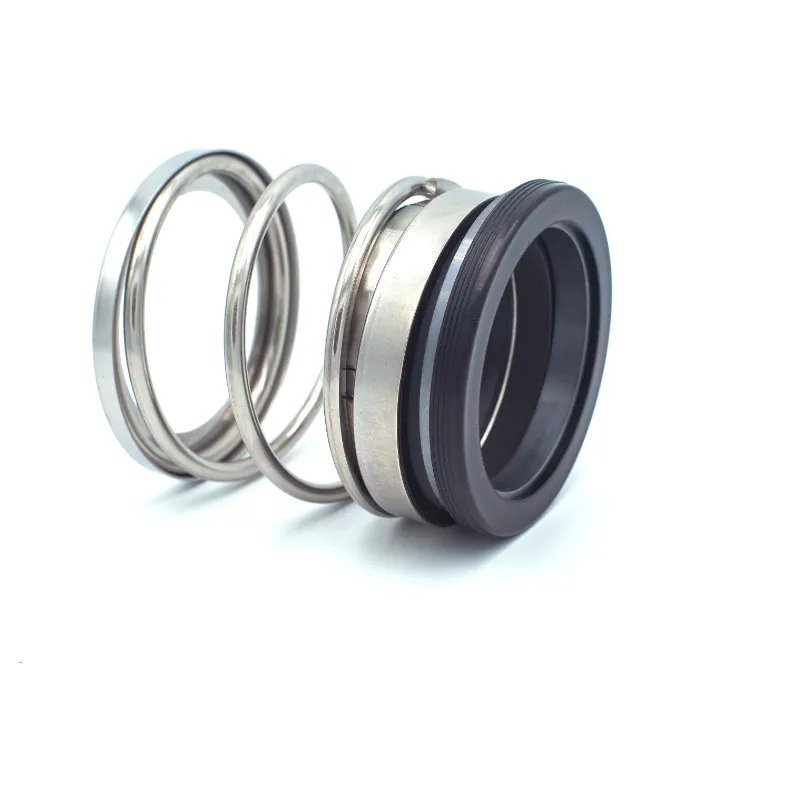
The exceptional material engineering behind contemporary main shaft seals delivers outstanding chemical resistance, temperature stability, and mechanical durability that ensures reliable performance across demanding industrial applications. Advanced elastomeric compounds used in main shaft seal construction undergo extensive testing and validation to verify compatibility with hundreds of different process fluids, including aggressive chemicals, petroleum products, synthetic lubricants, and specialized industrial fluids. These high-performance materials resist swelling, hardening, and degradation when exposed to challenging chemical environments that would quickly destroy conventional sealing materials. Temperature stability represents a critical advantage of modern main shaft seal materials, with many formulations capable of maintaining sealing effectiveness across temperature ranges exceeding 200 degrees Celsius while remaining flexible and effective at sub-zero temperatures. This broad temperature capability eliminates the need for specialized seals in many applications and provides operational flexibility for equipment that experiences varying thermal conditions. The molecular structure of advanced seal materials incorporates stabilizing additives that prevent oxidation, ozone degradation, and UV damage that could compromise sealing performance over time. Mechanical properties of premium main shaft seal materials include excellent tear resistance, abrasion resistance, and fatigue resistance that enable these seals to withstand the dynamic stresses associated with high-speed rotation and pressure cycling. Shore hardness optimization ensures that seal materials provide the ideal balance between conformability and structural integrity, allowing effective sealing contact while preventing extrusion or permanent deformation under pressure. Low-temperature flexibility characteristics prevent seal materials from becoming brittle in cold environments, maintaining reliable sealing performance during startup conditions and seasonal temperature variations. The chemical inertness of specialized seal compounds prevents contamination of sensitive process fluids, making these materials suitable for food processing, pharmaceutical, and other applications where product purity is essential. Quality control procedures for main shaft seal materials include comprehensive testing protocols that verify mechanical properties, chemical resistance, and thermal stability before materials are approved for production use.
 EN
EN