Mechanical Seal Dimensions: Complete Guide to Specifications, Applications & Performance Benefits

Get a Free Quote

Our representative will contact you soon.
Email
Name
Company Name
Message
0/1000

mechanical seal dimensions

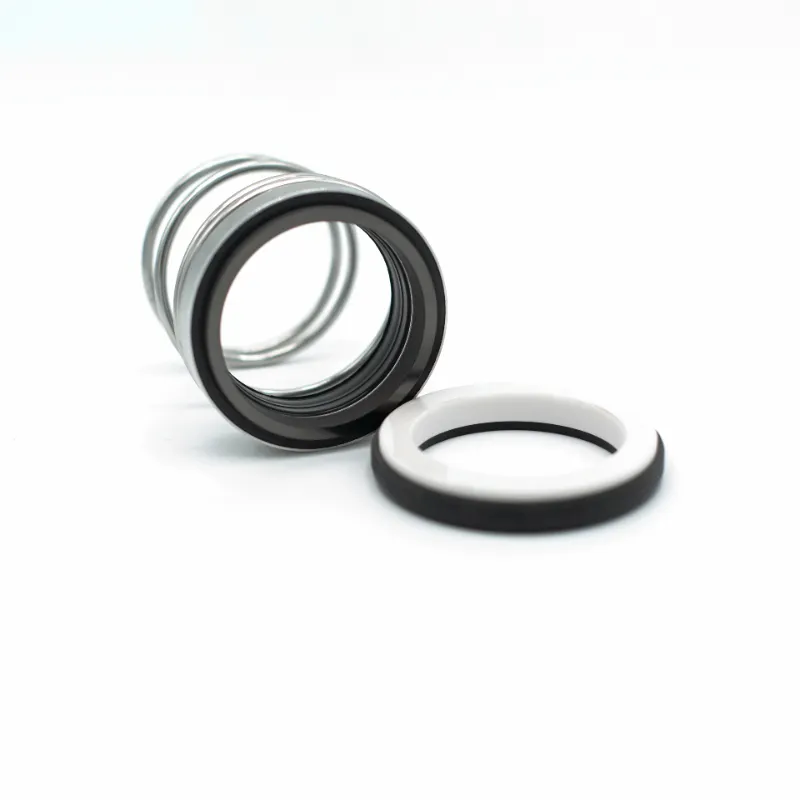
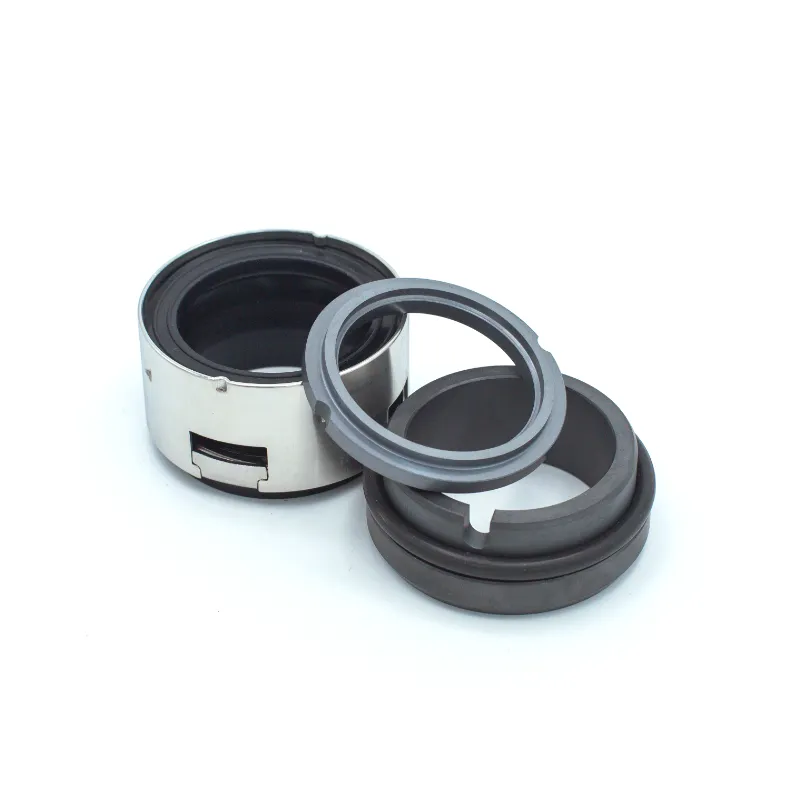
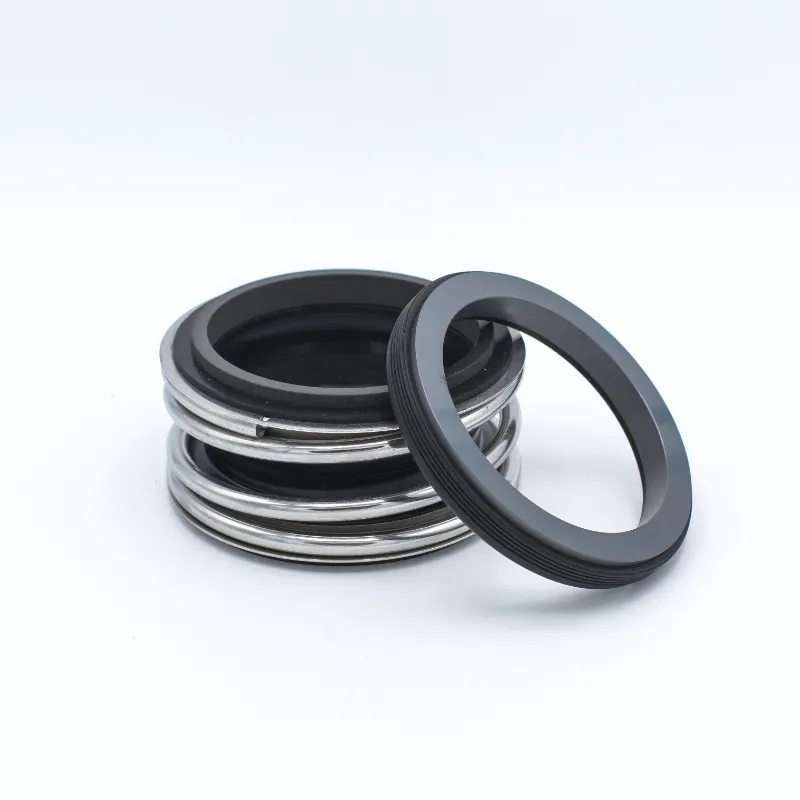
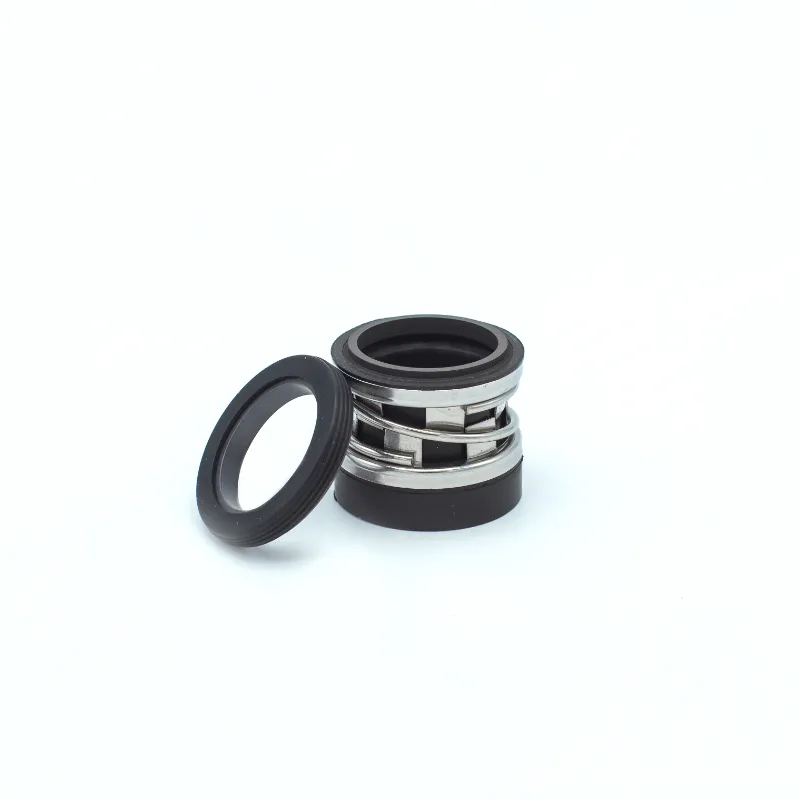
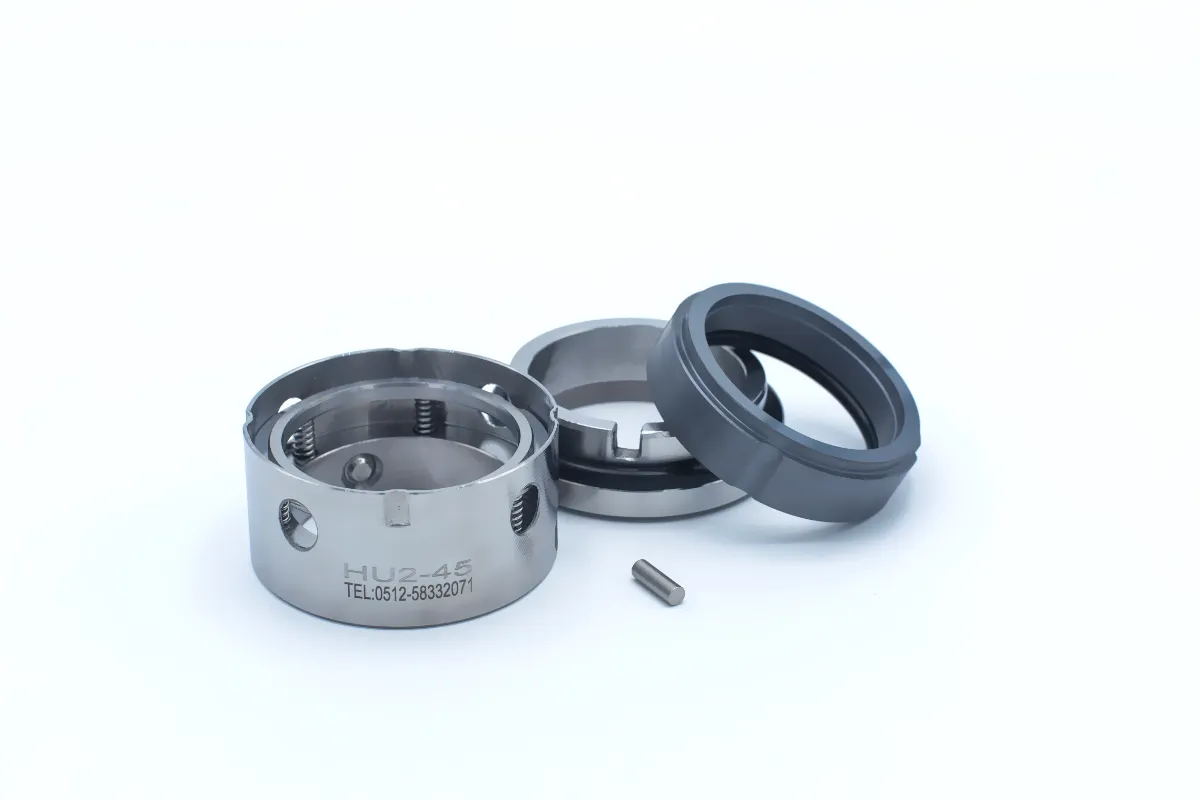
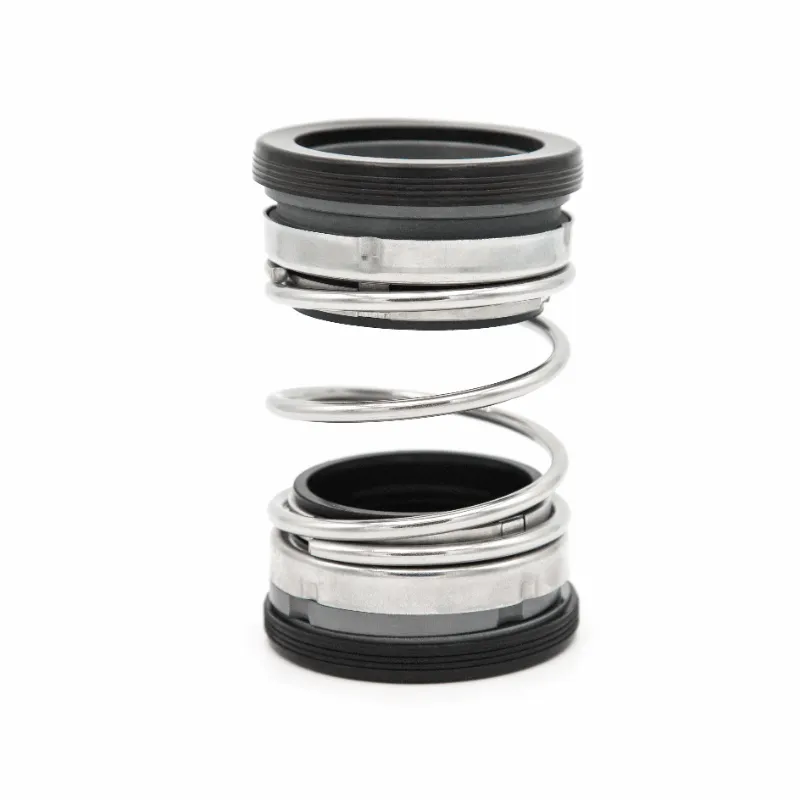
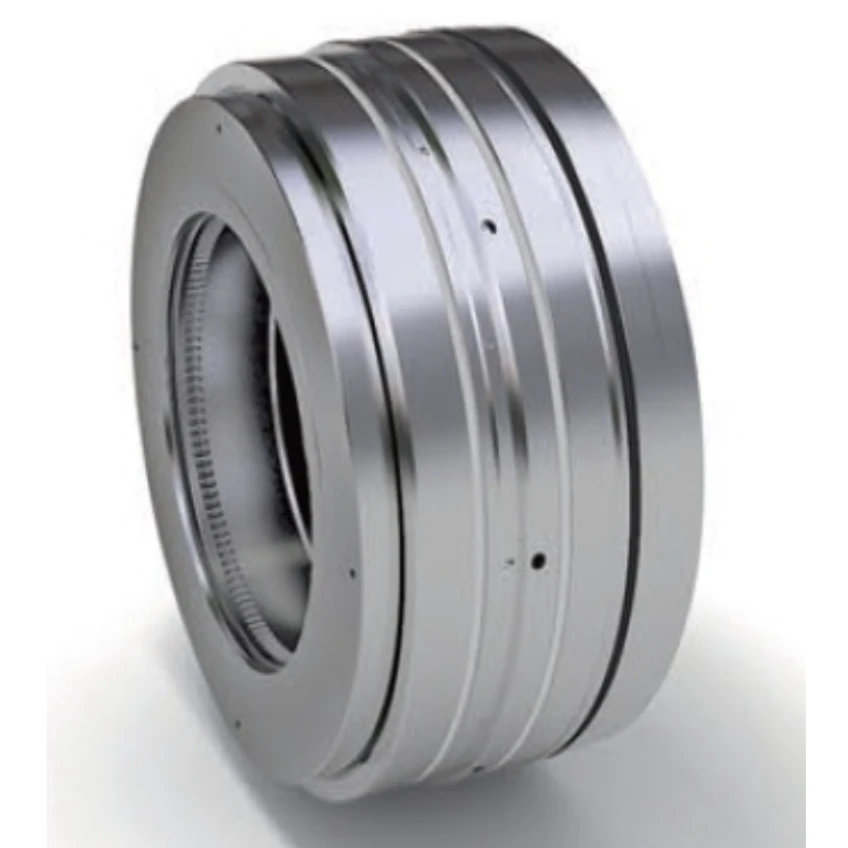
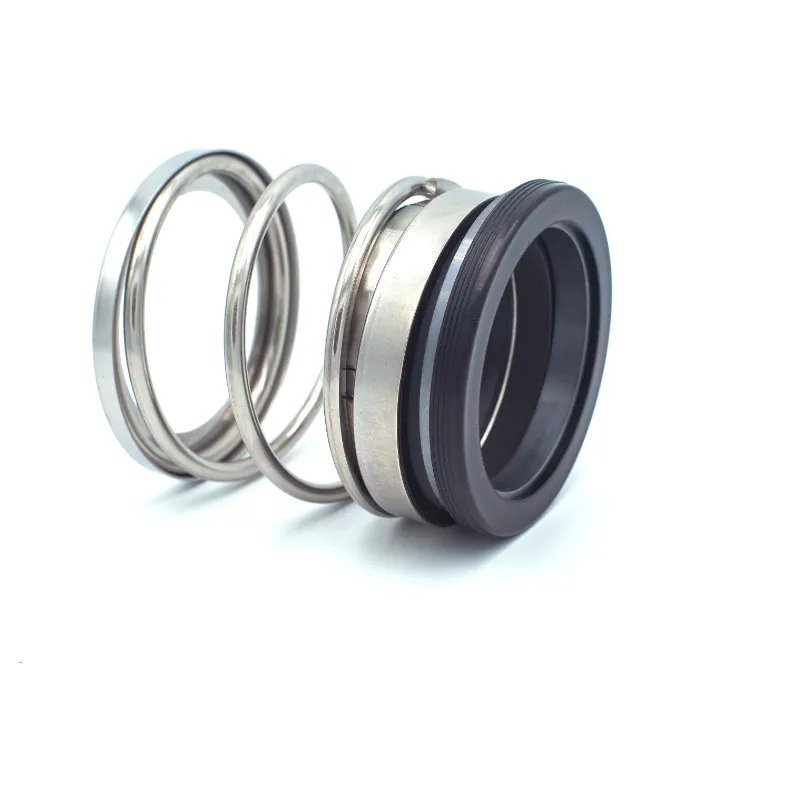
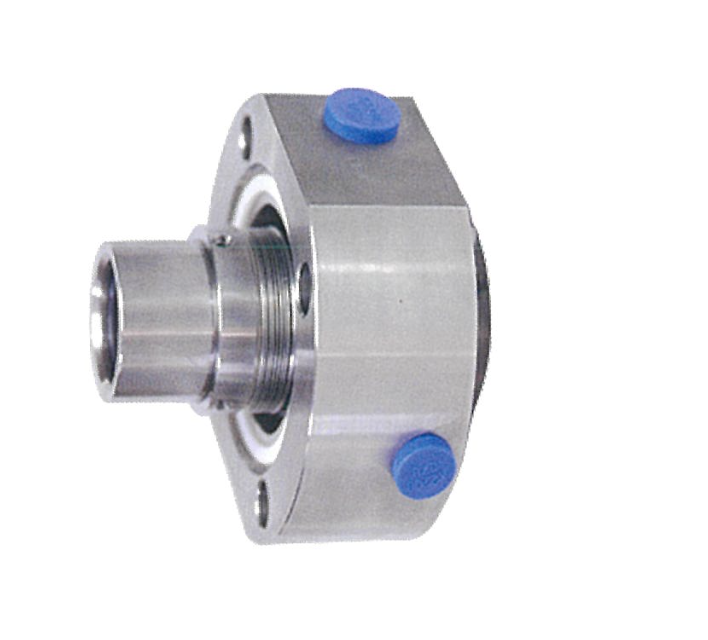
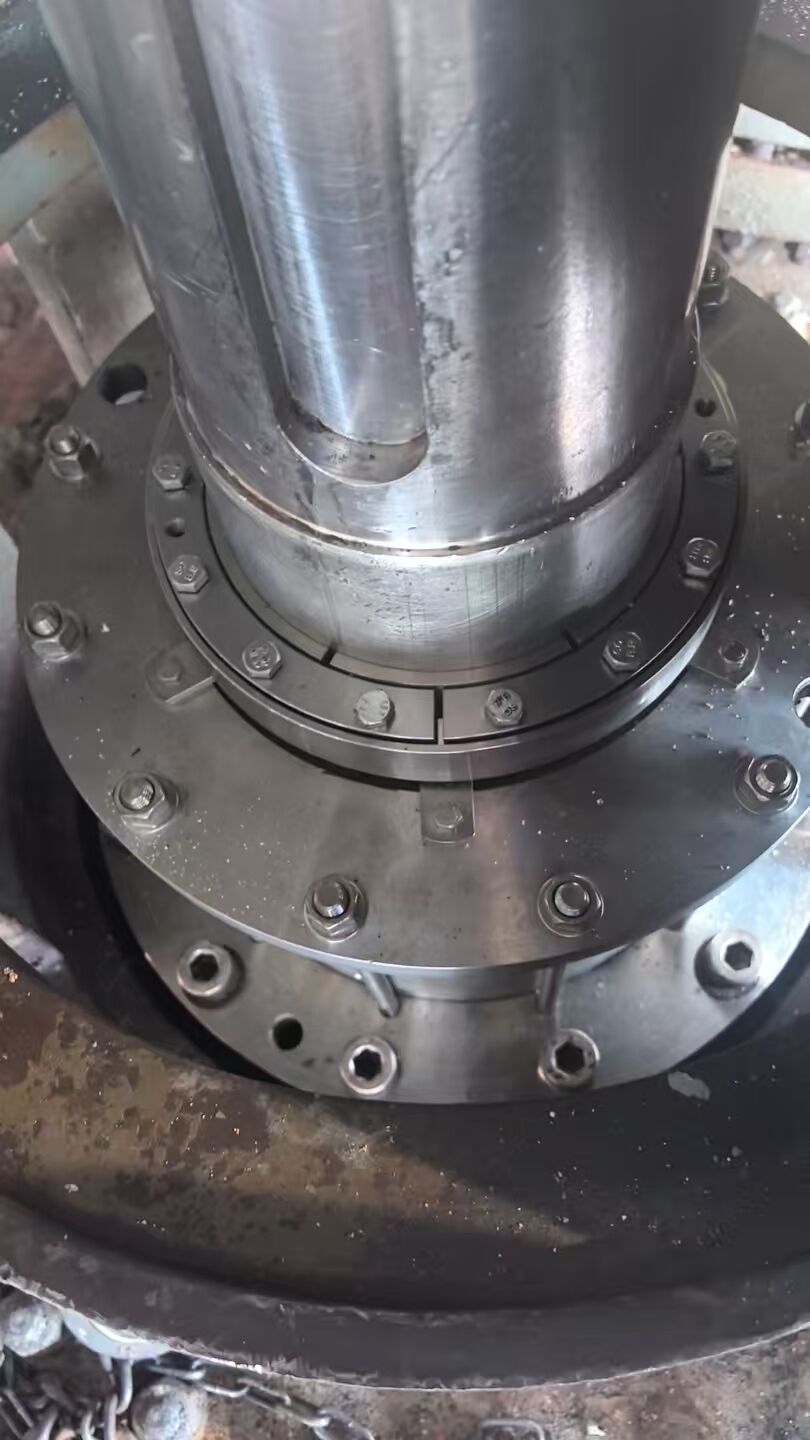
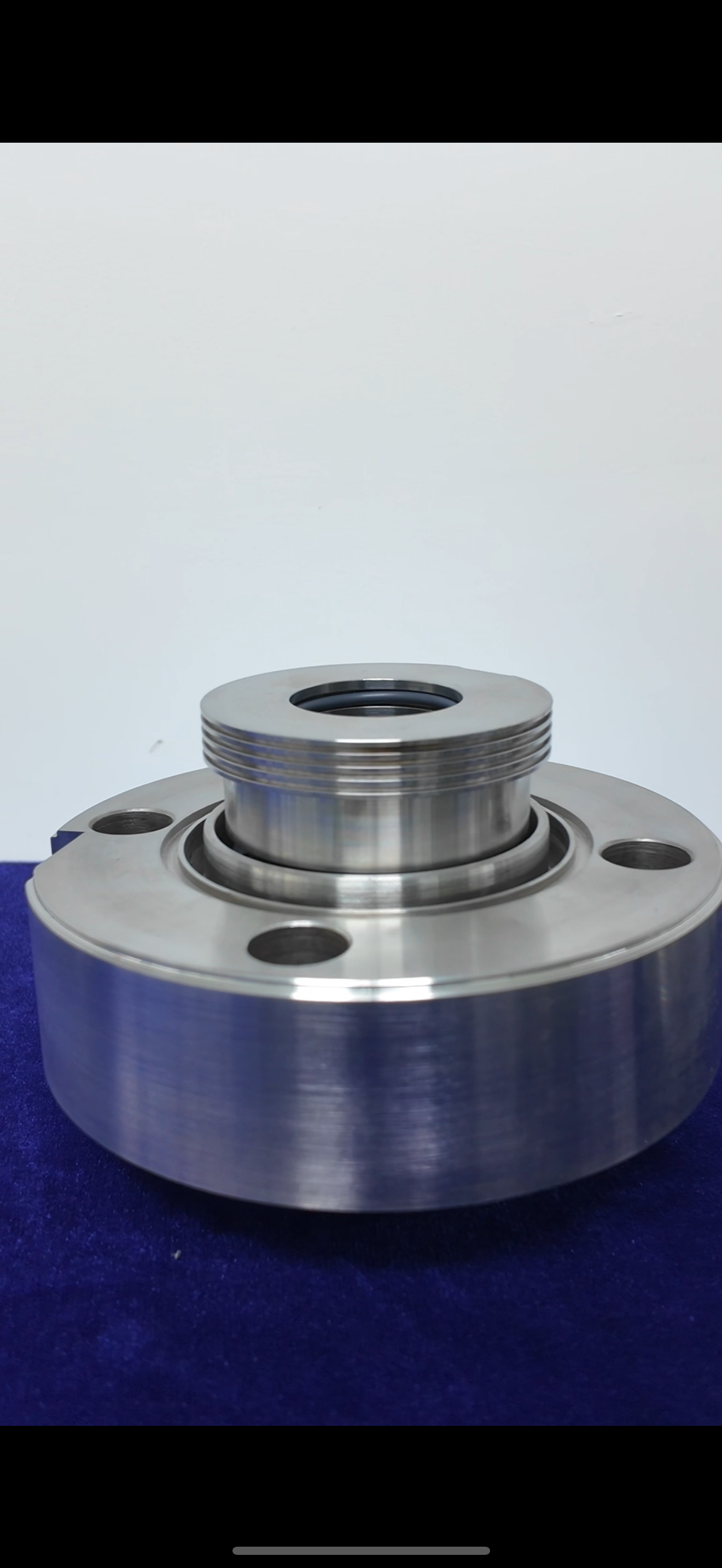
Mechanical seal dimensions represent critical specifications that determine the performance, compatibility, and reliability of sealing systems across diverse industrial applications. These precise measurements encompass shaft diameter, seal face dimensions, housing bore requirements, and axial space allocations that ensure proper fit and optimal functionality. Understanding mechanical seal dimensions becomes essential for engineers and maintenance professionals who need to select appropriate sealing solutions for rotating equipment such as pumps, compressors, mixers, and turbines. The main functions of properly dimensioned mechanical seals include preventing fluid leakage, maintaining system pressure, protecting equipment from contamination, and ensuring operational safety. These sealing systems create a dynamic barrier between rotating and stationary components, utilizing precisely machined surfaces that maintain contact under spring pressure. Technological features of mechanical seal dimensions include standardized sizing according to international specifications like DIN, ANSI, and JIS standards, which facilitate global compatibility and interchangeability. Advanced dimensional engineering incorporates tolerance specifications that account for thermal expansion, shaft deflection, and wear compensation throughout the seal's operational lifetime. Modern mechanical seal dimensions also accommodate specialized features such as barrier fluid circulation ports, temperature monitoring provisions, and quick-change cartridge designs that reduce maintenance downtime. Applications span across chemical processing, pharmaceutical manufacturing, food and beverage production, oil and gas operations, power generation, and water treatment facilities. In chemical plants, mechanical seal dimensions must accommodate corrosive environments while maintaining leak-tight performance. Pharmaceutical applications require dimensions that support hygienic designs and easy cleaning protocols. The versatility of mechanical seal dimensions enables their use in extreme temperature conditions, high-pressure systems, and applications involving abrasive or crystallizing media, making them indispensable components in modern industrial operations.

New Product Recommendations

The advantages of mechanical seal dimensions extend far beyond basic sealing functionality, delivering measurable benefits that directly impact operational efficiency and cost-effectiveness for industrial facilities. Precise dimensional specifications eliminate guesswork during installation, reducing setup time and minimizing the risk of improper assembly that could lead to premature failure or safety hazards. Standardized mechanical seal dimensions ensure compatibility across different manufacturer brands, providing procurement flexibility and reducing inventory requirements for maintenance departments. This standardization translates into significant cost savings as facilities can maintain smaller spare parts inventories while ensuring immediate availability when replacements become necessary. Well-designed mechanical seal dimensions accommodate thermal expansion and contraction cycles, preventing binding or excessive wear that commonly occurs with improperly sized seals. This thermal compensation capability extends seal life considerably, reducing maintenance frequency and associated labor costs. The dimensional precision inherent in quality mechanical seals enables predictable performance characteristics, allowing maintenance teams to establish reliable replacement schedules based on actual operating conditions rather than conservative estimates. Proper mechanical seal dimensions facilitate easy installation and removal procedures, reducing maintenance downtime and associated production losses. Quick-change cartridge designs with optimized dimensions enable complete seal replacement in minutes rather than hours, maximizing equipment availability. Advanced dimensional engineering incorporates features that simplify alignment procedures, reducing the skill level required for proper installation and decreasing the likelihood of human error during maintenance activities. The standardized dimensions also support modular design concepts, enabling facilities to upgrade seal performance characteristics without modifying existing equipment housings or shaft configurations. Environmental benefits emerge from proper mechanical seal dimensions as they ensure reliable containment of process fluids, preventing workplace contamination and reducing environmental compliance concerns. Enhanced dimensional accuracy minimizes face loading variations, promoting even wear patterns and extending seal life while maintaining consistent performance throughout the operational cycle. These advantages combine to deliver substantial return on investment through reduced maintenance costs, improved equipment reliability, enhanced safety performance, and decreased environmental impact.

Practical Tips

Key Features of High-Performance Agitator Seal Pressure Systems

06

Aug

Key Features of High-Performance Agitator Seal Pressure Systems

Ensuring Long-Term Efficiency in Industrial Sealing In the world of industrial processing, maintaining system integrity under various operational stresses is a continuous challenge. One of the most vital components for achieving this reliability is t...
View More
Complete Mechanical Seal Types Comparison for Industrial Pumps

13

Jan

Complete Mechanical Seal Types Comparison for Industrial Pumps

Industrial pumps represent the backbone of countless manufacturing processes, and their reliability depends heavily on proper sealing mechanisms. Understanding mechanical seal types is crucial for engineers and maintenance professionals who need to e...
View More
Double Mechanical Seals for Higher Pressure and Temperature Control

13

Jan

Double Mechanical Seals for Higher Pressure and Temperature Control

In industrial applications where reliability and performance are paramount, double mechanical seals have emerged as the preferred sealing solution for high-pressure and high-temperature environments. These advanced sealing systems provide superior pr...
View More
How Can a High-Quality Seal Face Reduce Leakage and Extend Pump Life?

13

Jan

How Can a High-Quality Seal Face Reduce Leakage and Extend Pump Life?

Industrial pumps operate under extreme conditions where even minor component failures can lead to catastrophic system breakdowns and costly downtime. Among all pump components, the seal face stands as one of the most critical elements determining ope...
View More

Get a Free Quote

Our representative will contact you soon.
Email
Name
Company Name
Country/Region
Message
0/1000

mechanical seal dimensions

Precision Engineering for Universal Compatibility

Precision Engineering for Universal Compatibility

The precision engineering inherent in mechanical seal dimensions represents a cornerstone of modern industrial sealing technology, delivering universal compatibility that transforms maintenance operations and inventory management strategies. This precise dimensional control ensures that seals manufactured by different suppliers can interchange seamlessly, eliminating the costly dependency on single-source suppliers that historically plagued industrial facilities. The standardized approach to mechanical seal dimensions follows internationally recognized specifications, creating a global ecosystem where replacement parts remain available regardless of geographical location or original equipment manufacturer preferences. This compatibility extends beyond basic fit dimensions to include critical performance parameters such as spring loading, face pressure distribution, and thermal expansion characteristics. Manufacturing tolerances maintained within micron-level precision ensure consistent performance across different production batches and suppliers, providing reliability assurance that maintenance professionals depend upon during critical operations. The dimensional standardization enables facilities to consolidate their spare parts inventory significantly, reducing carrying costs while improving parts availability for emergency repairs. Advanced precision engineering techniques utilized in mechanical seal dimensions incorporate sophisticated measurement technologies and quality control processes that guarantee dimensional accuracy throughout the manufacturing process. These processes include coordinate measuring machines, laser interferometry, and statistical process control methods that monitor dimensional variations in real-time during production. The resulting precision enables predictable assembly procedures where installation torque specifications, alignment requirements, and clearance dimensions remain consistent across different seal suppliers. This consistency reduces training requirements for maintenance personnel and minimizes installation errors that could compromise seal performance or equipment safety. Furthermore, precision-engineered mechanical seal dimensions facilitate the development of automated installation equipment and standardized maintenance procedures that improve efficiency while reducing labor costs. The universal compatibility achieved through precise dimensional control also supports supply chain resilience by enabling multiple supplier relationships and reducing procurement lead times during planned maintenance activities or emergency repairs.
Advanced Materials Integration Within Optimal Dimensions

Advanced Materials Integration Within Optimal Dimensions

Advanced materials integration within optimized mechanical seal dimensions represents a technological breakthrough that delivers superior performance characteristics while maintaining compatibility with existing equipment configurations. This sophisticated approach combines cutting-edge material science with precision dimensional engineering to create sealing solutions that withstand extreme operating conditions previously considered impossible for conventional seals. The dimensional framework accommodates advanced ceramic face materials, specialized elastomers, and high-performance metal alloys that provide enhanced chemical resistance, temperature capability, and wear characteristics. These materials require precise dimensional control to achieve optimal performance, as slight variations in thickness, surface finish, or geometric relationships can significantly impact seal effectiveness and operational life. The integration process considers thermal expansion coefficients, elastic modulus variations, and chemical compatibility requirements that influence dimensional stability throughout the seal's operational lifetime. Advanced computational modeling techniques optimize mechanical seal dimensions to maximize the performance benefits of these sophisticated materials while ensuring reliable operation across varying process conditions. The dimensional design accommodates material-specific requirements such as controlled compression ratios for elastomeric components, precise flatness specifications for ceramic faces, and thermal expansion compensation for metallic elements. This materials-conscious dimensional approach enables the development of specialized sealing solutions for challenging applications including high-temperature petrochemical processes, corrosive chemical environments, and abrasive slurry handling systems. The optimized dimensions ensure proper stress distribution across material interfaces, preventing premature failure modes such as thermal cracking, chemical attack, or mechanical wear that commonly affect conventional sealing systems. Quality assurance processes verify that advanced materials maintain their enhanced properties within the specified dimensional constraints, utilizing specialized testing procedures that simulate actual operating conditions. The resulting mechanical seal dimensions deliver measurable performance improvements including extended service life, reduced maintenance frequency, improved safety margins, and enhanced process reliability that justify the investment in advanced materials technology.
Modular Design Flexibility Through Standardized Dimensions

Modular Design Flexibility Through Standardized Dimensions

Modular design flexibility achieved through standardized mechanical seal dimensions revolutionizes maintenance strategies and equipment upgrading possibilities, enabling facilities to adapt their sealing systems to changing operational requirements without extensive equipment modifications. This innovative approach utilizes consistent dimensional interfaces that support interchangeable seal components, cartridge assemblies, and auxiliary systems designed to enhance performance or accommodate process changes. The standardized dimensional framework enables facilities to upgrade from basic sealing systems to advanced configurations incorporating barrier fluid systems, condition monitoring capabilities, or enhanced materials without altering existing pump housings, shaft configurations, or piping arrangements. This modularity significantly reduces the cost and complexity associated with performance improvements, making advanced sealing technology accessible to a broader range of applications and budget constraints. The dimensional standardization supports cartridge seal designs that encapsulate all sealing components within a pre-assembled unit, eliminating field assembly requirements and reducing installation time from hours to minutes. These cartridge systems utilize standardized mechanical seal dimensions that ensure proper fit and performance regardless of the specific seal manufacturer or performance enhancement features incorporated into the design. The modular approach extends to auxiliary systems such as barrier fluid reservoirs, heat exchangers, and monitoring instrumentation that integrate seamlessly with standardized dimensional interfaces. This integration capability enables facilities to implement comprehensive seal support systems that enhance reliability, extend service life, and provide predictive maintenance capabilities without disrupting existing equipment configurations. Advanced modular designs incorporate quick-connect fittings, standardized mounting interfaces, and plug-and-play monitoring systems that simplify installation and reduce the technical expertise required for system implementation. The standardized dimensions also facilitate the development of specialized seal configurations for unique applications while maintaining compatibility with standard installation practices and spare parts inventory. This flexibility enables continuous improvement in sealing technology as new materials, designs, and monitoring capabilities can be integrated into existing systems through modular upgrades rather than complete equipment replacement, delivering superior return on investment and operational performance.

Get a Free Quote

Our representative will contact you soon.
Email
Name
Company Name
Country/Region
Message
0/1000