Mechanical Seal Leak Prevention: Advanced Detection Systems for Industrial Equipment Protection

Get a Free Quote

Our representative will contact you soon.
Email
Name
Company Name
Message
0/1000

mechanical seal leak

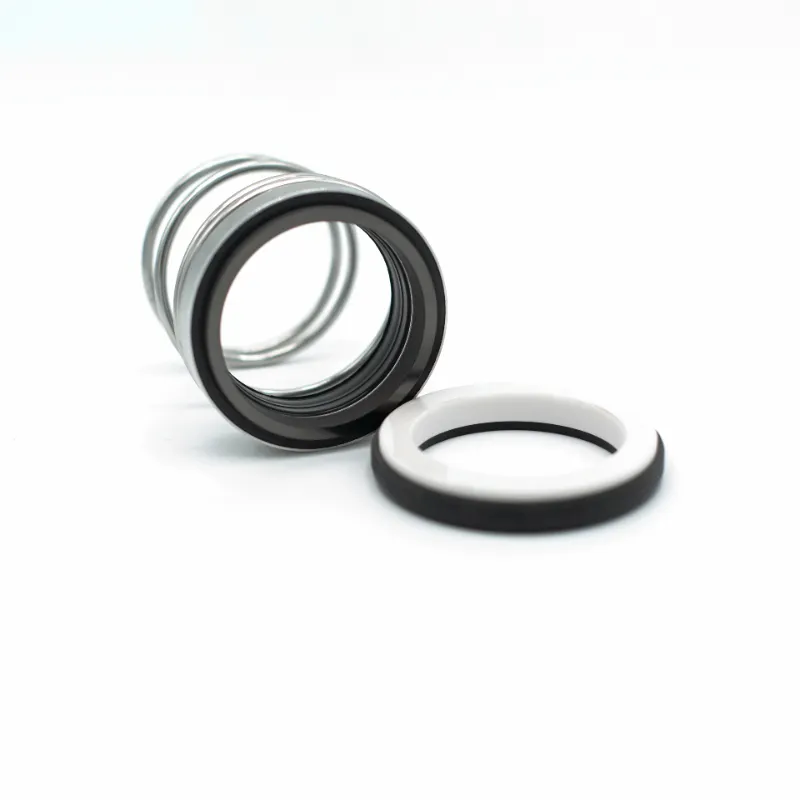
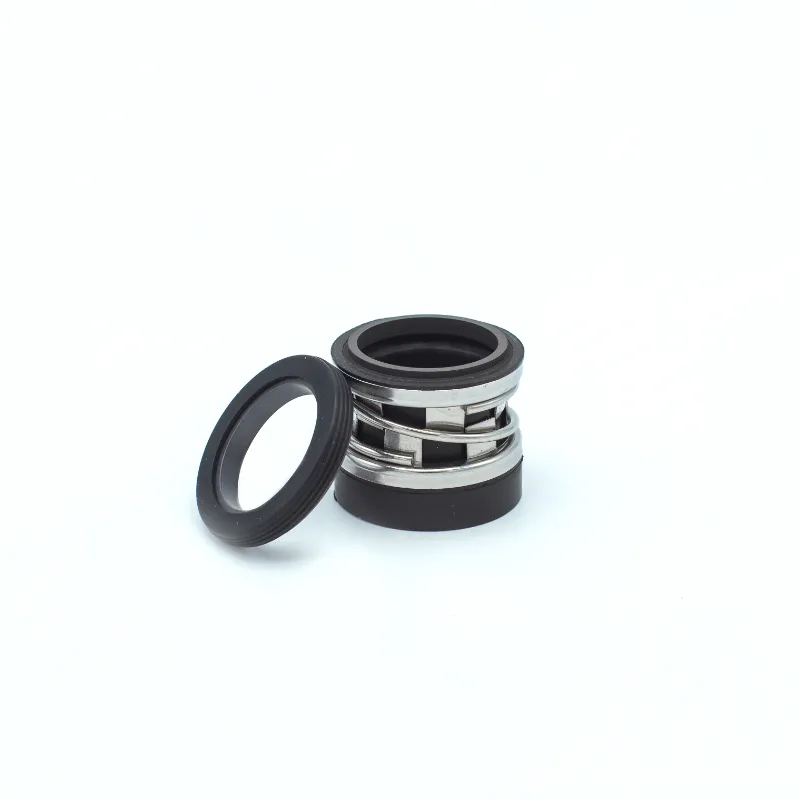
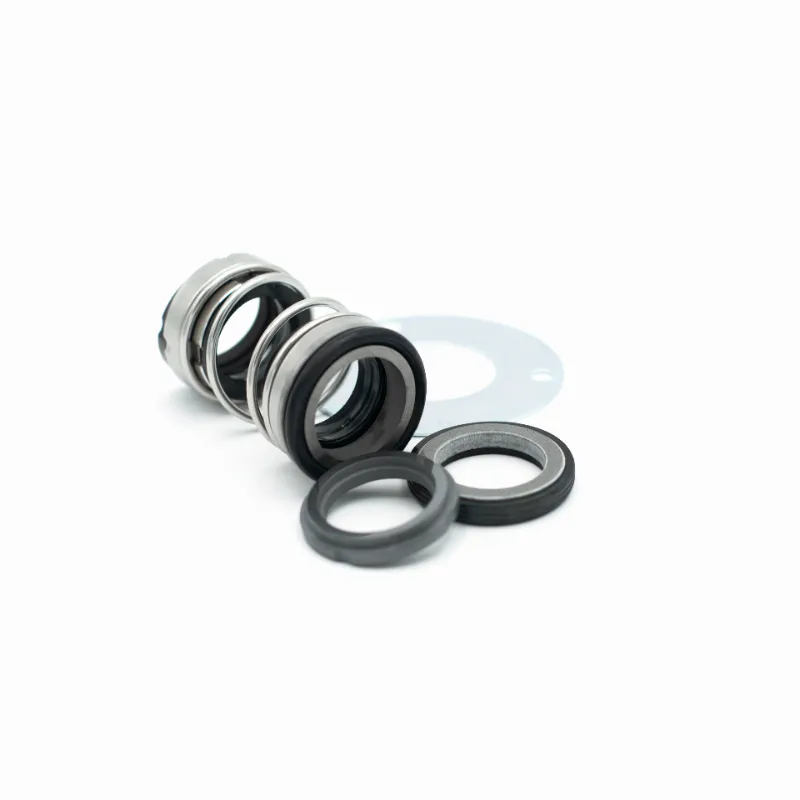
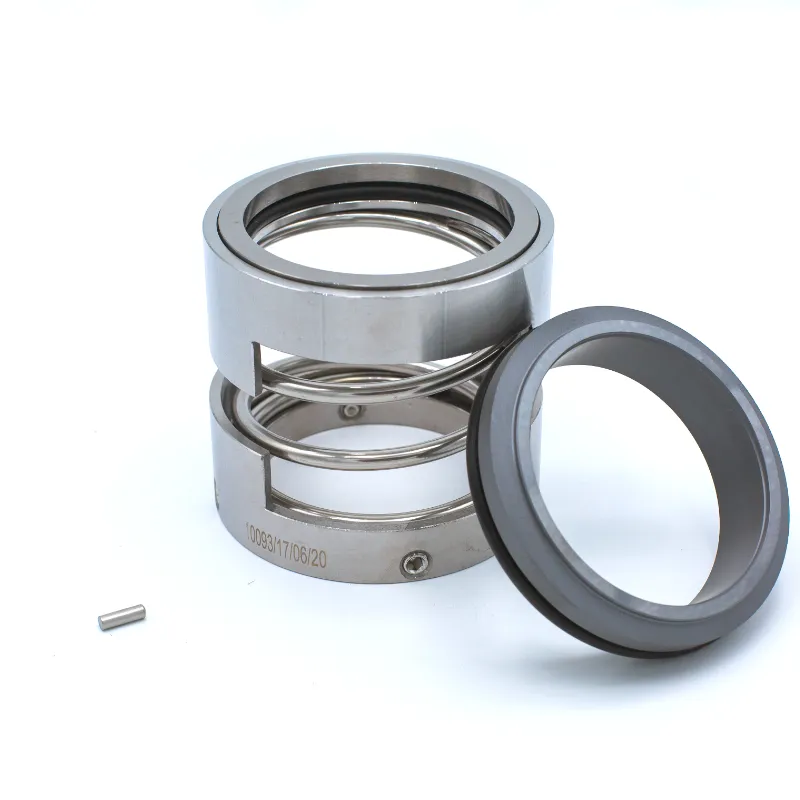
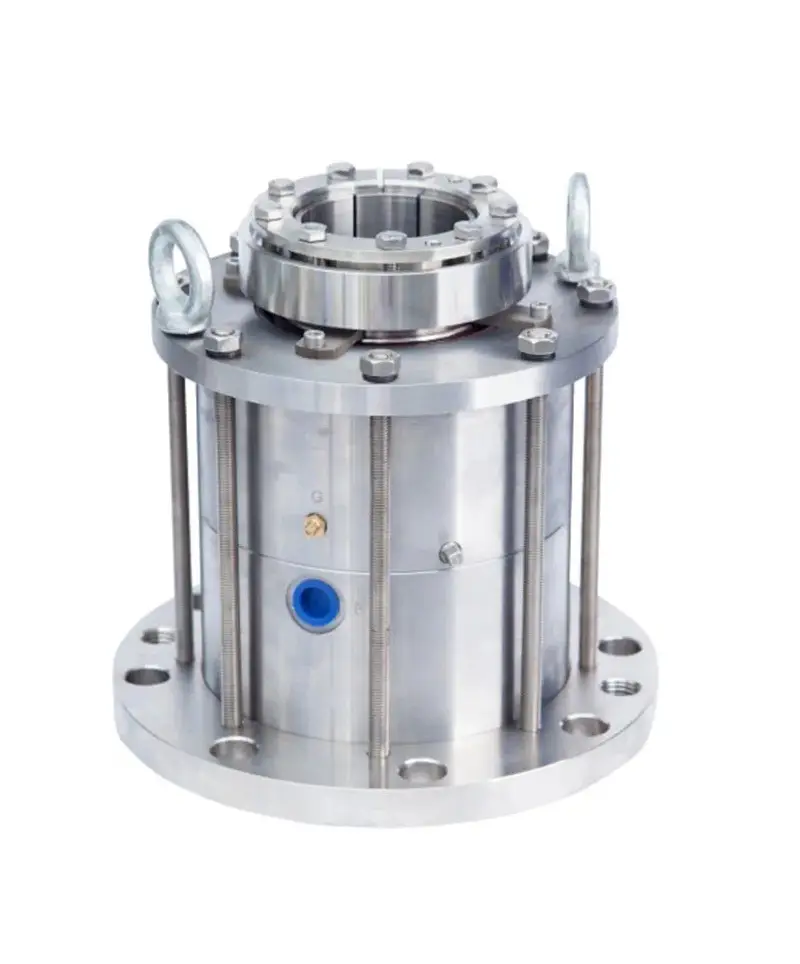
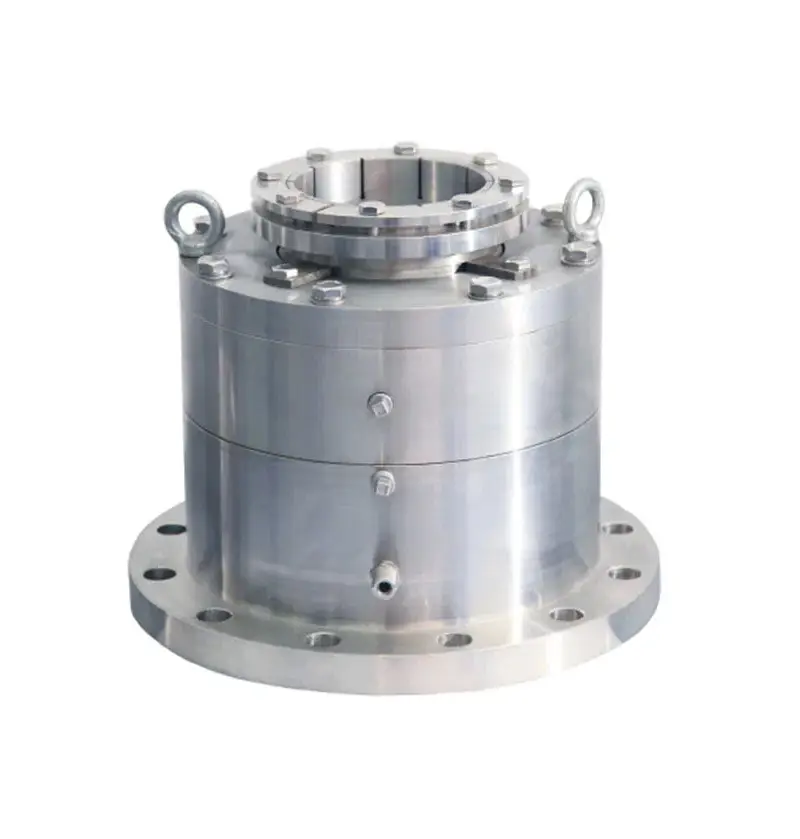
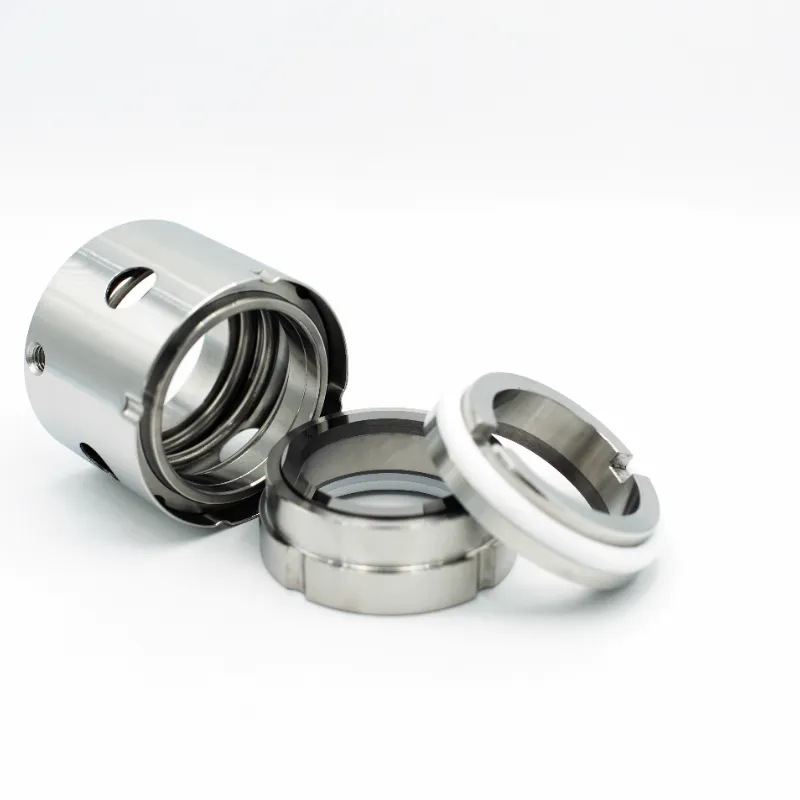
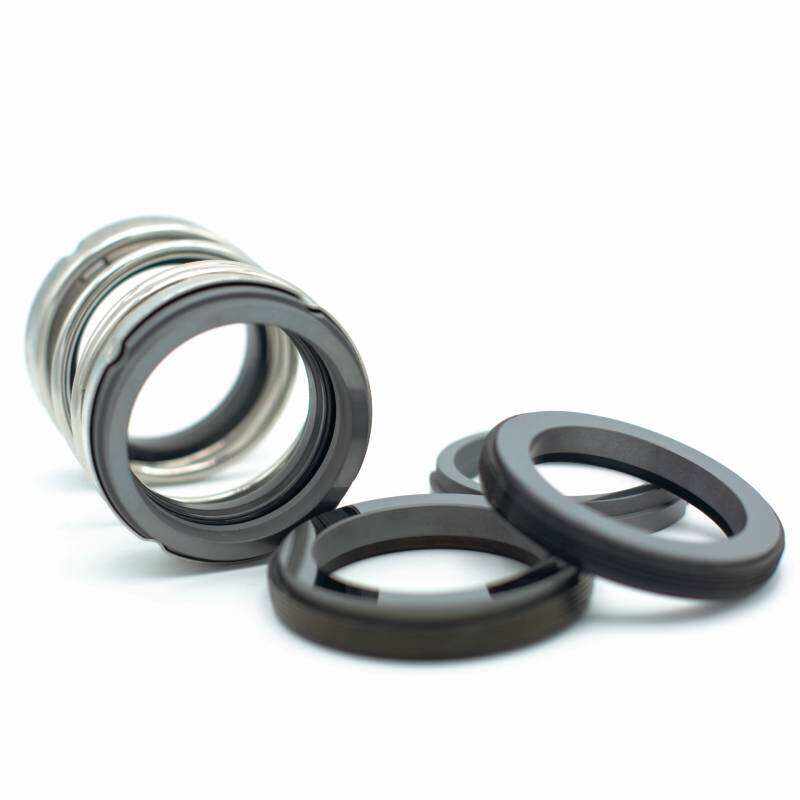
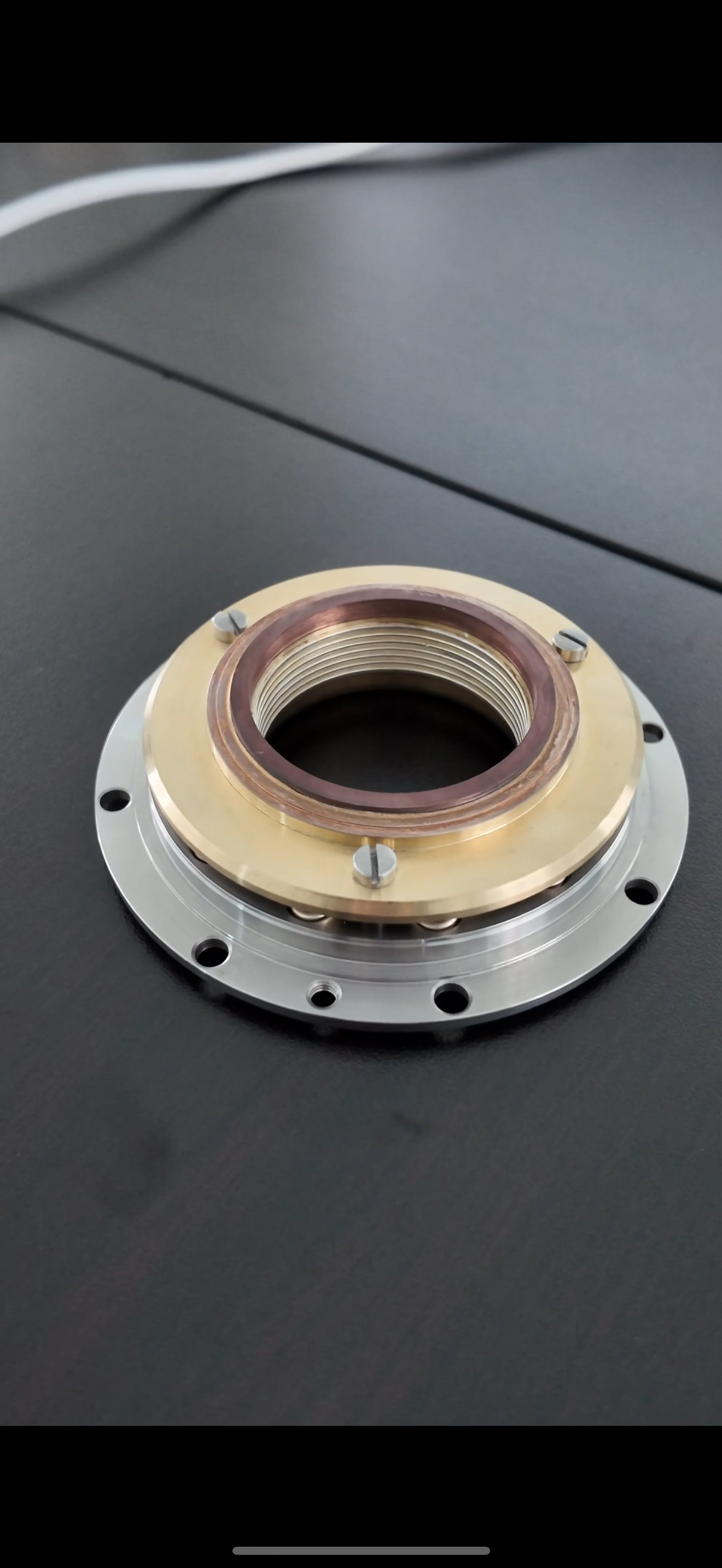
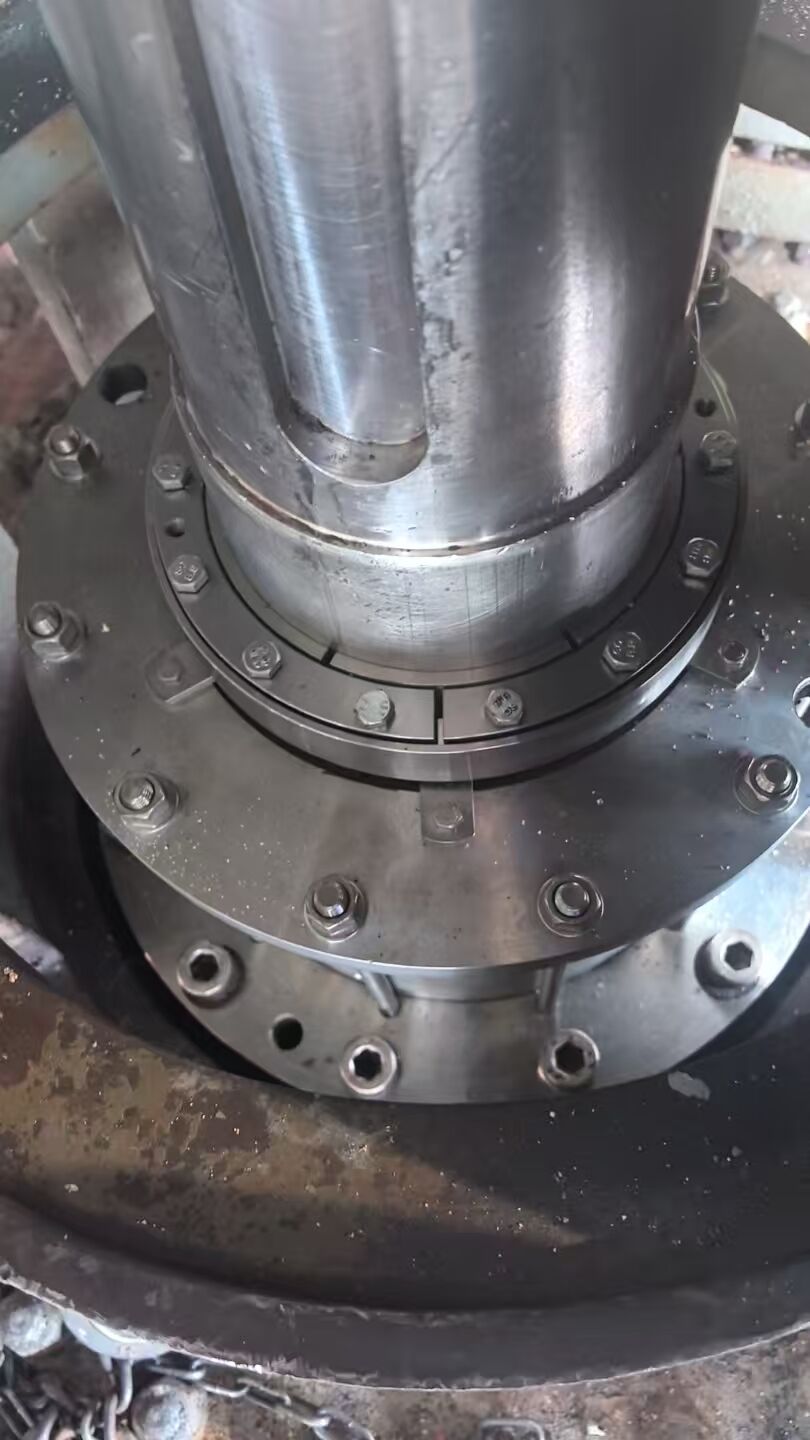
A mechanical seal leak represents a critical failure point in rotating equipment where the sealing mechanism breaks down, allowing process fluids to escape from the equipment housing. Understanding mechanical seal leak phenomena is essential for industrial operations, as these leaks can lead to significant operational challenges, environmental concerns, and safety hazards. The primary function of a mechanical seal is to prevent fluid leakage between a rotating shaft and stationary equipment housing while maintaining optimal performance under various operating conditions. When a mechanical seal leak occurs, it indicates that the sealing faces have lost their ability to maintain proper contact or that secondary sealing elements have deteriorated. The technological features of mechanical seal leak detection systems include advanced monitoring capabilities that utilize vibration analysis, temperature sensors, and acoustic emission technology to identify potential failure modes before catastrophic leakage occurs. These systems incorporate sophisticated algorithms that can differentiate between normal operational variations and abnormal conditions that precede mechanical seal leak events. Industrial applications where mechanical seal leak monitoring is crucial include chemical processing plants, petroleum refineries, water treatment facilities, pharmaceutical manufacturing, and power generation stations. The detection and prevention of mechanical seal leak incidents requires comprehensive understanding of seal dynamics, fluid properties, and operating parameters. Modern mechanical seal leak prevention systems employ real-time monitoring technologies that continuously assess seal condition through multiple parameters including face temperature, pressure differentials, and vibration signatures. These systems provide early warning capabilities that enable maintenance teams to schedule repairs during planned downtime rather than experiencing unexpected failures. The consequences of unaddressed mechanical seal leak problems extend beyond immediate fluid loss to include equipment damage, process contamination, and potential safety incidents that can impact overall plant operations and regulatory compliance.

New Products

The implementation of effective mechanical seal leak prevention and detection systems delivers substantial operational benefits that directly impact your bottom line and operational efficiency. These systems significantly reduce unplanned downtime by identifying potential seal failures before they escalate into major mechanical seal leak incidents, allowing maintenance teams to schedule repairs during convenient maintenance windows rather than responding to emergency situations. This proactive approach typically reduces maintenance costs by 30-40 percent compared to reactive maintenance strategies. Enhanced safety performance represents another critical advantage, as early detection of mechanical seal leak conditions prevents exposure of personnel to hazardous chemicals and reduces the risk of environmental incidents that could result in regulatory penalties or cleanup costs. The environmental protection benefits are substantial, as preventing mechanical seal leak incidents eliminates the release of process fluids into surrounding areas, supporting your sustainability goals and regulatory compliance requirements. Improved equipment reliability emerges from continuous monitoring systems that track seal performance trends and provide insights into optimal operating conditions, extending overall equipment lifespan and reducing replacement costs. These systems also enable condition-based maintenance strategies that optimize maintenance intervals based on actual equipment condition rather than predetermined schedules, resulting in more efficient resource allocation. The data collection capabilities of modern mechanical seal leak detection systems provide valuable insights into equipment performance patterns, enabling process optimization and improved operational decision-making. Cost savings extend beyond maintenance reduction to include decreased product loss, reduced cleanup expenses, and minimized insurance claims related to environmental incidents. The integration of mechanical seal leak monitoring with existing plant control systems creates seamless operational workflows that enhance overall plant efficiency. Additionally, these systems support predictive maintenance programs that help identify potential issues across multiple equipment types, creating synergies that amplify cost savings throughout your facility. The documentation and reporting capabilities also support regulatory compliance requirements and provide audit trails that demonstrate proactive environmental stewardship and safety management practices.

Tips And Tricks

Avoiding Downtime: Seal Solutions for Top-Entry Agitators

21

Jul

Avoiding Downtime: Seal Solutions for Top-Entry Agitators

Maximizing Equipment Availability in Industrial Mixing Systems Industrial processes rely heavily on consistent performance, particularly in sectors such as chemical manufacturing, food production, and pharmaceuticals. One of the most critical compone...
View More
What Are the Different Types of Agitator Seals?

21

Jul

What Are the Different Types of Agitator Seals?

Exploring Sealing Solutions for Industrial Mixing Systems In industrial mixing applications, maintaining a controlled, leak-free environment is essential to ensure product quality, process efficiency, and safety. Agitator seals play a pivotal role in...
View More
Can Cartridge Mechanical Seals Reduce Downtime and Maintenance Needs?

22

Dec

Can Cartridge Mechanical Seals Reduce Downtime and Maintenance Needs?

Industrial facilities across manufacturing, chemical processing, and oil refining sectors face constant pressure to minimize equipment downtime while maximizing operational efficiency. One critical component that significantly impacts these goals is ...
View More
Cartex Mechanical Seal Solutions for Heavy-Duty Pumping Systems

22

Dec

Cartex Mechanical Seal Solutions for Heavy-Duty Pumping Systems

Industrial pumping systems demand exceptional reliability and performance, especially when handling aggressive fluids and operating under extreme conditions. Modern mechanical seal technology has evolved to meet these challenges, with advanced soluti...
View More

Get a Free Quote

Our representative will contact you soon.
Email
Name
Company Name
Country/Region
Message
0/1000

mechanical seal leak

Advanced Early Warning Detection Technology

Advanced Early Warning Detection Technology

Modern mechanical seal leak detection systems incorporate cutting-edge sensor technology and sophisticated analysis algorithms that provide unprecedented early warning capabilities for potential seal failures. These systems utilize multiple detection methods including ultrasonic sensors, vibration analysis, temperature monitoring, and pressure differential measurements to create comprehensive condition monitoring profiles for each mechanical seal. The ultrasonic detection capability identifies the characteristic high-frequency emissions that occur when seal faces begin to separate or when cavitation develops within the seal chamber, providing warnings hours or even days before visible mechanical seal leak symptoms appear. Temperature sensors strategically positioned around the seal assembly continuously monitor thermal conditions that indicate excessive friction or inadequate lubrication, both of which are precursors to mechanical seal leak failures. The vibration analysis components detect subtle changes in shaft dynamics and seal face contact patterns that indicate developing problems long before traditional inspection methods would identify issues. These integrated sensor arrays feed data to advanced processing units that employ machine learning algorithms trained on thousands of mechanical seal leak failure patterns, enabling accurate prediction of remaining useful life and optimal maintenance timing. The system's ability to differentiate between normal operational variations and genuine fault conditions eliminates false alarms while ensuring that actual problems receive immediate attention. Real-time data transmission capabilities enable remote monitoring of mechanical seal leak conditions across multiple locations, providing centralized oversight for large industrial operations. The historical data collection and trending capabilities create valuable baseline information that improves prediction accuracy over time and enables optimization of operating parameters to extend seal life. Integration with existing plant control systems ensures seamless incorporation into current operational workflows without disrupting established procedures. The advanced warning provided by these systems typically ranges from 48 to 168 hours before actual mechanical seal leak occurrence, providing ample time for planned maintenance scheduling and parts procurement. This technology represents a paradigm shift from reactive to predictive maintenance strategies that fundamentally improves operational reliability and cost management.
Comprehensive Fluid Containment and Environmental Protection

Comprehensive Fluid Containment and Environmental Protection

Mechanical seal leak prevention systems deliver robust environmental protection through multiple layers of containment and monitoring that ensure process fluids remain within designated boundaries throughout all operating conditions. The primary containment barrier utilizes advanced sealing face materials and precise manufacturing tolerances that maintain effective sealing even under challenging operating conditions including high pressures, extreme temperatures, and corrosive chemical environments. Secondary containment features include backup sealing elements and collection systems that capture any minor mechanical seal leak occurrences before they can reach the environment, creating multiple safety barriers that prevent environmental releases. The monitoring components continuously assess the integrity of both primary and secondary containment systems, providing immediate alerts if any mechanical seal leak conditions develop that could compromise environmental protection. Advanced flush and cooling systems maintain optimal operating conditions for seal faces while creating positive barriers that prevent process fluid migration beyond the seal assembly. These systems incorporate automatic shutdown capabilities that immediately isolate equipment when mechanical seal leak conditions exceed predetermined thresholds, preventing minor issues from escalating into major environmental incidents. The environmental monitoring capabilities extend beyond the immediate seal area to include detection of vapor emissions and chemical concentrations in surrounding areas, providing comprehensive oversight of potential exposure pathways. Documentation and reporting features automatically generate compliance reports and maintain detailed records of system performance that support regulatory requirements and environmental management programs. The containment systems are designed to accommodate thermal expansion, process upsets, and other operational variations that could create stress on sealing elements, ensuring reliable performance across the full range of operating conditions. Specialized materials selection for sealing components provides compatibility with aggressive chemicals while maintaining long-term performance characteristics that minimize maintenance requirements. The integration of emergency response protocols ensures rapid containment and cleanup procedures are initiated automatically when mechanical seal leak incidents occur, minimizing environmental impact and supporting incident management objectives. These comprehensive protection systems typically reduce environmental releases by over 95 percent compared to conventional sealing methods, providing substantial risk reduction and regulatory compliance benefits.
Cost-Effective Maintenance Optimization and Asset Protection

Cost-Effective Maintenance Optimization and Asset Protection

Implementing comprehensive mechanical seal leak prevention and monitoring systems delivers exceptional return on investment through optimized maintenance strategies, extended equipment life, and reduced operational disruptions that directly impact profitability and asset value. The predictive maintenance capabilities enable maintenance teams to schedule seal replacement and repair activities based on actual condition rather than conservative time-based intervals, typically extending seal life by 40-60 percent while reducing maintenance frequency and associated labor costs. The early detection of developing mechanical seal leak conditions allows for planned maintenance during scheduled downtime periods, eliminating the premium costs associated with emergency repairs including overtime labor, expedited parts procurement, and production losses. Comprehensive condition monitoring provides detailed insights into operating parameters that affect seal performance, enabling process optimization that extends component life and improves overall system efficiency. The data analytics capabilities identify patterns in mechanical seal leak occurrences that reveal underlying system issues such as improper installation procedures, inadequate training, or suboptimal operating conditions, enabling targeted improvements that prevent recurring problems. Asset protection extends beyond the immediate seal components to include protection of shaft surfaces, bearing assemblies, and other rotating equipment elements that can be damaged by mechanical seal leak incidents or associated vibration and contamination. The monitoring systems provide continuous oversight that identifies potential problems with supporting equipment including cooling systems, lubrication circuits, and process control elements that affect seal performance and longevity. Cost tracking and analysis features quantify the financial impact of mechanical seal leak prevention programs, providing clear demonstration of return on investment and supporting capital allocation decisions for similar improvements across other facility areas. The reduced insurance premiums and regulatory compliance costs associated with improved environmental performance create additional financial benefits that compound the direct maintenance savings. Integration with enterprise asset management systems enables comprehensive lifecycle cost analysis that supports optimal equipment replacement timing and technology upgrade decisions. The training and knowledge transfer capabilities built into these systems improve maintenance team competency and reduce dependency on external service providers, creating long-term cost advantages and operational independence. Performance benchmarking features enable comparison of seal performance across similar applications and industry standards, identifying opportunities for further optimization and cost reduction. These comprehensive cost management benefits typically generate payback periods of 12-18 months while providing ongoing operational advantages that continue throughout the equipment lifecycle.

Get a Free Quote

Our representative will contact you soon.
Email
Name
Company Name
Country/Region
Message
0/1000