mech seals for rotating equipment
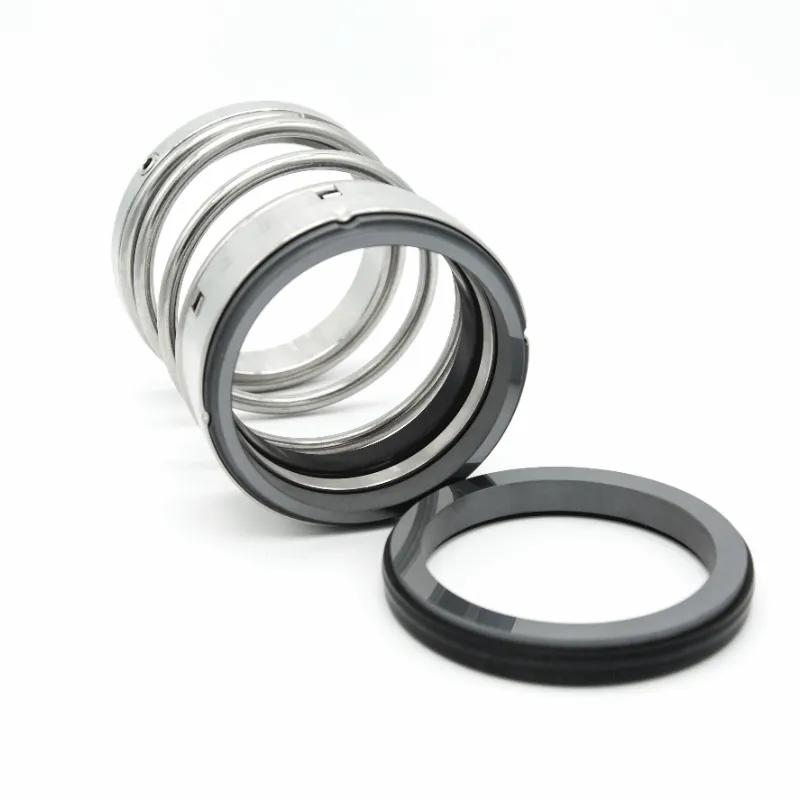
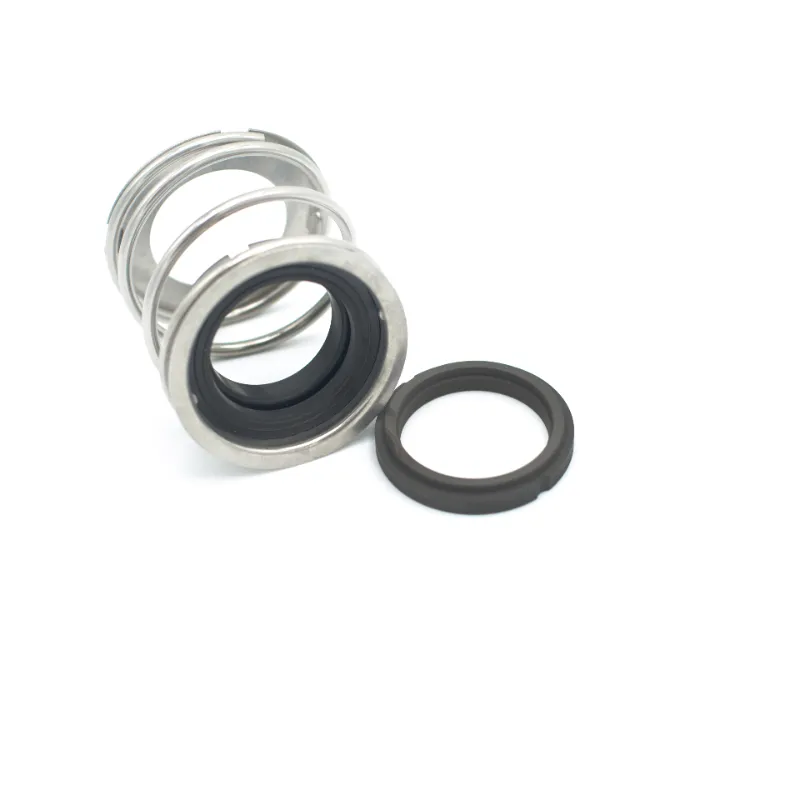
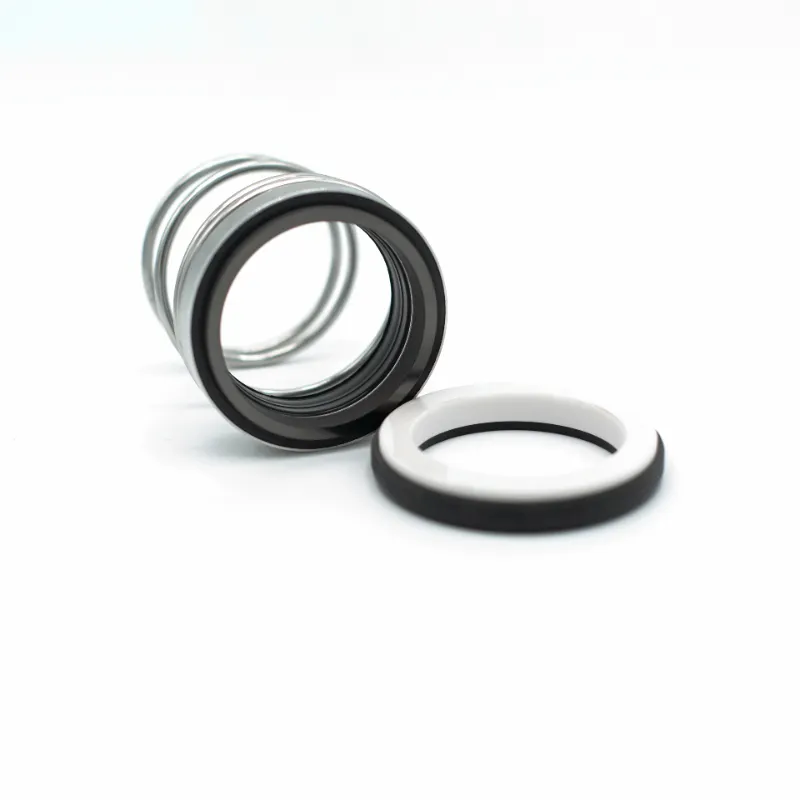
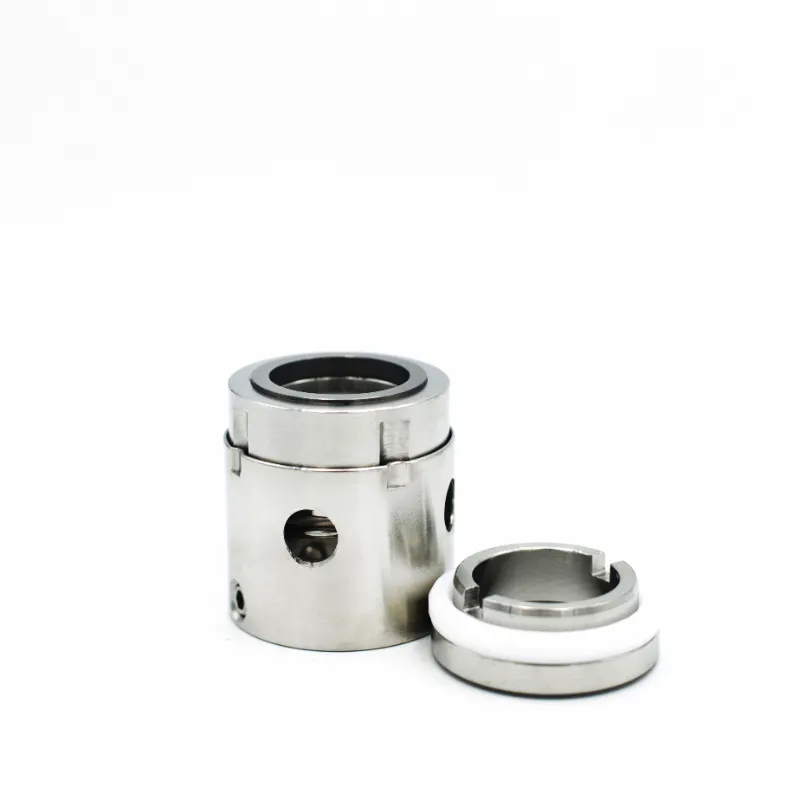
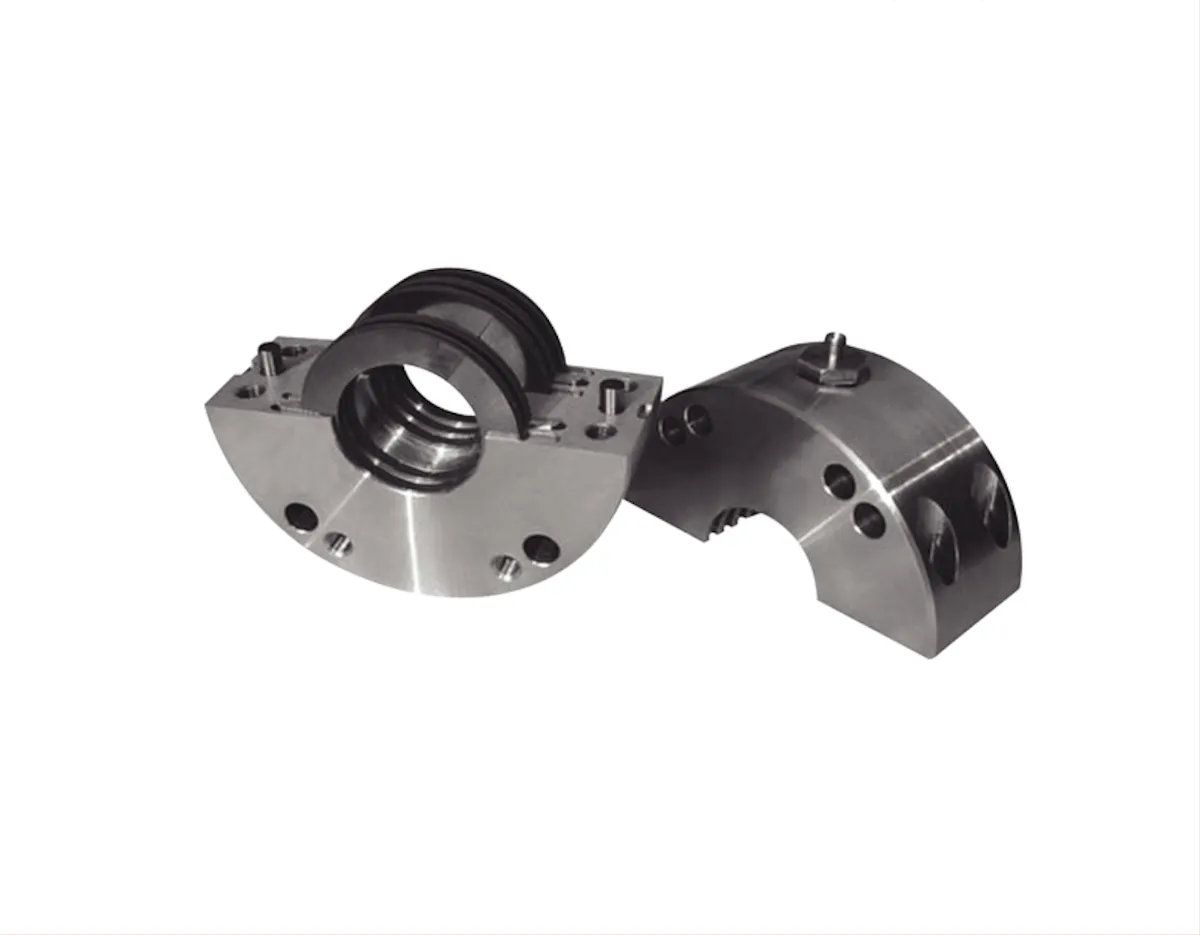
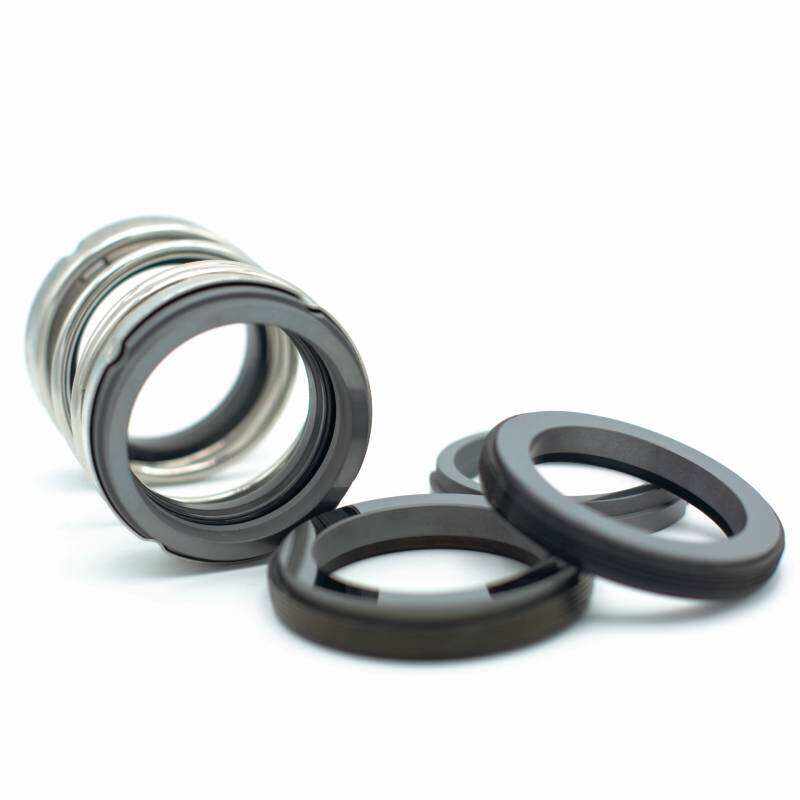
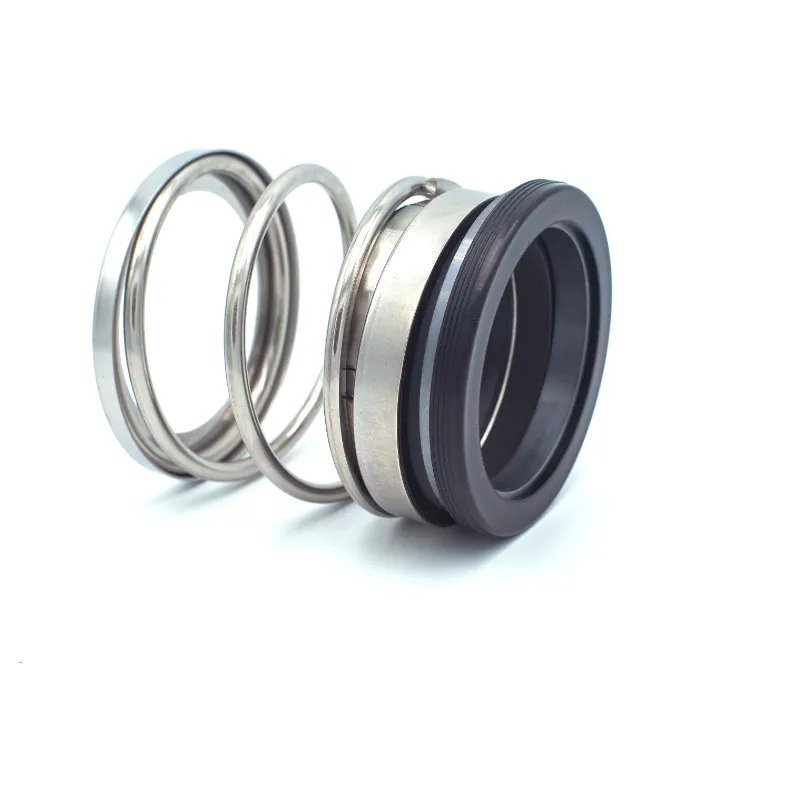
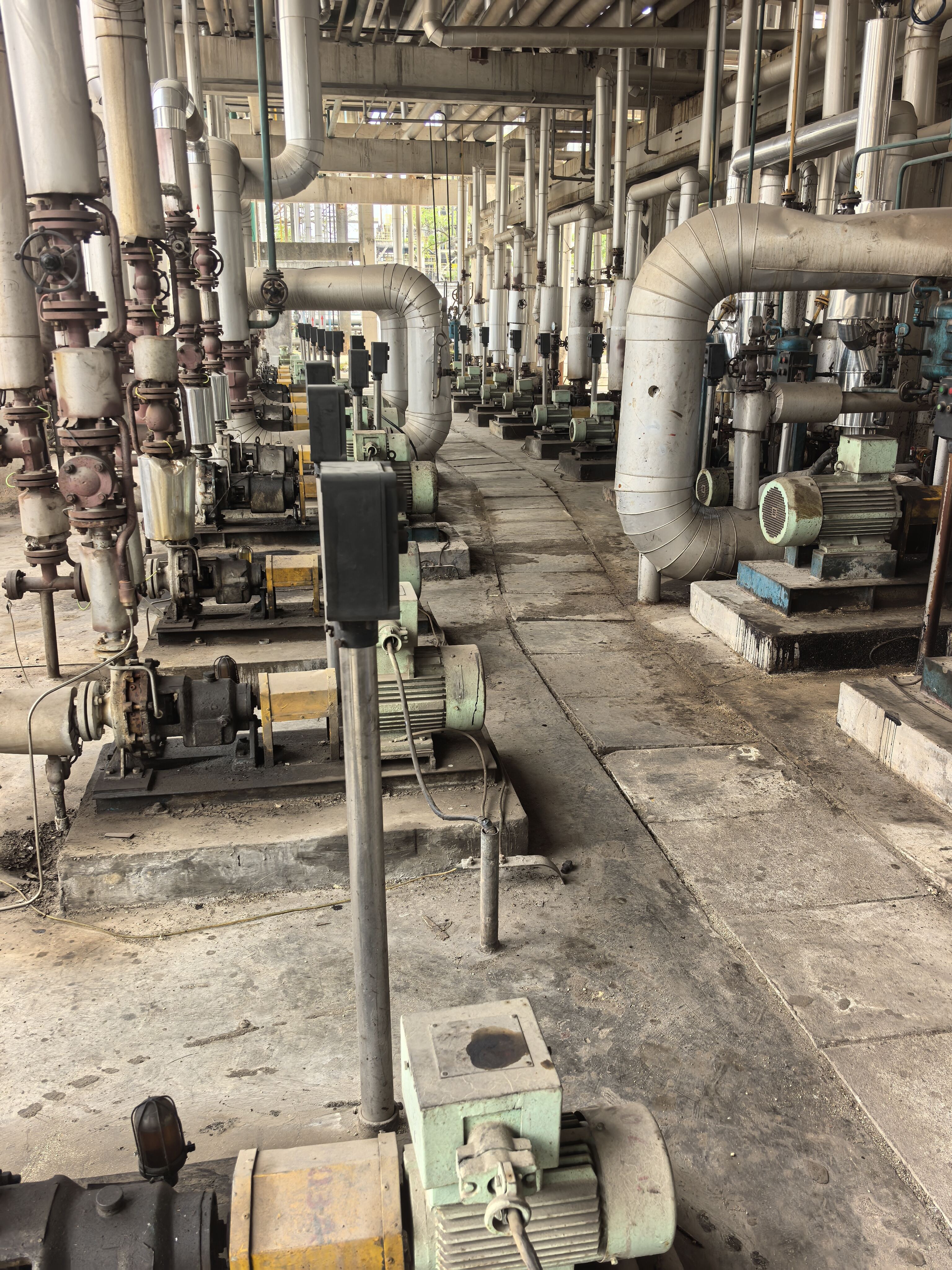
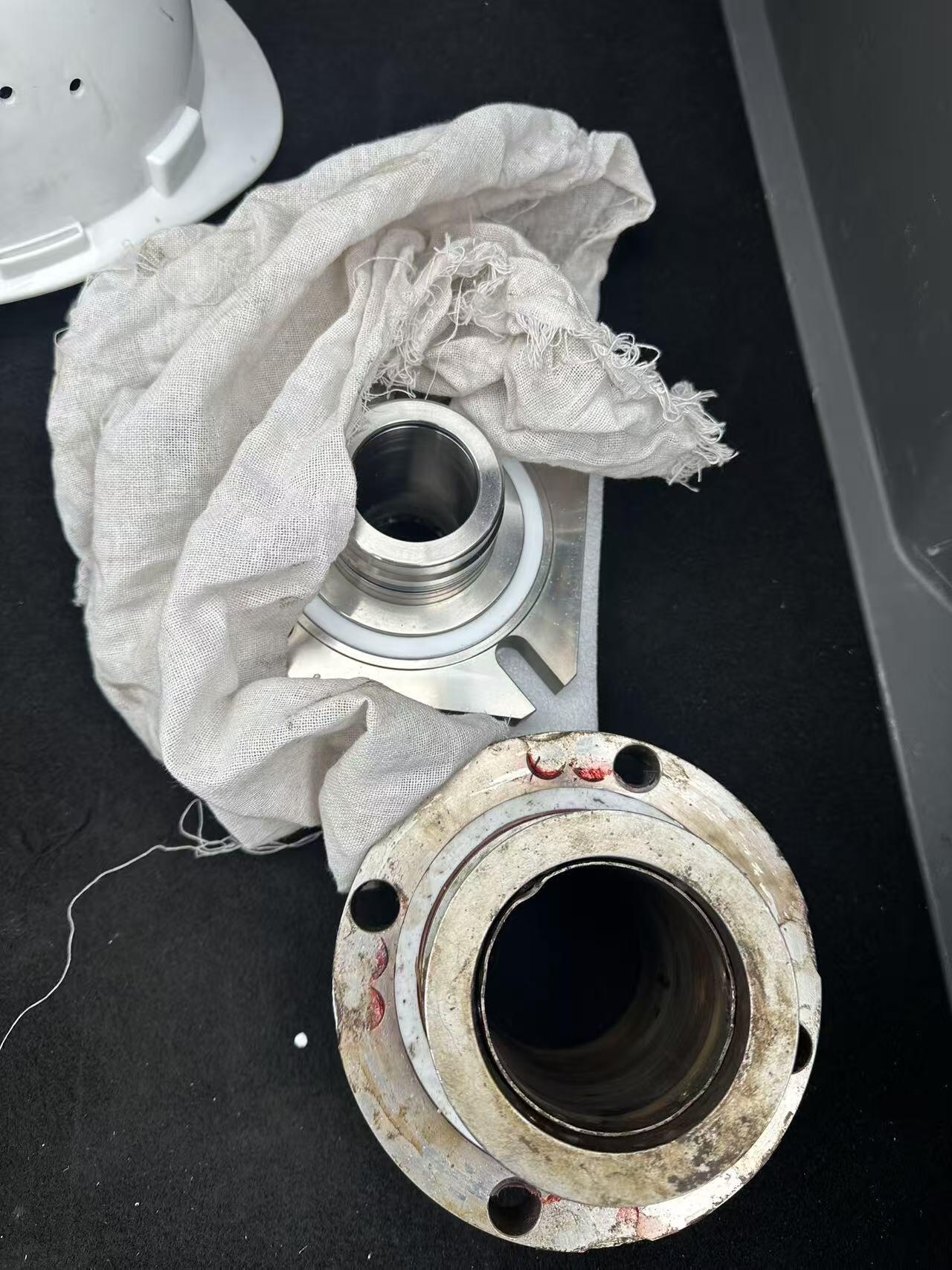
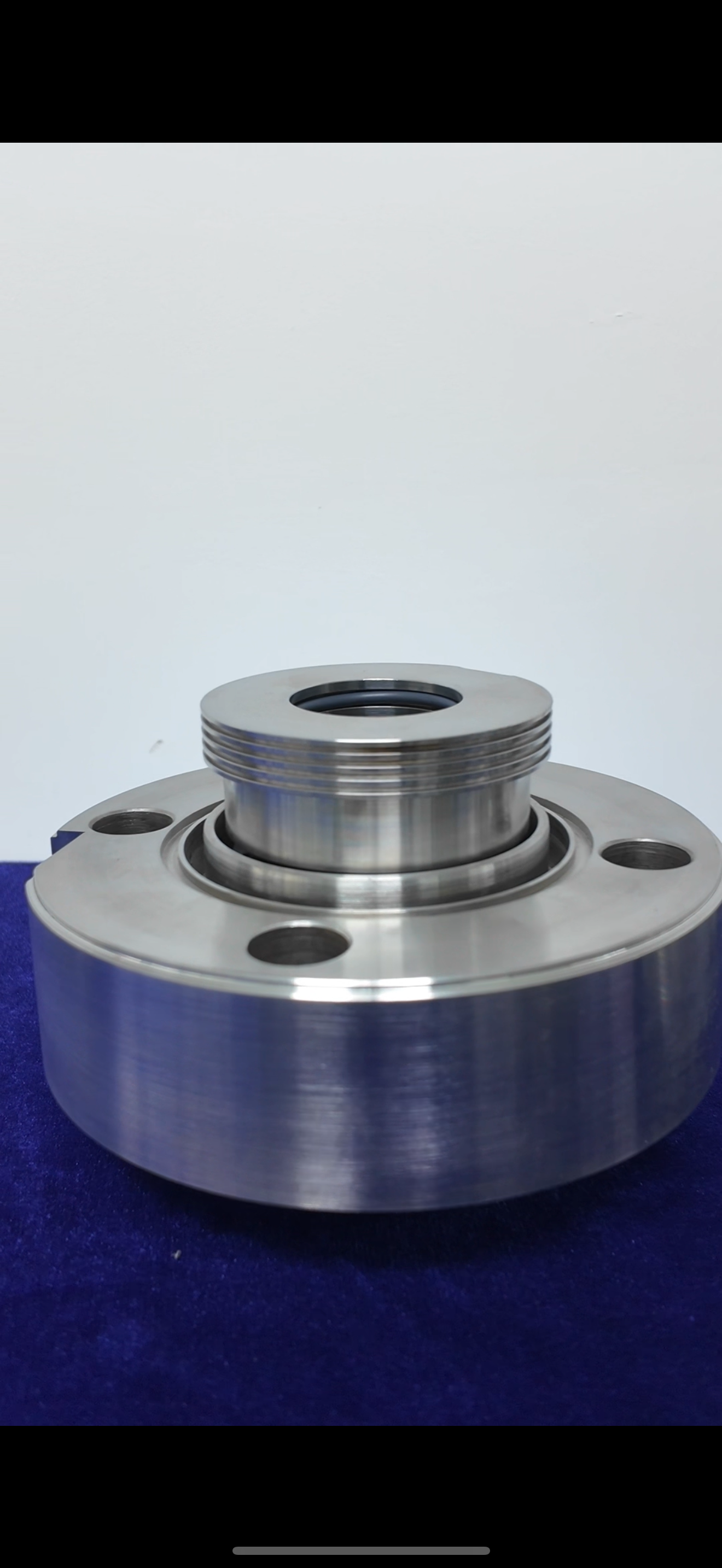
Mechanical seals for rotating equipment represent critical components that prevent fluid leakage in pumps, compressors, mixers, and other industrial machinery. These sophisticated sealing systems create a barrier between rotating shafts and stationary housings, maintaining process integrity while protecting equipment from contamination. The primary function of mech seals for rotating equipment involves containing pressurized fluids within their designated chambers while allowing smooth shaft rotation. Modern mechanical seals consist of two primary sealing faces: a rotating face attached to the shaft and a stationary face mounted in the equipment housing. These faces maintain contact through spring pressure and hydraulic forces, creating an effective seal that accommodates thermal expansion, vibration, and normal operational variations. Advanced mech seals for rotating equipment incorporate multiple technological features including balanced designs that reduce face loading, cartridge configurations for simplified installation, and specialized face materials optimized for specific applications. Temperature compensation systems adjust automatically to thermal changes, while secondary sealing elements like O-rings and gaskets provide additional protection against leakage paths. Applications for mech seals for rotating equipment span numerous industries including chemical processing, petroleum refining, water treatment, pharmaceutical manufacturing, and food production. These seals handle diverse media ranging from clean water to aggressive chemicals, high-temperature steam, and abrasive slurries. Proper selection of mech seals for rotating equipment requires careful consideration of operating parameters including pressure, temperature, fluid characteristics, and shaft speed. Seal arrangement options include single seals for standard applications, double seals for hazardous fluids requiring containment, and tandem configurations for challenging process conditions requiring enhanced reliability and safety margins.
 EN
EN