mech seals for pumps
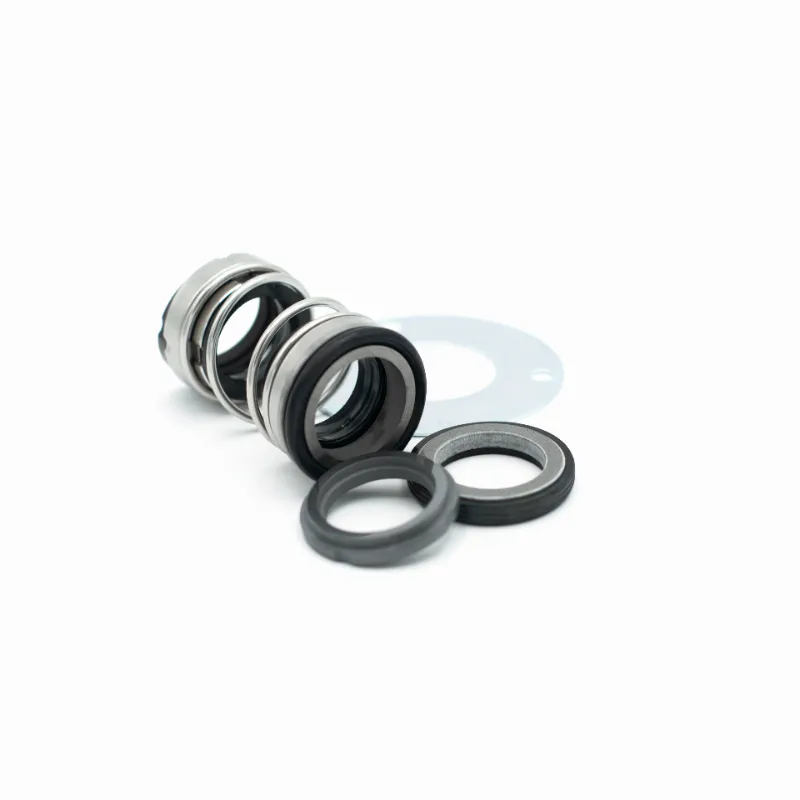
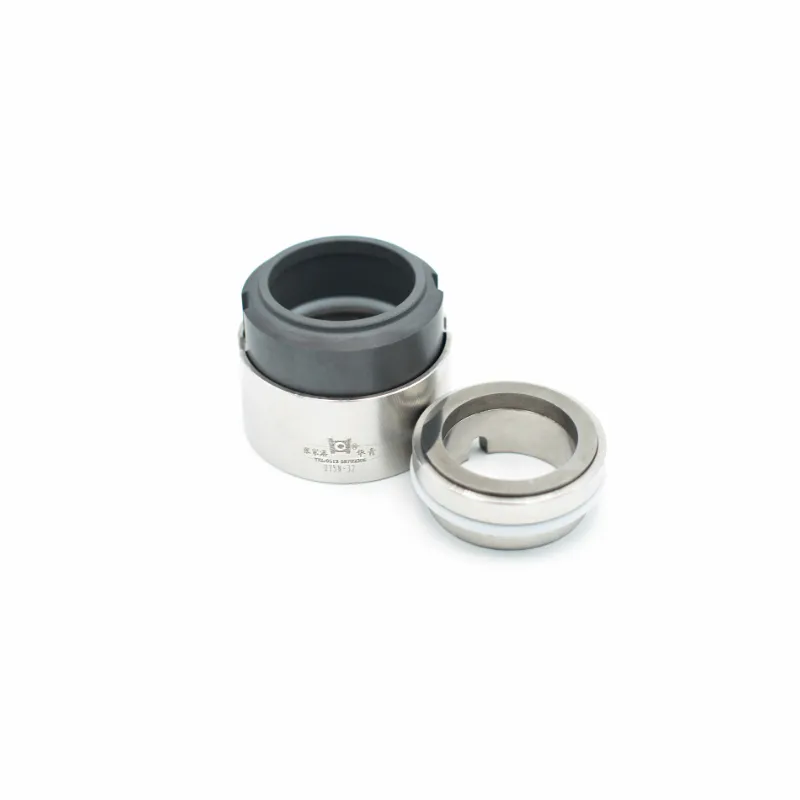
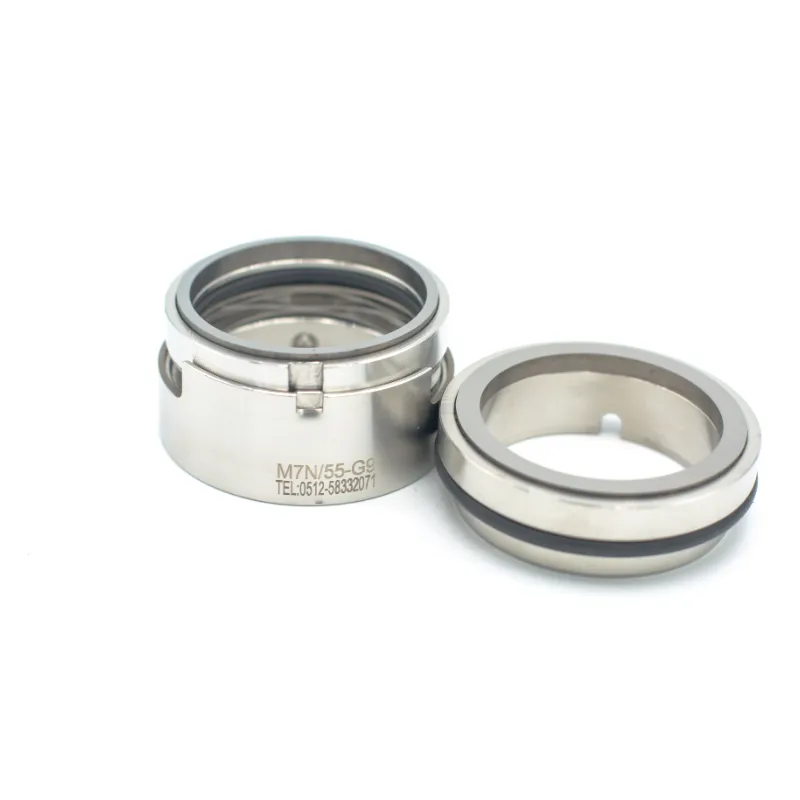
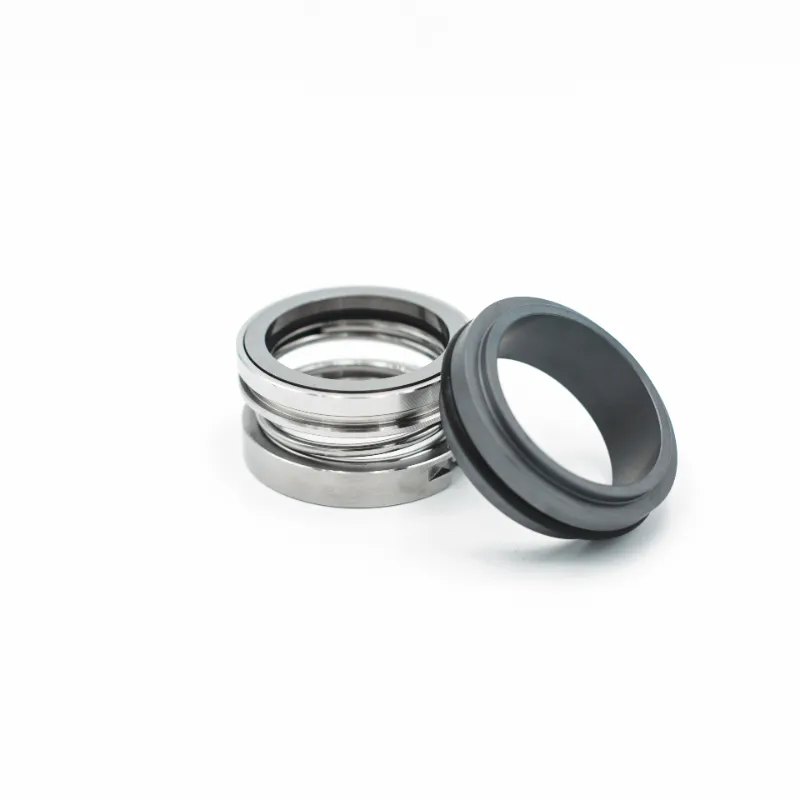
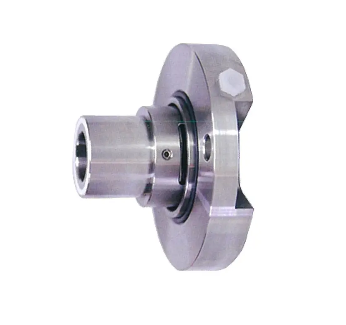
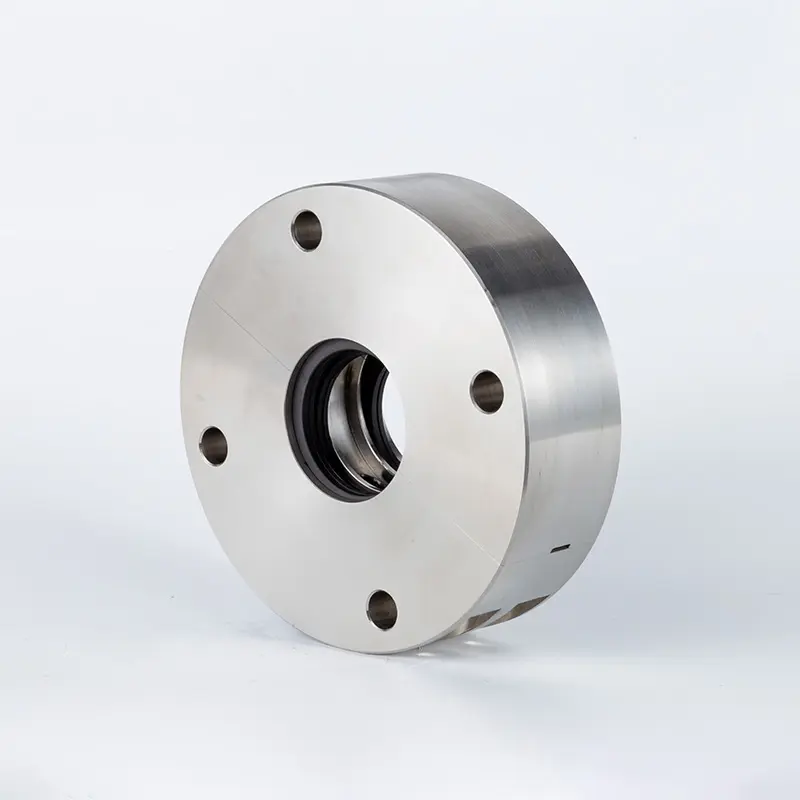
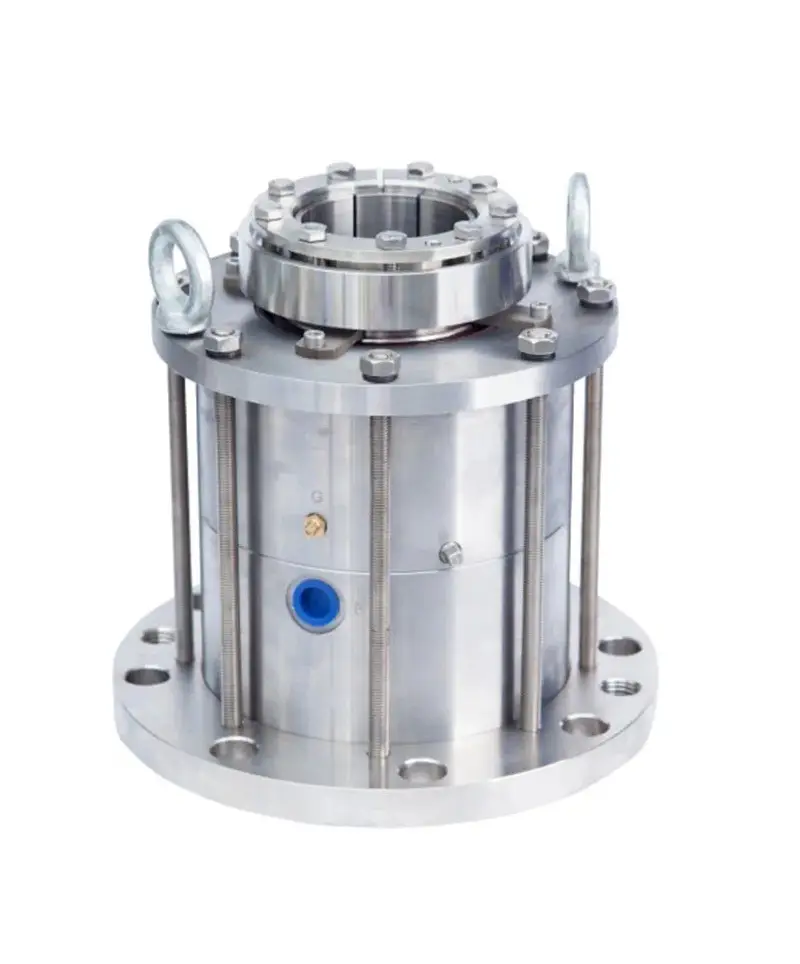
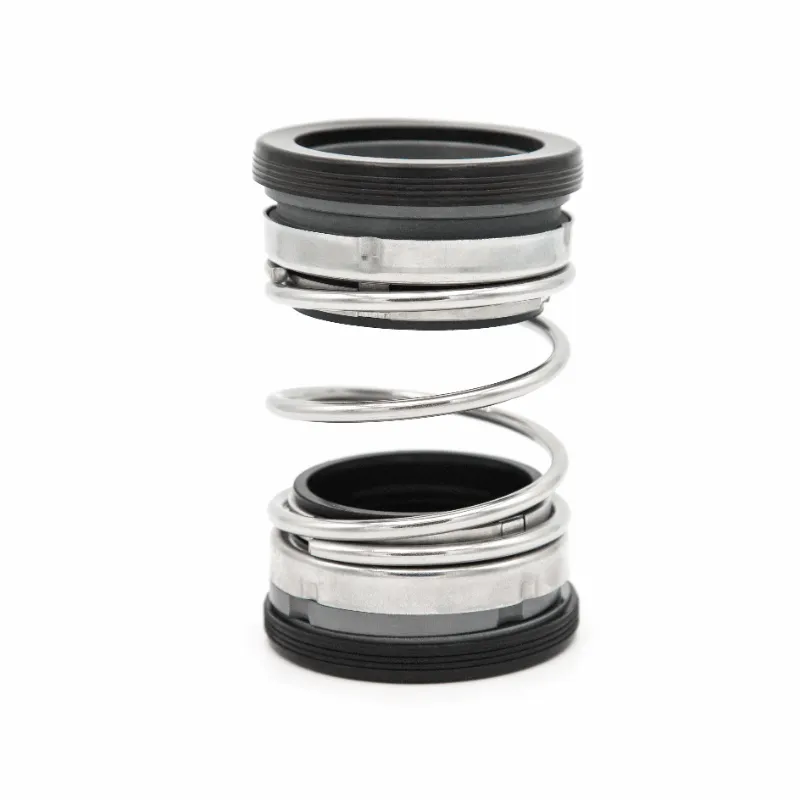
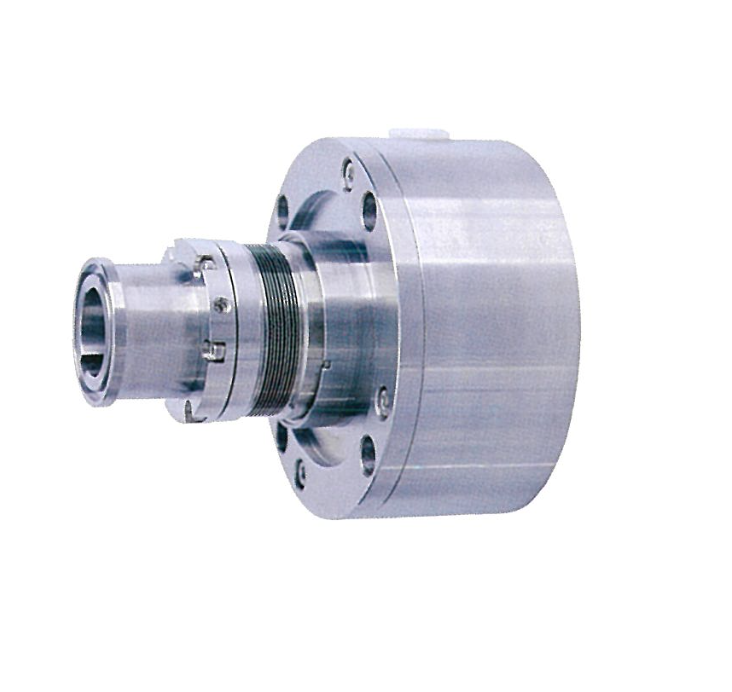
Mech seals for pumps represent a critical component in modern industrial fluid handling systems, serving as the primary barrier between rotating and stationary parts within pump assemblies. These sophisticated sealing solutions prevent fluid leakage while maintaining optimal pump performance across diverse operating conditions. The fundamental function of mech seals for pumps centers on creating a dynamic seal between the pump shaft and housing, effectively containing process fluids and preventing contamination or environmental exposure. Unlike traditional packing systems, mech seals for pumps utilize precise engineering to achieve superior sealing performance through controlled contact between rotating and stationary seal faces. The technological features of mech seals for pumps include advanced materials such as silicon carbide, tungsten carbide, and specialized elastomers that withstand extreme temperatures, pressures, and chemical environments. Modern mech seals for pumps incorporate secondary sealing elements, springs, and drive mechanisms that ensure consistent face contact and accommodate thermal expansion. The design variations range from single spring-loaded configurations to complex cartridge assemblies with multiple sealing points. Applications for mech seals for pumps span numerous industries including chemical processing, petroleum refining, water treatment, pharmaceutical manufacturing, and food processing. In chemical plants, mech seals for pumps handle corrosive substances while maintaining zero-emission standards. Water treatment facilities rely on mech seals for pumps to manage clean and contaminated water systems efficiently. The pharmaceutical sector utilizes mech seals for pumps to maintain sterile conditions and prevent product contamination. Manufacturing processes across automotive, aerospace, and electronics industries depend on mech seals for pumps for reliable fluid transfer operations. The versatility of mech seals for pumps extends to specialized applications including high-temperature steam systems, cryogenic fluid handling, and abrasive slurry pumping. Each application requires specific material combinations and design modifications to optimize performance and longevity.
 EN
EN