High-Temperature Mechanical Seals: Advanced Sealing Solutions for Extreme Heat Applications

Get a Free Quote

Our representative will contact you soon.
Email
Name
Company Name
Message
0/1000

high-temperature mech seals

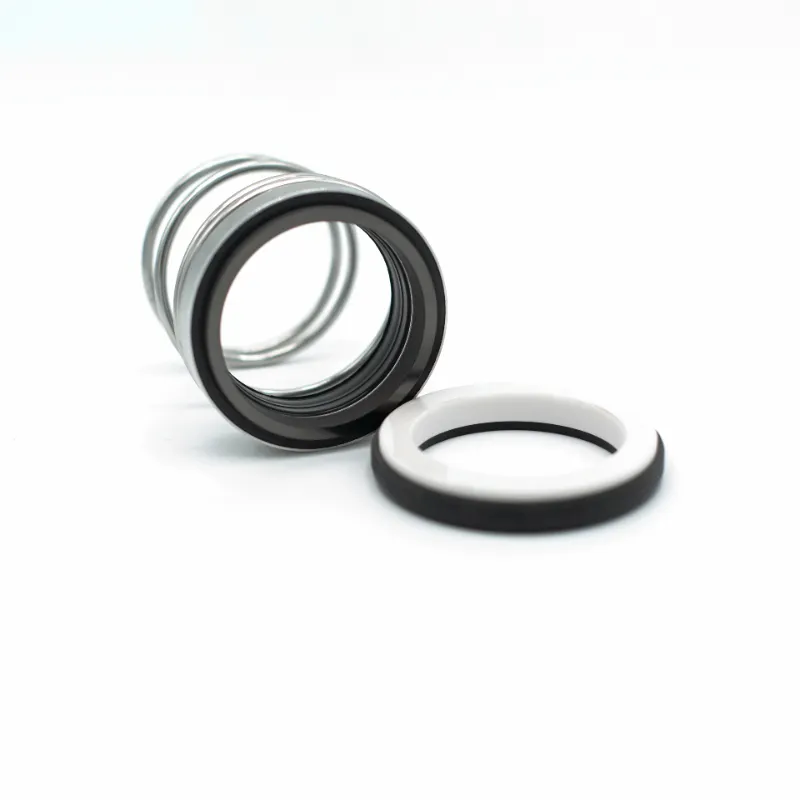
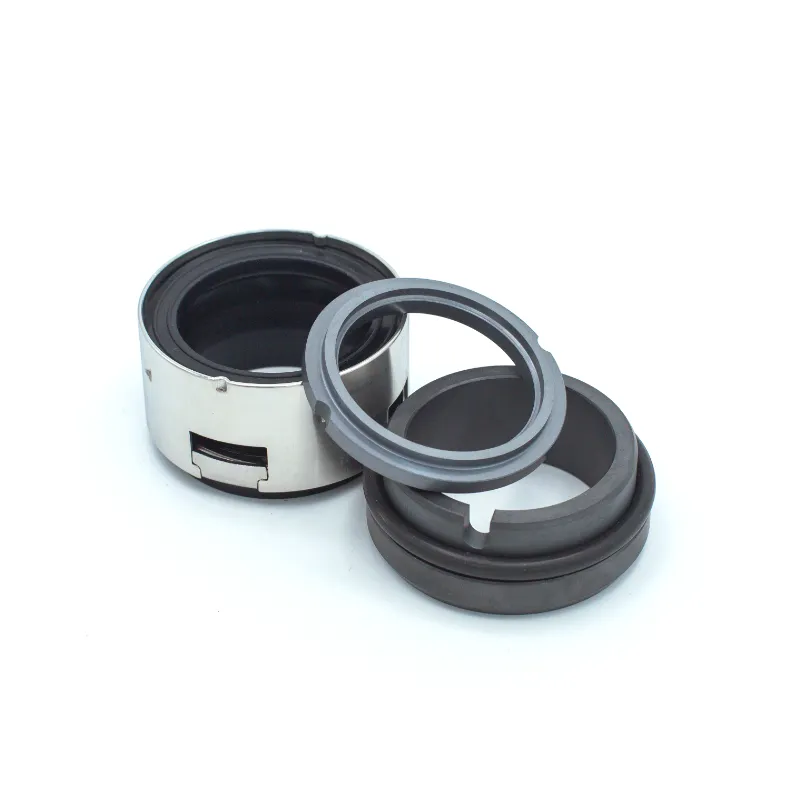
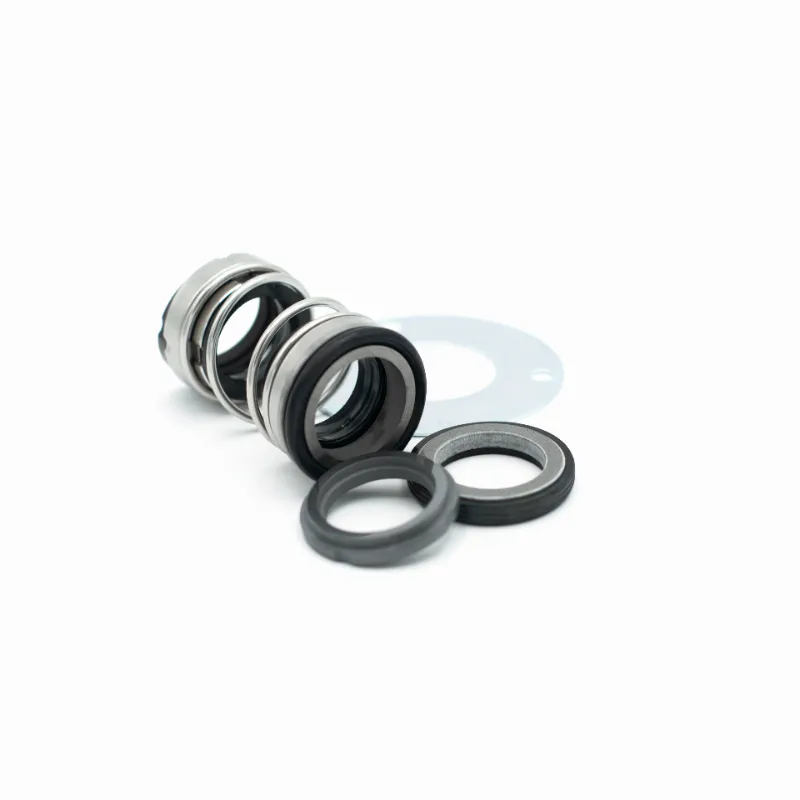
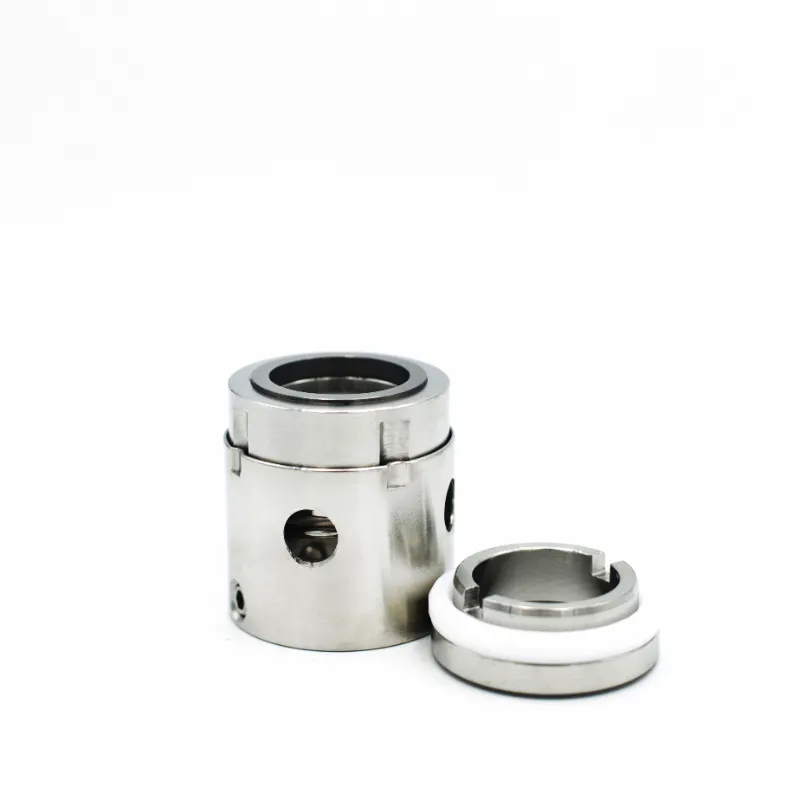
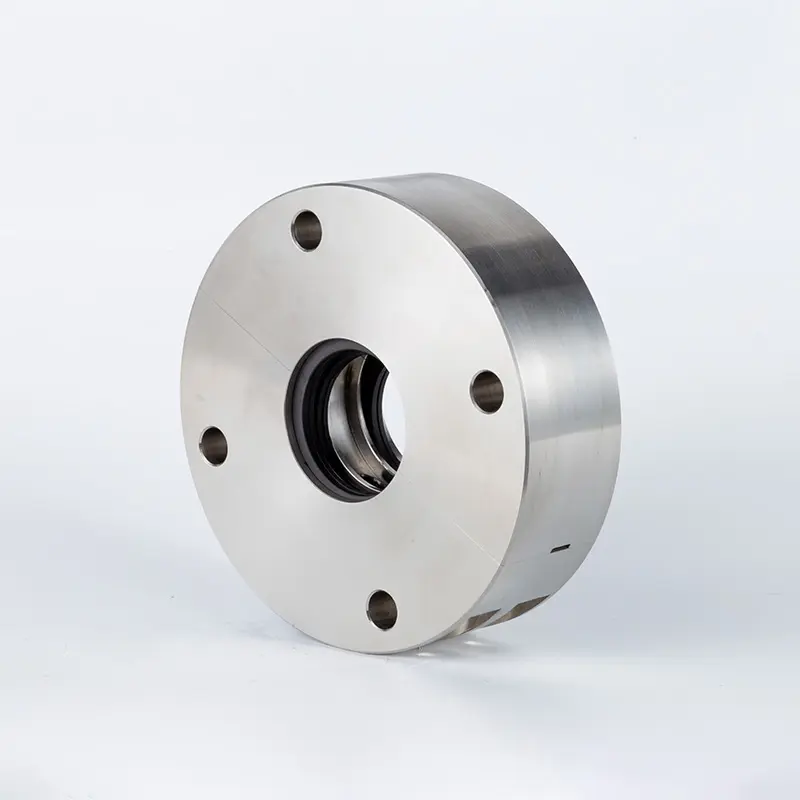
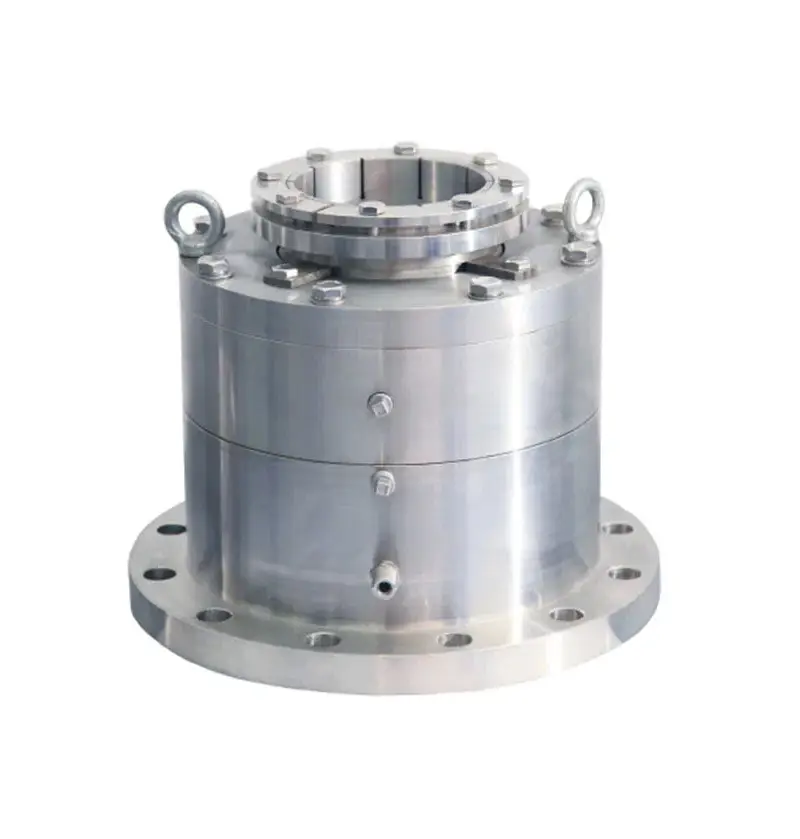
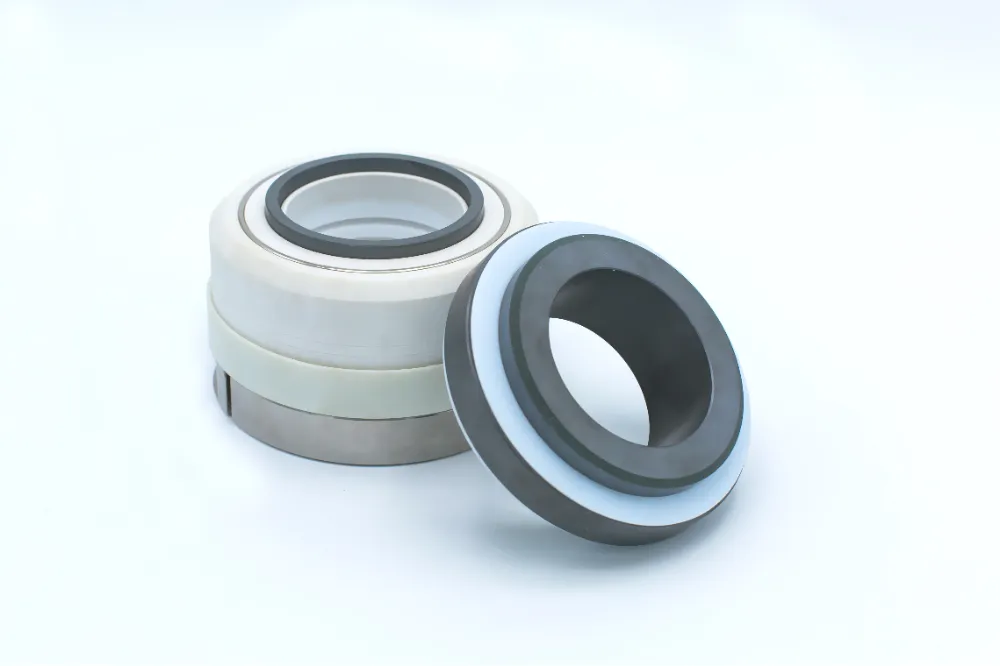
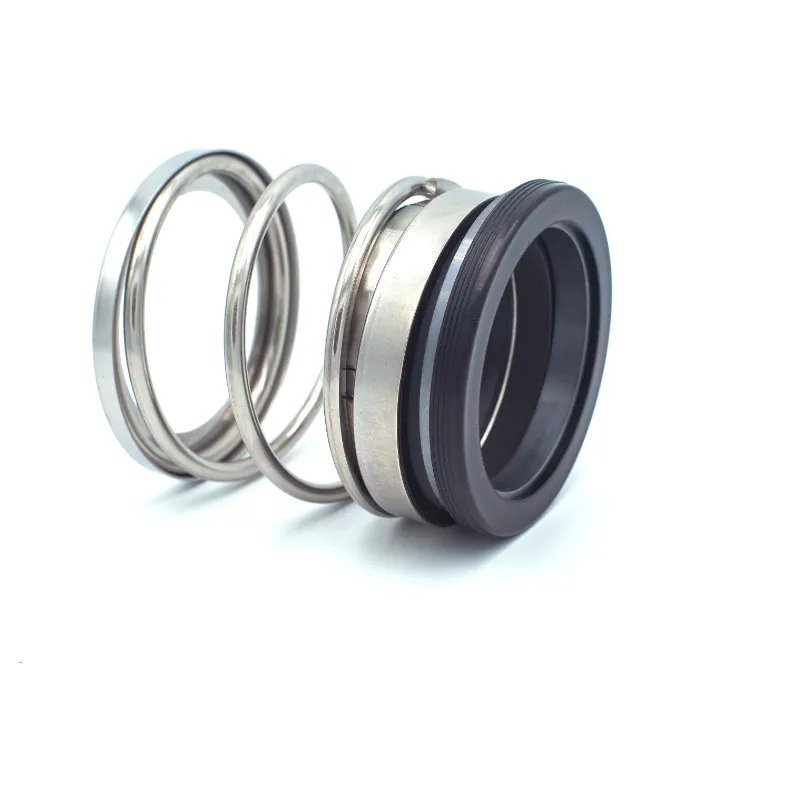
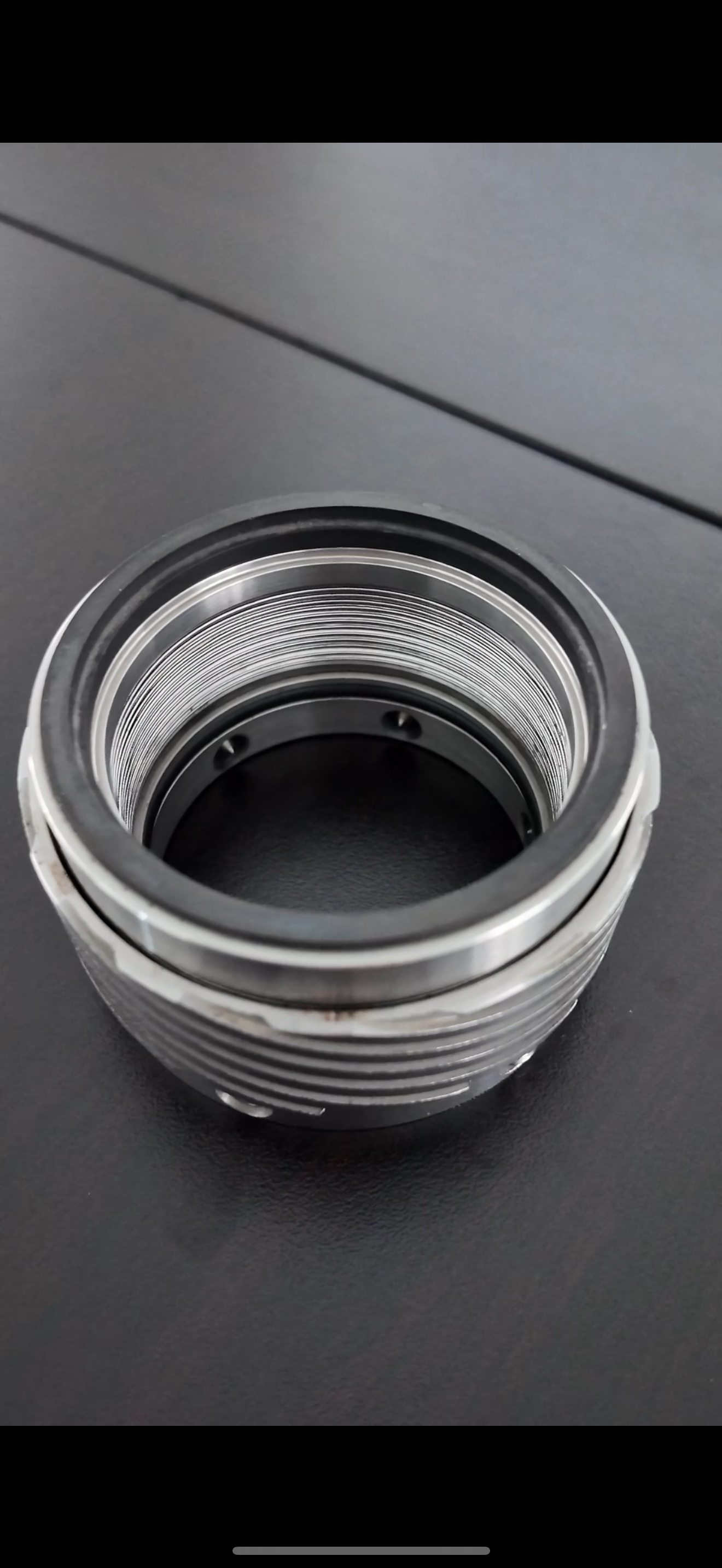
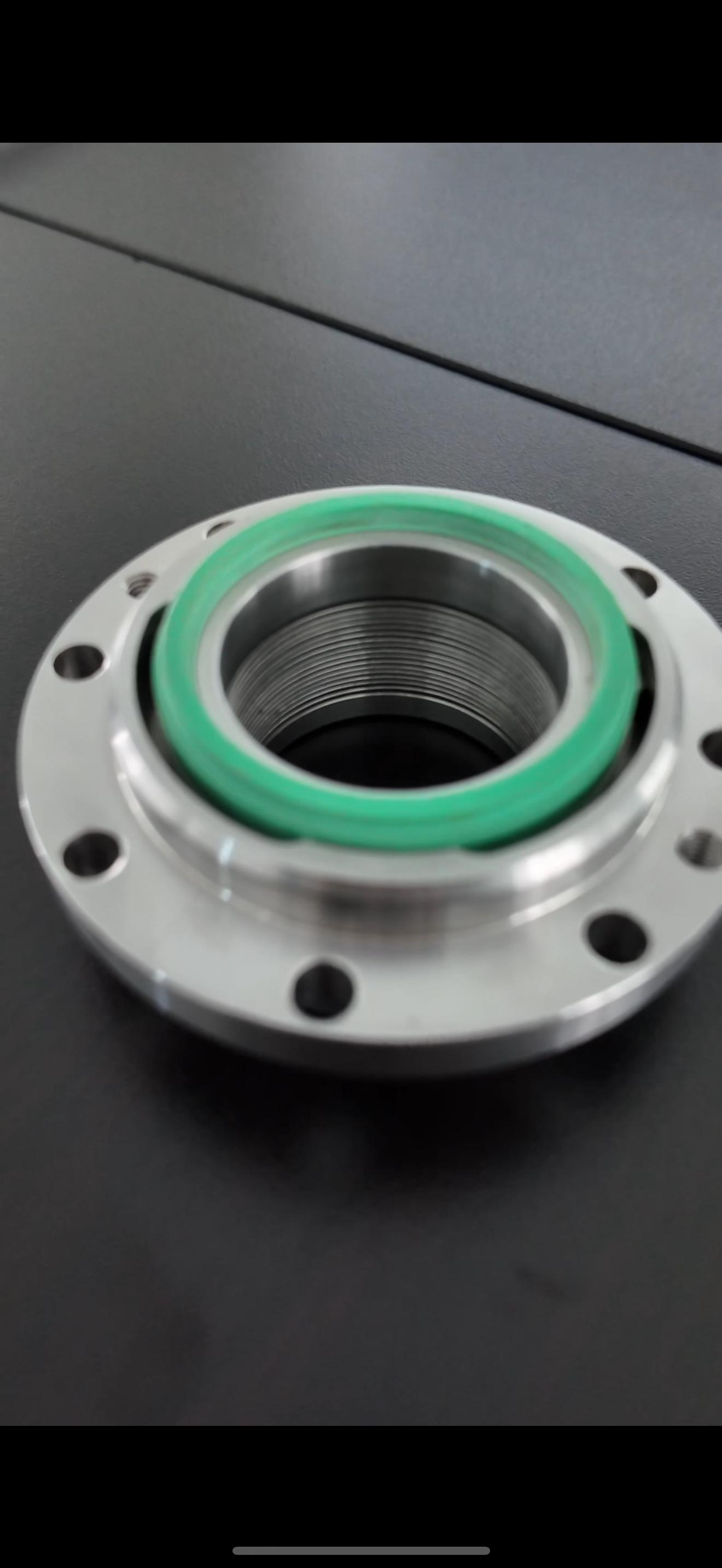
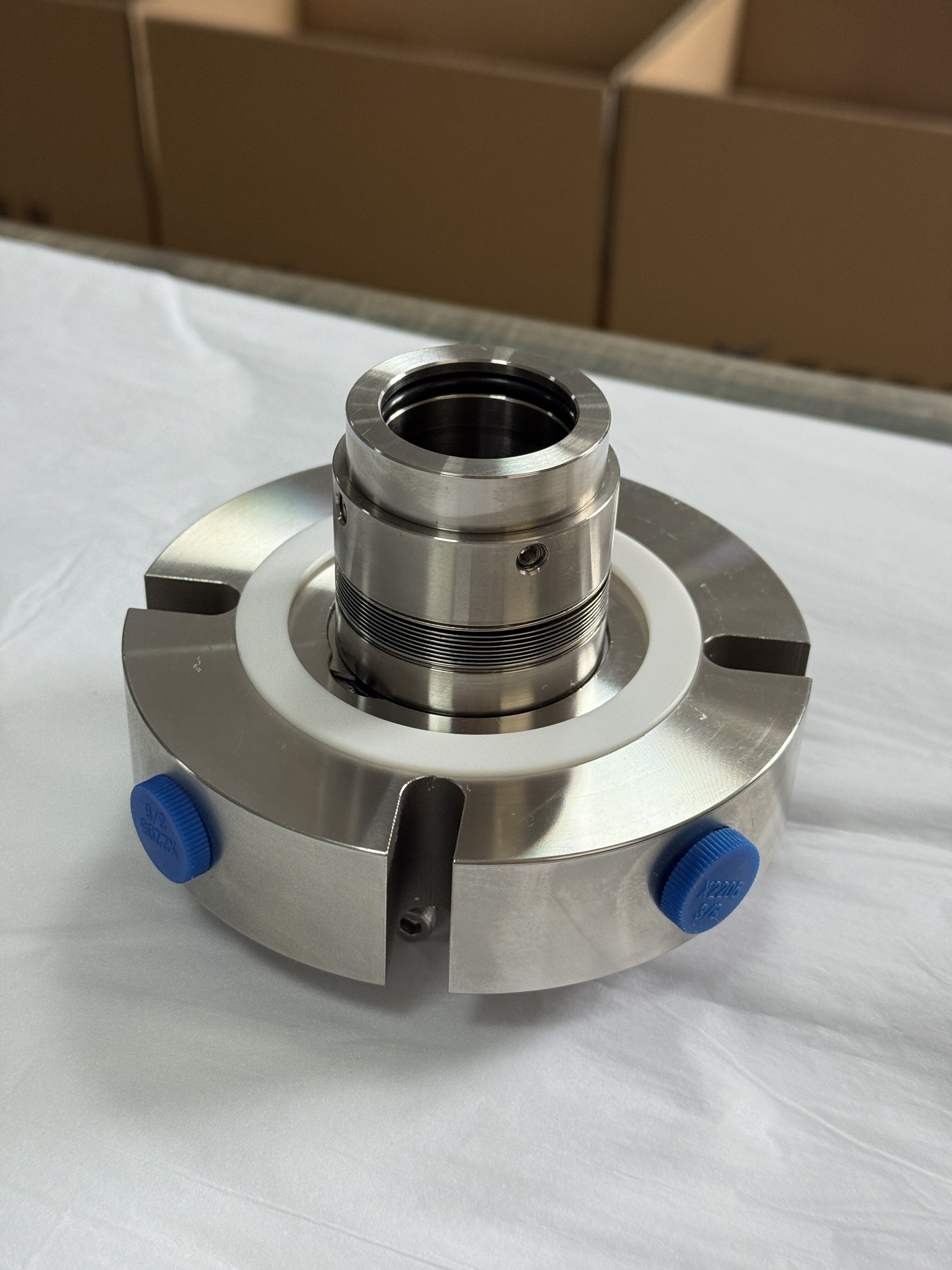
High-temperature mechanical seals represent a critical advancement in sealing technology, specifically engineered to maintain reliable performance in extreme thermal environments where conventional sealing solutions fail. These specialized sealing systems serve as the primary barrier between rotating and stationary components in equipment operating at elevated temperatures, typically ranging from 200°C to 500°C or higher. The main function of high-temperature mech seals involves preventing fluid leakage while accommodating thermal expansion, contraction, and mechanical stress that occurs during high-heat operations. These sealing solutions incorporate advanced materials such as silicon carbide, tungsten carbide, and specialized elastomers that retain their structural integrity and sealing properties under intense thermal conditions. The technological features include precision-engineered seal faces with enhanced surface finishes, secondary sealing elements made from high-performance polymers, and innovative cooling systems that manage heat dissipation effectively. Spring-loaded mechanisms within these high-temperature mech seals maintain consistent contact pressure between sealing surfaces, compensating for thermal growth and wear over extended operating periods. Applications span across diverse industries including petrochemical processing, power generation, steel manufacturing, glass production, and aerospace propulsion systems. In petrochemical facilities, these seals protect pumps handling hot crude oil, heated process chemicals, and steam condensate systems. Power plants utilize high-temperature mech seals in boiler feed pumps, turbine applications, and cooling water circulation systems where thermal stress is substantial. Steel mills depend on these sealing solutions for continuous casting equipment, rolling mill coolant systems, and furnace-related machinery. The automotive industry employs these seals in turbocharger assemblies and engine cooling systems where temperatures reach extreme levels. Pharmaceutical manufacturers use high-temperature mech seals in sterilization equipment and heated mixing vessels where product purity and containment are essential for regulatory compliance and operational safety.

Popular Products

High-temperature mechanical seals deliver exceptional performance benefits that directly translate into operational efficiency and cost savings for businesses operating in demanding thermal environments. These advanced sealing solutions significantly reduce maintenance downtime by eliminating frequent seal replacements that plague conventional sealing systems in high-heat applications. The robust construction and specialized materials enable extended service life, often lasting three to five times longer than standard mechanical seals, which minimizes production interruptions and reduces overall maintenance costs. Equipment operators experience enhanced safety levels because high-temperature mech seals prevent hazardous fluid leaks that could create workplace dangers or environmental contamination risks. The superior sealing capability maintains system pressure integrity, ensuring optimal equipment performance and energy efficiency throughout extended operating cycles. Financial benefits become evident through reduced spare parts inventory requirements, lower labor costs for maintenance activities, and decreased emergency repair expenses that typically result from unexpected seal failures. Production managers appreciate the predictable maintenance schedules that high-temperature mech seals enable, allowing for better planning and resource allocation while avoiding costly unscheduled shutdowns. The enhanced reliability directly improves product quality consistency by maintaining stable process conditions and preventing contamination that occurs when seals fail during critical production phases. Energy consumption decreases because properly functioning high-temperature mech seals eliminate internal fluid recirculation losses and maintain designed system efficiency parameters. Environmental compliance becomes easier to achieve since these sealing solutions prevent emissions and spills that could trigger regulatory violations and associated penalties. Quality control benefits include maintained product specifications, reduced batch rejections, and improved customer satisfaction through consistent delivery schedules. Insurance costs often decrease when facilities demonstrate proactive maintenance strategies using reliable sealing technologies that reduce accident risks and equipment damage potential. Return on investment calculations consistently favor high-temperature mech seals due to their comprehensive performance advantages, operational reliability, and long-term cost effectiveness compared to alternative sealing approaches that require frequent replacement and generate higher total ownership costs.

Tips And Tricks

Common Challenges with Agitator Seals in Bioreactors

21

Jul

Common Challenges with Agitator Seals in Bioreactors

Sealing Systems in Sterile and Pressure-Sensitive Environments Bioreactors operate under highly controlled conditions, where sterility, pressure balance, and agitation efficiency must all coexist seamlessly. Among the critical components enabling thi...
View More
What Are the Different Types of Agitator Seals?

21

Jul

What Are the Different Types of Agitator Seals?

Exploring Sealing Solutions for Industrial Mixing Systems In industrial mixing applications, maintaining a controlled, leak-free environment is essential to ensure product quality, process efficiency, and safety. Agitator seals play a pivotal role in...
View More
Agitator Seal Pressure Applications in Chemical and Pharmaceutical Plants

06

Aug

Agitator Seal Pressure Applications in Chemical and Pharmaceutical Plants

Importance of Sealing Integrity in Industrial Processing Environments In chemical and pharmaceutical plants, the integrity of sealing systems is vital for ensuring safety, process efficiency, and product quality. A small leakage or contamination due ...
View More
How Can a High-Quality Seal Face Reduce Leakage and Extend Pump Life?

13

Jan

How Can a High-Quality Seal Face Reduce Leakage and Extend Pump Life?

Industrial pumps operate under extreme conditions where even minor component failures can lead to catastrophic system breakdowns and costly downtime. Among all pump components, the seal face stands as one of the most critical elements determining ope...
View More

Get a Free Quote

Our representative will contact you soon.
Email
Name
Company Name
Country/Region
Message
0/1000

high-temperature mech seals

Advanced Material Technology for Extreme Temperature Resistance

Advanced Material Technology for Extreme Temperature Resistance

High-temperature mechanical seals incorporate cutting-edge materials science innovations that enable reliable operation in the most demanding thermal environments where traditional sealing technologies simply cannot survive. The primary seal faces utilize premium grade silicon carbide and tungsten carbide compositions that maintain dimensional stability and wear resistance at temperatures exceeding 400°C, while specialized carbon-graphite materials provide self-lubricating properties that reduce friction and heat generation during operation. Secondary sealing elements feature advanced fluoroelastomer compounds and perfluoroelastomer materials that resist thermal degradation, chemical attack, and compression set formation that typically destroys conventional rubber seals in high-heat applications. The metallic components incorporate high-temperature alloys such as Inconel, Hastelloy, and specialized stainless steel grades that resist oxidation, corrosion, and thermal stress cracking throughout extended exposure periods. Spring systems utilize carefully selected materials that maintain consistent load characteristics across wide temperature ranges, ensuring proper seal face loading regardless of thermal cycling conditions. Coating technologies apply advanced surface treatments including diamond-like carbon films, ceramic barriers, and specialized lubricant layers that further enhance performance and longevity in extreme environments. These material innovations work synergistically to create sealing systems that not only withstand high temperatures but actually improve their sealing effectiveness under thermal stress conditions. The manufacturing processes involve precision machining, controlled atmosphere heat treatments, and specialized assembly techniques that optimize material properties and ensure consistent quality standards. Quality testing includes thermal cycling verification, pressure testing at elevated temperatures, and accelerated aging protocols that validate performance specifications before delivery. This comprehensive material technology approach enables high-temperature mech seals to deliver reliable service in applications where equipment failure could result in significant safety hazards, environmental damage, or production losses, making them an essential investment for facilities operating critical high-temperature processes.
Enhanced Cooling and Heat Management Systems

Enhanced Cooling and Heat Management Systems

High-temperature mechanical seals feature sophisticated cooling and heat management technologies that actively control thermal conditions at the sealing interface, preventing damage and extending operational life far beyond conventional sealing solutions. The integrated cooling systems incorporate strategically designed circulation channels that direct cooling fluids directly to critical seal faces, removing excess heat before thermal damage can occur to sensitive sealing components. External cooling connections allow facility operators to integrate plant cooling water, specialized heat transfer fluids, or dedicated cooling circuits that maintain optimal operating temperatures regardless of process conditions. Heat sink designs within the seal housing utilize enhanced surface area geometries, thermal conductive materials, and optimized flow patterns that maximize heat dissipation efficiency while minimizing pressure losses and energy consumption. Barrier fluid systems create protective environments around primary sealing elements using clean, temperature-controlled fluids that lubricate seal faces while providing continuous cooling action that prevents coking, fouling, or thermal shock conditions. Temperature monitoring capabilities include integrated sensors that provide real-time feedback on seal operating conditions, enabling predictive maintenance strategies and preventing catastrophic failures through early detection of thermal anomalies. Thermal barrier technologies incorporate insulating materials and design features that protect temperature-sensitive components from radiant heat exposure while allowing critical sealing elements to operate within optimal temperature ranges. The cooling system designs accommodate various installation orientations and space constraints while maintaining effective heat removal performance, making them suitable for both new equipment designs and retrofit applications on existing machinery. Automated temperature control systems can modulate cooling flow rates based on operating conditions, optimizing energy consumption while ensuring adequate thermal protection throughout varying load conditions. These comprehensive heat management capabilities enable high-temperature mech seals to operate reliably in applications where ambient temperatures, process fluids, or equipment operating conditions create thermal challenges that would quickly destroy alternative sealing technologies, providing operators with confidence in continuous operation and reduced maintenance requirements.
Precision Engineering for Superior Sealing Performance

Precision Engineering for Superior Sealing Performance

High-temperature mechanical seals achieve exceptional sealing performance through precision engineering techniques that optimize every aspect of their design, manufacturing, and operational characteristics to deliver leak-free service in the most challenging applications. The seal face geometry incorporates advanced surface finishing technologies that create mirror-like flatness with deviations measured in nanometers, ensuring intimate contact between sealing surfaces that prevents even microscopic leakage paths. Lapping and polishing processes utilize diamond abrasives and computer-controlled machinery that produces consistent surface characteristics across all seal faces, eliminating variations that could compromise sealing integrity under high-temperature operating conditions. Dynamic balancing calculations optimize seal face loading to maintain proper contact pressure throughout thermal expansion cycles, preventing both excessive wear from over-loading and leakage from insufficient contact force. The spring systems undergo precision calibration to deliver exact loading characteristics that compensate for thermal growth, pressure variations, and normal wear patterns while maintaining optimal sealing performance over extended service periods. Manufacturing tolerances utilize aerospace-grade precision standards that ensure consistent assembly dimensions, proper component fit, and reliable performance across all production units. Quality control processes include dimensional verification using coordinate measuring machines, surface finish analysis with profilometry equipment, and performance validation through standardized testing protocols that confirm specifications before delivery. Assembly procedures follow documented procedures that control torque values, component orientation, and installation sequences that optimize performance and prevent assembly-related failures. The engineering design incorporates finite element analysis modeling that predicts stress distributions, thermal effects, and performance characteristics under various operating conditions, enabling optimization before manufacturing begins. Installation guidelines provide detailed instructions for proper mounting, alignment, and commissioning procedures that ensure optimal performance from initial startup through extended service life. This precision engineering approach enables high-temperature mech seals to deliver consistent, reliable performance that meets or exceeds design specifications while providing operators with confidence in their sealing systems' ability to maintain process integrity, prevent environmental releases, and deliver long-term operational reliability in critical high-temperature applications where sealing failure is simply not acceptable.

Get a Free Quote

Our representative will contact you soon.
Email
Name
Company Name
Country/Region
Message
0/1000