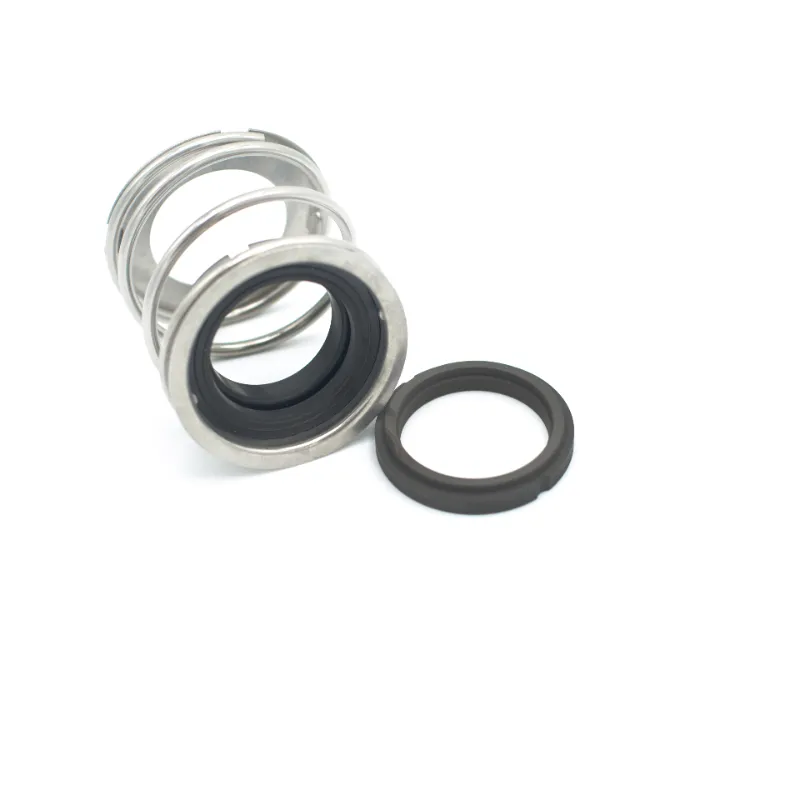
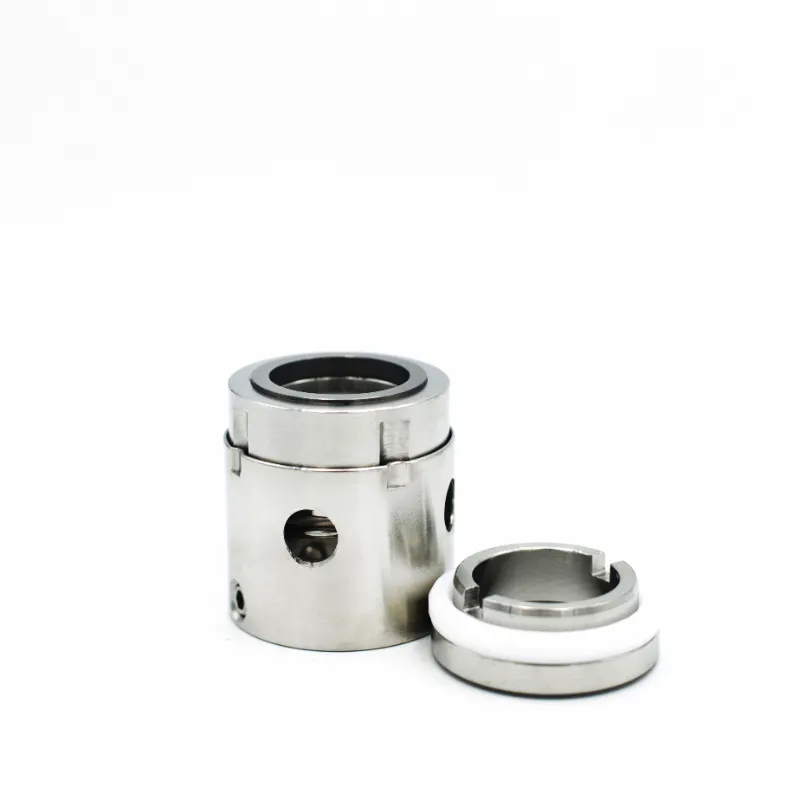
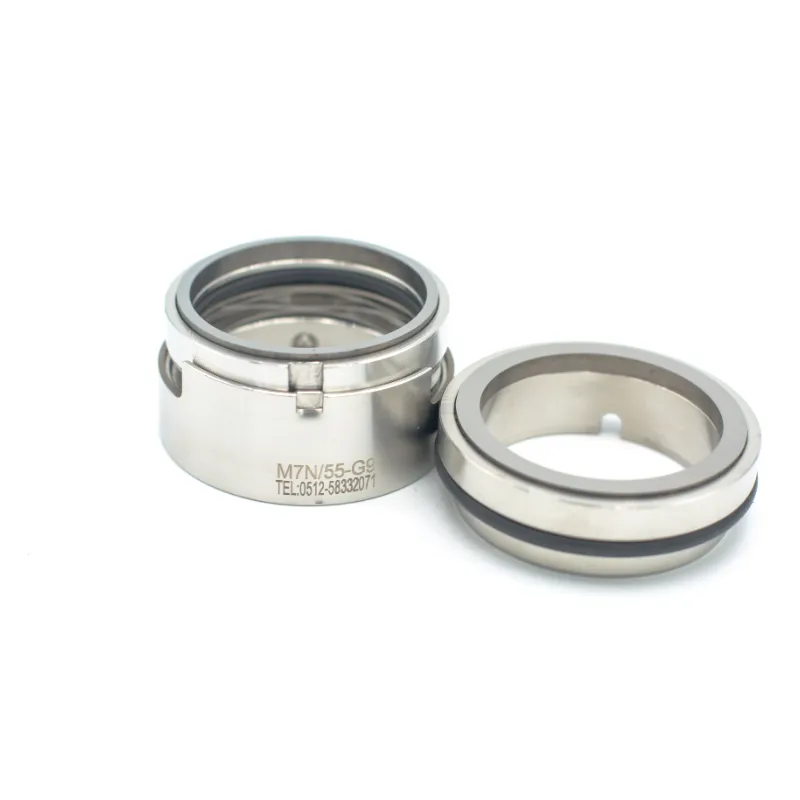
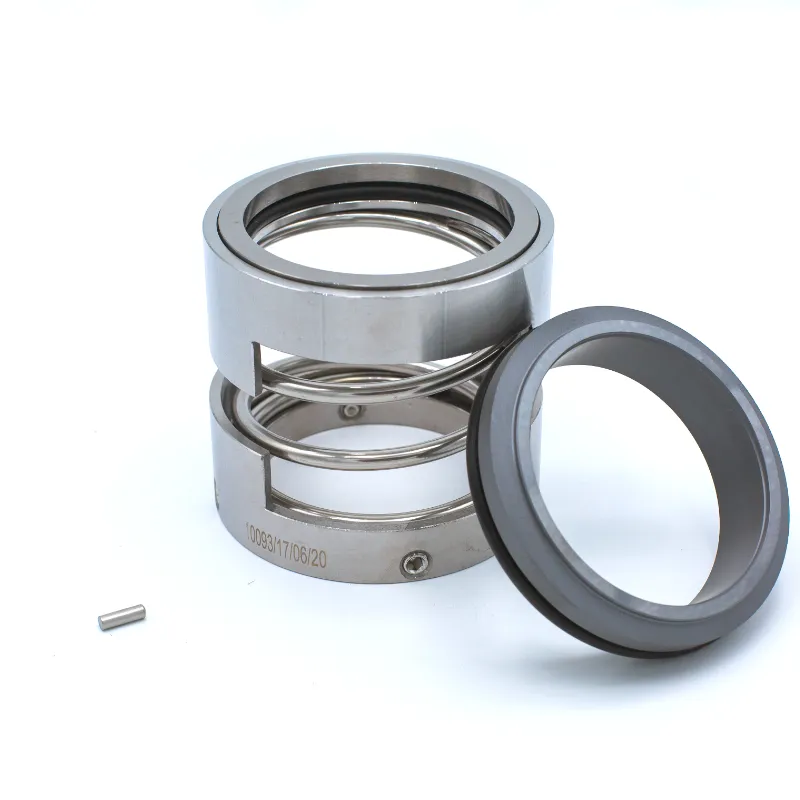
API Plan 52 Buffer Fluid System - Advanced Dual Seal Protection for Critical Applications

Get a Free Quote

Our representative will contact you soon.
Email
Name
Company Name
Message
0/1000

API Plan 52 buffer fluid system

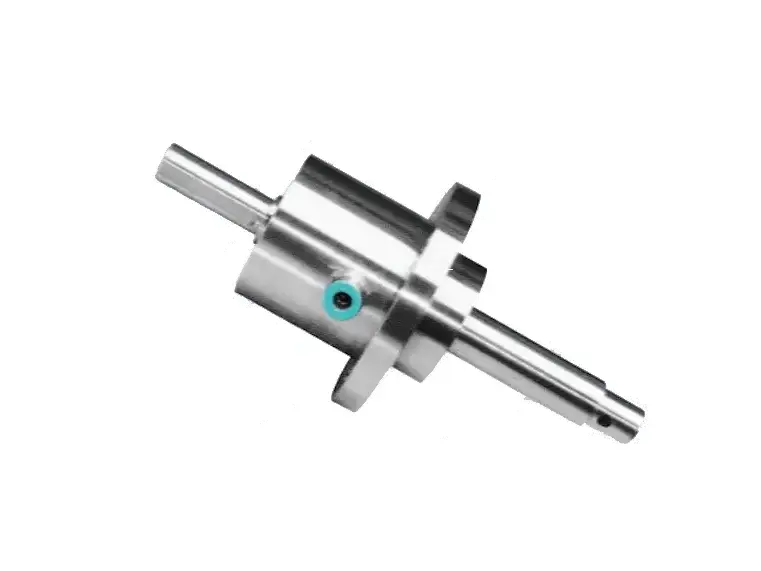
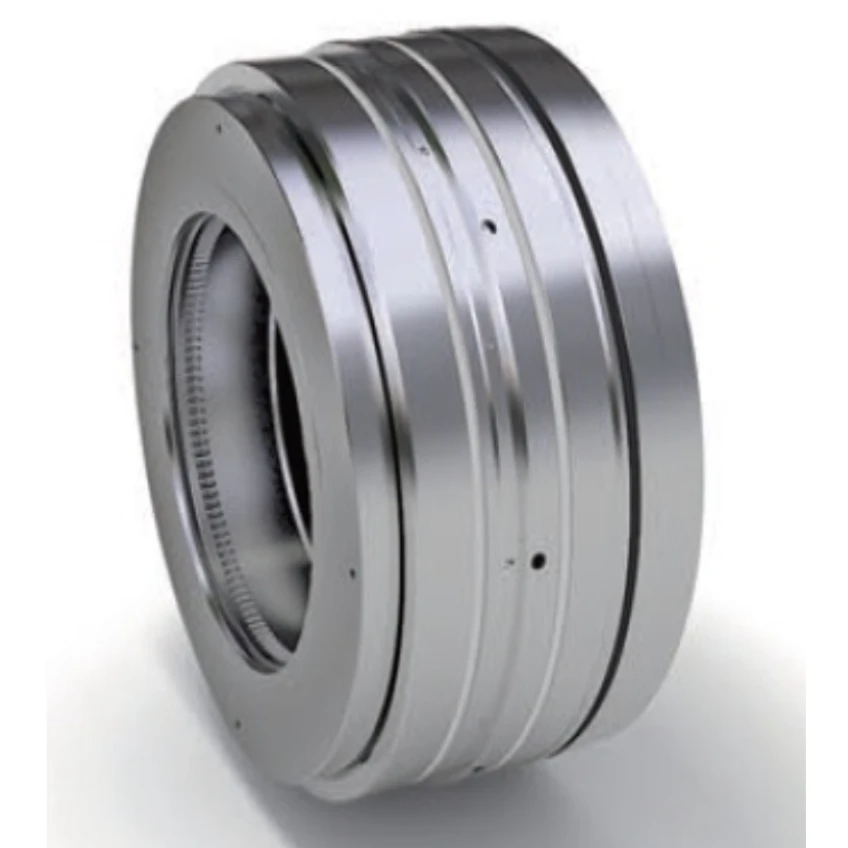
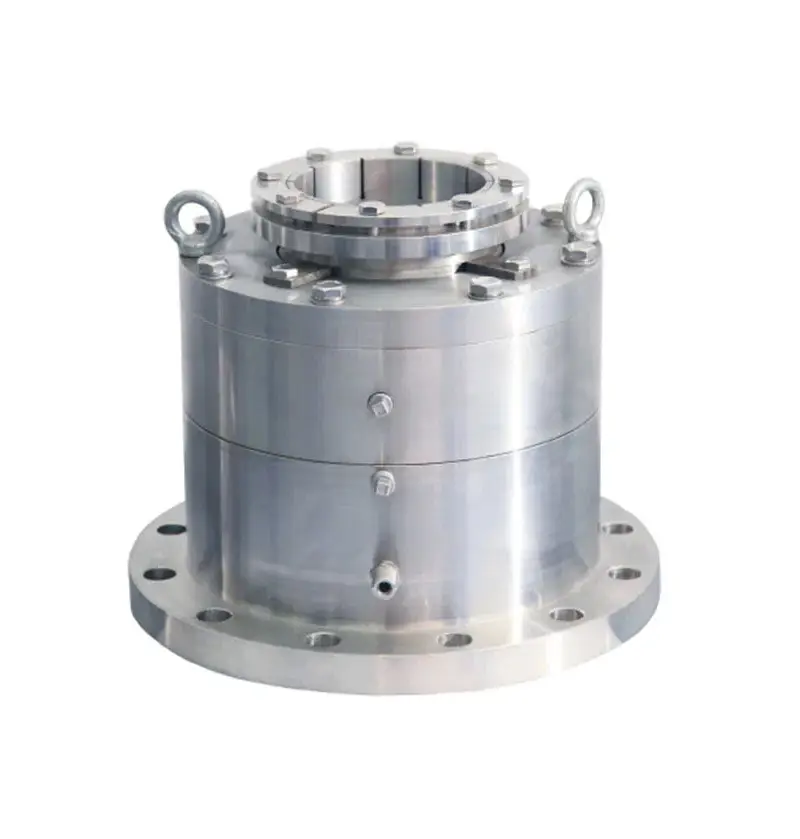
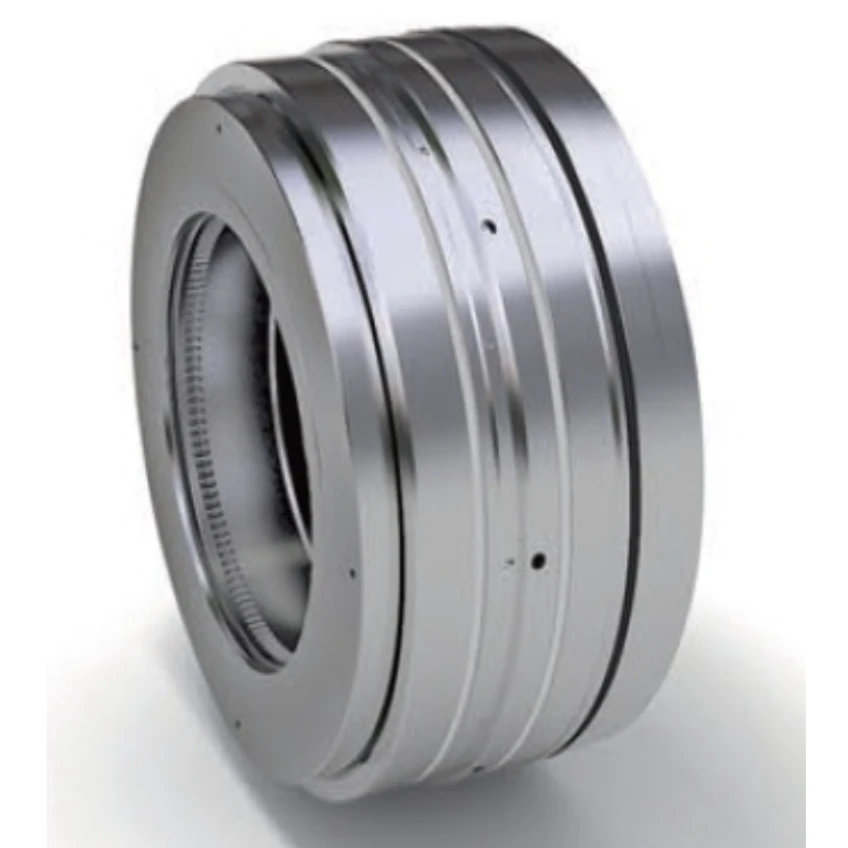
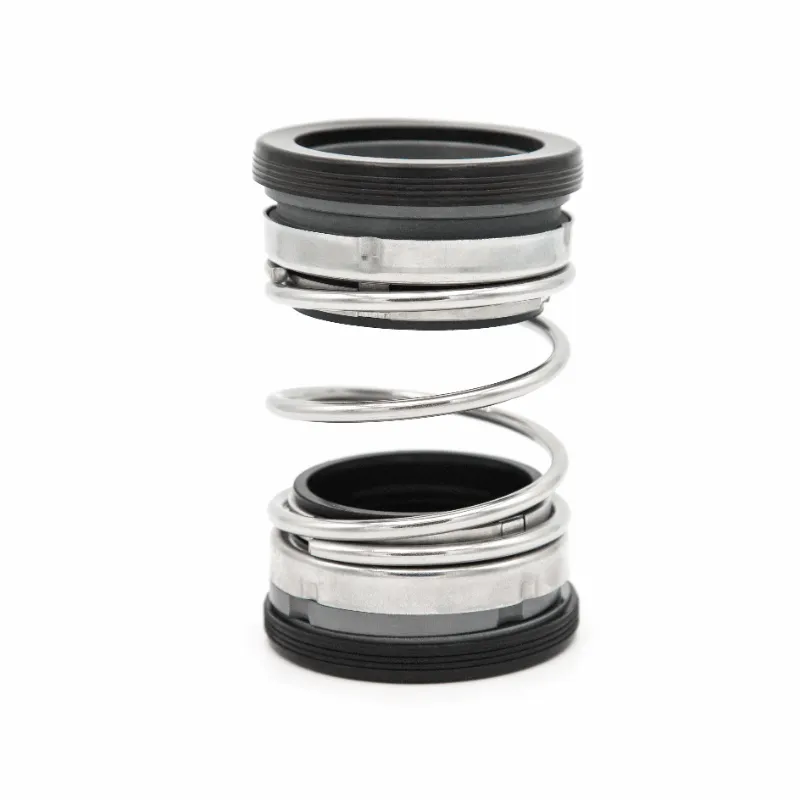
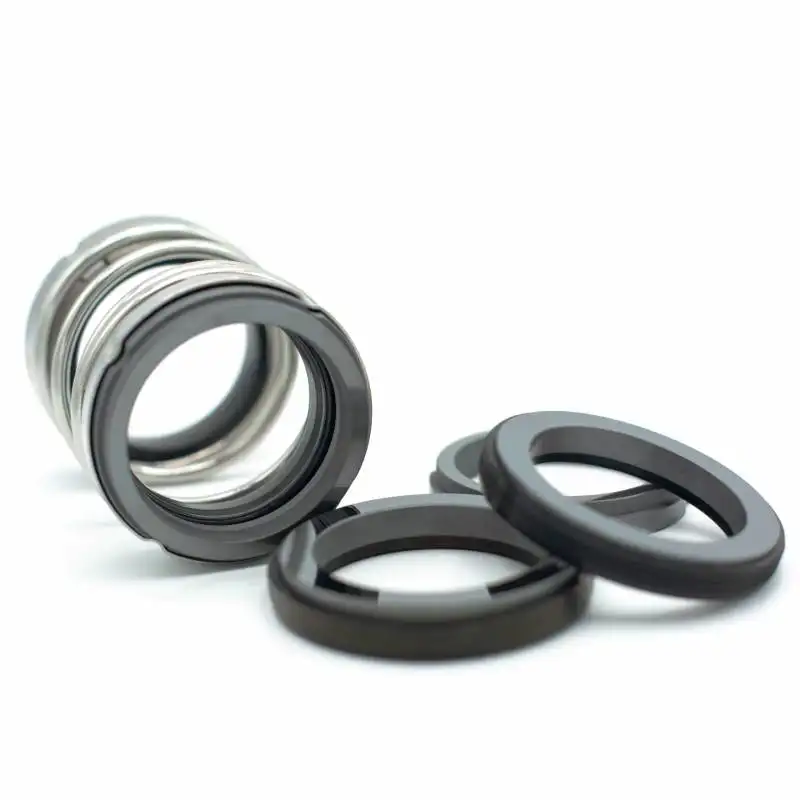
The API Plan 52 buffer fluid system represents a sophisticated dual pressurized barrier system designed to provide exceptional sealing solutions for mechanical seals in challenging industrial applications. This advanced sealing arrangement utilizes clean buffer fluid circulation between dual mechanical seals, creating a reliable barrier that prevents process fluid leakage while maintaining optimal seal performance. The API Plan 52 buffer fluid system operates by maintaining buffer fluid pressure slightly higher than the sealed process fluid, ensuring continuous protection against contamination and seal face damage. This dual seal configuration incorporates an inner primary seal that contains the process fluid and an outer secondary seal that prevents buffer fluid leakage to atmosphere. The system features pressurized buffer fluid circulation through external reservoirs, heat exchangers, and filtration equipment, maintaining consistent fluid properties and temperature control. Key technological features include automated pressure control systems, continuous fluid circulation pumps, temperature monitoring devices, and contamination detection systems. The buffer fluid reservoir typically contains clean, compatible fluid such as light oils, glycols, or specialized barrier fluids selected based on process requirements and environmental considerations. Advanced monitoring capabilities enable real-time assessment of seal condition, buffer fluid quality, and system performance parameters. The API Plan 52 buffer fluid system finds extensive applications in petroleum refining, chemical processing, power generation, and other industries handling hazardous or valuable fluids where zero emissions are critical. Process applications include pumping toxic chemicals, flammable hydrocarbons, corrosive acids, high-temperature fluids, and environmentally sensitive materials. The system provides enhanced safety by creating multiple barriers against process fluid release, reducing environmental impact and ensuring regulatory compliance. Installation flexibility allows adaptation to various pump configurations, shaft sizes, and operating conditions while maintaining standardized interface dimensions.

New Products

The API Plan 52 buffer fluid system delivers significant operational advantages that directly impact facility safety, environmental compliance, and maintenance costs. Primary benefits include enhanced safety through dual barrier protection that virtually eliminates process fluid emissions, protecting personnel from exposure to hazardous materials and reducing workplace safety risks. The system provides exceptional environmental protection by preventing toxic or valuable process fluids from reaching atmosphere, ensuring compliance with stringent environmental regulations and avoiding costly cleanup operations. Reliability improvements result from continuous buffer fluid circulation that lubricates and cools seal faces, extending mechanical seal service life and reducing unexpected equipment failures. The pressurized buffer fluid creates optimal operating conditions for seal faces by maintaining consistent lubrication, preventing dry running conditions, and removing heat generated during normal operation. Process fluid contamination becomes virtually impossible due to the positive pressure differential maintained between buffer fluid and process fluid, protecting sensitive equipment downstream and maintaining product quality. Maintenance planning becomes more predictable as the system provides early warning indicators of seal deterioration through buffer fluid monitoring, allowing scheduled maintenance before catastrophic seal failure occurs. Cost savings accumulate through reduced product loss, elimination of environmental remediation expenses, decreased maintenance frequency, and extended equipment service life. The system enables continuous operation in critical applications where unplanned shutdowns would result in significant production losses or safety hazards. Monitoring capabilities provide valuable data for optimizing seal performance, identifying potential issues before they become critical, and establishing maintenance intervals based on actual operating conditions rather than conservative time-based schedules. Flexibility advantages include compatibility with various buffer fluids, adaptability to different operating pressures and temperatures, and integration with existing plant monitoring systems. The API Plan 52 buffer fluid system reduces insurance costs and regulatory scrutiny by demonstrating commitment to environmental protection and operational safety, while providing documented evidence of responsible process fluid handling practices.

Latest News

Can Metal Bellow Seals Reduce Maintenance Costs?

27

Jun

Can Metal Bellow Seals Reduce Maintenance Costs?

Understanding Metal Bellow Seals and Their Core Mechanics Key Components and Design Features of Metal Bellow Seals Metal bellow seals are meticulously designed to meet specific industry standards and operational requirements. Their basic structure i...
View More
Seals for Seal in Petrochemical Plants: Best Practices for Longevity.

21

Jul

Seals for Seal in Petrochemical Plants: Best Practices for Longevity.

Enhancing the Durability of Sealing Systems in Petrochemical Environments In the demanding conditions of petrochemical plants, maintaining the integrity of sealing systems is crucial. Seals for seal applications must withstand harsh chemical exposure...
View More
What Are the Different Types of Agitator Seals?

21

Jul

What Are the Different Types of Agitator Seals?

Exploring Sealing Solutions for Industrial Mixing Systems In industrial mixing applications, maintaining a controlled, leak-free environment is essential to ensure product quality, process efficiency, and safety. Agitator seals play a pivotal role in...
View More
What Is Agitator Seal Pressure and Why It Matters in Industrial Equipment?

06

Aug

What Is Agitator Seal Pressure and Why It Matters in Industrial Equipment?

Importance of Pressure Control in Industrial Sealing Systems Industrial processes often involve extreme conditions—high temperatures, intense pressures, and reactive chemicals. To maintain system safety and ensure reliable performance, manufac...
View More

Get a Free Quote

Our representative will contact you soon.
Email
Name
Company Name
Country/Region
Message
0/1000

API Plan 52 buffer fluid system

Advanced Dual Barrier Protection Technology

Advanced Dual Barrier Protection Technology

The API Plan 52 buffer fluid system incorporates cutting-edge dual barrier protection technology that establishes multiple levels of containment between hazardous process fluids and the external environment. This sophisticated approach utilizes two mechanical seals arranged in tandem configuration, with clean buffer fluid maintained at elevated pressure between the seal faces. The primary inner seal contains the process fluid under normal operating conditions, while the secondary outer seal provides backup protection and prevents buffer fluid leakage to atmosphere. The pressurized buffer fluid creates a positive barrier that continuously flows toward both the process side and atmospheric side, ensuring that process fluid cannot migrate past the seal assembly even during transient operating conditions or primary seal wear. This dual barrier concept provides exponentially greater protection than single seal arrangements, reducing emission rates to virtually undetectable levels and ensuring compliance with the most stringent environmental regulations. The system maintains buffer fluid pressure typically 15-25 psi above process fluid pressure through automated pressure control systems that continuously monitor and adjust operating parameters. Advanced materials compatibility ensures optimal performance with various buffer fluids including synthetic oils, glycols, and specialized barrier fluids selected based on process compatibility and environmental considerations. The technology incorporates sophisticated monitoring systems that continuously assess seal condition, buffer fluid quality, and system performance through pressure sensors, flow meters, temperature monitors, and contamination detection equipment. Real-time data collection enables predictive maintenance scheduling, early detection of seal deterioration, and optimization of operating parameters to maximize seal service life. Installation versatility allows adaptation to various pump configurations, shaft diameters, and operating conditions while maintaining standardized interface dimensions that facilitate maintenance and replacement operations. The dual barrier protection technology provides peace of mind for operators handling toxic, flammable, or environmentally sensitive fluids by creating virtually leak-proof containment that protects personnel, equipment, and surrounding environment from exposure to hazardous materials.
Intelligent Monitoring and Control Systems

Intelligent Monitoring and Control Systems

The API Plan 52 buffer fluid system features state-of-the-art intelligent monitoring and control systems that provide comprehensive oversight of seal performance, buffer fluid condition, and system operational parameters in real-time. These advanced monitoring capabilities utilize sophisticated sensor networks, data acquisition systems, and analytical software to continuously assess system health and predict maintenance requirements before seal failure occurs. Pressure monitoring systems track buffer fluid pressure, process fluid pressure, and differential pressure across seal faces, providing immediate alerts when operating parameters deviate from established setpoints. Temperature sensors throughout the buffer fluid circulation loop monitor heat generation, cooling effectiveness, and thermal conditions that could impact seal face lubrication and wear rates. Flow measurement systems verify proper buffer fluid circulation, detect partial blockages or pump degradation, and ensure adequate cooling and lubrication delivery to seal interfaces. Contamination detection equipment continuously analyzes buffer fluid quality, identifying process fluid ingress, degradation products, or foreign materials that could compromise seal performance or indicate primary seal deterioration. Advanced data logging capabilities maintain comprehensive records of operating history, alarm events, and maintenance activities that support regulatory compliance documentation and reliability analysis. Integration capabilities allow seamless connection with distributed control systems, SCADA networks, and plant information management systems for centralized monitoring and control. Automated control functions maintain optimal operating conditions by adjusting buffer fluid pressure, circulation rates, and cooling parameters based on real-time operating conditions and predetermined algorithms. Predictive analytics utilize historical data and trending analysis to forecast maintenance requirements, optimize operating parameters, and identify opportunities for performance improvement. Remote monitoring capabilities enable off-site technical support, troubleshooting assistance, and performance optimization consultation from seal system experts. The intelligent monitoring and control systems provide operators with unprecedented visibility into seal system performance, enabling proactive management that maximizes equipment reliability, minimizes maintenance costs, and ensures continuous compliance with safety and environmental requirements. User-friendly interfaces present complex system data in easily interpreted formats that support informed decision-making and effective maintenance planning.

Enhanced Operational Reliability and Cost Efficiency

Enhanced Operational Reliability and Cost Efficiency

The API Plan 52 buffer fluid system delivers exceptional operational reliability and cost efficiency through innovative design features that maximize equipment uptime, extend service life, and minimize total ownership costs. The system achieves superior reliability by maintaining optimal operating conditions for mechanical seals through continuous buffer fluid circulation that provides consistent lubrication, heat removal, and contamination prevention. Pressurized buffer fluid circulation eliminates dry running conditions that typically cause rapid seal face wear and catastrophic failure, while maintaining clean fluid properties that prevent abrasive contamination from damaging sealing surfaces. The dual seal arrangement provides redundant protection that allows continued operation even if the primary seal begins to wear, preventing unexpected shutdowns and providing time for planned maintenance scheduling. Enhanced heat dissipation through buffer fluid circulation and external cooling systems maintains optimal seal face temperatures that preserve seal material properties and prevent thermal damage that shortens seal life. Cost efficiency benefits accumulate through multiple mechanisms including reduced product loss, elimination of environmental cleanup costs, decreased maintenance frequency, and extended equipment service intervals. The system prevents valuable or hazardous process fluid emissions that would otherwise result in product loss, environmental penalties, and cleanup expenses that often exceed the cost of the sealing system itself. Predictable maintenance scheduling based on condition monitoring data eliminates emergency repair situations that typically involve premium labor costs, expedited parts procurement, and extended downtime periods. Extended seal service life results from optimal operating conditions maintained by the buffer fluid system, with many applications achieving service intervals of 3-5 years compared to 6-18 months for conventional single seal arrangements. Energy efficiency improvements result from reduced friction between seal faces operating in clean buffer fluid environment compared to seals operating in contaminated or poorly lubricated process fluids. Insurance cost reductions and regulatory compliance benefits provide additional economic advantages by demonstrating commitment to environmental protection and operational safety. The system enables continuous operation in critical applications where unplanned shutdowns could result in significant production losses, safety hazards, or product quality issues that far exceed the investment in advanced sealing technology.

Get a Free Quote

Our representative will contact you soon.
Email
Name
Company Name
Country/Region
Message
0/1000