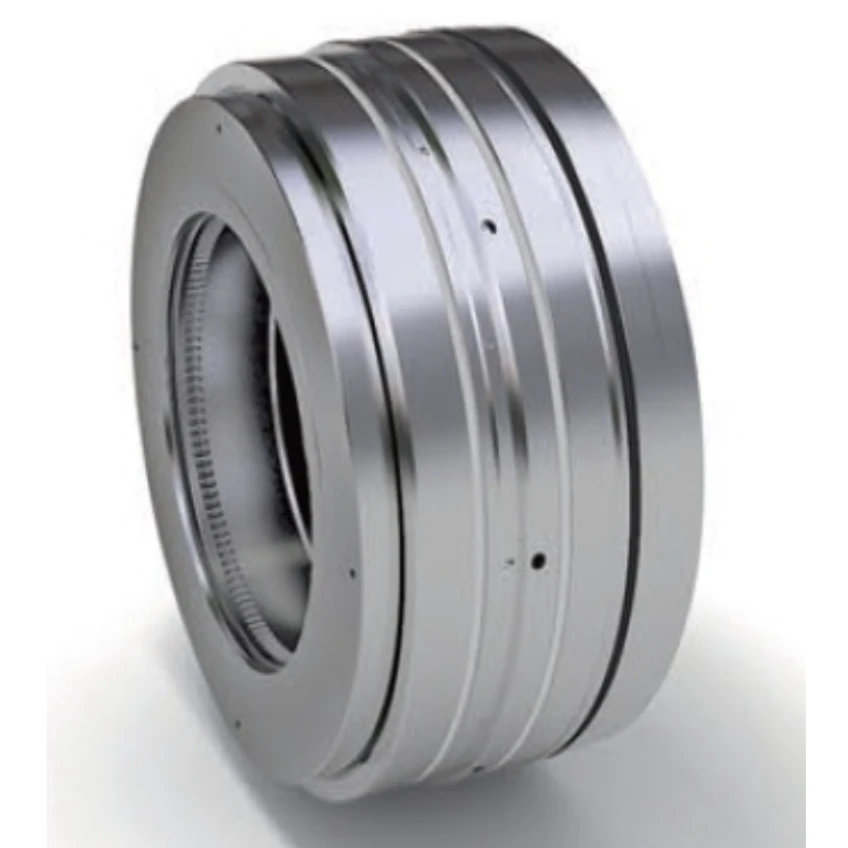
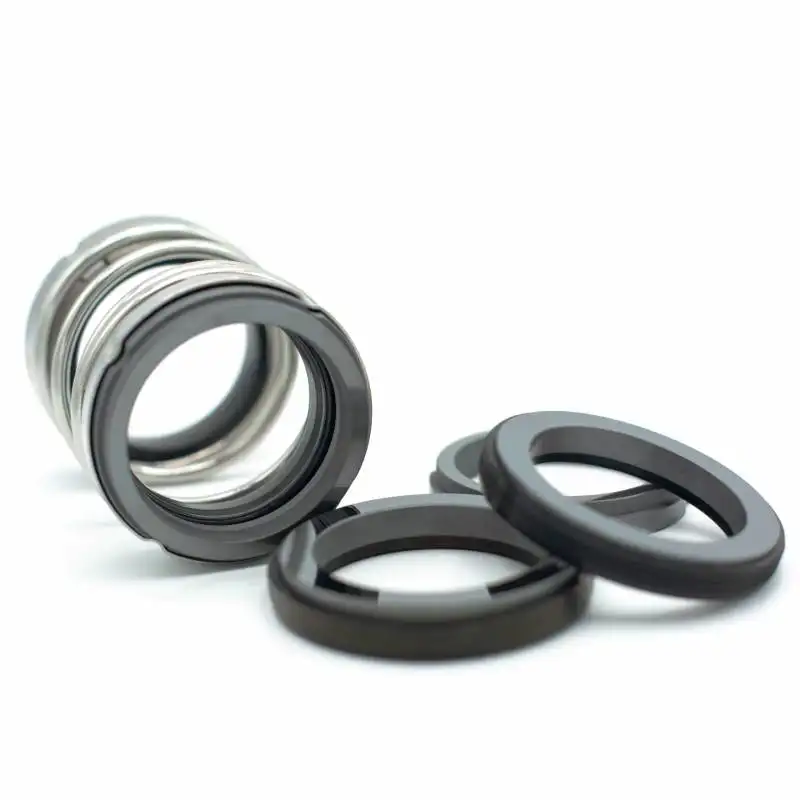
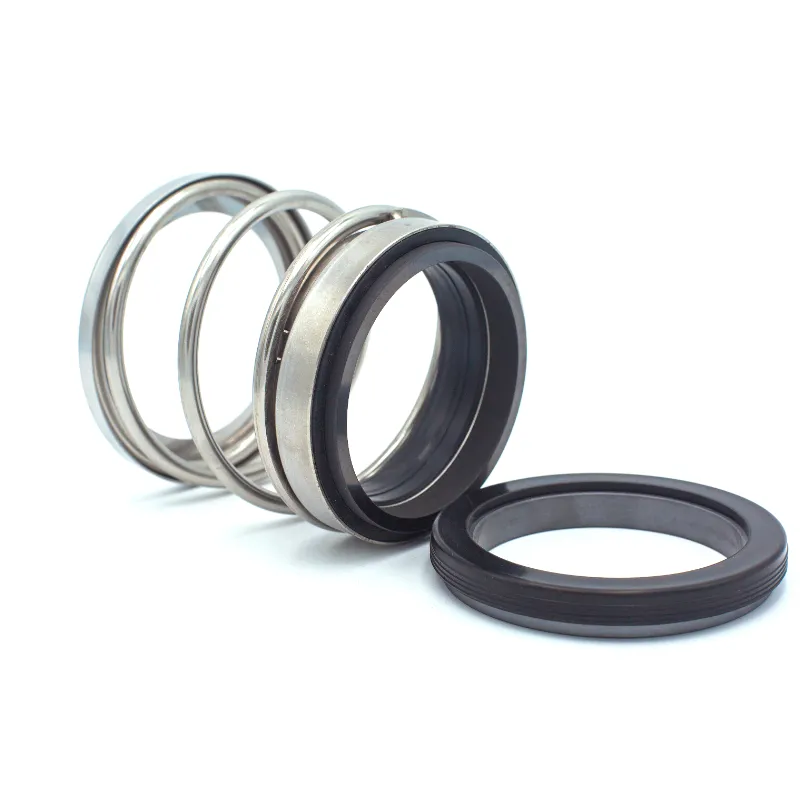
Carbon Mechanical Seals
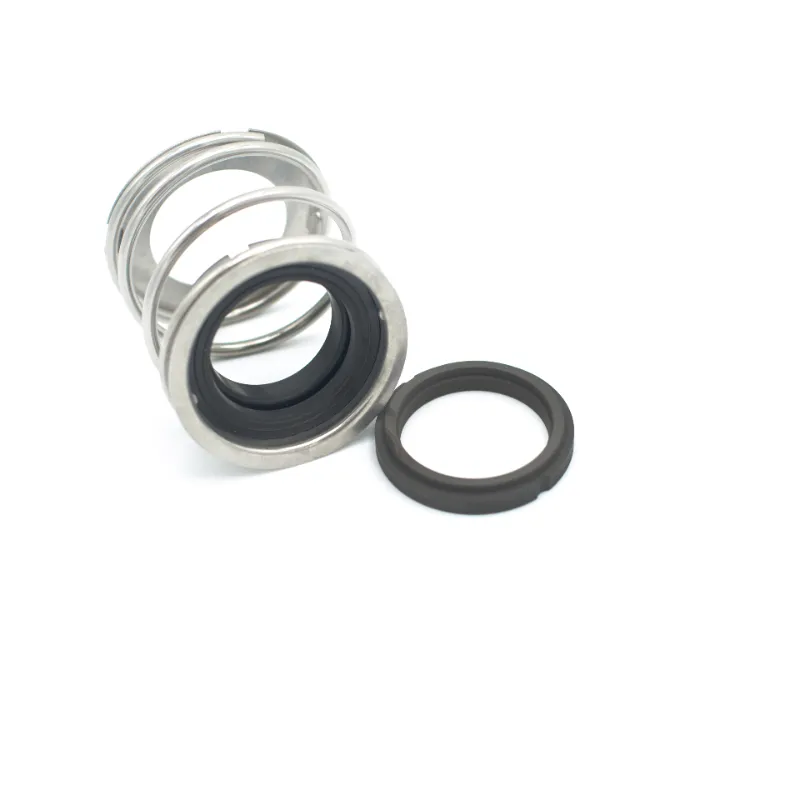
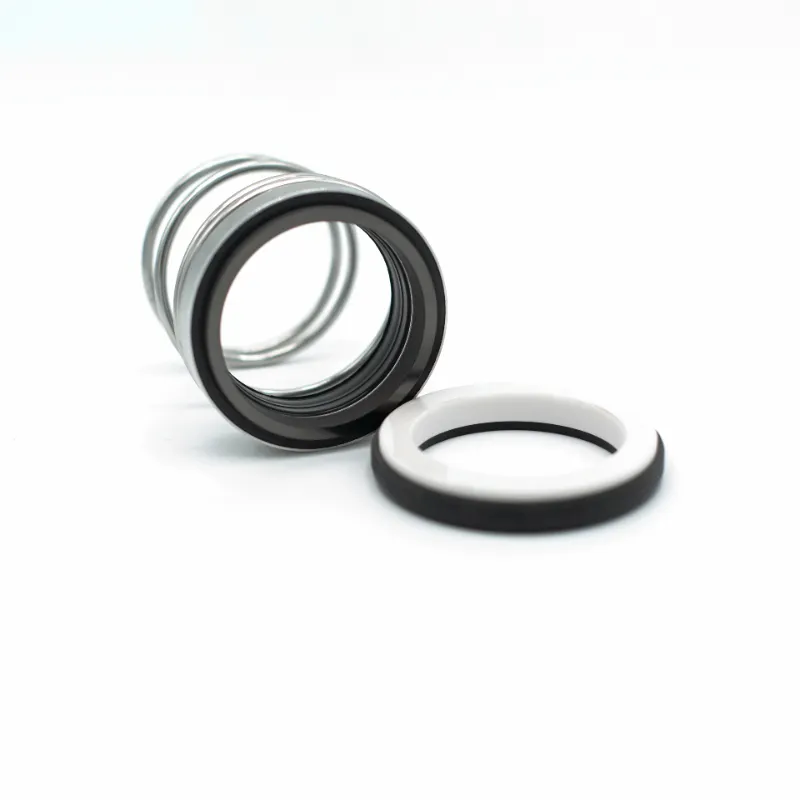
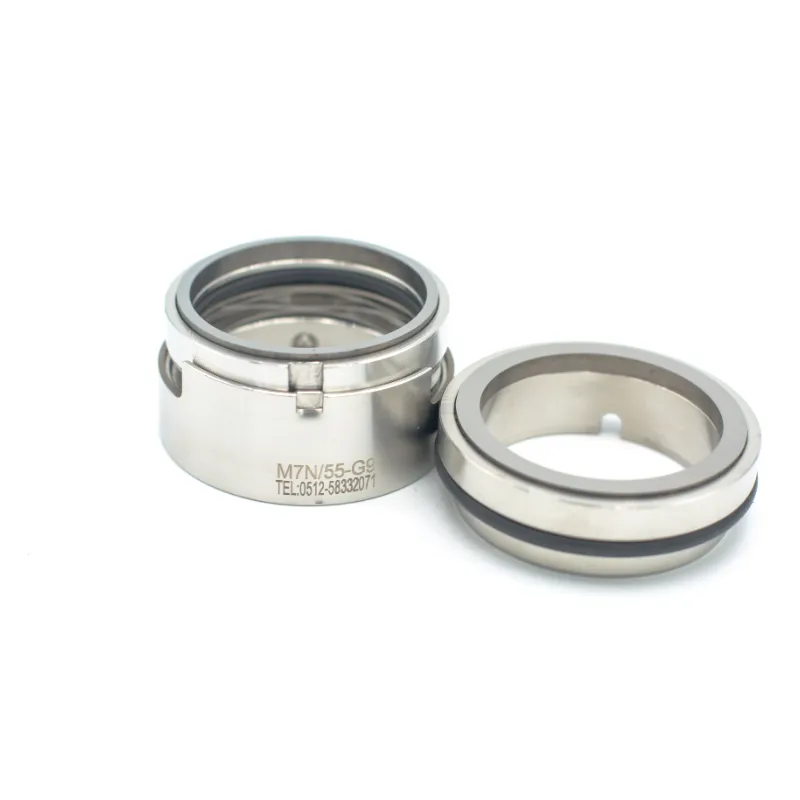
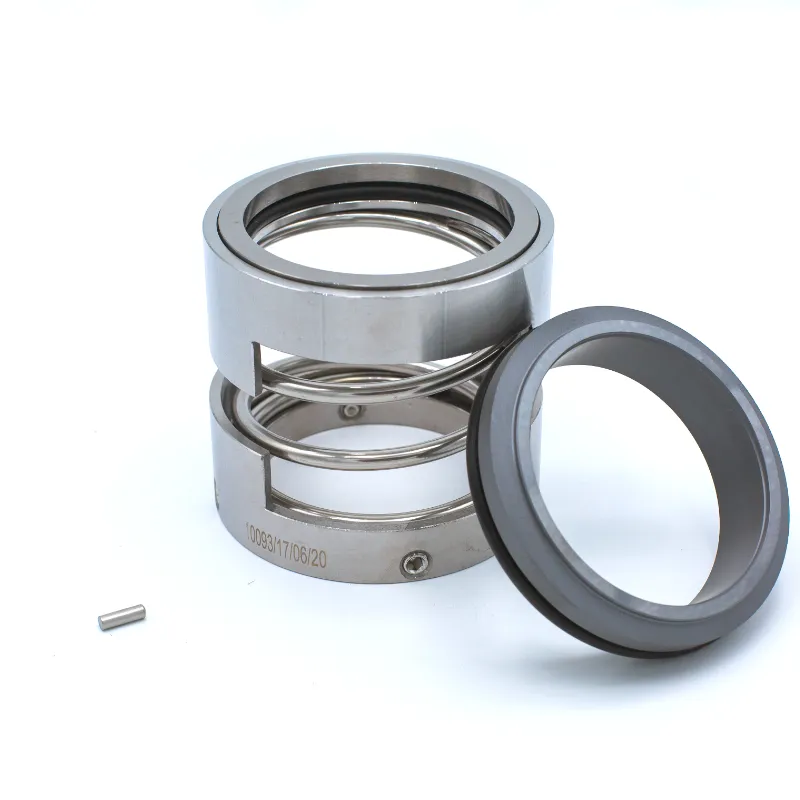
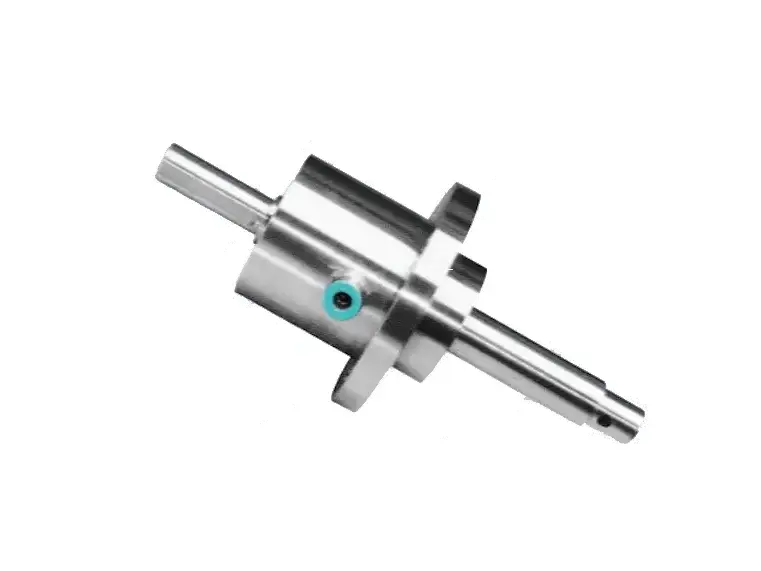
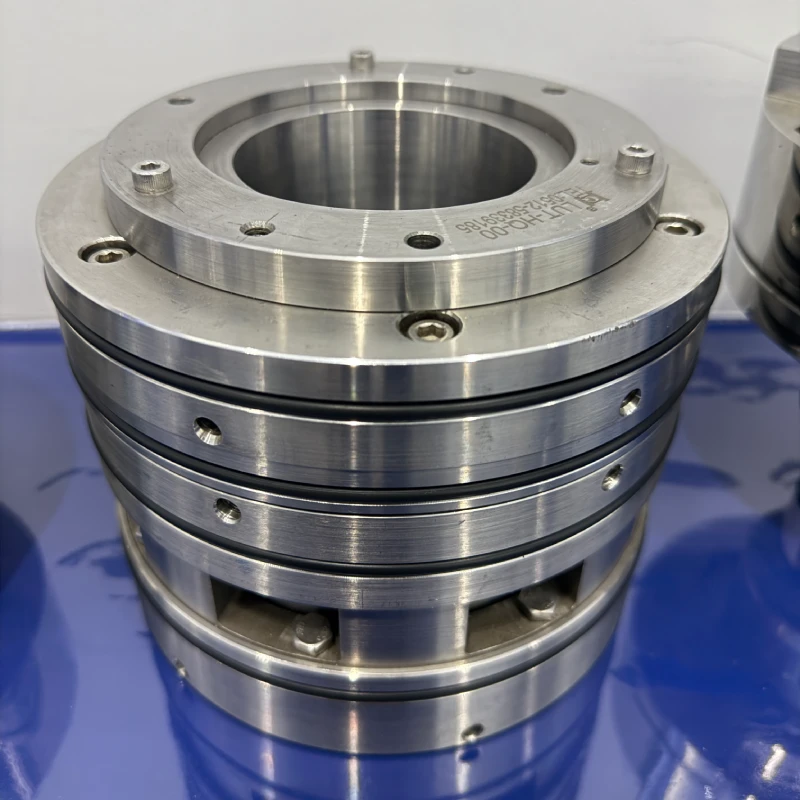
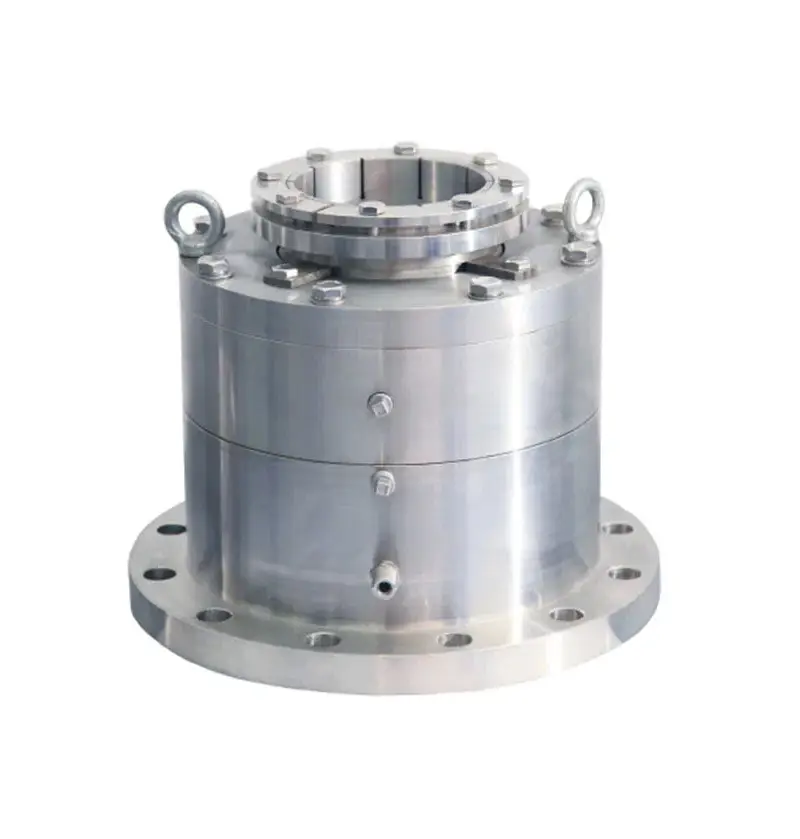
Carbon Mechanical Seals represent a critical advancement in industrial sealing technology, designed to prevent fluid leakage between rotating and stationary components in various mechanical systems. These precision-engineered sealing solutions utilize high-quality carbon materials combined with sophisticated mechanical design principles to create reliable barriers against unwanted fluid migration. The primary function of Carbon Mechanical Seals involves maintaining separation between different pressure zones while allowing rotational movement, making them indispensable components in pumps, compressors, mixers, and numerous other rotating equipment applications. The technological foundation of Carbon Mechanical Seals rests on the careful selection of carbon-based materials that exhibit exceptional wear resistance, chemical compatibility, and thermal stability. These seals typically consist of a rotating ring made from carbon graphite materials and a stationary mating ring, often constructed from ceramic, tungsten carbide, or stainless steel. The sealing interface operates through precise face-to-face contact maintained by spring pressure and hydraulic forces, creating an effective barrier while minimizing friction and wear. Advanced manufacturing processes ensure optimal surface finish and dimensional accuracy, enabling Carbon Mechanical Seals to maintain consistent performance across extended operational periods. The spring-loaded design compensates for wear and thermal expansion, ensuring continuous sealing effectiveness throughout the service life. Applications for Carbon Mechanical Seals span across diverse industrial sectors including chemical processing, water treatment facilities, oil and gas operations, pharmaceutical manufacturing, and power generation plants. These versatile sealing solutions accommodate various fluid types ranging from clean water to aggressive chemicals, making them suitable for challenging operational environments. The self-lubricating properties of carbon materials contribute to reduced maintenance requirements while providing excellent thermal conductivity for heat dissipation. Carbon Mechanical Seals demonstrate superior performance in high-temperature applications where conventional elastomeric seals would fail, offering reliable operation in temperatures exceeding 200 degrees Celsius.
 EN
EN