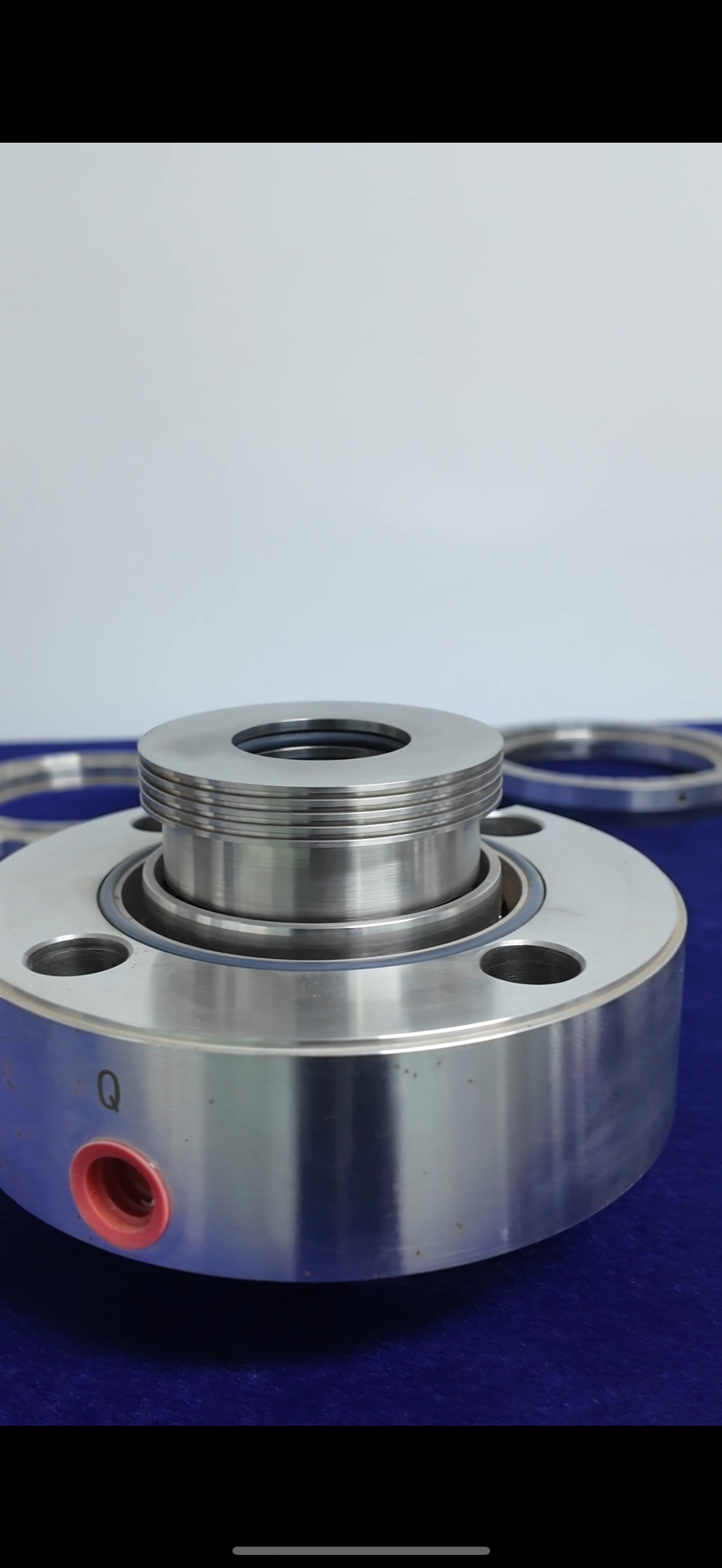
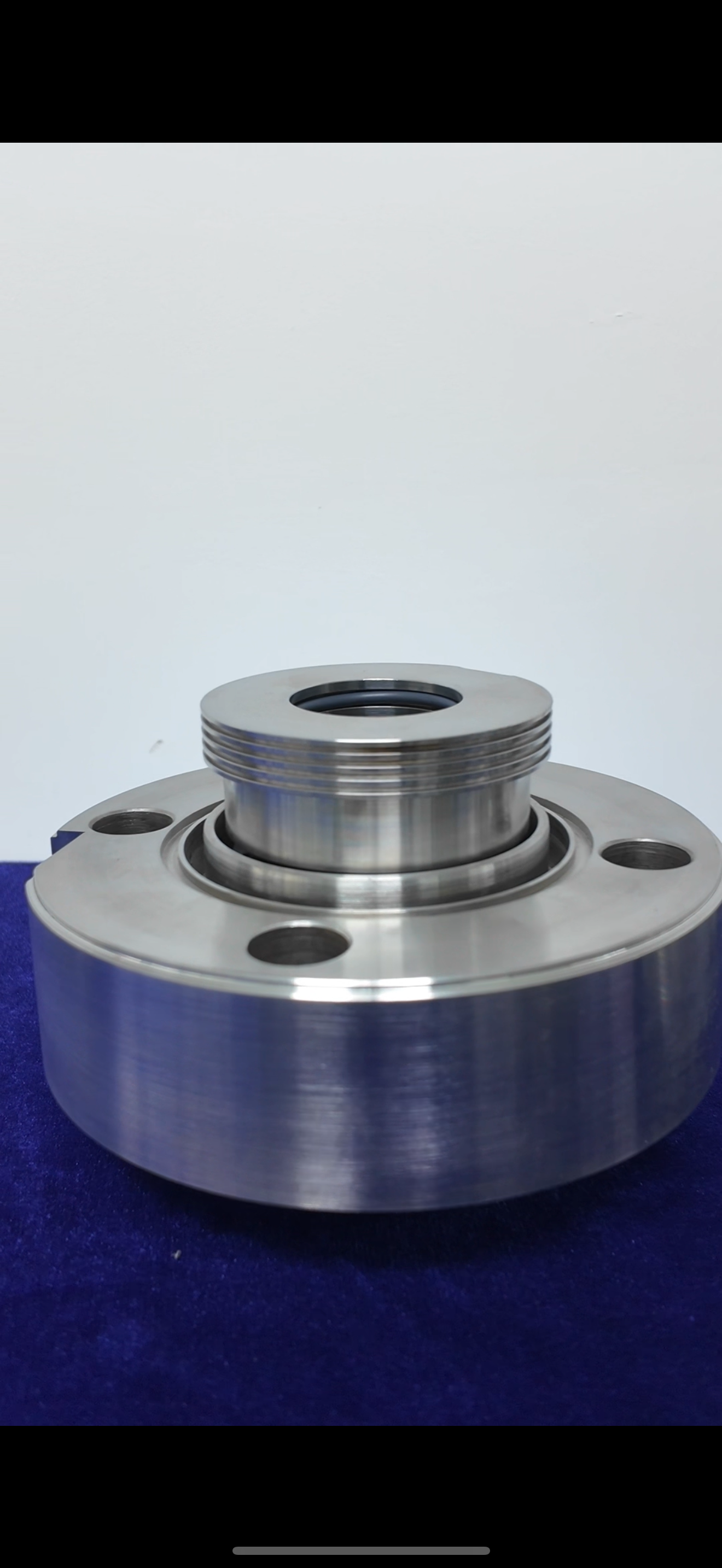
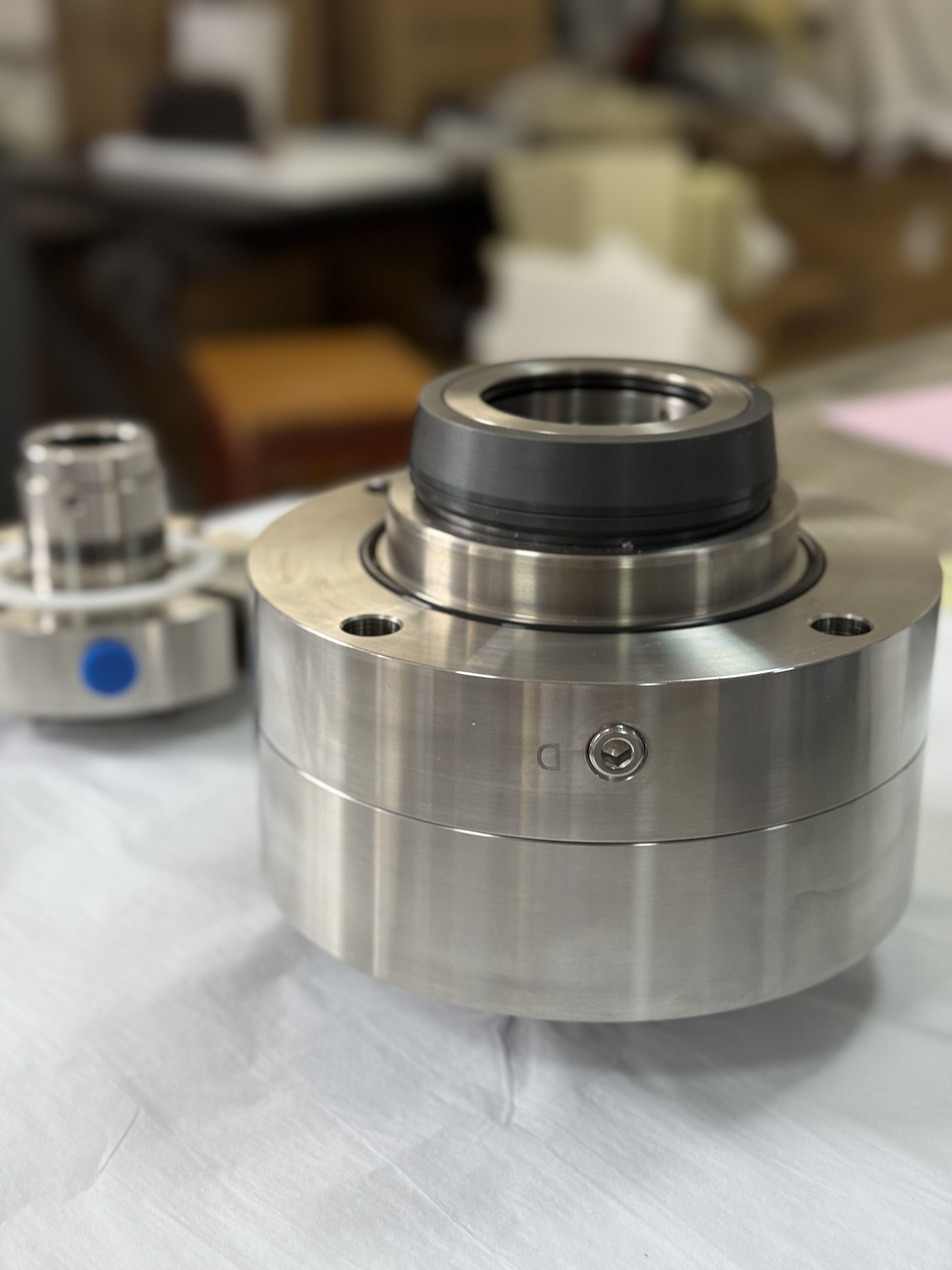
excellent cartridge mechanical seal
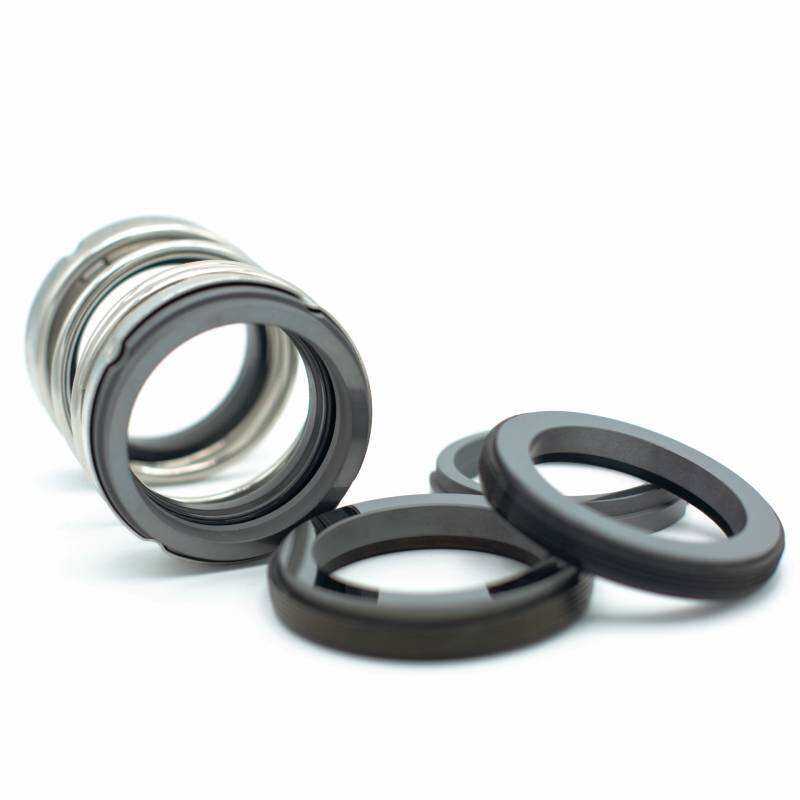
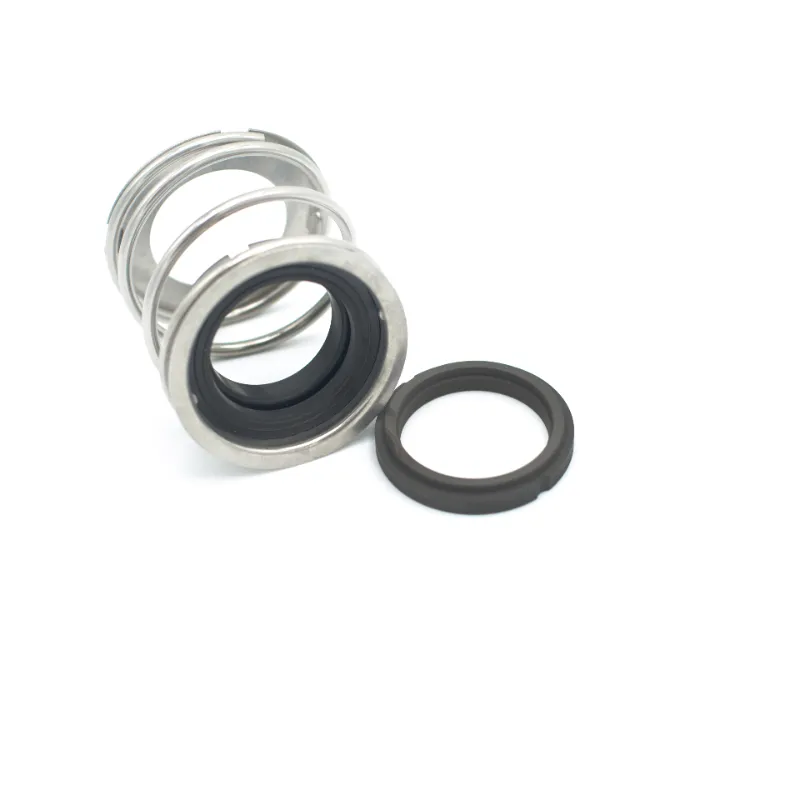
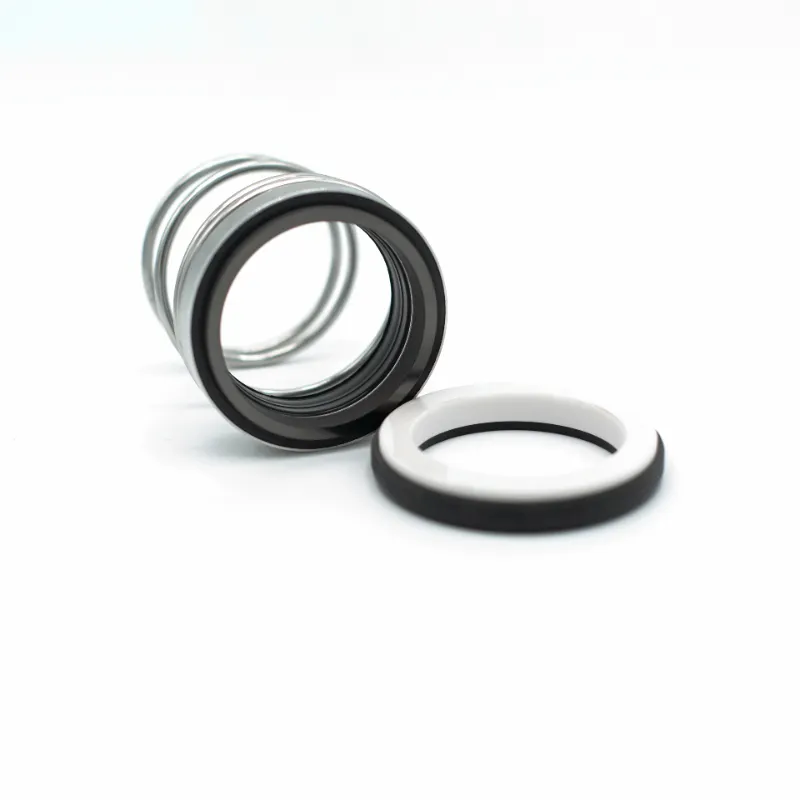
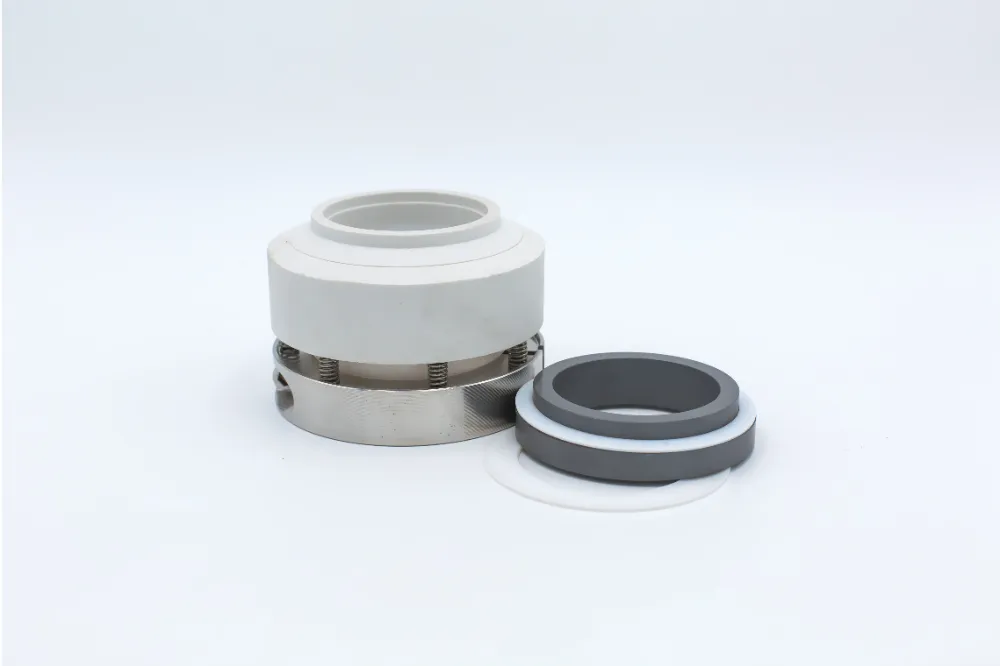
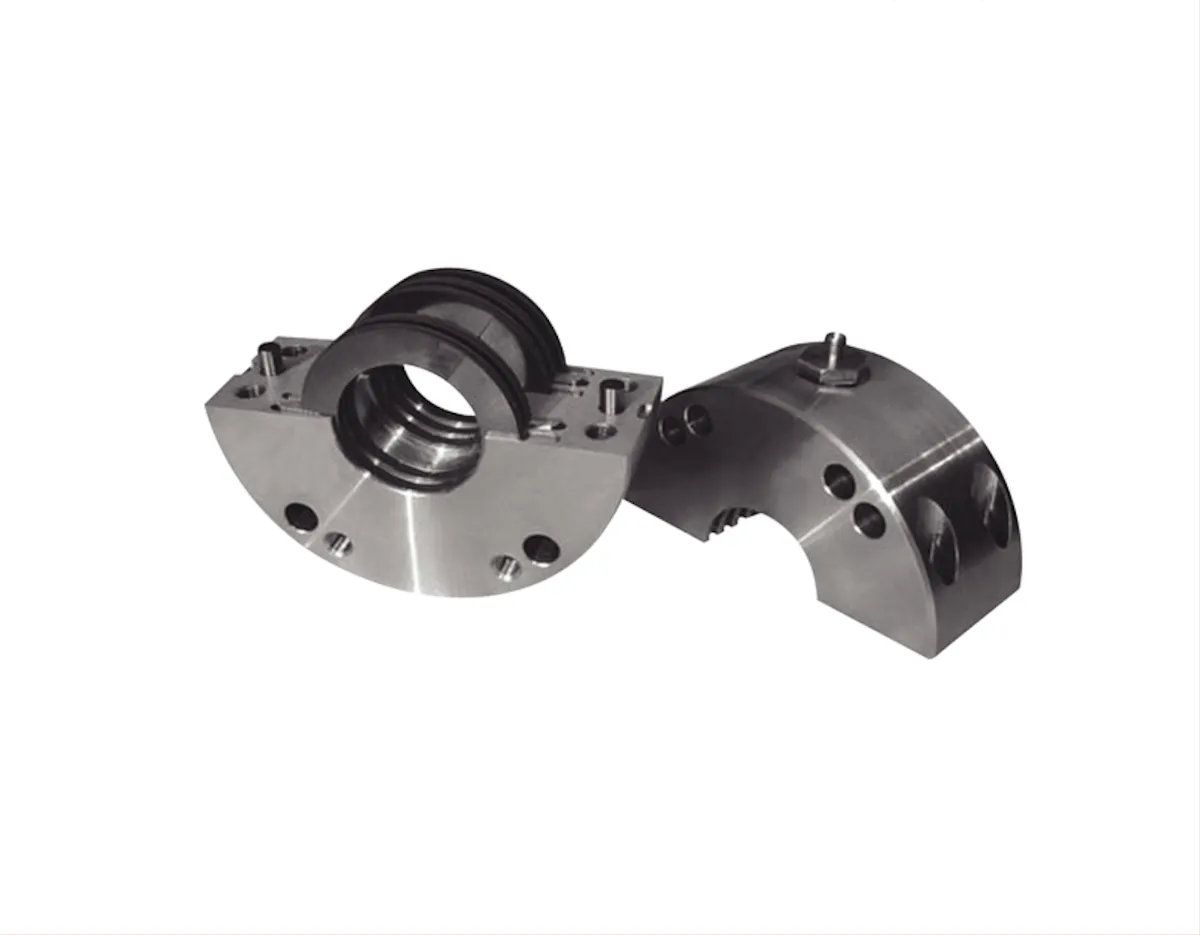
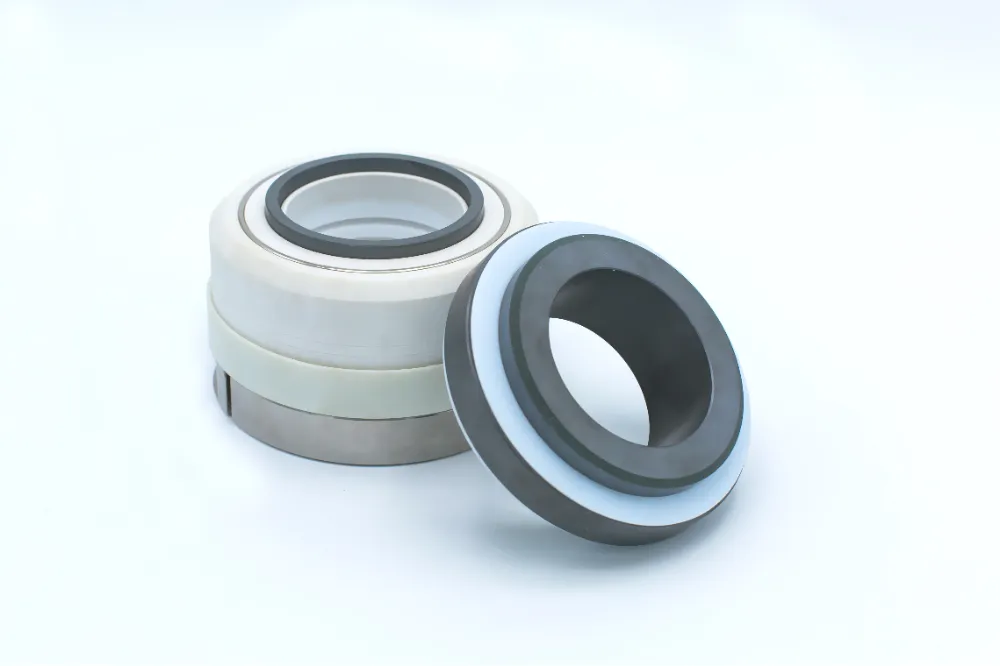
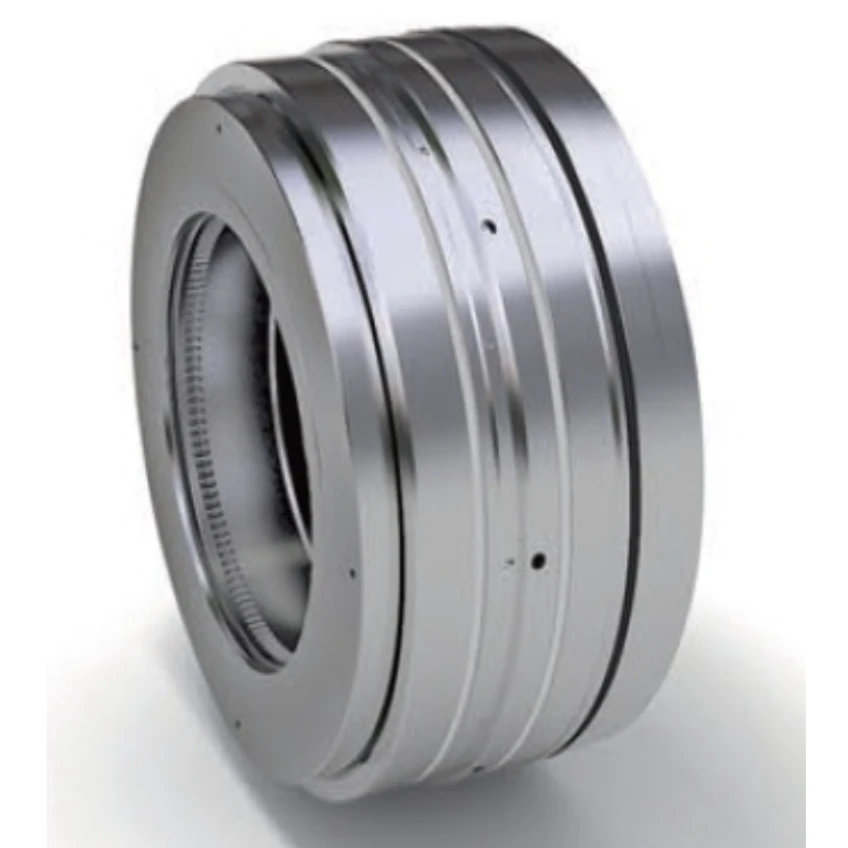
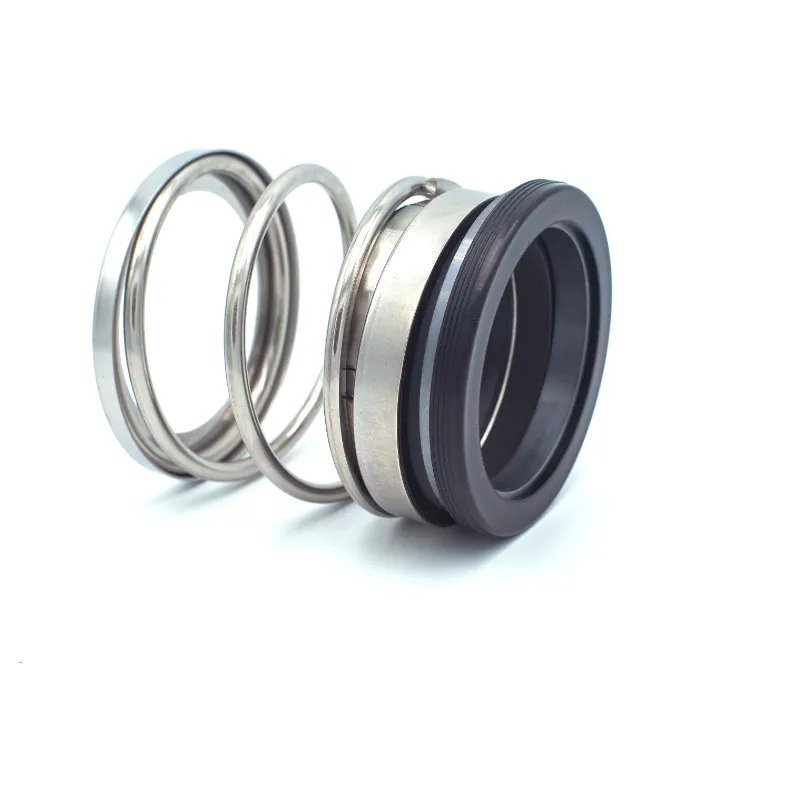
The excellent cartridge mechanical seal represents a pinnacle of engineering innovation in fluid containment technology, serving as a critical component in industrial rotating equipment. This sophisticated sealing solution consists of a complete assembly that includes primary and secondary sealing elements, spring mechanisms, and hardware components integrated into a single cartridge unit. Unlike traditional component seals that require individual installation of multiple parts, the excellent cartridge mechanical seal arrives as a pre-assembled unit, eliminating complex installation procedures and reducing maintenance downtime. The primary function centers on preventing fluid leakage between rotating and stationary components in pumps, mixers, compressors, and other rotating machinery. The seal operates through precise contact between rotating and stationary seal faces, creating a barrier that contains process fluids while allowing smooth shaft rotation. Advanced materials such as silicon carbide, tungsten carbide, and specialized elastomers ensure optimal performance across diverse operating conditions. The technological features include balanced design configurations that minimize face loading, reducing wear and extending operational life. Temperature compensation mechanisms maintain consistent sealing performance across varying thermal conditions, while corrosion-resistant materials withstand aggressive chemical environments. The excellent cartridge mechanical seal incorporates sophisticated face geometry that promotes stable operation and prevents face distortion under pressure variations. Applications span numerous industries including chemical processing, pharmaceutical manufacturing, food and beverage production, oil and gas operations, and water treatment facilities. The versatility of the excellent cartridge mechanical seal makes it suitable for handling everything from clean water to highly corrosive chemicals, abrasive slurries, and high-temperature fluids. Modern designs accommodate pressures ranging from vacuum conditions to high-pressure applications, with temperature capabilities extending from cryogenic to elevated thermal environments.
 EN
EN