chemical agitator seals
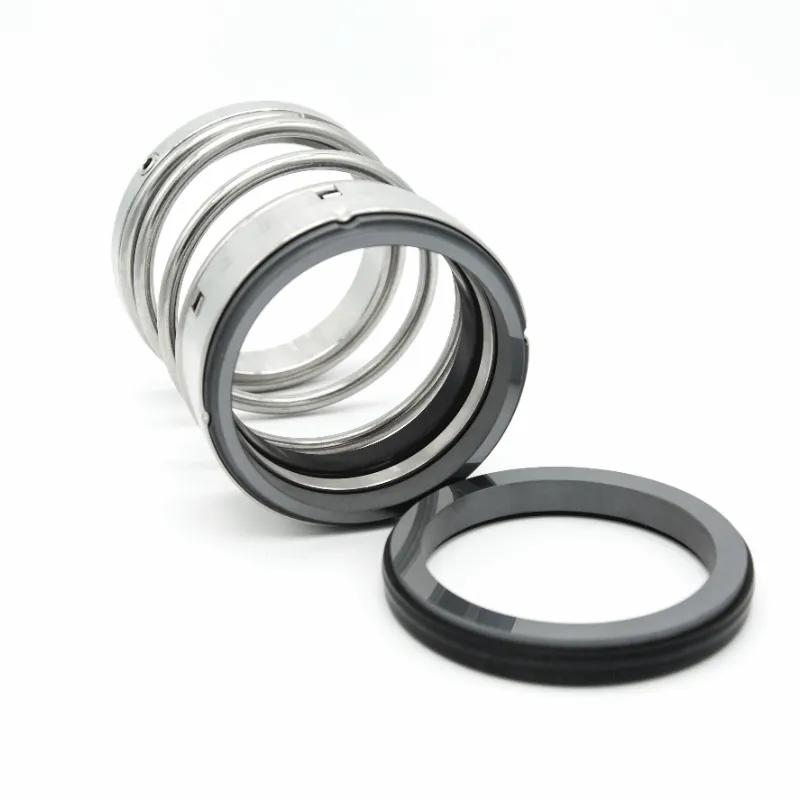
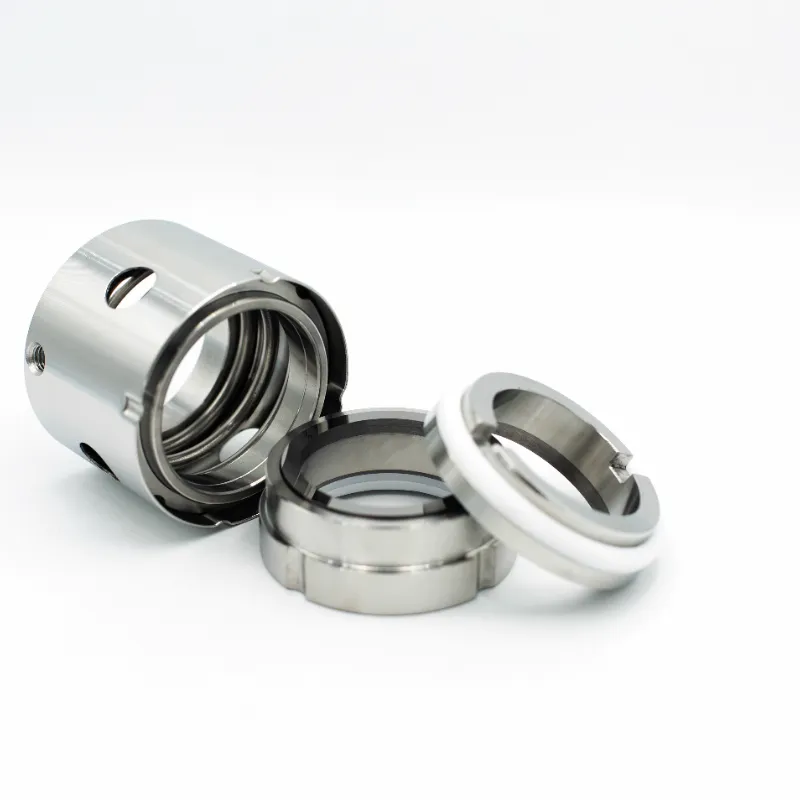
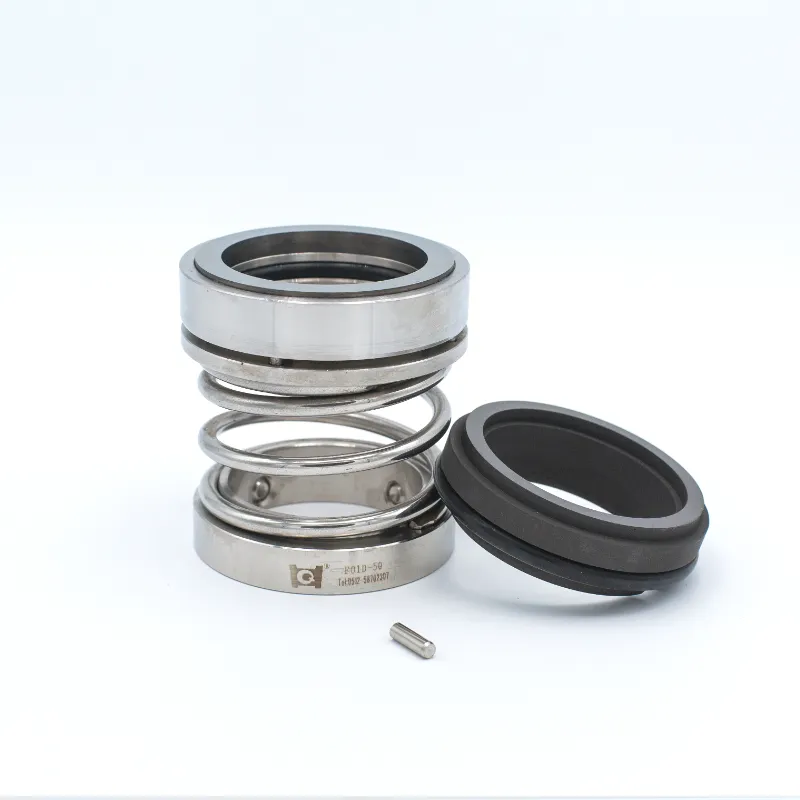
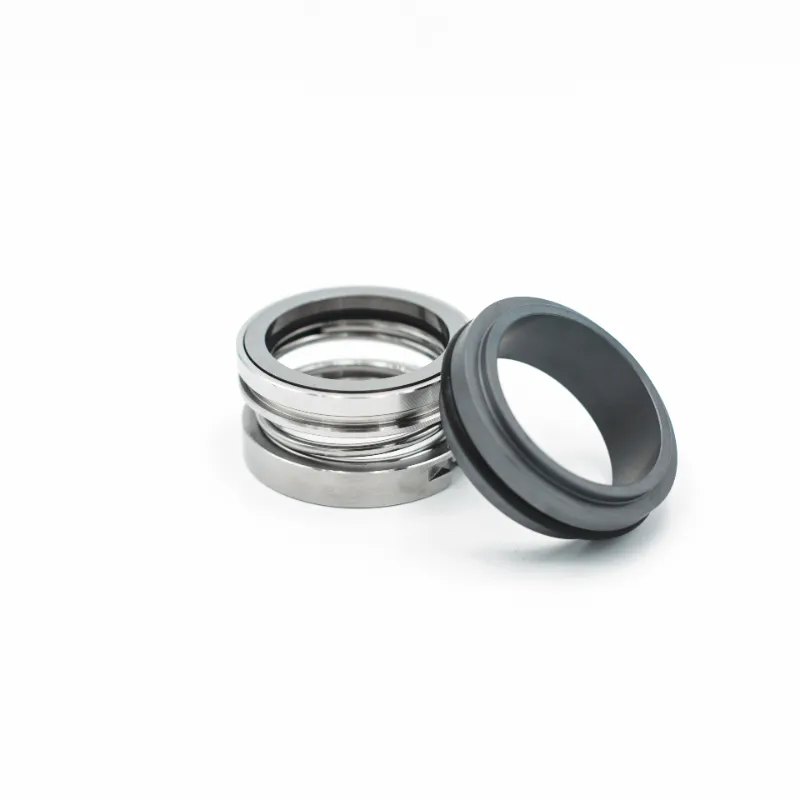
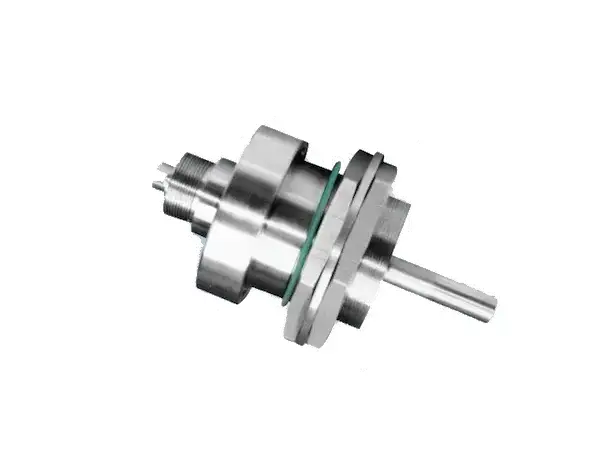
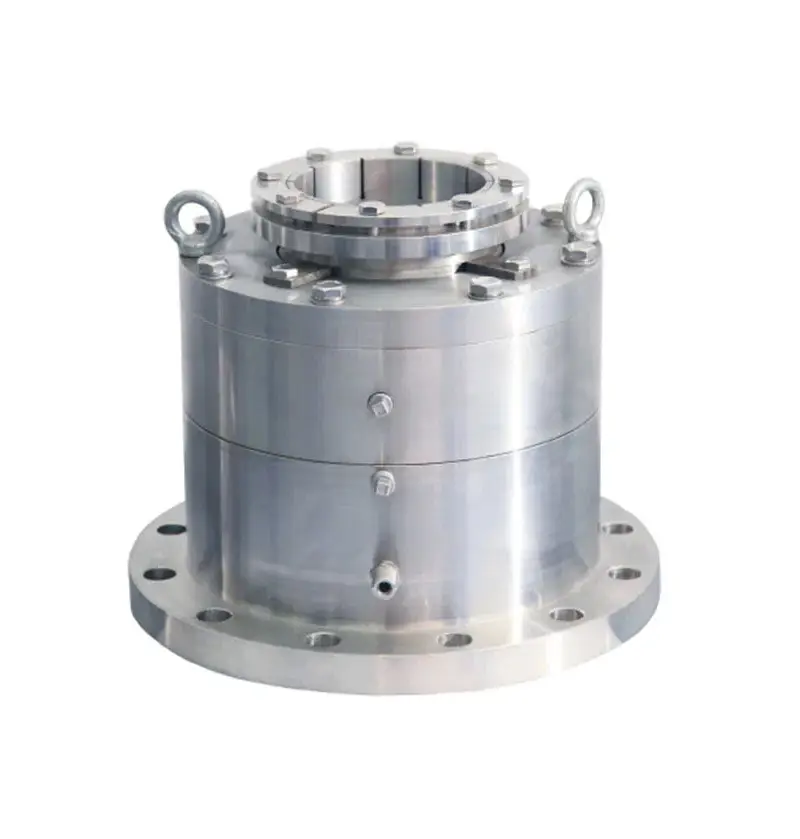
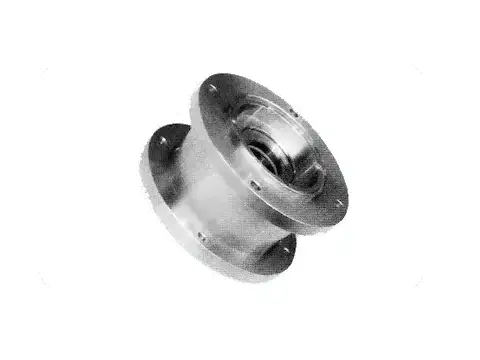
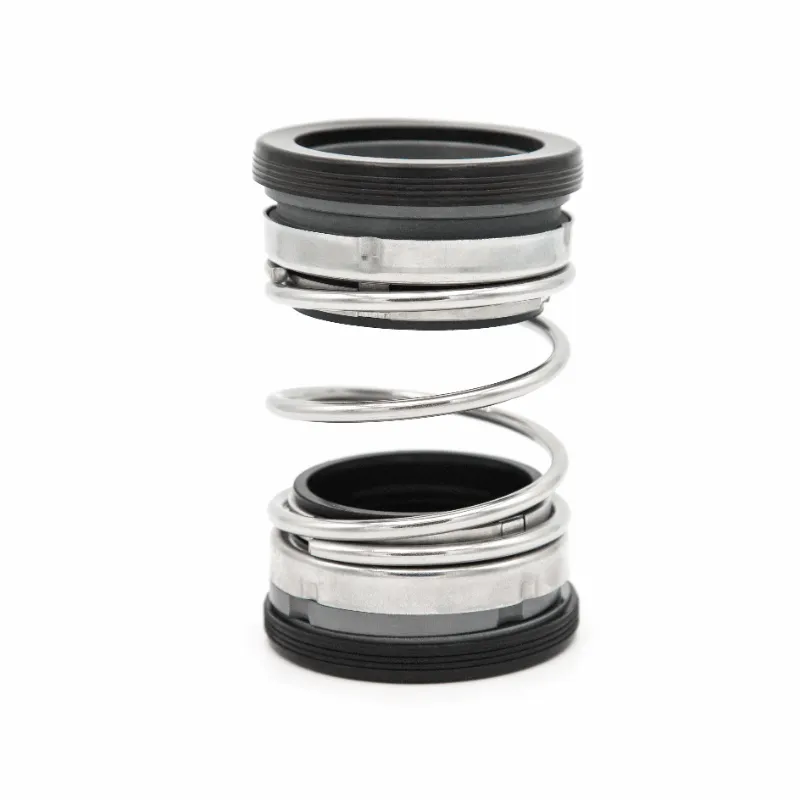
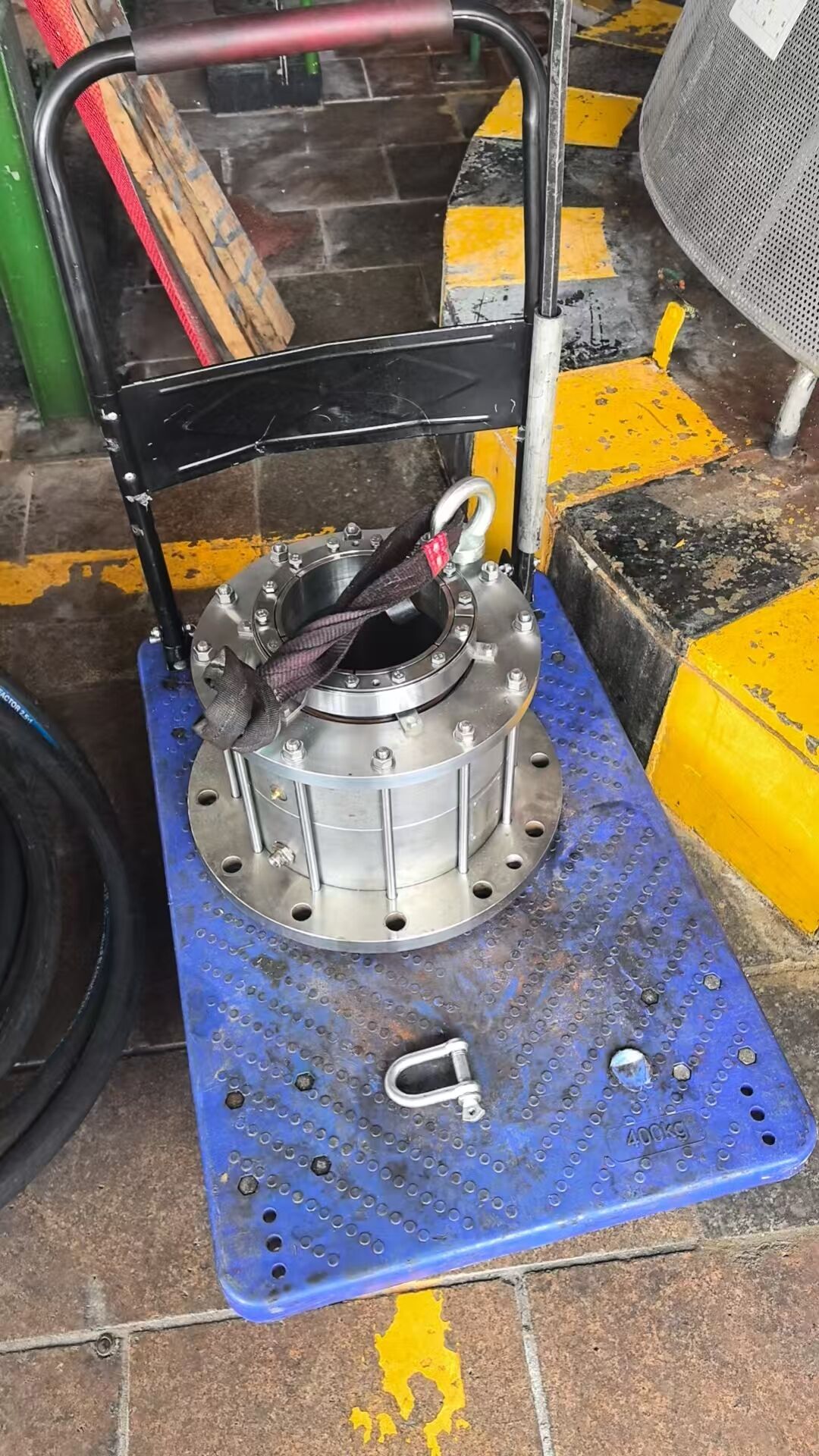
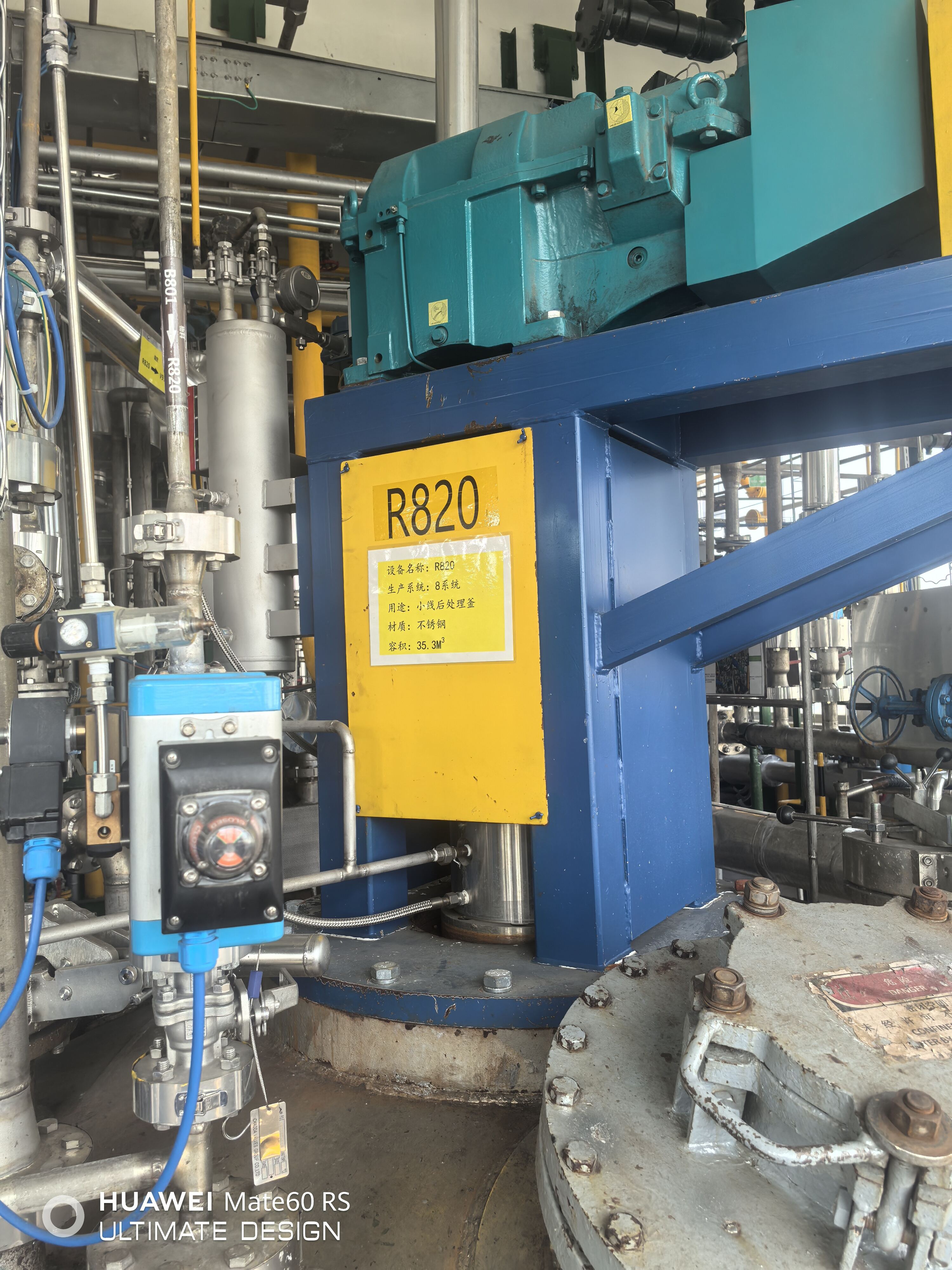
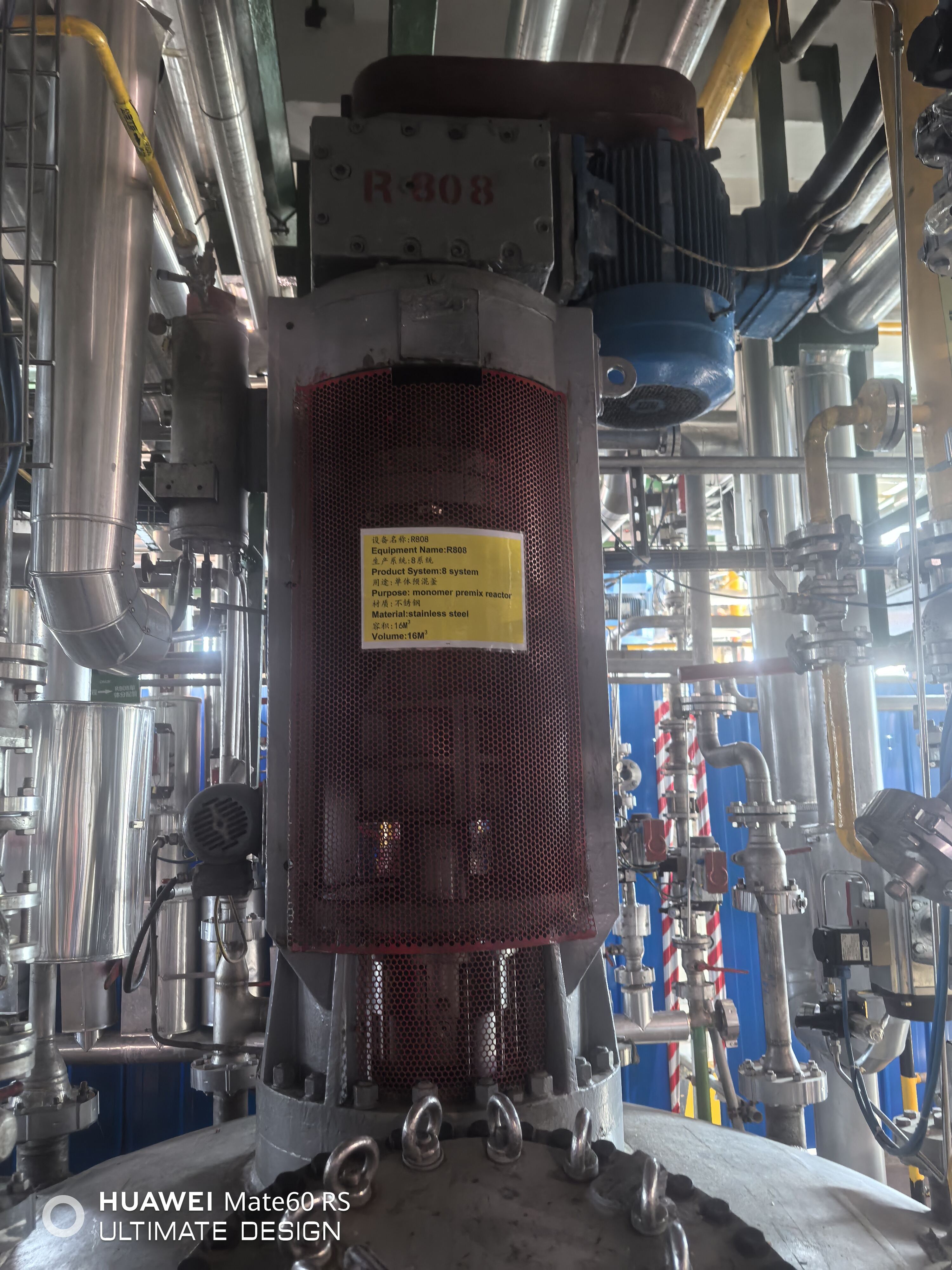
Chemical agitator seals represent a critical component in industrial mixing operations, serving as the primary barrier between the process fluid and the external environment. These specialized sealing systems are engineered to withstand the harsh conditions typical of chemical processing, including corrosive substances, extreme temperatures, and high-pressure environments. The main function of chemical agitator seals is to prevent leakage of process fluids while maintaining optimal mixing performance and ensuring operator safety. Modern chemical agitator seals incorporate advanced materials such as silicon carbide, tungsten carbide, and specialized elastomers that resist chemical attack and degradation. The technological features of these seals include dual-seal configurations, barrier fluid systems, and temperature compensation mechanisms that adapt to varying operating conditions. Single mechanical seals provide basic protection for less demanding applications, while double mechanical seals offer enhanced safety margins for hazardous or toxic chemicals. The design typically includes a rotating seal face attached to the agitator shaft and a stationary seal face mounted in the seal housing, creating a dynamic sealing interface. Spring-loaded systems maintain consistent contact pressure between seal faces, compensating for shaft deflection and thermal expansion. Advanced chemical agitator seals feature quench systems that introduce clean flush fluids to cool and lubricate the seal faces, extending operational life significantly. Applications span across pharmaceutical manufacturing, petrochemical processing, food production, water treatment facilities, and specialty chemical synthesis. In pharmaceutical applications, these seals must meet stringent FDA requirements for material compatibility and cleanliness validation. The petrochemical industry relies on chemical agitator seals for reactor vessels, blending tanks, and polymerization processes where containment of volatile organic compounds is essential. Food processing operations utilize sanitary seal designs that prevent contamination while maintaining easy cleaning and sterilization capabilities.
 EN
EN